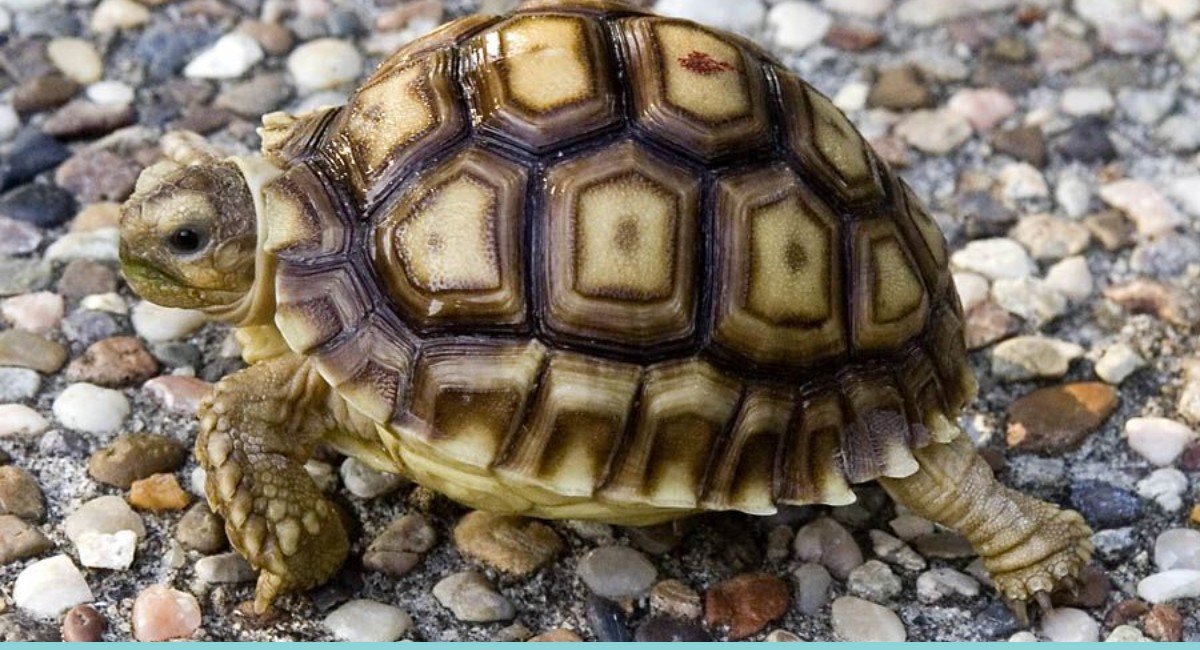
Can Turtles Climb? What “Turtle Climbing a Fence” Really Means
Most people picture turtles as slow, flat, and helpless on anything steeper than a curb. Then they see it: a turtle climbing a fence, scrabbling with its claws, or somehow appearing in a yard that seems completely sealed off. It looks impossible until it’s happening right in front of you.
So, can turtles climb? The honest answer is: some turtles can climb more than you’d expect, but they’re not little rock climbers either. A lot depends on the species, the surface, the angle, and whether the turtle is motivated (nesting season makes turtles determined in a way that surprises people).
Do Turtles Climb Trees?
The phrase “can turtles climb trees” gets shared online because it’s weird and memorable. In reality, turtles don’t climb tall trees the way a cat does. What does happen is that some turtles can scramble onto low, angled trunks, logs, brush piles, or the base of a leaning tree, especially in wet forests where fallen wood creates ramps.
If a turtle is seen “in a tree,” it’s usually on something low and reachable, or it has climbed onto a log that’s resting against the trunk. Turtles can use natural ramps. They’re not scaling smooth bark to reach the canopy.
Why Turtles Climb In The First Place
Climbing behavior usually has a practical reason. Turtles climb to bask, to escape predators, to reach nesting sites, or to move between water and land when routes change with flooding or drought. During nesting season, females may travel surprisingly far from water, and that’s when fences, curbs, and retaining walls become part of the landscape they have to navigate.
Which Turtles Are Most Likely To Climb?
Not all turtles climb the same way or with the same ability. A turtle’s climbing skill depends largely on its habitat, limb strength, shell shape, and overall body design. Some species are better suited to rough ground and obstacles, while others are more limited and rely on finding easier routes rather than scaling barriers.
Box Turtles And Wood Turtles
Terrestrial and semi-terrestrial turtles often do better on rough ground because their claws and limb posture are designed for walking. Box turtles and wood turtles can handle uneven terrain, climb over roots, and scramble up short obstacles, especially if the surface has texture to grip.
Sliders, Painted Turtles, And Other Aquatic Turtles
Aquatic turtles can still surprise you, but they’re more limited on dry, steep surfaces. They may climb a low, rough embankment to reach a basking log or a nesting site, but they’re not built for long climbs. When you see an aquatic turtle on the wrong side of a barrier, it’s often because it went around a weak point rather than scaling the tallest section.
Tortoises
Tortoises are strong and stubborn, with heavy shells and powerful limbs. They’re not agile climbers, but they can push, wedge, and lever their way over surprisingly high edges if there’s a foothold. A tortoise may not “climb” a fence, but it can climb over things you assumed were too tall if the top edge is rounded or the surface is grippy.
Related: Animals That Eat a Lot: Which Animal Eats the Most (and Why)
Turtle Climbing A Fence: How It Happens
Most fence “climbs” come down to three factors: traction, angle, and gaps.
- Traction: Chain-link, rough wood, stacked stones, and textured plastic provide footholds. Smooth vinyl is much harder to climb.
- Angle: A vertical wall is a stop sign. A leaning fence, a slope piled against a fence, or a raised garden bed that forms a ramp can become a pathway.
- Gaps and corners: Turtles are persistent. If there’s a low point, a hole, or a corner where the fence meets a post, they’ll test it. A turtle might also climb onto something placed near the fence (a log, a rock, a compost pile) and use it as a step.
Sometimes a turtle isn’t climbing so much as it’s wedging itself up a surface one small push at a time. If it slides back, it tries again, and the third or fourth attempt is the one you happen to see.
How To Keep Turtles From Getting Stuck In Your Yard
If you live near wetlands or you regularly see turtles, the goal isn’t to build a fortress. It’s to prevent the risky situations: turtles trapped in pools, turtles flipping on steep walls, or turtles circling fences until they overheat.
- Use smooth barriers when possible. A short section of smooth material at the bottom of a fence can prevent climbing attempts.
- Remove “step stools.” Keep logs, bricks, planters, and rock piles away from the fence line during peak turtle movement seasons.
- Check for gaps at ground level. Many turtles go under or through, not over.
- If you find a turtle trying to cross, don’t relocate it far away. If it’s safe, help it cross in the direction it was already traveling.
If You See A Turtle Climbing A Fence Right Now
First, don’t panic. If the turtle is small and the fall is low, it may be fine. But if it’s climbing high or looks stuck, you can help safely. Move slowly, pick it up from the sides of the shell (not by the tail), and place it on the ground on the same side it was trying to reach. Keep fingers clear of the mouth some turtles can bite hard.
Conclusion
In exploring the question, “Can turtles climb?”, we have uncovered the fascinating abilities and adaptations of these creatures. While most turtles are not natural climbers, certain species exhibit surprising dexterity that allows them to navigate unexpected terrain.
The phrase “turtle climbing a fence” serves as a metaphor for perseverance and determination in overcoming obstacles, reminding us that resilience exists in many forms. Whether it’s a turtle tackling a garden barrier or an individual confronting their own challenges, the message remains clear: persistence can lead to surprising achievements.
FAQs
Can Turtles Climb Over Fences?
Yes, turtles can climb over fences if they find a good grip, as they are surprisingly strong and determined climbers.
What Do Turtles Like To Climb On?
Turtles prefer ramps or surfaces that are not too steep or slippery, allowing them to easily move between water and land.
Does A Turtle’s Bite Hurt?
A turtle’s bite can hurt, especially from larger species, and may even break the skin though it is usually not dangerous.