Animals That Eat Corn: Who’s Snacking On Your Corn (And How To Tell)
Corn is basically an all-you-can-eat buffet in plant form. It’s high in energy, it grows in easy-to-reach rows, and it smells like food to almost everything with a nose. That’s why so many people end up searching for animals eating corn after they find stripped ears, scattered husks, or neat little bite marks on the cobs.
This guide covers the most common animals that eat corn, including the ones that go after kernels, the ones that drag off whole ears, and the ones that leave confusing evidence. We’ll also answer specific questions like “do chipmunks eat corn?” and “what animals eat corn cobs?” without turning your yard into a war zone.
Why Corn Attracts Wildlife
Corn is calorie-dense compared to many wild foods. For animals that need quick energy, especially in late summer and fall corn is worth the risk of stepping into open areas. Corn fields also provide cover, so animals can feed and hide in the same place. Even small gardens with a few stalks can attract visitors because the reward is so high.
Read also Can Turtles Climb? What “Turtle Climbing a Fence” Really Means
Animals That Eat Corn In Fields And Gardens
Corn attracts a wide range of wildlife because it’s nutritious, easy to access, and often grown in large quantities. Both large mammals and smaller animals will feed on corn at different stages of growth, leaving behind distinct signs that can help identify which species is responsible for the damage.
Deer
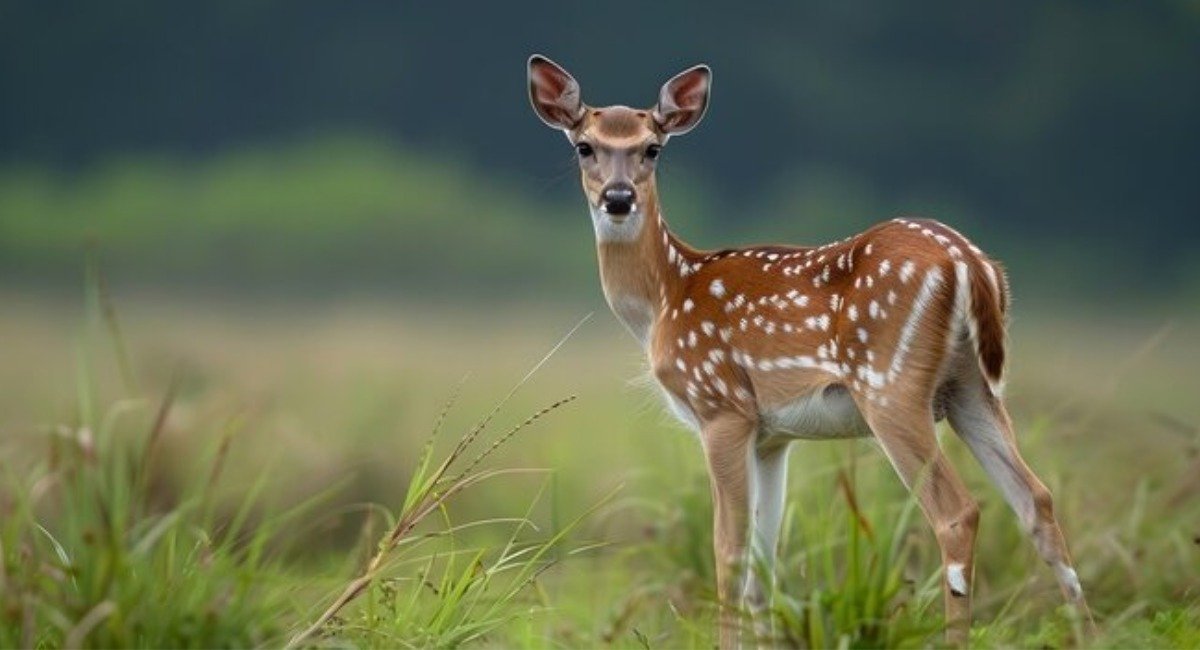
Deer are one of the most common answers to “what animals eat corn.” They’ll browse leaves, tassels, and ears, and they can reach higher than many people expect. In small gardens, deer damage often shows up as torn plants and missing ears. In fields, they may feed along edges where escape routes are easy.
Raccoons
Raccoons are classic corn thieves. They’re dexterous, they feed at night, and they often leave behind a mess of husks and partially eaten ears. If you find ears pulled down and chewed with scattered husk piles, raccoons are high on the suspect list.
Squirrels And Chipmunks
Chipmunks, squirrels, and other small rodents will eat kernels, chew into developing ears, and sometimes drag pieces away to stash. Their bite marks are usually smaller and more precise than raccoon damage. Squirrels are also famous for taking a few bites from multiple ears, which is maddening if you’re trying to harvest.
Birds
Birds can do significant corn damage, especially when ears are developing and kernels are soft. Crows are well known for pulling at ears and pecking kernels. Wild turkeys may eat corn from the ground or from damaged ears. Smaller birds might peck at exposed kernels but usually can’t peel back husks the way mammals can.
Bears (in bear country)
In areas with bears, corn can be a strong attractant. Bears can flatten patches quickly and leave large, obvious damage. If you live where bears are possible, never use corn as bait near your home, and secure any livestock feed and trash that might compound the problem.
What Animals Eat Corn Cobs Vs Kernels?
When people ask what animals eat corn cobs, they usually mean “who is carrying off whole ears?” Raccoons and squirrels commonly remove entire ears or large chunks. Deer often eat directly from the plant, biting off kernels and tearing the ear. Smaller rodents may focus on kernels and leave more of the cob behind.
If you find cobs cleanly stripped, look at the height and the style of the damage. Low damage with tiny gnaw marks suggests rodents. Mid-height damage with torn husks points toward raccoons. Higher damage with large bites and broken stalks often suggests deer.
Signs That Help You Figure Out What Animal Eats Corn
- Tracks: Soft soil near the corn patch can hold clear footprints. Deer leave heart-shaped hooves; raccoons leave hand-like prints.
- Timing: Damage that appears overnight points to raccoons, deer, and rodents. Daytime damage may point to birds and squirrels.
- Husks: Neat piles can suggest raccoons; shredded husks can suggest deer or squirrels.
- Bite marks: Small paired grooves often suggest rodents; larger torn bites suggest deer.
How To Protect Corn Without Going Extreme
There’s no single solution because different animals show up in different places. But a few humane strategies work well in most yards.
- Fencing: A physical barrier is the most reliable option. For deer, fences usually need to be tall. For raccoons and rodents, the base needs to be secure.
- Timing: Harvest as soon as corn is ready. The longer it sits, the longer it advertises itself.
- Cleanup: Pick up fallen ears and spilled kernels. Leaving them on the ground trains animals to keep visiting.
- Motion and light: For raccoons, a sudden light or motion sprinkler can help, especially when combined with removing food sources.
Should You Feed Wildlife Corn?
It’s tempting to toss out a few ears and watch the action, but feeding wildlife can create problems fast. Corn gathers animals in higher numbers than the habitat normally supports, which can increase disease risk and conflict. It also pulls animals toward roads, pets, and people.
Is Corn Safe For Pets And Backyard Birds?
Corn kernels are commonly used in animal feeds and can be part of a balanced diet for many species. The bigger issue is the cob. For dogs in particular, corn cobs can cause dangerous intestinal blockages if swallowed.
With birds, cracked corn is often used as feed for ground-feeding species, but it should be stored properly to prevent mold. If you’re feeding birds, offering a mix of seeds and keeping feeders clean matters more than the corn itself.
Conclusion
The exploration of animals that eat corn reveals the impressive array of wildlife that enjoys this staple crop. Identifying which animals are feasting on your corn requires attention to detail, from tracks and droppings to the telltale signs of nibbling.
Recognizing their habits can empower you to take action to minimize their impact on your agricultural efforts. As you implement protective measures, you can help secure a bountiful harvest for yourself and reduce competition for your crops.
FAQs
Can Pigs Eat Corn?
Yes, pigs can eat corn, including whole-grain corn, which provides fiber and helps support healthy digestion.
What Animal Ate My Corn?
Animals such as deer, raccoons, birds, squirrels, and even bears may eat corn, especially when it is ripe and ready to harvest.
What Animals Are Corn-Fed?
Animals like cows, pigs, and chickens are commonly fed corn as a major part of their diet to support growth and energy.