Animals That Are Deaf: The Reality Behind “Animals That Can’t Hear”
Animals that are deaf encompass a fascinating and often misunderstood aspect of the animal kingdom. Contrary to popular belief, hearing loss in animals is not just a disability; it shapes their interactions, behavior, and survival strategies.
Understanding the realities behind these animals not only challenges our perceptions but also highlights the incredible adaptations they make in their environments. In this article, I will explore the reasons behind deafness in various species and shed light on how these animals thrive in a world filled with sounds they cannot hear.
Are There Truly Animals That Can’t Hear?
In the strict sense, deafness means an animal can’t detect sound at all. That’s uncommon across whole species, because hearing (or some kind of vibration detection) is useful for survival. What’s more common is this: animals with poor hearing compared to other animals, animals that hear only a narrow band of frequencies, or individuals that are deaf because of genetics, injury, infection, or age.
Animals With No External Ears Are Not Automatically Deaf
“Animals with no ears” usually means no visible outer ear flaps. Many of those animals still hear just fine because the hearing structures are internal or the ear opening is small and hard to see.
Whales And Dolphins
Whales don’t have the classic external ears, but they are far from deaf. Many species are highly sound-oriented. Toothed whales use echolocation, and baleen whales use low-frequency calls that can travel long distances underwater. Their hearing is adapted for water, not air, so it looks different from ours.
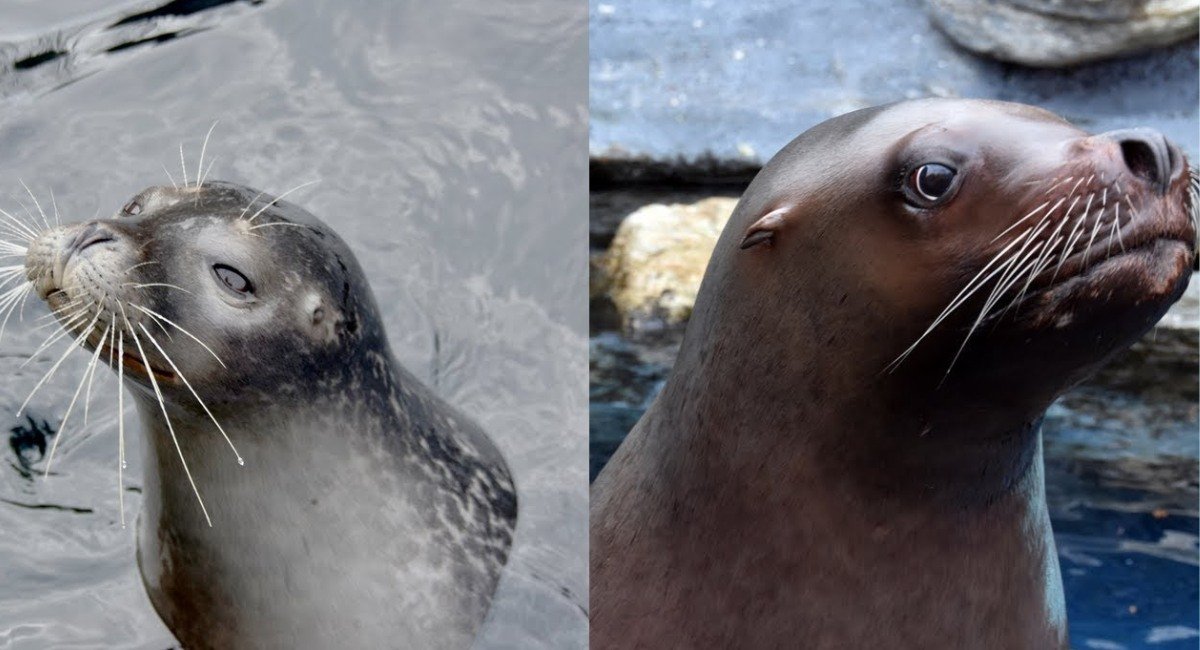
Seals And Sea Lions
Some marine mammals have small or reduced external ear structures (and true seals don’t have ear flaps), yet they can detect sound in water and air. They rely on a mix of senses: hearing, vision, whisker sensitivity, and smell.
Snakes
Snakes are the classic example that people label as animals that can’t hear. They don’t have external ears, and they don’t hear airborne sound the way mammals do. But they can detect vibrations through the ground and pick up low-frequency sound in ways that are meaningful for their lives.
Animals With Bad Hearing Or Hearing Tuned Differently
A better question than “what animals are deaf?” is often “which animals have hearing that’s limited compared to humans?” That’s where you start seeing real patterns.
Are Moles Deaf?
No, moles aren’t deaf. They do have tiny external ears and spend most of their lives underground, so they rely heavily on touch and smell. But studies of mole hearing show they can detect sound, often with sensitivity to low frequencies that make sense in tunnels and soil.
Are Armadillos Deaf?
Armadillos also aren’t truly deaf, but their hearing may not be as sharp as their sense of smell. If you’ve watched an armadillo shuffle around and ignore noises, it can feel like it’s “not listening.” In reality, many animals prioritize certain senses. For armadillos, smell and digging behavior often dominate their attention.
Animals With Poor Hearing
Some species have narrower hearing ranges than humans, and some may have less sensitivity in certain frequencies. That doesn’t always show up as obvious “deafness,” it shows up as different priorities. An animal might not respond to your voice but could still detect the rustle of a predator or the vibration of movement.
Don't miss Animals That Eat Corn: Who’s Snacking on Your Corn (and How to Tell)
Deaf Animals You’re Most Likely To Meet: Cats And Dogs
If you’re looking for clear, documented cases of deaf animals, domestic species are where the evidence is strongest. Veterinarians can test hearing, breeders can track patterns, and researchers can study genetics.
White Cats And The “Blue Eyes” Connection
Congenital sensorineural deafness is well documented in some white cats, especially those with blue eyes. The deafness is linked to genetics, affecting pigment and inner-ear development. This is one of the most common real-world examples behind the question “what animal is deaf?” because people see it in their own homes.
Dalmatians And Inherited Deafness
Dalmatians are another well-known example. A significant percentage of Dalmatians are born with hearing loss in one or both ears. Responsible breeders often use hearing tests (BAER testing) to identify affected puppies. This matters because a deaf dog can live a great life, but training and safety need a different approach.
How Animals ‘Listen’ Without Relying On Sound The Way We Do
Even when hearing is limited, animals rarely move through the world “blind.” Many rely on vibration, scent, air pressure, and body language. That’s why an animal may seem unresponsive to noise but react instantly to footsteps, a shadow, or a scent trail. It’s not ignoring the world it’s reading it in a different language.
Conclusion
Animals That Are Deaf are more than just an anomaly in the natural world; they are a testament to resilience and adaptation. The existence of deafness among various species invites us to rethink our assumptions about communication and survival in the animal kingdom.