Most Curious Animals: Who Explores the World Like a Scientist?
Among the Most Curious Animals lies a remarkable spectrum of behaviors that reflect a profound thirst for knowledge. Whether it’s sniffing out hidden treasures or daring to try new food sources, these animals engage with their environments like scientists, constantly seeking answers.
This article will explore the significance of curiosity in different species and how it plays a crucial role in their survival strategies. Join us as we dissect the ways curiosity not only enriches the lives of these animals but also offers valuable lessons for humans about adaptability and exploration.
What Makes An Animal Curious?
A curious animal tends to do three things:
- Approach new objects or situations instead of immediately avoiding them.
- Manipulate or test things (touch, move, open, flip, taste).
- Remember what it learned and change behavior next time.
Curiosity also has a cost. Investigating the unknown can be risky. That’s why you often see curiosity paired with intelligence, good senses, and social learning.
The Most Curious Animals And What They’re Curious About
Dolphins
Dolphins are famous for playful exploration: objects, bubbles, seaweed, and social games. Play and exploration can be linked to learning, and scientific work on dolphin play highlights how complex and varied it can be.
Crows And Ravens
Corvids investigate, tinker, and remember. They’re quick to notice patterns in human behavior too. That mix of boldness and problem solving is why they show up in so many discussions of inquisitive animals.
Octopuses
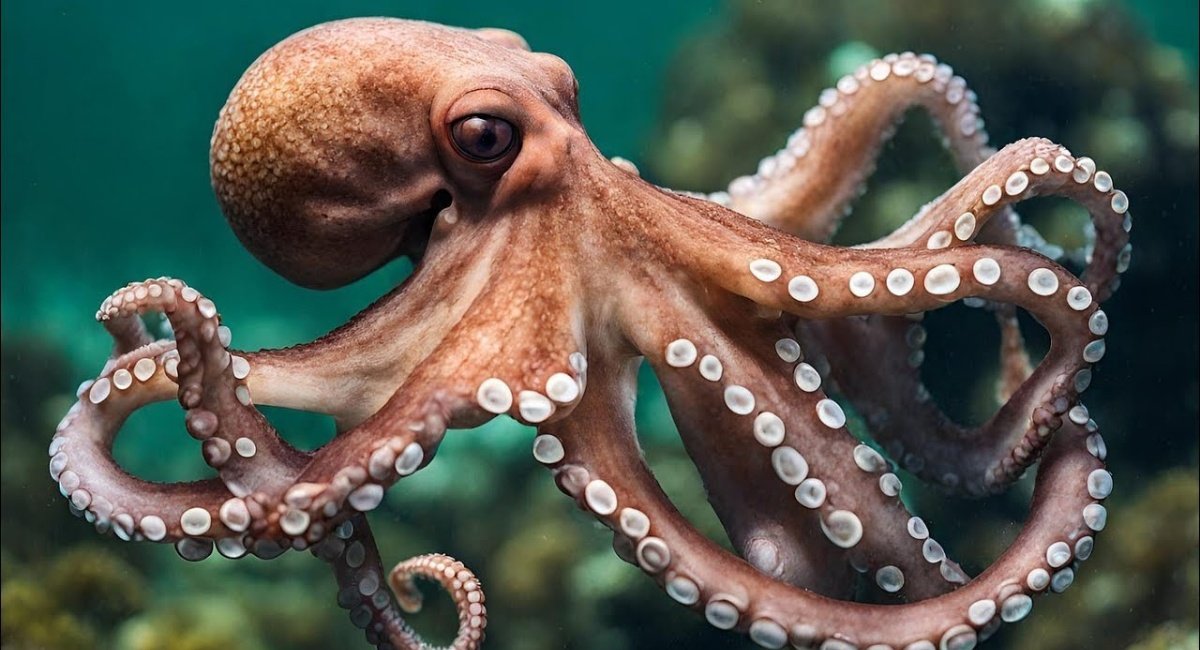
Octopuses explore with their arms the way we explore with hands. They test objects, squeeze into new spaces, and solve problems in ways that look genuinely flexible. That’s a major reason they’re often mentioned as one of the most curious animals among invertebrates.
Elephants
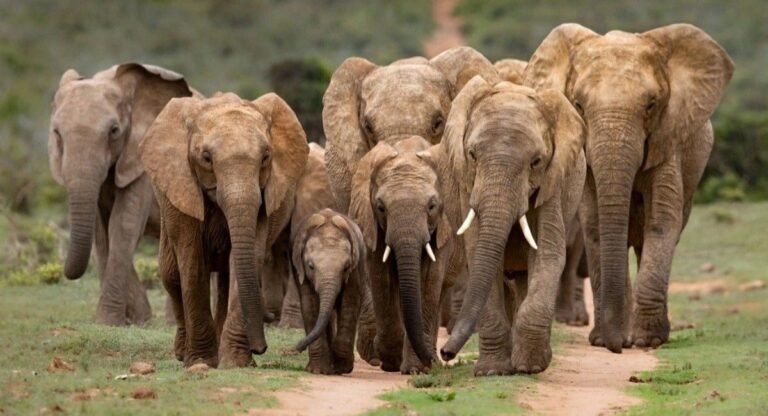
Elephants use their trunks to investigate everything: scent, texture, shape, and movement. Their curiosity is tied to memory and social complexity, especially when they’re encountering new environments or unfamiliar individuals.
Goats
Goats get underrated. They explore, climb, and test barriers. Research on goat cognition shows they can perform well in problem-solving tasks and learn in flexible ways, which matches the “inquisitive animal” reputation many keepers describe.
Raccoons
Raccoons are curious animals in the most hands-on way: they pry, pull, open, and investigate food containers like tiny burglars. Their success in cities is basically a curiosity and problem-solving story.
Rats
Rats are built for exploring. They navigate complex spaces, learn quickly, and use whiskers and scent like high-detail sensors. A pet rat that gets bored can become destructive, which tells you how much they need novelty.
Dogs
Dogs are curious in a social and scent-driven way. A walk is a news feed for them. Their exploration is less about puzzles and more about information: who was here, what happened, and where the interesting stuff is.
Cats
Cats are the classic “curiosity might get you in trouble” animal. They’ll investigate a new box, a new sound, or a moving cord. They also prefer to explore on their own terms, which is why forcing interaction can backfire.
Kea And Other Clever Parrots
Kea parrots (and many other parrots) are famous for investigating backpacks, car parts, and anything unattended. Parrots often combine strong beaks, dexterous feet, and social learning, which makes curiosity hard to resist.
Curiosity In The Wild: Innovation And “Figuring It Out”
In the wild, curiosity often shows up as innovation: eating a new food, using a new technique, or solving an obstacle that blocked access to calories. Comparative research in mammals has linked behavioral innovation and social learning with brain size patterns, which hints at why certain groups keep producing curious, inventive individuals.
That doesn’t mean “big brain equals curious” in a simple way, but it does explain why you keep seeing the same families on curiosity lists: primates, corvids, dolphins, and clever generalists like raccoons.
Read also Animals That Waddle: Why They Walk That Way (and Who Does It Best)
Curiosity Vs. Boldness: They’re Not The Same
A truly curious animal doesn’t just rush in. It often approaches, retreats, then approaches again. That push-pull pattern is common when animals manage the risk of novelty. Researchers describe neophobia as a fear response to novelty, and curiosity can be thought of as the opposing motivation that pulls an animal toward new stimuli.
If You Live With A Curious Pet, Channel It
Curious animals need safe ways to explore. A few options that work for many species:
- Rotate toys instead of leaving the same ones out forever.
- Use food puzzles or scatter feeding to turn meals into foraging.
- Give new scents or textures in controlled ways (cardboard, safe branches, new bedding).
- Let exploration happen at the animal’s pace.
Conclusion
The Most Curious Animals in the animal kingdom demonstrate that curiosity is not merely a human trait; it’s a survival mechanism shared by various species. From the bold exploration of new environments to the clever problem-solving behaviors exhibited in the wild, these curious creatures reveal the importance of novelty in their lives.
Their interactions with new stimuli enhance their chances of finding food, avoiding predators, and forming social bonds. Curiosity fuels their learning and adaptability, making it essential for thriving in constantly changing habitats.