Animals That Are Loud :The Noisiest Voices In Nature
The animal kingdom is home to a variety of vocal talent, with some Animals that are Loud showcasing extraordinarily powerful sounds that can be heard across vast distances. From the spine-chilling calls of the orca to the thunderous roar of the lion, these vocalizations play vital roles in survival and social interaction.
This article aims to categorize these noisy residents of the wild, shedding light on their unique adaptations and the environments that amplify their sounds. Prepare to explore the fascinating world of nature’s loudest voices and learn about the remarkable roles they play in our ecosystem.
How Do We Even Compare Loud Animal Sounds?
Sound intensity is often described in decibels, but decibels are not one universal scoreboard. Underwater sound is measured with a different reference pressure than sound in air, and distance from the source changes readings a lot. Guinness World Records even notes that comparing sounds across air and water is difficult and depends on measurement method and proximity.
So for everyday use, it’s better to think in practical terms:
- Which animals can be heard the farthest?
- Which animals produce sounds intense enough to feel in your chest?
- Which animals create constant “background” noise in a habitat?
Why Some Sounds Carry Farther Than Others
Loudness is only half the story. Pitch matters too. Low-frequency sounds usually travel farther and bend around obstacles better than high-frequency sounds. That’s why elephants can communicate with deep rumbles, and why some whales use low tones that travel across long distances.
High-frequency sounds can be piercing and feel louder up close, but they often fade faster. In a forest, a lower call can push through leaves and distance better than a thin, high squeak.
The Loudest Animals In The Ocean
The ocean may seem quiet from the surface, but beneath the waves it is filled with powerful sounds. Some marine animals produce incredibly loud noises to communicate, navigate, and hunt in dark waters.
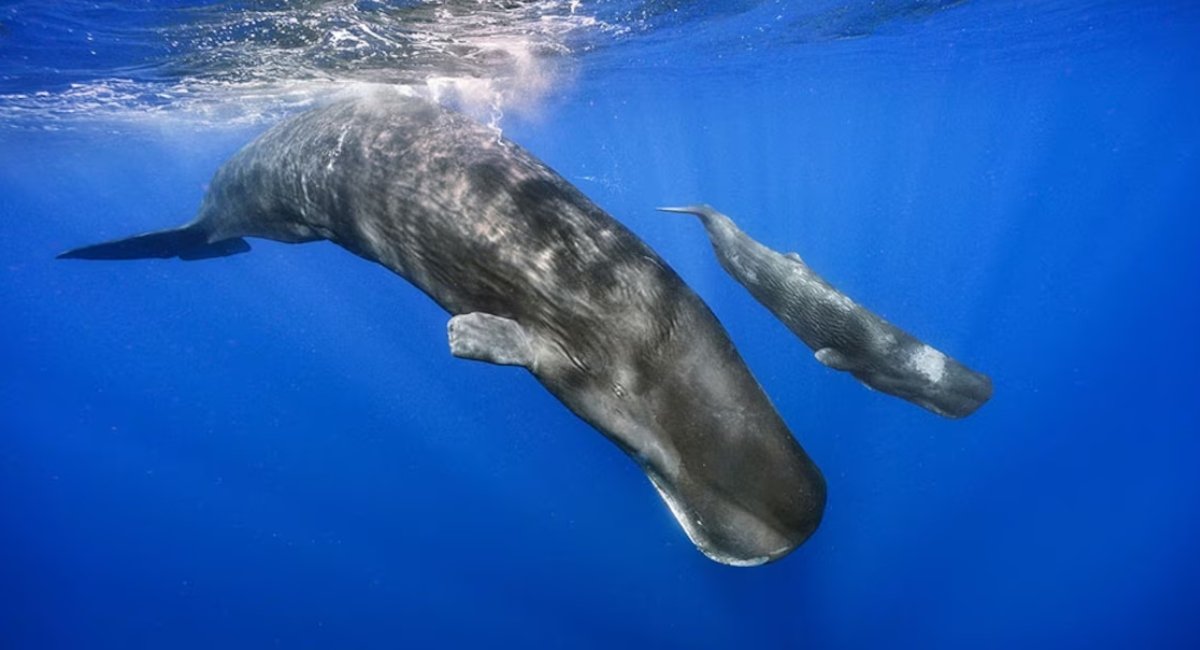
Sperm Whale
Sperm whales are often described as the loudest animals on Earth because of the intensity of their clicks. Guinness World Records discusses measurements of sperm whale clicks at extremely high levels (with the important note that the measurement is in water and uses a different reference pressure).
Loud Animals On Land
Land animals also use powerful sounds to communicate, defend territory, and warn others of danger. Some of the loudest land animals can produce calls that travel for miles through forests, grasslands, and open plains.
Howler Monkey
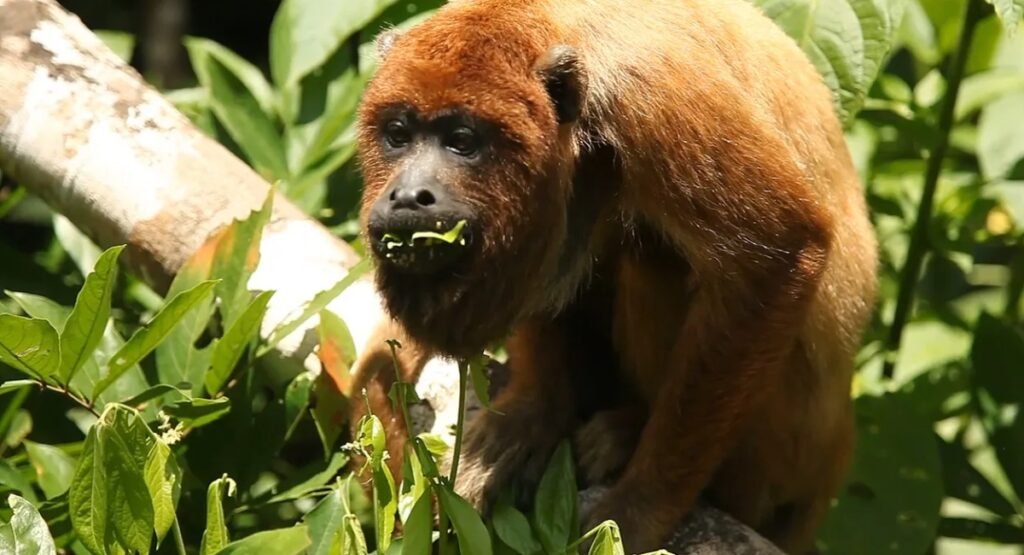
In tropical forests, howler monkeys are famous for calls that roll across the canopy. Their vocal anatomy is specialized for projecting sound over long distances, which helps with territory and social spacing. Even if you never see one, you can often hear them.
Lions And Other Big Cats
Lions don’t roar constantly, but when they do, it’s designed to travel. A University of Utah report notes that a lion’s or tiger’s roar can reach around 114 decibels for someone standing a few feet away.
Elephants
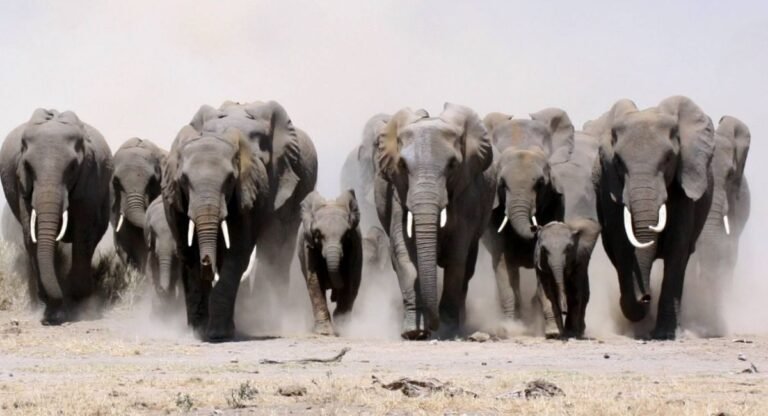
Elephants use deep rumbles that can travel long distances, including low-frequency components that carry well. They aren’t always “loud” in the sharp, painful sense, but they can be powerful and far-reaching.
Loud Insects: The Tiny Creatures That Dominate The Soundscape
Insects may be small, but they are some of the loudest creatures in nature relative to their size. Many species use powerful sounds to attract mates, defend territory, and communicate in dense environments.
Cicadas
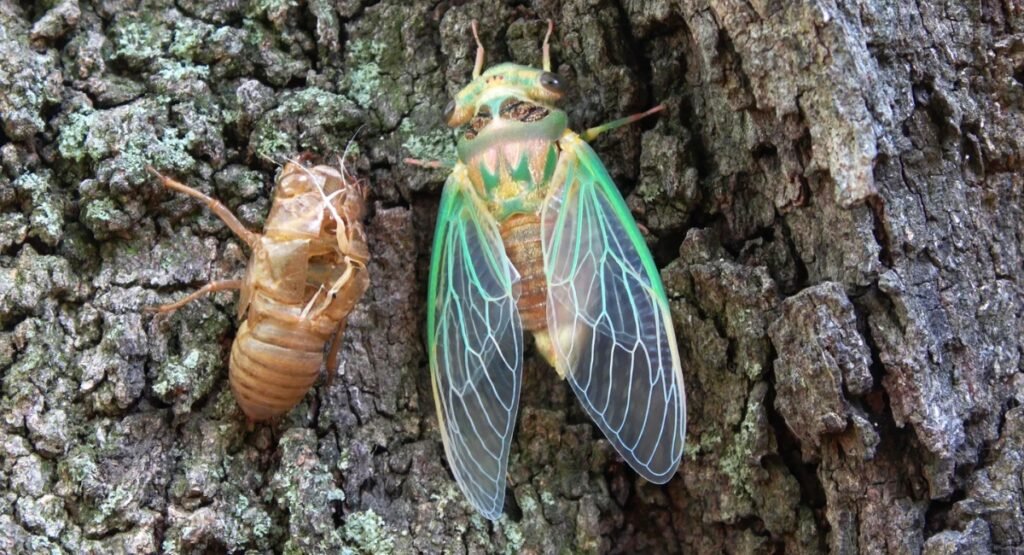
In some places, the loudest animal you’ll hear on a summer day isn’t a mammal or a bird, it’s a chorus of insects. CDC’s NIOSH science blog notes that cicada noise measured near heavily infested trees can approach around 100 dBA.
Loud Birds You’ll Recognize Instantly
Birds compete with distance and clutter, so many species evolved calls that cut through wind, water, and forest. Think of loons echoing across lakes, cockatoos screaming overhead, or peafowl calling at dawn. Bird loudness is often about being heard clearly, not just being physically intense.
Loons
Loons aren’t “loud” in the screaming sense, but their calls travel across water in a way that can sound eerie and powerful. If you’ve ever camped near a lake, you know how far a loon can reach.
Read also Most Curious Animals: Who Explores the World Like a Scientist?
Cockatoos And Other Parrots
Parrots can produce sharp, high-volume calls that cut through distance. In the wild, that helps flock members keep track of each other. In a neighborhood, it’s why a single bird can sound like an alarm system.
Peafowl
Peafowl calls are designed to be heard. They often sound loudest at dawn and can surprise people who didn’t expect “that noise” from a bird.
Why Animals Get Loud In The First Place
A loud call is expensive. It takes energy and it can attract attention. So when an animal is loud, it’s usually for a good reason:
- Territory: “I’m here. Don’t bother trying.”
- Mates: “I’m healthy enough to make this call.”
- Group coordination: keeping contact when visibility is low.
- Alarm: warning others about danger.
If You’re Trying To Identify A Loud Animal Nearby
When someone asks “what animal is loud,” they often mean “what animal is making that sound outside my window?” A few quick clues narrow it down:
- Nighttime near water: frogs, toads, and sometimes owls.
- Nighttime in trees: owls, raccoons squabbling, or fox calls in some areas.
- Daytime buzzing that seems everywhere: cicadas or other loud insects.
- Early morning repeated calls: many songbirds, plus peafowl in places where they roam.
Conclusion
When exploring the fascinating world of animals that are loud, it’s evident that measuring loudness is not a straightforward task. Different environments, such as air and water, influence how sound travels, creating unique challenges for comparison.
For instance, while the blue whale may produce the loudest calls underwater, animals like the howler monkey unleash ear-splitting roars in the treetops. It’s essential to consider various categories, as each animal adapts its sounds to its environment and communication needs.