Top 16 Animals That Whistle: Surprising Creatures That Communicate with Sound
The world of Animals That Whistle is a fascinating realm where communication takes on unique forms, showcasing the diverse ways creatures express themselves. Patience is a crucial trait in nature, often determining an animal’s ability to thrive in their environment.
From stealthy hunters waiting for the perfect moment to strike to social animals nurturing their young with care, patience plays a pivotal role in survival. Let’s explore the extraordinary lives of animals known for their calm and strategic behavior, highlighting traits that enable them to navigate their ecosystems effectively.
Animals That Whistle Explained
Whistle animals reveal a fascinating side of nature’s communication system, where sound becomes a powerful survival tool. From birds and mammals to even insects, these creatures use whistling to warn, attract, and connect with others.
Their unique vocal abilities highlight intelligence, social bonding, and adaptation in the wild. Exploring these animals offers a deeper appreciation for the hidden melodies of the natural world.
Pygmy Marmosets
The Pygmy Marmoset, scientifically known as Cebuella pygmaea and belonging to the class Mammalia, boasts a remarkable method of communication through a series of intricate whistles. These tiny primates, often referred to as the “whistling animals,” use their vocalizations to establish social bonds and relay vital information within their dense forest habitats.
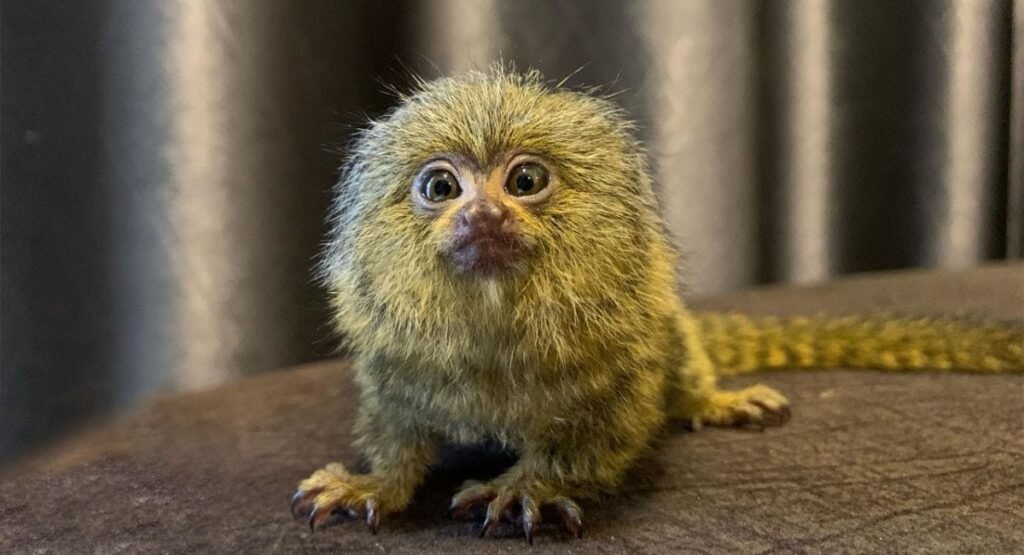
Social cohesion is vital for Pygmy Marmosets, as their whistles facilitate group dynamics and alert others to potential threats. When a predator is nearby, their unique vocalizations can signal alarm and prompt swift action among the group. This sophisticated use of sound not only enhances their survival chances but also highlights the significance of communication in fostering community ties within their lush, arboreal homes.
Dholes
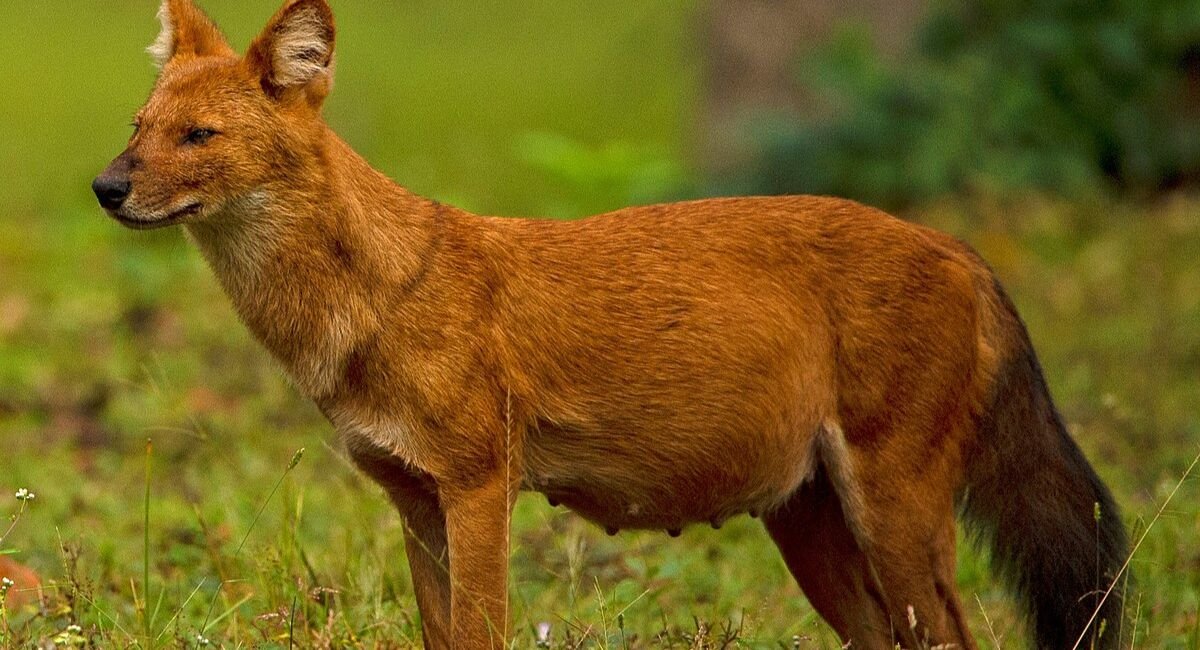
The dhole (Cuon alpinus), a captivating member of the class Mammalia, showcases a remarkable whistling communication system that sets them apart in the animal kingdom. These social carnivores utilize a series of high-pitched whistles, allowing them to maintain pack cohesion and coordinate their movements during hunts.
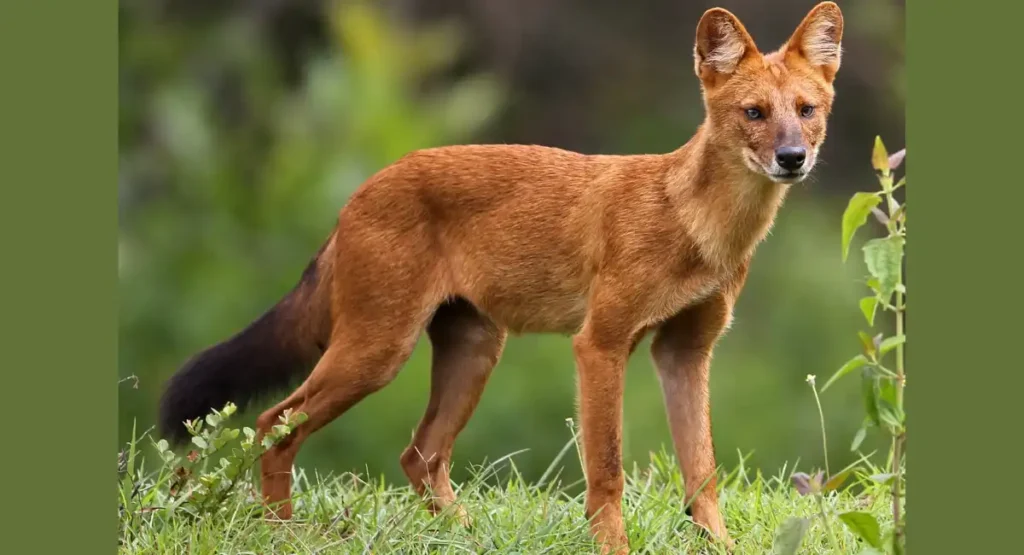
Effective communication among dholes is crucial for their successful hunting strategies. In the dense forests and open grasslands they inhabit, these whistles can be heard over considerable distances, allowing dholes to adapt their tactics based on the immediate needs of the pack.
Northern Mockingbird
The Northern Mockingbird (Mimus polyglottos), a member of the Aves class, is renowned for its exceptional vocal mimicry and versatile whistling ability. This remarkable bird can replicate a vast array of sounds, imitating the calls of other birds, animals, and even mechanical noises, showcasing a unique adaptability that captivates both casual observers and avid birdwatchers.
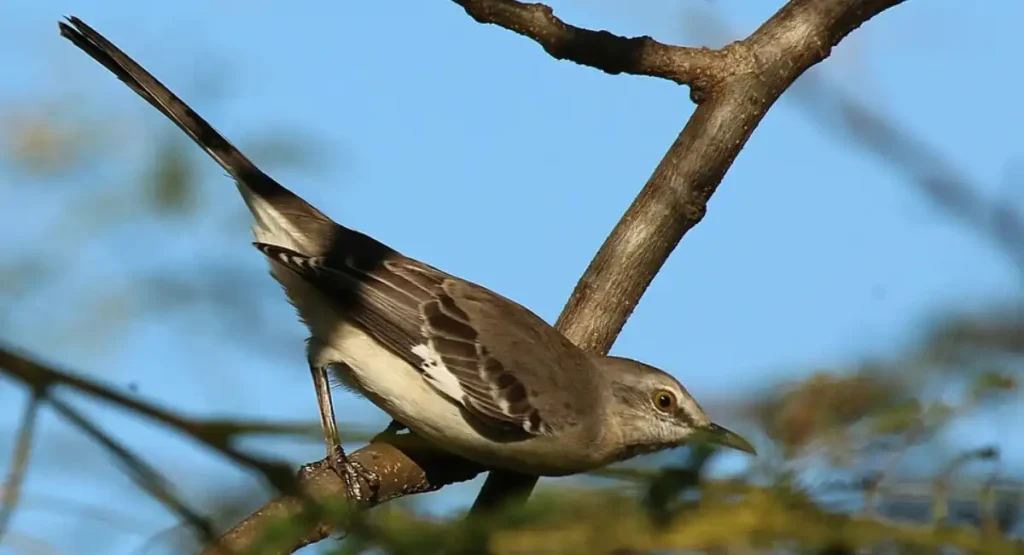
In terms of communication, the Northern Mockingbird’s song plays a pivotal role in the avian world, acting as both a beacon and a warning. These birds use their varied calls to convey messages about food, nesting sites, and impending threats, effectively maintaining a dynamic social structure within their habitats.
Walnut Sphinx Caterpillars
The Walnut Sphinx Caterpillar (Amorpha juglandis) belongs to the class Insecta and showcases a fascinating survival tactic through its ability to produce whistling sounds. This unique adaptation acts as a defense mechanism, startling potential predators and giving these caterpillars a crucial moment to escape.
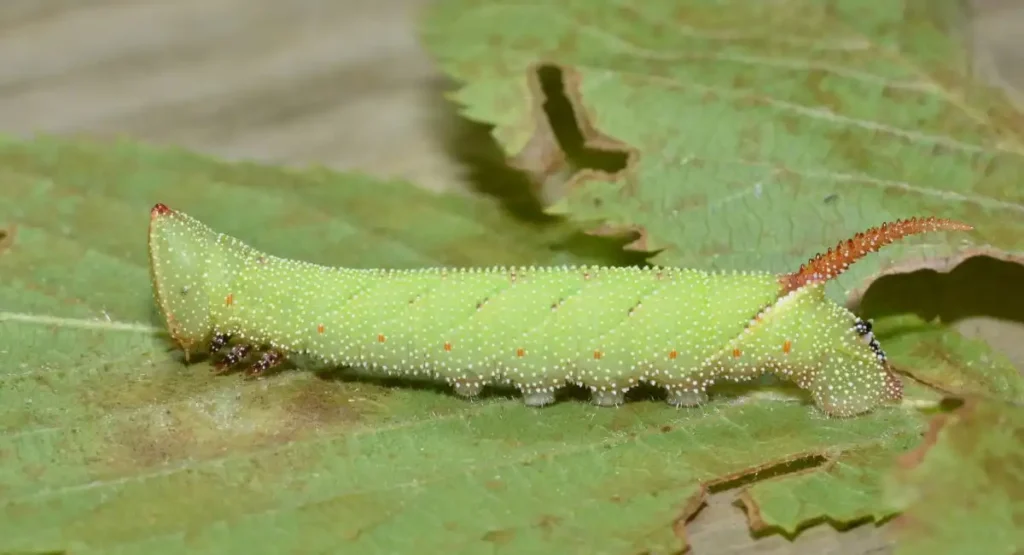
The sound is generated by forcing air through specialized structures, creating an unexpected auditory surprise that can deter curious birds or other threats.
Walnut Sphinx Caterpillars are herbivores, primarily feeding on the foliage of walnut trees. This diet not only supports their development into striking moths but also aligns them closely with their habitat, allowing them to blend in seamlessly.
Marmots
Marmots, classified as Mammalia with the scientific name Marmota marmota, are fascinating creatures renowned for their intricate social structures and communication methods. One of the most striking aspects of their behavior is their distinct whistling alarm calls, which serve as a critical warning system within their colonies.
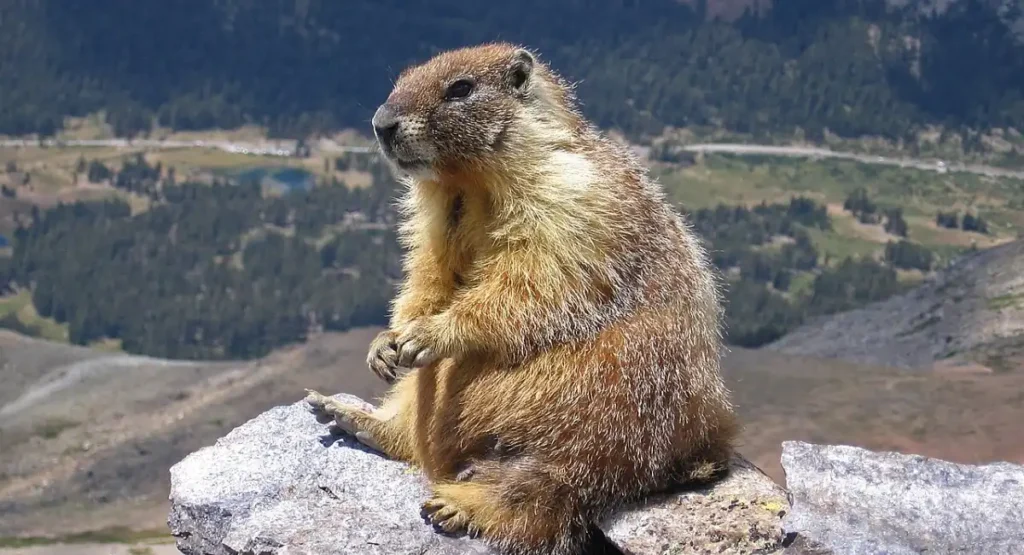
When a marmot spots a potential threat, it emits a high-pitched whistle that resonates across the alpine meadows, alerting fellow members about nearby dangers. Learn more about these fascinating creatures in our guide to marmots in North America.
Beyond their alarm calls, marmots engage in a rich tapestry of social interactions that fosters unity within their groups. They often communicate through a series of chirps and body postures, facilitating not just alerts to predators but also nurturing bonds among family members.
Read also Top 18 Most Patient Animals in the World You Need to Know
Elephants
The African elephant, scientifically known as Loxodonta africana, belongs to the class Mammalia and showcases some of the most sophisticated social behaviors in the animal kingdom. These gentle giants communicate not only through low-frequency rumbles but also distinctive whistling sounds that serve as emotional cues, revealing their complex relationships and deep bonds within their herds.
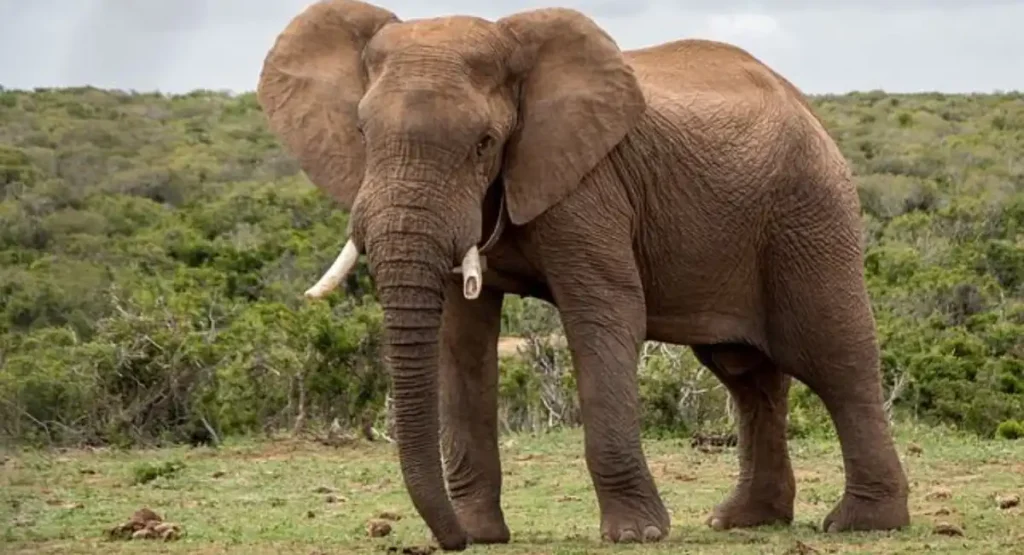
Remarkably intelligent, elephants demonstrate problem-solving abilities and a remarkable memory, often recalling past experiences and familiar individuals even after years apart. Their social structures are matriarchal, led by wise females who guide their family groups with compassion and understanding, making Elephants not just animals but highly sentient beings that mirror many aspects of human emotions.
Prairie Dog
The Prairie Dog, scientifically known as Cynomys ludovicianus and classified under Mammalia, is not just an adorable burrowing herbivore; it possesses a complex whistling language that is particularly fascinating. These vocalizations serve critical functions, enabling them to warn fellow colony members about approaching predators.
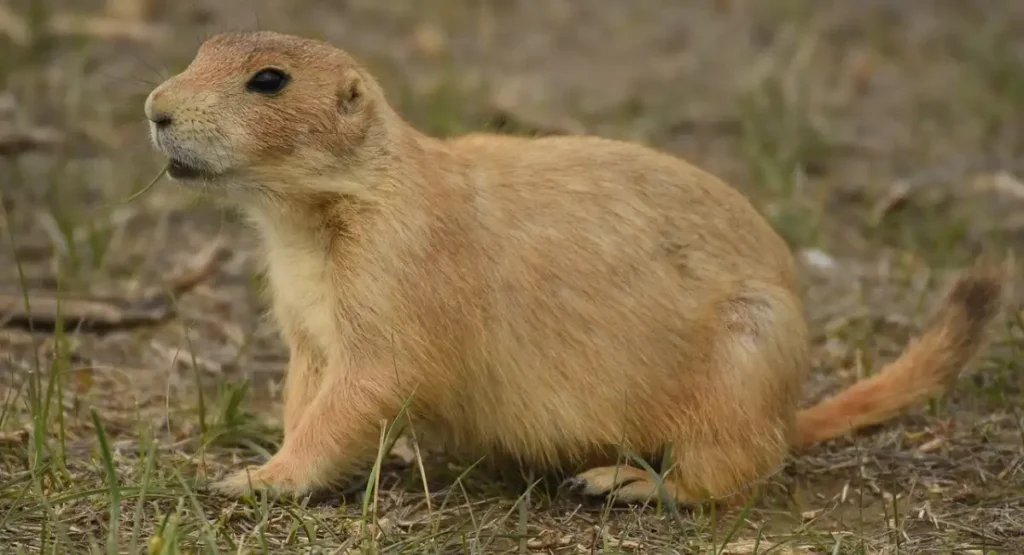
Beyond alarms, the whistling language maintains social structure within its communities. Prairie Dogs are highly social creatures; their vocal exchanges help reinforce bonds and coordination among group members.
Canary
The Canary (Serinus canaria), belonging to the class Aves, is a maestro of melody, enchanting listeners with its exquisite whistling. These small, vibrant birds use their distinctive songs as a vital form of communication, establishing territory and attracting potential mates. The complexity and variation in their melodies not only display their health and vitality but also serve as an auditory beacon in dense habitats.
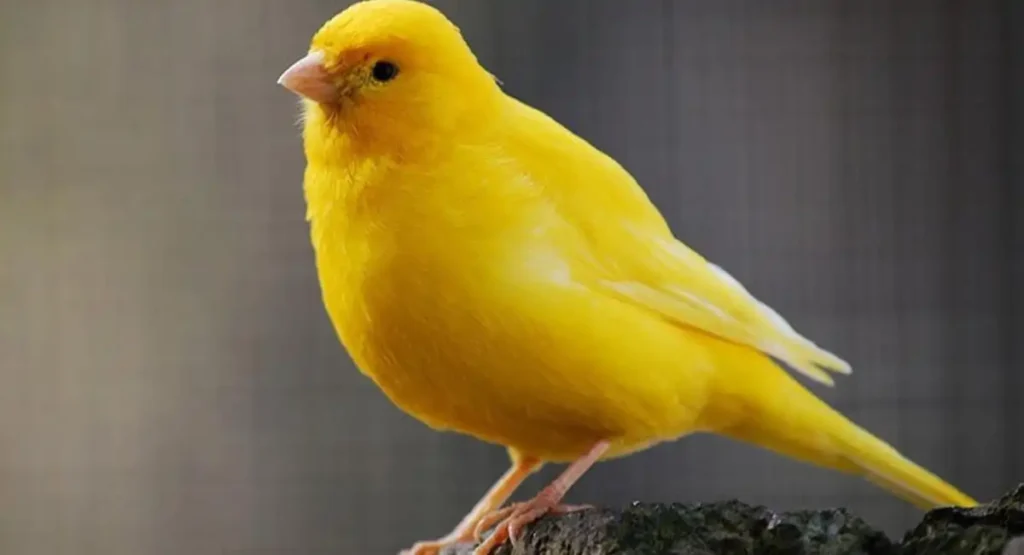
In the bustling world of a canary’s habitat, each chirp and trill weaves a story of companionship and survival. Male canaries, in particular, are known to serenade their partners with elaborate tunes, showcasing their prowess and passion.
Bottlenose Dolphins
Bottlenose Dolphins, scientifically known as Tursiops truncatus, belong to the class Mammalia and are renowned for their sophisticated communication skills. One of their most fascinating traits is their signature whistles, unique vocalizations that function like names, allowing individual dolphins to identify and locate one another within their social groups.

These intelligent marine mammals display remarkable social bonding, often engaging in cooperative behaviors and intricate social structures. Their elaborate communication system not only facilitates this bonding but also enhances their problem-solving abilities. For an interesting contrast, explore the quietest animals in the world and how silence shapes their survival.
Mice
Mice, scientifically known as Mus musculus and belonging to the class Mammalia, are fascinating communicators, employing a range of soft whistling sounds to interact with one another. These gentle vocalizations are more than mere noise; they serve as emotional expressions, conveying everything from excitement and playfulness to distress or fear.
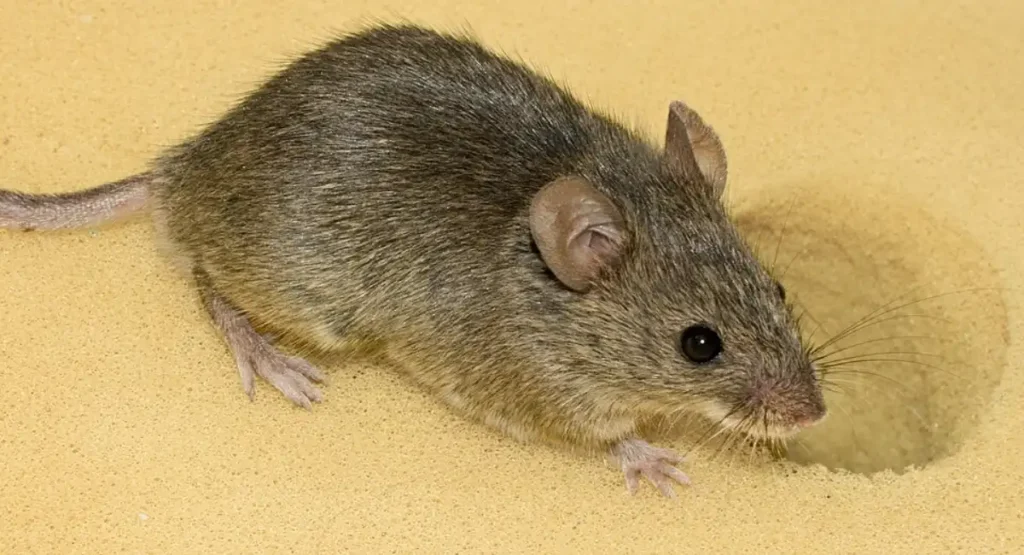
Interestingly, the pitch and frequency of these sounds can vary significantly, offering insight into their feelings and intentions. When a mouse emits high-pitched peeps, it typically indicates a joyful or energetic mood, while lower, more drawn-out whistles might signal alarm or discomfort.
Common Blackbird
The Common Blackbird (Turdus merula), belonging to the class Aves, is renowned for its enchanting whistling songs that blend melodious notes with rich tonal variations. These vocal masterpieces not only showcase the bird’s individual flair but also serve a crucial role in attracting mates during the breeding season.
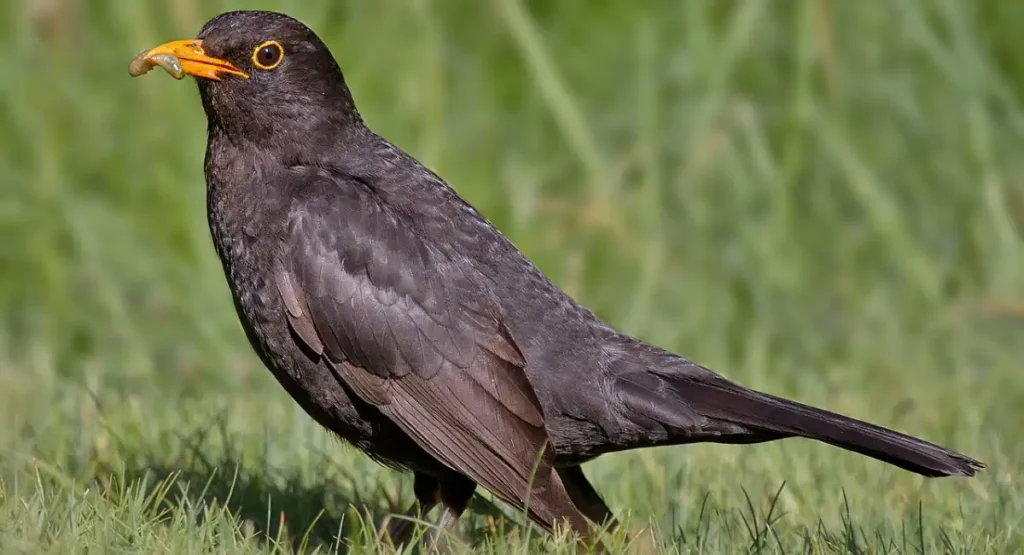
The Common Blackbird’s music plays an essential part in defending its territory. Each song is a declaration of ownership, warning rival males to steer clear. This dual purpose of their musical talent highlights their adaptability and social complexity, allowing them to thrive in various habitats as both mates and custodians of their chosen domains.
Guinea Pigs
Guinea Pigs, scientifically known as Cavia porcellus, belong to the class Mammalia and are recognized for their delightful social behavior. Their charming whistling sounds are not just adorable but serve as vital communication tools; these vocalizations can indicate everything from excitement to distress, allowing them to express their emotions vividly.
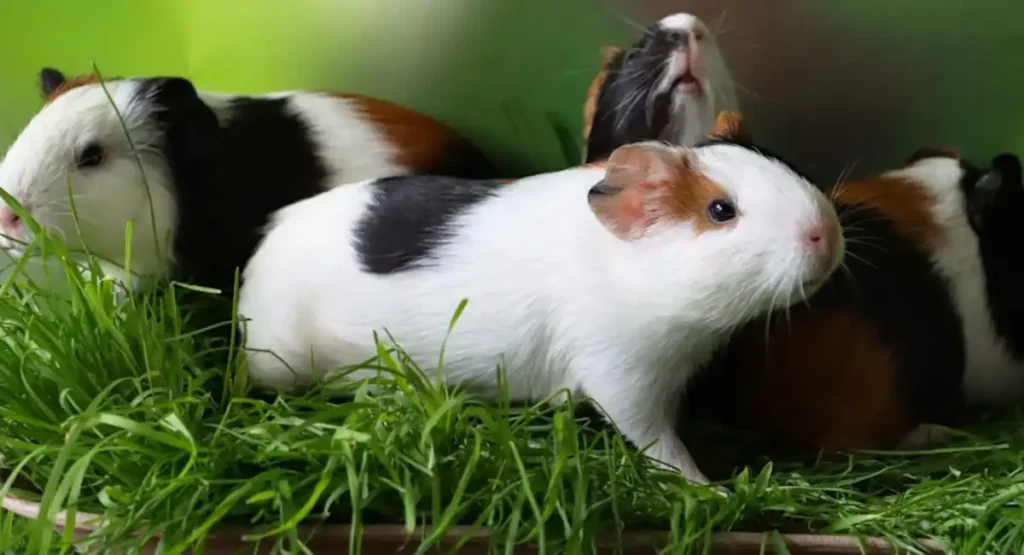
When properly cared for, Guinea Pigs thrive on social interaction, often forming strong bonds with their human companions and fellow cavy friends. Observing their varied sounds from chirps to purrs illuminates their mood and needs, creating a rich tapestry of communication that enhances the joy of having them as pets.
Bats
Bats, belonging to the scientific order Chiroptera and the class Mammalia, are remarkable creatures known for their unique adaptations, particularly their use of echolocation. By emitting high-frequency sounds and analyzing the returning echoes, bats navigate through complete darkness with astonishing precision.
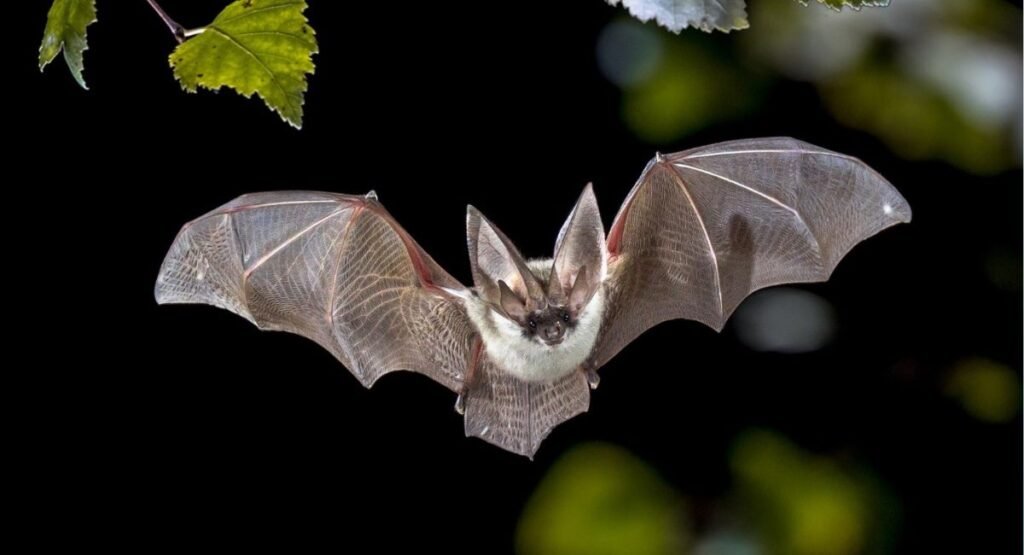
Beyond navigation, bats also utilize whistling as a form of social communication, fostering intricate social behaviors within their colonies. These vocalizations can convey various messages, from alerting others to the presence of predators to coordinating group movements during nightly foraging excursions.
Tundra Swan
The Tundra Swan (Cygnus columbianus), a member of the class Aves, is renowned for its hauntingly beautiful soft whistling calls that resonate across the northern landscapes. These melodic sounds are not just a display of vocal prowess; they play a crucial role in their migratory patterns and social bonding.
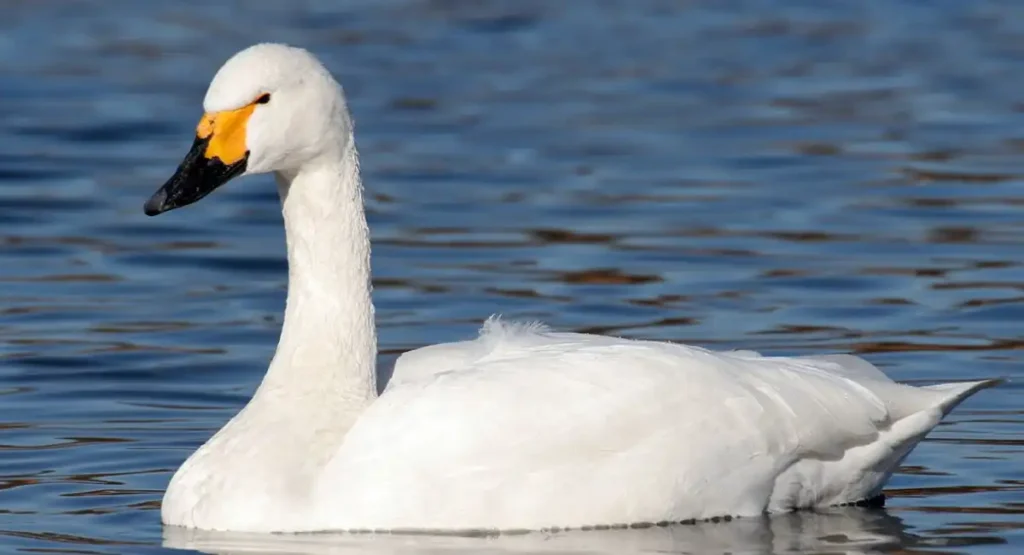
During migration, Tundra Swans communicate through their calls, reinforcing their connection with family groups and guiding each other through long flights across vast distances.
Beyond migration, the Tundra Swan’s calls serve as a powerful bonding mechanism among mates. Their harmonious whistling encourages synchronization during courtship, strengthening their pair bonds and fostering a sense of unity.
Alpine Marmot
The Alpine Marmot (Marmota marmota), belonging to the class Mammalia, showcases a remarkable social structure that thrives in the rugged mountain terrains of the Alps. These creatures are renowned for their loud whistling calls, which serve as crucial alarm signals to alert their colony of impending threats from predators such as eagles and foxes.
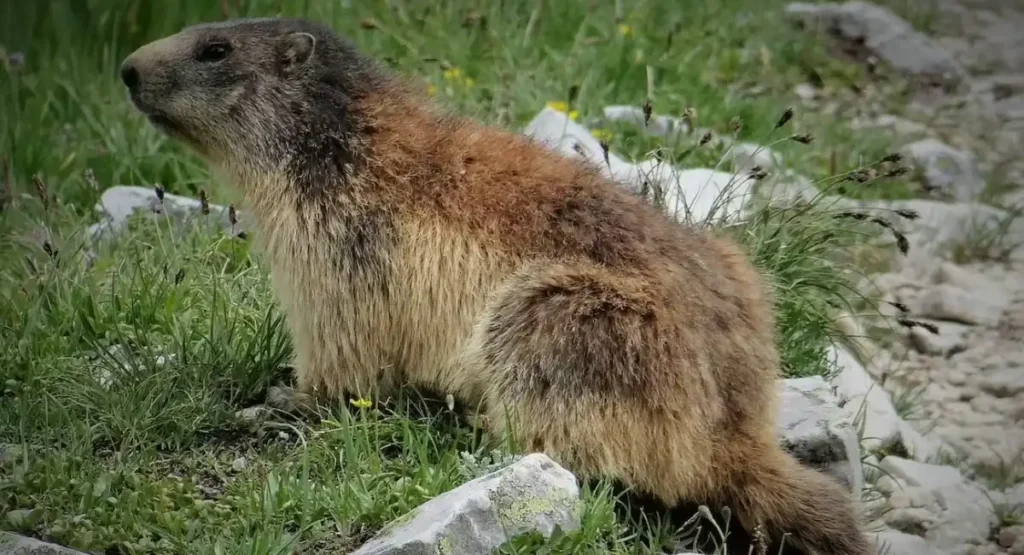
Living in family units, Alpine Marmots exhibit fascinating social behaviors that go beyond mere alarm signaling. Their cooperative lifestyle involves sharing responsibilities, such as foraging for their herbivorous diet, which primarily consists of grasses and flowers.
Risso Dolphins
Risso Dolphins, scientifically known as Grampus griseus, belong to the class Mammalia and are renowned for their fascinating communication skills. Within their pods, these social marine mammals utilize a complex system of whistles and clicks, which serve not only for navigation but also for social bonding and coordinating group behavior.

Living predominantly in temperate and tropical ocean habitats, Risso’s Dolphins thrive in deep waters, often near continental shelves. Their strong social structure is characterized by tight-knit groups that can range from a few individuals to several dozen.
Conclusion
In exploring the top 16 animals that whistle, we uncover how patience shapes the lives of these fascinating creatures. The most patient animals in the world exemplify a deep understanding of timing and perseverance.
Whether waiting for the right moment to catch prey or nurturing their young, their calm approach teaches us valuable lessons. You might also enjoy reading about animals that are loud and how bold sounds serve a completely different purpose in nature.
FAQs
What Animal Is a Whistle Pig?
A groundhog, also known as a woodchuck, is called a “whistlepig” because it uses a sharp whistle to warn others of danger.
What Animal Makes a Whistling Noise?
Small rodents like rats and mice whistle, while horses are unique large mammals that can whistle through their voice box.
Which Animal Makes Whistling Sounds to Communicate?
Dolphins use signature whistles to communicate, especially to maintain contact or signal distress within their group.
What Animals Whistle?
Many animals whistle to communicate, warn others, or attract mates. Famous whistling animals include dolphins, birds, marmots, prairie dogs, whales, and some foxes, each using unique whistle sounds for survival and social interaction.
What Animal Sounds Like A Whistle At Night?
Animals that sound like a whistle at night include Eastern Screech Owls, foxes, whip-poor-wills, and certain frogs. Their sharp, eerie whistles can sometimes sound almost human in quiet nighttime environments.
What Animal Makes Whistle Sound At Night?
Several animals make whistle sounds at night, including owls, foxes, night birds, frogs, and some insects. These sounds are often used for communication, mating calls, or marking territory in the dark.