18 Incredible Animals Without Legs That Will Surprise You
Evolution has equipped some remarkable species with unique adaptations that allow them to thrive without legs. These incredible animals without legs showcase the diversity of life on our planet, revealing surprising methods of movement and survival.
From graceful swimmers to resilient burrowers, each of these fascinating creatures has evolved ingenious strategies to navigate its environment. This article will journey through 18 of these astonishing animals, exploring their distinctive adaptations and the roles they play in their ecosystems.
Can You Guess These 5 Animals Without Legs?
Test your knowledge with these five fascinating creatures: a snake, an earthworm, a snail, a slug, and an eel. Utilizing unique adaptations, these animals move gracefully through their environments, showcasing the diverse methods of locomotion found in nature.
The snake, known for its sinuous slithering, exemplifies agility despite the absence of limbs. Earthworms, on the other hand, play a crucial role in maintaining soil health, using their smooth, segmented bodies to tunnel through the earth.
The snail and its shell-covered counterpart, the slug, both showcase how these shell-less and shelled mollusks can glide over surfaces and navigate habitats effectively. The eel, resembling a snake in shape, weaves gracefully through water, reminding us that even in the aquatic realm, legs are not a necessity for movement.
List Of 18 Animals That Live Without Legs In The World
In the vast tapestry of the animal kingdom, legless wonders frequently reveal a unique perspective on survival and adaptation. From the depths of the ocean to the densest jungles, these incredible animals without legs demonstrate nature’s ingenuity, showcasing how life can thrive without traditional means of mobility. Below are some of the most fascinating animals that live and move without legs.
| No. | Animal | Scientific Name | Class |
|---|---|---|---|
| 1 | Snake | Serpentes | Reptilia |
| 2 | Earthworm | Lumbricus terrestris | Clitellata |
| 3 | Snail | Cornu aspersum | Gastropoda |
| 4 | Slug | Limax maximus | Gastropoda |
| 5 | Caecilian | Ichthyophis glutinosus | Amphibia |
| 6 | Legless Lizard | Ophisaurus apodus | Reptilia |
| 7 | Fish | Pisces | Actinopterygii |
| 8 | Octopus | Octopus vulgaris | Cephalopoda |
| 9 | Jellyfish | Aurelia aurita | Scyphozoa |
| 10 | Whale | Balaenoptera musculus | Mammalia |
| 11 | Eel | Anguilla anguilla | Actinopterygii |
| 12 | Lamprey | Petromyzon marinus | Hyperoartia |
| 13 | Sea Cucumber | Holothuria edulis | Holothuroidea |
| 14 | Sea Snake | Hydrophis platurus | Reptilia |
| 15 | Glass Lizard | Ophisaurus ventralis | Reptilia |
| 16 | Leech | Hirudo medicinalis | Clitellata |
| 17 | Flatworm | Dugesia tigrina | Turbellaria |
| 18 | Hagfish | Myxine glutinosa | Myxini |
Snake
The snake, scientifically classified under the name Serpentes in the class Reptilia, showcases an extraordinary adaptation with its legless form. These fascinating animals without legs glide seamlessly through diverse habitats, including deserts, forests, and even underwater, employing their specialized scales and muscular bodies for effective locomotion.
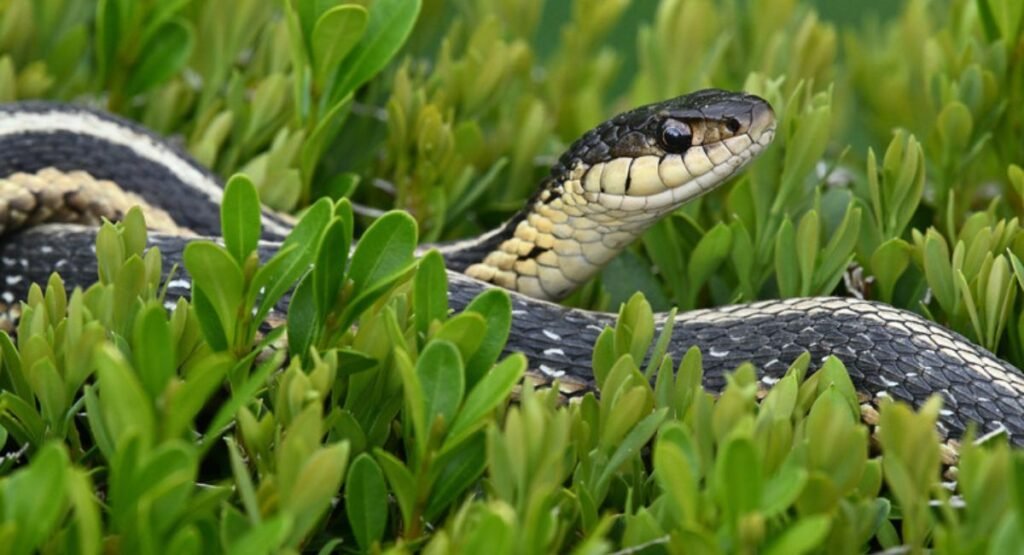
Snakes play a crucial role in their ecosystems as both predators and prey. Their hunting techniques, often involving stealth and camouflage, highlight their evolutionary prowess. From the vibrant colors of the coral snake to the formidable size of the anaconda, the world of snakes offers a remarkable spectrum of biodiversity that continues to captivate researchers and nature enthusiasts alike.
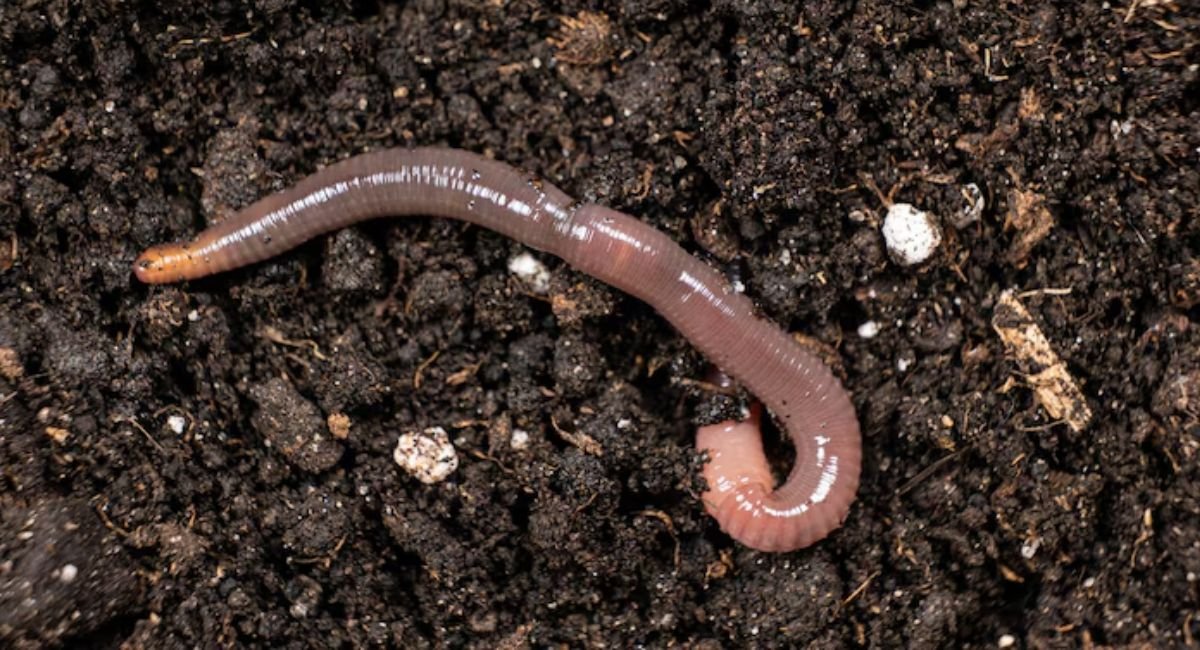
Earthworm
Earthworms, scientifically known as Lumbricus terrestris, play a pivotal role in maintaining soil health. Classed under Clitellata, these remarkable organisms aerate the soil as they move, promoting water infiltration and root growth. Their constant burrowing not only enriches the soil but also creates channels that benefit countless plant species.
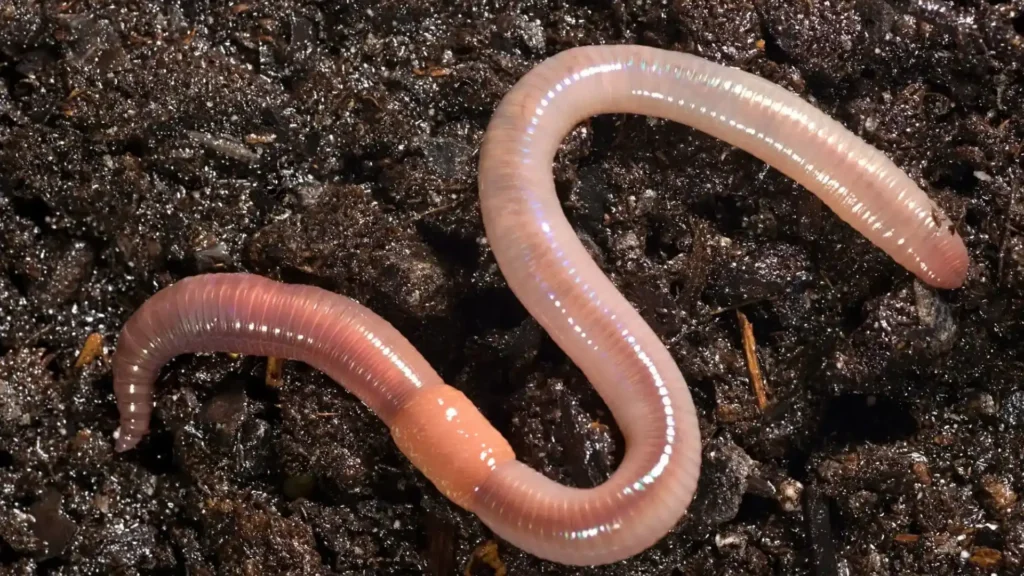
Earthworms are essential contributors to nutrient cycling. By breaking down organic matter, they convert it into accessible compounds for plants, enhancing fertility without the need for chemical fertilizers. This natural process underscores their importance in sustainable agriculture, as healthy earthworm populations can lead to thriving ecosystems and robust crop yields.
Snail
The snail, scientifically known as Cornu aspersum and classified under Gastropoda, embodies nature’s elegance with its graceful glide across various terrains. Utilizing a muscular foot and a secretion of mucus, this fascinating creature navigates its environment, leaving behind a delicate trail, a reminder of its quiet journey.
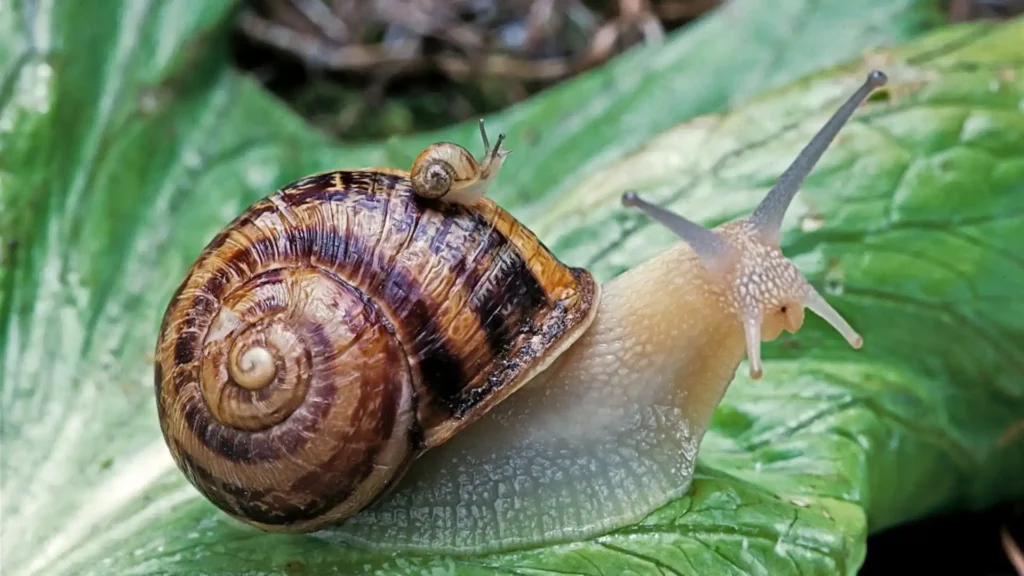
Beyond their slow pace, snails are equipped with a spiral shell that offers robust protection against predators and adverse weather conditions. This remarkable structure not only serves as a sanctuary but also plays a vital role in their survival, showcasing the intricate relationship between form and function in the animal kingdom.
Snails aren’t in a rush, and that unhurried pace is actually part of their survival strategy. If sluggish movement fascinates you, don’t miss our list of the slowest animals in the world.
Slug
Slug (Limax maximus), classified under the class Gastropoda, showcases a unique adaptability in various ecosystems. These soft-bodied creatures glide smoothly across surfaces using a muscular foot, leaving a shimmering trail of mucus that not only aids in movement but also helps to retain moisture, essential for their survival.
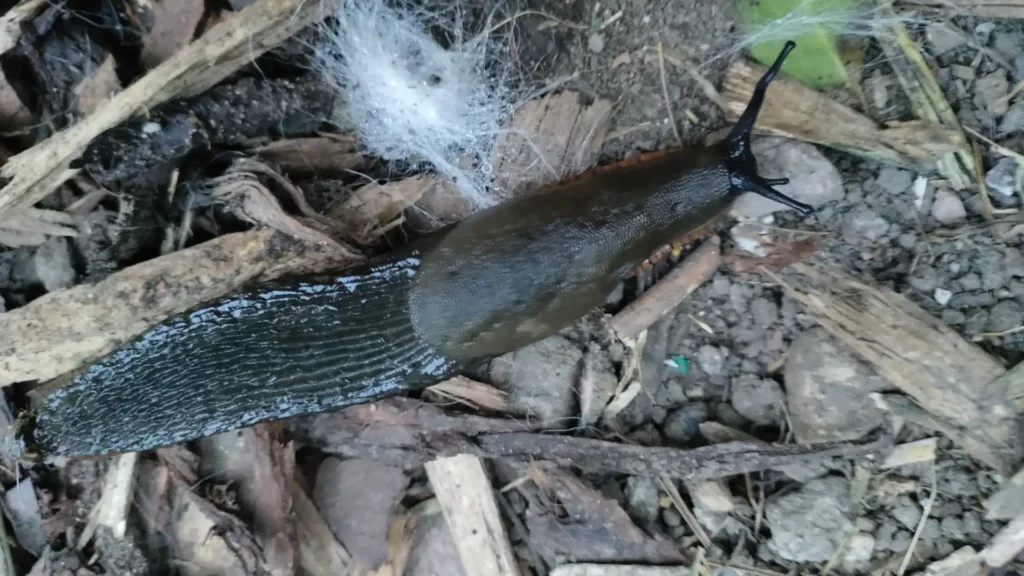
Interestingly, slugs exhibit a fascinating range of behaviors, from their feeding habits to mating rituals. As herbivores, they play a crucial role in their environments by recycling nutrients and controlling plant populations, making them integral to ecosystem balance
Caecilian
Caecilians, scientifically known as Ichthyophis glutinosus, belong to the class Amphibia and are truly fascinating creatures. These elusive legless amphibians thrive underground in tropical regions, utilizing their worm-like bodies to navigate effortlessly through the soil as they search for food and shelter.
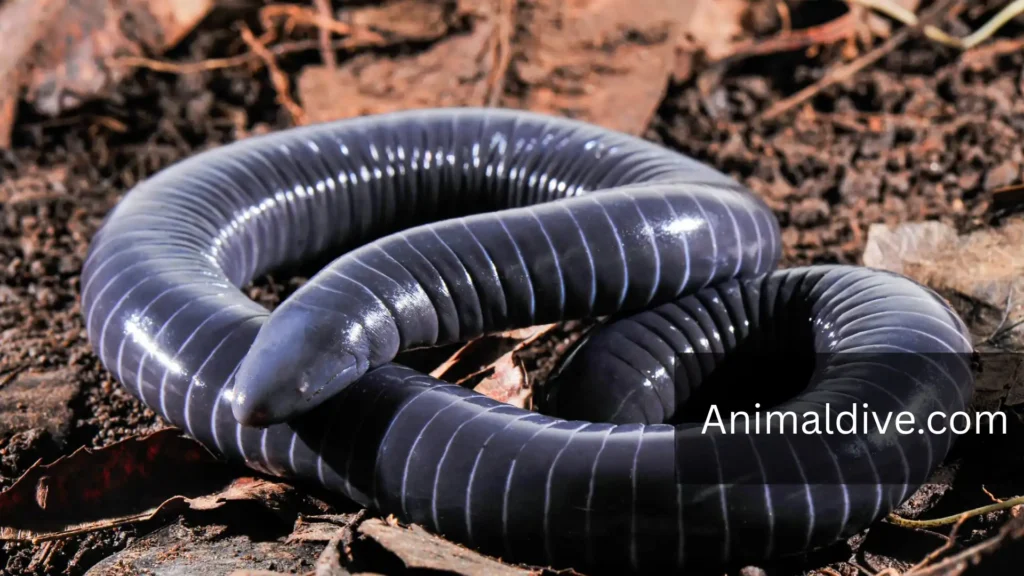
Despite their resemblance to snakes or worms, Caecilians possess unique adaptations, such as specialized skin glands that secrete mucus for moisture retention. This remarkable trait allows them to thrive in humid environments, making them significantly different from their more familiar amphibian cousins.
Legless Lizard
The Legless Lizard, scientifically known as Ophisaurus apodus, boasts a fascinating evolutionary twist that blurs the lines between lizards and snakes. Unlike their serpentine counterparts, these unique legless reptiles belong to the lizard family, exhibiting distinct features such as eyelids and external ear openings, which provide them with a more nuanced sensory experience.
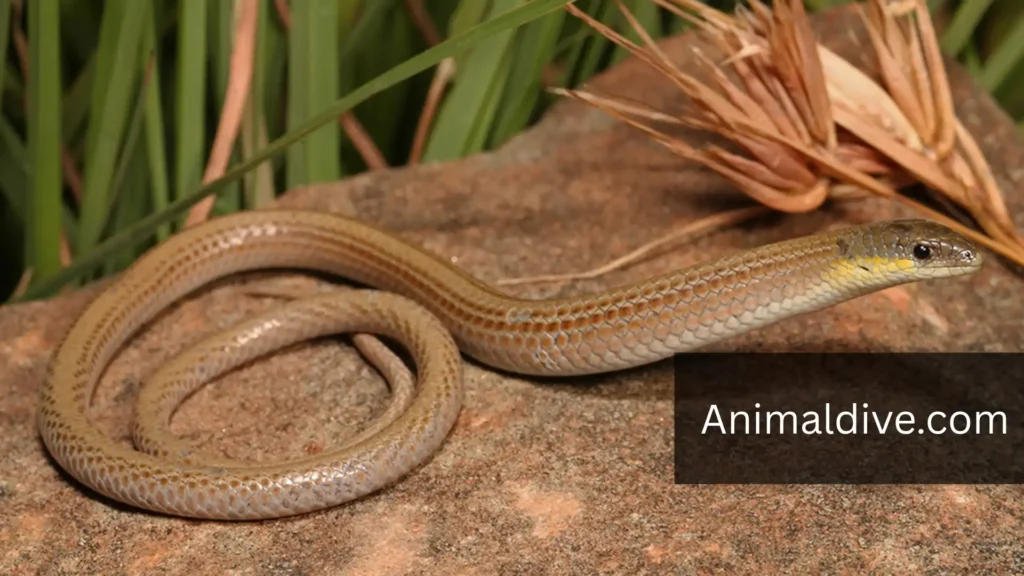
Habitat and behavior further underscore the Legless Lizard’s intriguing nature. They thrive in loose, sandy soils and can often be spotted basking in the sun or burrowing into the ground. Their ability to move swiftly through their environment, coupled with a diet primarily consisting of small invertebrates, makes them efficient hunters despite their apparent lack of limbs.
Legless lizards aren’t the only reptiles in Florida with surprising body shapes. If you’re curious how they compare to their scaled neighbors, take a look at the different types of lizards in Florida for a broader picture of the state’s reptile diversity.
Fish
Fish, classified under the scientific name Pisces and the class Actinopterygii, showcase an extraordinary adaptation to aquatic life. With their streamlined bodies and specialized fins, they navigate through oceans, lakes, and rivers effortlessly, demonstrating both agility and grace.
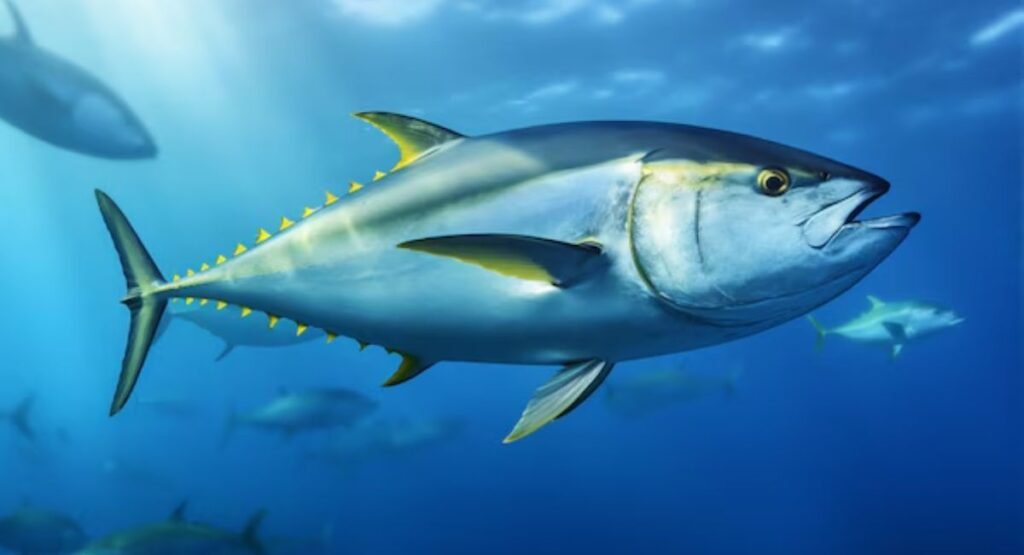
These remarkable creatures exhibit a stunning diversity in size, shape, and color, ranging from the vibrant clownfish to the imposing whale shark. Fish play critical roles in maintaining aquatic ecosystems, acting as both predators and prey, which highlights their importance in the intricate balance of life beneath the surface.
Octopus
The octopus, scientifically known as Octopus vulgaris, belongs to the class Cephalopoda and is a remarkable example of adaptability in marine life. With eight flexible arms equipped with sensitive suckers, these creatures can manipulate their environment with incredible precision, showcasing both dexterity and intelligence that rival some mammals.
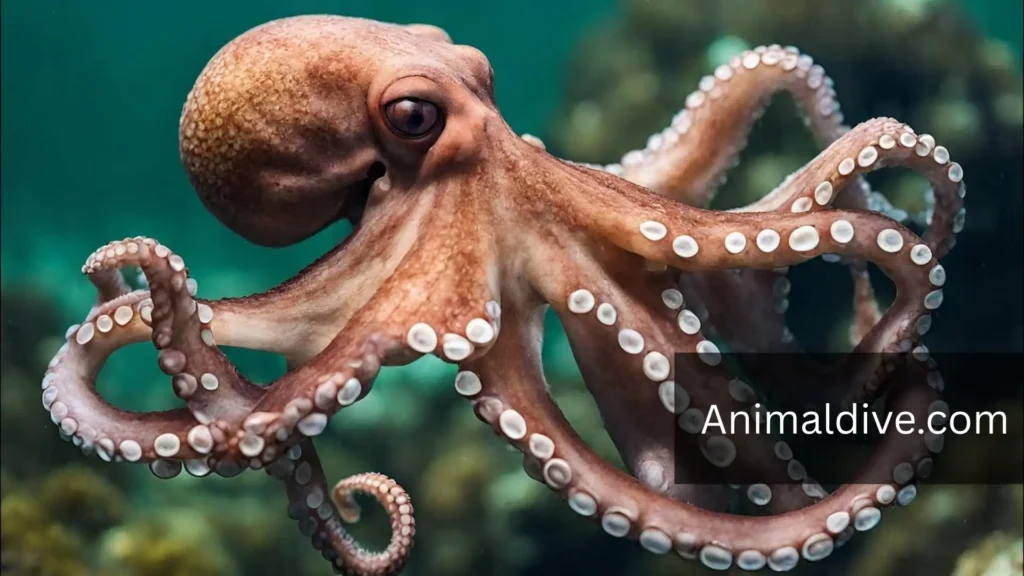
Octopuses are known to use jet propulsion for swift escapes, demonstrating their mastery of both stealth and speed. Their cognitive abilities allow them to solve puzzles, navigate mazes, and even escape from aquariums, making them not just fascinating but also one of the most intelligent marine animals on Earth.
Jellyfish
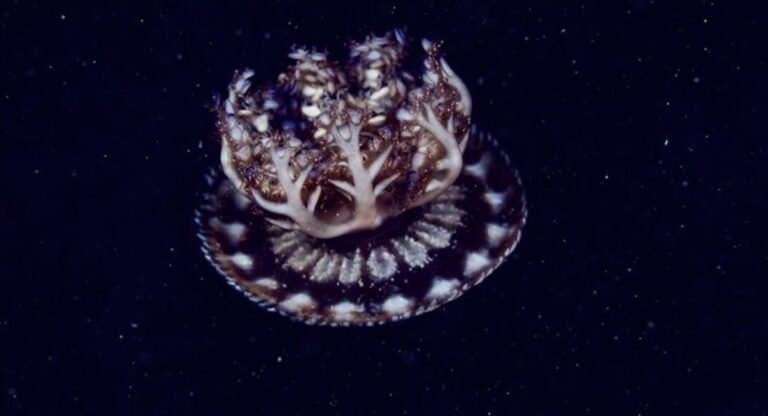
Jellyfish, scientifically known as Aurelia aurita and belonging to the class Scyphozoa, are mesmerizing creatures that grace our oceans with their ethereal presence. Their bell-shaped bodies pulse rhythmically to glide effortlessly through the water, showcasing a delicate dance that captivates both scientists and nature enthusiasts alike.
While Aurelia aurita is a common sight in coastal waters, some of its relatives grow to astonishing proportions. Curious just how large jellyfish can get? Check out our guide to the biggest jellyfish in the world for a look at the true giants of the sea.
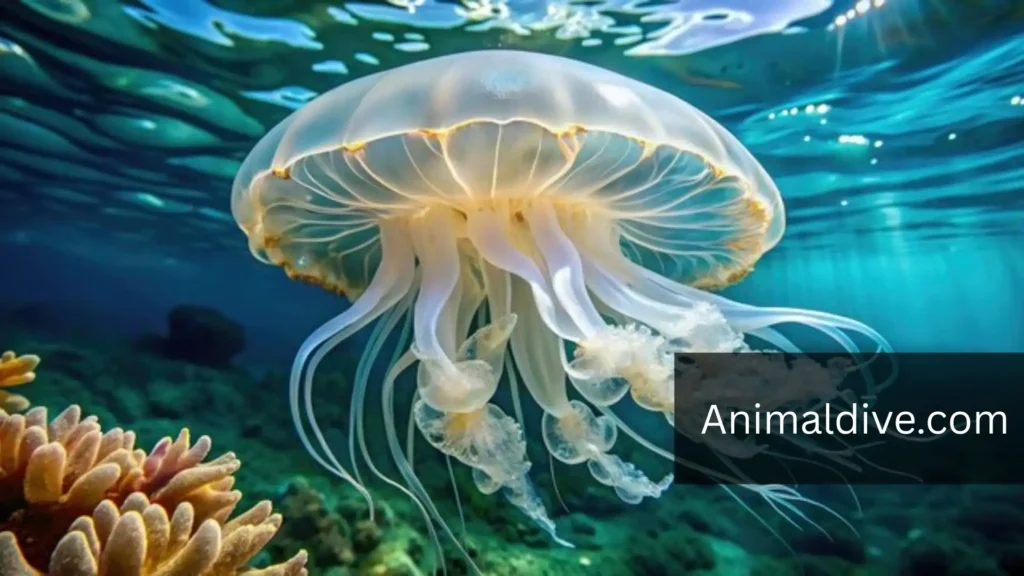
Aside from their graceful movements, jellyfish play a crucial role in marine ecosystems. With their stinging tentacles, they capture unsuspecting prey, maintaining the delicate balance of underwater food webs.
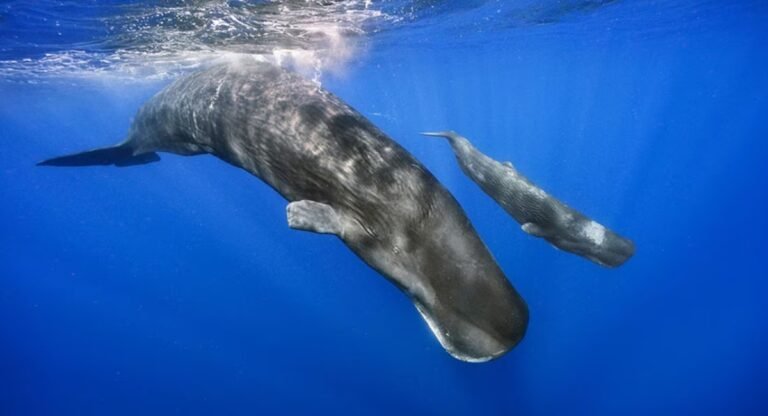
Whale
The whale, scientifically known as Balaenoptera musculus, is a magnificent creature that embodies the wonders of the ocean. As part of the Mammalia class, these marine giants possess an extraordinary capacity for communication, using a complex series of vocalizations to interact with one another over vast distances underwater.
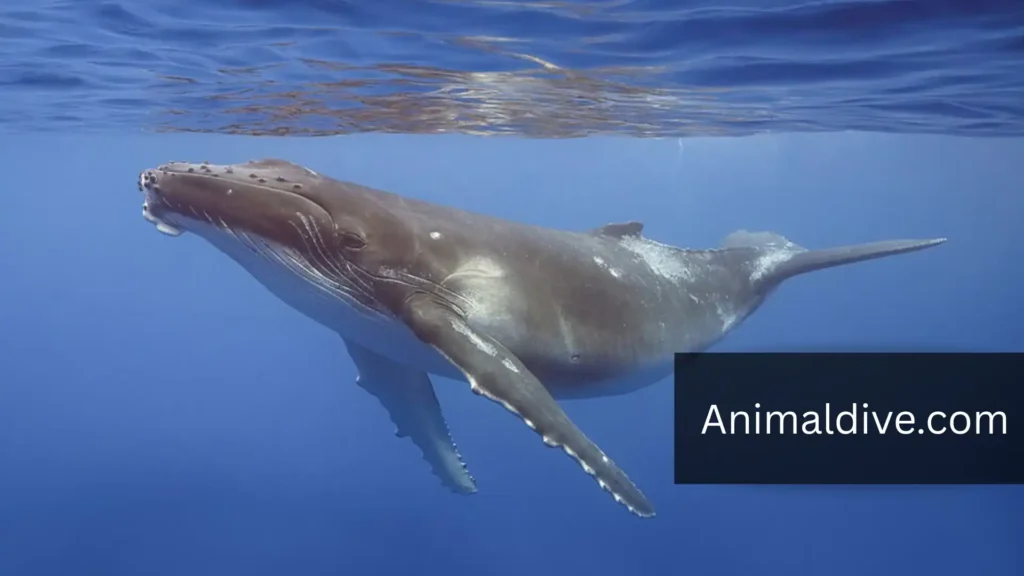
Whales are not just known for their sheer size; they play a crucial role in maintaining the health of marine ecosystems. Their feeding patterns help regulate prey populations, while their nutrient-rich excrement supports the growth of phytoplankton, which is essential for oxygen production on our planet.
Whales share the ocean with many other creatures that have swapped legs for specialized swimming structures. To explore more aquatic adaptations like this, take a look at our guide to animals with flippers.
Eel
Eels, scientifically known as Anguilla anguilla, belong to the class Actinopterygii, distinguished by their long, sinuous bodies that glide gracefully through water. These remarkable fish display an extraordinary ability to navigate both freshwater and marine environments, a characteristic that underscores their adaptability in the aquatic world.
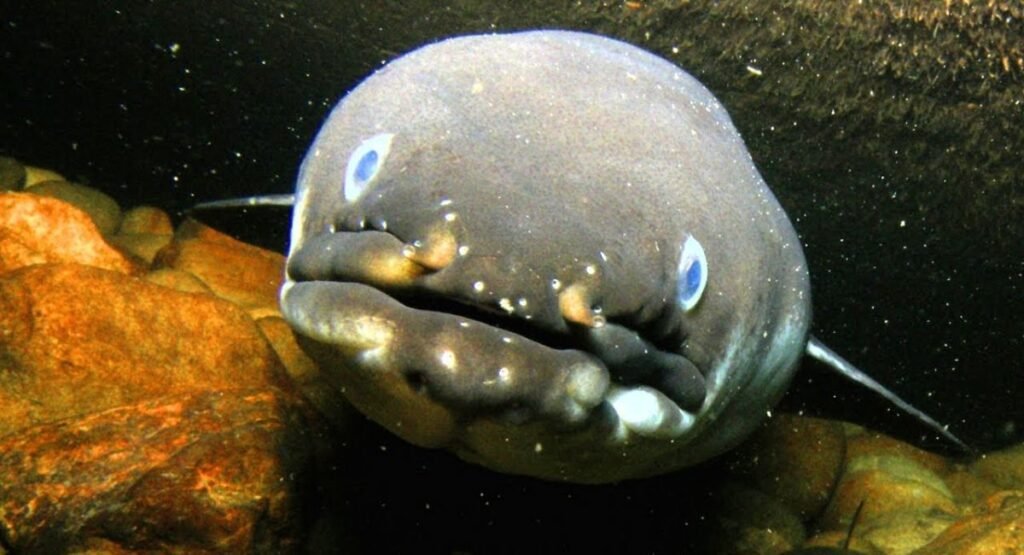
Beyond their fascinating physicality, eels are shrouded in mystery, particularly concerning their migratory habits. Unlike many species, Anguilla anguilla undertake a remarkable journey from European rivers to the Sargasso Sea for reproduction. This awe-inspiring lifecycle raises questions about their ecological role and highlights their vulnerability due to habitat loss and overfishing.
Lamprey
The lamprey (Petromyzon marinus), belonging to the class Hyperoartia, is a fascinating example of evolution’s artistry. With their unique, suction-like mouths, lampreys latch onto other fish, showcasing a feeding mechanism unlike any jawed fish. This primitive feature not only defines their niche in the aquatic ecosystem but also highlights their ancient lineage, dating back over 360 million years.
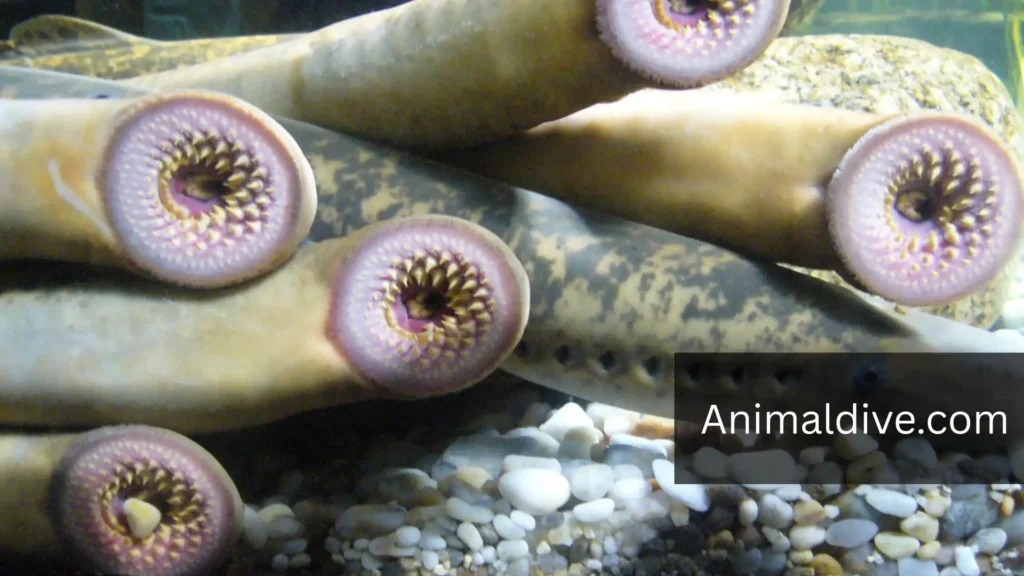
Despite their somewhat grotesque appearance, lampreys play a crucial role in maintaining the balance of marine environments. As both parasites and scavengers, *Petromyzon marinus* contributes to the health of fish populations by regulating their numbers.
Sea Cucumber
Among the fascinating denizens of the ocean floor, the sea cucumber, scientifically known as Holothuria edulis, belongs to the class Holothuroidea. These intriguing creatures often go unnoticed, yet they play a vital role in marine ecosystems by recycling nutrients and aerating the seabed as they slowly traverse it using their tiny tube feet.
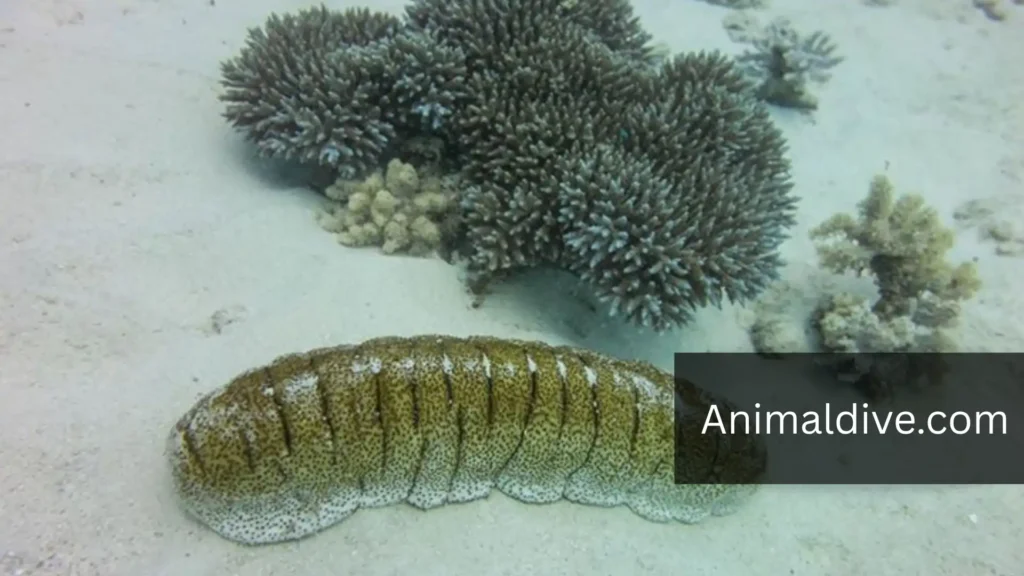
Not just simple scavengers, sea cucumbers exhibit captivating behaviors and adaptations. They possess the remarkable ability to expel their internal organs for defense, a fascinating survival mechanism that allows them to regenerate later.
Don't Miss What Do Deer Eat in the Wild? Shocking Facts About Deer Diet You Should Know
Sea Snake
The sea snake (Hydrophis platurus), a member of the class Reptilia, showcases a remarkable adaptation to marine life. With their flattened tails, they glide effortlessly through the ocean’s currents, an evolutionary trait that sets them apart from terrestrial reptiles. This unique swimming mechanism not only aids in their agility but also optimizes their ability to hunt fish and other prey in a vast underwater landscape.
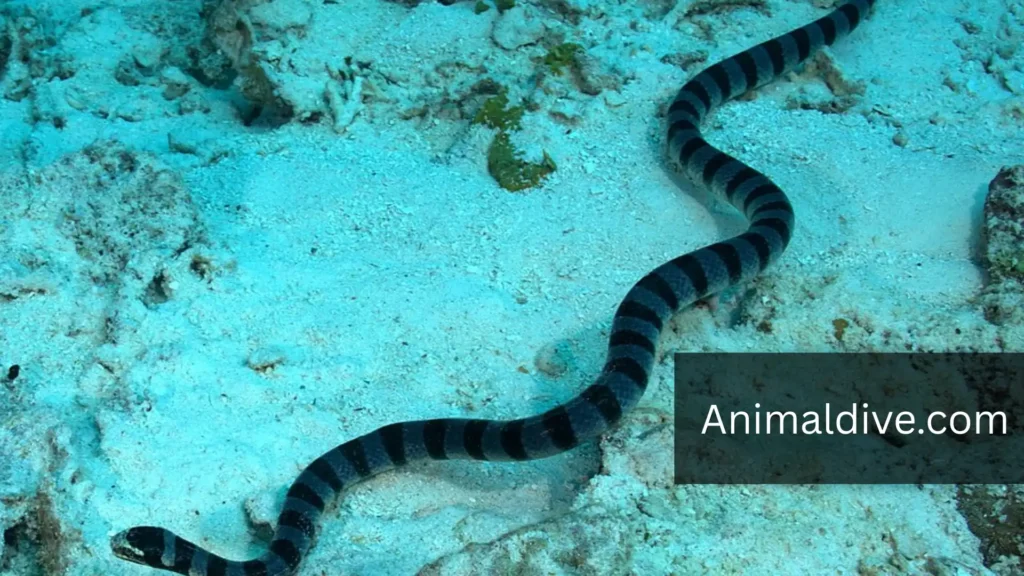
Hydrophis platurus possesses a highly specialized respiratory system, allowing it to bask at the surface while remaining submerged. While their venom is potent, sea snakes are generally non-aggressive and prefer to retreat rather than attack humans.
That said, their venom potency places them among some of the most formidable creatures in the animal kingdom. To see how they stack up against other dangerous species, check out our roundup of the deadliest animals in the world.
Glass Lizard
The Glass Lizard, scientifically known as Ophisaurus ventralis, is a fascinating example of nature’s diversity within the reptile class, Reptilia. Unlike typical lizards, these legless wonders have evolved a sleek, serpentine body, allowing them to navigate through grass and leaf litter with ease.
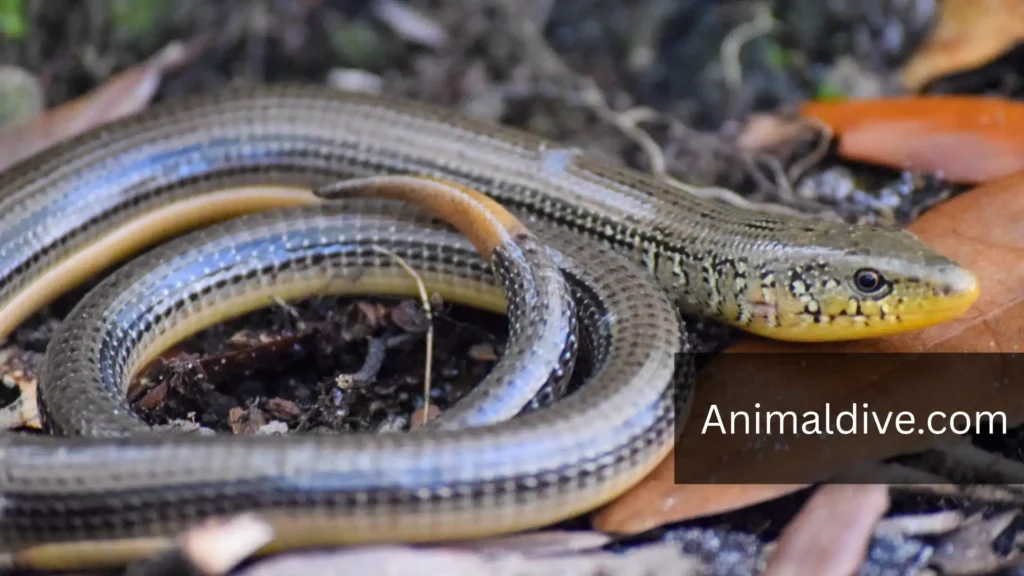
Glass Lizards exhibit remarkable behaviors that set them apart in the reptile world. They are often found basking in the sun or hiding in burrows, showcasing their adaptive nature. Interestingly, these lizards also possess a unique defense mechanism: if threatened, they can shed part of their tail, much like other lizards, but they have the added ability to create an illusion of a snake to deter predators.
This snake-mimicking trick isn’t unique to Glass Lizards several other reptiles have evolved to look far more intimidating than they really are. For more examples of this clever disguise, see our list of lizards that look like dragons.
Leech
The leech, scientifically known as Hirudo medicinalis, belongs to the class Clitellata and showcases an intriguing mode of locomotion. By stretching and contracting their elongated bodies, these fascinating creatures glide smoothly through their aquatic habitats, showcasing a unique adaptation to their environments.
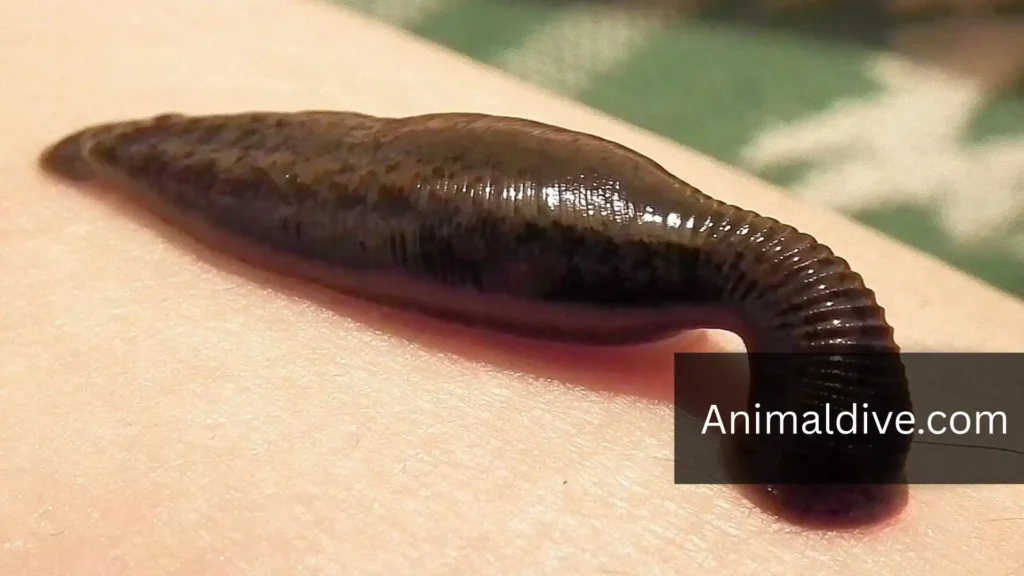
Though commonly associated with blood-feeding, not all leeches feast on the vital fluid of other organisms. Some species play crucial ecological roles as scavengers, contributing to nutrient cycling in their ecosystems.
Leeches often make their home in slow-moving, wetland habitats where moisture is abundant year-round. To learn about other creatures that thrive in these conditions, see our feature on animals that live in bogs.
Flatworm
The flatworm, scientifically known as Dugesia tigrina and belonging to the class Turbellaria, showcases a remarkable ability to navigate aquatic environments. These fascinating creatures glide effortlessly over surfaces using a layer of mucus combined with tiny hair-like structures called cilia, creating a mesmerizing dance as they move.
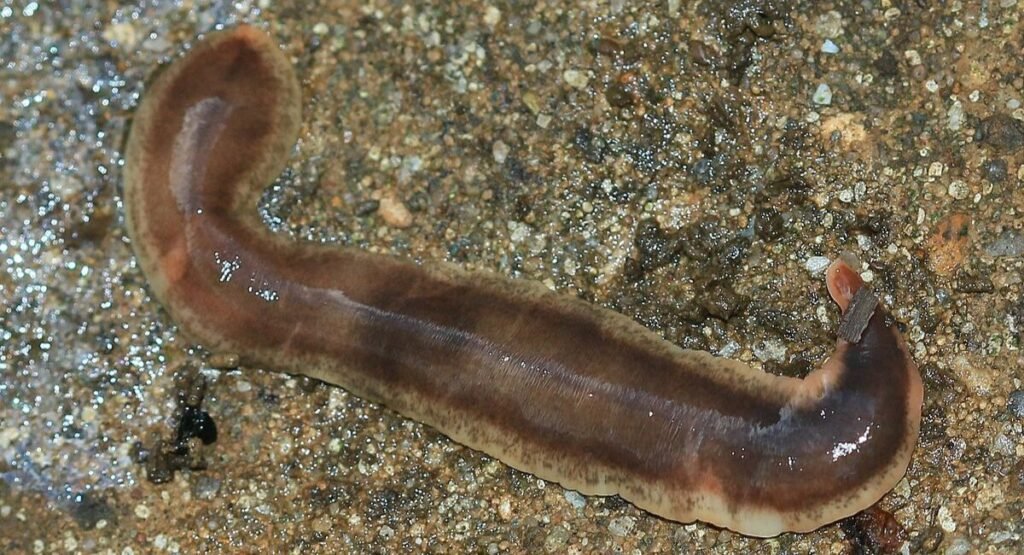
Beyond their captivating movement, flatworms exhibit extraordinary regenerative abilities. When cut in half, Dugesia tigrina can regenerate into two separate organisms, highlighting their remarkable adaptability and resilience in nature.
Hagfish
The hagfish, scientifically known as Myxine glutinosa and classified under the class Myxini, captivates marine enthusiasts with its unique adaptation: an impressive ability to produce copious amounts of slime. This slime serves as a potent defense mechanism, allowing the hagfish to evade predators by creating a thick, gooey barrier that can suffocate or confuse attackers, showcasing the remarkable ingenuity of evolution in the deep sea.
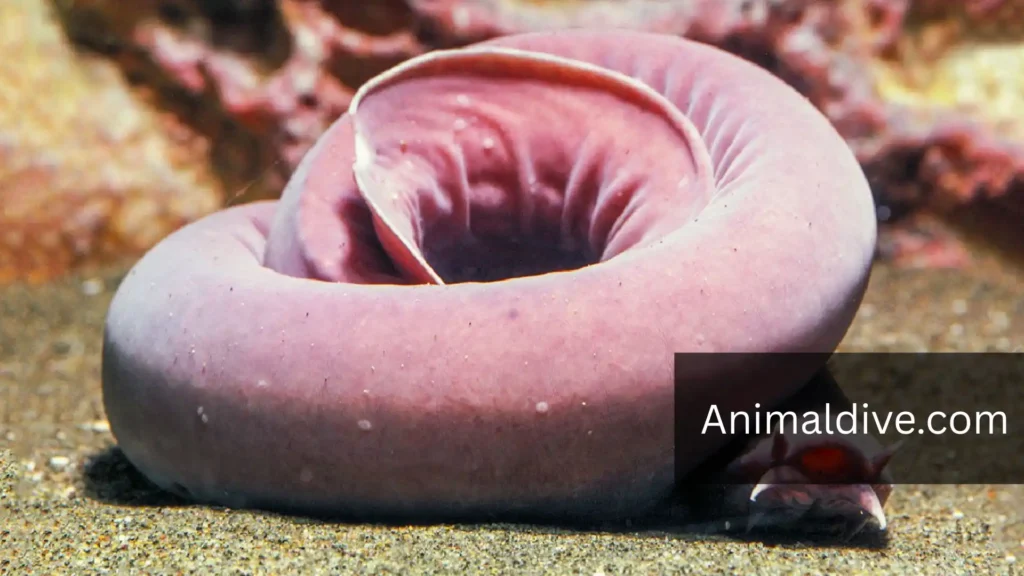
Beyond their infamous slime, hagfish are fascinating in their ecological role as scavengers. By feeding on the carcasses of dead fish and other marine animals, Myxine glutinosa helps maintain the health of ocean ecosystems, turning decaying matter into vital nutrients for other organisms.
Small Animals Without Legs
Small animals without legs include earthworms, slugs, jellyfish, and leeches, which survive in environments such as soil, freshwater, and oceans. These tiny creatures have unique body structures that help them move, find food, and adapt to their surroundings.
Despite their small size, these animals with no legs play important roles in ecosystems. Earthworms improve soil health, slugs help recycle organic matter, jellyfish move through water using body contractions, and leeches use specialized adaptations for survival.
Conclusion
Animals without legs exemplify nature’s remarkable ability to adapt and thrive in diverse environments. These unique creatures have developed fascinating modes of movement, from swimming gracefully through water to slithering across the land.
Their biodiversity demonstrates the incredible resilience and ingenuity of life, allowing them to inhabit ecosystems that may seem inhospitable to traditional land-dwelling species.
FAQs
Which Animal Has 42 Legs?
The sausage millipede is known for having 42 pairs of legs in females and about 40 pairs in males. These many legs help the millipede move easily through soil and leaf litter in forests.
Do All Mammals Have Four Legs?
Yes, all mammals are born with four limbs as part of their basic body structure. These limbs may be adapted for different purposes such as running, climbing, flying, or swimming, like the wings of bats or the flippers of whales.
Are There Any Limbless Mammals?
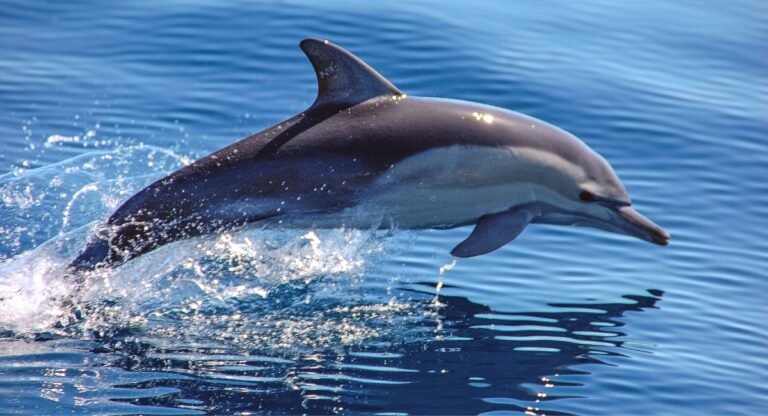
No, there are no known mammals that are completely limbless. However, some mammals such as whales and dolphins have evolved reduced or modified limbs like flippers for swimming.