What Do Deer Eat in the Wild? Shocking Facts About Deer Diet You Should Know
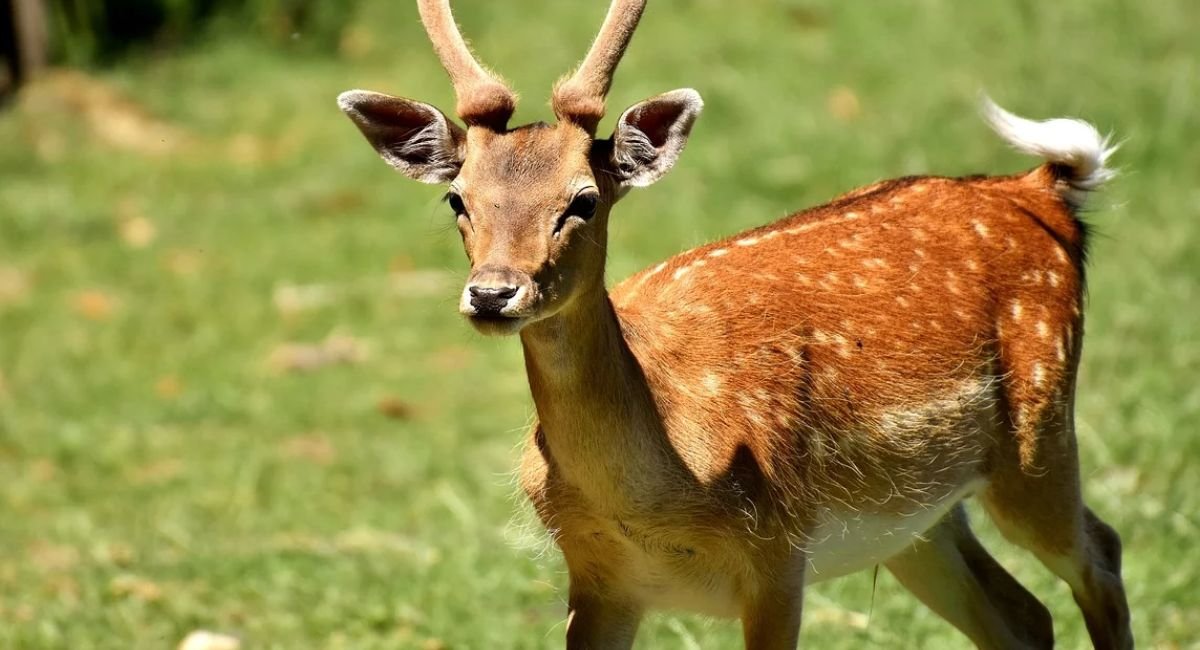
What do deer eat? Surprisingly, these gentle creatures are primarily herbivores, thriving on a diverse array of plants found in their natural habitats. Their diet is not only varied but also seasonal, shifting from lush grasses and tender leaves in spring to acorns and tree bark in the winter.
As they roam through forests and fields, deer often venture into gardens and crops, nibbling on popular favorites like roses, tomatoes, and pumpkins. In this complete guide, we will explore the intricacies of a deer’s diet, ensuring you understand their feeding habits and how to protect your garden from these foraging visitors.
What Do Deer Eat in the Wild?
Deer primarily thrive on a plant-based diet, showcasing their herbivorous nature. During spring and summer, they indulge in a medley of lush grasses and tender shoots, which provide essential nutrients for growth and energy. Leaves from a variety of trees add diversity to their meals, allowing them to exploit seasonal offerings in their environment.
As the seasons turn, the deer’s diet evolves with nature’s rhythm. In fall, they eagerly consume fruits and berries, savoring the rich flavors while filling their fat reserves for winter. Nuts, particularly acorns, become a staple, offering both sustenance and high energy.
When the cold months arrive, with greenery in short supply, deer shift their focus to bark and twigs, adeptly adapting to survive the harsh conditions that winter brings. Understanding what deer eat in the wild highlights their resilience and the vital role they play in their ecosystems.
Do Deer Eat Meat?
Yes, deer can eat meat, but this behavior is exceedingly rare. As primarily herbivores, these gentle creatures usually stick to a diet of grasses, leaves, and fruits. In extreme situations like during harsh winters or food shortages they might consume small animals such as mice or birds to supplement their nutrient intake.
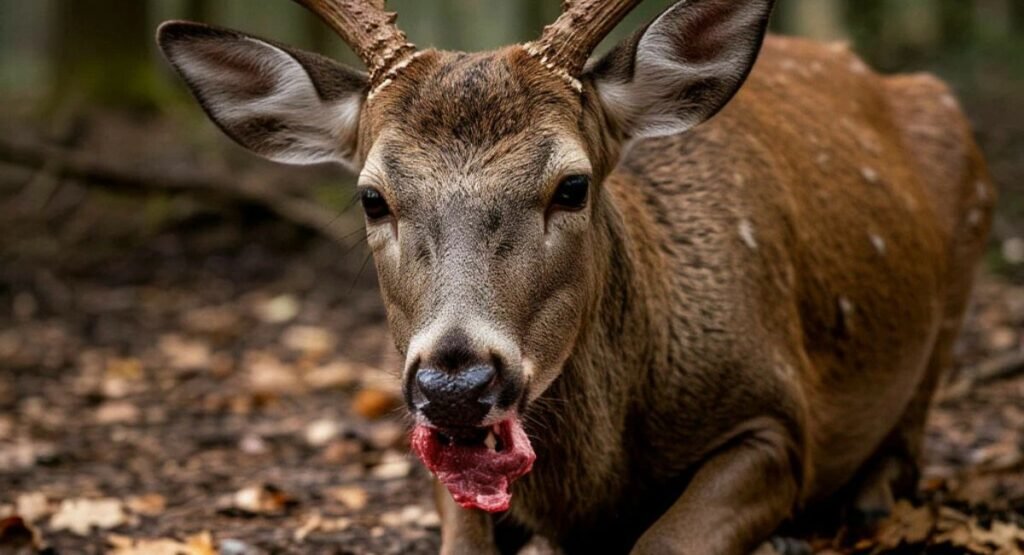
This unusual predatory behavior often surprises people, as it challenges the typical perception of deer. Observing this rare phenomenon proves how adaptable wildlife can be in the face of survival challenges, highlighting nature’s complexity and the lengths to which animals will go when their usual food sources dwindle.
Do Deer Eat Hydrangeas?
Yes, deer do eat hydrangeas. These lush plants attract deer due to their soft, tender leaves and nutritious flower buds, making them a tempting target for hungry herbivores. Feeding on hydrangea leaves, flowers, and stems not only satisfies the deer’s dietary needs but can also lead to significant damage in gardens, transforming vibrant landscapes into barren patches.
The deer’s preference for hydrangeas extends beyond mere taste; their vibrant blooms often signal a rich food source. Gardeners may want to consider protective measures like fencing or deer-repellent sprays to safeguard these beloved specimens from these persistent foragers.
Do Deer Eat Pumpkins?
Yes, deer love to eat pumpkins! These creatures not only indulge in the sweet, fleshy interior but also consume the seeds, rind, and even the leaves. As autumn arrives and other food sources dwindle, pumpkins become a favored seasonal snack for deer, providing them with essential nutrients during the cooler months.
In gardens and farms, deer can wreak havoc on pumpkin patches, nibbling away at the fruits and leaves. Their presence is often an unwanted surprise for gardeners, as they strip plants of their bounty, leaving behind a trail of devastation.
Do Deer Eat Roses?
Yes, deer do eat roses. They are particularly drawn to the soft leaves, fragrant buds, and vibrant flowers of rose plants, making them a tempting snack. When foraging, deer can rapidly damage rose gardens by consuming new growth and flower buds, undermining your gardening efforts.
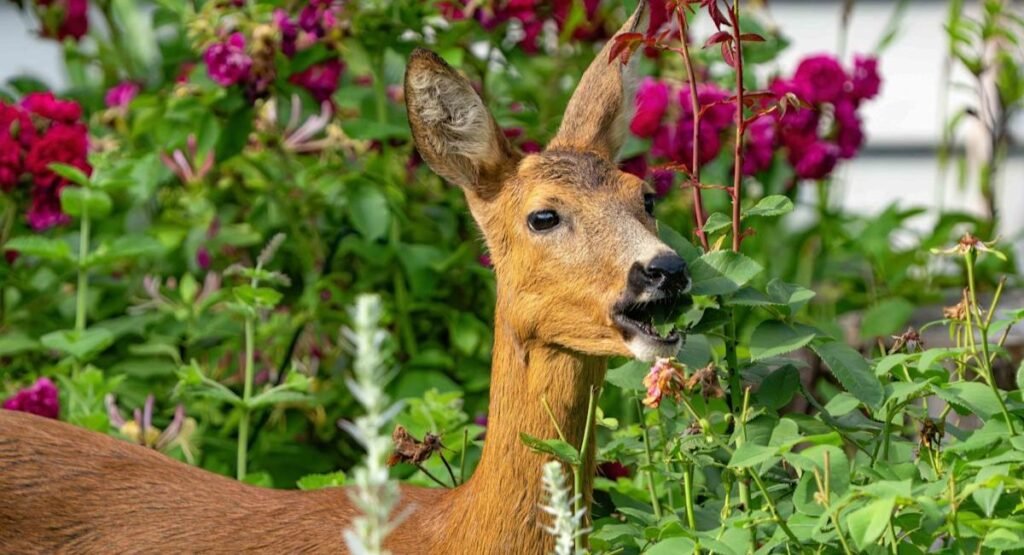
The vulnerability of rose plants lies in their tender foliage and aromatic blooms, which attract not only deer but also other wildlife. To protect your roses, consider using protective barriers or repellents, as these can help deter deer while preserving your garden’s beauty.
Do Deer Eat Zinnias?
No, deer typically do not eat mature zinnias due to their rough and bristly leaf texture, which is unappealing to these herbivores. This characteristic helps zinnias stand out as a strong choice for gardeners concerned about deer damage, providing a vibrant touch to gardens while keeping these animals at bay.
It’s important to note that zinnias are only occasionally deer-resistant. In times of scarcity, hungry deer may resort to nibbling on zinnias if other food sources are unavailable. Therefore, while planting zinnias can decrease the likelihood of deer visits, it’s wise to remain vigilant and explore additional protective measures for your blooms.
Do Deer Eat Petunias?
Yes, deer commonly eat petunias, making them one of the favorite targets in gardens. These vibrant annuals are highly appealing to deer, who can decimate a bed of petunias overnight, leaving behind little more than stems. Their tender leaves and colorful blooms attract these herbivores, leading to frustrating losses for gardeners.
To protect your garden, consider incorporating deer-resistant plants or barriers. While petunias can provide stunning color, their allure for deer can result in extensive damage, warranting proactive measures.
Do Deer Eat Mums?
Yes, deer do eat mums, especially during the fall when their natural food sources dwindle. While chrysanthemums are often marketed as deer-resistant, the truth is that their high moisture, sugar, and carbohydrate content makes them appealing to deer seeking nourishment.
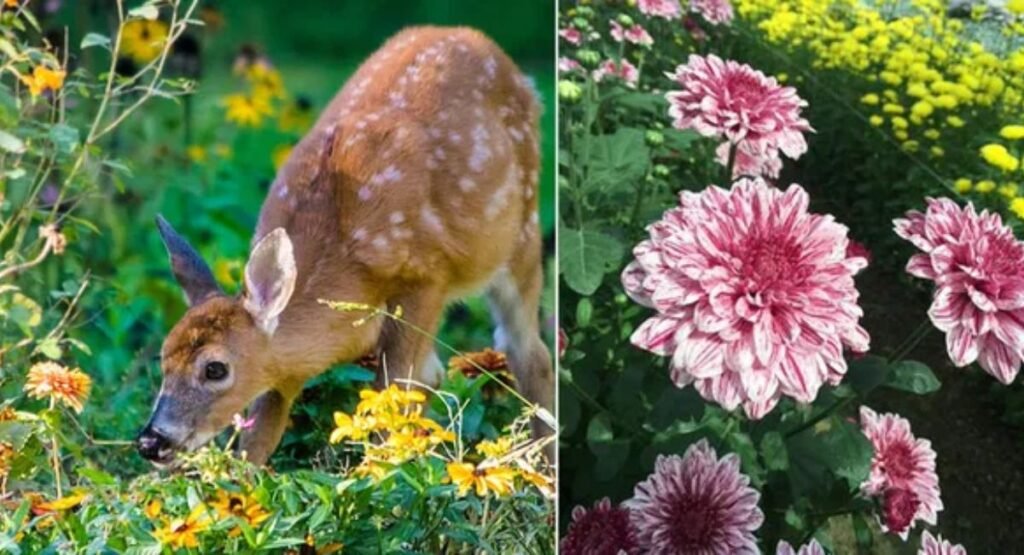
As colder weather sets in, deer may turn to garden plants like mums as a reliable food source. Understanding this behavior can help gardeners develop strategies to protect their prized flowers, such as using barriers or choosing alternative plants that are less appealing to deer.
Do Deer Eat Geraniums?
No, deer typically avoid geraniums due to their strong scent and fuzzy leaf texture, which can be unappealing to these animals. The aromatic oils and leaf characteristics serve as natural deterrents, making geraniums a preferred choice for gardeners seeking deer-resistant plants.
It’s important to note that geraniums are not entirely deer-proof. During times of scarcity, particularly in late winter or early spring when other food sources are limited, hungry deer may nibble on geraniums.
Read also Top 16 Animals That Whistle: Surprising Creatures That Communicate with Sound
What Plants Do Deer Like the Most?
Deer are notably selective in their feeding habits, gravitating towards plants that offer high moisture and crucial nutrients. Hostas and tulips rank among their favorites, making these perennial staples prime targets in gardens. Roses, with their tender leaves and fragrant blooms, also attract deer, often leaving behind nothing but stems.
Fruit-bearing plants like apples and berries are irresistible to deer, especially during the late summer and early autumn when their cravings peak. Incorporating these plants into your landscape might charm other wildlife, but it also lays out a buffet for these graceful grazers, leading to a constant tug-of-war between gardeners and nature’s foragers.
What Plants Do Deer Avoid?
Deer typically steer clear of plants that possess strong scents or bitter flavors. Species such as lavender and sage release potent aromas that dissuade these herbivores from nibbling. Marigolds and daffodils, with their unappealing taste, further enhance gardens by acting as natural deterrents against deer.
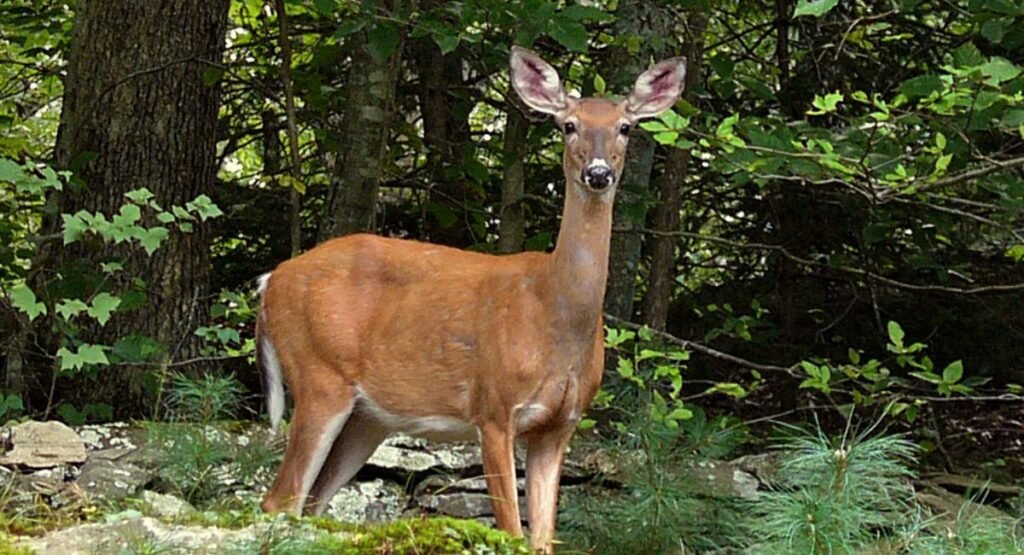
Incorporating these deer-resistant plants can create a vibrant landscape while protecting your garden from foraging wildlife. By diversifying your green spaces with herbs like mint, you not only keep deer at bay but also enrich your culinary options.
How to Protect Your Garden From Deer
Yes, gardeners can protect their plants from deer using several effective methods.
- Tall fences, ideally eight feet or more in height, act as a robust barrier to deter deer while giving your plants a safe haven to flourish. Consider using woven wire fencing for an effective solution.
- Applying deer repellent sprays with natural ingredients can create an unpleasant odor that discourages deer from approaching your plants. Regularly reapplying these sprays, especially after rainfall, is essential for maintaining their efficacy.
- Planting strong-smelling herbs, such as lavender or rosemary, can confuse deer with scents they find unappealing, thus providing a natural deterrent. These herbs not only protect your garden but also enhance its beauty and utility.
- Installing motion-activated lights can startle deer and create an unwelcoming environment, further reducing their chances of returning to your garden. This method adds an element of surprise that keeps deer on their toes, safeguarding your plants.
Conclusion
Understanding what do deer eat is essential for anyone living in areas where these creatures roam. Deer primarily feast on a variety of plant-based foods found in forests, fields, and meadows, including grasses, leaves, fruits, nuts, and shrubs. However, their diet can extend to gardens, where they often munch on plants like roses, tomatoes, petunias, and pumpkins.
While some plants may be deer-resistant, it’s important to note that hungry deer will often defy these boundaries when food is scarce. By being aware of deer feeding habits, gardeners can implement better strategies to protect their plants while managing wildlife interactions more effectively.
FAQs
What Is Deer’s Favorite Food?
Deer love nutrient-rich natural foods. Their favorite foods include acorns, apples, alfalfa, clover, corn, soybeans, persimmons, and cereal grains. These foods provide energy and nutrients that help deer survive through different seasons.
What Will Deer Eat?
Deer eat a wide variety of plants in the wild and in gardens. Their diet commonly includes flower buds, leaves, bark, twigs, seasonal weeds, shrubs, and landscaping plants like hostas. They are flexible feeders and adapt to available food sources.
Will Deer Eat Lettuce?
Yes, deer will eat lettuce if they find it in gardens or farms. They are also attracted to vegetables such as beans, cabbage, broccoli, cauliflower, and Brussels sprouts. When natural food is limited, deer may eat almost any vegetable plants.