Animals That Walk on Two Legs: 18 Fascinating Bipedal Animals
Animals That Walk on Two Legs exhibit a remarkable adaptation that showcases the diversity of locomotion across the animal kingdom. While humans are the most recognized bipedal species, this ability is not limited to us alone.
From the swift kangaroo to the agile penguin, these fascinating creatures each tell a unique story about evolution and survival. Let’s explore 18 bipedal animals, uncovering the traits that enable them to thrive on two legs.
What Are Animals That Walk on Two Legs Called?
Bipedal animals, or bipeds, are species that primarily move using their two hind limbs. This unique adaptation not only allows for efficient locomotion but also frees their front limbs for other crucial tasks such as foraging or communication.
The evolution of bipedalism often arises in response to environmental pressures. For example, in open habitats, standing tall can help animals spot predators or prey more effectively. Additionally, being bipedal may facilitate longer-distance travel, making it easier to seek food or escape dangers.
List of Animals That Walk on Two Legs
| Number of animals | Animals That Walk on Two Legs In The World |
| 1 | Penguins |
| 2 | Kangaroos |
| 3 | Emus |
| 4 | Flamingos |
| 5 | Ostriches |
| 6 | Kangaroo Rats |
| 7 | Humans |
| 8 | Gibbons |
| 9 | Cassowaries |
| 10 | Bonobos |
| 11 | Wallaby |
| 12 | Cockatoos |
| 13 | Bears |
| 14 | Jerboas |
| 15 | Gorillas |
| 16 | Chimpanzees |
| 17 | Basilisk Lizard |
| 18 | Meerkats |
Penguins
Penguins, scientifically known as Spheniscidae, belong to the class Aves and are fascinating carnivores that dominate the icy waters where they thrive. Their ability to walk upright is not just a quirky trait; it’s a crucial adaptation that allows them to navigate their frigid environments with remarkable efficiency.
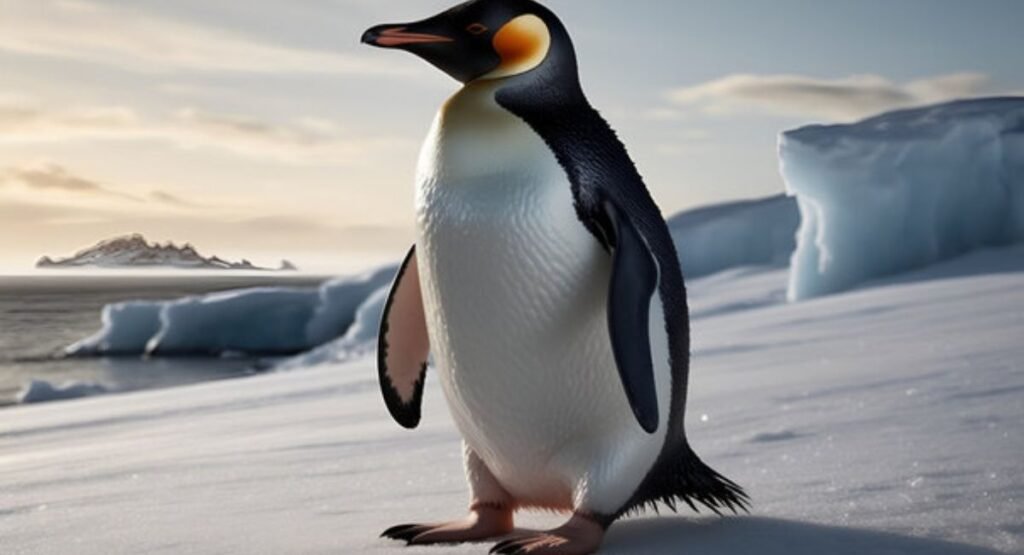
Penguins have a host of adaptations that make them well-suited for life in extreme cold. Their dense bones and a layer of blubber provide buoyancy and insulation, while their compact bodies minimize exposure to the harsh conditions.
Kangaroos
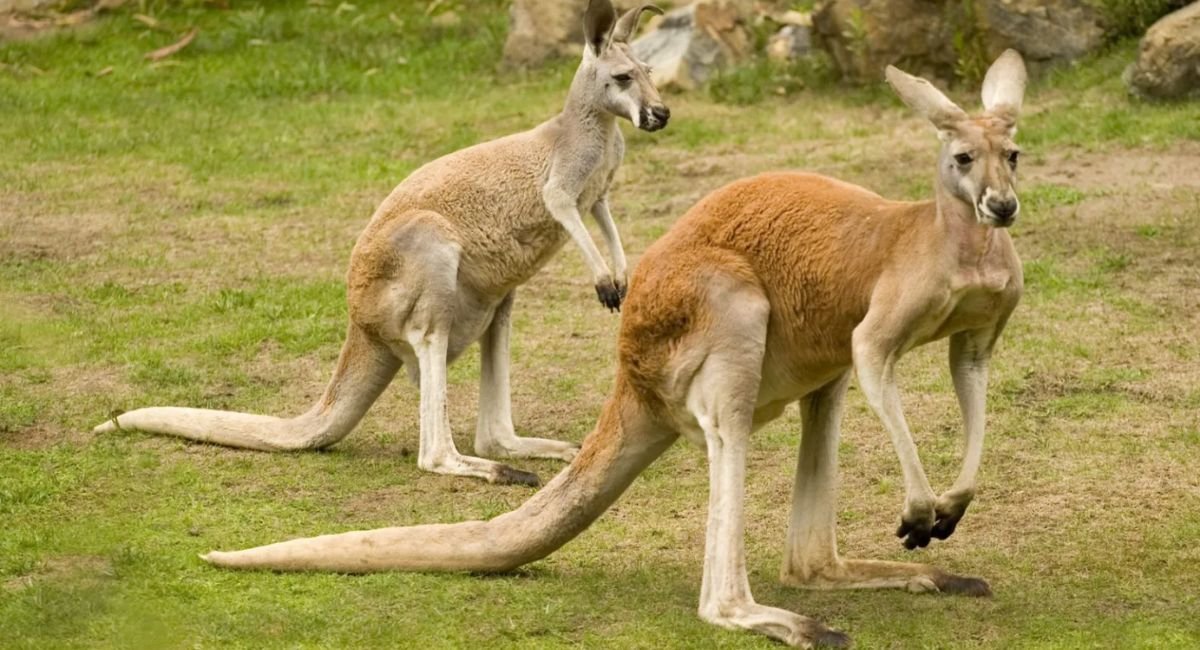
Kangaroos, scientifically known as Macropus, belong to the class Mammalia and are herbivores by nature. Their unique method of locomotion is defined by their powerful hind legs, which enable them to hop across the vast Australian landscape with remarkable agility and efficiency. This specialized movement allows them to cover great distances while conserving energy, making them perfectly suited for their environment.
The structure of a kangaroo’s body further enhances their hopping prowess. Their long, muscular tail is not just a striking feature; it provides essential stability and balance, especially when standing alert or moving slowly.
Emus
Emus, scientifically known as Dromaius novaehollandiae, are remarkable flightless birds from the class Aves, thriving in the diverse landscapes of Australia. These omnivores exhibit a unique adaptation strong, muscular legs that enable them to run at impressive speeds of up to 30 miles per hour.
The emu’s legs are designed for endurance as well as speed, allowing them to traverse the semi-arid regions of their habitat efficiently. Their long strides give them a distinct advantage, enabling them to maintain a rapid pace over long distances while foraging.
Flamingos
Flamingos, scientifically classified under the family Phoenicopteridae and the class Aves, are remarkable omnivores renowned for their striking appearance and social behavior. Their long legs, which allow them to wade into shallow waters, enable them to navigate their aquatic habitats with both grace and efficiency.
While they are often observed standing on one leg, an energy-efficient posture that helps conserve body heat, flamingos walk with a unique elegance on two legs when foraging for food. This captivating walking behavior complements their striking silhouette, making them not just intriguing to study but also a delight to watch in their natural environment.
Ostriches
Ostriches, scientifically known as Struthio camelus, belong to the class Aves and are omnivores that thrive on a varied diet. These fascinating creatures are not just the largest living birds but also the fastest running birds, capable of reaching speeds up to 70 km/h on the open African grasslands.
Their unique biology equips them for such impressive speed; their long, powerful legs are specially adapted for swift movement, allowing them to cover large distances quickly.
Ostriches exhibit remarkable endurance. They are built for speed with a lightweight body structure that minimizes drag while running. This agility not only aids in escaping predators but also enhances their ability to forage for food across vast expanses.
Kangaroo Rats
Kangaroo rats, scientifically known as Dipodomys and classified under the class Mammalia, are fascinating herbivores and granivores uniquely adapted to desert life. Their powerful hind legs enable them to hop swiftly across the arid landscape, providing not just agility but also a means to evade predators efficiently.
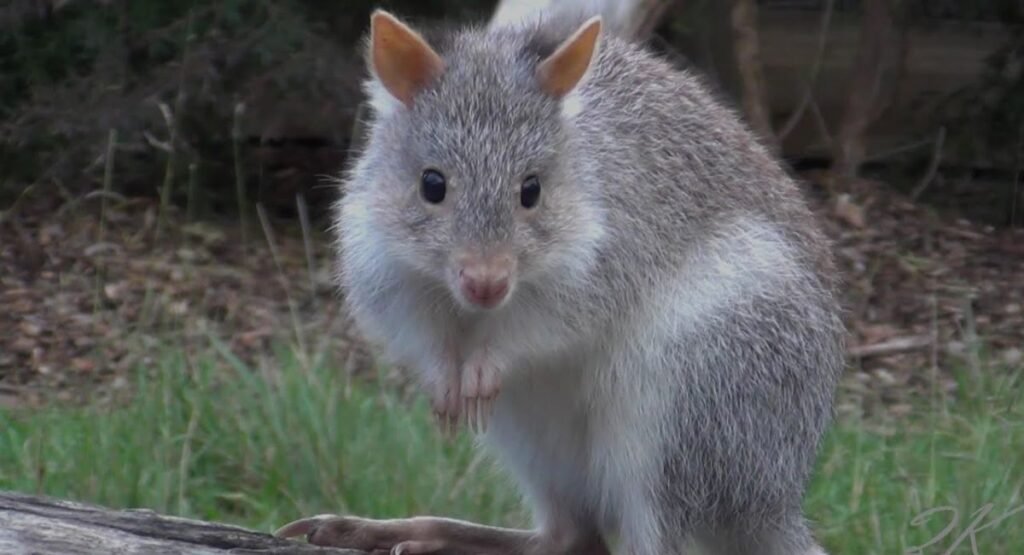
These remarkable creatures have developed several adaptations for survival in harsh desert conditions. Their kidneys are highly efficient, allowing them to conserve water by excreting concentrated urine and minimizing moisture loss.
Humans
Bipedalism, a defining characteristic of Homo sapiens, allows these Mammalia class members to navigate diverse environments with remarkable efficiency. Walking on two legs not only liberates the hands for intricate tool use but also enhances communication abilities, setting the stage for the complex social structures that define humans.
Bipedalism facilitated cognitive advancement as humans began using tools for hunting and gathering. This newfound dexterity meant that early Homo sapiens could create more sophisticated implements, enhancing their survival in various habitats. The act of carrying objects also allowed for the transport of food and resources, further establishing deeper social bonds within groups.
Gibbons
Gibbons, belonging to the scientific family Hylobatidae, are fascinating mammals under the class Mammalia that primarily thrive on an omnivorous diet. These agile creatures are often noted for their remarkable locomotion, which is primarily characterized by their swinging through the treetops, known as brachiation, utilizing their long, powerful arms.
While Gibbons are predominantly arboreal, they are also capable of walking upright on two legs when on the ground. This bipedal movement, though less common, showcases their versatility and adaptation to different environments. Their ability to transition between swinging through the trees and walking on the forest floor highlights their evolutionary success, making Gibbons a remarkable example of adaptability in the animal kingdom.
Cassowaries
The cassowary, scientifically known as Casuarius, belongs to the class Aves and is a fascinating omnivorous bird that thrives in tropical rainforest environments. With their powerful legs, these flightless giants can reach speeds of up to 30 miles per hour, allowing them to navigate their dense habitats with surprising agility.
In the lush rainforests where cassowaries reside, their ecological impact is profound. As seed dispersers, they play a critical role in maintaining the health of these forest ecosystems. By consuming fruits and berries, they help propagate plant species that rely on their mobility for distribution, thereby nurturing the very environment that sustains them.
Related Must Read 18 Incredible Animals Without Legs That Will Surprise You
Bonobos
Bonobos, scientifically known as Pan paniscus, belong to the class Mammalia and are fascinating omnivores that share a close genetic relationship with chimpanzees. Their unique behaviors reveal not only their social structures but also their adaptability in various environments.
This bipedal movement is not merely for practical purposes; it showcases their remarkable cognitive abilities and social intelligence. When walking upright, bonobos display a blend of functionality and expression, often using this stance to convey emotions or strengthen social bonds.
Wallabies
Wallabies, scientifically known as Macropus, belong to the class Mammalia and are primarily herbivores, thriving on grasses, leaves, and shrubs. Their unique hopping movement allows them to cover vast distances with remarkable agility, making them perfectly adapted to traverse the Australian bush.
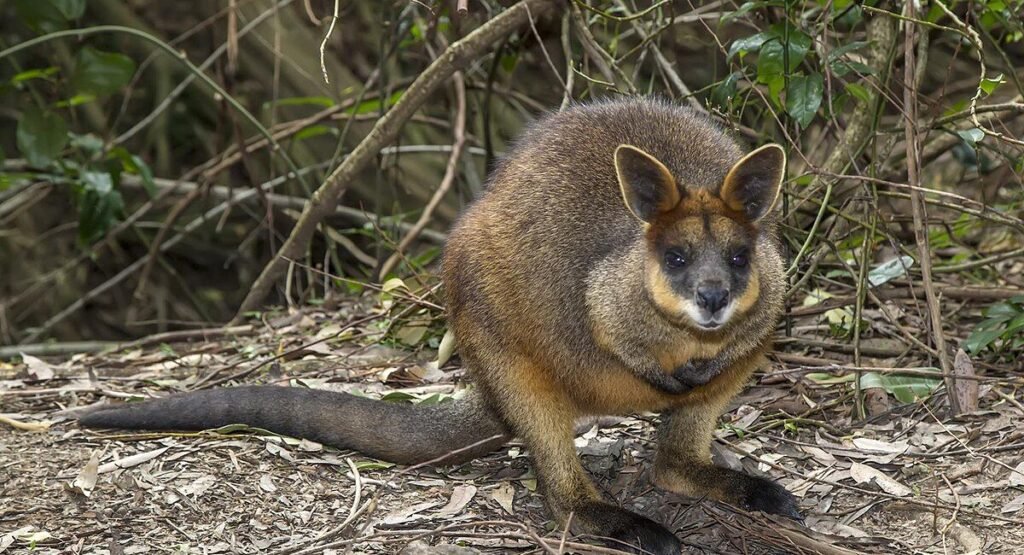
These fascinating creatures propel themselves using powerful hind legs, a characteristic they share with their larger cousins, the kangaroos. As they leap, their sturdy tails function as a balancing agent, ensuring stability during high-speed hops and turns.
Cockatoos
Cockatoos, scientifically known as Cacatuidae and classified under the class Aves, are fascinating omnivores known for their intelligence and adaptability. These remarkable birds often exhibit a curious behavior walking upright on two legs, particularly when exploring their environment or interacting with friends, be it humans or fellow avian companions.
Cockatoos are known for their distinctive crests and vibrant plumage, which further emphasize their charisma. This unique walking behavior is thought to be a form of communication; it allows them to engage more fully with their surroundings and the species they encounter.
Observing a cockatoo strut around in this manner offers a delightful glimpse into their playful and inquisitive personality, reaffirming why they hold a special place in the hearts of both bird enthusiasts and casual observers alike.
Bears
Bears, classified under the scientific name Ursidae and belonging to the class Mammalia, are fascinating omnivores known for their adaptability and intelligence. While they typically navigate their environment on four legs, they occasionally stand or walk on two legs, which can be quite a sight.
Standing upright allows bears to enhance their sense of smell and sight, crucial for locating food sources or spotting potential threats. Interestingly, this bipedal behavior is not only practical but also a testament to their versatility.
Jerboas
Jerboas, members of the family Dipodidae and classified under Mammalia, are fascinating desert rodents that exhibit a unique omnivorous diet. Their survival in arid environments is enhanced by their ability to quickly adapt to available food sources, allowing them to thrive despite the harsh conditions.
What truly sets jerboas apart is their remarkable jumping movement, powered by their long hind legs. This adaptation not only aids in rapid escape from predators but also enables them to traverse the sandy terrain with agility.
Gorillas
Gorillas, belonging to the scientific classification Gorilla and classified under the class Mammalia, are fascinating herbivores that showcase unique behavioral traits. While their primary mode of locomotion is knuckle-walking, these magnificent animals can occasionally adopt an upright stance, particularly when carrying food or asserting their dominance in social interactions.
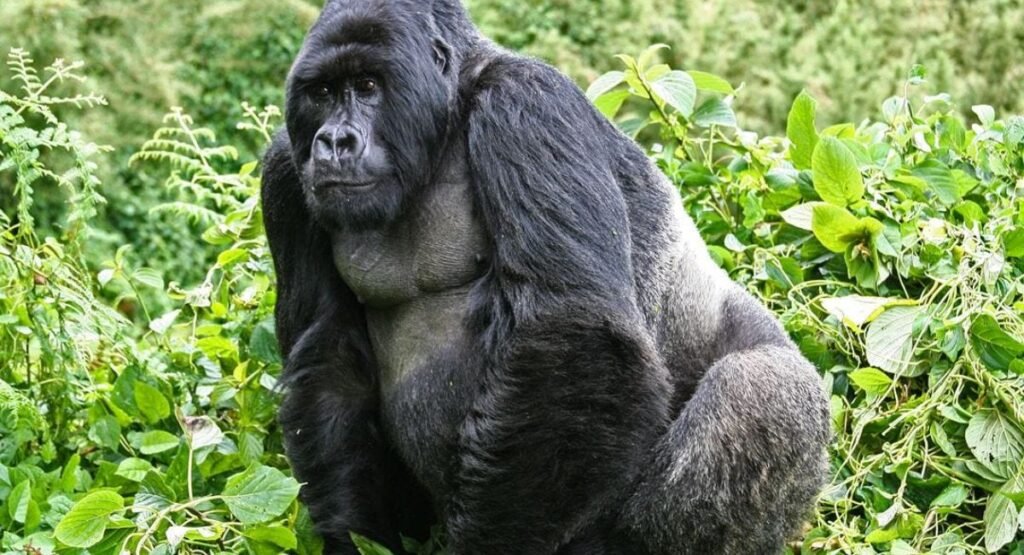
This bipedal behavior not only allows Gorillas to navigate their environment more swiftly when needed but also plays a crucial role in their communication. Standing upright can serve as a display of strength, signaling to other Gorillas in the troop or potential rivals.
Chimpanzees
Chimpanzees (Pan troglodytes), classified under the class Mammalia, are fascinating omnivores that showcase remarkable flexibility in their locomotion. While they typically move on all fours, known as knuckle-walking, they can effortlessly switch to bipedalism, walking upright for short distances, particularly when their hands are occupied with objects.
This unique adaptation not only aids in foraging but also provides insights into the evolutionary pathways of our own species. Their ability to utilize different modes of movement allows chimpanzees to navigate their diverse habitats, climbing trees and traversing forest floors with remarkable agility.
Basilisk Lizard
The Basilisk Lizard, scientifically known as Basiliscus, belongs to the class Reptilia and is an omnivorous creature. Famous for its remarkable ability to run on water, this fascinating lizard can utilize its lightweight body and specialized toe structures to take advantage of surface tension, allowing it to escape predators effectively.
When fleeing from danger, the Basilisk Lizard enters an almost frantic sprint, using its powerful hind legs to propel itself forward. As it strikes the water surface, air-filled flaps under its toes create miniature jet-like boosts that keep it afloat for brief moments, a spectacular display of evolution in action.
Meerkats
Meerkats, scientifically known as Suricata suricatta, belong to the class Mammalia and are omnivores, feeding on a diverse diet that includes insects, fruits, and small vertebrates. Their distinctive upright posture serves a vital purpose in their social structure and survival; when one meerkat stands on its hind legs, it acts as a sentinel, scanning the horizon for potential threats while the rest of the group forages for food.
This characteristic behavior showcases their impressive teamwork and communication skills, as meerkats take turns in this lookout role. By standing tall, they can cover a wider area, ensuring that their family remains safe from predators like eagles and snakes.
Conclusion
Animals That Walk on Two Legs reveal just how versatile and adaptive nature can be. With a range of species employing bipedalism for travel, foraging, and evading danger, it’s evident that this ability is crucial for many animals’ survival.
From the sophisticated agility of certain birds to the strategic movements of bipedal mammals, each species utilizes this form of locomotion in ways that enhance their day-to-day existence. By studying these fascinating adaptations, we gain insight into the complexities of evolution and the dynamic relationships within ecosystems.
FAQS
Is a Monkey A Two-Legged Animal?
No, monkeys are not primarily two-legged animals. They usually move using all four limbs two arms and two legs especially when climbing or running. However, some monkeys can briefly stand or walk on two legs for short distances.
Which Animals Stand On Two Legs In Animal Farm?
In the novel Animal Farm, the pigs eventually begin standing on two legs. This change symbolizes how the pigs become more like humans, adopting their behaviors and power over the other animals on the farm.
What Is Walking On 2 Feet Called?
Walking on two feet is called bipedalism. It refers to a type of movement where an animal uses its two hind legs to walk or run instead of four limbs. Humans and many birds are examples of bipedal animals.