Top 18 Scavenger Animals In The World: Examples, Facts & Pictures
Scavenger animals in the world serve as nature’s unsung heroes, tirelessly working to clean up our environment. By feeding on carrion and dead matter, these animals help maintain ecosystem health while preventing the spread of harmful pathogens.
Their unique role ensures that nutrients are returned to the soil, benefiting all forms of life. Let’s explore a comprehensive scavenger animals list, featuring 18 remarkable species, enlightening facts, and vivid pictures that showcase their essential function in our planet’s ecological system.
What Are Scavenger Animals?
Scavenger animals are organisms that feed on dead animals and decaying organic matter rather than hunting live prey. Unlike predators that actively hunt for their meals, scavengers play a crucial role in ecosystems by consuming leftovers and waste from other animals, which helps recycle nutrients back into the environment.
In food chains, scavengers occupy a vital position as they help maintain ecological balance. By cleaning up carcasses and organic debris, they prevent the spread of diseases that can arise from decaying matter. This role in ecosystem cleaning promotes a healthier environment, allowing other species to thrive.
What Are 10 scavenger Examples
| No. | Scavenger Animal | Scientific Name | Class | What They Scavenge | Key Feature |
|---|---|---|---|---|---|
| 1 | Vulture | Gyps spp. | Aves | Dead mammals and birds | Excellent eyesight |
| 2 | Hyena | Crocuta crocuta | Mammalia | Carcasses and leftovers | Powerful jaws |
| 3 | Jackal | Canis aureus | Mammalia | Carrion and small prey | Opportunistic feeder |
| 4 | Crow | Corvus brachyrhynchos | Aves | Roadkill and waste | Highly intelligent |
| 5 | Raven | Corvus corax | Aves | Dead animals and scraps | Strong problem-solving |
| 6 | Turkey Vulture | Cathartes aura | Aves | Decaying carcasses | Keen sense of smell |
| 7 | Crab | Callinectes sapidus | Malacostraca | Dead marine organisms | Ocean cleaner |
| 8 | Raccoon | Procyon lotor | Mammalia | Carrion and leftovers | Adaptable scavenger |
| 9 | Komodo Dragon | Varanus komodoensis | Reptilia | Dead and live animals | Powerful bite |
| 10 | Tasmanian Devil | Sarcophilus harrisii | Mammalia | Carcasses and bones | Bone-crushing jaws |
Why Scavenger Animals Are Important
Scavenger animals play a crucial role in nutrient recycling within ecosystems. By consuming dead and decaying organic matter, they break it down, returning vital nutrients to the soil. This process promotes new plant growth and sustains various species, ensuring a balanced ecosystem.
Scavengers are key players in disease prevention. By removing carcasses and decaying matter, they significantly reduce the risk of disease outbreaks that can affect both wildlife and human populations. Their waste removal contributions maintain a cleaner environment, fostering healthy habitats for diverse wildlife.
List of Scavenger Animals In The World
| Number of animals | Scavenger animals list |
| 1 | Vultures |
| 2 | Crabs |
| 3 | Jackals |
| 4 | Ants |
| 5 | Ravens |
| 6 | Striped Hyena |
| 7 | Bottle flies |
| 8 | Coyote |
| 9 | Sharks |
| 10 | Eagles |
| 11 | Raccoons |
| 12 | Beetles |
| 13 | Wolves |
| 14 | Millipedes |
| 15 | Yellowjackets |
| 16 | Piranha |
| 17 | Lobster |
| 18 | Bears |
Vultures
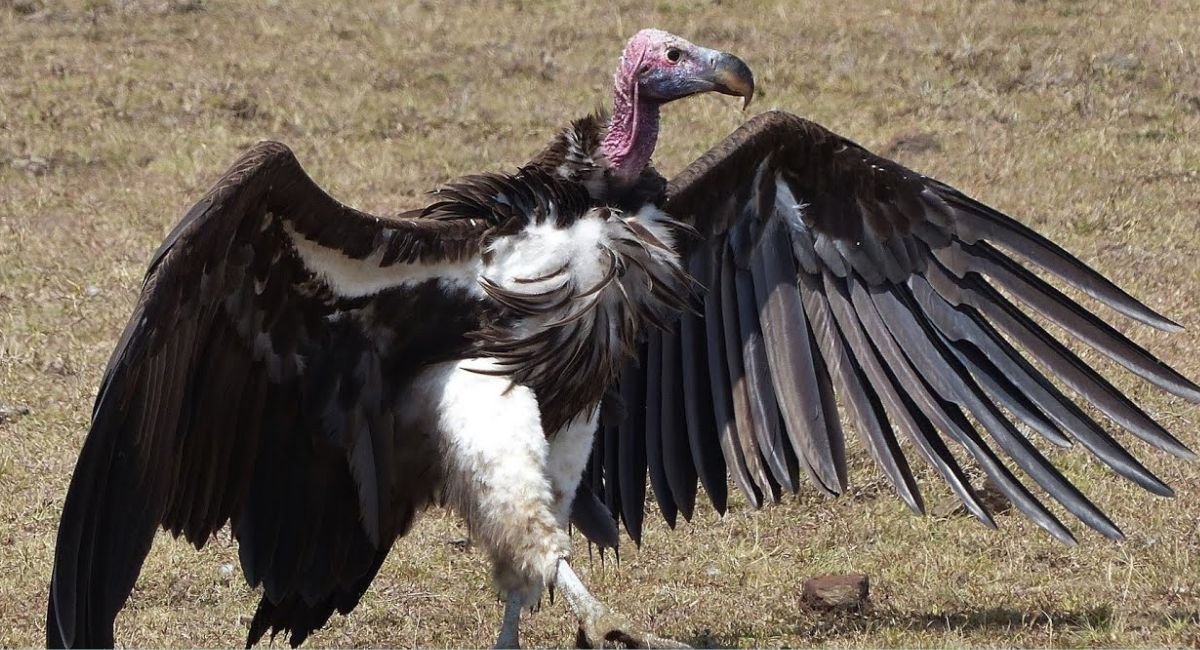
Vultures, belonging to the scientific family Accipitridae and the class Aves, play a crucial role as scavenger birds in various ecosystems. These remarkable creatures possess exceptional eyesight, allowing them to spot carcasses from several miles away while soaring gracefully in the sky.
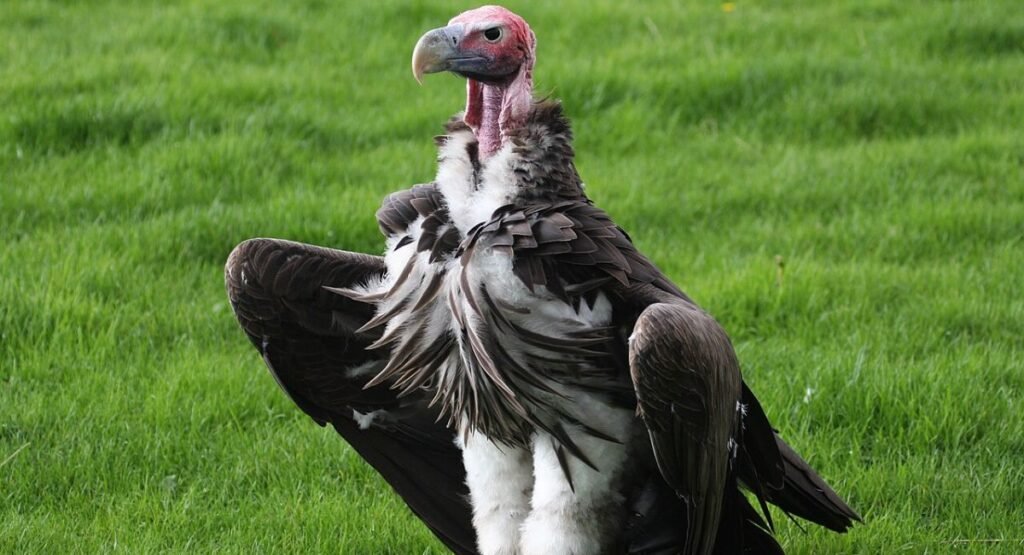
Vultures have evolved special adaptations that enable them to thrive in their scavenging role. Their strong stomach acid can safely digest decaying flesh, neutralizing harmful bacteria and pathogens that other animals cannot endure. This not only aids in their survival but also acts as a natural disease prevention method, helping to keep ecosystems clean and healthy.
Crabs
Crabs, belonging to the infraorder Brachyura, serve as essential scavengers in marine ecosystems, acting as nature’s ocean floor cleaners. With their strong claws, these crustaceans are adept at breaking down and consuming dead animals and decaying organic matter, which not only keeps the seafloor tidy but also prevents the buildup of harmful waste.
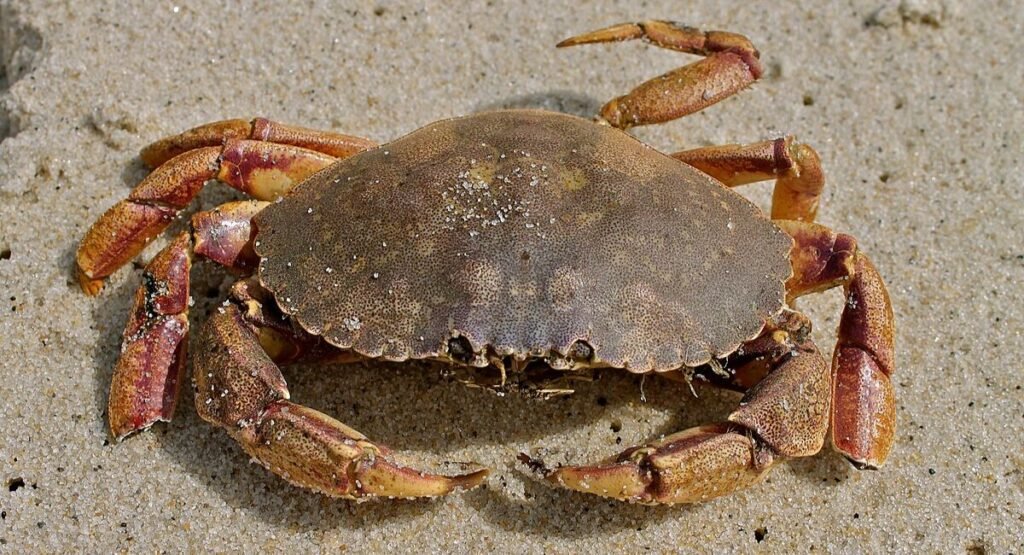
This nutrient recycling is crucial as crabs digest the organic material, subsequently returning vital nutrients to the sediment and water column. In this way, they play a significant role in supporting the growth of various marine species and fostering a healthy habitat.
Jackals
Jackals (Canis aureus) are among nature’s keenly adaptable opportunistic scavengers, thriving in diverse environments like deserts and savannas. With a strong sense of smell, they can detect carrion from great distances, often outsmarting competition by arriving at a feast before others.
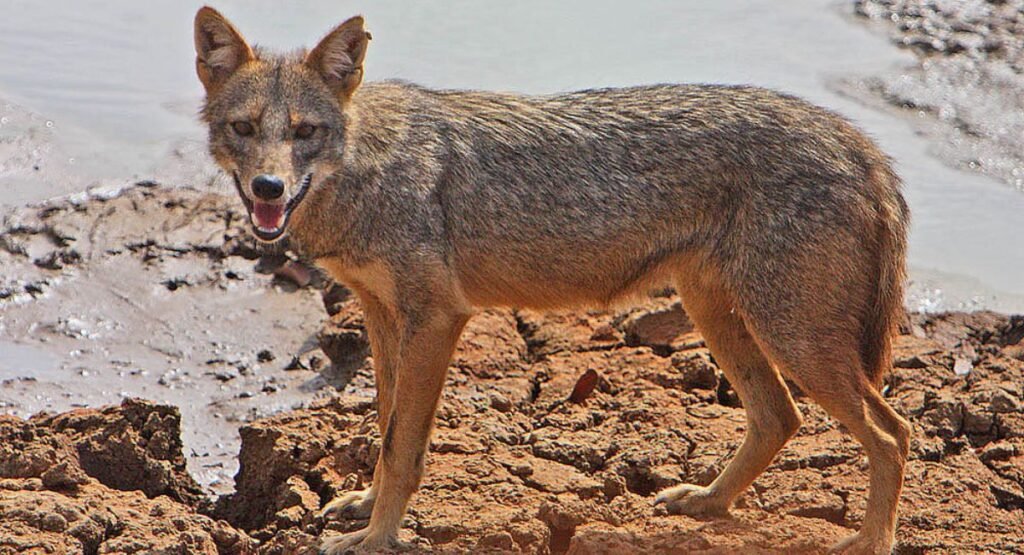
These clever canids navigate the complexities of their habitat with remarkable skills, allowing them to exploit a variety of food sources. Beyond scavenging, jackals have been observed hunting cooperatively an impressive display of social behavior that enhances their survival.
Ants
Ants, as tiny yet powerful scavengers, exhibit remarkable teamwork that ensures their colonies thrive. Working in unison, they communicate through pheromones, leaving chemical trails that guide other ants to food sources and resources. This sophisticated system enables large groups to efficiently dismantle organic waste, turning potential environmental hazards into valuable nutrition for their colony.
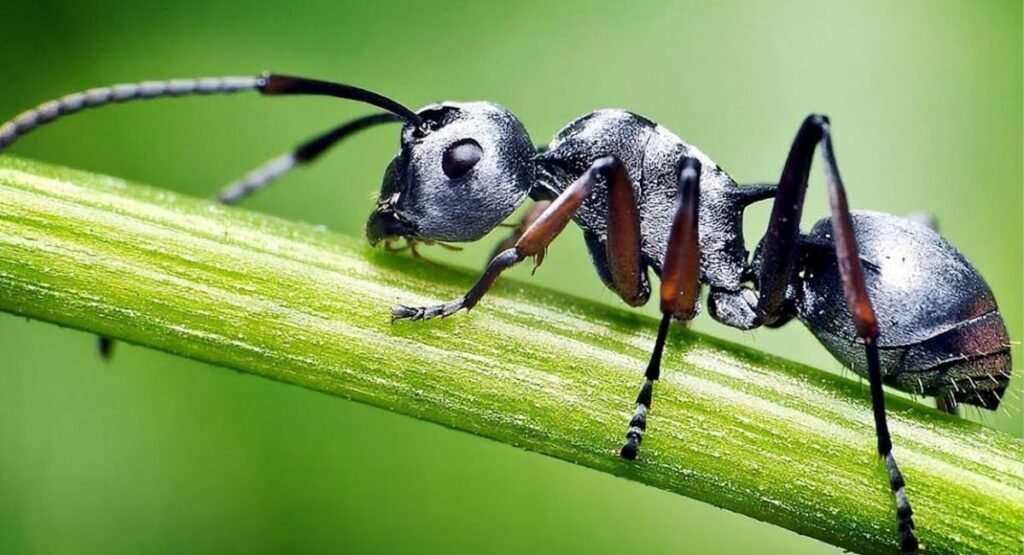
Ants play a crucial role in soil nutrient recycling. By consuming decaying organic matter, they not only clean their surroundings but also enhance soil quality through the breakdown of waste materials. Their diligent scavenging activities contribute to healthier ecosystems, highlighting the interconnectedness of nature’s smallest creatures and their significant impact on environmental balance.
Ravens
Ravens, scientifically known as Corvus corax and belonging to the class Aves, showcase remarkable intelligence that sets them apart in the avian world. Their problem-solving abilities are truly astonishing; they can manipulate objects, use tools, and even plan for future needs.
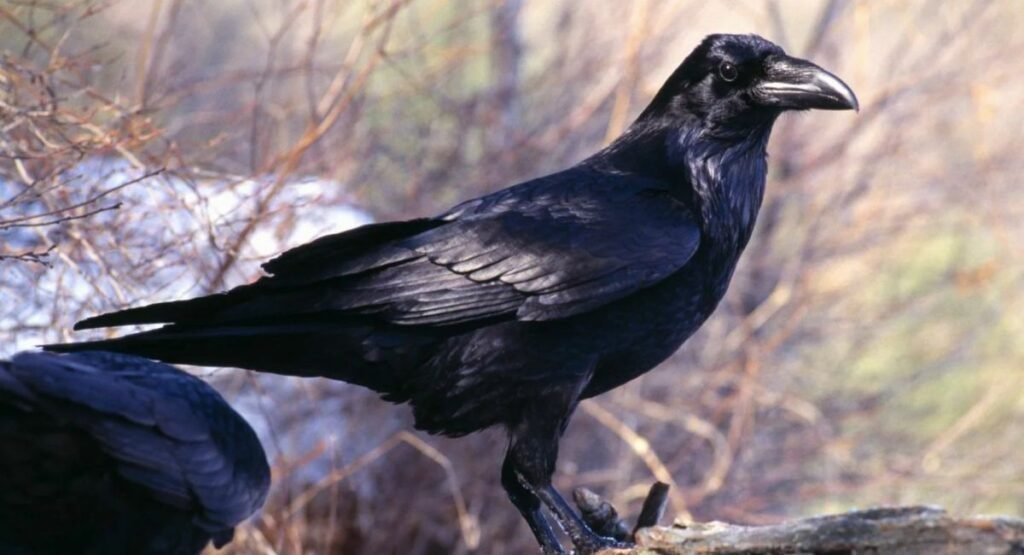
As scavenger birds, ravens play a vital role in ecosystems by cleaning carcasses. Their exceptional communication skills allow them to coordinate effectively with one another, ensuring that they maximize their foraging success.
Read also Top 10 Strongest Animals in the World (By Power, Bite Force & Strength)
Striped Hyena
The Striped Hyena (Hyaena hyaena), classified under the Mammalia class, is a masterful nocturnal scavenger adapted to thrive in arid desert habitats. Equipped with an exceptional sense of smell, this elusive creature can detect carrion from miles away, making it a formidable presence in its ecosystem.
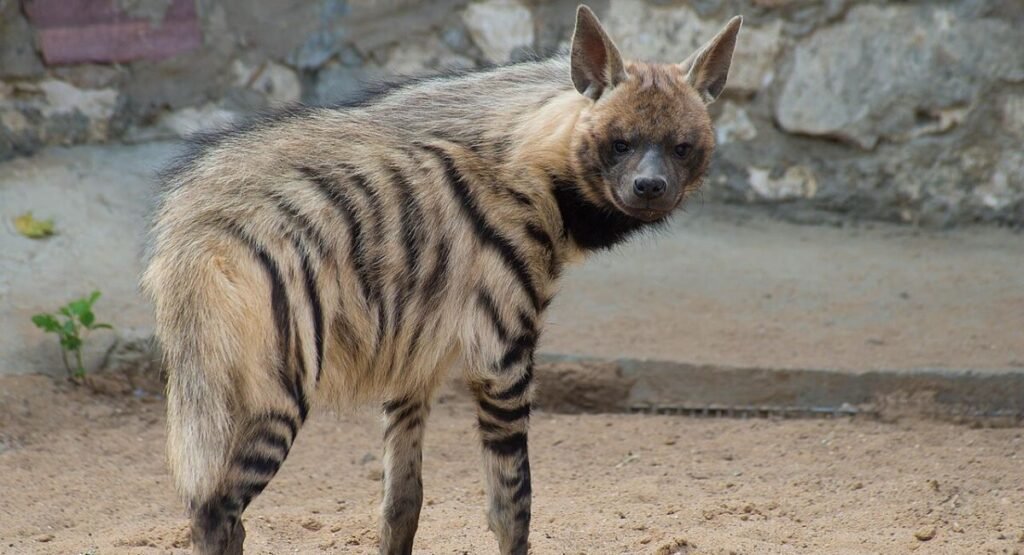
Its bone-crushing jaws are a defining feature, allowing the Striped Hyena to consume not just soft tissues but also hard bones, maximizing its scavenging efficiency. In the moonlit desert, this hyena plays a crucial role, ensuring that organic matter is recycled and maintaining the delicate balance of its environment.
Bottle Flies
Bottle flies, scientifically known as Calliphora, belong to the class Insecta and play a crucial role in the decomposition process. Their larvae, commonly referred to as maggots, thrive in decaying organic matter, breaking down dead organisms efficiently.
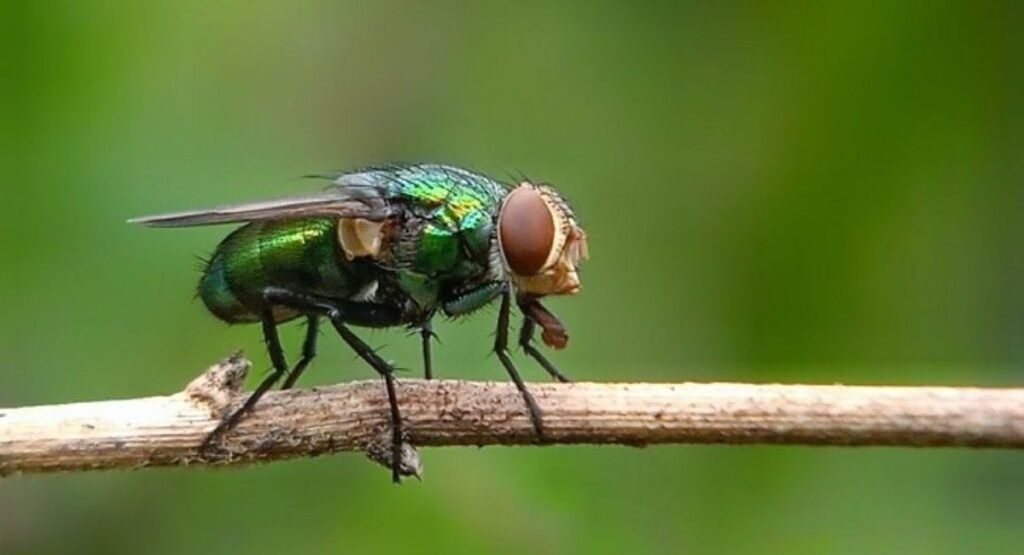
Their presence on decomposing bodies can provide critical information in criminal investigations, as entomologists can estimate time of death based on the life cycle stages of the larvae. This intersection of nature and science highlights the fascinating role of bottle flies in both life and death, emphasizing their essential place in maintaining ecological balance.
Coyote
Coyotes, scientifically known as Canis latrans and belonging to the class Mammalia, are remarkable creatures that exemplify adaptability. These opportunistic feeders thrive in diverse habitats, feasting on everything from small mammals to leftover human food scraps in urban areas.
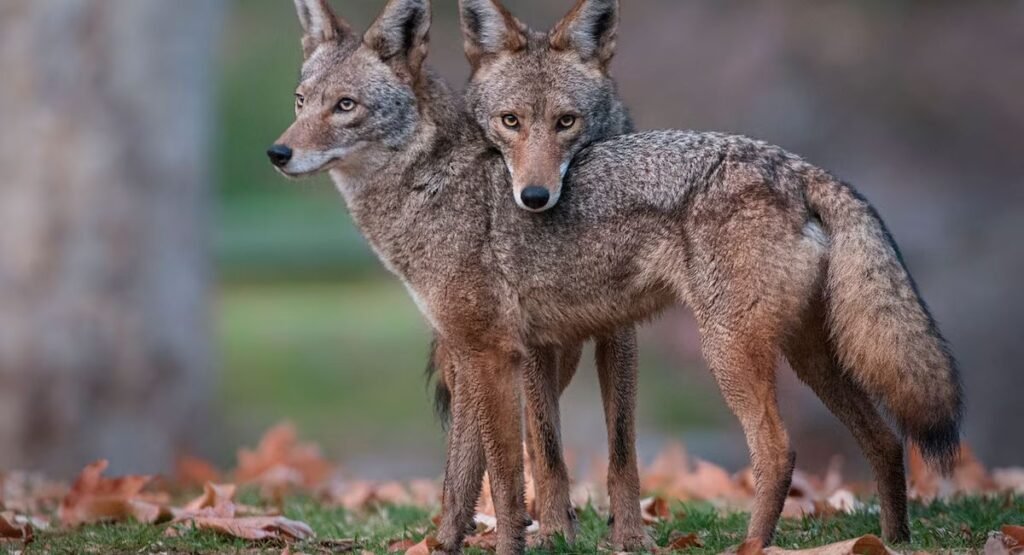
In urban environments, coyotes have become increasingly adept at navigating human landscapes, demonstrating remarkable survival skills. They often blend into suburban settings, taking advantage of parks and abandoned lots as hunting grounds.
Sharks
Sharks, belonging to the scientific class Chondrichthyes and the order Selachimorpha, are often celebrated as apex predators in marine ecosystems. However, their role extends far beyond hunting; these remarkable creatures act as scavengers, feeding on dead animals and leftover prey.
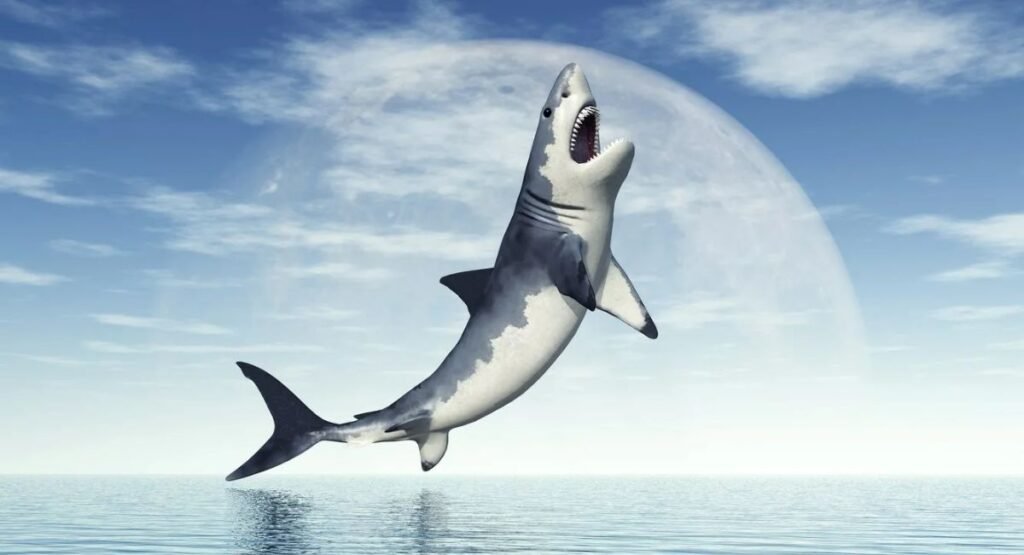
By consuming carrion, sharks play a vital role in cleaning the ocean. They help maintain ecological balance by ensuring the swift removal of decomposing organisms, which would otherwise pollute the waters.
Eagle
Eagles, belonging to the class Aves and often scientifically referred to by names like Aquila for golden eagles or Haliaeetus for bald eagles, are remarkable birds of prey known for their exceptional eyesight. This keen vision allows them to spot potential food sources from great heights, making them adept aerial scavengers.
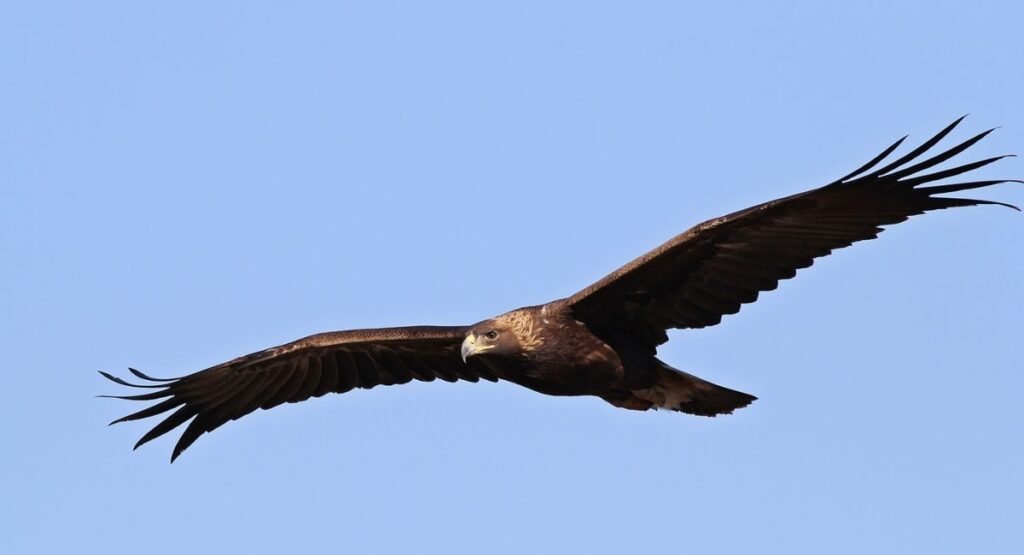
In their role as opportunistic scavengers, eagles expertly navigate the skies, scanning the terrain below for signs of carcasses left by other predators. Their ability to consume carrion also highlights the important ecological function they serve, aiding in the decomposition process and recycling nutrients back into the ecosystem.
Raccoons
Raccoons (Procyon lotor), members of the class Mammalia, are highly adaptive scavengers, especially in urban settings where food sources are abundant. With their dexterous paws, they skillfully manipulate trash cans and garbage bags, enabling them to uncover hidden edible treasures that often consist of discarded food.
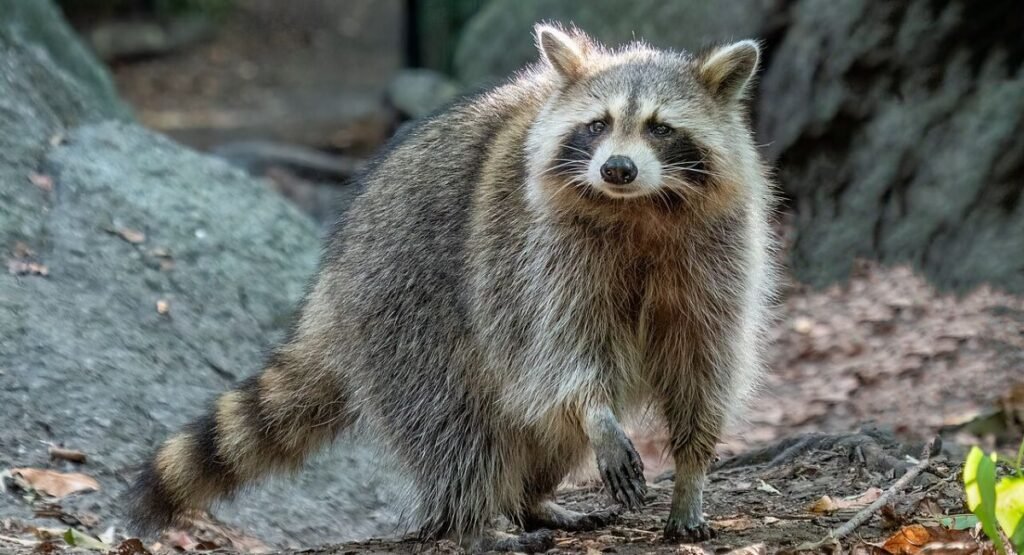
Being primarily nocturnal, raccoons venture out under the cover of darkness to explore residential areas in search of sustenance. Their nocturnal behavior allows them to evade potential threats while they sift through refuse. This nightly ritual not only demonstrates their keen foraging skills but also serves as a captivating reminder of nature’s resilience and adaptability in the face of urbanization.
Beetles
Beetles, classified under Class Insecta, play a pivotal role as essential decomposers and scavengers within ecosystems. Dung beetles, notably, are nature’s clean-up crew, efficiently recycling animal waste into nutrient-rich soils. Their interactions not only aid in decomposition but also enhance soil structure, promoting healthier plant growth.
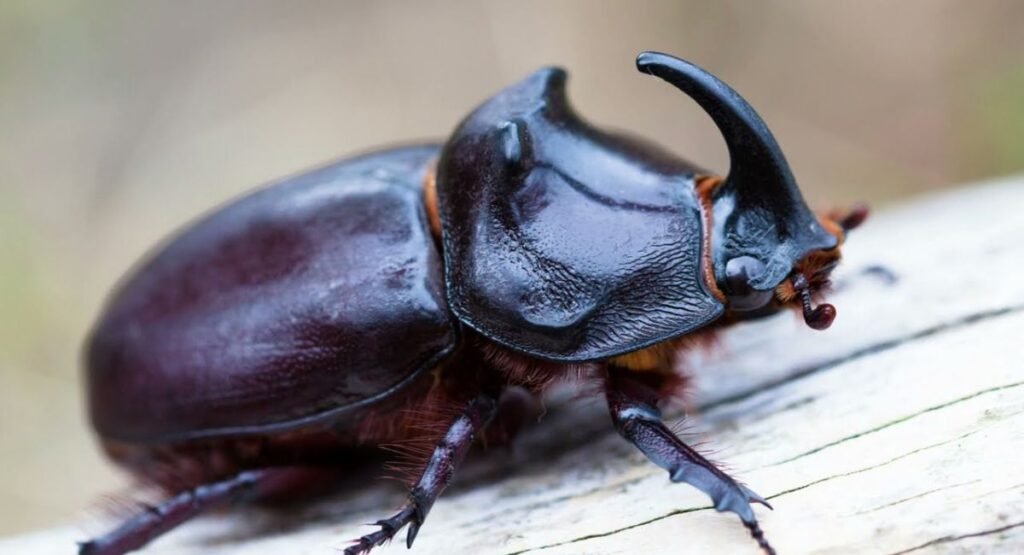
Carrion beetles thrive on decaying animal matter, accelerating the breakdown process. They help prevent the spread of disease by consuming dead organisms, while simultaneously enriching the nutrients available in the ecosystem. By facilitating nutrient recycling, beetles significantly contribute to the balance and health of their habitats, underscoring their importance in maintaining ecological stability.
Wolves
Wolves (Canis lupus), classified under the Mammalia class, exhibit fascinating adaptability in their survival strategies. While renowned for their prowess in hunting, they often engage in scavenging, especially during the harsh winter months when food becomes scarce.
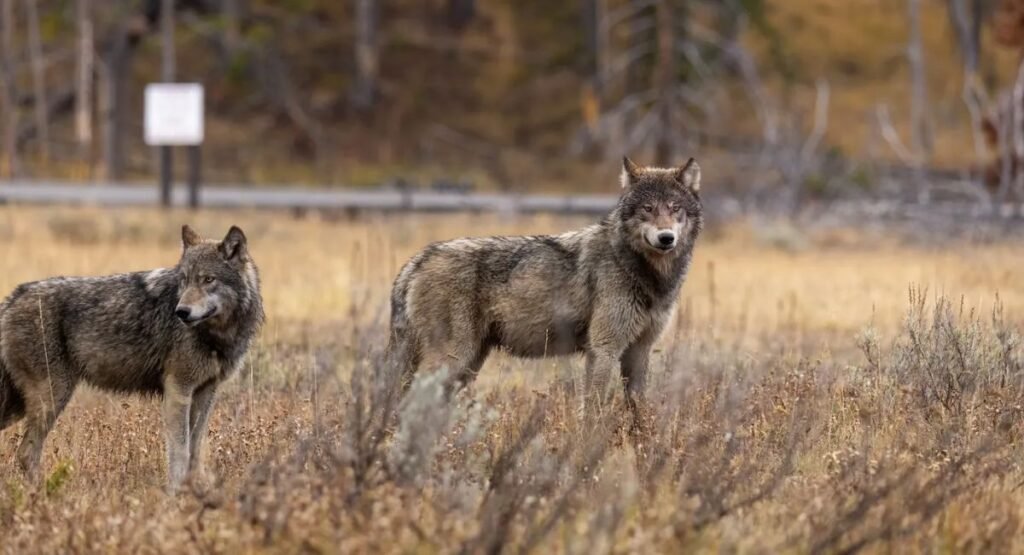
Pack behavior plays a crucial role in scavenging; wolves work collaboratively to locate and access carcasses left by other predators. This not only ensures sustenance for the entire pack but also reinforces social bonds among members.
Millipedes
Millipedes, classified under the class Diplopoda, play a vital role in our ecosystems as detritivores, primarily consuming decaying plants and organic materials. By breaking down this matter, millipedes contribute significantly to soil health, enriching it with nutrients essential for plant growth and overall ecosystem stability.
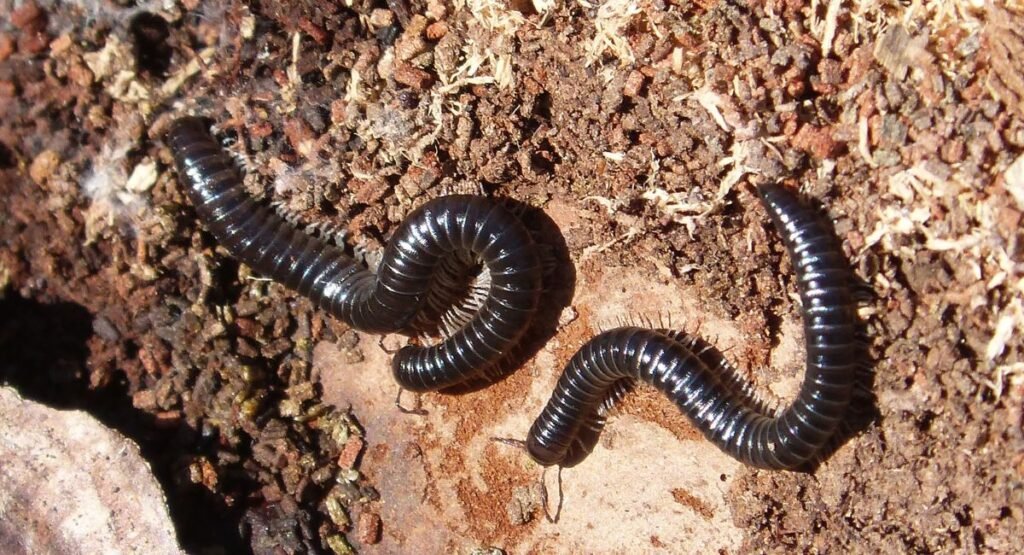
Their decomposition activities not only enhance soil fertility but also promote microbial diversity, creating a thriving environment for various soil organisms. As these fascinating creatures navigate through leaf litter and decayed matter, they act as nature’s recyclers, ensuring that nutrients are returned to the earth, thus maintaining the delicate balance of life within our ecosystems.
Yellowjackets
Yellowjackets, belonging to the class Insecta and scientifically known as Vespula or Dolichovespula, exhibit remarkable colony behavior that enhances their survival. These aggressive scavengers actively seek food scraps and dead insects, often raiding picnics and garbage cans to gather sustenance for their growing colony.
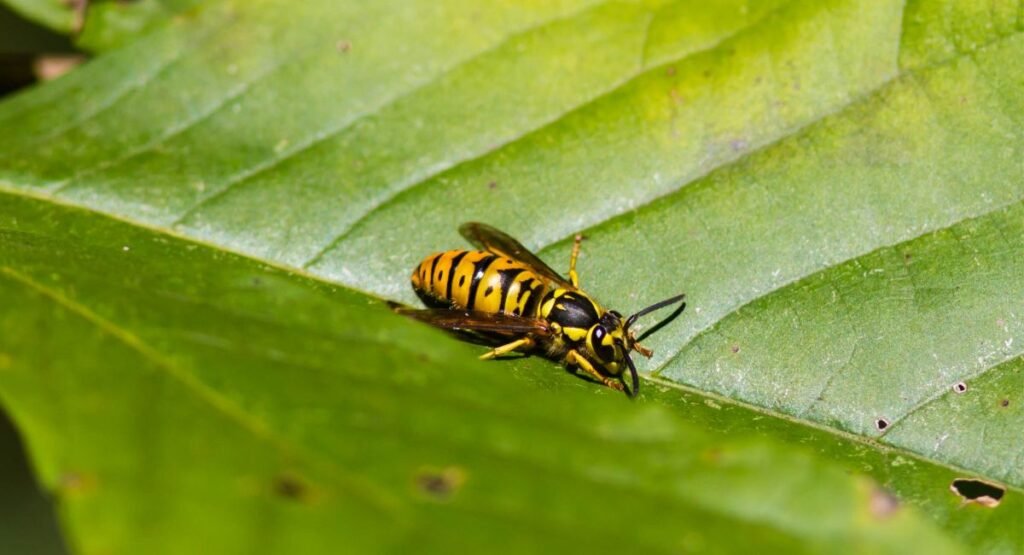
Yellowjackets play a unique ecological role by helping to control pest populations. As they consume decaying matter and other insects, they contribute to nutrient recycling in their habitats. This scavenging behavior not only supports their colony but also aids the ecosystem by breaking down organic material, highlighting their importance beyond mere pests.
Piranha
Piranhas, belonging to the class Actinopterygii and scientifically known as Serrasalmus, are fascinating inhabitants of river ecosystems, showcasing a dual role as both predators and scavengers. Known for their strong teeth, which can slice through flesh with ease, these fish often engage in group feeding behaviors, demonstrating a remarkable capacity for teamwork when it comes to hunting.
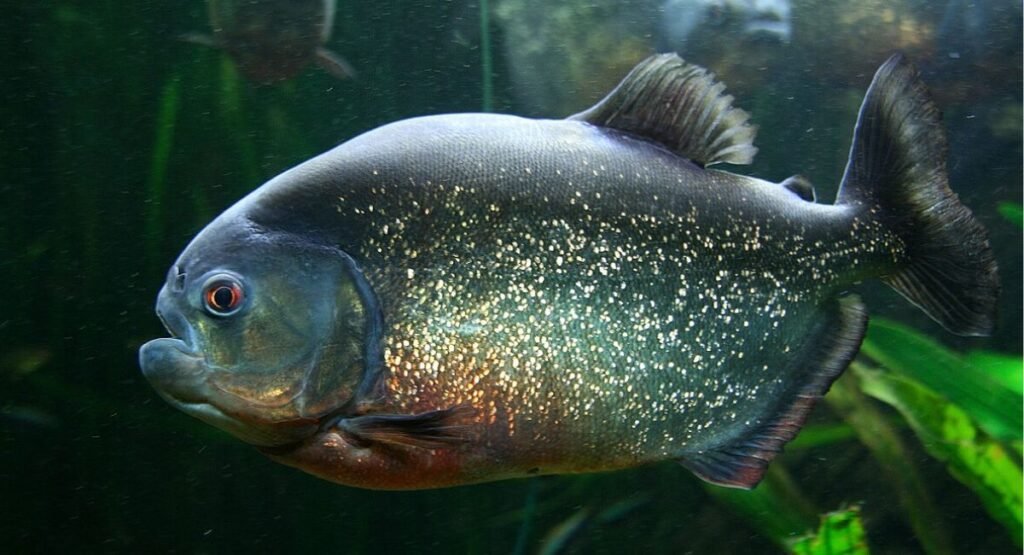
While they maintain a fearsome reputation, piranhas are not solely aggressive hunters; they also play a critical role as scavengers, cleaning up the river systems by consuming decaying matter and dead fish. This behavior not only keeps the ecosystem balanced but also contributes to the nutrient cycle within their habitat.
Lobster
Lobsters, classified under the class Malacostraca, are fascinating ocean scavengers that play a crucial role in maintaining the health of marine ecosystems. With their strong claws, lobsters can efficiently break down organic matter and debris found on the ocean floor, aiding in the decomposition process and recycling nutrients back into the environment.
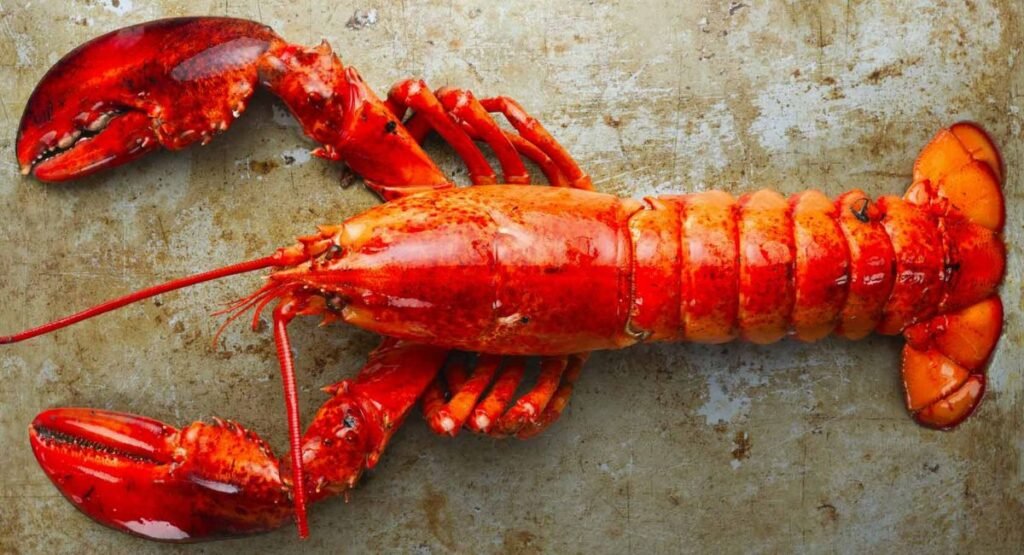
As natural cleanup crew members, lobsters explore the seabed, consuming dead fish, plants, and other organic materials. This scavenging behavior not only helps to clear the habitat of waste but also supports a diverse range of marine life by promoting a balanced and thriving ecosystem.
Bears
Bears, classified under the class Mammalia, are fascinating opportunistic scavengers with a remarkably powerful sense of smell, allowing them to locate carcasses from miles away. This keen olfactory ability not only plays a vital role in their foraging behavior but also highlights their adaptability in various ecosystems, allowing them to thrive in the wild.
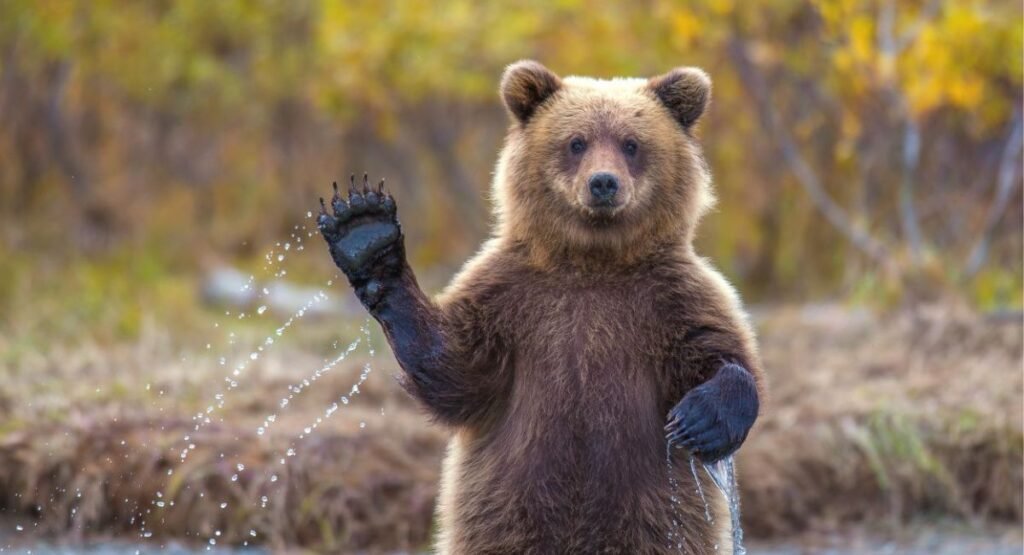
These magnificent creatures exhibit a seasonal diet that shifts with availability, increasing their scavenging activities during late summer and early fall when animal mortality rates rise. As they feast on carrion, bears contribute to ecosystem health, recycling nutrients back into the environment while demonstrating their role as vital players in the natural food web.
Conclusion
Scavenger animals in the world play a vital role in maintaining the balance of ecosystems by cleaning up carrion and waste. From the resourceful vulture soaring high above to the diligent raccoon rummaging through urban areas, these creatures exhibit remarkable adaptations for survival.
Understanding the importance of these animals can enhance our appreciation for biodiversity and the interconnectedness of life on Earth. To learn more about these fascinating creatures, consider exploring local wildlife habitats or participating in conservation efforts.
FAQs
What Animal Is The Best Scavenger?
Vultures are considered the best scavengers in the world. Their bald heads and strong digestive systems allow them to safely eat carcasses and destroy harmful bacteria and toxins.
What Is The Largest Scavenger Animal In The World?
The King Vulture is one of the largest and most striking scavenger birds found in Central and South America. It feeds mainly on dead animals and plays an important role in cleaning the environment.
Which Animals Are Known As Scavengers?
Many animals are known as scavengers because they feed on dead or decaying organisms. Examples include vultures, raccoons, beetles, squirrels, and burying beetles, which help recycle nutrients in nature.
What Are 5 Scavengers Examples?
Five common scavengers are vultures, hyenas, crows, raccoons, and crabs.
They consume carrion and decaying matter, preventing waste from accumulating in nature.
Which Animals Are Known as Scavengers?
Animals known as scavengers include vultures, jackals, hyenas, ravens, foxes, and gulls. They primarily feed on dead animals rather than relying entirely on hunting live prey.
What Is the Largest Scavenger Animal?
The Greenland shark is one of the largest scavengers, often feeding on whale carcasses in deep oceans. Its powerful sense of smell helps it locate food from great distances.