Top 10 Solitary Animals In The World: Amazing Creatures That Live Alone
Nature is filled with mysterious wonders, and among the most intriguing are the solitary animals in the world that choose to walk their own paths. These independent animals highlight a different survival strategy that involves avoiding social interactions and relying on their unique skills.
From the stealthy ways of loner animals to the strategies they deploy to thrive in harsh environments, the stories of these lonely animals offer a glimpse into a life that is both fascinating and often underestimated. By exploring their behaviors and habitats, you will uncover how solitude can be a powerful ally in the wild.
Top 10 Solitary Animals That Live Alone
Discover a fascinating list of solitary animals that live alone, each uniquely adapted to thrive without a group. These independent animals rely on their instincts and skills to survive in the wild.
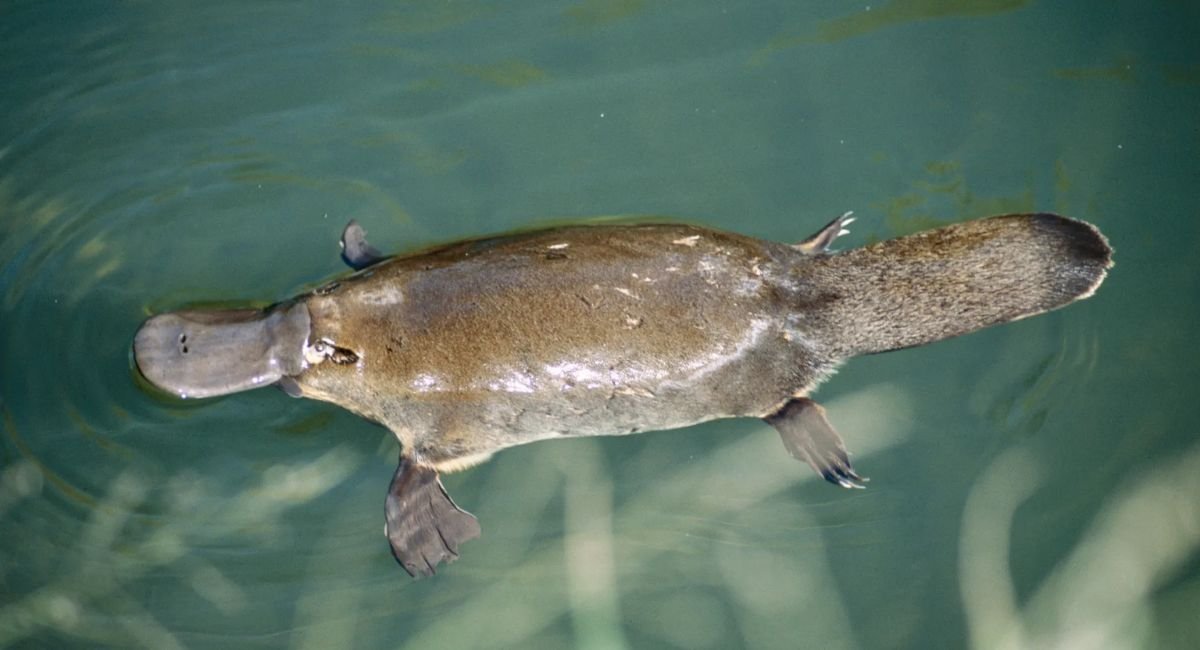
Platypus
The platypus, scientifically known as Ornithorhynchus anatinus, belongs to the class Mammalia and is a carnivorous creature native to Australia. This semi-aquatic animal stands out with its duck-bill, webbed feet, and the ability to lay eggs, marking it as a rare mammal that defies conventional biology.
Living a solitary lifestyle, the platypus thrives independently, only seeking companionship during the breeding season. Its unique hunting technique involves locating prey through electroreception, a remarkable adaptation that allows it to sense the electric fields generated by its food while submerged, showcasing its exceptional role in the aquatic ecosystem.
Polar Bear
The Polar Bear (Ursus maritimus), a member of the class Mammalia, epitomizes a unique blend of strength and solitude. As a carnivorous predator, it survives in the harsh Arctic, relying on its acute hunting skills to capture seals, its primary prey. This solitary lifestyle allows the Polar Bear to thrive in extreme conditions where resources are scarce.
Unlike many other species, Polar Bears are primarily independent, only seeking social interactions during mating or when raising cubs. This remarkable adaptability to solitary living showcases their resilience in an unforgiving environment. The ability to navigate vast, icy terrains alone not only highlights their strength but also emphasizes the importance of independence in survival.
Snow Leopard
The Snow Leopard, or Panthera uncia, is a remarkable carnivore belonging to the class Mammalia. Known for its incredible adaptability, this elusive cat thrives in the harsh environments of high mountain ranges, where it navigates rocky terrains with grace and stealth.
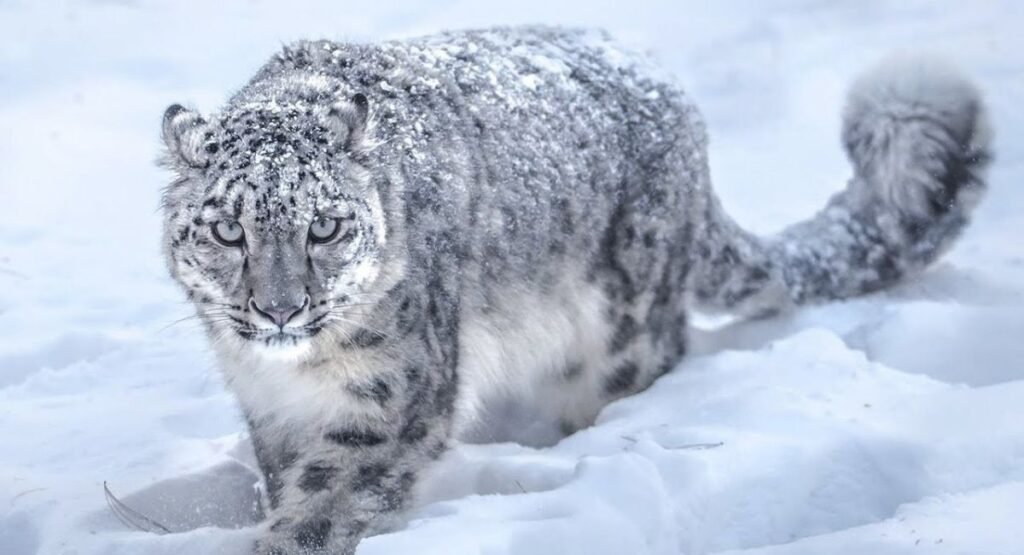
Living a life of solitude, Snow Leopards are one of the most mysterious loners in the wild. Their innate avoidance of human contact allows them to maintain a secretive existence, making sightings exceedingly rare.
Moose
The moose (Alces alces), classified under Mammalia, stands as the largest deer species, epitomizing solitude in the wild. Unlike typical herd animals, moose relish their independence, often wandering alone through dense forests and swamps, foraging on vegetation.
This herbivore displays a preference for a quiet lifestyle, rarely congregating except during mating season. Their solitary nature not only provides them with the freedom to roam but also helps minimize competition for resources in their vast habitats, making them a fascinating example of wildlife adaptability.
Desert Tortoise
The Desert Tortoise (Gopherus agassizii), a remarkable reptile from the class Reptilia, thrives as a solitary herbivore in the arid landscapes of the American Southwest. On the sunbaked terrain, it demonstrates remarkable resilience, navigating extreme temperatures and scarce water sources with ease.
This tenacious creature showcases a unique survival strategy by utilizing burrows, which provide refuge from the blistering heat and allow for moisture conservation. Even hatchlings embark on their journey alone, embodying independence from the very start. The quiet strength of the Desert Tortoise serves as a reminder of nature’s adaptability amidst adversity.
Hawaiian Monk Seal
Among the tranquil waters of the Pacific, the Hawaiian Monk Seal (Neomonachus schauinslandi), a member of the Class Mammalia and a carnivore by nature, exemplifies a serene existence rarely seen in the animal kingdom. As an endangered species, this remarkable creature has developed a lifestyle that favors isolation, setting it apart from its more social seal relatives.
Gliding gracefully through their ocean habitat, Hawaiian Monk Seals embody calmness and solitude. Their preference for secluded beaches and deep ocean waters speaks to a wisdom that embraces the beauty of being alone an unusual trait among marine mammals. These seals serve as guardians of their environment, reminding us of the tranquility that can flourish in solitude.
Chuckwalla Lizard
The Chuckwalla Lizard (Sauromalus ater) belongs to the class Reptilia and thrives on a diet of plant matter, showcasing its herbivorous nature. Found predominantly in rocky deserts, this lizard exemplifies independence through its solitary lifestyle, navigating these harsh environments with remarkable adaptability.
Highly territorial, the Chuckwalla Lizard fiercely defends its domain against intruders, using its size and agility to assert dominance. This behavior not only highlights their assertiveness but also plays a crucial role in maintaining ecological balance, as these lizards control the foraging habits of vegetation within their territories.
Tiger
The tiger, scientifically known as *Panthera tigris*, belongs to the class Mammalia and is a powerful carnivore. Renowned for their striking stripes and majestic presence, these apex predators thrive in solitude, hunting and roaming vast landscapes with unparalleled grace.
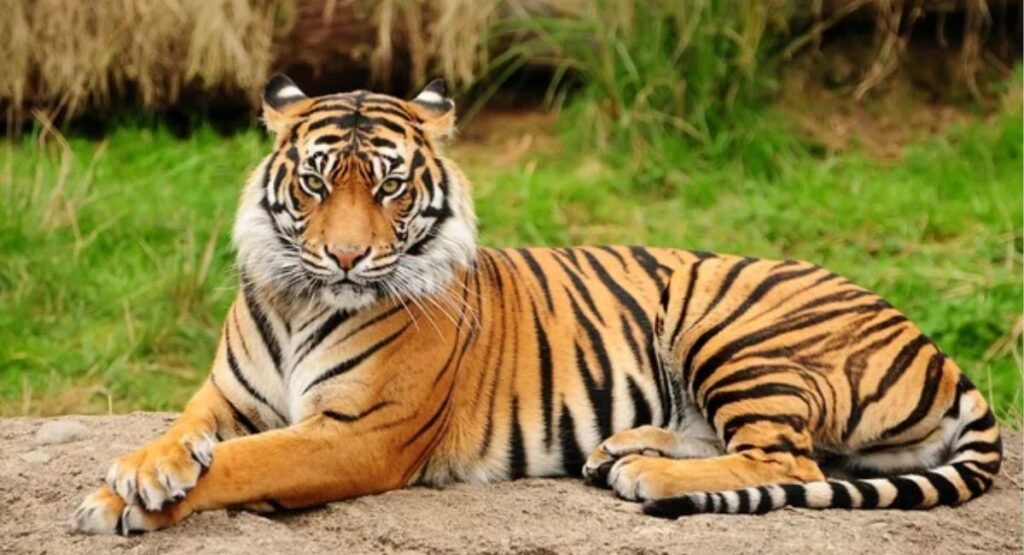
With their strong territorial behavior, tigers mark and defend expansive areas, often spanning several hundred square kilometers. This solitary existence not only reduces competition for food but also showcases their exceptional adaptability, allowing them to navigate diverse ecosystems with ease while embodying the essence of wild majesty.
With their strong territorial behavior, tigers mark and defend expansive areas, often spanning several hundred square kilometers. This fierce defense of territory places them among the most stubborn animals in the wild, as they rarely yield ground to rivals.
Jaguar
The jaguar (Panthera onca), classified under the class Mammalia, is a formidable carnivore that rules the dense tropical forests of South and Central America. As a solitary rainforest predator, it showcases remarkable adaptability, thriving in an environment where stealth and strength are paramount for survival.
With powerful limbs and a distinctive muscular build, the jaguar is not just an adept hunter but also an exceptional swimmer, often seen navigating rivers and swamps with ease. Its unique hunting style, which includes the ability to ambush prey from an elevated position, highlights its prowess as a powerful loner in a terrain teeming with competition.
With powerful limbs and a distinctive muscular build, the jaguar is not just an adept hunter but also an exceptional swimmer frequently found among the animals that live in rivers and wetlands, navigating waterways with remarkable ease.
Koala
The Koala (Phascolarctos cinereus), a member of the class Mammalia, leads a distinctly calm lifestyle primarily as an herbivore. This marsupial thrives in eucalyptus trees, where it spends most of its day sleeping and consuming leaves, showcasing an impressive adaptation to a low-energy diet.
Living a solitary life, koalas experience minimal interaction with one another, further contributing to their tranquil demeanor. This independence not only reduces competition for resources but also instills a sense of peace as they roam their leafy domains.
Living a solitary life, koalas experience minimal interaction with one another, further contributing to their tranquil demeanor much like many of the quietest animals in the world, which rely on silence as a survival tool.
Conclusion
The Top 10 Solitary Animals in the World highlight the incredible resilience of independent animals that choose to live alone. These solitary beings are pivotal to their ecosystems, acting as both predators and prey, thus contributing to the intricate web of life.
Their solitary nature allows for effective resource management and reduces competition within their habitats, showcasing a clever adaptation for survival. Understanding the significance of these animals can deepen our appreciation for their role in maintaining ecological balance.
FAQs
Are Cats Solitary Animals?
Cats are not fully solitary; they are solitary hunters but socially adaptable, often forming bonds with humans, other cats, and animals.
Are Bears Solitary Animals?
Yes, bears are mostly solitary, living and foraging alone, but they may gather temporarily in areas with abundant food.
Are Jaguars Solitary Animals?
Yes, jaguars are solitary animals that live, hunt, and travel alone, meeting others mainly during mating or when raising cubs.
Are Mice Solitary Animals?
No, mice are social creatures that live in groups with complex structures, though some males may show temporary solitary behavior.
Are Rabbits Solitary Animals?
No, rabbits are highly social animals that prefer living in groups or pairs to stay healthy and avoid stress.