Animals That Eat a Lot: Which Animal Eats the Most (and Why)
The animal kingdom is home to some astonishing behaviors, one of which is the sheer volume at which certain species consume food. In this exploration of animals that eat a lot, we will delve into the dietary habits of these extraordinary creatures, shedding light on why their eating habits are not just impressive, but essential for their survival.
Understanding the implications of their consumption patterns helps us appreciate the balance of ecosystems and the role of these species within them. By the end of this article, you’ll have a clearer picture of which animal truly reigns supreme in the eating department.
First, Decide What “The Most” Means
When asking which animal eats the most, the answer depends on how “most” is defined. Some animals consume huge amounts of food by sheer volume, others eat more relative to their body weight, and some are capable of enormous meals in a single sitting. Understanding these differences helps put animal feeding behavior into the right context.
The Most Food By Sheer Weight
If we’re talking about the largest total amount of food consumed, the winners are usually gigantic herbivores and filter-feeders. Large bodies need a steady stream of calories just to keep organs running and muscles ready. These animals may spend most of the day feeding because their food is bulky and low in energy.
The Most Food Compared To Body Weight
If we’re talking about food per pound, tiny warm-blooded animals often win. Small bodies lose heat quickly, so they burn fuel fast. Many of these animals eat constantly, and missing even a short feeding window can be dangerous.
The Biggest Meal In One Sitting
Some predators don’t eat every day. Instead, they gorge when a big meal is available, then rest and digest. If you’re looking for animals that can eat more than you do in a single session, a well-fed snake or a large crocodilian can look downright unreal but it’s a different strategy than constant grazing.
Animals That Eat A Lot In Absolute Terms
Some animals consume astonishing amounts of food simply because of their massive body size. Their daily intake may seem extreme, but it’s necessary to support large organs, constant movement, and basic survival at such a scale.
Blue Whales And Other Giant Filter-Feeders
In total mass, the blue whale is the headline act. During feeding season, a large whale can consume massive amounts of krill because it’s basically vacuuming food from seawater. The trick is that krill are small, so “a lot” of krill means a truly enormous volume.
Elephants, Hippos, And Big Grazers
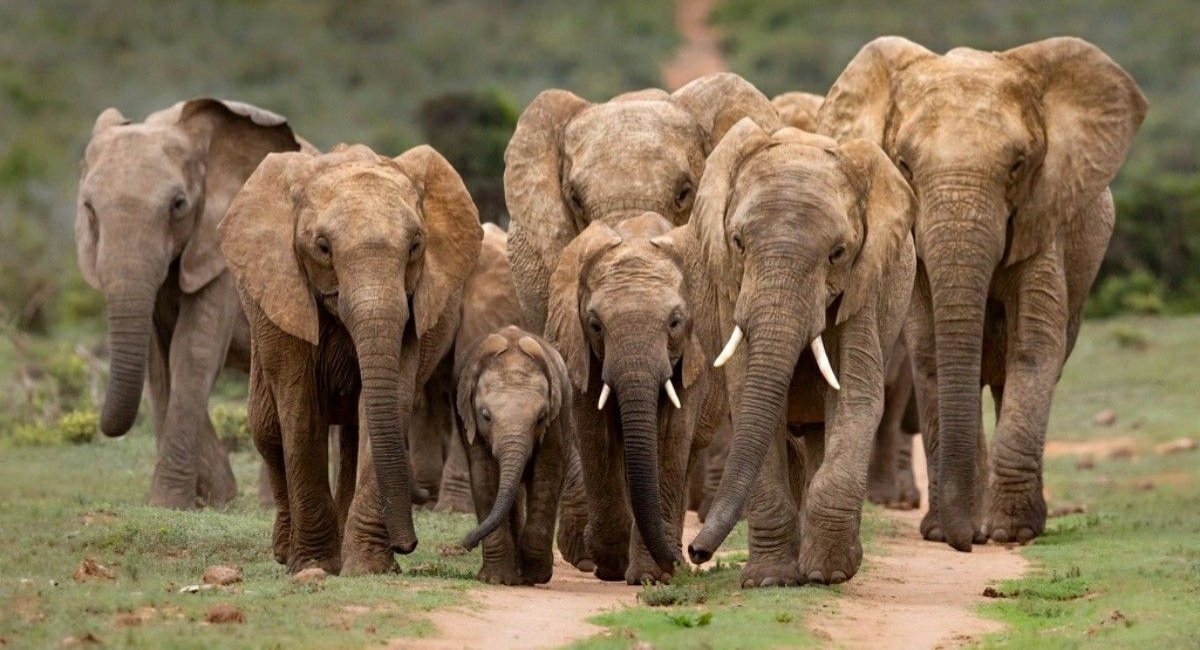
On land, elephants and hippos are strong contenders for which animal eats the most by daily intake. Their diets are heavy on grasses, leaves, and other fibrous plants, which means they need to take in a lot of material to meet calorie needs. Watching an elephant feed can make the point better than any statistic: it’s constant chewing, sorting, stripping, and grabbing.
Animals That Eat A Lot Relative To Their Size
Not all big eaters are large animals. Some small species consume huge amounts of food compared to their body weight, driven by fast metabolisms and high energy demands that require near-constant feeding.
Shrews: Tiny Bodies With Big Demands
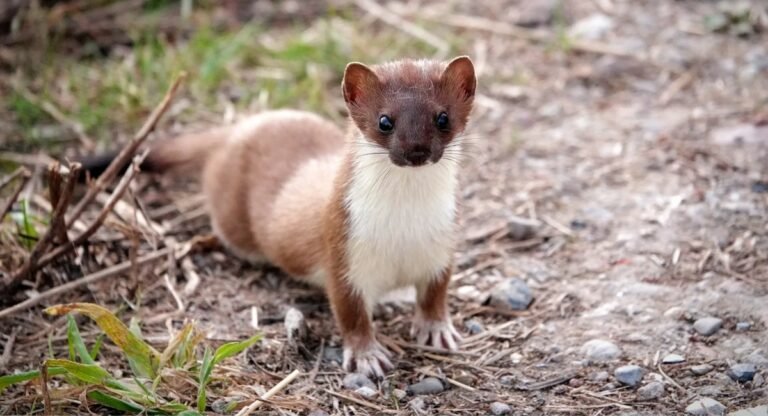
If you want a classic example of animals that eat a lot compared to their own weight, shrews belong near the top. They’re small, active, and burn energy fast. Many shrews need frequent meals and may eat a huge fraction of their body mass over a day. This is why shrews are almost always hunting turn over a leaf, and they’re already checking the next one.
Hummingbirds: Fuel In, Fuel Out
Hummingbirds are another poster child for “high intake for small size.” Hovering flight is expensive, and their metabolism runs hot. They feed repeatedly throughout the day, using nectar as fast fuel and insects for protein. They’re a great reminder that “animals that eat a lot” isn’t only about big mouths sometimes it’s about fast engines.
Don’t miss Cranes in Michigan: Where to See Them and How to Identify Each Species
Name A Zoo Animal That Eats A Lot
At zoos, the animals with the biggest visible appetites are often large herbivores. Feeding time is also when you can see how varied diets really are.
- Giraffes: They browse for hours, using a long tongue to strip leaves. Their “eat all day” lifestyle surprises people because it’s so calm and steady.
- Giant pandas: Bamboo is low in calories, so pandas spend much of the day eating to get enough energy. The amount of plant material they process is part of the reason they look so busy.
- Gorillas and other great apes: A lot of their intake is leafy material and fruit, and they can spend long stretches feeding and resting in cycles.
- Sea lions and penguins: Their meals can look huge, but it’s usually a carefully planned fish-based diet designed to match energy needs.
What Animals Eat What: A Quick, Useful Map
If you’re trying to understand what animals eat what, here’s a simple way to sort it. You don’t need to memorize everything just focus on the pattern.
- Grazers and browsers eat plants, but the plant type matters. Grasses are tough and low in calories; leaves and fruit are often richer.
- Insect-eaters rely on protein-dense food, but insects can be seasonal, so many species switch diets through the year.
- Predators trade frequency for payoff. Some hunt daily (like many small cats), while others can wait for a large meal.
- Omnivores are flexible. They’ll eat plants, animals, and human scraps when available, which is why they thrive near people.
Conclusion
The exploration of animals that eat a lot showcases the diverse feeding strategies that have developed across the animal kingdom. While some species consume massive quantities to sustain their size and energy demands, others have specific dietary preferences that reflect their unique ecological niches.
Identifying which animal eats the most serves as a reminder of the intricate relationships that exist in nature and the vital roles that these animals play in their ecosystems. Enhanced awareness about these remarkable feeders can lead to greater appreciation and support for conservation initiatives.