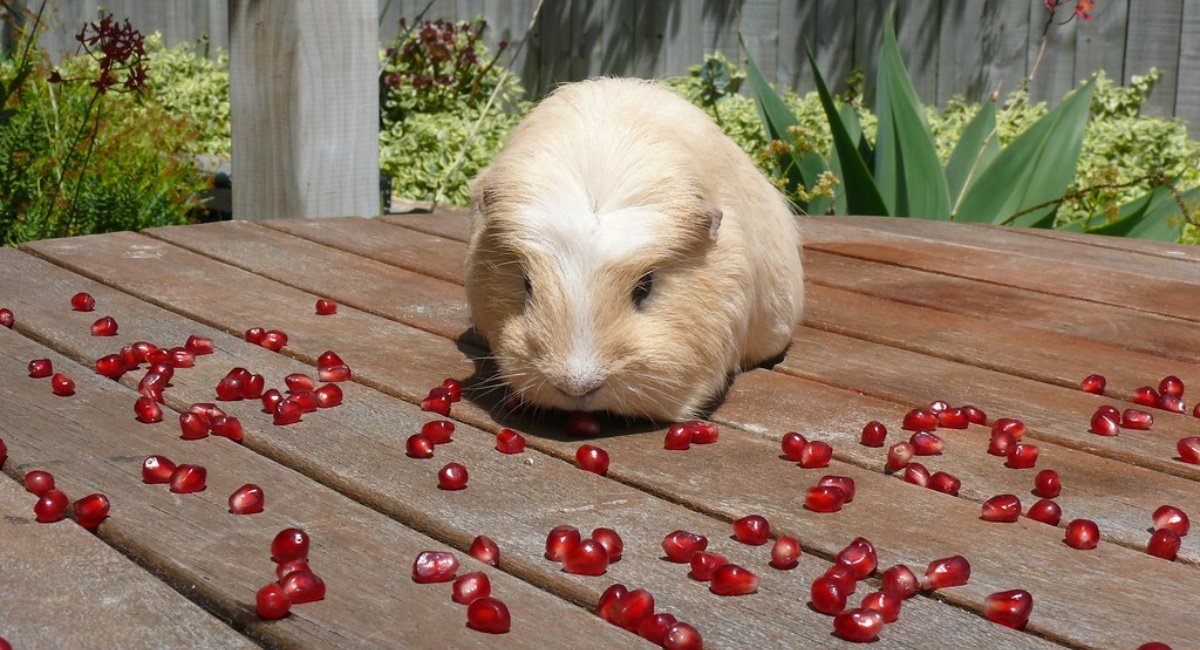
Animals That Eat Pomegranates: What’s Safe (and What to Skip)
Animals that eat Pomegranates are both fascinating and a bit controversial in the pet and farming communities. This vibrant fruit, renowned for its juicy seeds and arils, can be a delightful treat for some animals, while others may face health risks from indulging.
Understanding which animals can safely enjoy pomegranates and which should steer clear is essential for pet owners and farmers alike. In this article,I will explore the characteristics of pomegranates, highlight safe and unsafe animals, and provide practical insights for ensuring your pets and livestock remain healthy.
Which Parts Of A Pomegranate Are The “Food Parts”?
A pomegranate has four parts you’ll run into when feeding it:
- Arils: the red, juicy sacs that people eat (these are the main edible part).
- Seeds: the crunchy inner seed inside each aril (often eaten along with the aril).
- White pith: bitter, fibrous material between sections (not tasty, can irritate stomachs).
- Peel/rind: thick outer skin (can be hard to digest; may cause blockages in pets).
Can Goats Eat Pomegranate?
Yes, goats can eat pomegranate as an occasional treat. Goats are natural browsers and can handle a wide range of plant foods. The safest option is to offer a small handful of arils and see how they do.
Avoid feeding large amounts of peel or pith. The peel is tough, and pomegranate by-products are high in tannins. Tannins can have useful effects in ruminant nutrition in the right context, but “right context” usually means carefully formulated diets, not random yard snacks.
Can Pigs Eat Pomegranate?
In general, pigs can eat many fruits, and pomegranate arils are not known as a dangerous food for them. Think of it as a treat, not a staple. Pomegranates are sweet, and too much sweet fruit can cause digestive upset.
Practical rule: a few arils mixed into their usual feed is plenty. Skip the peel and don’t let pigs gorge on whole fruit.
Read also Animals That Live in Rivers: A Guide to River Wildlife
Can Chickens Eat Pomegranate Seeds?
Yes, chickens can eat pomegranate. Many keepers offer the arils (seeds included) as a peckable treat. Poultry-focused veterinary resources describe pomegranate as an edible plant product used in poultry diets and research, often for its antioxidant compounds.
Keep it simple: split the fruit, let them peck at the arils, and remove any big chunks of peel so it doesn’t sit and mold.
Can Dogs Eat Pomegranate Seeds?
This is where “not toxic” and “not a good idea” can both be true. The American Kennel Club notes that pomegranates aren’t toxic to dogs, but the seeds can cause gastrointestinal issues like vomiting and diarrhea, and in larger amounts may contribute to blockages.
PetMD is even more cautious and advises that dogs should not eat pomegranate in raw, fresh form because it can make them sick.
If your dog snatches a couple of arils off the floor, they’ll often be fine, but it’s not a fruit worth making a habit. Avoid peel and stems entirely.
Can Cats Eat Pomegranate?
Cats are obligate carnivores, so fruit is never necessary for them. PetMD notes that cats can eat fruit but don’t need it, and treats should stay limited.
For pomegranate specifically, pet health references generally describe it as non-toxic in tiny amounts, with the main risks being stomach upset and choking if a cat swallows a bunch of seeds. If your cat is curious, a single aril is more than enough for a “taste,” and it’s fine to skip it entirely.
Can Rabbits Eat Pomegranate?
Rabbits have sensitive digestive systems. Fruit can be offered, but it should be rare and very small. House Rabbit Society advises that fresh fruit treats should be limited and kept to a small portion because of sugar.
Pomegranate isn’t a common rabbit treat, but if you offer it, keep it to one or two arils and watch for soft stool. Avoid the peel and pith, and don’t make it part of the regular menu.
Can Rats Eat Pomegranate?
Yes, pet rats can eat pomegranate in moderation. Rat care resources that compile safe fruits and vegetables include pomegranate among the options, with the usual advice to keep sweet foods as a small part of the diet.
A couple of arils is enough. Rats will happily overdo sweet fruit if you let them.
Serving Tips That Prevent Problems
- Wash the fruit well and remove peel/pith for pets.
- Start tiny: offer a couple of arils first, then wait a day to see how digestion looks.
- Skip pomegranate juice for most animals (it’s concentrated sugar).
- If your animal has diabetes, weight issues, or chronic stomach problems, ask a vet before offering fruit treats.
If you see repeated vomiting, diarrhea, lethargy, or signs of choking after any new food, it’s a vet call.
Conclusion
Animals That Eat Pomegranates can enjoy this fruit in different ways, but it is not safe for every species. Animals that eat pomegranates include some birds, rodents, and wild animals, while others may struggle to digest the seeds or should avoid them completely.
The key is always to understand each animal’s diet and offer new foods carefully. When in doubt, stick to natural, species-appropriate foods and consult a veterinarian before feeding pomegranates to pets. This way, you can keep animals safe, healthy, and well-nourished.