15 Fascinating Animals That Have Manes You Should Know
A mane is not just a striking feature of nature; it’s a vital element for many species, serving to enhance their survival and attractiveness. In the world of Animals That Have Manes, these flowing strands are more than mere embellishments; they play key roles in communication, protection, and mate attraction.
This article explores 15 fascinating animals that boast manes, showcasing their unique adaptations and the significance of this feature. Prepare to dive into a world where beauty meets function, revealing how these magnificent creatures utilize their manes to navigate the challenges of their environments.
Wild Animals That Have Manes
Manes are one of nature’s most striking features, adding beauty, protection, and even status to certain animals. From powerful predators to gentle herbivores, these flowing hair structures serve different purposes in the wild. Let’s explore 15 fascinating animals that have manes and discover what makes each one unique.
Zebra
Zebras, scientifically known as Equus quagga, are renowned for their distinctive black and white stripes and their unique upright manes. This short mane not only adds to their striking appearance but serves a dual purpose.
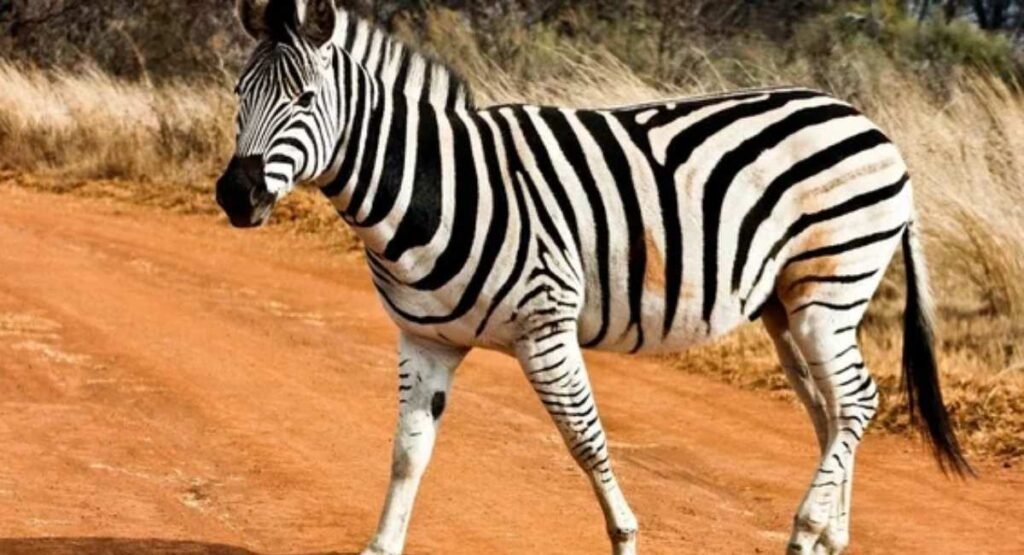
As highly social animals, zebras thrive in dynamic herds characterized by strong communication bonds. Their vocalizations and body language, including the positioning of their manes, facilitate intricate interactions within the group.
Lion
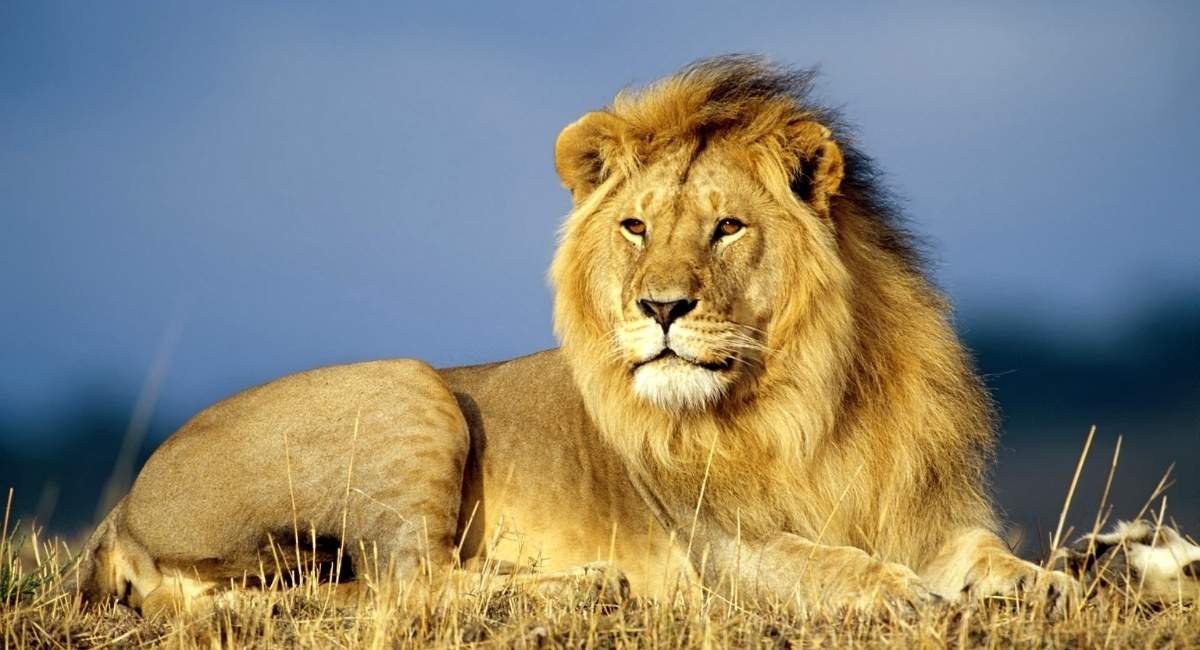
The lion majestic mane serves multiple vital purposes, primarily protection during fierce battles for territory and dominance. When male lions confront rivals, their manes cushion their necks against potentially life-threatening bites, acting as a natural shield.
Mane color and size also play significant roles in the lion’s social dynamics, with darker, fuller manes often signaling superior health and genetic strength. These characteristics not only enhance attractiveness during mating displays but also establish dominance among competitors.
Wildebeest
The shaggy mane of the wildebeest, scientifically known as Connochaetes taurinus, plays a vital role in the animal’s survival strategies. This distinctive feature aids in heat regulation, allowing the wildebeest to thrive in the harsh climates of African savannas.
In the context of migration, the mane holds significant importance as a symbol of herd identity. As wildebeest embark on their epic migrations, the shaggy mane helps to visually unify individuals within the group, facilitating cohesion and cooperation during their long journeys.
Maned Wolf
The Maned Wolf, or Chrysocyon brachyurus, captivates with its striking appearance, characterized by long legs and a distinctive mane that stands erect when the animal feels threatened. This unique feature not only adds to its intriguing silhouette but also acts as a warning display, signaling potential danger to both predators and rivals alike.
Solitary by nature, the Maned Wolf traverses its territory alone, adeptly hunting for a diet that showcases its omnivorous tendencies. This can range from small mammals and birds to fruits and insects, particularly the nutrient-rich lobe of the fruit known as the Portuguese apple.
Read also Top 13 Animals That Live in Bogs You Should Know
Gelada Baboon
The Gelada Baboon, scientifically known as Theropithecus gelada, showcases a striking mane-like chest fur that not only distinguishes males but also serves as a vivid signal of dominance and health. This impressive fur reflects an individual’s status within its social hierarchy, with darker, more abundant manes indicating a robust lineage and vitality, often attracting potential mates.
Living in large, complex social groups, Gelada Baboons engage in intricate relationships defined by dominance and cooperation. Communication is paramount within these troops, as they utilize an array of vocalizations, facial expressions, and body language to convey emotions and maintain social bonds.
Giraffe
The giraffe (Giraffa camelopardalis) features a distinctive short, tufted mane along its long neck, a characteristic that may appear merely aesthetic but plays an essential role in the animal’s biology. This mane is not just for show; it aids in thermoregulation, allowing the giraffe to dissipate heat more effectively under the intense sun of its savanna habitat.
The short mane contributes to the social dynamics of giraffe herds. Each individual’s mane can vary slightly in shape and pattern, serving as a subtle form of identity among peers. This unique identifying feature is crucial in helping giraffes recognize each other, especially in the expansive landscapes they inhabit, fostering social bonds and interactions within their loosely formed groups.
Maned Sloth
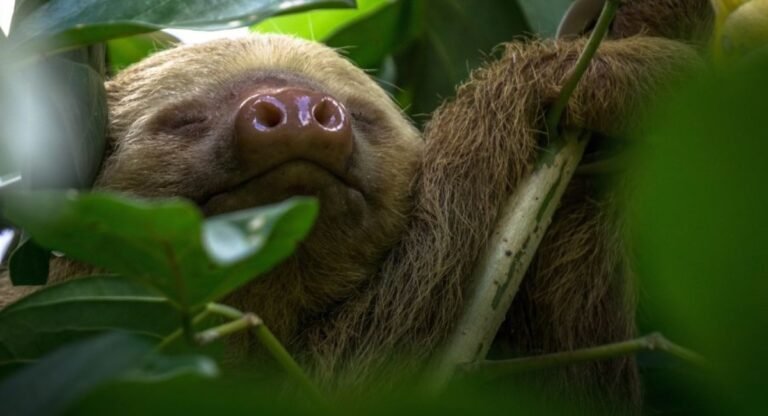
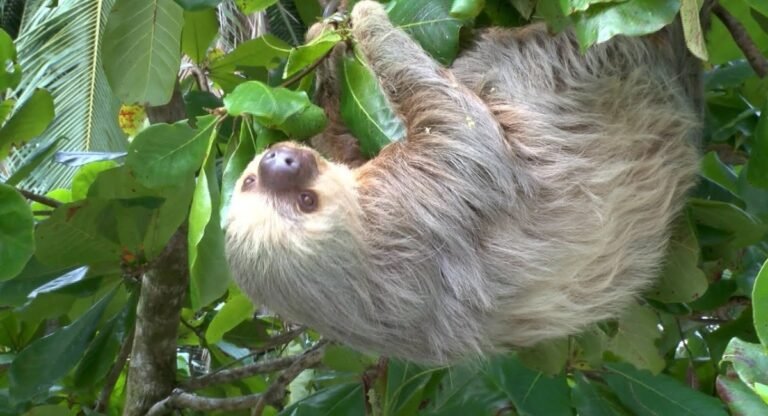
The Maned Sloth, or Bradypus torquatus, is a fascinating creature known for its distinctive mane-like fur that sets it apart from other sloths. This unique feature not only adds to its charm but also provides effective camouflage among the foliage of its rainforest habitat, allowing it to blend seamlessly into its surroundings.
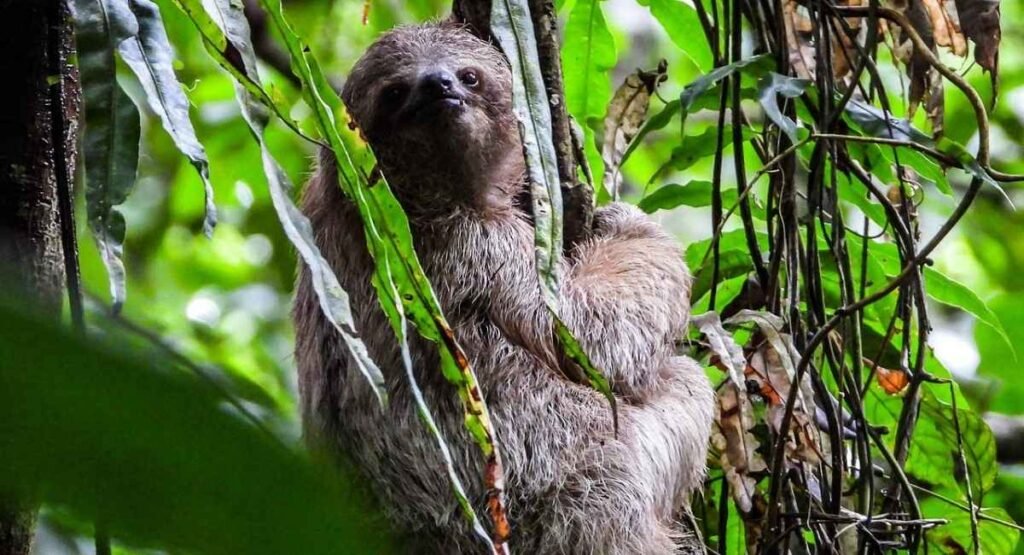
Slow-moving and tree-dwelling, the Maned Sloth relies on its camouflage for survival, making it less visible to predators. The intricate patterns and colors of its fur mimic the dappled light of the canopy, enabling it to remain undetected while it feeds and rests in the treetops, highlighting the clever adaptations of nature.
Golden Lion Tamarin
The Golden Lion Tamarin (Leontopithecus rosalia) boasts a stunning bright golden mane that not only distinguishes it visually but also reflects its vibrant personality. This small primate, native to the lush Atlantic coastal forests of Brazil, uses its striking appearance as a form of social signaling, helping to strengthen bonds within its tight-knit family groups.
Despite their captivating allure, Golden Lion Tamarins are classified as an endangered species, facing significant threats from habitat loss and fragmentation. Conservation efforts have ramped up to protect these remarkable creatures and their diminishing habitats, with initiatives aimed at preserving the Atlantic Forest and reintroducing tamarins into areas where they have disappeared.
Bactrian Camel
The Bactrian camel, scientifically known as Camelus bactrianus, boasts a thick, shaggy mane that serves as both a distinctive feature and a crucial adaptation for its survival in harsh climates. This luxurious coat not only insulates the animal against the biting cold of the desert nights but also provides protection from swirling sands during the day, showcasing the camel’s remarkable ability to thrive in extreme temperatures.
These resilient creatures can endure temperatures ranging from scorching heat to frigid cold, a testament to their evolution in the unforgiving environments of Central Asia. The Bactrian camel’s unique physiology, including its ability to store fat in its distinctive humps, allows it to go for days without food and water, making it an exceptional survivor in one of the planet’s most challenging terrains.
Yak
The yak, scientifically known as Bos grunniens, boasts a striking long mane that serves as a natural insulator against the frigid temperatures of its mountainous habitat. This luxurious coat not only protects them from harsh weather but also showcases their adaptability to life in elevations exceeding 10,000 feet.
Beyond their striking appearance, yaks play a crucial role in the sustenance of local communities. Valued for their milk, meat, and fiber, they are essential to the daily lives of many Himalayan cultures. Yak milk, rich in nutrients, forms a vital source of nourishment, while the fiber is woven into warm textiles, illustrating how this remarkable animal is woven into the very fabric of life in high-altitude regions.
Horse
The mane of the horse, scientifically known as Equus ferus caballus, is not merely an aesthetic feature but a vital component of its anatomy. This flowing hair serves as a protective barrier against insects and harsh weather conditions, helping to keep the horse comfortable in varying environments.
Beyond its practical functions, the horse’s mane embodies a rich cultural significance, symbolizing strength and elegance across various societies. Historically, the beauty of a well-groomed mane has been associated with nobility, often seen in art and literature as a representation of grace.
Hyena
The hyena, scientifically known as Crocuta crocuta, displays a distinctive mane that rises in a display of intimidation when threatened. This unique adaptation not only enhances its formidable presence but also signals resilience and aggression to rivals, showcasing the species’ complex behavioral strategies.
Socially, hyenas thrive in a matriarchal framework, where females dominate their societal structures. This female-led dynamic fosters traits of leadership and cooperation, enabling the clan to successfully hunt and develop intricate communication systems, including a range of vocalizations and body language that convey various messages among clan members.
Bison
The bison, scientifically known as Bison bison, showcases a thick mane that serves as critical insulation against the harsh climates of the North American plains. This dense fur not only protects them from biting winds and frigid temperatures but also highlights their impressive stature, making them a formidable presence in the wild.
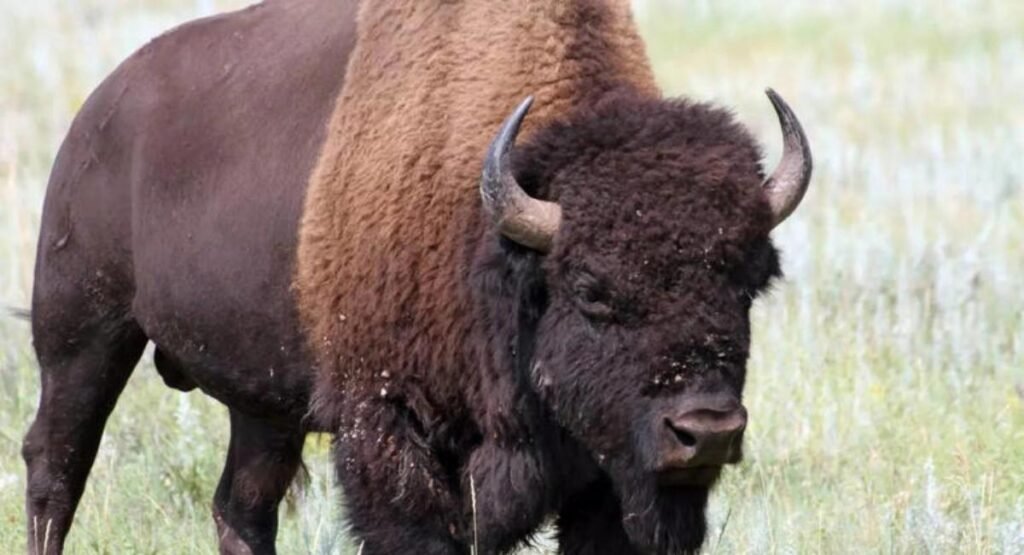
In the realm of mating displays, the bison’s robust mane plays a vital role. Males often engage in dominance behaviors, showcasing their thick coats as symbols of strength and vitality. Such displays can deter rivals and attract potential mates, ensuring that only the fittest contribute to the next generation.
Lion-tailed Macaque
The Lion-tailed Macaque (Macaca silenus) is easily recognizable by its striking mane, which closely resembles that of a lion. This unique feature not only enhances its majestic appearance but also plays a crucial role in social signaling among its troop members.
Endemic to the Western Ghats of India, the Lion-tailed Macaque thrives in lush, evergreen forests that provide both shelter and sustenance. As a keystone species, these macaques play a vital role in their ecosystem by dispersing seeds through their diet, which consists primarily of fruits.
Sable Antelope
The Sable Antelope (Hippotragus niger) is renowned for its striking, robust mane, an emblem of strength and vitality that captivates both mates and rivals alike. This luxurious mane not only enhances the antelope’s majestic appearance but serves as a visual cue to signal health, an important factor in attraction during mating season.
Beyond its role in attraction, the Sable Antelope’s mane also offers practical benefits in the wild. It acts as a protective barrier against harsh sunlight and pesky insects, giving these magnificent creatures an advantage in their often-challenging environments.
Conclusion
The study of Animals That Have Manes reveals the crucial roles these impressive features play in the survival and communication of species. Manes not only enhance physical appearance but also signal genetic fitness, attracting mates and deterring rivals.
They exemplify the incredible ways in which animals have adapted to their environments over time, showcasing nature’s ingenuity. The diversity of manes across the animal kingdom serves as a testament to the myriad survival strategies that have evolved.
FAQs
Which Animal Has A Main Mane?
Lions are the most famous animals with a true mane, especially adult males. Their thick mane serves as a sign of strength and health, helping attract mates and intimidate rivals.
Does A Wolf Have A Mane?
Wolves do not have a true mane like lions, but they can raise the fur along their neck and back. This makes them appear larger when they feel threatened or aggressive.
Is Mane Hair Or Fur?
A mane is simply long hair that grows along the neck of certain animals like lions and horses. It is considered a type of fur in animals, though the term “hair” is also commonly used.