Animals That Waddle: Why They Walk That Way (and Who Does It Best)
Animals that waddle might seem awkward, but their unique gait is a testament to the marvels of evolution. This distinctive movement often serves a crucial purpose, allowing these creatures to navigate their environments effectively.
From penguins gliding through icy waters to hippos plodding through wetlands, each waddler has evolved to thrive in their habitat. In this article, we will explore the fascinating biomechanics behind waddling and reveal which animals do it best.
What Does It Mean When An Animal “Waddles”?
A waddle is a walking gait where the body shifts side to side more than you’d see in a long-legged runner. It often happens when:
- The animal has short legs relative to its body.
- The feet are set wide for stability.
- The legs are positioned to favor swimming over walking.
- The animal carries a lot of mass in the torso.
The important thing: waddling can be efficient for the body that’s doing it, even if it looks awkward to us.
The Simple Biomechanics Behind A Waddle
A waddle usually shows up when the body’s center of mass needs extra support. If the legs are short or set wide, shifting the torso side to side keeps weight over the foot that’s on the ground.
That side-to-side motion can look like wasted effort, but it often improves stability. For swimmers like penguins and ducks, it’s also a side effect of legs designed to work best in water.
Why Penguins Waddle (And Why It’s Not As Wasteful As It Looks)
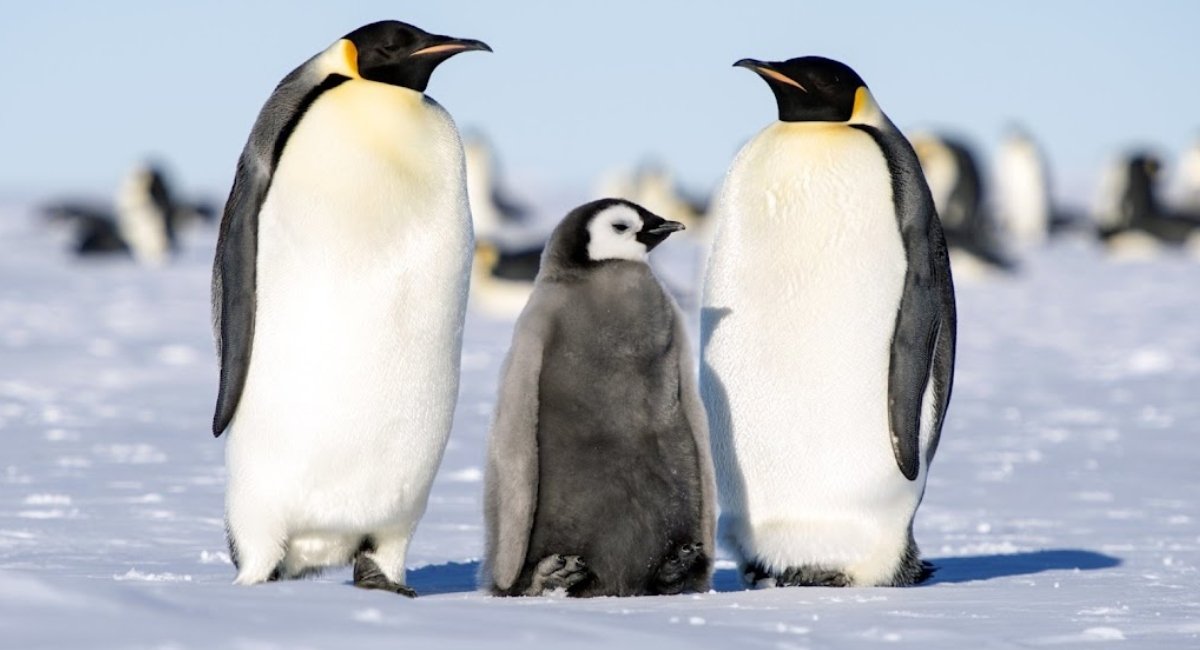
Penguins are the poster child of the waddle because their bodies are optimized for swimming. Their short legs and rear-set feet help them steer underwater, but that setup makes land travel harder.
Research on penguin walking has shown that the side-to-side sway may actually help save energy from step to step. A classic biomechanics study reported that penguin waddling isn’t simply inefficient flailing; it has a metabolic logic behind it.
Animals That Waddle On Land
Penguins
Many penguin species waddle, especially when they’re moving between water and nesting sites. Their stance looks comedic, but it’s a tradeoff for excellent swimming.
Ducks
Ducks waddle because their legs are set relatively far back and their feet are adapted for paddling. On water, it’s perfect. On land, it looks like a wobble.
Geese and swans
Geese and swans can walk surprisingly well, but they still have that wide, rolling gait because of foot structure and body shape. They’re stable walkers, not sprinters.
Puffins
Puffins look neat in the air and in the water, then hilariously stiff on land. They’re another example of a bird built for swimming that pays a walking tax.
Loons (on land)
Loons are powerful divers, but on land they’re famously awkward. Their legs are so far back that they shuffle and waddle rather than stride.
Wombats
Wombats are compact, muscular diggers. They often move with a heavy, rolling waddle that matches their sturdy body plan.
Bears (especially when relaxed)
Bears don’t waddle all the time, but their gait can look waddly because of their body mass and how they place their feet. A big bear strolling can have a side-to-side roll that fits the “waddle animal” vibe perfectly.
Tortoises
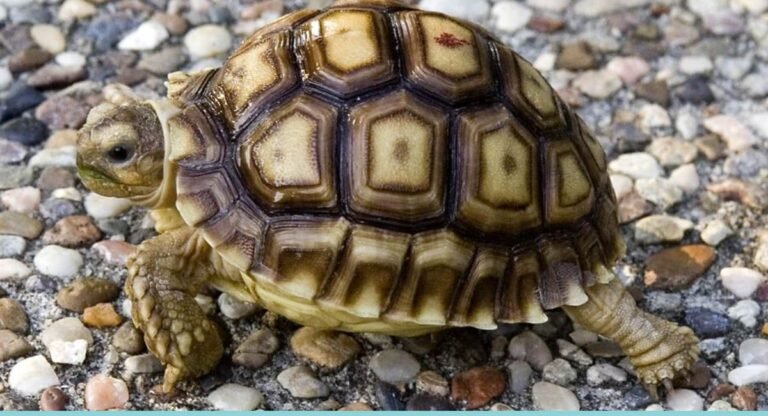
Tortoises move slowly with a wide stance, shifting weight from side to side. It’s steady, stable, and very much a waddle.
Seals and sea lions (on land)
In water, seals and sea lions are smooth and fast. On land, many of them scoot, shuffle, or waddle because their bodies are built for swimming. Their movement looks awkward on sand, but it’s perfectly tuned for life offshore.
Platypus
A platypus can look like it waddles on land because of its low body and outward-angled limbs. In the water, it’s a strong swimmer, which is the pattern you’ll see again and again with waddlers.
Why Waddling Is Useful
Waddling often improves balance. If your center of mass is low and wide, swaying the body can help keep weight over the support foot. For some swimmers, it also keeps legs positioned for swimming performance, even if land travel looks awkward.
In other words: the best walker isn’t always the best survivor. Many waddlers are incredible swimmers or diggers, and that’s the real win.
Read also Animals That Eat Pomegranates: What’s Safe (and What to Skip)
When Waddling Is Not Normal
Some animals are born waddlers. But if an animal that normally walks smoothly suddenly starts waddling, limping, or avoiding weight on one side, it can be a sign of injury or discomfort. In pets and backyard birds, foot problems and joint strain are common reasons for a new, awkward gait.
For wildlife, an unusual wobble can also be a sign the animal is sick or entangled. In those cases, keep distance and contact a local wildlife rehabilitator if the animal is in trouble.
Conclusion
Animals that waddle exhibit this unique mode of locomotion for various reasons, including anatomical adaptations and energy efficiency. From the charming penguin to the adorable duck, these creatures showcase an intriguing blend of biology and behavior that captures our interest.
Understanding why these animals walk the way they do allows us to appreciate the diversity of evolutionary strategies in the animal kingdom. By observing their waddling movements, we gain insights into their habitats and lifestyles.