Animals With Spots: A Spotted Animals List and What Those Patterns Do
Animals With Spots reveal a complex interplay of evolution and function, highlighting nature’s ingenuity. Spotted patterns not only enhance camouflage in various environments but also play significant roles in behavioral interactions among species.
This article will take you on a journey through a diverse range of spotted creatures, detailing how their unique markings serve critical survival purposes. Prepare to be amazed by the hidden functionalities behind these seemingly simple designs.
Why Do Animals Have Spots?
Spots usually serve one (or more) of these jobs: camouflage, communication, or identity. In grasslands and forests, spots break up the outline of an animal so predators and prey struggle to see the “whole shape.” In social species, spots can signal maturity, health, or even help individuals recognize one another. In some animals, spots also help regulate heat or reflect light, though camouflage is the most common role.
Animals That Have Spots On Their Body: Mammals
Mammals are the most well-known spotted animals, especially big cats and grazing species. Their spots help with camouflage, identification, and survival in forests, grasslands, and savannas.
Leopards, Jaguars, And Other Big Cats
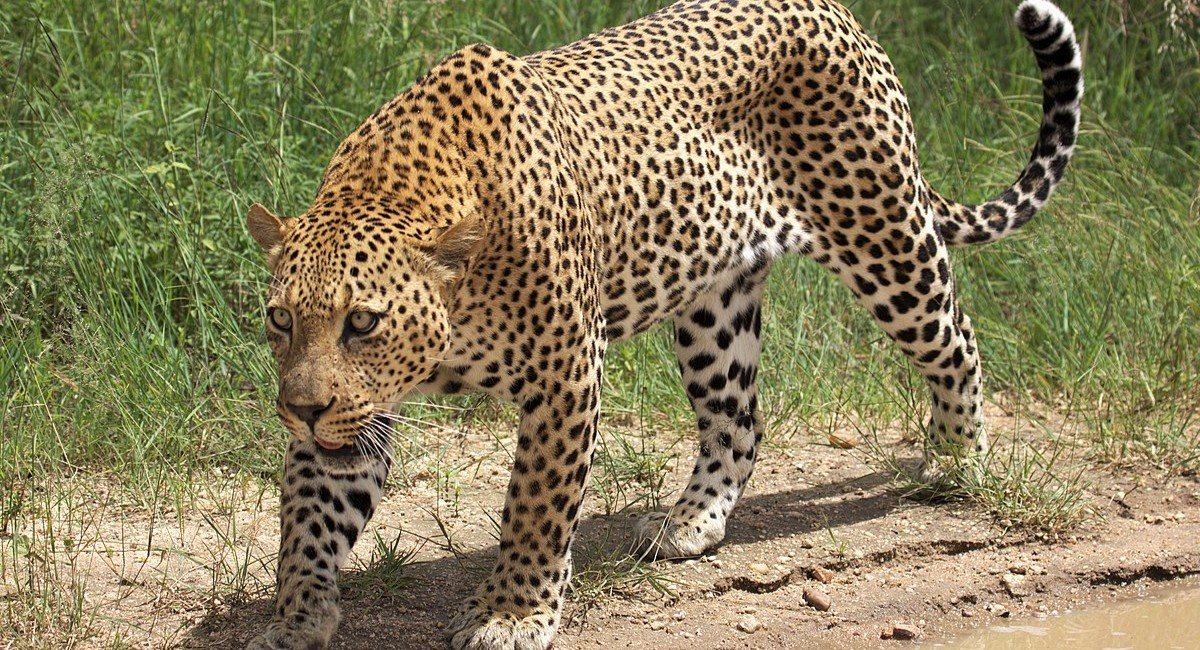
Big cats are the first thing many people picture when they hear “animal with spots.” Leopards and jaguars have rosettes spots with a ring-like pattern. Those rosettes blend beautifully with broken light in forests. Cheetahs have solid spots, which work well in open habitats and help disrupt the body shape at a distance.
Deer Fawns
If you’ve ever seen a young deer curled up in grass, you’ve seen why fawn spots matter. The spots mimic sun patches on the ground and help the fawn disappear. As the deer grows, those spots fade, because an adult deer relies more on movement and flight than on lying still.
Giraffes
Giraffes are a great reminder that “animals with spots” can be huge. Their patterns look like irregular patches, and each individual’s spot arrangement is unique enough that researchers and wildlife watchers can use it for identification. Those patches may also play a role in blending into the shifting shadows of savanna trees.
Spotted Hyenas And Smaller Mammals
Hyenas, genet cats, some civets, and many small wild cats also wear spots. In these animals, the pattern often helps them move through scrub and brush without standing out. It’s the same principle: break up the outline, disappear into the background.
A List Of Spotted Animals Beyond Mammals
Spotted patterns are not limited to mammals like leopards and cheetahs. Many birds, reptiles, amphibians, fish, and insects also display beautiful spots that help with camouflage, warning signals, and communication in nature.
Birds With Spots
Many birds have spotted plumage or spotted eggs. Ground-nesting birds often lay speckled eggs that blend into gravel or leaf litter. Some birds, like guinea fowl, wear bold polka-dot patterns that may help with social signaling and group cohesion.
Reptiles And Amphibians
Spots show up everywhere in reptiles and amphibians from leopard geckos to spotted salamanders. In many cases, the spots help with camouflage. In others, bright spots can act as warning signals, especially in amphibians that have skin toxins.
Fish And Marine Animals
In the water, spots can mimic light patterns and help animals blend with reefs, sea grass, or sandy bottoms. Think of spotted rays, spotted groupers, or even some sharks. A spotted pattern can make a fish harder to track as it turns and changes direction.
Spotted Animals List: Quick Examples You’ll Recognize
If you’re building your own list of spotted animals, here are more examples across different habitats. Some are famous, some are underappreciated, and all of them use spots for a reason.
- Whale shark (a huge ocean animal with a unique spot pattern often used for individual identification).
- Dalmatian (a domestic dog whose spots are a signature trait also a breed associated with inherited deafness in some lines).
- Ladybug (spots that can act as warning signals to predators).
- Leopard frog (spotting that helps it blend along pond edges).
- Bobcat (spots and bars that break up the coat in brushy habitat).
- Ocelot (high-contrast spotting that vanishes in jungle shadows).
- Spotted eagle ray (bold patterning over reef and sand mosaics).
- Harlequin shrimp (bright spots and patches used for display and warning).
This kind of spotted animals list also shows a pattern: the more “busy” the environment (leaf litter, rippling water, tall grass), the more busy the camouflage tends to be.
Read More Slow Animals: What Animals Are Slow and Why Being Slow Works
What Animal Has Spots That Aren’t For Hiding?
Not all spots are camouflage. Some are more like badges. In certain species, bold markings help with mate choice or recognition within a group. Even in camouflaged species, spots can have a social role up close while still working as camouflage from far away. Nature loves multi-purpose tools.
Spots Can Change With Age, Season, And Health
Some animals are born spotted and lose the pattern (like fawns). Others keep spots for life, but the contrast can shift with seasons or molting. In pets, coat patterns are usually stable, but health can change how a coat looks: poor nutrition, stress, and parasites can dull colors and make spots less distinct.
Conclusion
Animals with spots are truly fascinating marvels of nature, showcasing a variety of survival strategies through their unique patterns. From the camouflaging abilities of leopards in the grasslands to the mesmerizing colors of spotted fish, these patterns serve essential roles in their ecosystems.
The adaptability represented by spotted animals not only highlights nature’s creativity but also the intricacies of evolution. Observing these stunning creatures in their natural habitats can deepen our appreciation for biodiversity.