Cormorants in Michigan: How to Spot a Double-Crested Cormorant (and Why It’s Here)
Cormorants in Michigan have made a noteworthy comeback, reclaiming their habitat and thriving amid the Great Lakes. With their unique features and impressive hunting skills, double-crested cormorants are an exciting element of our natural landscape.
This article will provide you with essential tips for spotting these birds in the wild, as well as insights into their ecological significance. Gain a deeper appreciation for the natural beauty of Michigan as you learn more about these remarkable waterfowl.
Are Cormorants In Michigan Common?
Yes. The double-crested cormorant is the most widespread and commonly seen cormorant in the state. You’ll see them along Great Lakes shorelines, on larger inland lakes, and near rivers where fish are plentiful. In the breeding season, they may nest in colonies on islands or remote shoreline areas, which can create very noticeable local concentrations.
Double crested cormorant Michigan: key identification features
Shape And Silhouette
Cormorants have long bodies, long necks, and a hooked bill tip that helps them grip fish. In flight, they look more like a stretched-out cross than a duck: the neck is extended and the wings beat steadily. On the water, they sit lower than many ducks because their bodies are built for diving.
Throat Patch And Facial Skin
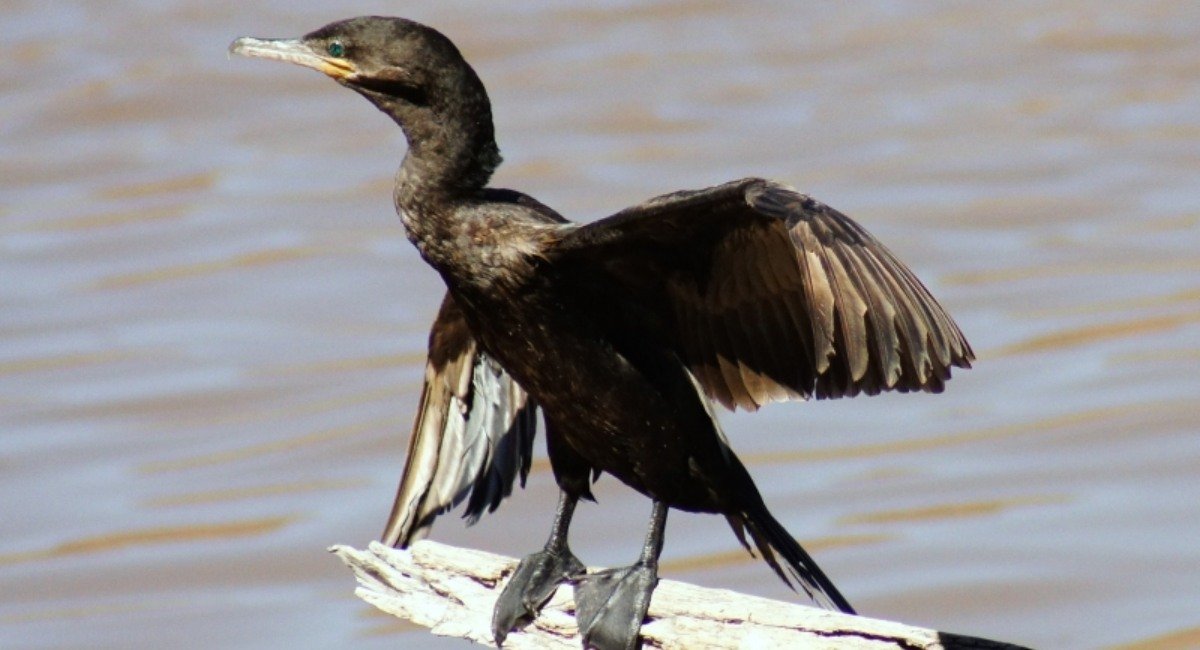
Adult double-crested cormorants typically show an orange-yellow throat patch and facial skin near the base of the bill. The exact look can vary with age and season, but that bright patch is a common field mark when you have a decent view.
The ‘Double Crest’ In Breeding Season
The famous double crest is not always obvious. In breeding season, some adults develop short, curly tufts (crests) on either side of the head. You may also see a slightly “shaggier” look to the head and neck. Outside of breeding season, the bird still looks like a cormorant just without the fancy hair.
Michigan Cormorant Vs Similar Birds
Cormorants get confused with a few other dark waterbirds, especially when you’re seeing them at a distance.
- Anhingas: In Michigan, anhingas are much less common. They have a slimmer neck and often swim with only the head and neck above water. Cormorants show more body when swimming.
- Loons: Loons have heavier bodies, different head shapes, and distinct patterns in breeding plumage. Their bills are straight, not hooked.
- Dark ducks: Ducks sit higher in the water and don’t have the same wing-spreading drying behavior as often as cormorants.
Why Do Cormorants Spread Their Wings?
This is the behavior that makes a cormorant instantly recognizable. Cormorant feathers are less waterproof than the feathers of many other waterbirds. That helps them dive efficiently and chase fish underwater, but it also means they come up wet. Wing-spreading is a practical way to dry out and warm up after diving.
Where To See Cormorant Michigan Sightings
Look for them anywhere fish are concentrated: near piers, breakwalls, rocky points, islands, and sandbars. They often perch on exposed rocks, docks, and navigation markers. If you see a line of dark birds standing like little statues on a breakwall, there’s a good chance you’re looking at cormorants in Michigan.
In the breeding season, colonies may form on islands or isolated shore areas. These sites can be sensitive, so it’s best to view from a distance and avoid disturbing nesting birds.
Read also Animals With Spots: A Spotted Animals List and What Those Patterns Do
What Do Cormorants Eat?
Cormorants are fish-eaters. They hunt by diving and using their bill to grab fish underwater. Because they’re efficient hunters, they sometimes come into conflict with fisheries or anglers who see them as competition. The reality is more nuanced: cormorants are part of a larger fish-and-waterbird system, and their impact varies by location and fish population health.
Cormorant Nesting Colonies: What They Look Like
If you stumble onto a nesting colony, you’ll know. Colonies can be loud, busy, and a little chaotic, with birds commuting back and forth carrying sticks. Nests are often built in trees or on the ground depending on the site.
That impact is one reason cormorants spark strong opinions. In some places they’re simply part of the shoreline scenery; in others, people see them as a management issue. The important point for regular visitors is simple: nesting sites are sensitive. Keeping your distance protects the birds and reduces stress on the colony.
Cormorants And Fishing: Why The Debate Exists
Cormorants eat fish, so it’s natural for anglers to wonder how much they affect local fisheries. The answer isn’t one-size-fits-all. In some waters, cormorants mostly eat abundant, small fish and have limited impact on sport species.
If you’re trying to make sense of headlines, focus on the scale question: How many birds, how big is the water body, what fish are available, and what else is happening in the ecosystem (invasive species, habitat changes, water quality, and fishing pressure all matter).
How To Enjoy Cormorants In Michigan Without Conflict
- Watch from a distance at roosts and colonies. Approaching too closely can flush birds and disrupt nesting.
- Avoid feeding fish scraps near docks. It encourages birds to associate people with easy meals.
- If droppings on a dock are a problem, use non-harmful deterrents like temporary covers or cleaning routines rather than harassment.
Conclusion
Cormorants in Michigan are an essential part of the state’s avian community, particularly the double-crested cormorant. These remarkable birds are not only indicators of a healthy ecosystem but also captivating subjects for observation.
With their unique nesting and fishing behaviors, spotting them can be an exciting adventure. As you venture out to observe these magnificent creatures, remember to appreciate the balance they bring to local waterways.