Most Stubborn Animals: Why a “Stubborn Animal” Is Often a Careful One
The most stubborn animals in the animal kingdom often challenge our perceptions of behavior, exhibiting traits that underscore their survival instincts. These seemingly obstinate creatures, such as the mule and the goat, are not merely difficult; they are cautious, calculating, and deeply aware of their environments.
Understanding the reasons behind their stubbornness not only enhances our appreciation for wildlife but also provides insights into the intricate balance between instinct and caution. This article will explore the fascinating psychology of these animals and reveal the often-underestimated strengths that come with their stubborn nature.
What Is A Stubborn Animal?
A stubborn animal is one that resists changing its behavior even when you apply pressure. That resistance can come from:
- Caution: “I’m not moving until I’m sure it’s safe.”
- Persistence: “I’m finishing what I started.”
- Independence: “I don’t care about your opinion.”
- Confusion: “I don’t understand what you want.”
- Discomfort: “That hurts, so no.”
Why Animals Dig In Their Heels
Why do animals that are stubborn exist at all?
Because in nature, blindly following pressure can be dangerous. If you step forward without checking, you might fall. If you rush into a narrow tunnel, you might get trapped. If you eat the first thing offered, it might be toxic.
A so called stubborn animal often has a strong pause button. It stops, evaluates, and decides. That can look like defiance to a human, but it’s often self preservation.
Donkey Stubborn: Caution That Gets Misunderstood
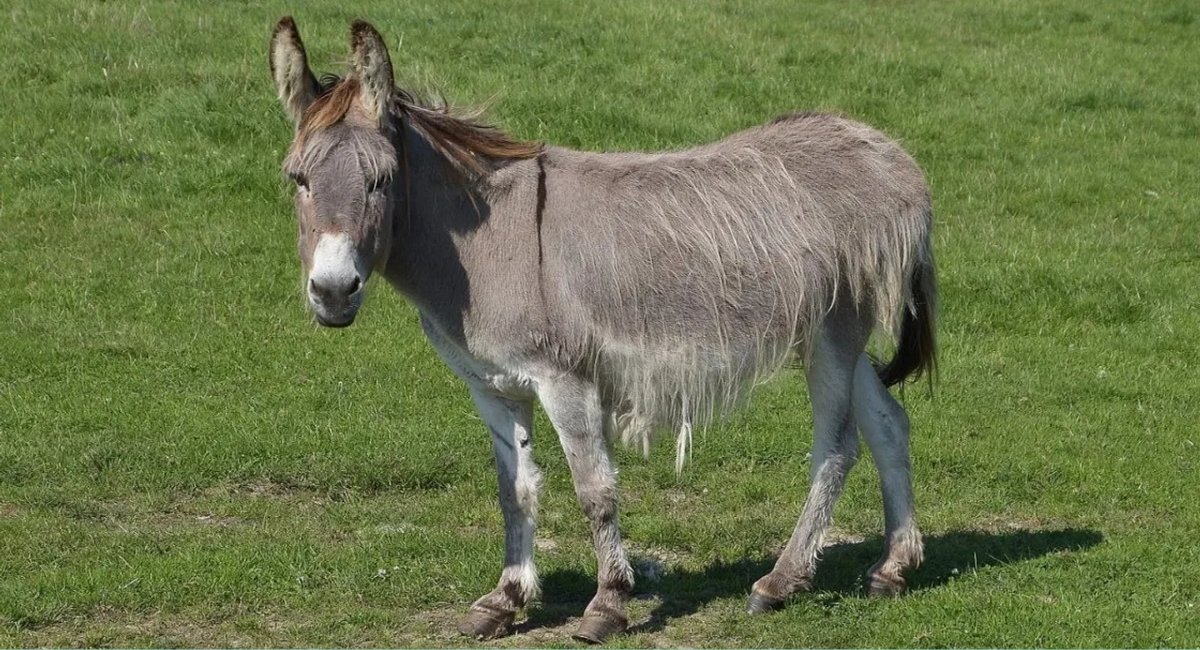
Donkey stubborn is a phrase people throw around, but donkeys are a great example of why the label is misleading.
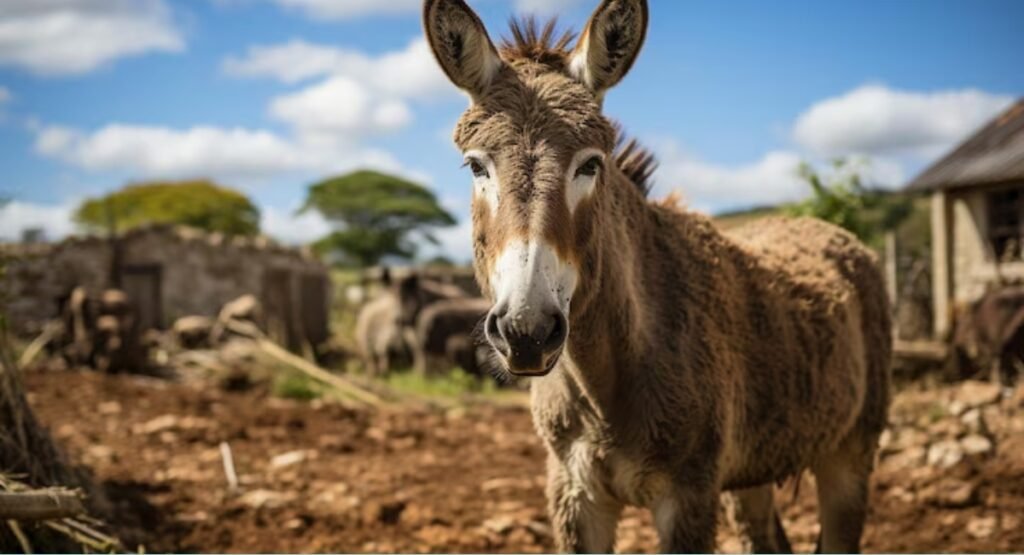
Donkeys evolved in harsher, drier environments than many horses. Their survival has depended on careful decision making. When something looks risky, a donkey may freeze and assess instead of bolting.
The Donkey Sanctuary has pointed out that donkey behavior is commonly misunderstood when people expect them to react like horses. Their caution gets mislabeled as stubbornness.
Research also suggests donkeys have cognitive abilities and behavioral traits that deserve more respect than the old stereotypes.
What Animals Are Stubborn?
- Goats: curious, food motivated, and very good at learning what works.
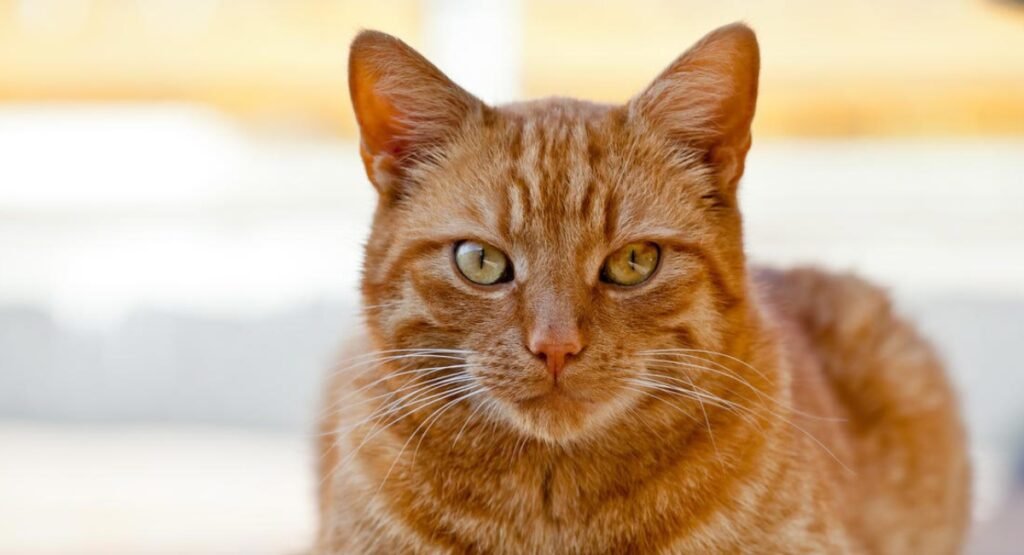
- Cats: independent and less interested in pleasing humans.
- Mules: famously careful. Like donkeys, they often stop and assess.
- Pigs: smart and persistent, which can look like refusing to cooperate.
- Some dogs (especially independent breeds): if the reward isn’t worth it, they’ll negotiate.
Hard Headed Animal Myths
People also use phrases like hard headed animal or hard-headed animal. Sometimes that’s fair. Sometimes it’s just frustration.
Before you decide you have the most stubborn animal on earth, run through a quick checklist:
- Is the animal in pain? (limping, sensitivity, sudden behavior change)
- Is the request clear? (does the animal actually understand the cue)
- Is the reward worth it? (motivation matters)
- Is the environment too intense? (noise, crowding, slippery floors)
- Has refusing worked before? (animals repeat what pays off)
Most Stubborn Animals: Does One Exist?
Realistically, stubbornness depends on the situation. A goat may be unstoppable when there’s food involved, but easygoing when it’s tired. A cat may ignore you at dinner time but become cooperative if you’re holding its favorite toy. A donkey may refuse a narrow bridge but walk happily on a wide trail.
So when someone asks what animal is stubborn, the better answer is: the animal that has learned it can say no safely.
The practical takeaway is good news. If stubbornness is learned and context dependent, you can change it by changing the context: clearer cues, better motivation, less pressure, and more trust.
Related: Humble Animals: Quiet Behaviors That Keep the Peace
How Stubbornness Gets Accidentally Trained
One sneaky reason stubborn behavior sticks around is reinforcement history.
If an animal refuses and the human gives up, the animal learns that refusing works. If an animal pulls toward something and eventually gets there, pulling gets rewarded. Animals don’t need to be dramatic for this to happen. It’s basic learning.
So if you feel like you have a stubborn animal, ask yourself: what does this animal get when it says no? Sometimes the payoff is obvious (a treat, freedom). Sometimes it’s relief (pressure stops).
When Stubbornness Is Really Discomfort
Sometimes “stubborn” is really “I’m uncomfortable.”
Watch for clues like:
- Sudden refusal to jump, climb stairs, or be touched
- Head shaking, scratching, or licking paws nonstop
- Changes in appetite or bathroom habits
- A normally social animal that starts avoiding interaction
If the behavior change is new or intense, it’s worth checking health first. Training can’t fix pain.
How To Work With Stubborn Animals
If you’re trying to live with stubborn animals, the goal is not to win a power struggle. The goal is to make cooperation easier than refusal.
Practical tips that work across many species:
- Break tasks into small steps and reward progress.
- Offer choices when possible (two paths, two toys, two safe options).
- Keep training sessions short and end on success.
- Use calm, consistent cues instead of repeating yourself.
- If the animal freezes, lower the pressure and give it time to think.
Stubbornness often melts when the animal feels safe, understands the ask, and believes the outcome is worth it.
A Simple Training Loop For Stubborn Animals
If you want a clean training approach that works with many stubborn animals, use a three step loop:
- Make the cue easy. Set the animal up to win.
- Pay for success with something the animal actually values.
- Repeat in tiny doses until it becomes habit.
That sounds simple, but it’s where most people slip. They jump to hard situations too fast, or they pay with a reward the animal doesn’t care about.
For independent animals, choice based training helps a lot. Give the animal a way to opt in. When it chooses the right action, reinforce it. Over time, cooperation becomes the animal’s idea, and that’s when stubbornness fades.
Conclusion
The most stubborn animals are frequently those that prioritize careful observation over rash actions. Their so-called stubbornness can be a survival strategy, allowing them to weigh their options in unfamiliar or potentially dangerous situations.
This cautious disposition ensures that they navigate the world with more mindfulness, ultimately contributing to their longevity. Rather than viewing these animals as mere defiers of authority, we can recognize their behavior as a form of wisdom.