Explore 13 of the Quietest Animals in the World
The Quietest Animals in the World reveal a fascinating aspect of nature: silence can be more than mere absence of sound; for many species, it serves as a vital survival strategy.
While humans often rely on vocal communication, the animal kingdom showcases a diverse array of methods, including body language, chemical signals, and even vibrations.
By studying these silent creatures, we gain valuable insights into the myriad ways life adapts in the wild. This article explores 13 of the most discreet animals on the planet, highlighting their unique communication methods and ecological significance.
Jellyfish
Jellyfish, scientifically classified as Chrysaora and belonging to the class Cnidaria, epitomize some of the quietest animals in the world. Lacking brains and vocal cords, they navigate the oceans in near silence, relying on their unique biological features to sense their surroundings.
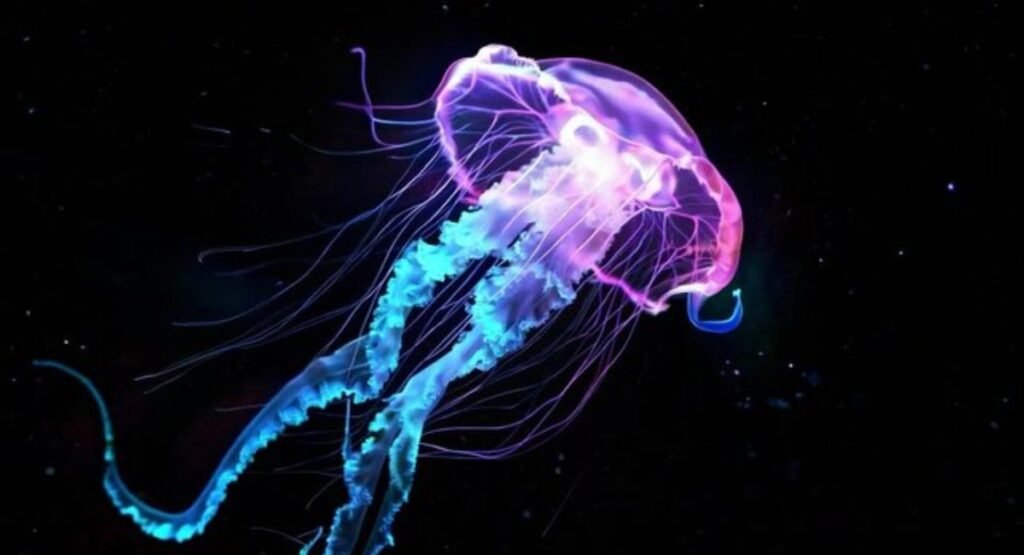
Their tentacles, adorned with specialized cells called nematocysts, not only capture prey but also aid in detecting changes in light, movement, and chemical signals in their environment.
Jellyfish possess rhopalia sensory structures that play a crucial role in orientation and environmental awareness. These adaptations allow jellyfish to continuously monitor their surroundings without the need for sound, making them experts at surviving in diverse marine habitats.
Giraffes
Giraffes, scientifically known as Giraffa, are often regarded as some of the quietest animals in the world despite their towering stature. Their communication primarily takes place through low-frequency sounds, or infrasound, which are imperceptible to human ears and allow them to convey messages over long distances without disturbing their serene environment.
Beyond sound, giraffes also use body language to express their feelings and intentions. For instance, the positioning of their necks and the orientation of their ears can indicate their mood whether they are alert, relaxed, or even playful.
Butterflies
Butterflies, known scientifically as Lepidoptera, exemplify the art of silent communication, earning them the title of The Quietest Animals in the World. These enchanting insects rely heavily on chemical signals, or pheromones, to convey messages about territory, mating, and even danger.
Their remarkable sensory organs enhance this communication further. Butterflies have specialized taste receptors located on their feet, allowing them to “taste” the plants they land on, ensuring they choose the perfect foliage for laying eggs.
Their delicate antennae serve a dual purpose: they detect pheromones and sense wind direction, helping butterflies navigate their world not just through vision, but through an intricate language of scent and touch.
Turtles
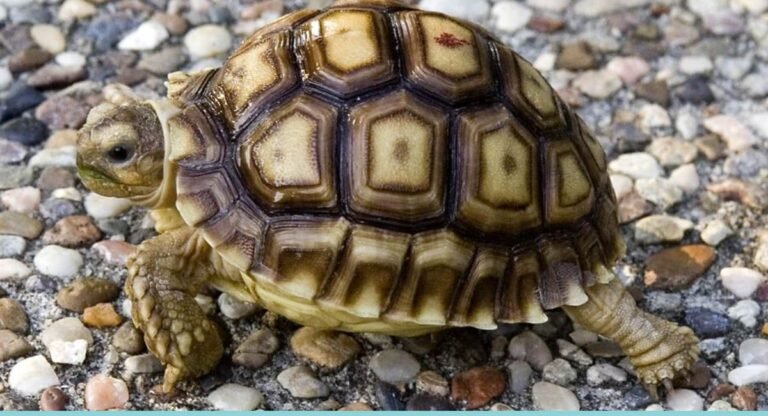
Turtles, classified under the scientific name Testudines, are fascinating quiet animals that communicate primarily through subtle body language rather than vocalizations. They produce very low sounds, often inaudible to human ears, relying instead on non-verbal cues like the positioning of their limbs and shells.
Beyond communication, turtles exhibit remarkable navigation abilities using their memory and environmental cues. These ancient reptiles have an innate sense of direction, enabling them to traverse vast distances in search of food or suitable nesting sites.
They memorize landmarks and use sensory cues from their environment, like the position of the sun or the Earth’s magnetic field, to guide them, showcasing a sophisticated understanding of their habitat despite their quiet demeanor.
Sloth
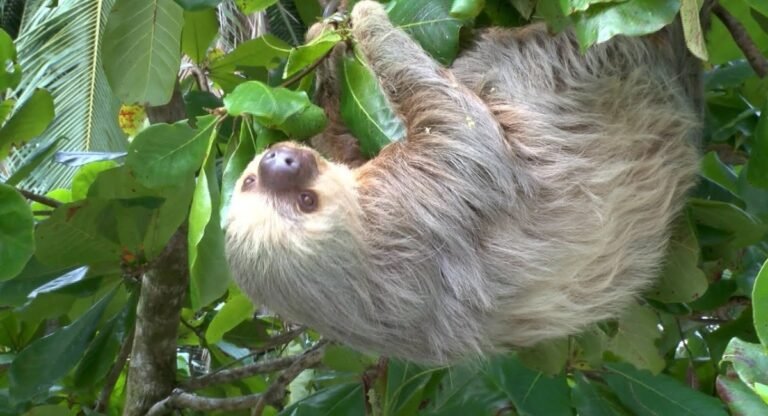
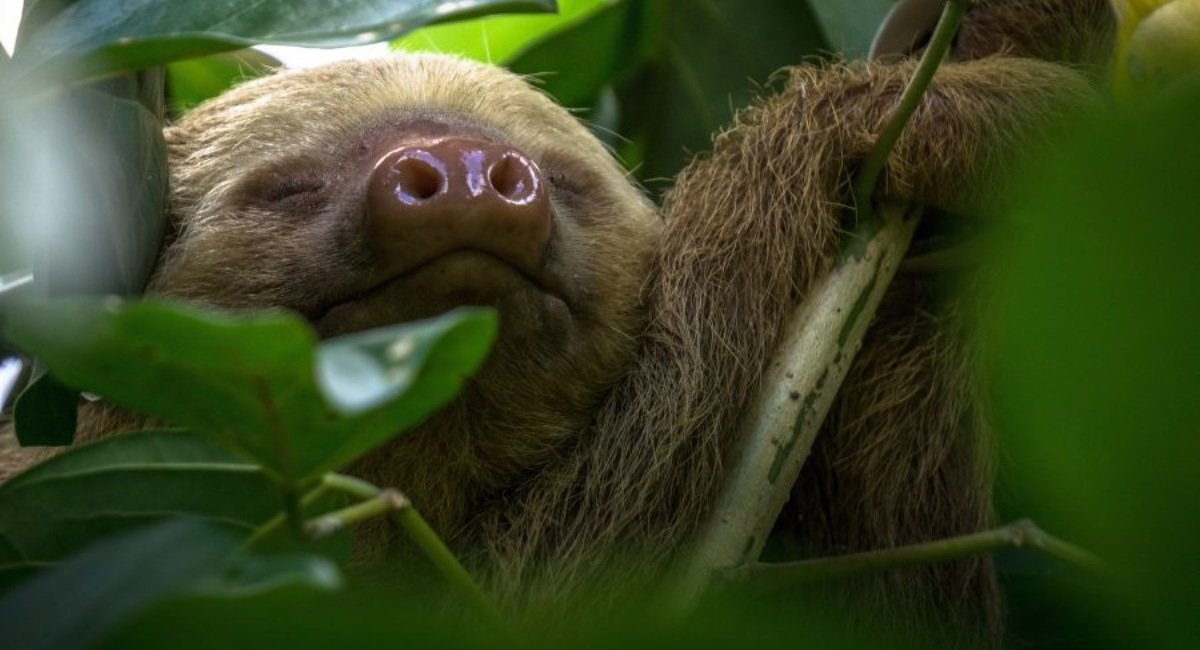
Sloths, classified under the scientific name Folivora, embody the essence of a quiet animal as they navigate life at a leisurely pace. Their deliberate and slow movements allow them to conserve energy while blending seamlessly into their lush surroundings.
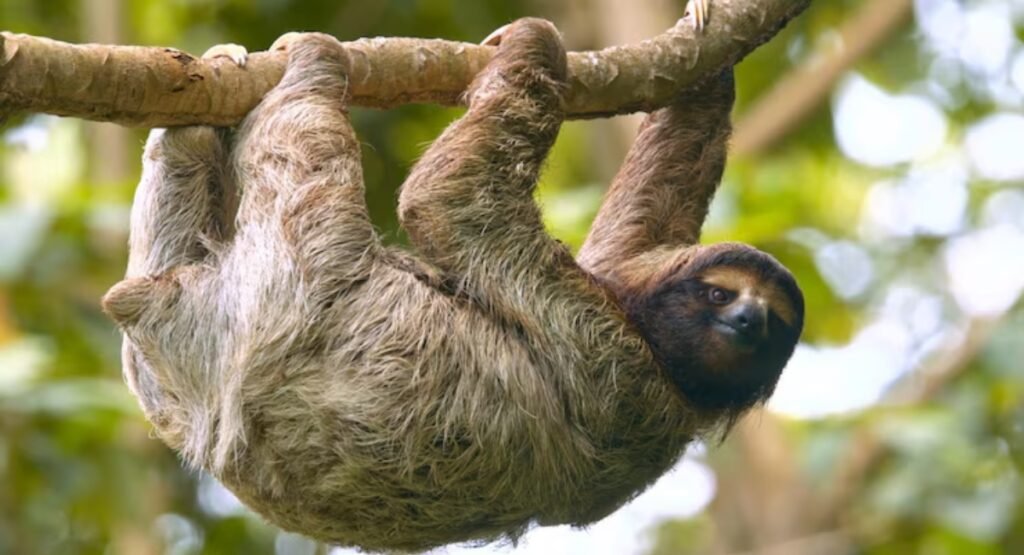
Living mostly in solitude, sloths have perfected the art of minimal communication, often relying on body language and subtle signals rather than vocal exchanges. Their herbivore and omnivore diet aligns with their slow lifestyle, as they graze on leaves and fruits while taking the time to relish each bite.
Snails
Snails, belonging to the scientific class Gastropoda, are fascinating creatures celebrated as some of the quietest animals on Earth. They lack vocal cords, which contributes to their complete silence; instead, they navigate their surroundings using a combination of touch and smell, allowing them to interact with the world in a uniquely serene manner.
Moving slowly and quietly, snails are masters of stealth. Their soft, gliding movements not only help them evade predators but also minimize disturbance in their delicate habitats.
By using their keen sense of smell to locate food and navigate through various terrains, they demonstrate an elegant adaptation to their environment, proving that not all communication needs to be loud to be effective. The life of a snail is a testament to the beauty of silence in the animal kingdom.
Read also Most Greedy Animals: What “Greedy” Really Means in the Wild
Rabbit
Rabbits, classified scientifically as Oryctolagus cuniculus, are fascinating quiet animals that rely heavily on body language for communication. By using their ears, posture, and tail position, these creatures convey a range of emotions from curiosity to fear.
For instance, when a rabbit thumps its back feet against the ground, it’s a clear warning signal to others of potential danger, acting as both a cautionary tale and a rallying call for alertness.
Beyond thumping, rabbits masterfully utilize scent and touch to interact with one another. They nuzzle and groom each other to strengthen social bonds, while scent marks serve as invisible messages about territory and availability.
Though they possess a limited repertoire of distress sounds, their nuanced body language speaks volumes, revealing a depth of communication that often goes unnoticed amidst their quiet demeanor. In a world where subtlety reigns supreme, rabbits showcase how much can be said without uttering a single word.
Worms
Worms, classified under the scientific name Lumbricina, are fascinating creatures that embody the essence of a quiet animal, communicating in ways that are often overlooked. Lacking sound-producing organs, these remarkable organisms navigate their subterranean world primarily through touch and
Their simple body structure facilitates a unique interaction with their surroundings, as they utilize specialized cells to detect changes in moisture and chemical gradients. This chemical signaling not only aids in finding food but also enables them to coordinate movements with others of their kind, ensuring that they can thrive as a cohesive group.
Shark
Sharks, classified under the scientific name Selachimorpha, are among nature’s most efficient silent predators. Lacking vocal cords, they navigate the underwater world without a single call, relying on an extraordinary array of senses that surpass mere sound.
With a robust sense of smell, sharks can detect blood from miles away, honing in on potential prey with uncanny precision, making them the ultimate quiet animal in the ocean.
These formidable creatures can also sense minute electrical signals emitted by other marine life through specialized organs known as the ampullae of Lorenzini. This remarkable ability allows them to locate hidden prey, even in murky waters where vision may be compromised.
Their simple body structure, streamlined and efficient, further enhances their predatory prowess, enabling them to glide effortlessly through their aquatic domain as they maintain a silent yet deadly presence.
Spiders
Spiders, classified under the scientific order Araneae, are fascinating quiet animals that communicate primarily through vibrations rather than sound. Lacking a vocal system, these arachnids utilize the intricate webs they weave as a conduit for delivering messages.
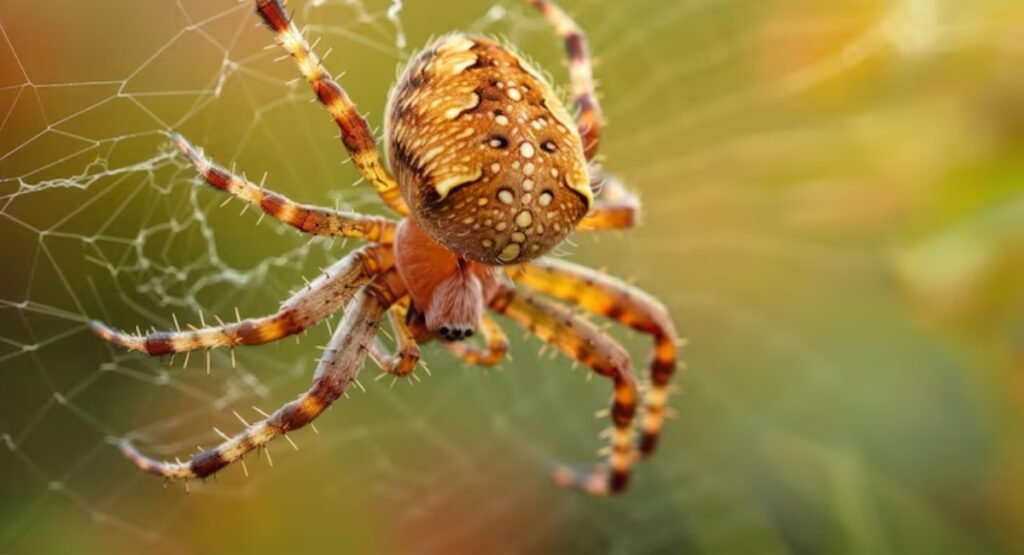
During mating, male spiders approach females with delicate vibrations, essentially serenading them without uttering a single sound. This form of communication not only helps in attracting mates but also minimizes the presence of noise that could alert other predators or rivals.
By mastering the art of vibration, spiders exemplify how even the quietest of creatures can create complex social interactions in their pursuit of survival and reproduction.
Crabs
Crabs, often regarded as quiet animals, possess a rich tapestry of communication that transcends vocal sounds. Utilizing their prominent claws, they send a myriad of signals to convey dominance, mating readiness, and territorial claims.
Beyond the visual theatrics, some crabs produce unique friction sounds by rubbing their claws or legs together, adding an auditory layer to their speeches. This form of communication can serve as a warning to potential rivals or a sweet serenade to attract a mate.
With subtle body movements and intricate signaling, crabs reveal that even perhaps the quietest of animals can share a rich language, painting a vivid picture of life beneath the waves.
Octopus
Octopuses are remarkable quiet animals, employing a sophisticated language of color changes and intricate body patterns to communicate with one another. Using specialized cells called chromatophores, they can rapidly alter their appearance to convey moods or intentions, creating vivid displays that range from bright patterns to muted hues.
Their intelligence enhances their ability to communicate, allowing them to wield color as a nuanced tool for social interaction and environmental adaptation. Each shift in pigmentation can indicate various states, such as aggression, fear, or contentment, enriching the silent dialogue among these cephalopods.
Goldfish
Goldfish, scientifically known as Carassius auratus, are fascinating quiet animals that communicate not through sound but through subtle movements and vibrations. These creatures utilize their highly sensitive lateral line system an array of fluid-filled canals running along their bodies, to detect changes in water pressure.
Their body language is equally intricate; goldfish express emotions and intentions through posture and movement. A slow, graceful glide can indicate relaxation, while quick darting motions may signal anxiety or excitement.
Observing these fluid movements offers a glimpse into their social behavior, illustrating how effectively these vibrant fish converse in an unspoken language, showcasing a rich tapestry of interactions beneath the water’s surface.
Conclusion
The Quietest Animals in the World demonstrate that, in nature, silence can wield as much power as sound. By leveraging unique adaptations, these animals navigate their habitats while minimizing risks from predators and human interference.
Their varying communication strategies reveal the diversity of life and underscore how silence often enhances survival. Observing these remarkable creatures not only enriches our understanding of the natural world but also encourages us to respect habitats where quiet beings flourish.
FAQs
Which Animal Is The Quietest?
Giraffes are among the quietest animals, rarely making audible sounds. They communicate using low-frequency vibrations and subtle body language that humans often cannot detect.
Which Animal Is A Silent Killer?
The Amur leopard is known as a “silent killer” because of its ability to move quietly and ambush prey. It relies on stealth, patience, and sharp senses to hunt successfully.
What Animals Have A Quiet Personality?
Animals like snow leopards, koalas, and sloths are known for their calm and quiet nature. They tend to be shy, solitary, and rely on minimal sound for communication.