Top 10 Strongest Animals in the World (By Power, Bite Force & Strength)
The strongest animals in the world exhibit incredible feats of power that boggle the imagination. From the impressive bite force of certain predators to the astonishing lifting capabilities of mighty mammals, animal strength comes in various forms.
Let’s explore how scientists measure strength by considering factors like bite force, overall body weight, and lifting prowess. Get ready to discover our list of the top 10 strongest animals in the world, highlighting their extraordinary capabilities and adaptations that make them rulers of their environments.
What Are The Strongest Animals In The World?
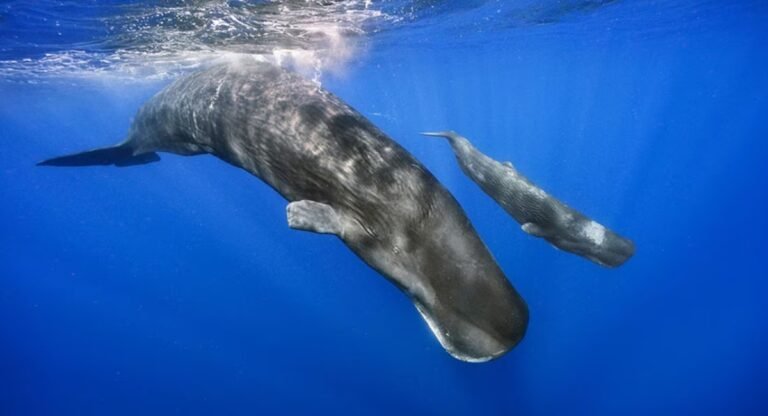
Absolute strength in the animal kingdom is often measured by sheer size, as seen in creatures like the mighty blue whale or the colossal elephant, which leverage their massive muscle power to dominate their environments.
Strength serves critical survival functions, aiding in hunting, defense, and competition for resources. For instance, the great white shark possesses an astounding bite force, making it a formidable predator, while the formidable gorilla demonstrates raw power through its impressive muscle mass, deterring rivals and securing dominance within its troop.
List Of Top 10 Strongest Animals In The World
| Number of Animals | Strongest Animals In The World |
| 1 | African Elephant |
| 2 | Gorilla |
| 3 | Tiger |
| 4 | Grizzly bear |
| 5 | Hippopotamus |
| 6 | Rhinoceros |
| 7 | Crocodile |
| 8 | Lion |
| 9 | Dung Beetle |
| 10 | Leafcutter Ant |
African Elephant
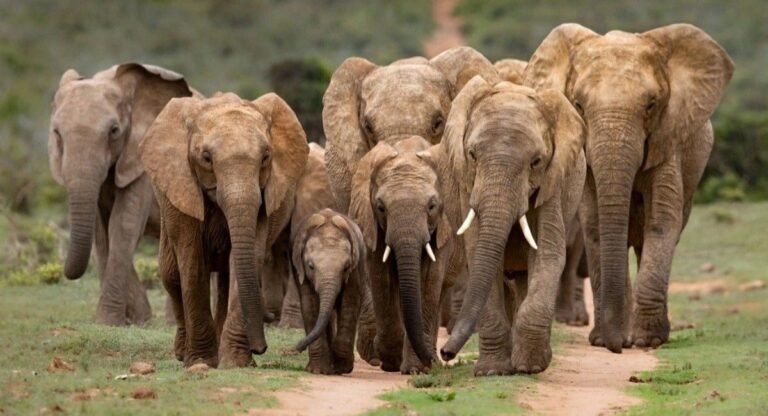
The African Elephant (Loxodonta africana), a member of the class Mammalia, stands as the largest land animal on Earth. These magnificent creatures primarily feed on a herbivorous diet, consuming vast amounts of vegetation daily. Their sheer size, often reaching heights of up to 13 feet and weighing between 5,000 to 14,000 pounds, positions them as titans of the savannah.
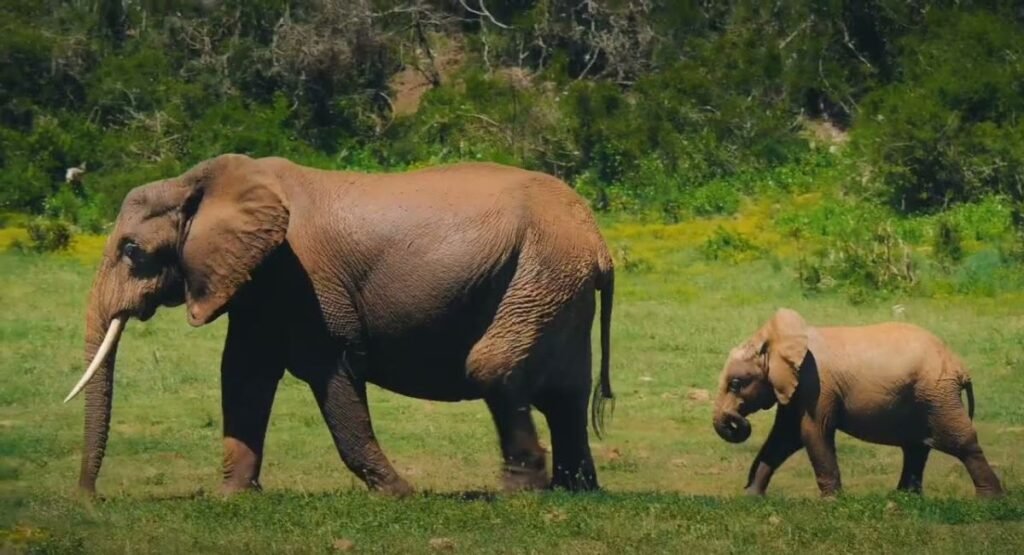
One of the defining features of the African Elephant is its incredible trunk, which boasts the strength to uproot entire trees and move heavy objects with ease. This powerful appendage serves not only as a tool for foraging but also as a means of communication and social interaction, highlighting the strong family groups that these elephants form.
Gorilla
The Gorilla (Gorilla gorilla), classified under Mammalia, stands as the strongest primate within the animal kingdom. As herbivores, these impressive creatures predominantly consume leaves, stems, and fruit, showcasing their strength not just in appearance but also in their impressive ability to lift several times their own weight, aiding in their foraging habits and social interactions.
Socially, gorillas are structured around a dominant silverback, a mature male who plays a crucial role in protecting his group, consisting mainly of females and their young. These intelligent animals exhibit deep social bonds and communication skills, often using vocalizations and body language to maintain harmony within the troop.
Don't Miss Top 16 Different Types of Lizards in Florida (With Pictures)
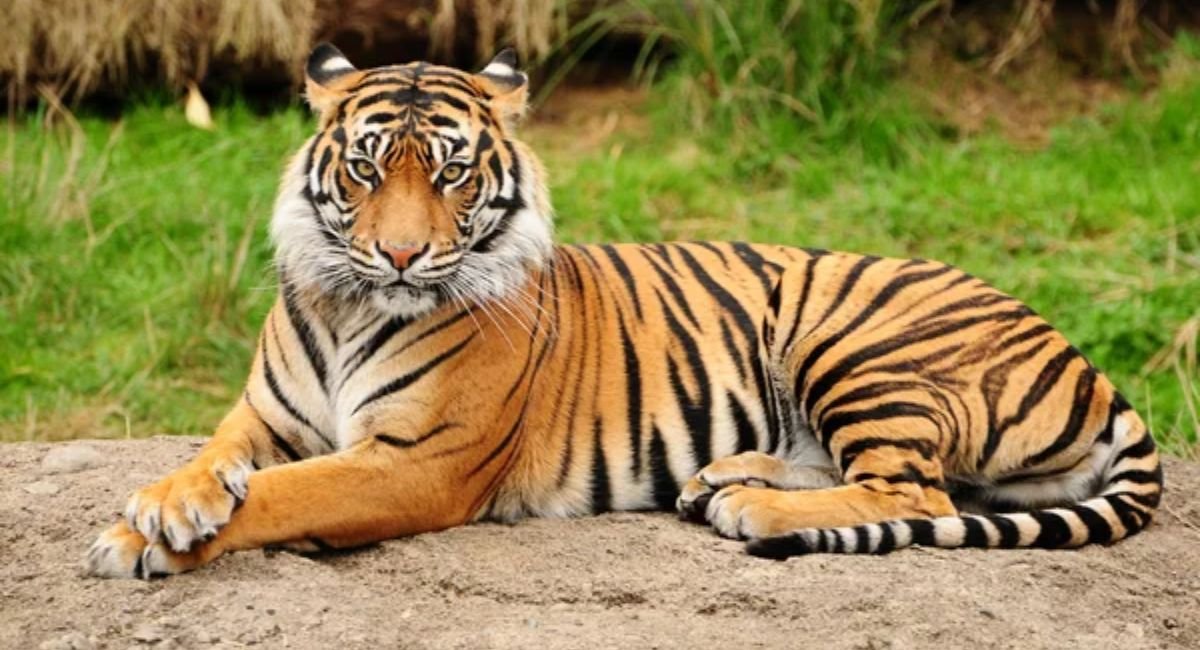
Tiger
The Tiger (Panthera tigris) stands as the largest big cat in the world, belonging to the class Mammalia and classified as a carnivore. With a combination of powerful jaws and sharp claws, this majestic predator epitomizes strength in the animal kingdom. Each stride showcases not only significant muscle power but an agility that allows it to navigate its dense habitats effortlessly.
Considered an excellent hunter, Tigers rely on their stealth and acute senses to stalk prey, often employing a strategy of ambush to ensure a successful kill. Their remarkable strength enables them to take down large animals, such as deer and boar, with impressive efficiency.
Grizzly Bear
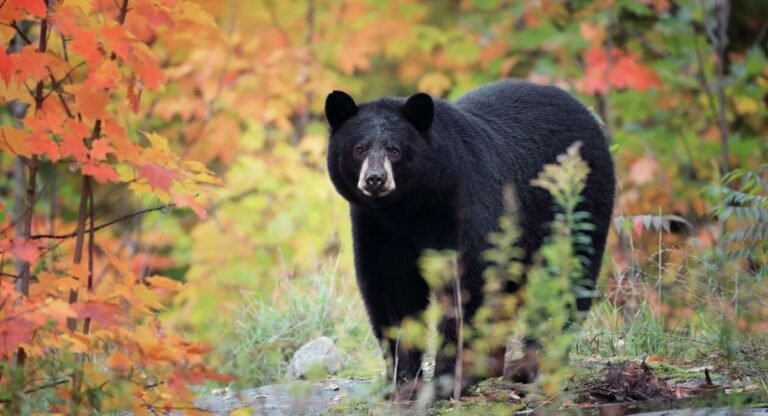
The Grizzly Bear, scientifically known as Ursus arctos horribilis, belongs to the class Mammalia and is an omnivore by nature. Weighing up to 1,500 pounds and standing over eight feet tall on their hind legs, these majestic creatures exhibit massive strength that is both awe-inspiring and intimidating. Their powerful muscles allow them to sprint at speeds of up to 30 miles per hour, a surprising feat given their bulk.
Equipped with formidable claws that can measure up to four inches long, the Grizzly Bear is a skilled hunter, adept at catching fish and foraging for a variety of food sources, including berries and roots. Their survival skills are exceptional; they can navigate harsh terrains and adapt to seasonal changes, ensuring their place in diverse ecosystems.
Hippopotamus
The Hippopotamus, scientifically known as Hippopotamus amphibius, belongs to the class Mammalia and primarily follows a herbivorous diet. Known for its extremely powerful jaws, the Hippopotamus possesses one of the strongest bite forces in the animal kingdom, exceeding that of lions or tigers. This incredible strength is not just for show; it’s essential for defending its territory in the rivers where it dominates and thrives.
Hippopotamuses are notorious for their aggressive nature, especially when it comes to protecting their space. Despite their bulky appearance, they can be surprisingly agile, moving swiftly both in water and on land. As one of Africa’s most formidable animals, the Hippopotamus illustrates the perfect blend of strength and territorial prowess, making it a critical player in its ecosystem.
Rhinoceros
The Rhinoceros (scientific name: Ceratotherium simum), classified under the class Mammalia, is an awe-inspiring creature noted for its expansive size and herbivorous diet. Weighing up to 2,300 kilograms, the rhinoceros is one of the largest land mammals, showcasing its massive body as a formidable presence in its habitat.
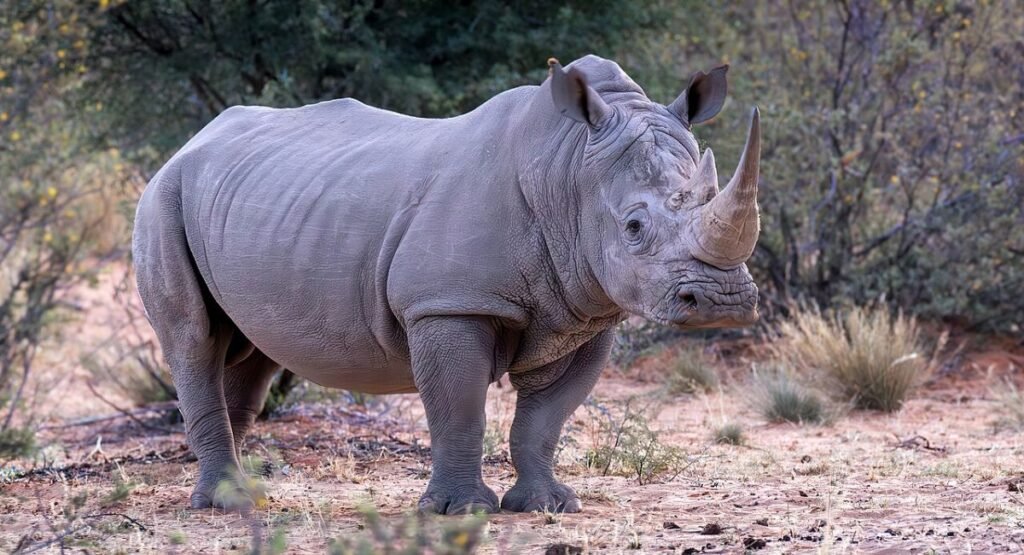
Rhinoceros apart is its thick, protective skin and strong horn, which can measure up to a meter in length. This horn serves as a powerful defense mechanism against predators, bolstered by the rhino’s capability for a powerful charge that can reach speeds of 50 km/h.
Crocodile
Crocodiles, specifically Crocodylus niloticus, belong to the class Reptilia and are classified as carnivores. These ancient reptiles are not only fascinating for their evolutionary adaptations but also for possessing the strongest bite force of any animal, measured at an astonishing 3,700 pounds per square inch.
As ambush predators, crocodiles employ a cunning hunting strategy that combines patience and brute force. They often lie submerged in water, using only their eyes and nostrils to remain hidden from potential prey.
Lion
The lion, scientifically known as Panthera leo, belongs to the class Mammalia and is a formidable carnivore that dominates the savannahs and grasslands of Africa. With its powerful physique and striking mane, the lion is often referred to as the “King of the Jungle,” though it primarily resides in open landscapes. Its strength is enhanced by the lion’s impressive bite force, designed to tackle prey with efficiency and precision.
Lions hunt in groups, known as prides, showcasing a level of teamwork that maximizes their hunting success. This collaborative effort allows them to take down larger prey and ensures that the entire pride thrives. Observing a pride in action reveals a sophisticated dance of strategy and cooperation, underscoring the lion’s prowess as both a predator and a leader of the animal kingdom.
Dung Beetle
The Dung Beetle, scientifically known as Scarabaeus sacer, belongs to the class Insecta and thrives on a diet of detritus. These remarkable insects are often celebrated not just for their unique feeding habits but also for their extraordinary strength, capable of pulling 1,000 times their own body weight.
Beyond their raw power, dung beetles play a vital role in maintaining healthy ecosystems. By recycling nutrients in the soil, they enhance soil fertility and promote the growth of vegetation, which is essential for various forms of life.
Leafcutter Ant
The Leafcutter Ant (Atta cephalotes), belonging to the class Insecta, is a remarkable specimen of nature’s engineering bounds, thriving predominantly on a fungivorous diet. These industrious ants are capable of carrying objects up to 50 times their own weight, showcasing a blend of strength and incredible biomechanical efficiency that astounds both scientists and casual observers alike.
Nestled in highly organized colonies, Leafcutter Ants exhibit advanced farming practices by meticulously cultivating fungi, which serves as their primary food source. Their teamwork is unparalleled; each ant plays a specific role, whether it’s foraging for leaves, cutting, or tending to the fungal farms, creating a dynamic ecosystem that thrives on collaboration and efficiency.
Conclusion
The Strongest Animals in the World highlight the fascinating ways strength is manifested across different species, irrespective of their size. While elephants exhibit might through sheer mass, smaller creatures like insects demonstrate extraordinary power in unique contexts. Strength plays a critical role in the lives of these animals, aiding them in hunting, survival, and protecting themselves from threats.
For instance, the powerful bite of a crocodile can be contrasted with the remarkable lifting capability of a silverback gorilla. By recognizing the various expressions of strength in the animal kingdom, we gain a deeper appreciation for the resilience and adaptability of life on our planet.
FAQs
What Is The World’s Strongest Animal?
The African bush elephant is considered the strongest animal on Earth. Its powerful trunk alone can lift more than 400 pounds, showing incredible strength.
Which Lion Killed 400 Hyenas?
Scarface, a legendary lion from Kenya’s Maasai Mara, was famous for his dominance and battles with rivals and hyenas during his lifetime.
Who’s Stronger Than A Lion?
Animals like the rhinoceros can overpower a lion due to their massive size, thick skin, and sharp horn that can seriously injure or kill a lion.