Cartilage and Ligament Health in Horses: A Complete Owner’s Guide
Cartilage and Ligament Health in Horses is essential for comfortable movement and long-term soundness. If you’ve ever watched your horse take a few stiff steps after standing in the stall, or noticed a subtle change in stride on a tight circle, you already understand how important healthy joints and soft tissues are. Cartilage and ligaments do a lot of quiet work every day.
The tricky part is that cartilage and ligaments don’t always “complain” loudly until a problem is established. That’s why smart, consistent care matters more than quick fixes. The good news is that most horses can maintain strong connective tissue with the basics done well: balanced movement, correct hoof care, solid nutrition, and thoughtful management.
What Cartilage and Ligaments Actually Need
Cartilage has very limited blood supply, which means it doesn’t “feed” the way muscle does. It relies on joint fluid and the gentle compression that happens during movement. This is why regular, controlled exercise is so valuable. When a joint flexes and bears weight, it helps move nutrients into cartilage and remove waste products out.
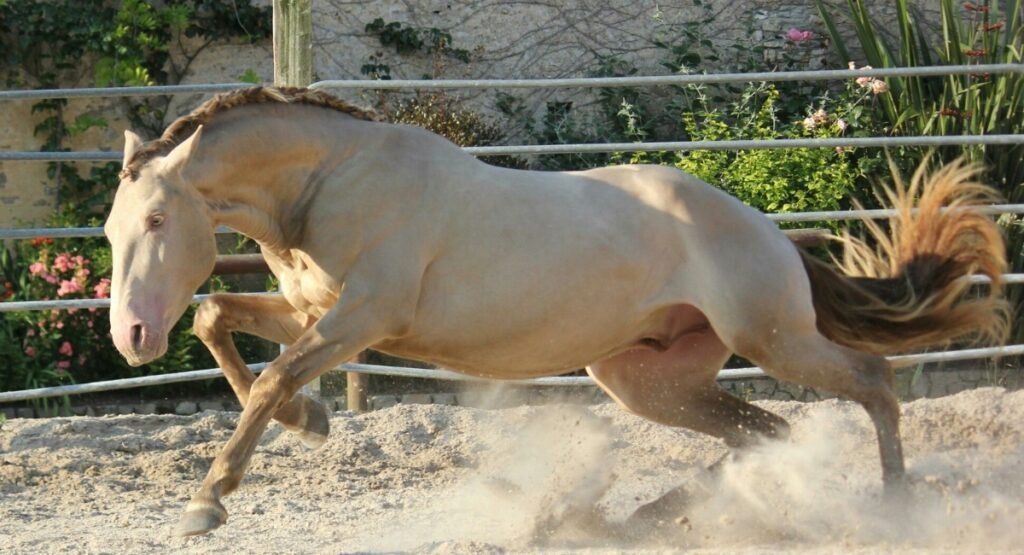
Ligaments are dense connective tissues designed for strength and stability. They adapt to training, but they do it slowly. Sudden increases in workload, poor footing, uneven hooves, or repeated strain on tight turns can overwhelm them.
When ligaments are stressed beyond what they can handle, you might see swelling, heat, or lameness, but many cases start with smaller signs like reduced willingness, shortened stride, or inconsistent performance.
Movement: The Most Underrated “Supplement”
If you could only pick one habit to protect cartilage and ligament health in horses, it would be consistent movement. Not extreme work. Not endless circles. Just steady, structured activity.
What Helps Most
- Daily turnout when possible, especially for horses that get stiff in a stall.
- Long warm-ups that start with active walking. Aim for 10–15 minutes before asking for collection, speed, or jumping.
- Gradual conditioning increases, especially after time off. Soft tissues need time to strengthen.
What Tends to Cause Trouble
- Weekend-only riding with big bursts of intensity.
- Hard stops and tight turns on deep or slippery footing.
- Asking for advanced work before the body is warm.
A simple approach many riders overlook is adding more walking. Walking is joint-friendly, builds baseline fitness, and supports circulation and tissue resilience without beating up the horse.
Bodyweight and Muscle: Silent Protectors of the Joints
Extra weight increases load through the joints. Over time, that additional stress can affect cartilage and strain supporting ligaments. On the flip side, underdeveloped topline and weak hindquarter muscles can also increase joint wear because the horse lacks the strength to carry itself efficiently.
Practical Signs You Might Need an Adjustment
- Crest fat that stays firm even when fitness improves.
- A belly that looks “hay-heavy” paired with low muscle tone.
- Hooves and joints taking more impact because the horse moves flat and heavy.
Your goal isn’t a super-lean look for every horse. It’s an athletic condition appropriate to age, breed, and job. A healthy body condition supports the entire joint system, not just the joint itself.
Hoof Balance: Where Joint Health Starts
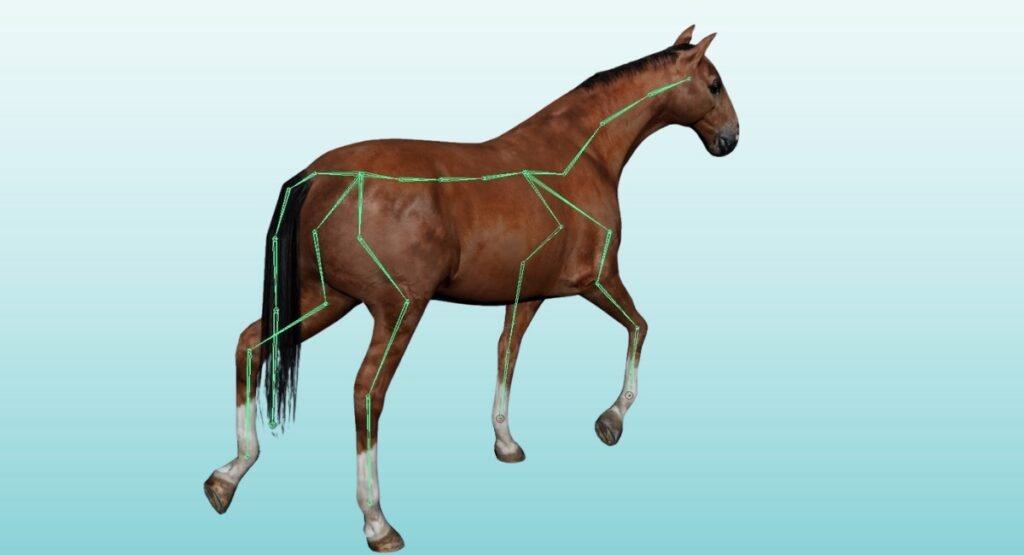
A lot of cartilage and ligament strain is mechanical. If the hoof isn’t balanced, the limb doesn’t load evenly. That uneven loading travels upward into the fetlock, knee, hock, and beyond. Horses can compensate for a while, but compensation isn’t free.
What to Do
- Keep a consistent farrier schedule.
- Share performance concerns with your farrier and vet (short stride, tripping, one-sided soreness, uneven wear).
- Avoid letting toes get long and heels collapse, especially in horses doing more work.
Many owners chase joint supplements while the real issue is leverage in the hoof. Supplements have a place, but mechanics are foundational.
Nutrition Basics That Support Connective Tissue
Cartilage and ligaments are built and maintained through protein, minerals, and overall diet quality. This doesn’t mean you need an expensive feeding program. It means your horse needs a balanced one.
High-Quality Forage First
Forage is the base of gut health and steady energy, which supports training consistency and recovery. Consistency matters because sudden dietary changes can lead to inflammation, body condition shifts, and training disruptions.
Protein Matters More Than Most People Think
Connective tissue is made from amino acids. If protein quality is low, the body struggles to maintain tissue repair and muscle development.
Key Minerals for Cartilage and Ligaments
Minerals like copper, zinc, and manganese are often discussed in the context of hoof and connective tissue integrity. If a horse’s diet is unbalanced (common with forage-only or heavy grain without a proper balancer), soft tissue quality can suffer over time.
A simple, effective move is using a ration balancer or a well-formulated vitamin/mineral supplement designed for your forage type, especially if your horse is on mostly hay.
Hydration and Joint Lubrication
Joint fluid supports smooth movement. Hydration is part of maintaining healthy joint fluid, especially in hot weather, during travel, or when a horse is eating dry hay without much fresh grass.
Easy Hydration Wins
- Always provide clean water and check buckets daily.
- Consider adding soaked feed or wetting hay cubes for picky drinkers.
- Provide loose salt or a measured electrolyte strategy when sweating heavily.
Horses don’t always drink enough when routines change. Travel days and competition weekends are common times for stiffness to show up, partly because of dehydration and long periods standing.
Smart Use of Joint Supplements: What They Can and Can’t Do
Joint supplements are popular because they’re easy to add, and owners want to help. The key is setting realistic expectations.
Many supplements focus on ingredients such as glucosamine, chondroitin sulfate, MSM, hyaluronic acid, and collagen. These ingredients are commonly used to support joint comfort and cartilage health. Some horses respond well, others show little change. The biggest variables are the horse’s condition, workload, product quality, and whether the underlying management is sound.
A Practical Way to Decide
- If your horse is aging, in regular work, or has a history of joint stress, a supplement trial may be reasonable.
- Track changes for 6–8 weeks. Look at stride length, willingness, recovery, and daily stiffness.
- If nothing changes, don’t keep spending out of habit.
Also, don’t stack multiple supplements with the same ingredients. It’s easy to overdo it, and it can become expensive without adding real value.
Footing and Training Choices That Protect Ligaments
Ligaments don’t love sudden, twisting forces. A big part of ligament health is choosing surfaces and training patterns that reduce strain.
Helpful Habits
Use good arena footing that isn’t too deep or too hard.
Avoid endless small circles. Mix straight lines with large curves.
Add variety: hills at the walk, poles, trail terrain, and transitions that build strength gradually.
Red Flags for Ligament Strain
Heat or swelling around a tendon/ligament area
Lameness that’s worse after work or on turns
Short, careful steps, especially on uneven ground
Recovery and Rest: Where Tissue Repairs Itself
Connective tissue adapts during rest. Training breaks aren’t laziness. They’re part of conditioning.
Support Recovery With
- Proper cool-down time after work.
- Light movement the next day rather than complete stall rest (unless your vet instructs otherwise).
- Regular bodywork, stretching, or physiotherapy approaches if your horse benefits from them.
Older horses often do best with frequent low-intensity movement rather than long rest periods. That gentle consistency keeps joints lubricated and muscles engaged.
When to Bring in the Vet
If you see repeated stiffness, swelling, or any lameness that doesn’t improve quickly with rest, it’s time for a professional evaluation. Horses can mask pain, and “warming out of it” is not always a harmless pattern.
Veterinary Guidance Is Especially Important If
- The horse is uneven on a circle.
- Heat/swelling returns after work.
- Performance suddenly drops without a clear reason.
- The horse changes behavior (pinning ears, refusing, anxiety under saddle).
Conclusion
Cartilage and ligament health in horses isn’t about one miracle product. It’s about stacking small, sensible decisions that keep the whole horse moving well. Start with movement, hoof balance, and nutrition. Build fitness gradually. Protect recovery. Then, if needed, use supplements as a supportive tool, not the foundation.
FAQs
How Do Horses Help with Mental Health?
Horses help with mental health by reducing stress, anxiety, and loneliness through their calm presence and emotional connection with humans. They also improve confidence, self-esteem, and emotional healing through equine-assisted therapy and care activities.
Why Are Horses Good For Mental Health?
Horses are good for mental health because they are gentle, emotionally responsive animals that help people feel calm, supported, and understood. Interacting with horses builds trust, reduces stress, and encourages positive emotions and mindfulness.
How Can Horses Help With Mental Health?
Horses can help with mental health through equine-assisted therapy, where activities like grooming, feeding, and riding reduce stress and improve emotional well-being. They also help build confidence, trust, and social skills while providing comfort and companionship.