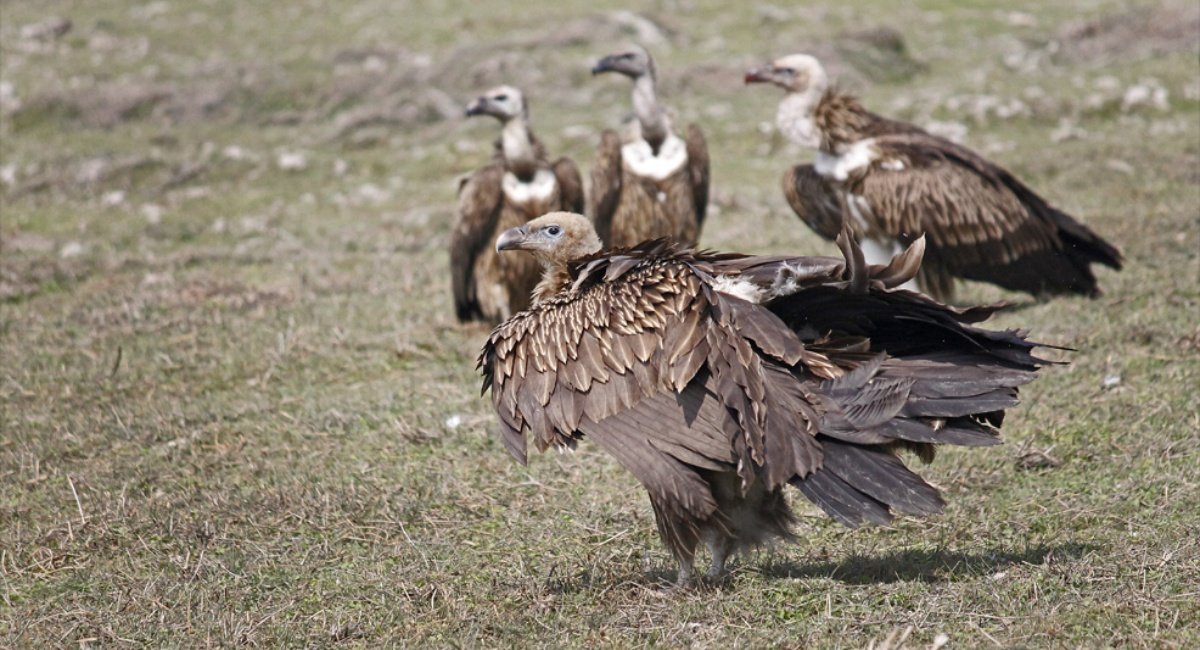
Vultures in Michigan: Turkey Vultures, Black Vultures, and the “Buzzard” Confusion
The sight of Vultures in Michigan soaring gracefully overhead is a sure sign of spring, intriguing many who spot their large silhouettes against the sky. While turkey vultures are the most commonly seen, black vultures are increasingly appearing, leading to some confusion about the term “buzzard.”
This guide aims to demystify these remarkable birds, helping readers identify and understand their behaviors. By the end of the article, you’ll not only recognize these scavengers but also appreciate their critical ecological role in your community.
Are There Vultures In Michigan?
Yes. Turkey vultures are widespread and commonly seen across the state during the warmer months. Depending on the time of year and local conditions, Michigan vultures may be seen soaring over open countryside, roosting in trees, or gathering near food sources. Black vultures are less common and more regional, but sightings do occur, especially as ranges shift over time.
Turkey Vulture Michigan: The Bird You’re Most Likely Seeing
The turkey vulture is the classic “michigan turkey vulture” bird: long wings, a small head for its size, and a flight style that looks like it’s balancing on the wind. In good light, adults have a red, bare head. In flight, look for the two-toned underwing: darker along the front edge and lighter along the back half of the wing.
People also call them “turkey buzzard Michigan” or “michigan turkey buzzard.” That nickname is common across the U.S. Even though it’s not their official name, you’ll hear it constantly in rural conversations.
Black Vulture Michigan: Similar Silhouette, Different Vibe
Black vultures are stockier than turkey vultures, with shorter, broader wings and a shorter tail. In flight, the underwing pattern is a key clue: black vultures show pale patches near the tips of the wings (like “fingers” with lighter color) rather than the more evenly two-toned look of turkey vultures.
Behavior can also help. Black vultures often flap more than turkey vultures, and they can appear more social and assertive. If you see a tight group perched on a roofline or dead tree, black vultures become a stronger possibility but you still want to confirm with field marks.
Buzzards In Michigan: Why The Name Sticks
In North America, “buzzard” is often used as a casual name for vultures. That’s why people search “buzzards in Michigan” and “michigan buzzards” when they see vultures soaring. Technically, true buzzards are a different group of birds (Old World buzzards) in other parts of the world. But language is stubborn, and “buzzard” is deeply rooted in local speech.
Related: Animals That Are Deaf| The Reality Behind “Animals That Can’t Hear”
How To Identify A Vulture In Michigan From Far Away
You don’t need a perfect close-up to get a good ID. Use these practical traits.
- Wing shape: Turkey vultures hold their wings in a slight V (a dihedral) and wobble a bit. Black vultures often look flatter and more steady.
- Tail length: Turkey vultures have a longer tail; black vultures look shorter and more squared off.
- Underwing pattern: Turkey vulture underwings look two-toned; black vultures show bright patches near the wingtips.
- Flight style: Turkey vultures soar with fewer flaps; black vultures tend to flap more often.
Why Vultures Circle: It’s All About Warm Air
When you see a “vulture in Michigan” circling without flapping, you’re watching thermals at work. As the sun warms the ground, pockets of air rise like invisible elevators. Vultures step into those columns of rising air and spiral upward. Once they gain height, they glide to the next thermal and repeat. It’s an energy-saving system that lets them cover huge areas without burning much fuel.
How Vultures Find Food: Smell, Sight, And Teamwork
Turkey vultures are famous for having an excellent sense of smell, which helps them locate carrion even under a forest canopy. Black vultures, by contrast, rely more on sight and on watching other scavengers. In places where both species occur, you’ll sometimes see black vultures following turkey vultures. It’s not friendship it’s information. Whoever finds food first becomes the billboard.
Where And When You’ll See Vultures In Michigan
Vultures are tied to two things: air currents and food. Warm days create rising air that makes soaring easy, so spring through early fall is prime vulture season in Michigan. You’ll often spot them over open areas, farms, highways, wetlands, and big fields where they can see and scent opportunities. Early morning can be slower until the air warms, then the sky fills with circling birds.
Roosting is another clue. Vultures may gather in trees, on utility towers, or on rooftops. A group roosting near the same spot for days usually means there’s a steady food source nearby, like roadkill on a nearby highway corridor.
Are Vultures Dangerous To Pets Or People?
Vultures are scavengers, not hunters. Seeing them near your neighborhood doesn’t mean they’re targeting pets. They’re looking for carrion. The main concern is the same as with any wildlife: don’t approach, don’t try to feed, and don’t handle dead animals without protection.
Conclusion
Vultures in Michigan are an intriguing part of the state’s avian population, often sparking curiosity during the warmer months. As you become familiar with identifying turkey vultures and black vultures, you’ll gain a deeper appreciation for their roles in the ecosystem.
These majestic birds not only act as nature’s cleanup crew but also provide an opportunity for birdwatchers and nature enthusiasts to connect with wildlife. While the confusion surrounding the term “buzzard” persists, knowing the differences between these species can enhance your outdoor experiences.