Animals Like Skunks: Skunk Look-Alikes and How to Tell Them Apart
Animals like skunks have a unique charm that many overlook, primarily because of their pungent defense mechanism. While skunks undoubtedly have their own identity, several other species share similar physical traits, which can lead to confusion in the wild.
This article aims to clarify those distinctions, helping readers recognize and appreciate the diverse wildlife that inhabits our environment. By understanding how to tell these animals apart, we can foster a more informed and respectful relationship with nature.
Why So Many Animals Look Like A Skunk
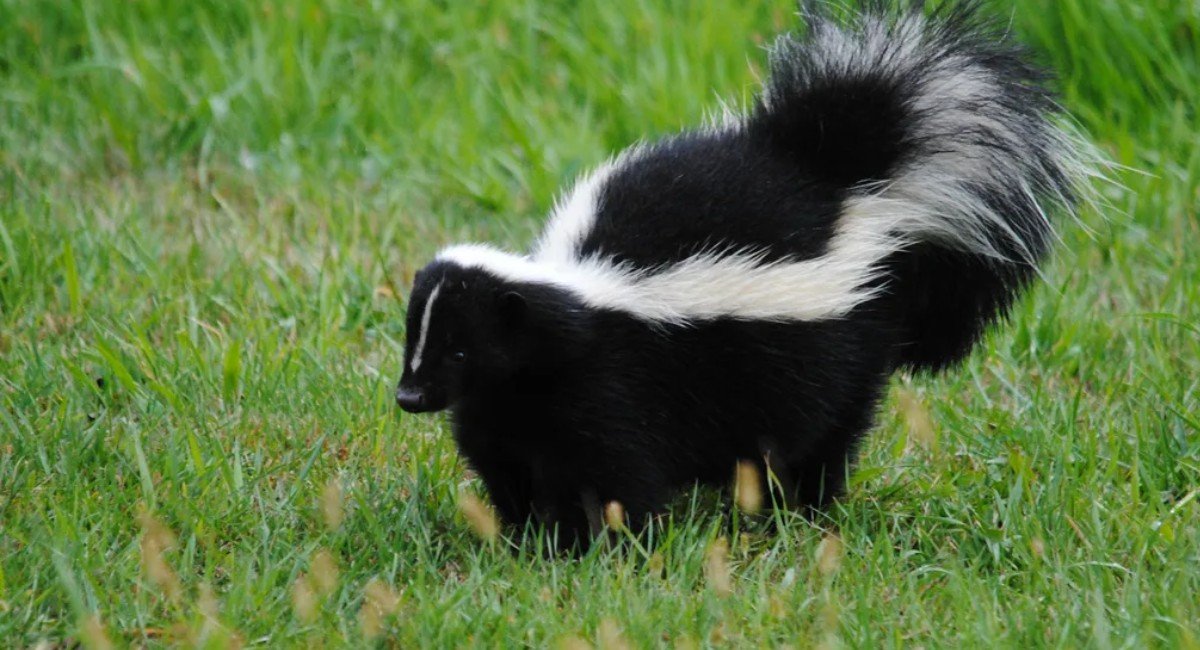
That bold black-and-white pattern isn’t an accident. In the wild, high-contrast markings often work like a warning sign. It’s the animal version of saying, “I’m not worth the trouble.” For skunks, the warning is honest: they can spray a strong, oily scent from glands near the tail.
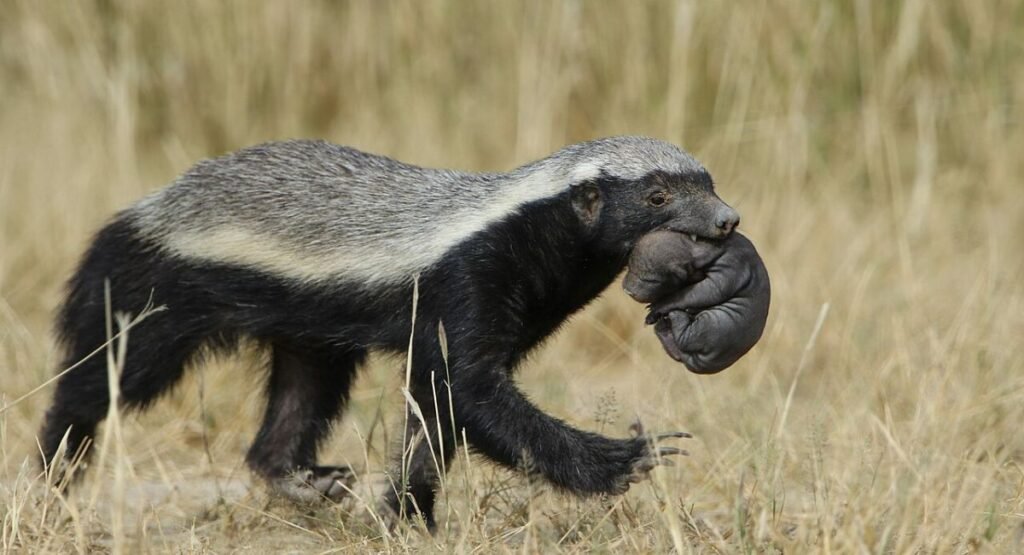
So when you see a skunk like animal, remember the pattern might mean one of two things: it really is a skunk, or it’s an animal that benefits from being mistaken for one.
Animal That Looks Like A Skunk: A Quick Id Checklist
Before we get into species, use this quick checklist. It’s simple, but it works surprisingly well in the real world.
- Tail: A skunk’s tail is usually very fluffy and carried high when it’s alert. Many look-alikes have slimmer tails or carry them lower.
- Body shape: Skunks are stocky with short legs and a rounded back. Weasels and mink look longer and sleeker.
- Face: Striped skunks often have a narrow white stripe on the forehead and a pointed snout. Badgers have a wider, bolder facial pattern.
- Movement: Skunks tend to trot with a steady, unhurried gait. A nervous, quick, darting run can hint at a different species.
- Behavior: Skunks are often calm and focused on foraging. Many animals that look like a skunk will freeze, bolt, or climb when startled.
Common Skunk Look Alike Animals
Not every black-and-white, low-to-the-ground animal is a skunk. Several mammals share similar colors, body shapes, or nighttime habits, which often leads to confusion. Knowing the subtle differences in size, movement, markings, and habitat can help you quickly tell a true skunk from its common look-alikes.
Striped Skunk (The Classic)
The striped skunk is the one most people picture: black fur with two white stripes running down the back and a full, white-flecked tail. They’re mostly nocturnal and spend a lot of time rooting for beetle grubs, insects, and other easy calories. If you see an animal that looks like a skunk calmly sniffing along a lawn, this is often your answer.
Spotted Skunk (Smaller, Faster, More Dramatic Pattern)
Spotted skunks are smaller than striped skunks and their markings look more like broken stripes or spots. They can be quicker and more agile, and some are known for a handstand-style threat display where they lift the rear end and face you. In many places they’re less common than striped skunks, so people notice them mainly when one turns up near a shed or woodpile.
Skunk Like Animal In The Weasel Family: Mink, Martens, And Long-Tailed Weasels
Mink, martens, and weasels are not skunks, but they can be mistaken for them in low light because they’re often dark and low to the ground. The key difference is shape. These animals are built like tubes: longer bodies, longer necks, and a more “liquid” kind of movement.
A mink is usually found close to water. A marten is more likely to be seen near forests and can climb well. Weasels are tiny and fast, and their tails are much less plume-like than a skunk’s.
Badgers And The Big Question: Are Skunks Related To Badgers?
People ask “are skunks related to badgers” because they share the same general vibe: short legs, digging habits, and a willingness to stand their ground. They are related in the broad sense both are in the order Carnivora and in the larger musteloid group of mammals, but skunks are placed in their own family (Mephitidae), separate from badgers, weasels, otters, and minks (Mustelidae).
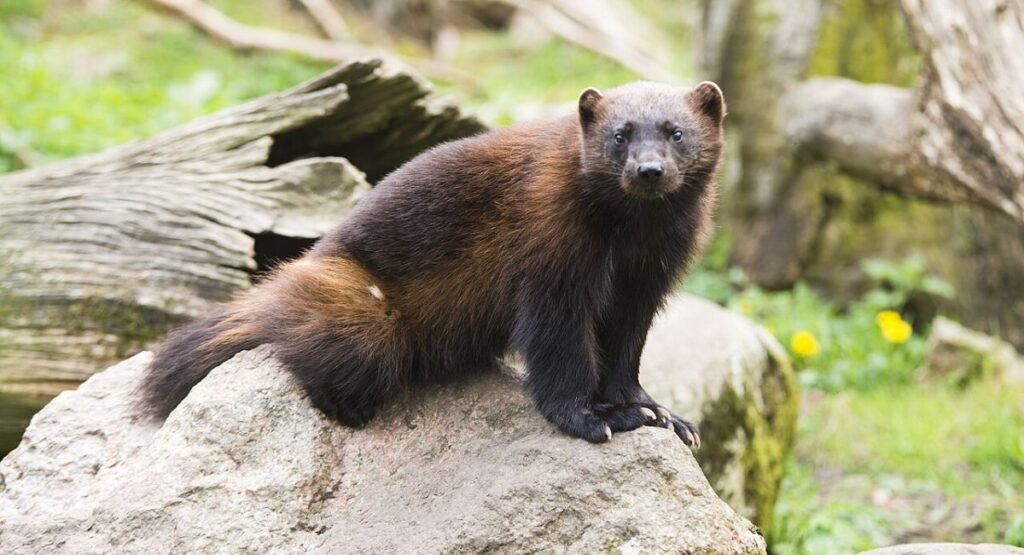
In real-life identification, badgers also look different. They’re broader, heavier in the shoulders, and their face pattern is usually a bold white stripe with darker “badges” down the sides hence the name. They’re also much more likely to be out in open country and grassland habitats than in suburban yards.
Read also Types of Marmots in North America: A Simple Field Guide
Outside North America: Zorillas And Striped Polecats
If you travel (or watch enough wildlife videos), you’ll see skunk look alikes in other parts of the world too. Africa’s zorilla and Europe’s striped polecat wear dramatic black-and-white patterns that scream “skunk,” even though they aren’t skunks.
Do Animals Like Skunks All Spray?
Skunks are the champions of spraying. Some other mammals can release musky scents from glands, but the classic skunk spray strong, oily, and persistent is what made skunks famous. If you’re trying to judge risk in your yard, treat any unknown skunk look alike as if it could spray. Give it space, don’t corner it, and let it keep moving.
What To Do When A Skunk Like Animal Shows Up In Your Yard
Most encounters end peacefully if you don’t force the issue. If the animal is just passing through, the best move is usually to let it. Keep pets inside for a few minutes, turn on an outdoor light, and avoid sudden movements. Skunks usually spray as a last resort, not as a greeting.
If skunks (or animals similar to skunks) keep returning, focus on what’s attracting them. Secure trash, feed pets indoors, clean up fallen fruit, and block off access to crawl spaces under sheds and decks. A yard that doesn’t offer easy food and shelter becomes less interesting over time.
Conclusion
Animals like skunks often evoke curiosity due to their distinct coloration and characteristic behaviors. While their resemblance to other creatures can be striking, knowing how to tell them apart is crucial for both safety and conservation.
Species like the badger and the opossum may share similar coloring but have very different habitats and diets. By understanding the differences between these skunk look-alikes, we can appreciate their unique roles in the ecosystem.
FAQs
What Other Animals Spray Like A Skunk?
Some animals, such as the Palawan Stink Badger, can spray a strong odor like skunks. They release a pungent liquid from special scent glands to scare away predators and protect themselves.
What Is The Closest Animal To A Skunk?
The Striped Polecat is one of the animals most similar to a skunk. It has a black-and-white striped body and can release a strong foul-smelling spray to defend itself from predators.
What Animal Is Similar To A Skunk?
Animals similar to skunks belong to the Mephitidae family, which includes skunks and stink badgers. This family has four main genera and about 13 different species that share similar scent-spraying defense systems.