Top 26 Animal Energy: The Most Energetic Animals and Why Some Feel Hyper
Among the most energetic animals, some exhibit astonishing agility and an unyielding zest for life that captivates our imagination. Learning about these vibrant creatures is crucial as it sheds light on the intricate relationships between energy, environment, and survival.
Their high levels of activity not only enchant observers but also serve as vital adaptations in the wild. This article will unravel the fascinating reasons behind their hyperactivity, enriching our understanding of animal behavior and ecology.
Animal Energy Is More Than Speed
Energy can be physical, like speed and stamina. It can also be mental, like constant problem solving and attention. The two often travel together.
Small animals tend to have fast metabolisms, which can look like endless motion. But body size isn’t the whole story. A large animal can be extremely energetic if its lifestyle demands it, and a small animal can be calm if it spends most of the day hiding and conserving energy.
What Is An Energetic Animal?
If you want a simple definition, here it is: an energetic animal is one that consistently seeks activity and stimulation. They don’t just enjoy play, they need it to feel balanced.
An energetic animal is often:
- Quick to investigate new sights and sounds
- Restless when life is too predictable
- Fast to recover after exercise
- Happiest when it has something to do, not just somewhere to be
Most Energetic Animals List
| No | Animal Name |
|---|---|
| 1 | Pronghorn |
| 2 | Ants |
| 3 | Arctic Tern |
| 4 | Dolphins |
| 5 | Kangaroos |
| 6 | Mustang Horse |
| 7 | Squirrel |
| 8 | Cheetahs |
| 9 | Adélie Penguin |
| 10 | Capuchin Monkey |
| 11 | Wolf |
| 12 | Hummingbirds |
| 13 | Tasmanian Devil |
| 14 | African Wild Dogs |
| 15 | Swallow |
| 16 | Siberian Husky |
| 17 | Dragonfly |
| 18 | Shrews |
| 19 | Sea Otters |
| 20 | Chimpanzee |
| 21 | Baby Goats |
| 22 | Border Collies |
| 23 | Honeybees |
| 24 | Jack Russell Terrier |
| 25 | Squirrel Monkeys |
| 26 | Peregrine Falcon |
Pronghorn
Scientific Name: Antilocapra americana
Class: Mammalia
Diet: Herbivore
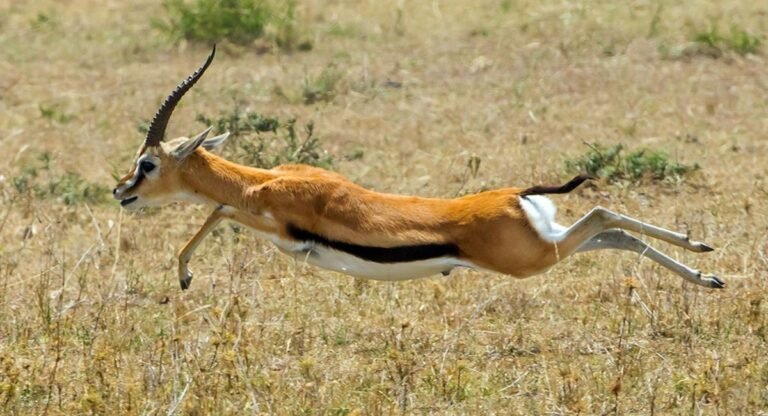
The pronghorn, native to North America’s grasslands, is often heralded as one of the fastest terrestrial animals, capable of reaching speeds up to 60 miles per hour. Their remarkable energy allows them to escape predators, making them masters of survival in the wild.
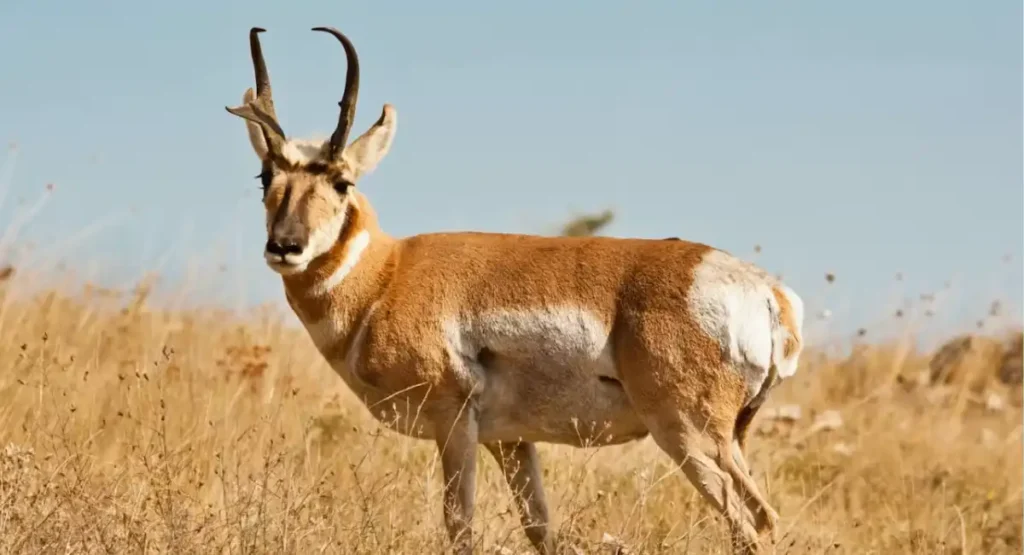
Pronghorns possess exceptional stamina, enabling them to outrun threats over long distances. Their unique adaptation includes a large heart, allowing them to sustain high energy levels, making them one of the most energetic animals around.
Ants
Scientific Name: Formicidae
Class: Insecta
Diet: Omnivore
Ants are often underrated in the animal kingdom, but these hyperactive insects can carry objects up to 50 times their body weight. Their energy is channeled into building intricate colonies, showcasing a collaborative spirit that makes them incredibly efficient.

Intelligence among ants is remarkable, as they communicate through pheromones and exhibit advanced problem-solving skills. This social behavior allows for seamless teamwork, illustrating how energetic animals can thrive in cooperative environments.
Arctic Tern
Scientific Name: Sterna paradisaea
Class: Aves
Diet: Carnivore
The Arctic Tern is famous for its astonishing migration, traveling about 71,000 kilometers annually between Arctic and Antarctic regions. This high-energy bird’s relentless journey exemplifies its remarkable stamina and navigational abilities.
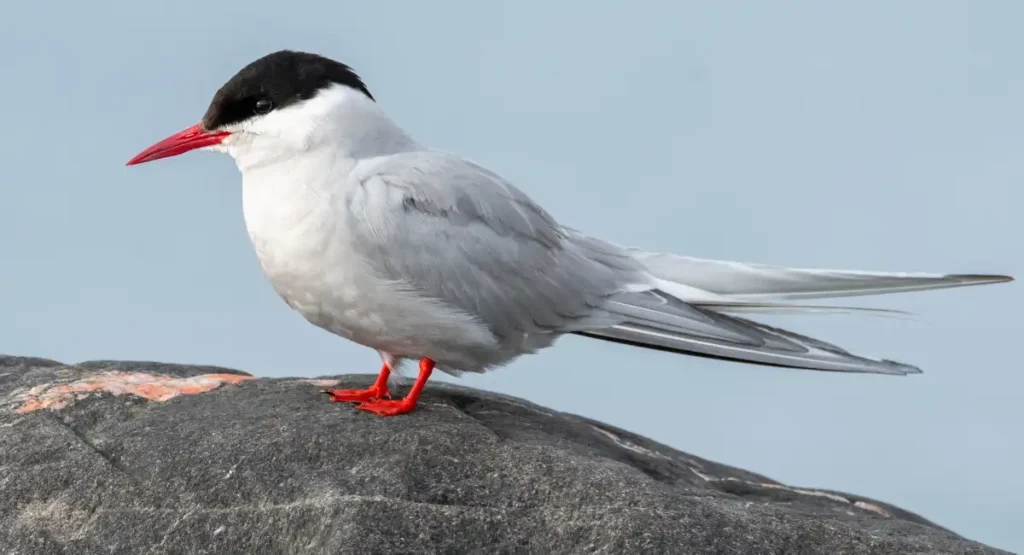
With exceptional vision and diving skills, the Arctic Tern hunts efficiently in both fresh and saltwater. Their migratory behavior and social nature make them one of the most active animals against the backdrop of the vast natural world.
Dolphins
Scientific Name: Delphinus
Class: Mammalia
Diet: Carnivore
Dolphins are renowned for their playful behavior and high energy, often leaping and riding waves with grace. Their agility in the water is astonishing, allowing them to communicate and socialize effectively within their pods.

Dolphins have been observed using tools and displaying complex behaviors. Their high energy is matched by their strong family bonds, making them not only hyper animals but also captivating social creatures.
Kangaroos
Scientific Name: Macropus
Class: Mammalia
Diet: Herbivore
Kangaroos are Australia’s iconic high-energy animals, capable of bounding great distances using their powerful hind legs. Their exceptional speed and agility help them navigate the open bushland while avoiding predators.
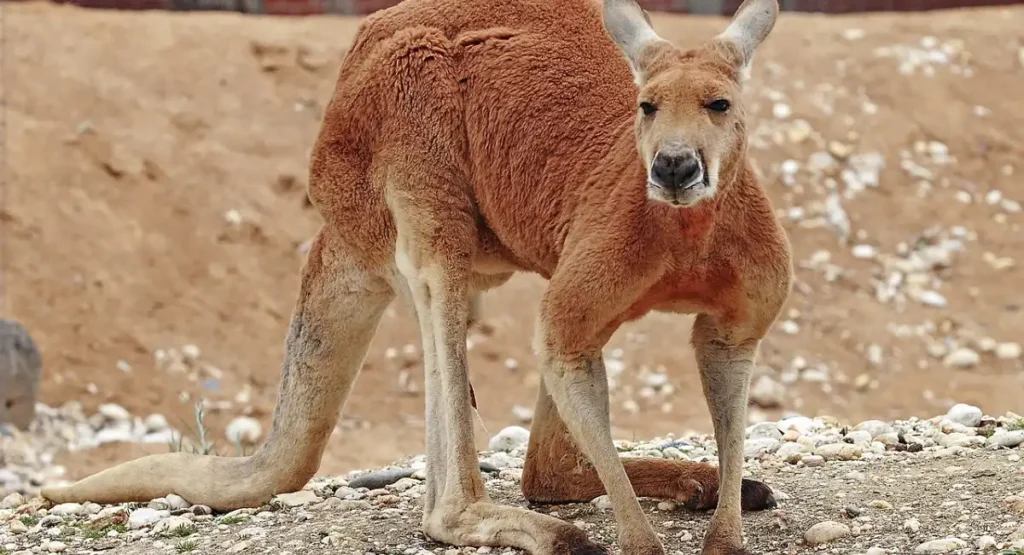
Social and fascinating, kangaroos travel in groups called mobs, which enhances their safety and fosters strong social bonds. Their unique hopping style allows for efficient travel, showcasing their remarkable adaptations in the wilderness.
Mustang Horse
Scientific Name: Equus ferus caballus
Class: Mammalia
Diet: Herbivore
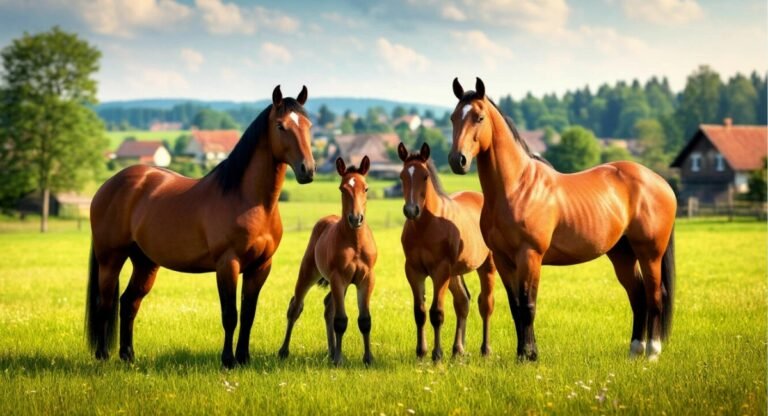
The Mustang horse is a symbol of freedom, showcasing incredible energy and speed as they roam the North American plains. These high-energy animals can run at speeds of up to 30 miles per hour, making them agile escape artists.
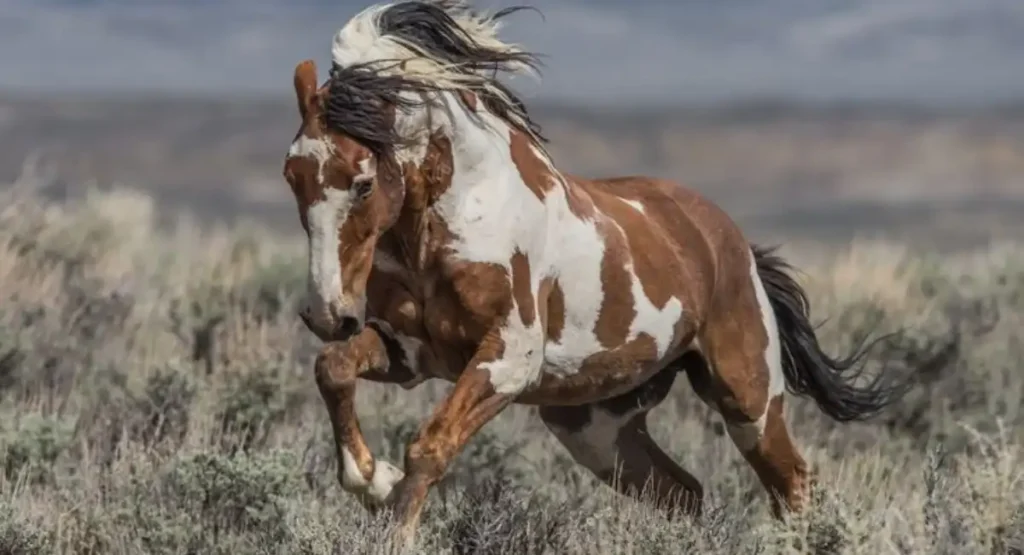
Mustangs possess a strong instinct for survival, thriving in herds and showcasing intelligent social behaviors. Their endurance and adaptability make them captivating examples of nature’s energetic artistry.
Squirrel
Scientific Name: Sciuridae
Class: Mammalia
Diet: Omnivore
Squirrels exhibit boundless energy as they dart through trees with impressive agility. Their acrobatics and quick reflexes are essential for evading predators while foraging for food.
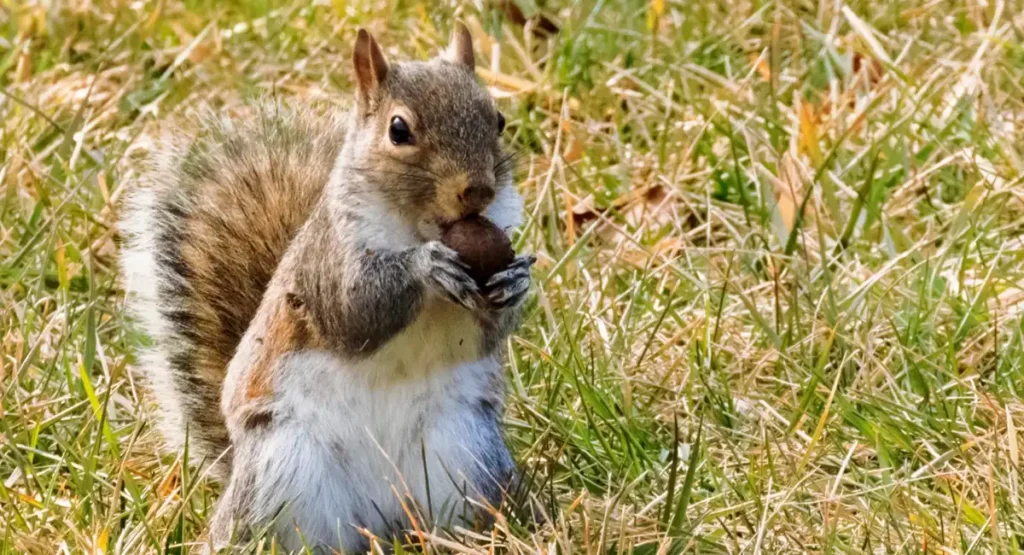
These hyperactive animals showcase complex nut-stashing behaviors and social interactions. Their intelligence allows them to adapt to various habitats, rendering them among the animals with lots of energy.
Cheetahs
Scientific Name: Acinonyx jubatus
Class: Mammalia
Diet: Carnivore
Cheetahs are the fastest land animals, capable of reaching speeds up to 75 miles per hour in short bursts. Their high energy is finely tuned for chasing down prey, allowing them to make quick, explosive sprints.
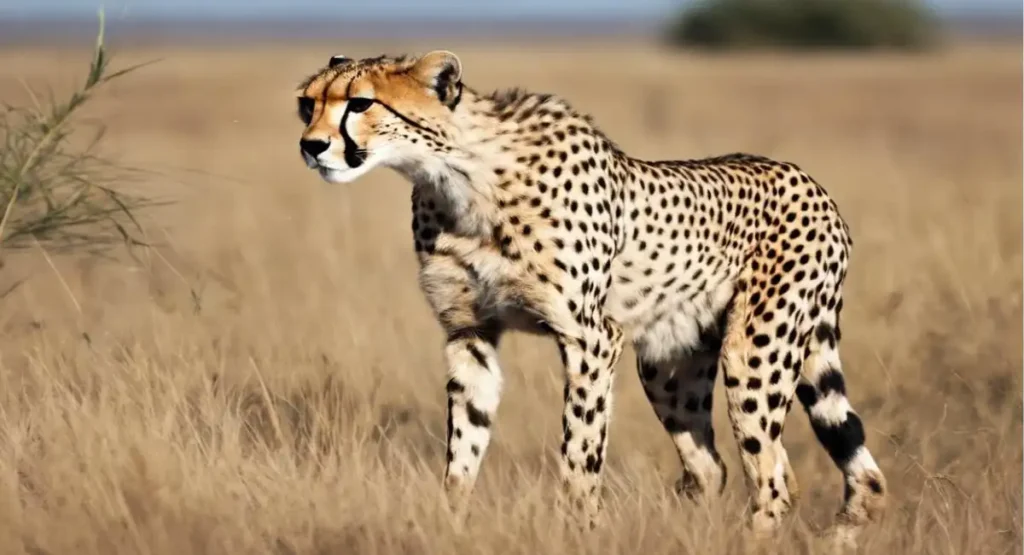
These incredible hunters rely on their keen eyesight and unique hunting techniques, often using stealth to get close to their target. The combination of speed and strategy makes cheetahs one of the most active animals in the wild.
Adélie Penguin
Scientific Name: Pygoscelis adeliae
Class: Aves
Diet: Carnivore
Adélie penguins are celebrated for their energetic swimming and remarkable agility in icy waters. These animals with high energy are often seen plunging into the ocean and zipping around as they hunt for krill and fish.
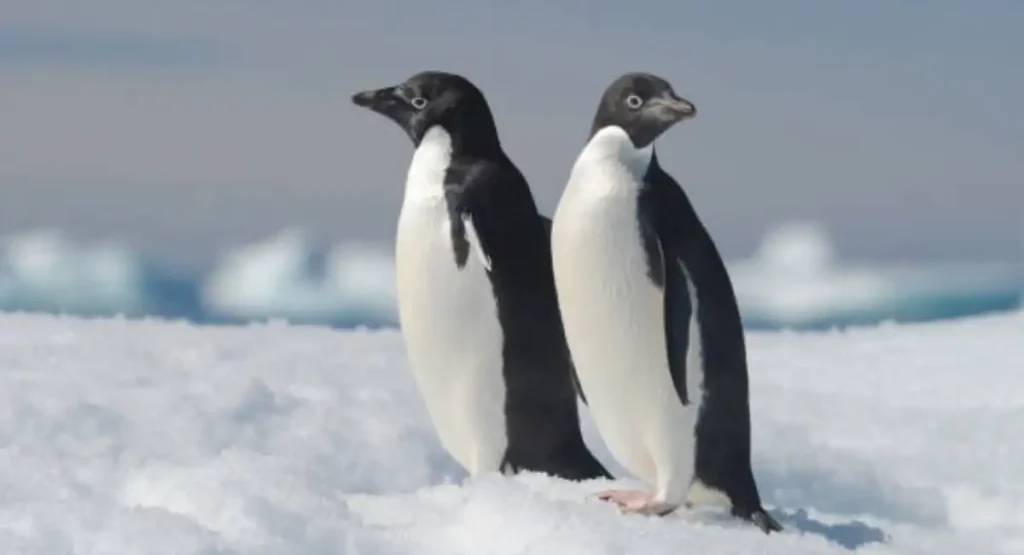
Their social nature is enhanced by their playful antics and communal nesting practices. This spirited behavior makes Adélie penguins fascinating examples of how energetic animals adapt to extreme environments.
Capuchin Monkey
Scientific Name: Cebus
Class: Mammalia
Diet: Omnivore
Capuchin monkeys are often regarded as one of the most intelligent primates, showcasing incredible agility and playfulness. Their high energy levels allow for dynamic social interactions as they leap through trees in the rainforest.
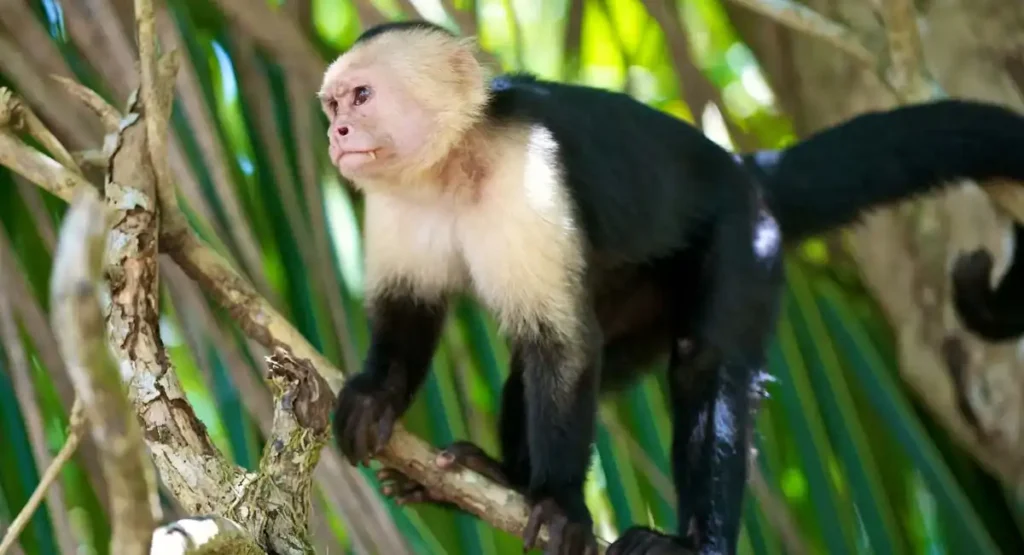
These hyperactive animals possess remarkable problem-solving skills and use tools, highlighting their intelligence. Their social structures are complex, with strong bonds that enhance their cooperative hunting strategies.
Wolf
Scientific Name: Canis lupus
Class: Mammalia
Diet: Carnivore
Wolves are known for their high energy and complex social structures, which enable them to thrive in various habitats. These pack animals exhibit strong bonds and coordinated hunting strategies, showcasing their remarkable teamwork.
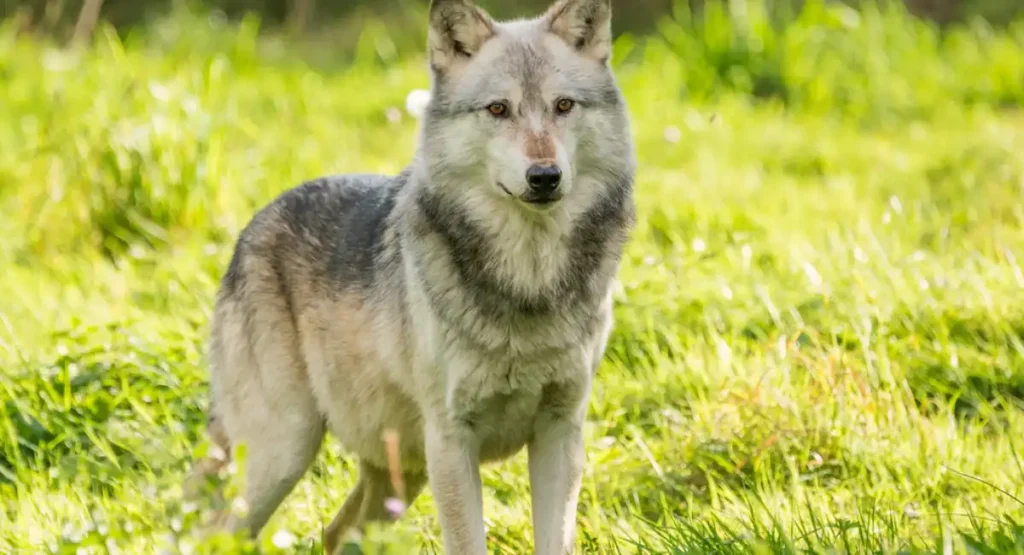
Their intelligence is highlighted by their ability to communicate effectively through vocalizations and body language. This social behavior not only strengthens group dynamics but also underscores their status as one of nature’s most efficient hunters.
Hummingbirds
Scientific Name: Trochilidae
Class: Aves
Diet: Nectarivore
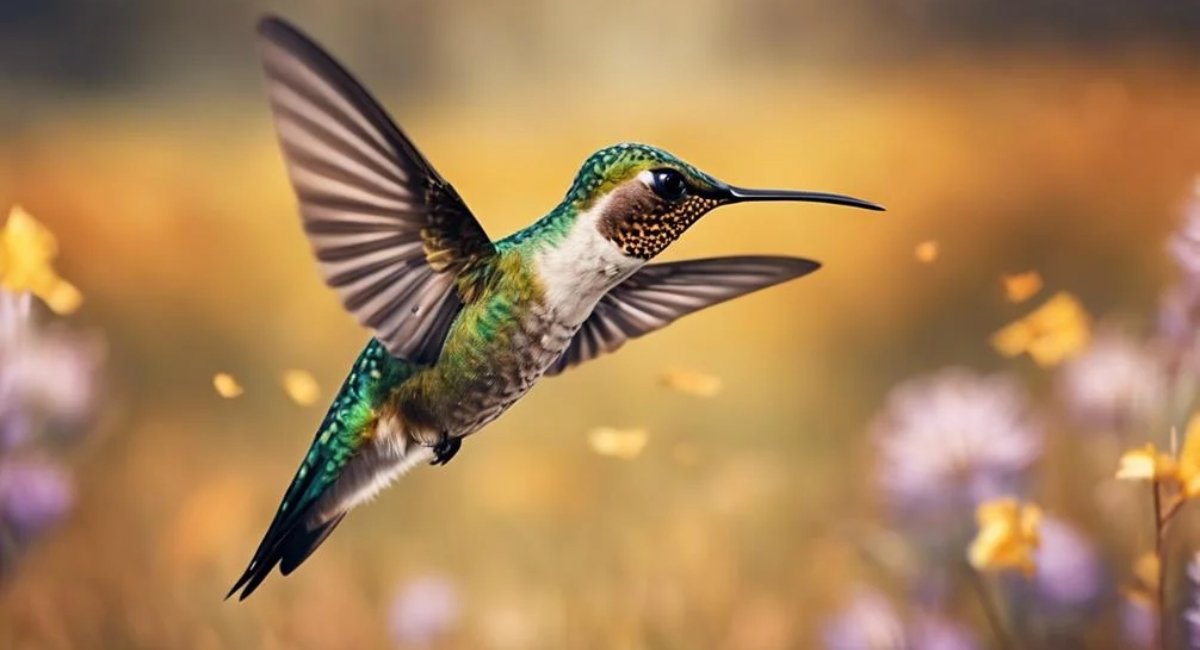
Hummingbirds are miniature marvels, known for their dazzling flight and astounding metabolism. These energetic little birds can flap their wings up to 80 times per second, enabling them to hover and maneuver with grace.
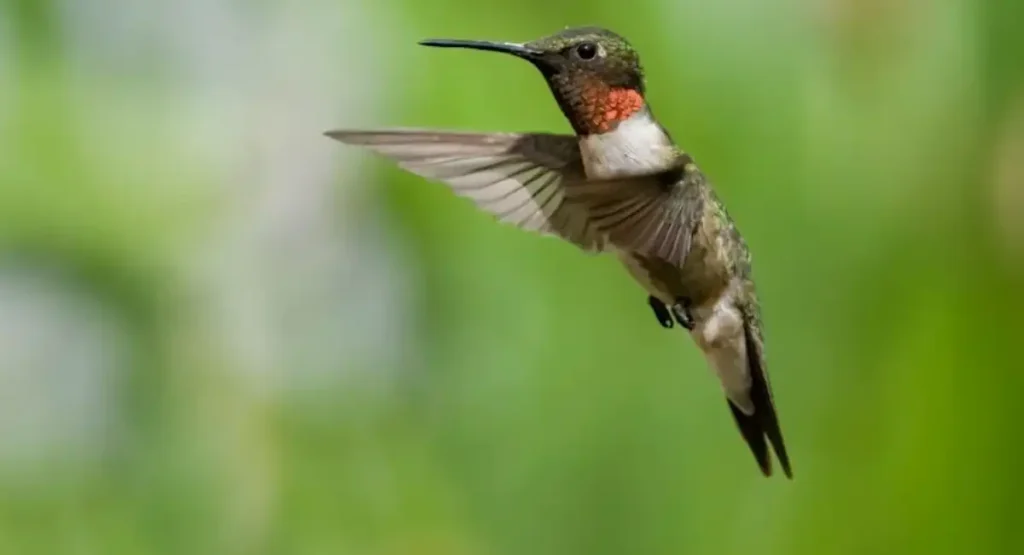
Their vibrant colors and territorial behaviors make them captivating to observe. Hummingbirds play a vital role in pollination, showcasing the interconnectedness of high energy animals and their environments.
Tasmanian Devil
Scientific Name: Sarcophilus harrisii
Class: Mammalia
Diet: Carnivore
Tasmanian devils are known for their incredible energy and unyielding scavenging tendencies, making them true survivors. Their powerful jaws allow them to consume almost every part of their prey, showcasing resilience in a challenging ecosystem.
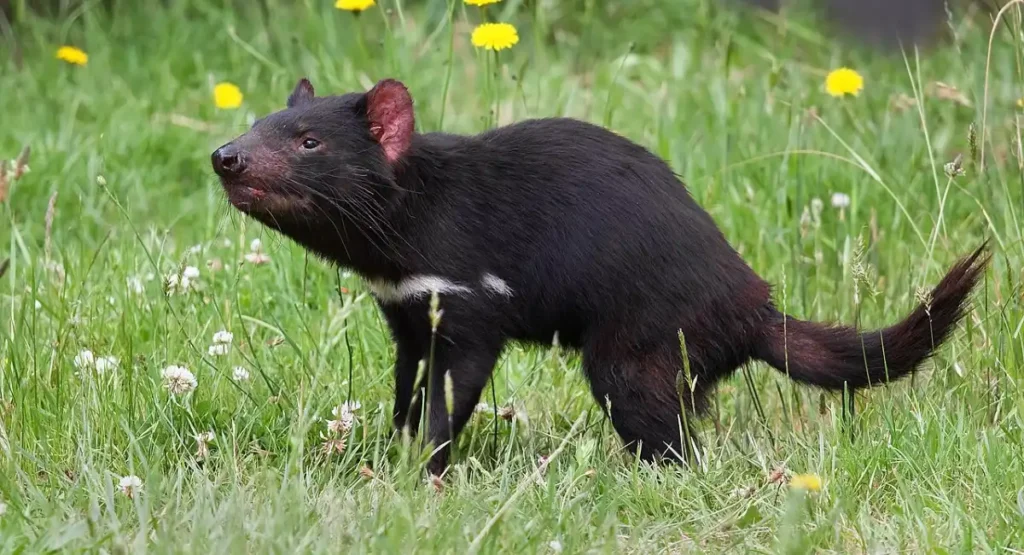
These hyperactive animals display fascinating social interactions, often found engaging in vocalizations and physical displays during mealtime. Their unique characteristics make them stand out among the most energetic animals in their habitat.
Frican Wild Dogs
Scientific Name: Lycaon pictus
Class: Mammalia
Diet: Carnivore
African Wild Dogs are renowned for their incredible social dynamics and stamina. These energetic animals exhibit high energy levels during hunts, often traveling several miles in pursuit of their prey. Their agility and teamwork make them formidable hunters in the wilderness.
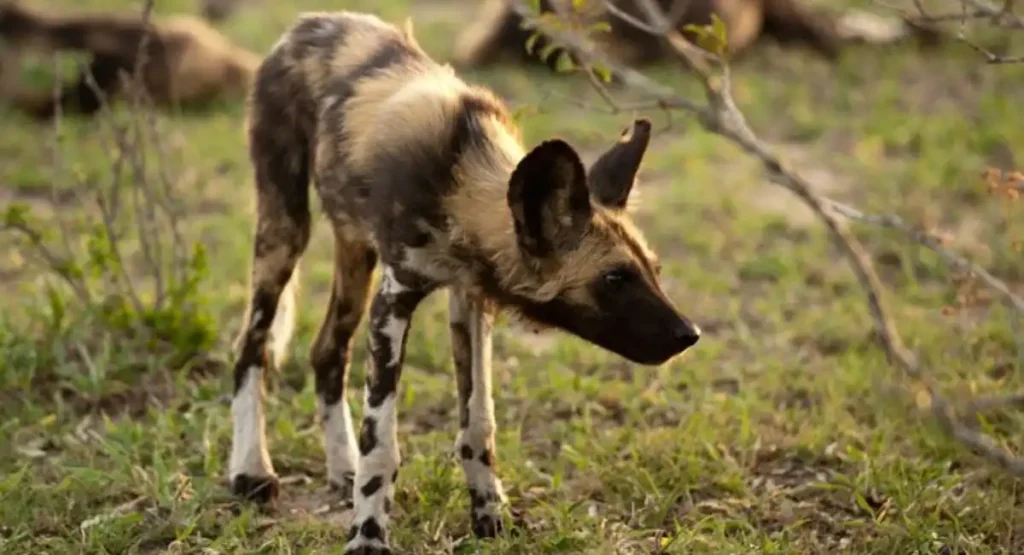
Socially, these pack animals showcase remarkable communication skills and social bonds. Their hyperactive nature plays a crucial role in their hunting strategies, allowing them to coordinate effectively.
Swallow
Scientific Name: Hirundinidae
Class: Aves
Diet: Insectivore
Swallows are among the most energetic animals in the avian world, known for their acrobatic aerial displays. These high energy animals can cover vast distances while feeding, showcasing incredible speed and agility as they catch insects on the fly.
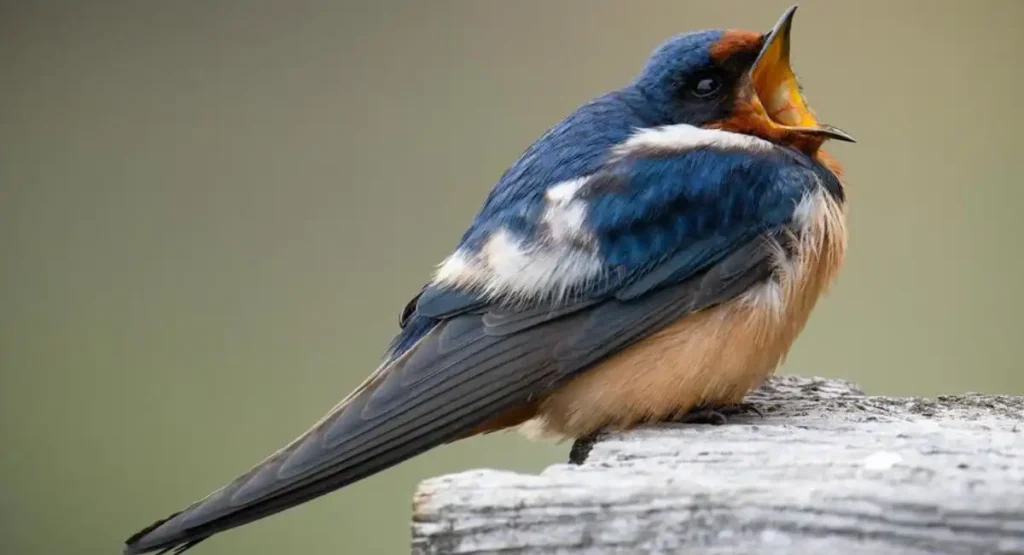
With their sleek bodies and pointed wings, swallows embody agility and endurance. Their communal roosting behavior highlights their social nature, making them one of the most active animal species in the sky.
Siberian Husky
Scientific Name: Canis lupus familiaris
Class: Mammalia
Diet: Omnivore
Siberian Huskies are popular for their vibrant personalities and high energy levels. Particularly suited for cold climates, these energetic animal species thrive in active environments, needing ample exercise to maintain their physical and mental well-being.
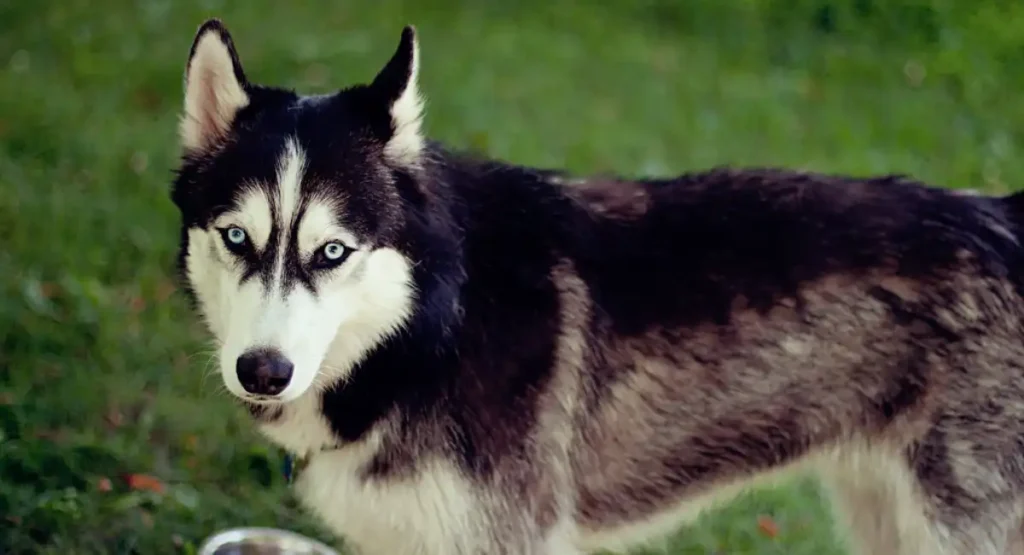
Known for their remarkable endurance, these dogs often excel in activities like sledding and running. Their intelligence allows them to adapt quickly, and they thrive in social situations, making them excellent companions for active families.
Dragonfly
Scientific Name: Anisoptera
Class: Insecta
Diet: Carnivore
Dragonflies exhibit extraordinary agility and speed, making them one of the most active insects. As hyperactive animals, they can dart swiftly in all directions, hunting smaller insects and demonstrating remarkable aerial prowess.
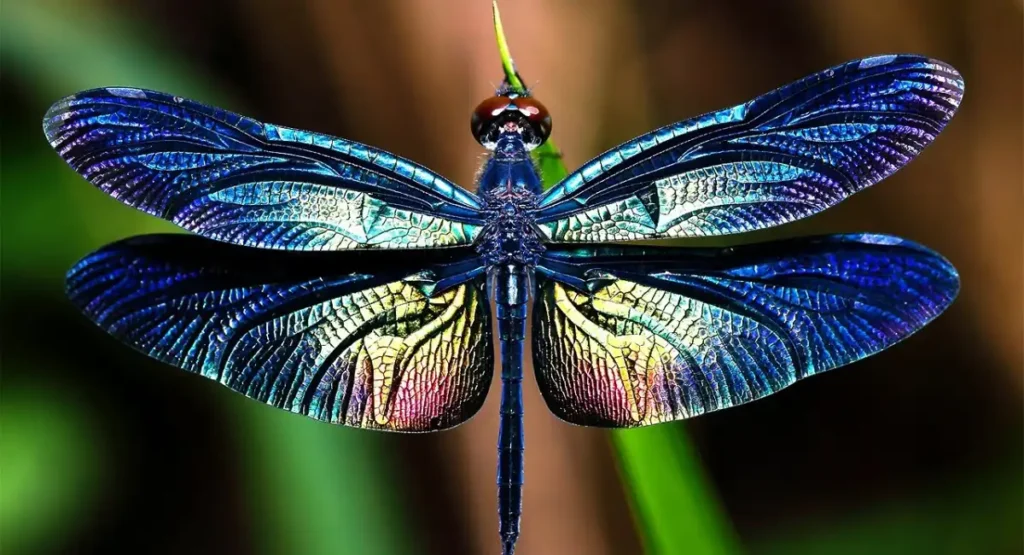
Their vibrant colors and impressive flight patterns not only aid in hunting but also attract mates. These energetic animals have a life cycle that reflects their active lifestyle, spending most of their time in their nimble adult form.
Shrews
Scientific Name: Soricomorpha
Class: Mammalia
Diet: Insectivore
Shrews are small but surprisingly energetic animals, often exhibiting frenetic activity as they search for food. These animals with lots of energy have incredibly fast metabolisms, requiring them to forage constantly for insects.
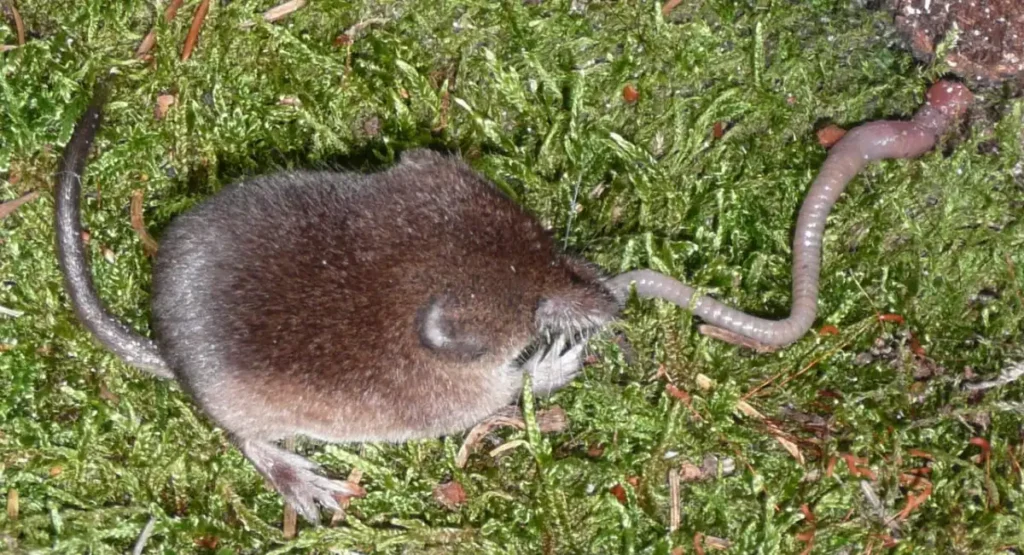
Despite their tiny size, shrews display remarkable intelligence and adaptability in their environments. Their high energy levels allow them to navigate various terrains efficiently, showcasing their importance in the ecosystem.
Sea Otters
Scientific Name: Enhydra lutris
Class: Mammalia
Diet: Carnivore
Sea otters are charming and playful high energy animals, known for their engaging swimming and diving behaviors. They exhibit remarkable agility in water, using tools to crack open shellfish, reflecting their intelligence and resourcefulness.
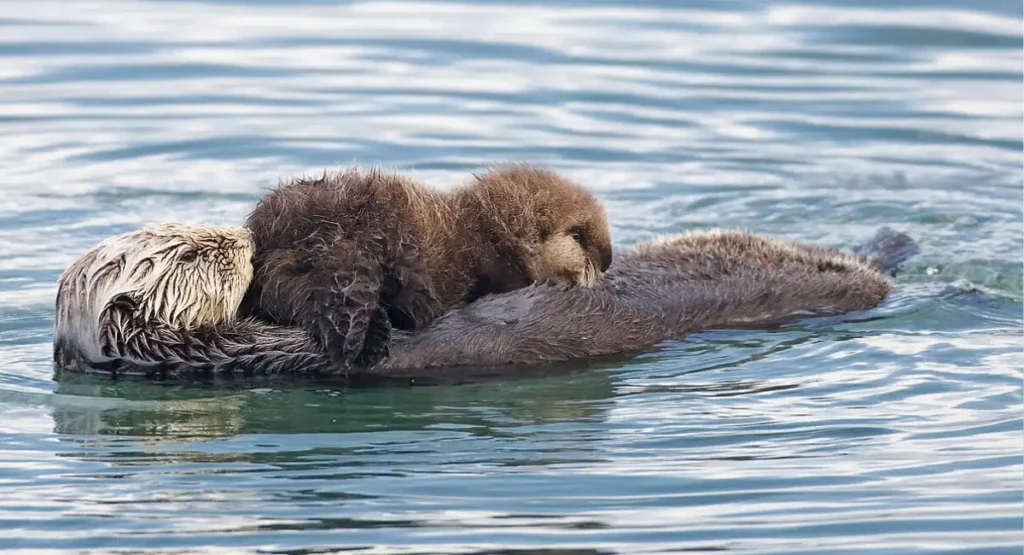
Social creatures, sea otters often float together in groups, showcasing a playful side as they engage in games. Their energetic lifestyle is vital for their survival, as they continually search for food in cold ocean waters.
Chimpanzee
Scientific Name: Pan troglodytes
Class: Mammalia
Diet: Omnivore
Chimpanzees are not only intelligent but also incredibly energetic animals, often displaying high energy levels as they swing between trees. Their agility allows them to move swiftly in their arboreal habitats, making them one of the most adaptive primates.
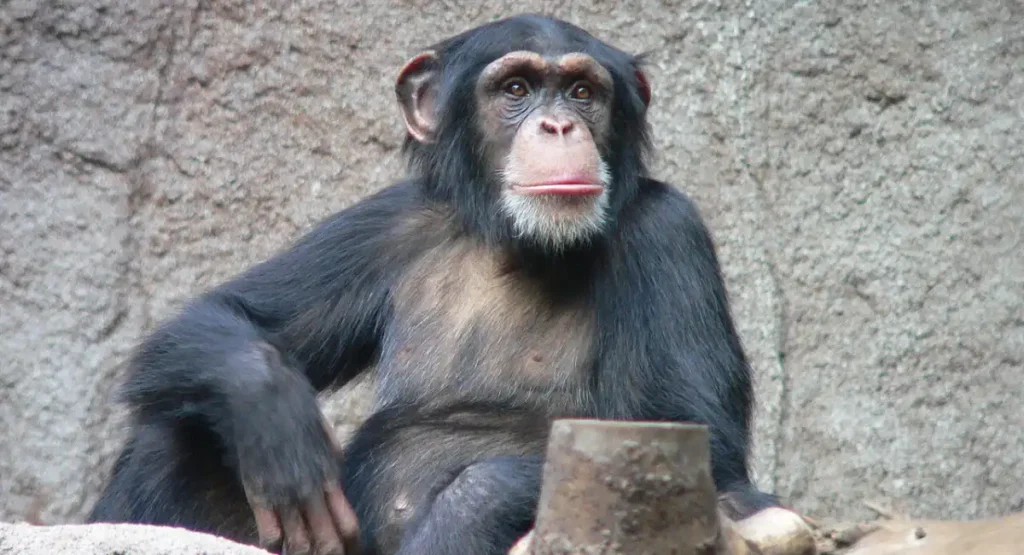
Their social behaviors are just as fascinating; chimpanzees engage in play and complex interactions that reflect their vibrant personalities. The dynamic lifestyle of these intelligent animals contributes to their energy levels and overall well-being.
Baby Goats
Scientific Name: Capra aegagrus hircus
Class: Mammalia
Diet: Herbivore
Baby goats, or kids, embody cuteness and energy combined, representing some of the most energetic animals in farm life. They are known for their playful behavior, often bounding and jumping around, which showcases their agility.
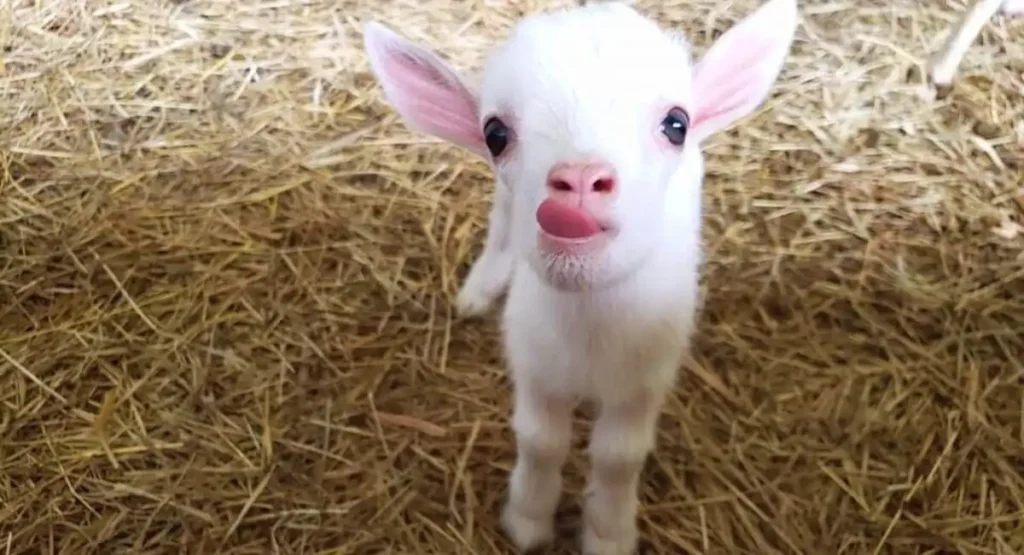
With high energy levels, these animals are often curious and adventurous, exploring their surroundings with enthusiasm. Their exuberant nature not only entertains but also stimulates their development as they learn to navigate their environment.
Border Collies
Scientific Name: Canis lupus familiaris
Class: Mammalia
Diet: Omnivore
Border Collies are celebrated for their intelligence and high energy levels, making them one of the most active animal breeds. Known for their herding abilities, these energetic animals thrive in environments that challenge their physical and mental capabilities.
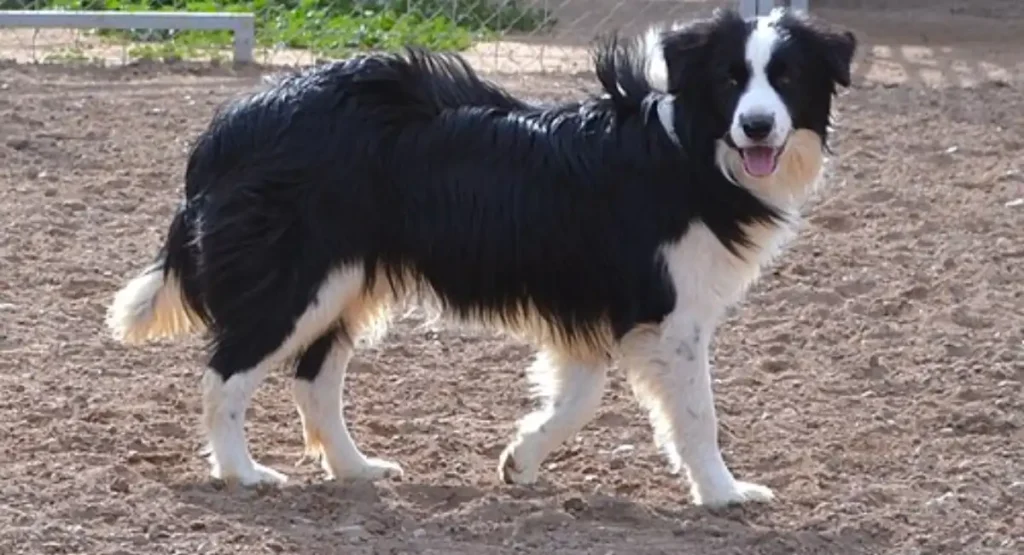
Their agility is unmatched, as they can change direction rapidly while working with livestock. This hyperactive temperament requires a committed owner ready to provide them with plenty of exercises and mentally stimulating activities.
Honeybees
Scientific Name: Apis mellifera
Class: Insecta
Diet: Herbivore
Honeybees are fascinating examples of energetic animal species, tirelessly working to gather nectar and pollen. Their high energy levels allow them to cover large distances daily, showcasing their vital role in pollination.
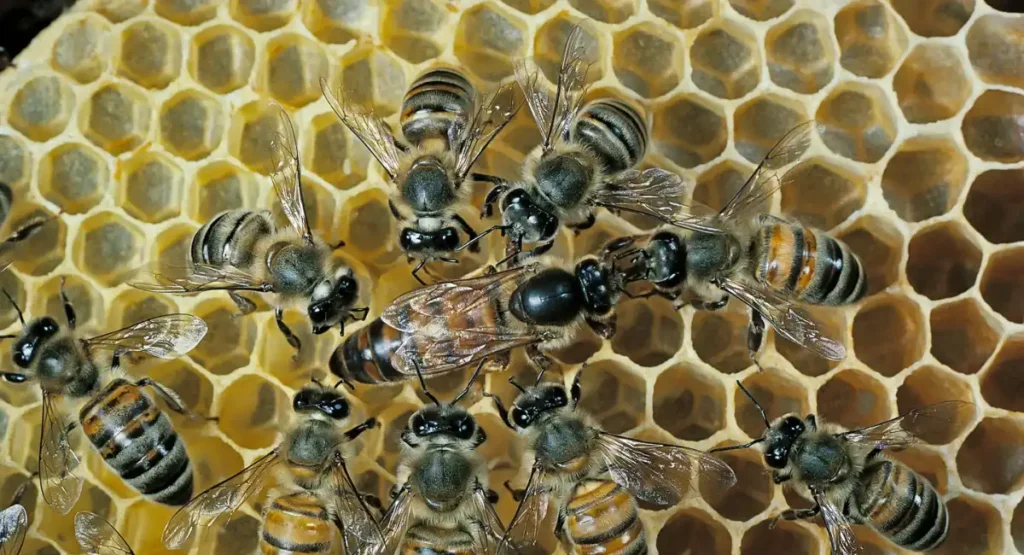
Their social structure is equally engaging, as each bee plays a specific role within the hive. The energetic behavior of honeybees not only boosts their productivity but also supports ecosystem diversity.
Jack Russell Terrier
Scientific Name: Canis lupus familiaris
Class: Mammalia
Diet: Omnivore
Jack Russell Terriers are small but incredibly energetic animals, bursting with enthusiasm and playfulness. Their agility makes them exceptional at various activities, from agility courses to hunting.

Renowned for their intelligence, these hyperactive dogs thrive when given tasks, requiring stimulation to keep their energy focused. Social interactions are key for them, as they are highly trainable and enjoy engaging with their families.
Squirrel Monkeys
Scientific Name: Saimiri sciureus
Class: Mammalia
Diet: Omnivore
Squirrel monkeys are playful and energetic animals with distinctive personalities. They are known for their agility as they leap between branches in search of food, showcasing their high energy lifestyle.
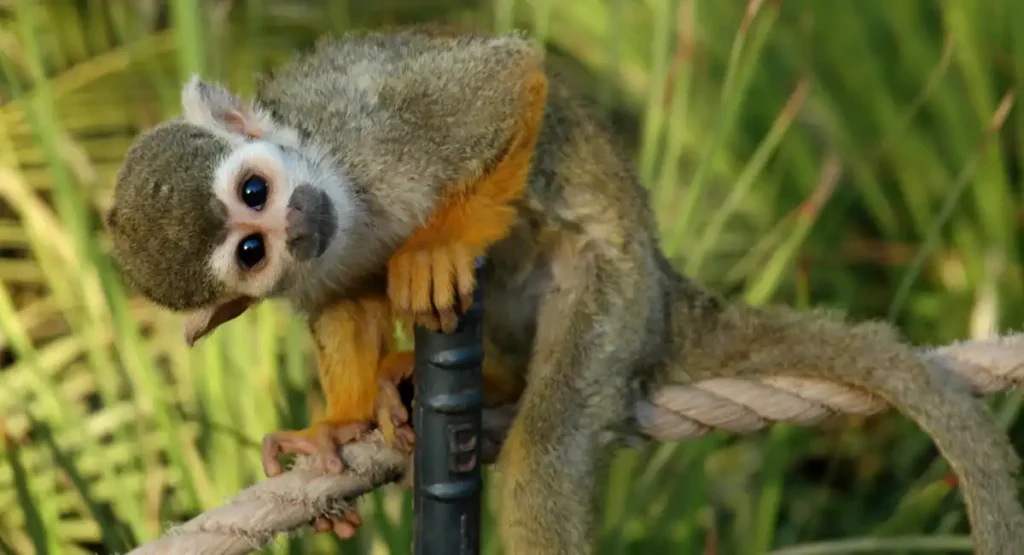
Their social behavior is complex, thriving in large groups where they engage in vocalizations and grooming. This social structure significantly contributes to their energetic disposition, keeping them lively and active.
Peregrine Falcon
Scientific Name: Falco peregrinus
Class: Aves
Diet: Carnivore
The Peregrine Falcon holds the title for being the fastest bird, reaching immense speeds during its hunting dives. As one of the most energetic animals in the skies, this agile predator relies on its incredible speed and precise movements to catch prey.
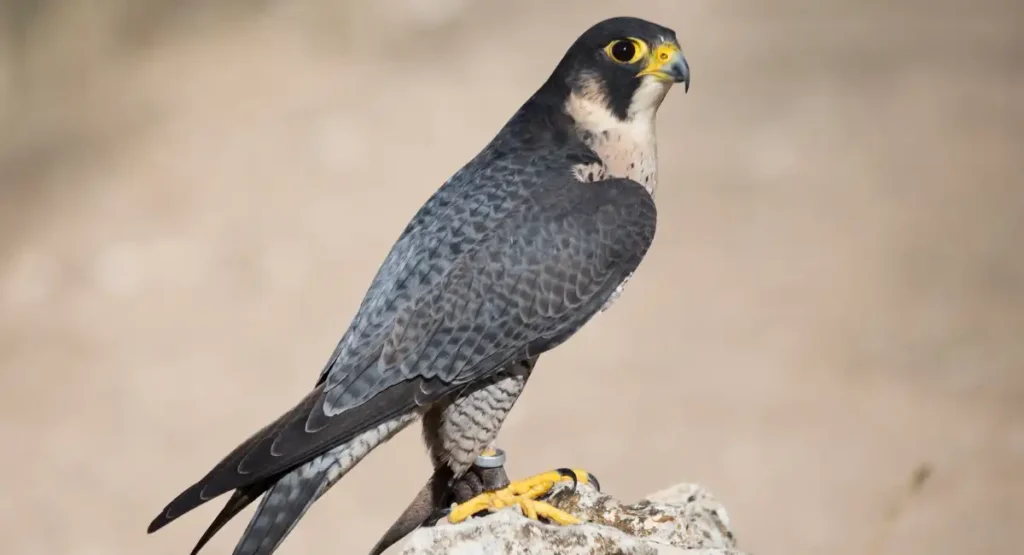
Renowned for its sharp eyesight and hunting skills, the peregrine falcon is both an intelligent and hyperactive bird. Its lifestyle emphasizes the importance of energy management in achieving survival as a top-tier predator.
Energetic Animals Vs Hyper Animals
High energy and hyper are not the same thing, even though they get mixed up online.
High energy animals have a strong drive and plenty of stamina. When they get enough exercise, training, and rest, they can relax.
Hyperactive animals often look like they can’t switch off. A hyper animal may bounce from one thing to the next, mouth or nip, bark or vocalize constantly, pace, or struggle to settle even after activity.
Many animals that are hyper are not “born bad.” They’re under exercised, over stimulated, anxious, overtired, or stuck in a routine that keeps revving them up.
Related: Supporting Cartilage and Ligament Health in Horses
Why Some Animals Have Lots Of Energy
Animal energy is shaped by biology and by behavior.
Biology includes metabolism, muscle fibers, oxygen delivery, and how fast an animal burns fuel. Behavior includes curiosity, boldness, persistence, and social drive.
Scientists sometimes talk about consistent differences between individuals as animal personality. In many species, traits like activity level and boldness link to how an animal finds food and grows over time. That doesn’t mean “personality” is a human-only idea. It means individuals can be predictably more active, more cautious, or more intense than others in the same species.
That’s why two dogs of the same breed can look completely different at home. One is calm with a short walk. The other is a walking tornado unless it gets a real job.
Most Active Animals In The World
- Hummingbirds: Hovering flight is extremely expensive, and hummingbirds can run some of the highest mass specific metabolic rates among vertebrates. Their bodies are built to turn sugar into motion fast.
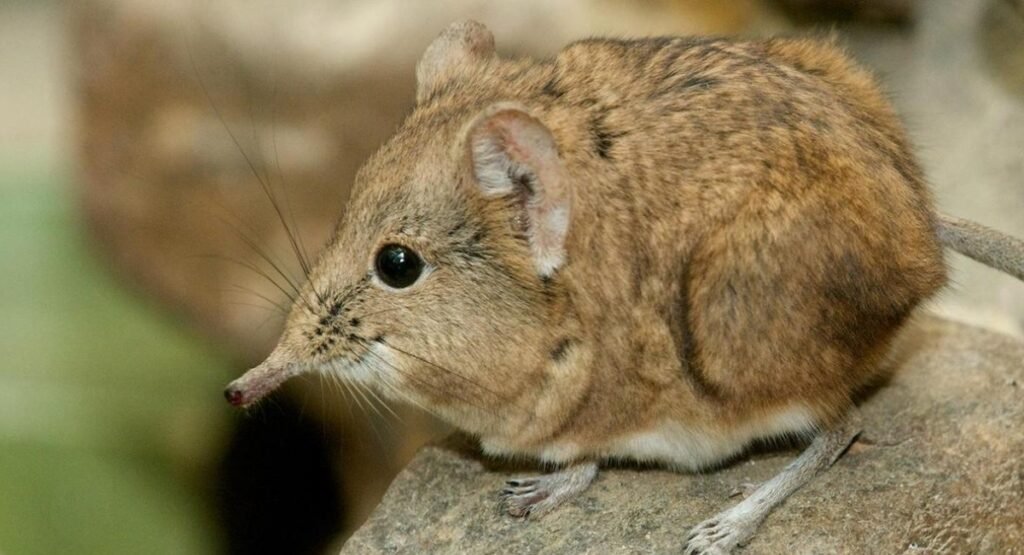
- Shrews: Tiny insect eaters that must eat frequently to keep up with their metabolism. They look frantic because, in a way, they are.
- Ants and bees: Individually small, but as a colony they are nonstop. Foraging, building, defending, tending, repeating.
- Dolphins: Social, curious, and always working, traveling, hunting, playing, communicating.
- Wolves and wild dogs: Endurance movers. Their day can involve covering long distances, tracking, coordinating, and scanning.
High Energy Animals In Everyday Life
In home life, energy shows up in a different way. You’re not judging an animal by how many miles it travels in a day. You’re judging it by whether it can relax between activities.
Some common high energy animals people live with:
- Working and herding dogs: Many were bred for daily tasks, not a quick stroll.
- Sporting dogs: Many love to run, retrieve, search, and problem solve.
- Young cats: Especially confident kittens and teenagers. Their play style is hunt practice.
- Ferrets and rats: Small bodies, big curiosity, lots of movement.
- Parrots: High brain power plus high need for interaction and enrichment.
If you love energetic animals, your life can be a perfect match. If you prefer quiet, it can feel like living with a perpetual motion machine.
Helping A Hyper Animal Settle
This is the part most people miss: you can’t fix a hyper animal by adding more chaos. You fix it by building better outlets and better recovery.
Try a mix of:
- Movement with a purpose (sniff walks, searching games, chasing a toy with rules)
- Short training sessions (five minutes done well beats thirty minutes of nagging)
- Calm enrichment (chewing, licking, foraging toys)
- Protected sleep (especially for puppies and young pets)
Also, check the basics. If an animal suddenly becomes wild or restless, don’t assume it’s “just energy.” Pain, itchiness, gut discomfort, and anxiety can all look like hyper behavior.
Read also Top 13 Amazing Animals That Live in Bogs (With Unique Facts & Images)
Conclusion
The most energetic animals display extraordinary levels of activity that captivate our attention and spark our curiosity. Animals like the hummingbird and the African wild dog highlight how different environments and survival strategies influence energy expenditure and behavior.
By understanding the reasons behind their hyperactivity, we gain a deeper appreciation for their roles in ecosystems and their unique adaptations. These insights remind us that energy is not just a physical trait, but a vital component of survival and interaction in the wild.
FAQs
Which Animal Has The Highest Energy?
The Hummingbird has the highest energy output among warm-blooded animals due to its rapid wing beats and fast metabolism.
What Animal Is Known To Be Energetic?
Animals like the African Wild Dog, Adélie Penguin, and Tasmanian Devil are known for their high activity levels and stamina.
Which Is The Most Energetic Animal?
The Pronghorn is one of the most energetic animals, capable of running at high speeds over long distances without tiring quickly.
Which Animal Is The Most Playful?
The Dolphin is considered the most playful animal, often engaging in games, jumps, and social interactions for fun.
What Animal Makes Positive Vibes?
Animals like Dog, Elephant, and Peacock are known for bringing positive energy and joy.
What Animals Attract Wealth?
Symbolic animals such as the Dragon, Elephant, and Koi Fish are believed to attract wealth and prosperity.