12 Most Anxious Animals In The World That Fear Everything
The most anxious animals in the world reveal a hidden side of nature that many may overlook. Just like humans, animals experience anxiety, often driven by their survival instincts in response to threats from their environment.
Let’s uncover twelve of these anxious creatures, showcasing their behaviors and the challenges they face. By exploring their unique stress responses, readers will gain a deeper understanding of the complex emotional lives of anxious animals and how anxiety plays a crucial role in their survival.
What Are The Most Anxious Animals In The World?
Many animals display heightened levels of anxiety, particularly those in prey categories. Species such as deer, rabbits, and various birds exhibit survival instincts that keep them constantly alert. Their nervousness, a result of evolutionary adaptation, enables them to detect potential predators before it’s too late.
Anxious behaviors are not only evident in their physical reactions, such as freezing or bolting at any hint of danger, but also in their social structures and interactions. For instance, herd animals may establish hierarchies that help mitigate risks associated with being separated from the group. If you’ve ever wondered what animal has the most anxiety, the answer often depends on how researchers measure fear, stress, and survival responses in the wild.
List of Anxious Animals In The World
| Number of Animals | Names of Most Anxious Animals |
|---|---|
| 1 | Cheetahs |
| 2 | Horses |
| 3 | Ostriches |
| 4 | Guinea Pigs |
| 5 | Ducks |
| 6 | Meerkats |
| 7 | Goats |
| 8 | Rabbits |
| 9 | Dogs |
| 10 | Chimpanzees |
| 11 | Deer |
| 12 | Zebras |
Cheetahs (Are Cheetahs Anxious Animals?)
Cheetahs (Acinonyx jubatus), classified under the class Mammalia and the family Felidae, are fascinating creatures known for their exceptional speed. However, their carnivorous diet comes with significant challenges, primarily related to competition and predation. Despite being the fastest land animals, their vulnerability often stems from the constant threat of larger predators such as lions and hyenas, which can easily outmatch them.
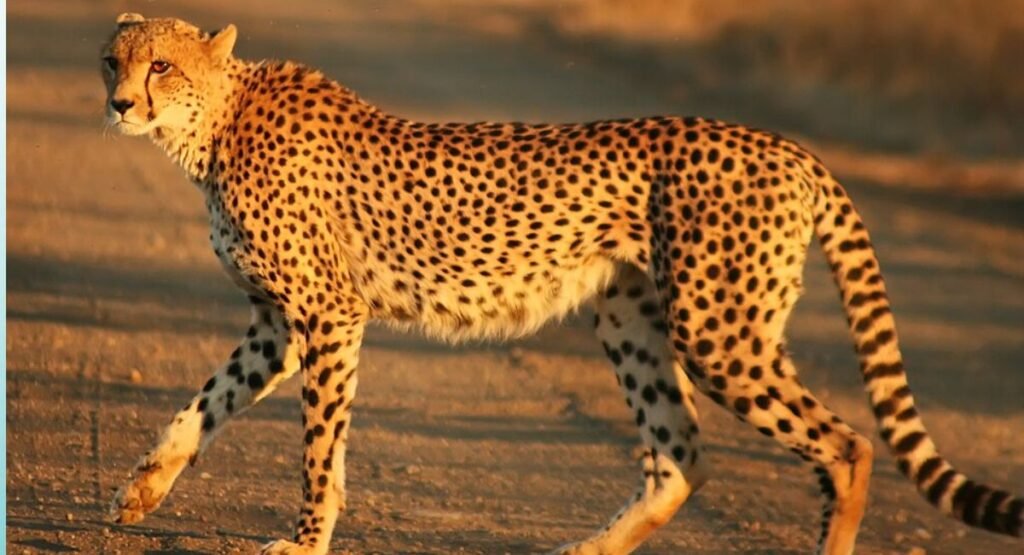
Research indicates that this vulnerability contributes to heightened stress levels in cheetahs, particularly when competing for prey. The anxiety of losing a hard-earned meal can increase cortisol levels, impairing their overall well-being. In the wild, the stakes are high, as the pressure to hunt successfully means every chase carries the potential for failure.
It’s worth noting that the predators cheetahs fear most rank among the most powerful creatures on earth. Understanding the strongest animals in the world gives you a clearer picture of just how intense the pressure is that drives cheetah anxiety on a daily basis.
Horses
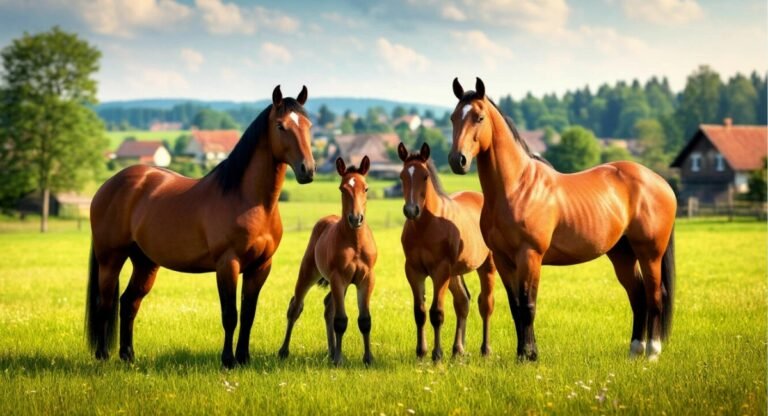
Horses (Equus ferus caballus), classified under the class Mammalia and family Equidae, are fascinating creatures with an herbivorous diet. Their prey-animal instincts are finely tuned, allowing them to survive in the wild amid potential predators.
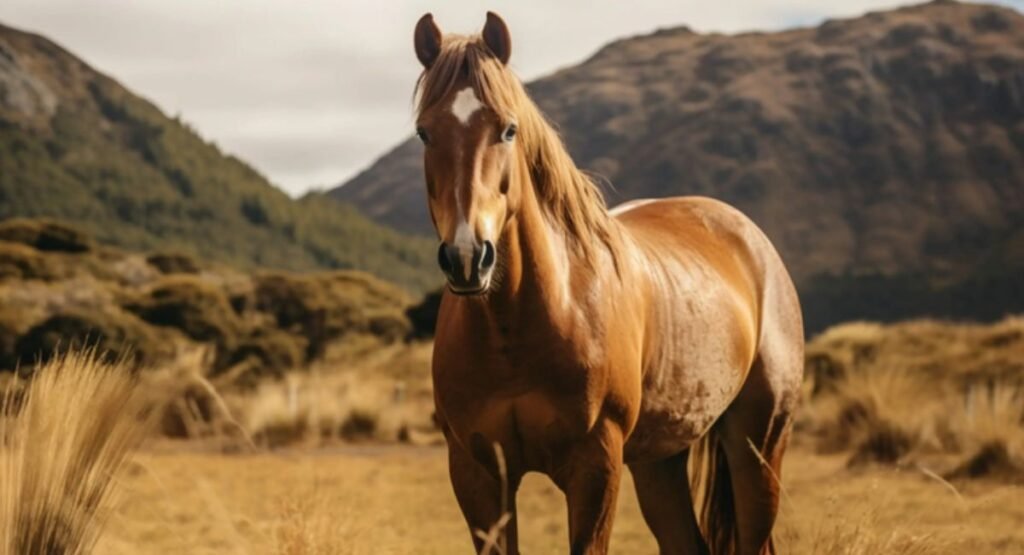
Highly alert and sensitive to their environment, horses constantly assess their surroundings. They rely heavily on their acute hearing and vision, picking up on subtle cues in human behavior as well. This instinctual nature enables them to detect danger before it becomes imminent, making them one of nature’s most observant nervous animals.
Ostriches
Ostriches (Struthio camelus), categorized under the class Aves and family Struthionidae, are fascinating creatures known for their unique behaviors and impressive physical attributes. As omnivores, they possess a diverse diet that includes plants, seeds, and insects, showcasing their adaptability to various environments.
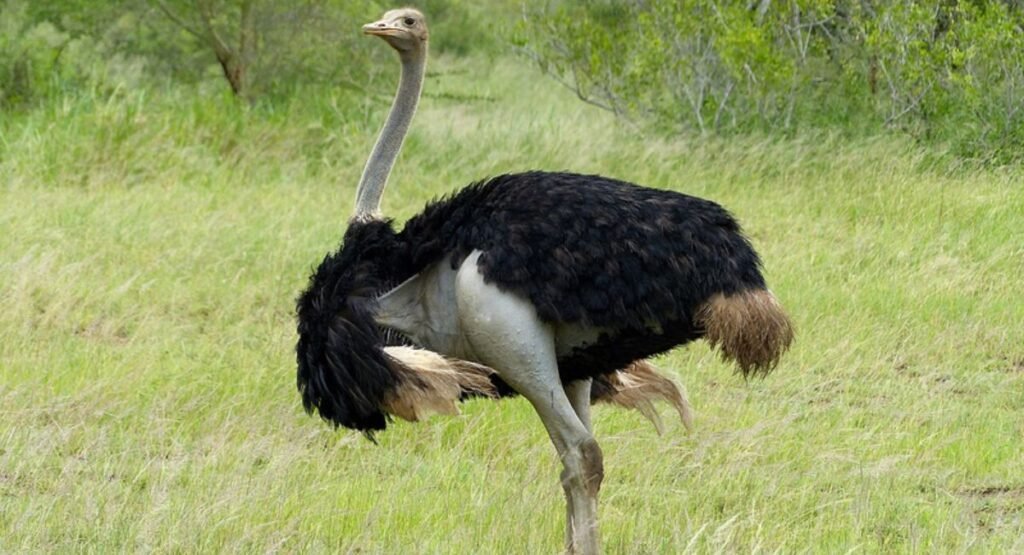
When threatened, ostriches exhibit remarkable running and hiding behavior driven by their strong survival instincts. Despite their large size, they can sprint at speeds up to 45 miles per hour, using their agility to escape from predators.
Guinea Pigs
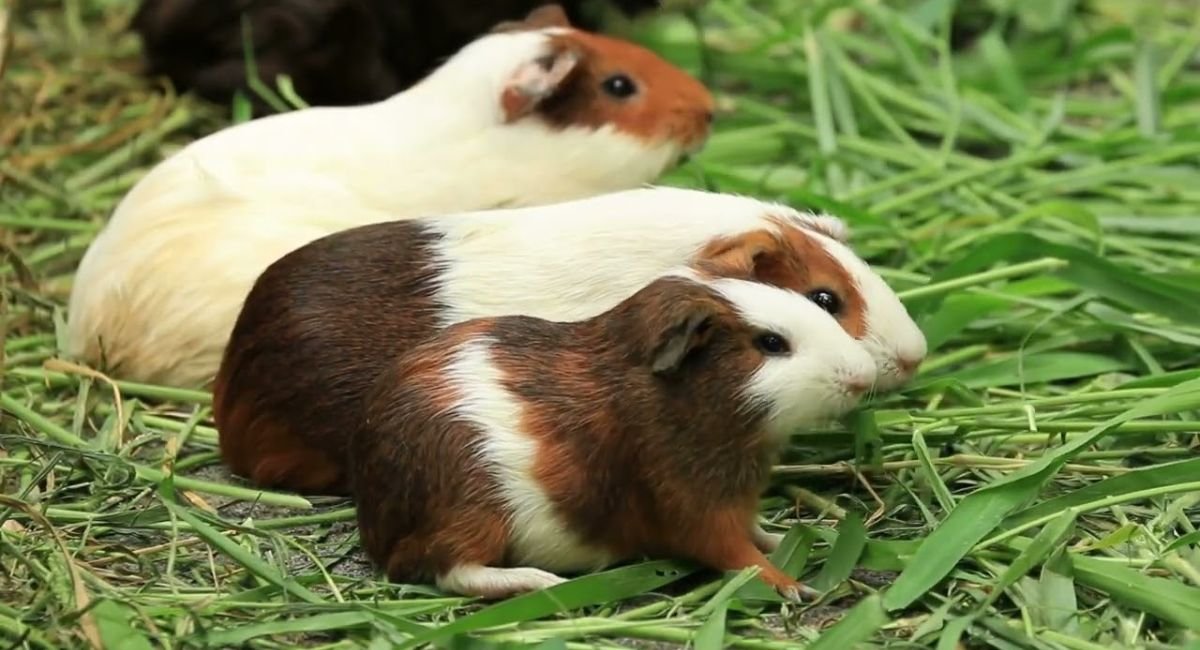
Guinea pigs, scientifically known as Cavia porcellus, belong to the class Mammalia and the family Caviidae. As herbivores, their diet primarily consists of hay, fresh vegetables, and pellets, providing necessary nutrients for their well-being. However, their sensitivity to noise and environment is a crucial aspect of their care that often goes overlooked.
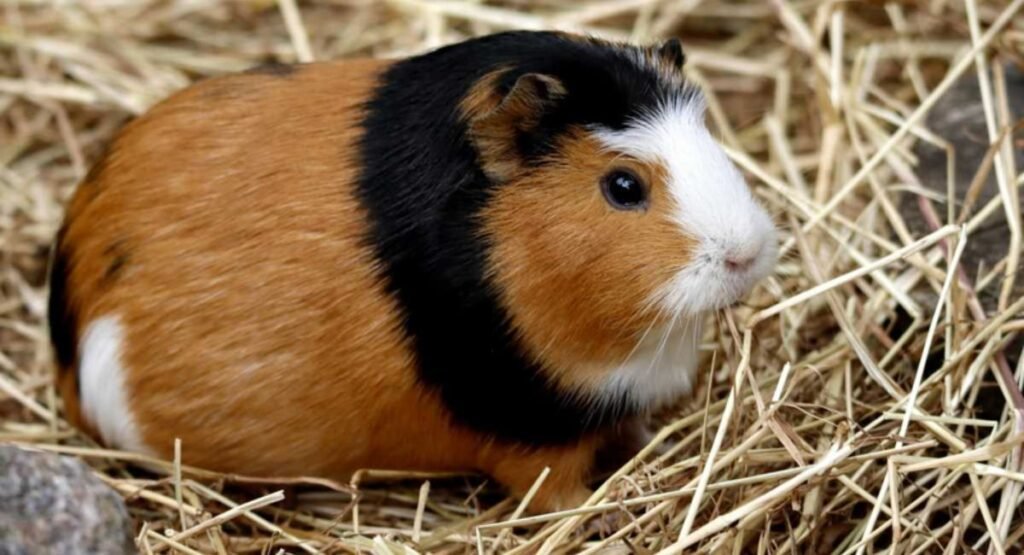
These charming creatures can easily become stressed in loud or chaotic surroundings. Their keen hearing makes them particularly sensitive to sudden sounds, which can lead to anxiety and health issues. This makes guinea pigs one of the best-known examples of animals with anxiety, especially in unfamiliar environments.
Read also Top 18 Scavenger Animals in the World: Examples, Facts & Pictures
Ducks
Ducks, known scientifically as Anas platyrhynchos domesticus, belong to the class Aves and the family Anatidae. These omnivorous birds are social creatures, thriving in groups where they establish a clear hierarchy and mutual support.
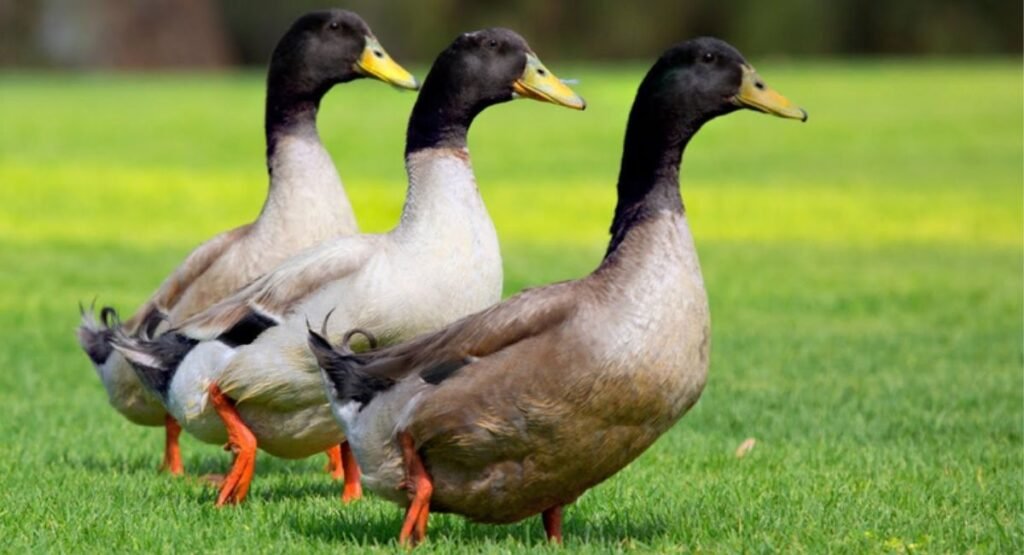
When subjected to flock stress, ducks can exhibit heightened sensitivity to noise and environmental disturbances. This anxiety intensifies when their social structure is disrupted, leading to increased vocalizations and erratic behavior. Such reactions place them among the more easily startled or skittish animals found in nature.
Meerkats
Meerkats (Suricata suricatta) belong to the class Mammalia and the family Herpestidae, thriving in Southern African habitats. As omnivores, they boast a diverse diet, which includes insects, plants, and small animals, showcasing their adaptability in varied environments.
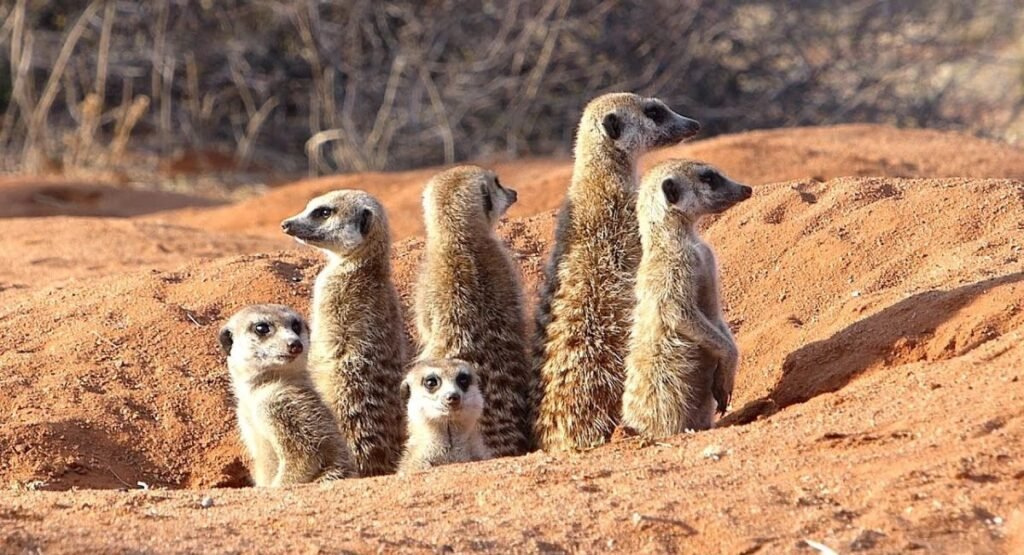
One of the most fascinating aspects of meerkat behavior is their group vigilance, a remarkable survival strategy. When foraging, one meerkat assumes the role of a sentinel, scanning the surroundings for potential threats.
Goats
Goats, scientifically known as Capra aegagrus hircus, belong to the class Mammalia and the family Bovidae. As herbivores, they thrive on a varied diet of grasses, shrubs, and leaves, but their emotional well-being can be just as critical as their nutritional needs.
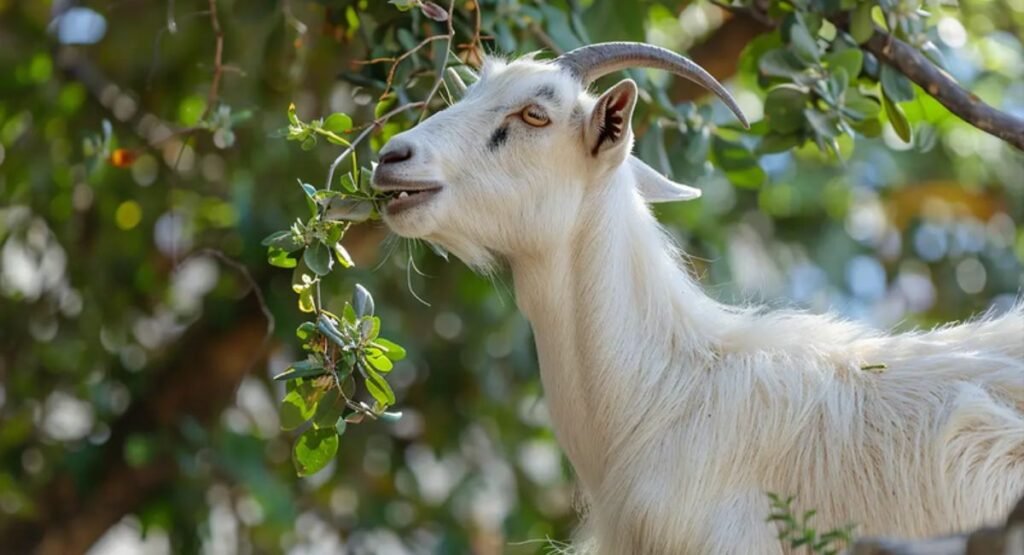
Interestingly, goats are not just anxious but also remarkably strong-willed creatures. If you’re curious about their personality beyond anxiety, exploring the most stubborn animals will show you exactly where goats rank among the world’s most determined and headstrong animals.
Rabbits
Rabbits (Oryctolagus cuniculus), classified under the class Mammalia and family Leporidae, are fascinating creatures known for their herbivorous diets. These small mammals thrive in environments where they can burrow, often seeking out hiding spots to feel secure and at ease.
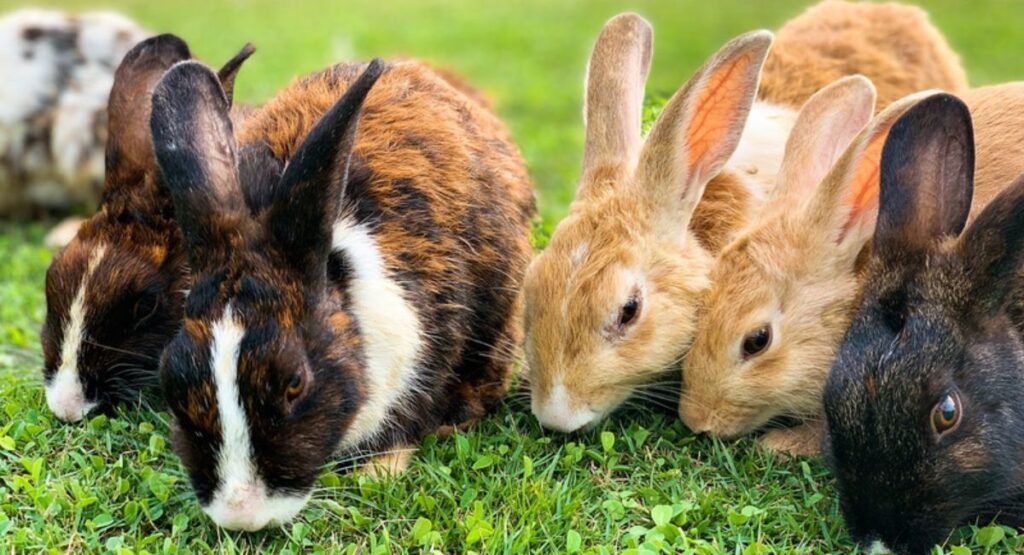
Despite their adorable appearance, rabbits are innately shy and fearful animals. Their instinctive need for safe spaces is crucial, as it helps mitigate anxiety and creates a sense of tranquility in their lives. By providing a cozy nook or sheltered area, owners can significantly enhance a rabbit’s well-being, allowing these sensitive creatures to flourish in their homes.
Dogs
Dogs, scientifically known as Canis lupus familiaris, belong to the class Mammalia and the family Canidae, thriving on a varied omnivorous diet. Their deep emotional bonds with humans significantly influence their behaviors and stress levels, making them incredibly sensitive companions.
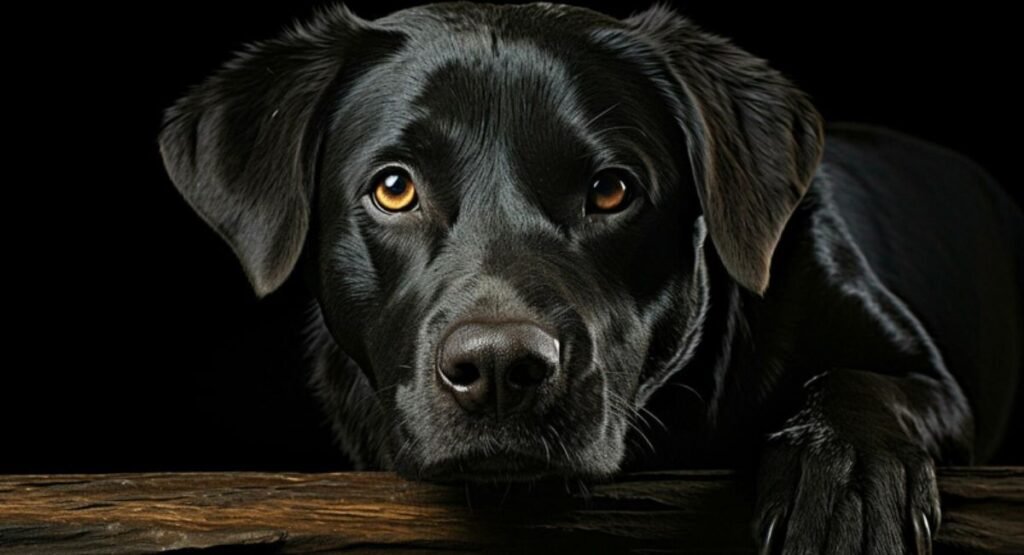
Separation anxiety in dogs arises when these creatures, who are social by nature, experience distress upon being left alone. This emotional turmoil can manifest through excessive barking, destructive behavior, or even attempts to escape, making them one of the most recognizable scared animals when deprived of social comfort.
Chimpanzees
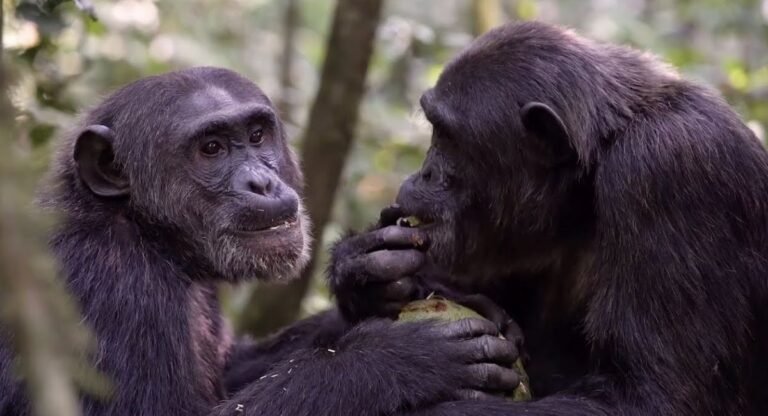
Chimpanzees (Pan troglodytes), belonging to the class Mammalia and the family Hominidae, exhibit complex emotional intelligence that parallels aspects of human behavior. As omnivores, their varied diet reflects their adaptability, but it’s their social interactions and emotional nuances that truly captivate researchers.
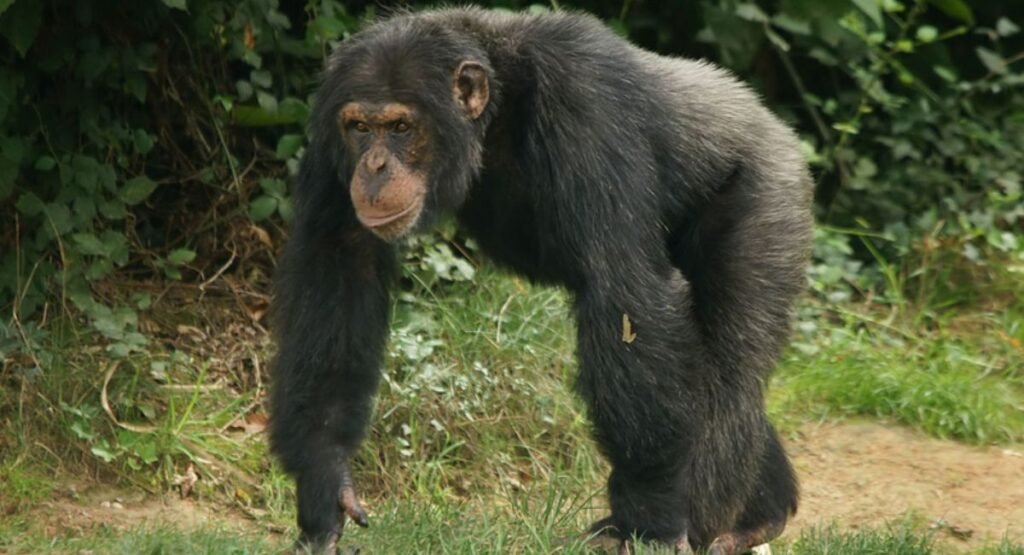
Research has shown that chimpanzees experience anxiety similarly to humans, exhibiting stress behaviors in response to threats or changes in their environment. These emotional responses can manifest through vocalizations, changes in grooming patterns, or withdrawal from social groups, highlighting the depth of their emotional lives and the intricacies of their social structures.
Deer
The deer, scientifically known as Cervus elaphus, belongs to the class Mammalia and the family Cervidae. As herbivores, these graceful creatures thrive on a diet rich in foliage, grasses, and fruits, but their existence is overshadowed by the constant threat of predators.
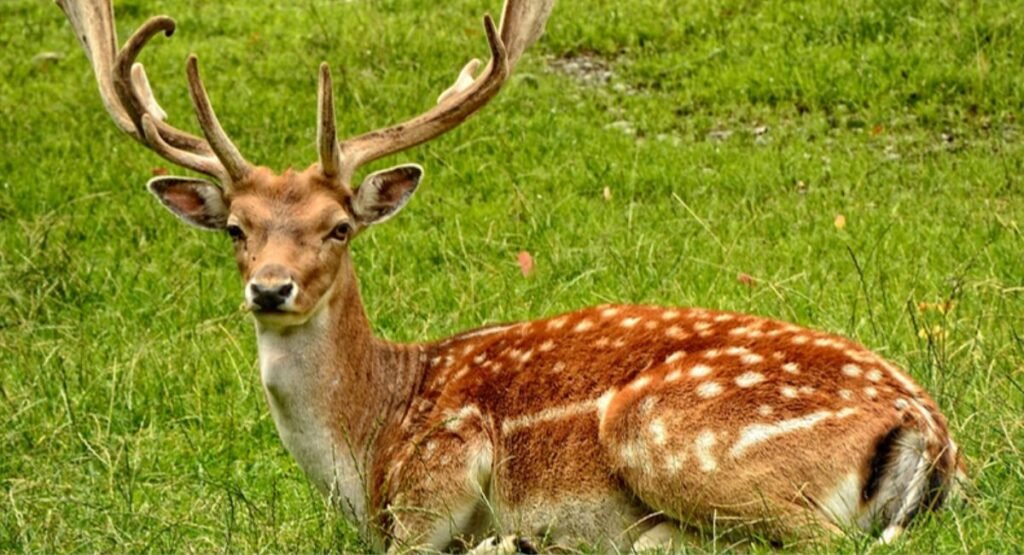
Their keen senses are finely tuned for detecting even the slightest disturbances in their environment, making them experts at avoiding danger. Interestingly, this constant vigilance is reminiscent of ostriches, which also adopt unique strategies to evade threats.
A deer’s diet is deeply connected to its anxious behavior, as foraging in open areas constantly exposes them to danger. Learning more about what deer eat reveals just how much their feeding habits force them into vulnerable situations, making their constant alertness an absolute survival necessity.
Zebras
Zebras (Equus quagga) belong to the class Mammalia and are highly alert herbivores that inhabit the grasslands and savannas of Africa. Living in areas filled with predators such as lions, hyenas, and wild dogs, they must remain watchful at all times to ensure their survival.
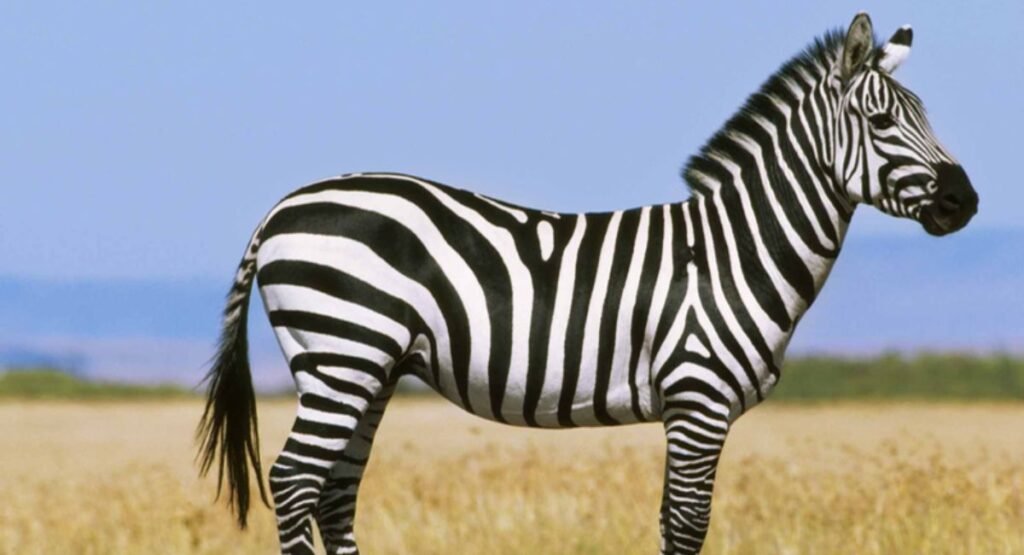
Their strong survival instincts make them constantly aware of their surroundings. Zebras often rely on the safety of their herd, where multiple animals keep watch for danger. At the first sign of a threat, they can quickly flee, demonstrating the vigilance and caution that define their daily lives.
Conclusion
The most anxious animals in the world remind us of the profound impacts that an unpredictable environment can have on wildlife. Animals such as horses, rabbits, and certain breeds of dogs exhibit signs of anxiety that often stem from their interactions with humans and their ever-changing habitats.
Awareness is the first step towards providing the necessary support, whether through better care for pets or advocacy for wild species. By educating ourselves about their struggles and being mindful of their needs, we can help create a more compassionate world for all living beings.
FAQs
Which Animal Doesn’t Fear?
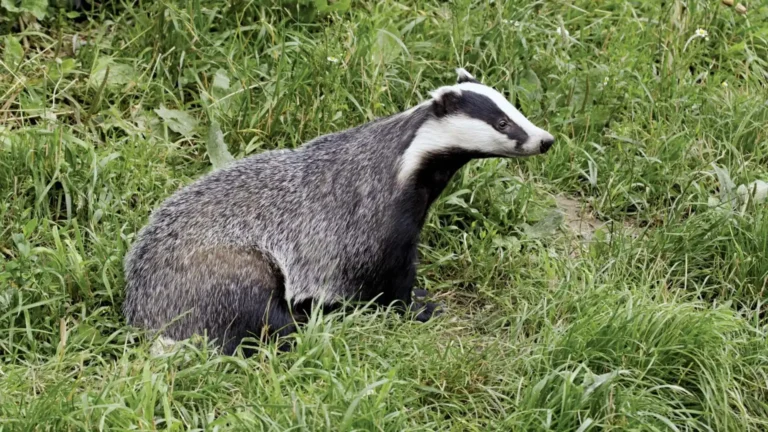
The honey badger is known as the animal that fears nothing due to its bold and aggressive nature. It can confront much larger predators without hesitation, showing extreme confidence.
What Is The Most Anxious Animal?
Animals like chimpanzees, dogs, cats, and cheetahs are among the most anxious due to stress and survival instincts. Their behavior shows fear, alertness, and emotional responses to environmental changes.
What Animals Fear Humans?
Many animals like giraffes, leopards, zebras, warthogs, and hyenas fear humans more than predators. They flee faster and avoid areas quickly when they sense human presence or activity.
What Animal Has The Highest Anxiety?
Many experts consider cheetahs to have some of the highest anxiety levels in the animal kingdom. Their survival depends on staying alert to threats, competition, and changing environmental conditions, making them naturally cautious and stress-prone.
What Are the Shy 5 Animals?
The “Shy Five” are elusive African animals known for avoiding human contact. They include the Aardvark, Bat-Eared Fox, Aardwolf, Cape Porcupine, and Meerkat. These species are much harder to spot than Africa’s famous Big Five.
Are Cheetahs Anxious Animals?
Yes, cheetahs often display anxious behaviors due to their vulnerable position in the wild. Despite being the fastest land animals, they must constantly watch for stronger predators that can steal their prey or harm their young.
Why Are Some Animals So Nervous?
Many nervous animals evolved as prey species and survive by remaining alert to danger. Their heightened awareness helps them detect predators early and respond quickly to threats.
Which Animals Are Naturally Anxious?
Several animals with anxiety-like behaviors include rabbits, deer, horses, guinea pigs, zebras, and meerkats. These species rely on caution and vigilance as important survival strategies.
What Are Some Skittish Animals?
Common skittish animals include deer, rabbits, horses, zebras, and guinea pigs. They tend to react quickly to sudden sounds, movements, or unfamiliar situations to avoid potential danger.
Are Scared Animals More Likely to Survive?
In many cases, scared animals benefit from being cautious because fear helps them avoid predators and dangerous situations. This natural response increases their chances of survival in the wild.