Small Monkey Breeds: Top 15 Tiny Monkeys You’ll Instantly Fall In Love With
Small monkey breeds are a delightful category of primates that continue to fascinate animal lovers around the globe. With their playful antics and endearing appearances, tiny monkeys like the capuchin and marmoset capture our imaginations and evoke smiles.
This article will introduce you to 15 tiny monkeys that are sure to steal your heart. Discover the charm and diversity of these small monkeys and learn why they make such captivating companions.
List of Cute Small Monkey Breeds
| No. | Small Monkey Breed | Scientific Name | Size | Weight | Native Region |
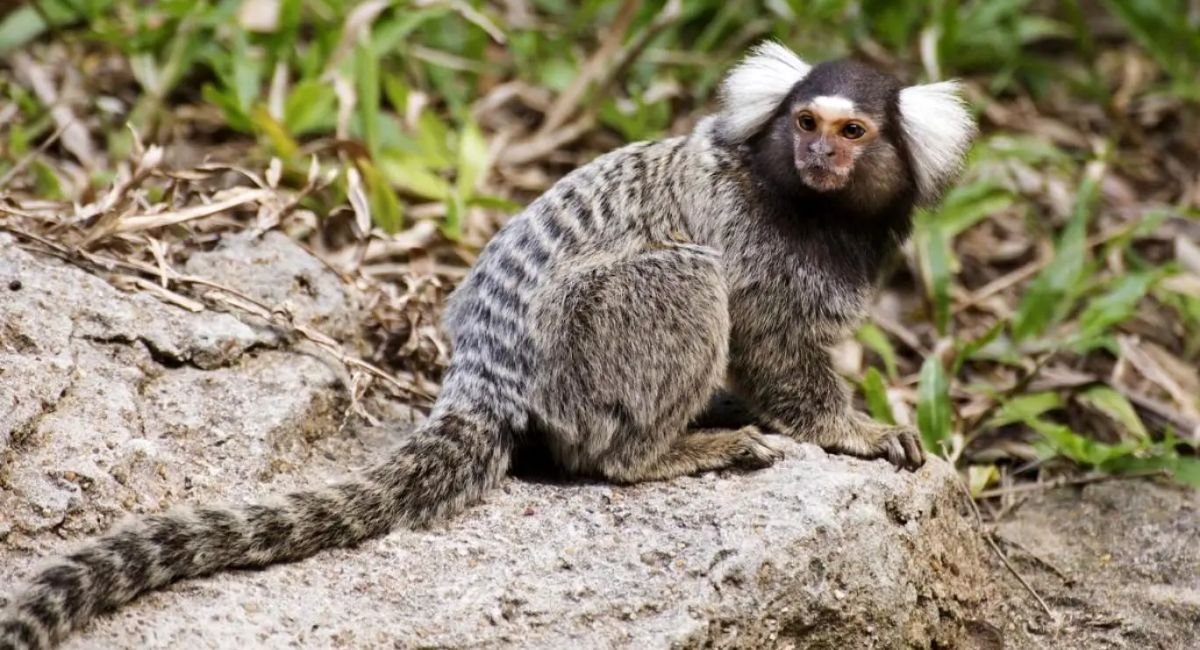
| 1 | Common Marmoset | Callithrix jacchus | 18–23 cm | 250–350 g | South America |
| 2 | Squirrel Monkey | Saimiri sciureus | 25–35 cm | 500–1,100 g | Central & South America |
| 3 | Talapoin Monkey | Miopithecus talapoin | 32–45 cm | 1–2 kg | Central Africa |
| 4 | Graells’s Tamarin | Leontocebus graellsi | 20–28 cm | 300–500 g | South America |
| 5 | Pygmy Marmoset | Cebuella pygmaea | 12–16 cm | 100–140 g | Amazon Rainforest |
| 6 | Tarsier | Tarsius | 9–16 cm | 80–160 g | Southeast Asia |
| 7 | Golden Lion Tamarin | Leontopithecus rosalia | 20–34 cm | 450–800 g | Brazil |
| 8 | Night Monkey | Aotus | 24–37 cm | 700–1,200 g | Central & South America |
| 9 | Cotton-Top Tamarin | Saguinus oedipus | 20–26 cm | 410–450 g | Colombia |
| 10 | Silvery Marmoset | Mico argentatus | 18–25 cm | 300–400 g | Brazil |
| 11 | Red-Handed Tamarin | Saguinus midas | 20–28 cm | 400–550 g | South America |
| 12 | Dusky Titi | Callicebus moloch | 28–39 cm | 800–1,200 g | South America |
| 13 | Capuchin Monkey | Cebus | 30–56 cm | 1.3–4.8 kg | Central & South America |
| 14 | Black-Tufted Marmoset | Callithrix penicillata | 18–29 cm | 300–450 g | Brazil |
| 15 | Geoffroy’s Tamarin | Saguinus geoffroyi | 22–24 cm | 350–500 g | Panama & Colombia |
Common Marmoset
Scientific Name: Callithrix jacchus
Size: 18–23 cm body length
Weight: 250–350 grams
Lifespan: 10–15 years
The Common Marmoset, a fascinating member of the small monkey breeds, thrives in the lush tropical forests of South America. Agile and social, these little primates are known for their dynamic groups and playful behavior, making them a highlight of their natural habitat. Their diet comprises tree sap, insects, fruits, and nectar, showcasing a diverse palate that supports their energetic lifestyle.
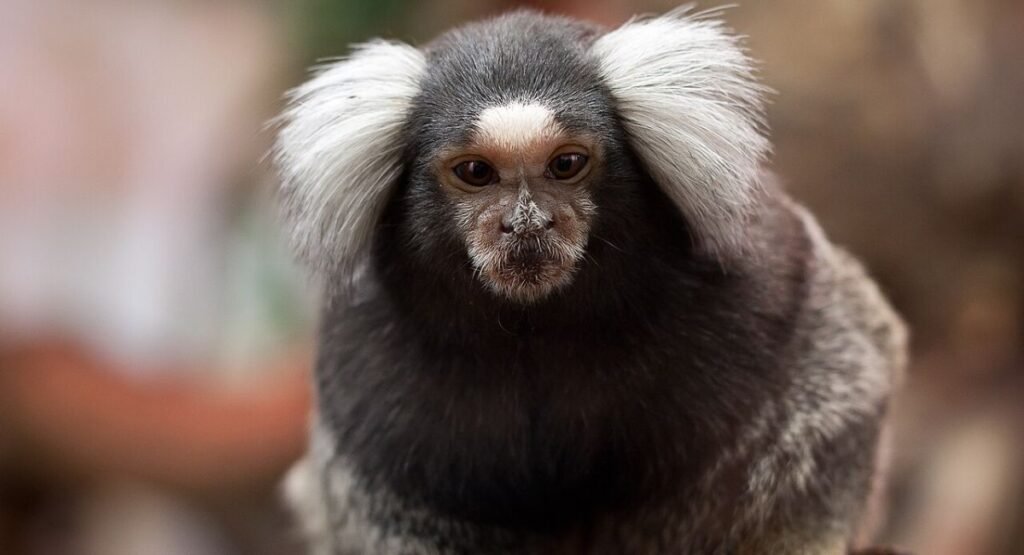
The Common Marmoset holds a conservation status of least concern, reflecting their adaptability in various environments. These diminutive creatures not only play a crucial role in their ecosystem by aiding in seed dispersal and pollination but also captivate researchers and nature enthusiasts alike.
Squirrel Monkey
Scientific Name: Saimiri sciureus
Size: 25–35 cm body length
Weight: 500–1,100 grams
Lifespan: 15–20 years
Squirrel monkeys, known for their remarkable agility and playful demeanor, thrive in the lush rainforests of Central and South America. These small monkey breeds are not only delightful to observe, but they also play a vital role in their ecosystem, dispersing seeds and aiding in forest regeneration as they hunt for fruits, insects, and small animals.
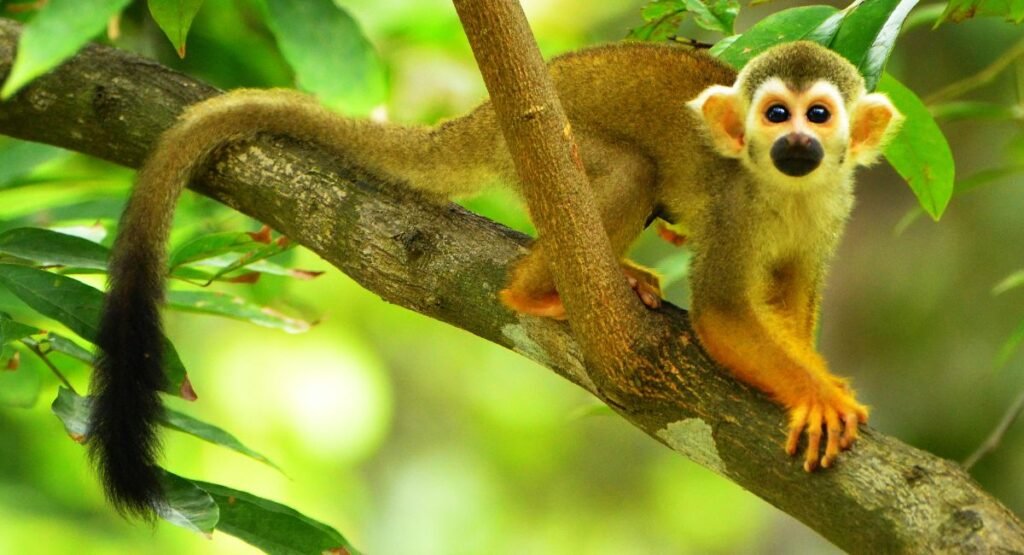
Despite their charming appearance and adaptability, squirrel monkeys face challenges from habitat loss and climate change. Fortunately, their conservation status is currently listed as Least Concern, allowing for continued research and observation of these vibrant primates.
Talapoin Monkey
Scientific Name: Miopithecus talapoin
Size: 32–45 cm body length
Weight: 1–2 kg
Lifespan: 20–25 years
The Talapoin Monkey, one of the smallest monkey breeds in Central Africa, thrives in the lush forests and swampy landscapes that define its habitat. These agile primates have adapted remarkably to their surroundings, using their keen senses to locate fruits, seeds, leaves, and insects, which form the core of their diet. Their ability to navigate both aquatic and terrestrial ecosystems showcases their unique versatility.
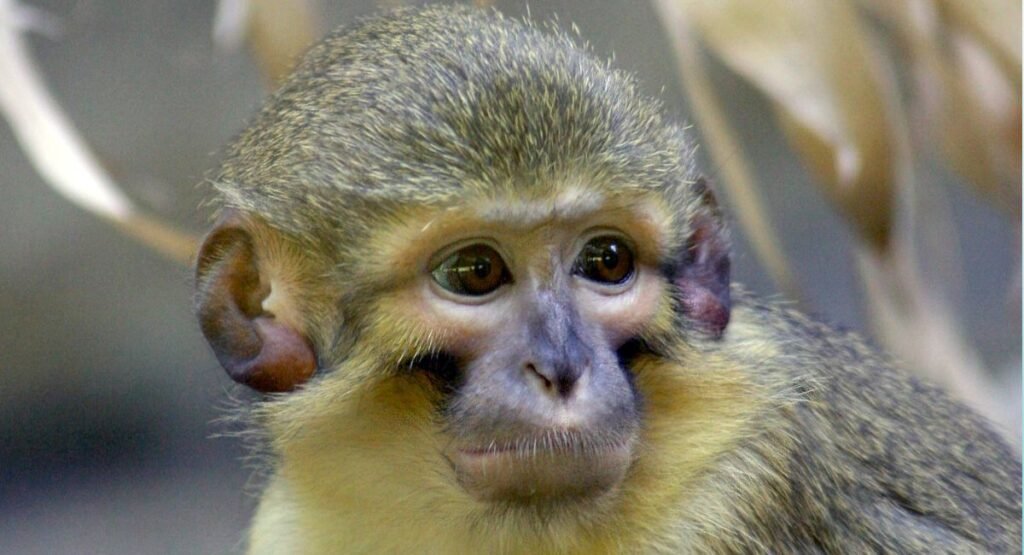
Despite facing threats from habitat loss, the Talapoin Monkey holds a conservation status of Least Concern, emphasizing its current resilience. Their social structures are fascinating, as they live in small, cohesive groups that exhibit complex interactions.
Graells’s Tamarin
Scientific Name: Leontocebus graellsi
Size: 20–28 cm body length
Weight: 300–500 grams
Lifespan: 10–15 years
Graells’s Tamarin, one of the many enchanting small monkey breeds, thrives in the lush expanse of the Amazon rainforests. These vibrant creatures favor the dense canopies, where their acrobatic abilities allow them to navigate effortlessly from tree to tree in search of food. A varied diet of fruits, insects, nectar, and tree gum not only sustains their energy but also plays a crucial role in seed dispersal, contributing to the health of their ecosystem.
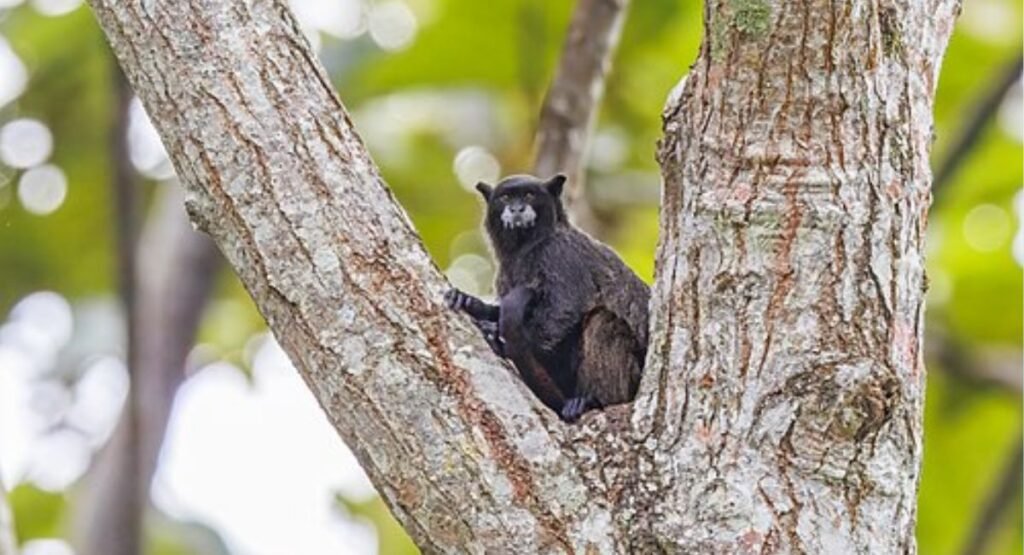
Despite the myriad challenges faced by wildlife today, Graells’s Tamarin holds a conservation status of “Least Concern,” reflecting their relative stability within their habitat. However, continued attention to their environment is vital, as deforestation and habitat encroachment pose ongoing threats.
Pygmy Marmoset
Scientific Name: Cebuella pygmaea
Size: 12–16 cm body length
Weight: 100–140 grams
Lifespan: 10–12 years
The Pygmy Marmoset, one of the smallest monkey breeds in the world, thrives in the lush embrace of the Amazon rainforest. This miniature marvel uses its incredible agility to navigate the canopy, where it primarily feasts on tree sap, insects, and a variety of fruits. Its unique adaptations, including specialized teeth for extracting sap, make it a fascinating example of evolutionary ingenuity in a complex ecosystem teeming with life.
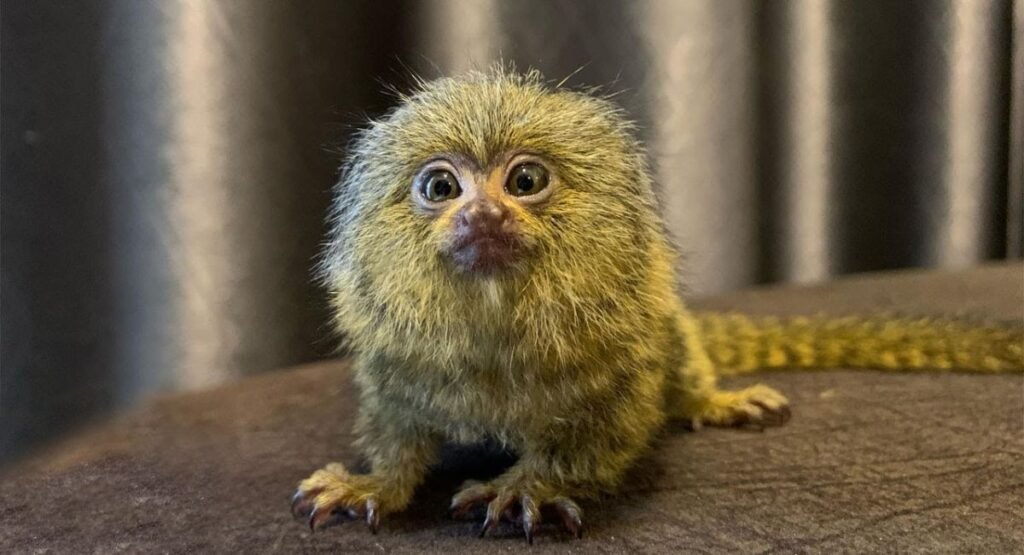
Despite challenges such as habitat loss, the Pygmy Marmoset is currently classified as Least Concern, indicating a stable population in its native range. However, ongoing conservation efforts are vital to ensure the health of their rainforest homes, which are crucial for countless species.
Tarsier
Scientific Name: Tarsius
Size: 9–16 cm body length
Weight: 80–160 grams
Lifespan: 12–20 years
In the dense forests of Southeast Asia, the Tarsier, one of the smallest primates, showcases a remarkable blend of agility and adaptability. These tiny monkey breeds, with their large, expressive eyes and elongated limbs, predominantly feast on insects, lizards, and small birds, underscoring their incredible predatory skills and nocturnal lifestyle.
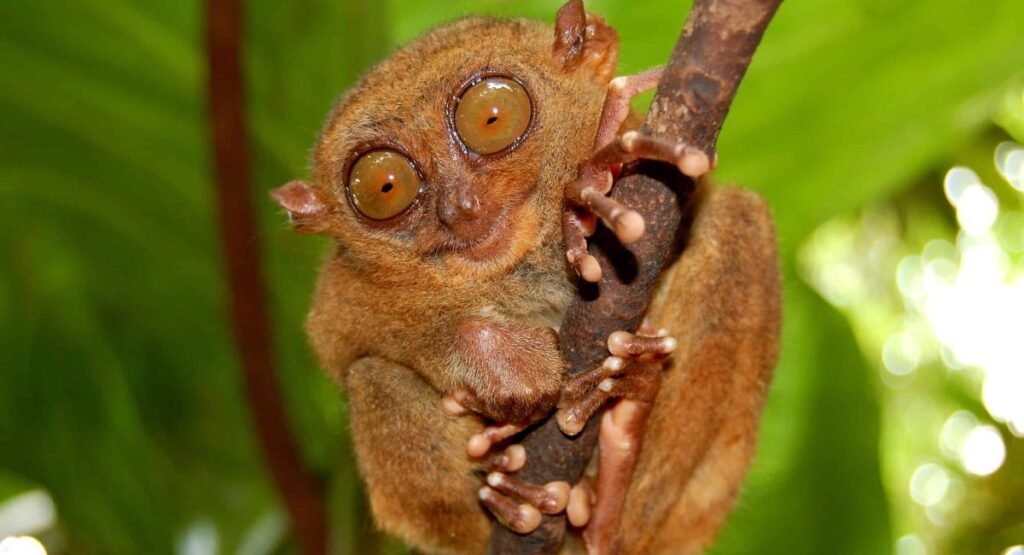
Despite their fascinating behaviors and unique adaptations, Tarsiers face significant threats, leading to their vulnerable conservation status. Habitat loss due to deforestation and human encroachment poses a grave danger to their survival, highlighting the urgent need for conservation efforts.
Golden Lion Tamarin
Scientific Name: Leontopithecus rosalia
Size: 20–34 cm body length
Weight: 450–800 grams
Lifespan: 10–15 years
The Golden Lion Tamarin, a captivating, tiny monkey native to the Atlantic forests of Brazil, is a vibrant testament to the region’s rich biodiversity. With its striking golden fur and playful demeanor, this species thrives in the lush canopies, where it forages for a diet primarily consisting of fruits, insects, and nectar.
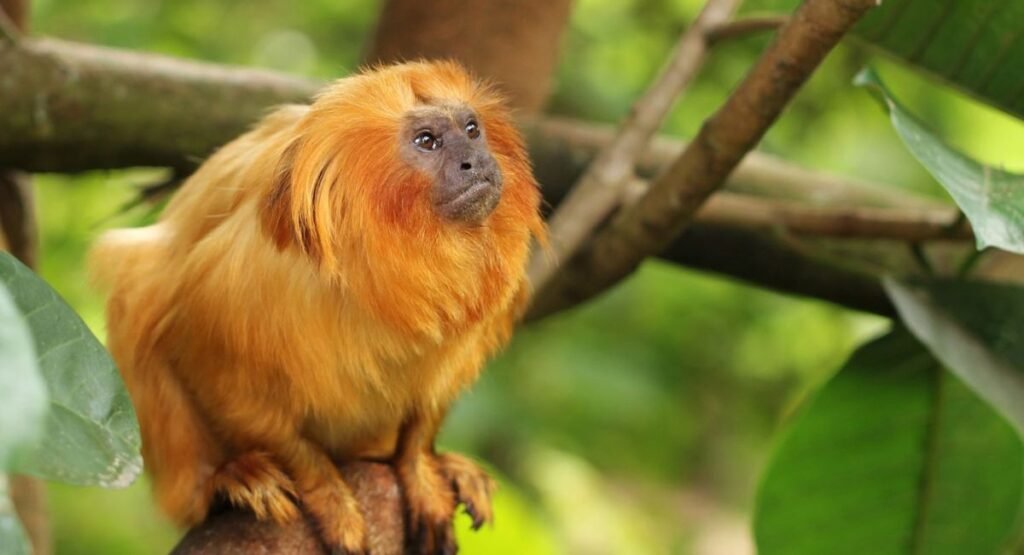
Despite its enchanting appearance, the Golden Lion Tamarin faces significant threats, leading to its classification as endangered. Habitat destruction, driven by deforestation and urban development, has severely diminished their populations.
Night Monkey
Scientific Name: Aotus
Size: 24–37 cm body length
Weight: 700–1,200 grams
Lifespan: 15–20 years
The Night Monkey, also known as the owl monkey, thrives in the dense, tropical forests of Central and South America. This tiny monkey is nocturnal, using its large, expressive eyes to navigate the dim light of night, making it an adept forager in the vibrant ecosystem it calls home.
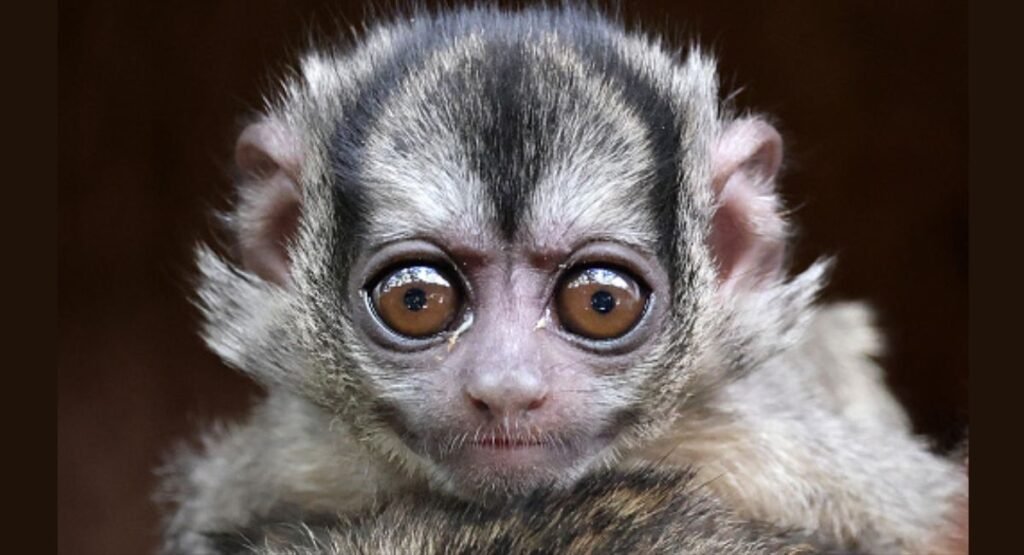
Feasting primarily on fruits, leaves, and insects, the Night Monkey plays a vital role in seed dispersal, aiding forest regeneration. Despite facing habitat loss, this resourceful primate is currently listed as “Least Concern” in terms of conservation, emphasizing the importance of continued habitat protection to ensure its survival in the wild.
Cotton-Top Tamarin
Scientific Name: Saguinus oedipus
Size: 20–26 cm body length
Weight: 410–450 grams
Lifespan: 13–16 years
The Cotton-Top Tamarin, a tiny monkey native to the lush rainforests of Colombia, boasts striking white tufts of fur atop its head and a vibrant personality. These adorable primates thrive in the dense canopy, where their social structures are as intricate as the jungle itself, relying on group dynamics to forage for fruits, insects, and nectar among the treetops.
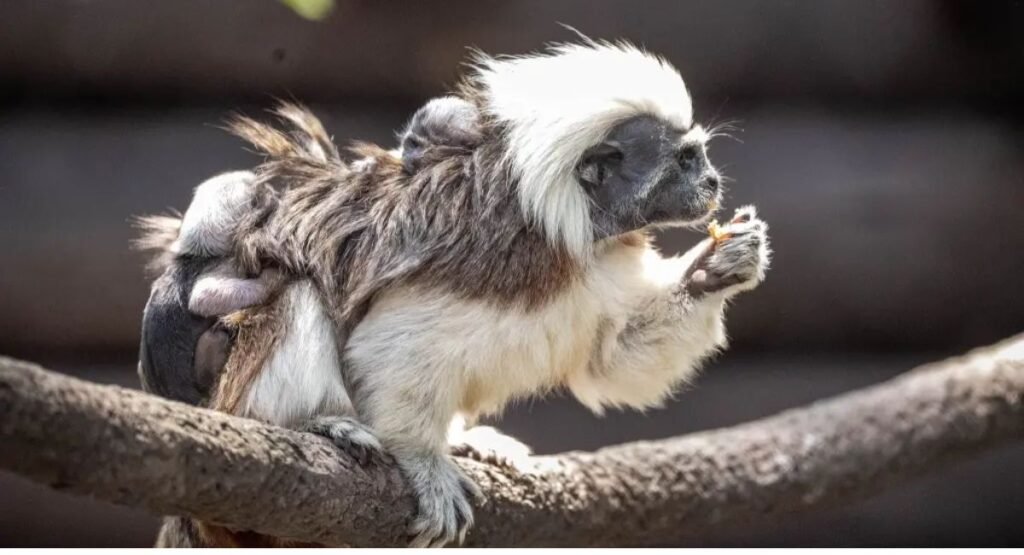
As a species classified as critically endangered, the Cotton-Top Tamarin faces myriad threats, primarily due to habitat loss from deforestation and illegal pet trade. Conservation efforts are crucial to ensure their survival, highlighting the need for sustainable practices and the protection of Colombia’s rich biodiversity.
Silvery Marmoset
Scientific Name: Mico argentatus
Size: 18–25 cm body length
Weight: 300–400 grams
Lifespan: 10–15 years
The Silvery Marmoset, a small yet striking monkey native to the Brazilian rainforests, showcases a unique blend of agility and charm. Known for its expressive eyes and silvery fur, this cute monkey plays a vital role in the ecosystem by aiding in seed dispersal as it navigates through the lush canopy, feasting on fruits, insects, and tree sap.
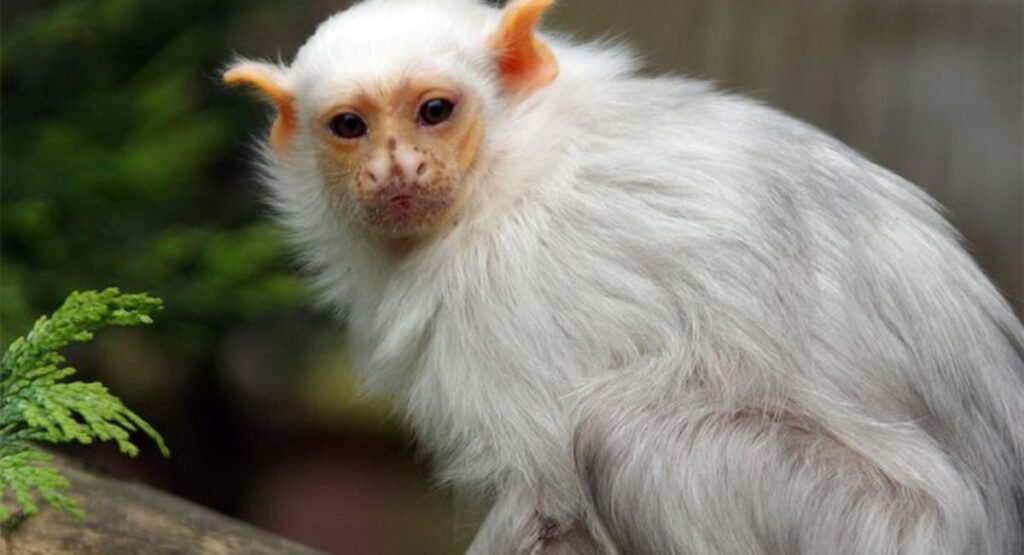
Despite facing habitat loss from deforestation, the conservation status of the Silvery Marmoset remains listed as Least Concern. This resilient species continues to thrive in protected areas where its diverse diet and intricate social structures can flourish. Observing their playful interactions offers not just joy but also a reminder of the delicate balance of rainforest ecosystems.
Red-Handed Tamarin
Scientific Name: Saguinus midas
Size: 20–28 cm body length
Weight: 400–550 grams
Lifespan: 10–15 years
The Red-Handed Tamarin, a cute monkey native to the lush forests of South America, captivates with its striking appearance and playful behavior. These small primates thrive in a variety of forest habitats, from dense canopies to more open areas, showcasing their adaptability in a diverse ecosystem. Their vivid red hands and feet contrast beautifully with their predominantly black and white fur, making them a standout among their rainforest companions.
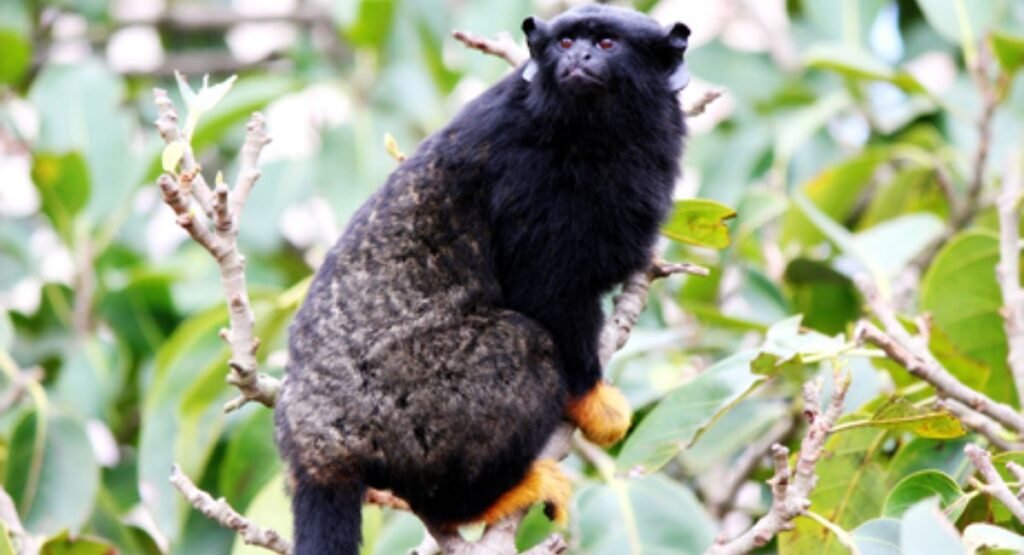
Feeding primarily on fruits, insects, and nectar, the Red-Handed Tamarin plays a crucial role in seed dispersal, contributing to the health of its habitat. Despite their charm and ecological importance, these monkeys enjoy a conservation status of “Least Concern,” indicating a stable population in the wild.
Dusky Titi
Scientific Name: Callicebus moloch
Size: 28–39 cm body length
Weight: 800–1,200 grams
Lifespan: 15–25 years
The Dusky Titi, a charming species of monkey native to the lush rainforests of South America, captivates with its expressive face and playful demeanor. These adorable primates typically thrive in the treetops, utilizing their prehensile tails to navigate the dense canopies while foraging for fruits, leaves, and seeds. Their social structure is equally fascinating, as Dusky Titis often form close-knit family groups that engage in social grooming and mutual care, showcasing a bond that goes beyond mere survival.
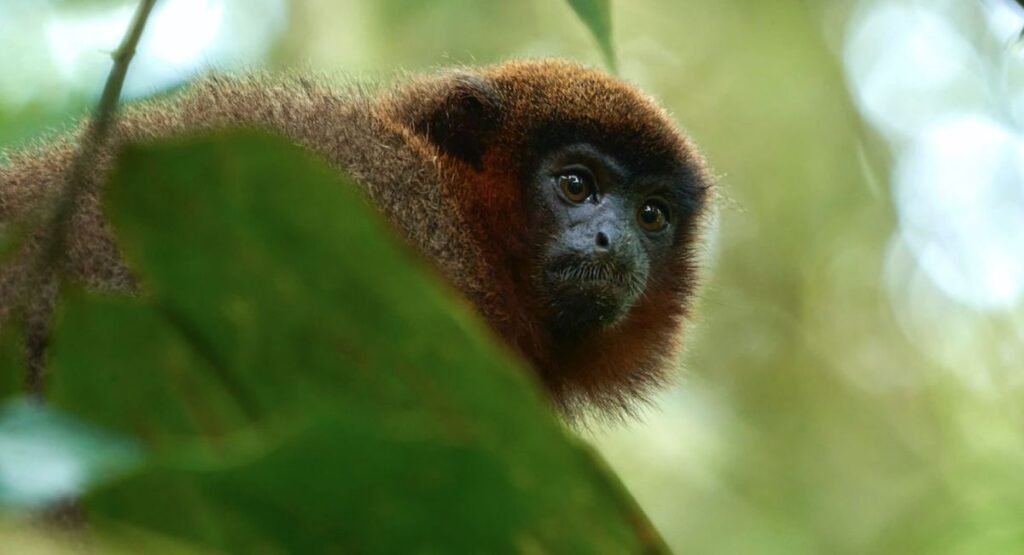
While currently classified as Least Concern, the future of the Dusky Titi remains intertwined with the health of its rainforest habitat. Deforestation and habitat fragmentation pose potential threats, putting them at risk alongside other solitary animals in the world that depend on intact forest ecosystems.
Capuchin Monkey
Scientific Name: Cebus
Size: 30–56 cm body length
Weight: 1.3–4.8 kg
Lifespan: 20–40 years
Capuchin monkeys, known for their charming personalities and expressive faces, thrive in the lushforests of Central and South America. These cute monkeys are agile foragers, primarily feeding on a diverse diet of fruits, nuts, insects, and eggs making them similar to many animals that live in groups and rely on social foraging.
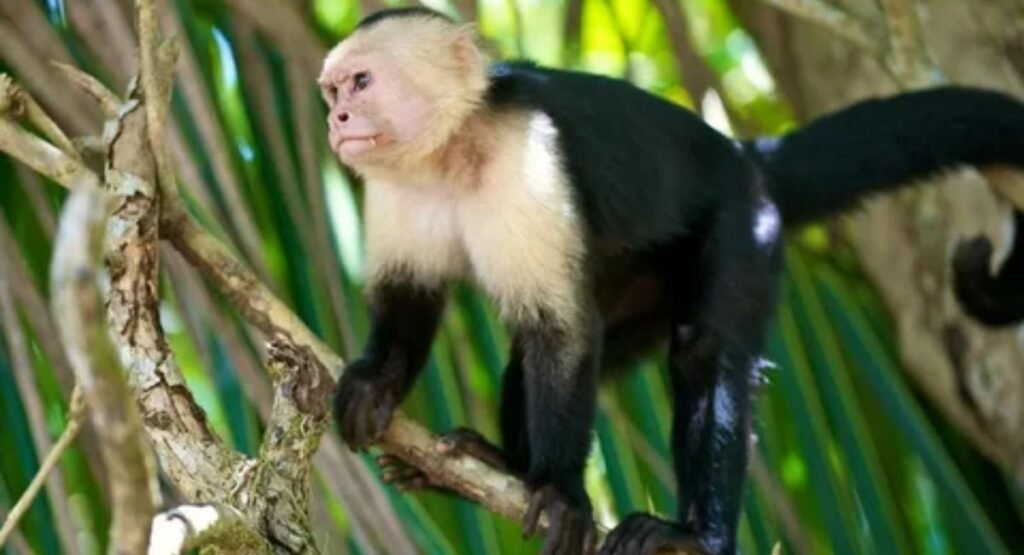
Despite facing threats from habitat loss and illegal pet trade, the Capuchin monkey is currently classified as Least Concern. Their adaptability and social nature allow them to navigate both dense jungles and altered landscapes, showcasing their resilience in the face of environmental changes.
Black-Tufted Marmoset
Scientific Name: Callithrix penicillata
Size: 18–29 cm body length
Weight: 300–450 grams
Lifespan: 10–15 years
The Black-Tufted Marmoset, a delightful little primate found in the lush forests and open savannas of Brazil, stands out for its vibrant personality and striking appearance. With its distinctive black tufts of fur adorning its ears, this cute monkey captivates not only wildlife enthusiasts but also casual observers. Their sociable nature allows them to thrive in family groups, showcasing a range of vocalizations that echo through their habitat.
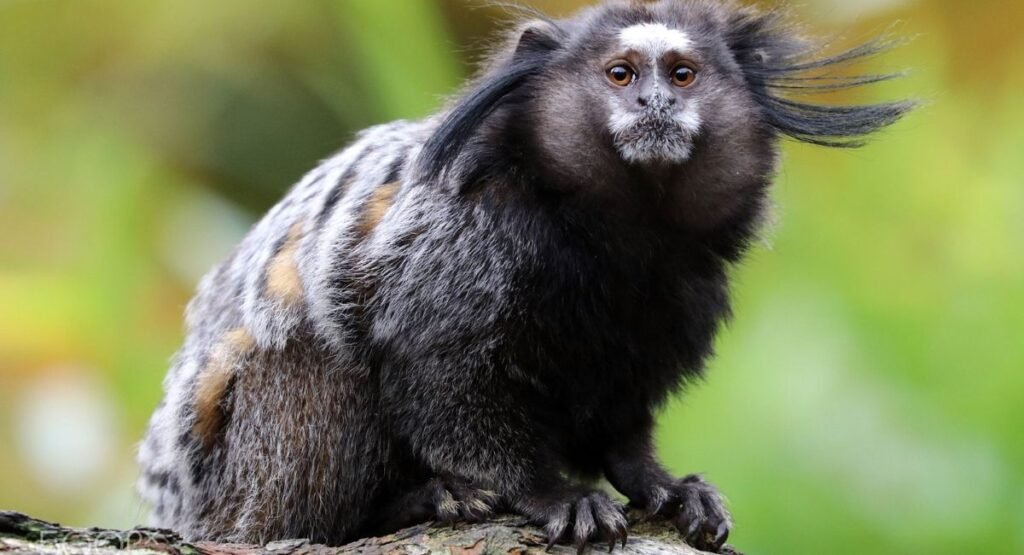
In addition to their charming looks, Black-Tufted Marmosets have an intriguing diet that primarily includes tree sap, fruits, and insects. This dietary preference plays a vital role in the ecosystems they inhabit, as they help in the pollination and seed dispersal of various plant species.
Geoffroy’s Tamarin
Scientific Name: Saguinus geoffroyi
Size: 22–24 cm body length
Weight: 350–500 grams
Lifespan: 13–16 years
Geoffroy’s Tamarin, a cute monkey native to the lush forests of Panama and Colombia, thrives in a rich tapestry of biodiversity. These social creatures prefer dense canopies, where they skillfully navigate the trees in search of fruits, insects, and flowers, delighting themselves with nectar to fuel their playful antics. Their vibrant personalities and engaging behaviors make them a highlight for wildlife enthusiasts exploring Central America’s vibrant ecosystems.
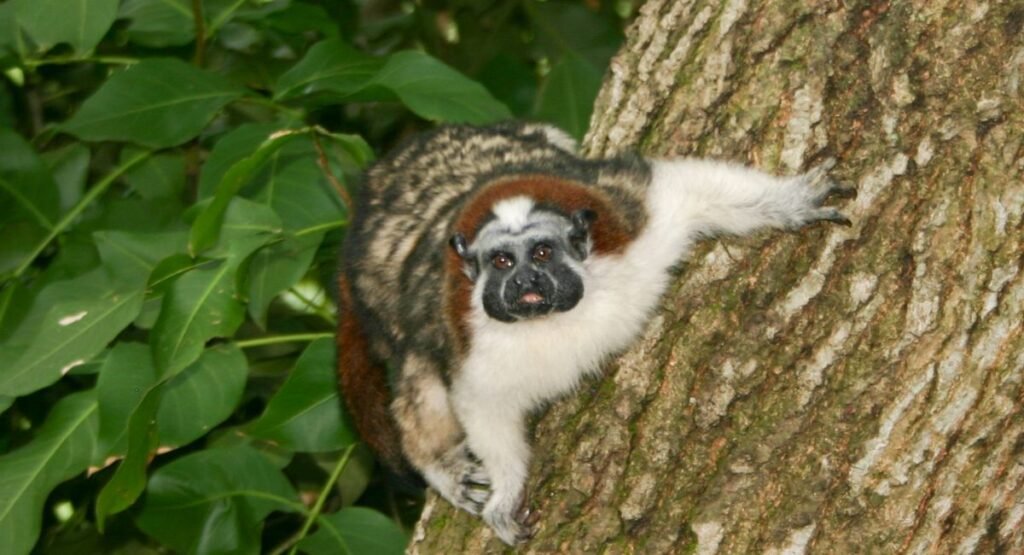
Despite facing some habitat loss due to deforestation, Geoffroy’s Tamarin holds a conservation status of Least Concern, showcasing its resilience amid change. Conservation efforts in their native regions are crucial for maintaining the delicate balance of these forest habitats, ensuring future generations can appreciate these delightful monkeys as a symbol of biodiversity.
Conclusion
Small monkey breeds are not only captivating but also bring a sense of joy to those who encounter them. These cute small monkey breeds, with their playful antics and engaging personalities, make them beloved among primate lovers.
If you’re contemplating a furry companion, consider the various small monkey breeds for pets, ensuring you choose one that fits your lifestyle. Be sure to learn about their care, needs, and social behaviors to foster a happy environment.
FAQs
What Is the Best Small Monkey for a Pet?
Many people consider the Marmoset Monkey especially the Pygmy Marmoset the most popular small monkey when discussing exotic pets. They are tiny, highly intelligent, and extremely social.
Are Mini Monkeys Good Pets?
In most cases, primates are not considered ideal household pets. Small monkeys like marmosets, tamarins, or capuchins need much more than a cage or living room setup.
What Are Those Little Monkeys Called?
The tiny monkeys many people call “mini monkeys” are usually the Pygmy Marmoset. Native to the Amazon Rainforest, this is the smallest monkey in the world.