Top 10 Animals That Look Like Capybara: Look-Alikes You Won’t Believe Exist
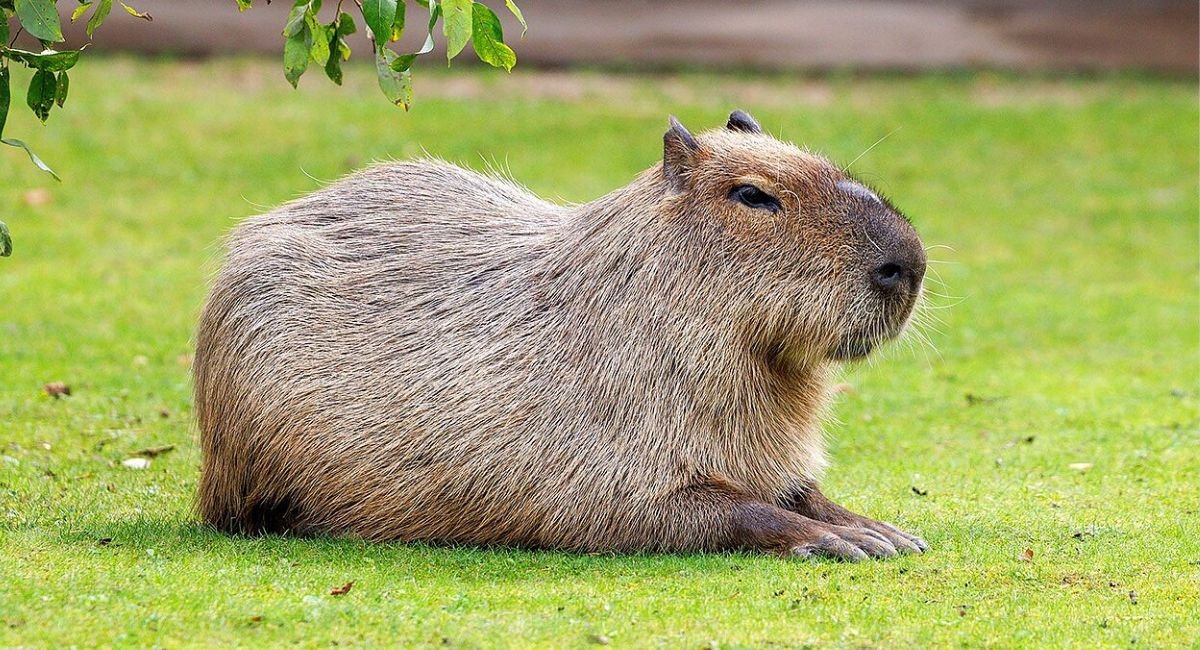
Capybaras, known for their friendly demeanor and social habits, have a surprising number of look-alikes scattered across the animal kingdom. The animals that look like capybara range from sleek rodents to semi-aquatic mammals, each with its own distinct charm.
This article introduces you to the top 10 captivating species that share striking similarities with these gentle giants. By exploring these remarkable creatures, readers can appreciate the variety of life forms that echo the capybara’s unique traits, thereby fostering a deeper appreciation for the natural world.
List of Animals That Look Like Capybara
Here are animals like capybara. Discover the top 10 similar species and what makes them so fascinating.
Nutria
The Nutria (capybara like animals) is a semi-aquatic rodent that shares a striking resemblance with the capybara, boasting webbed feet and those distinctive orange incisors. Primarily found in wetlands, these fascinating creatures have adapted beautifully to aquatic environments, making them excellent swimmers and foragers.
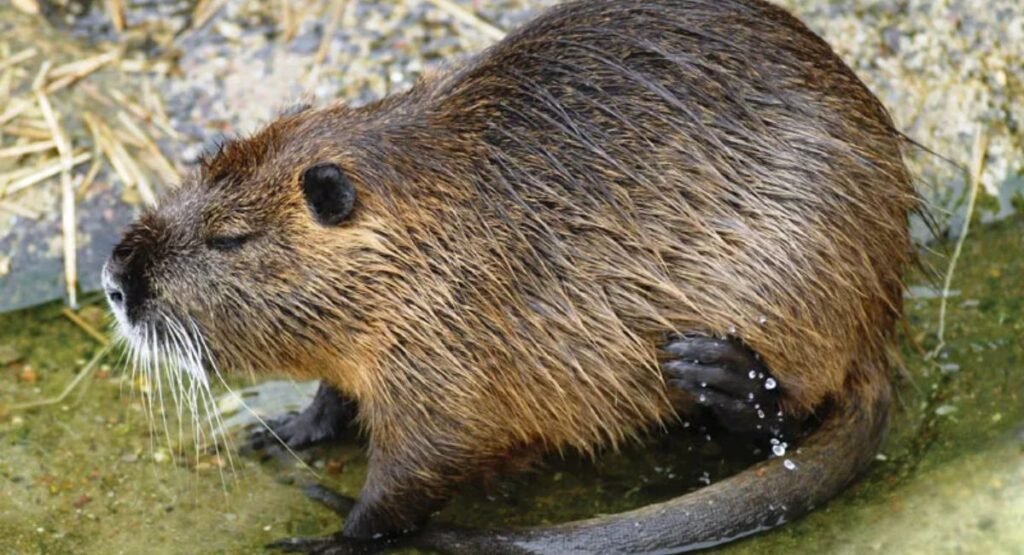
Nutrias play a unique ecological role, often aiding in the maintenance of aquatic vegetation. However, their voracious appetite can lead to environmental concerns when populations explode, potentially disrupting local ecosystems. Understanding their behavior and impact is crucial for wildlife management, highlighting the delicate balance between innovation and conservation in the habitats they occupy.
Nutrias aren’t the only fascinating creatures you’ll find thriving in wetland environments. Many other remarkable species have made boggy, waterlogged habitats their home discover the full range of animals that live in bogs and how they’ve adapted to survive.
Beaver
The Beaver, scientifically known as Castor canadensis, is a remarkable creature that often draws comparisons to the capybara due to its robust build and semi-aquatic lifestyle. These industrious animals are best known for their remarkable ability to construct elaborate dams, creating serene habitats that benefit countless other species.
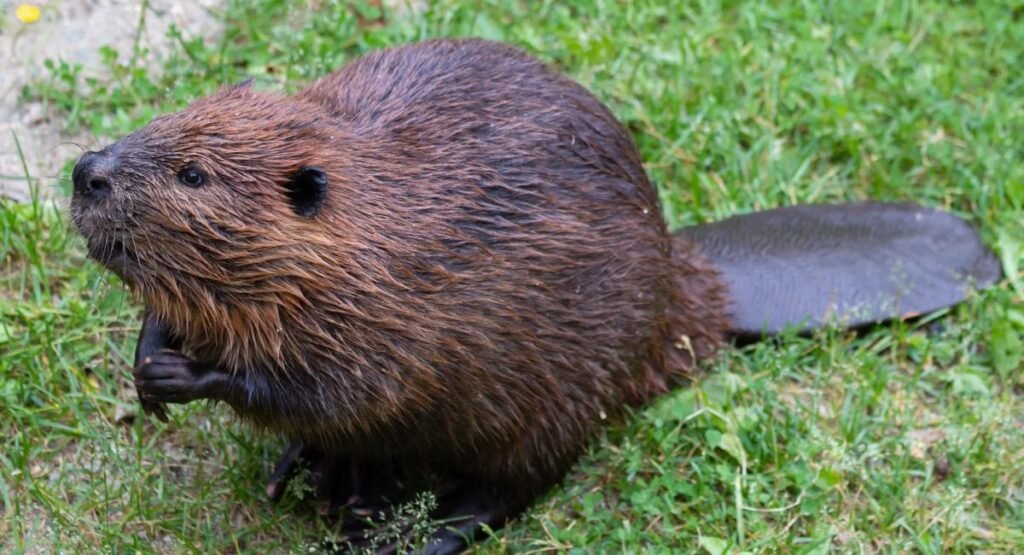
Their gnawing habits ensure that they keep their continuously growing incisors in check, highlighting an adaptation that perfectly suits their environment. Observing beavers not only reveals their fascinating behavior but also underscores the interconnectedness of nature, illustrating how a single species can have a profound impact on its surroundings.
Guinea Pig
The Guinea Pig, scientifically known as Cavia porcellus, belongs to the same family as the capybara, making it a smaller yet equally fascinating social rodent. This diminutive relative reflects a similar charm and sociability, showcasing the captivating traits that make both animals beloved in their own right.
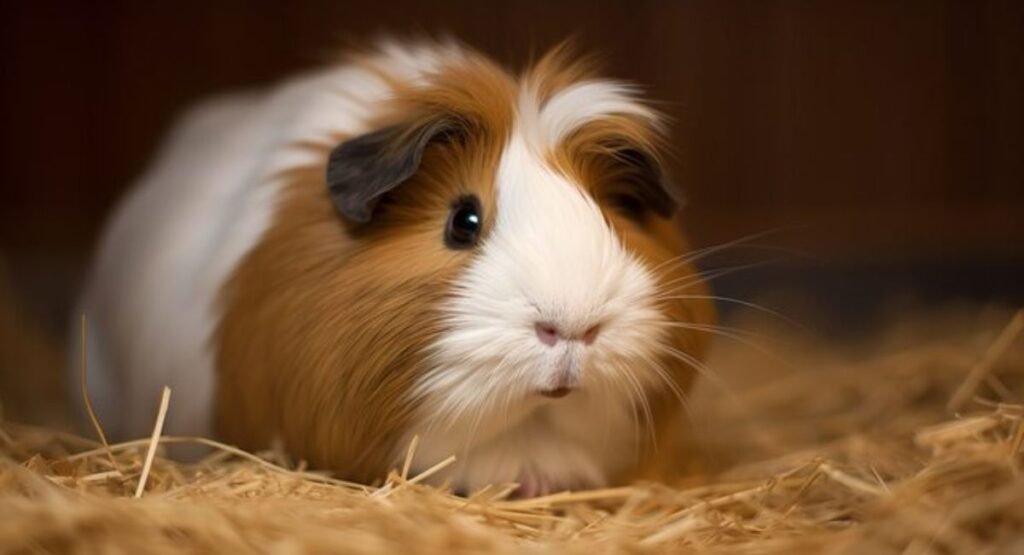
Guinea Pigs thrive on social interaction, often forming strong bonds with their human caregivers and fellow companions. Their playful and curious nature sets them apart, making them popular pets that bring joy to households, while also offering unique insights into the behavioral dynamics of rodent life.
Mara
The Mara, scientifically known as Dolichotis patagonum, is a remarkable rabbit-like rodent native to the grasslands of Argentina. Unlike most rodents, these creatures are fast runners, capable of reaching speeds of up to 30 miles per hour.
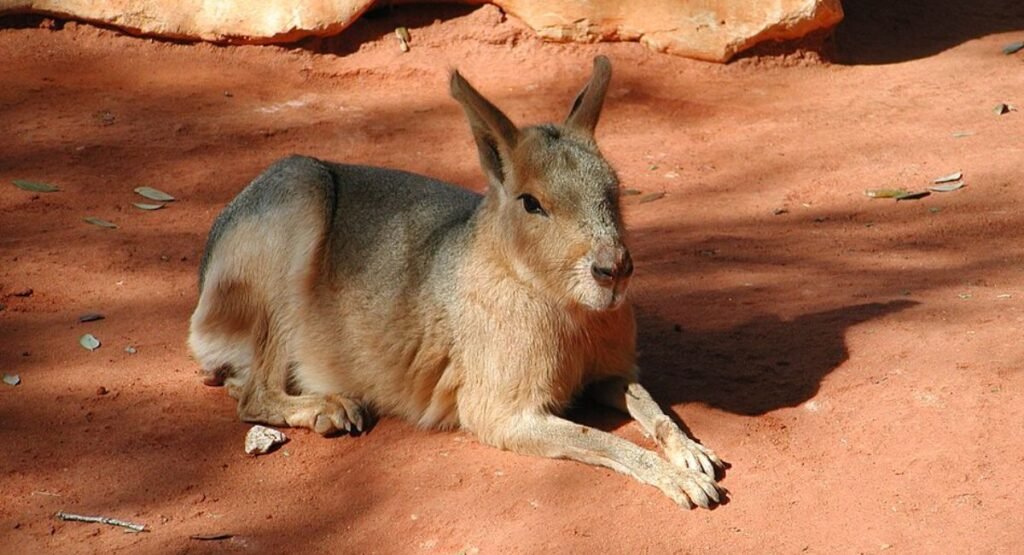
Maras are known for their social structures, often forming pairs for life. These social bonds not only strengthen their relationships but also enhance their survival in the wild. Observing a pair of Maras interacting in their natural habitat reveals a depth of social behavior, with playful exchanges and coordinated movements that are captivating and insightful.
Agouti
The Agouti, scientifically known as Dasyprocta, is a small rodent that often draws comparisons to the capybara due to its herbivorous diet and general woodland habitat preferences. Both species thrive in lush forest environments, where they seek shelter under the dense canopy.
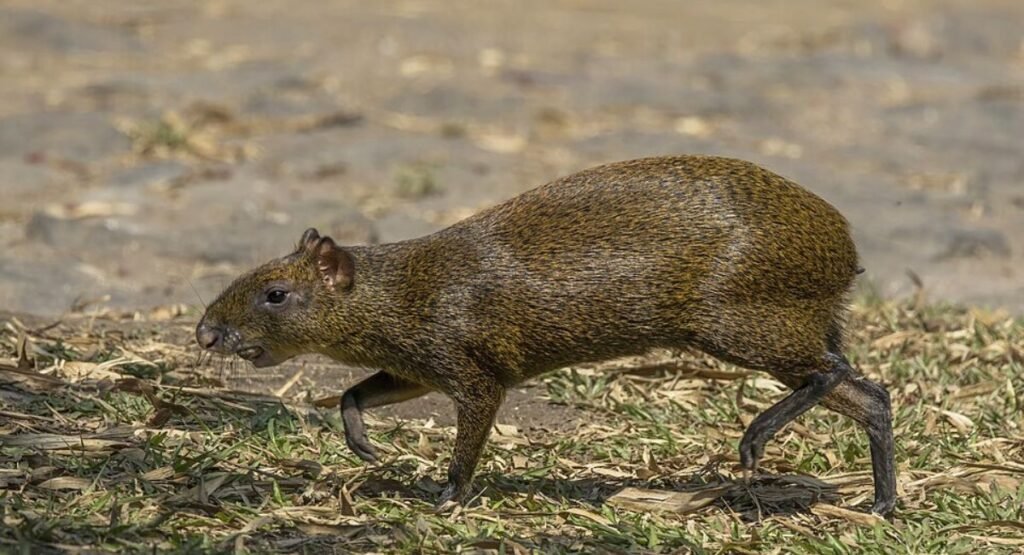
Agoutis play a crucial role as seed dispersers, contributing to forest regeneration and biodiversity. Their primary diet consists of fruits, seeds, and roots, which they collect and carry, inadvertently planting seeds as they move.
Muskrat
The Muskrat (Ondatra zibethicus) is a fascinating semi-aquatic mammal commonly found in wetland habitats across North America. Resilient and adaptive, these creatures build extensive lodges from cattails and reeds, creating a haven amidst their watery environment.
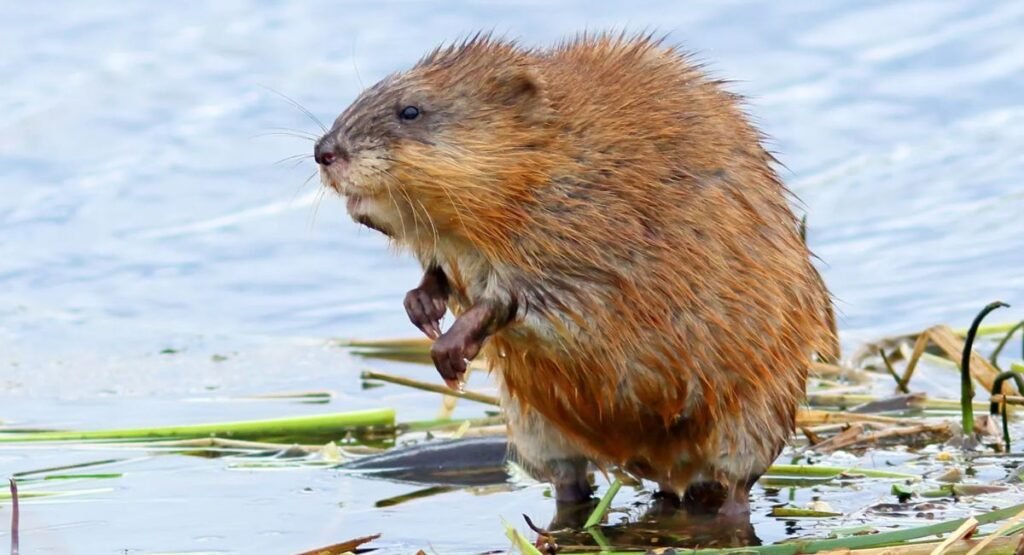
Renowned for their impressive swimming abilities, muskrats glide effortlessly through lakes and marshes, using their long, flattened tails for propulsion. As herbivores, their diet predominantly consists of aquatic vegetation, including roots, tubers, and sedges, reflecting their integral role in plant management within their habitats.
Paca
The Paca (Cuniculus paca) is a striking nocturnal forest rodent known for its distinctive spotted body and robust build. This intriguing animal, native to Central and South America, shares physical traits with the capybara, though it is smaller in size.
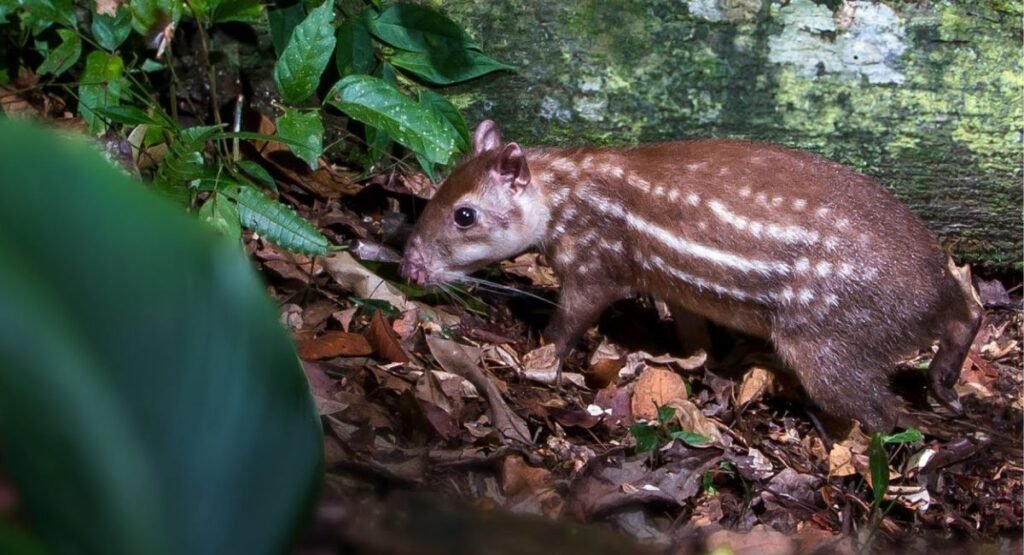
The Paca and capybara differ significantly in lifestyle and habitat preferences. While capybaras thrive in social groups near water sources, Pacas are solitary creatures that prefer the cover of night to forage for fruits, seeds, and roots.
The Paca’s preference for a lone, nocturnal lifestyle makes it a standout among rodents. If you’re intrigued by creatures that thrive on their own, explore our roundup of the most fascinating solitary animals in the world and what drives them to live independently.
Porcupine
The porcupine, scientifically known as Erethizon dorsatum, is a fascinating rodent that showcases distinct features like its formidable quills, used primarily for defense against predators.
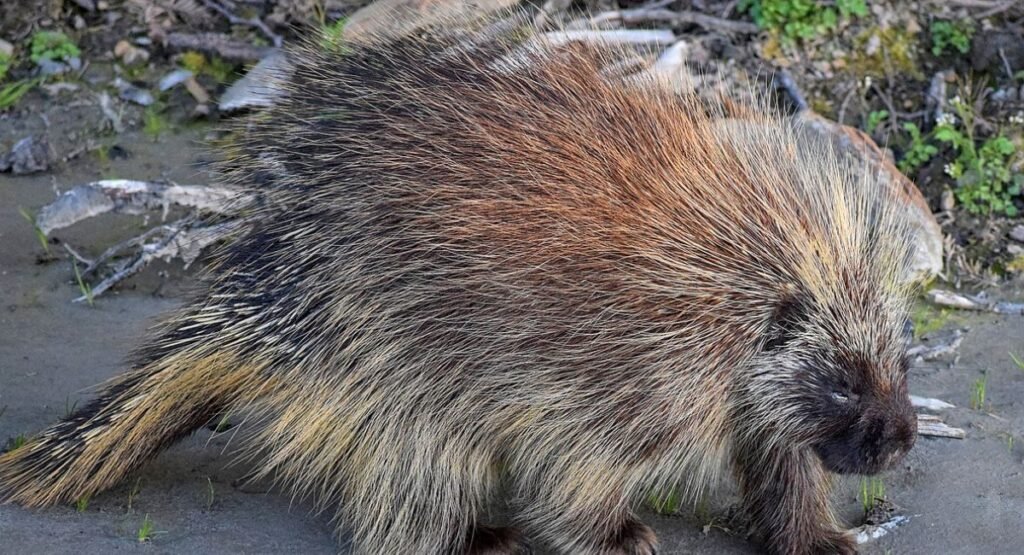
Unlike the capybara, which is the largest rodent and thrives in social groups, the porcupine often prefers a more solitary lifestyle, climbing trees and foraging for herbs, leaves, and bark.
Porcupines are equipped with quills that can easily deter threats, whereas capybaras rely on their size and social structures for protection.
Beyond their iconic quills, some porcupine species also display spotted or patterned coats that help them blend into their surroundings. Spots are a surprisingly common feature across the animal kingdom check out these incredible animals with spots and the many ways this pattern serves them in the wild.
Gopher
The Gopher, scientifically known as Geomys, is a fascinating rodent that shares a resemblance to the capybara, albeit on a much smaller scale. These strong diggers are renowned for their impressive underground tunneling systems, which they expertly navigate.
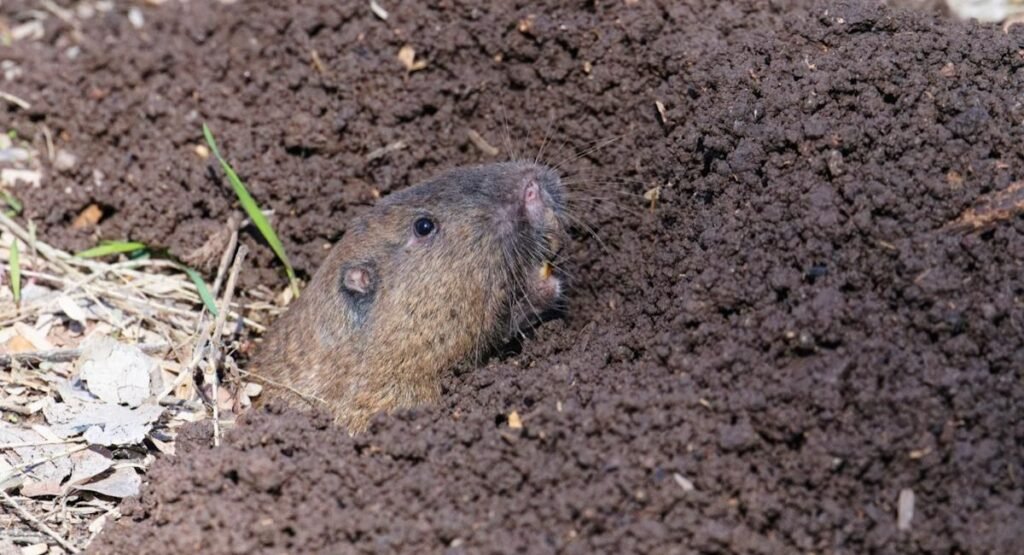
Their elongated claws and powerful forelimbs make them adept at burrowing through various soil types, creating a complex network that serves as both shelter and foraging grounds.
While often perceived as mere pests in gardens, Gophers play a critical role in their ecosystems by aerating the soil and facilitating nutrient cycling. Their extensive burrows can improve water absorption and promote plant growth, making them valuable contributors to the health of their habitats.
Rock Hyrax
The Rock Hyrax, scientifically known as Procavia capensis, may resemble a rodent at first glance, but surprising genetic studies reveal that it is more closely related to elephants and manatees. This seemingly incongruous relationship highlights the diverse evolutionary paths within the animal kingdom.
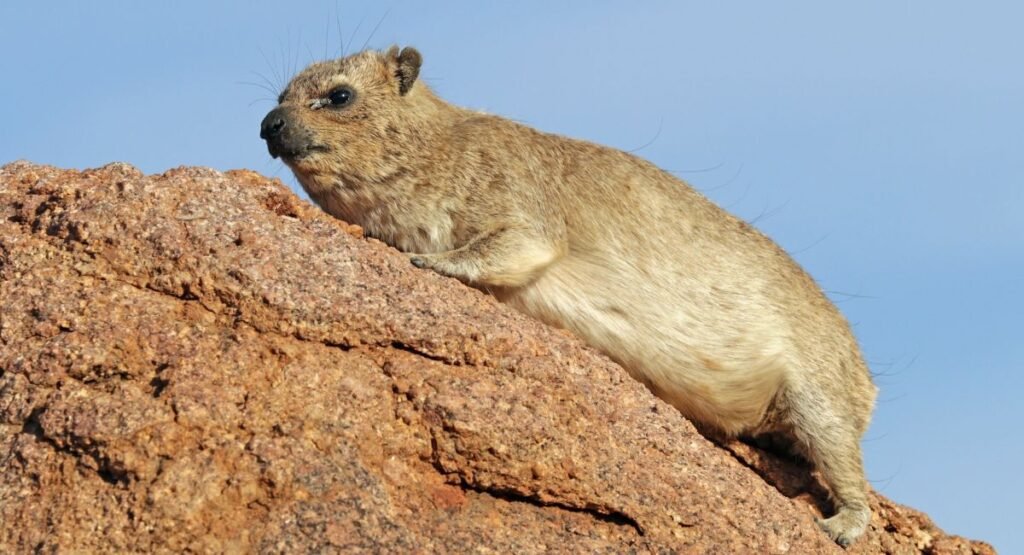
Found predominantly in rocky habitats across Africa and parts of the Middle East, these small creatures thrive in steep terrain where they are less vulnerable to predators. Their adept climbing skills and preference for rocky outcrops enable them to establish colonies, creating a sense of community that enhances their survival through social behavior.
Rock Hyraxes are highly social animals, often living in groups that foster strong bonds and cooperation. Their energetic vocalizations and varied communication signals play crucial roles in maintaining group cohesion and alerting others to danger.
Conclusion
Animals that look like capybaras provide a glimpse into the fascinating connections found in nature. With creatures such as the agile nutria and the quirky agouti, this list of animals similar to capybaras highlights the diversity and adaptability of wildlife.
Each of these species not only shares notable physical traits with capybaras but also tells an important story about their own ecological roles. As you explore these capybara look alike, consider how their unique adaptations contribute to their survival and the ecosystems they inhabit.
FAQs
What Looks Similar To Capybara?
Several animals look similar to capybaras due to their rodent features and body shape. Common examples include nutria, beavers, porcupines, guinea pigs, sea otters, maras, rock hyrax, and gophers.
Is Agouti A Rat?
No, agoutis are not rats. They are large rodents found in Central and South America and belong to a different group than typical rats. Agoutis play an important role in forest ecosystems by helping spread seeds and maintain plant growth.
What Predator Kills Capybaras?
Capybaras have several natural predators, including jaguars, caimans, anacondas, ocelots, and large birds like harpy eagles. However, humans are considered one of the biggest threats due to hunting in some regions.
What Is The Closest Animal To A Capybara?
The closest relatives of capybaras are guinea pigs and animals like the Patagonian mara. These animals belong to the same rodent family and share similar physical and biological traits.