25 Animals Similar To Foxes You Won’t Believe Exist (#7 Is Incredible)
The world is teeming with incredible wildlife, and among the most fascinating creatures are the Animals Similar To Foxes. Members of the Canidae family, such as jackals and raccoon dogs, exhibit striking appearances and behaviors reminiscent of fox like animals.
With their sharp senses, bushy tails, and cunning survival instincts, these animals that look like foxes capture the imagination. From their diverse habitats to their intelligent hunting techniques, exploring these species unveils the remarkable adaptations that allow them to thrive.
What Animals Look Like Foxes?
Many animals that look like foxes share a strikingly similar body structure characterized by pointed ears, bushy tails, and slender bodies. This resemblance often arises from evolutionary adaptations, where animals develop features that enhance their hunting instincts and improve camouflage in their environments.
Species such as the coyote, jackal, and various species of wild cats exhibit these fox-like traits, showcasing nature’s tendency towards convergent evolution. Their survival instincts have shaped physical attributes that facilitate effective hunting and evasion from predators.
List Of Animals Similar To Foxes
| No. | Animal Name |
|---|---|
| 1 | Coyote |
| 2 | Dhole |
| 3 | Domestic Dog |
| 4 | Skunk |
| 5 | Jackal |
| 6 | Red Panda |
| 7 | Weasel |
| 8 | Culpeo |
| 9 | Cat |
| 10 | Wolf |
| 11 | Margay |
| 12 | Dingo |
| 13 | Mole Rat |
| 14 | Bobcat |
| 15 | Mountain Lion |
| 16 | Raccoon Dog |
| 17 | Civet |
| 18 | African Wild Dog |
| 19 | Mongoose |
| 20 | Arctic Fox |
| 21 | Fennec Fox |
| 22 | Maned Wolf |
| 23 | Bat-Eared Fox |
| 24 | Corsac Fox |
| 25 | Gray Fox |
Coyote
Coyotes, often regarded as animals similar to a fox, boast a slender frame and a bushy tail that accentuates their resemblance to their smaller relatives. Their striking tawny fur, sharp features, and keen eyes equip them for survival in varied environments across North America, showcasing both elegance and agility.
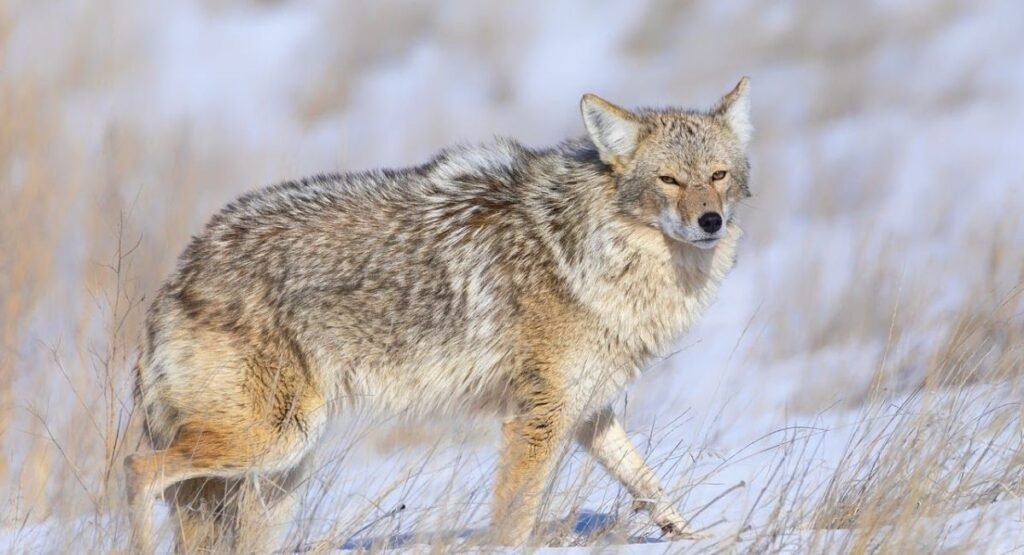
Renowned as opportunistic hunters, coyotes use their intelligence and resourcefulness to exploit available food sources. Their hunting style varies, ranging from solo pursuits to coordinated pack strategies, allowing them to effectively tackle prey of different sizes.
Dhole
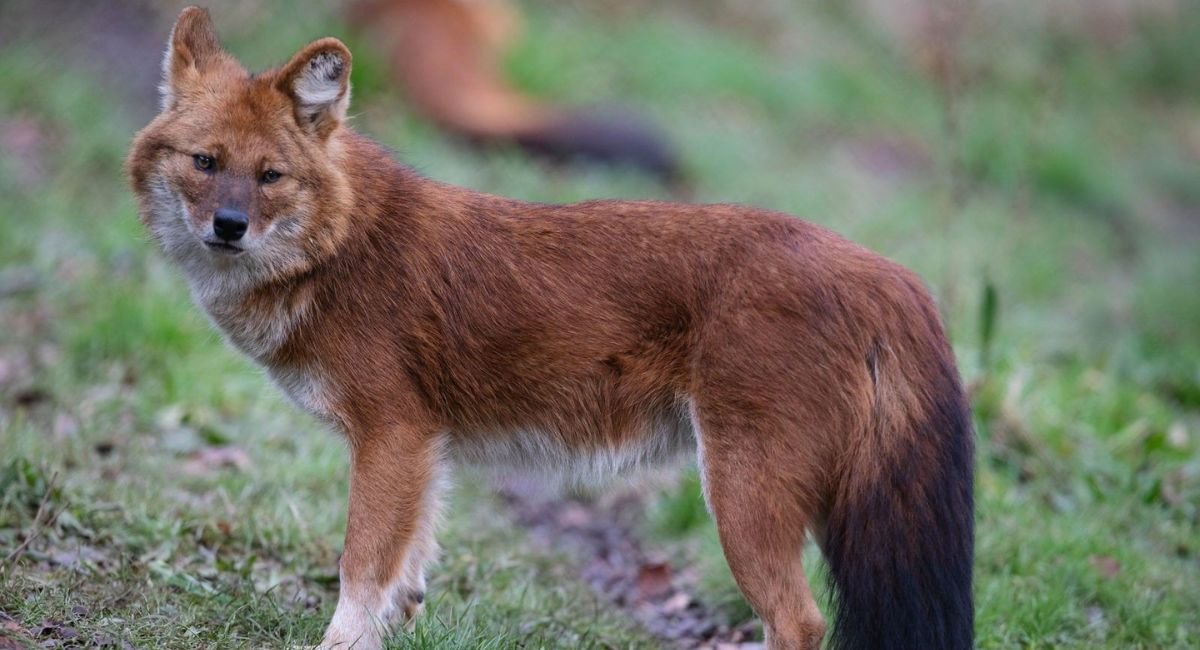
Dholes, often dubbed “wild fox like animals,” inhabit diverse regions across Asia, from the dense jungles to open grasslands. They showcase striking similarities to foxes, particularly with their elongated bodies, bushy tails, and sharp features, which enhance their agility in various terrains.
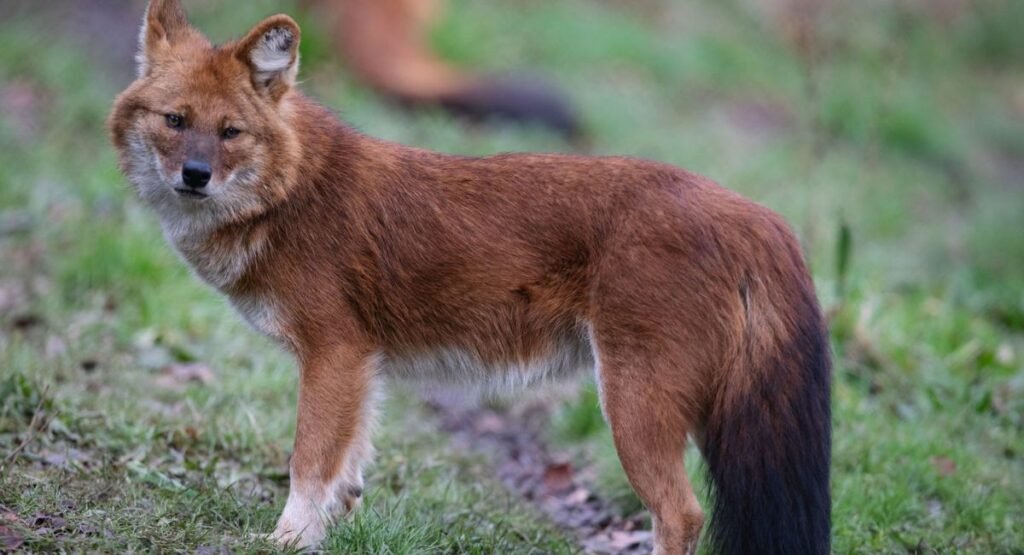
The social behavior of dholes sets them apart, exemplifying the power of pack hunting. These canines cooperate in groups to track and capture prey, demonstrating intricate communication and strategic planning.
Their cohesive social structure not only enhances their hunting success but also fosters strong bonds within the pack, reflecting a complex interplay of instincts and social dynamics that resonate through their Asian habitats.
Domestic Dog
The Shiba Inu, often admired for its spirited personality and fox-like appearance, embodies the charm of a domestic dog that seems to straddle the line between wild elegance and loyal companionship. With its keen intellect and independent nature, this breed captures the hearts of owners seeking a spirited yet manageable pet.

Pomeranians, on the other hand, offer a delightful contrast with their fluffy coats and unabashedly playful spirit. These small domestic dogs may be pint-sized, but their personalities are larger than life, often resulting in entertaining antics that can brighten any day.
Spitz breeds, which include the likes of the Alaskan Eskimo and the American Eskimo, boast a striking resemblance to their wild counterparts, showcasing a beautiful balance of loyalty and intelligence that further emphasizes their desirability as pets. Each of these breeds illustrates the fascinating blend of wild ancestry and domestic charm, captivating dog lovers everywhere.
Skunk
Skunks, often mistaken for animals that look like foxes, possess a unique body shape that blends compactness with agility. Their stout bodies and short legs allow them to navigate various terrains, while their bushy tails add to their distinctive silhouette. This physical design aids in foraging and evading predators, showcasing a remarkable adaptability to their environments.
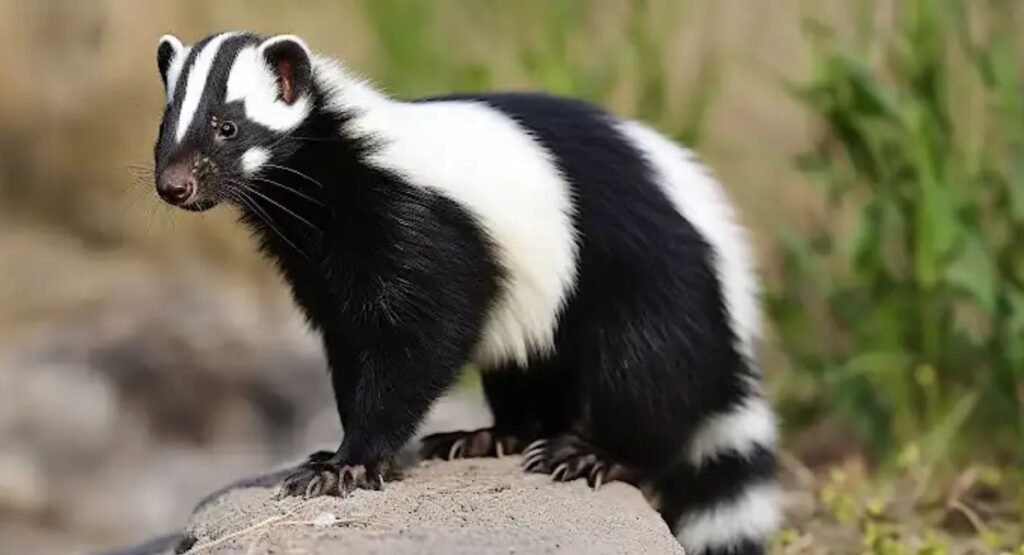
Survival for skunks relies heavily on their potent defense mechanism their infamous spray. This noxious liquid serves not only as a deterrent but also as a means to communicate with others. As nocturnal creatures, skunks are most active at night, using their keen sense of smell and hearing to explore and navigate, allowing them to thrive in diverse ecosystems while minimizing daytime threats.
Read also Small Monkey Breeds: Top 15 Tiny Monkeys You’ll Instantly Fall In Love With
Jackal
The jackal, a fascinating member of the canid family, roams the diverse landscapes of Africa and Asia. Known for their remarkable adaptability, these clever creatures thrive in various environments, from savannas to deserts. With their keen sense of smell and sharp intelligence, jackals are often spotted scavenging, playing a crucial role in their ecosystems by cleaning up carrion and maintaining the balance of nature.
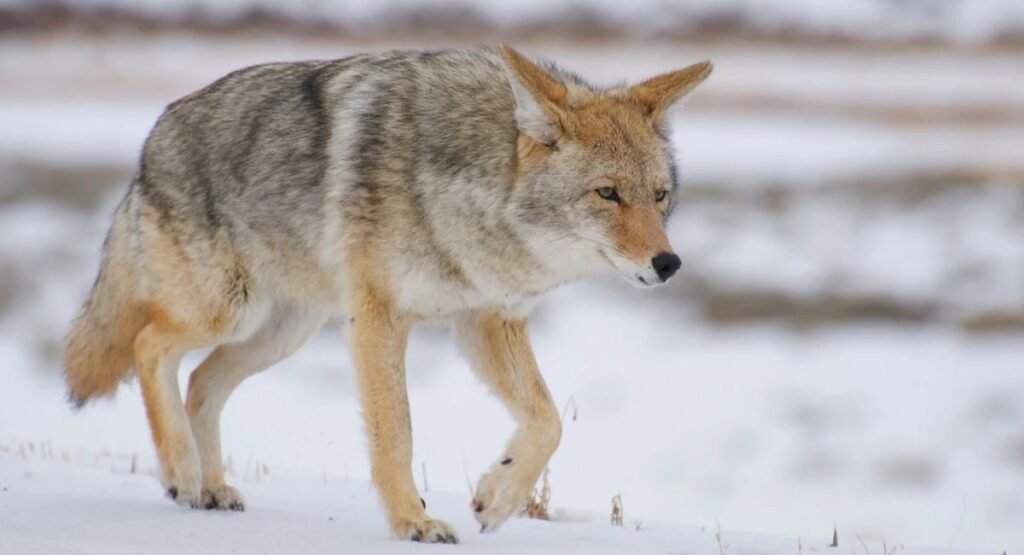
Scavenging behavior is a hallmark of the jackal’s survival strategy, allowing them to exploit available resources effectively. Their stealthy approach enables them to find food in the most unexpected places, showcasing their resourcefulness.
The jackal shares many similarities with the fox, particularly in terms of behavior and social structure, yet they have adapted uniquely to the challenges of their respective habitats. As a vital part of the ecosystem, jackals remind us of nature’s intricate webs of life and the roles each creature plays.
Red Panda
The red panda, often likened to fox like mammals due to its playful demeanor and distinctive facial markings, boasts a stunningly fluffy tail that serves multiple purposes. This tail is not just for show; it aids in balance as these agile creatures navigate the treetops of their forest habitat, often hanging from branches and using their tails for added stability.

In their dense, bamboo-rich environments, red pandas are expert tree climbers, showcasing remarkable agility as they scale trunks and leap between branches. Their forest habitats provide essential cover and foraging opportunities, allowing them to thrive in the shadows of the towering trees, where they engage in their solitary, albeit charming, routines.
Weasel
The weasel, much like its more infamous cousin, the fox, exhibits remarkable hunting skills that make it a formidable predator in its environment. Armed with sharp teeth and agile bodies, these small carnivores can pursue prey through narrow burrows and dense vegetation, showcasing a unique adaptability in various terrains.
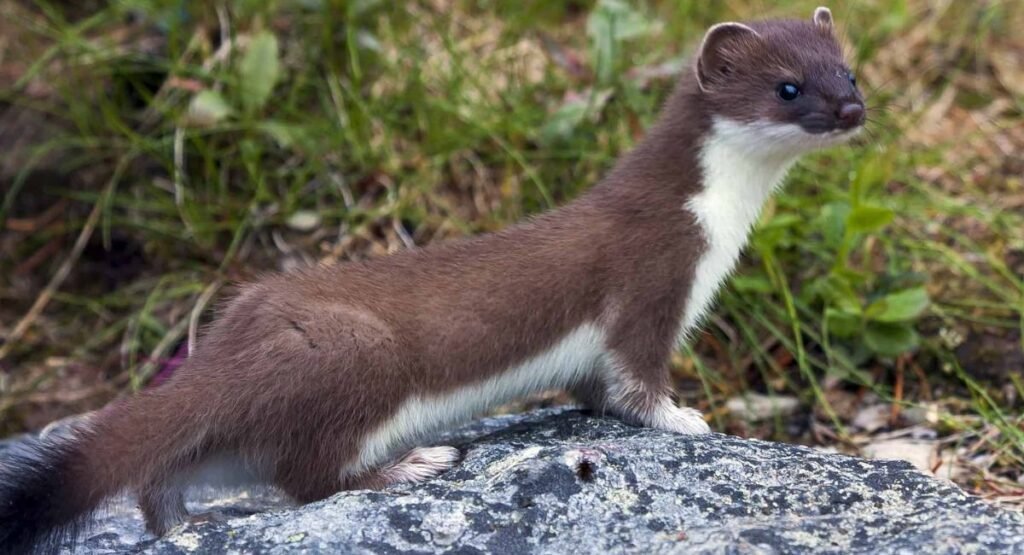
Weasels are renowned for their intelligence, employing cunning tactics to outsmart potential threats. They possess a keen sense of awareness that enables them to assess their surroundings, making quick decisions during hunts. This blend of speed and cleverness positions weasels as adept hunters within the animal kingdom, effectively likening them to animals like foxes, but with their own distinctive flair.
Culpeo
The Culpeo, also known as the Andean fox, roams the diverse landscapes of South America, from the arid Patagonian steppes to the rugged Andean mountains. As a member of the Canidae family, this striking canid showcases the adaptive traits its fox relatives possess, such as a keen sense of smell and a diverse diet that includes rodents, fruits, and carrion.
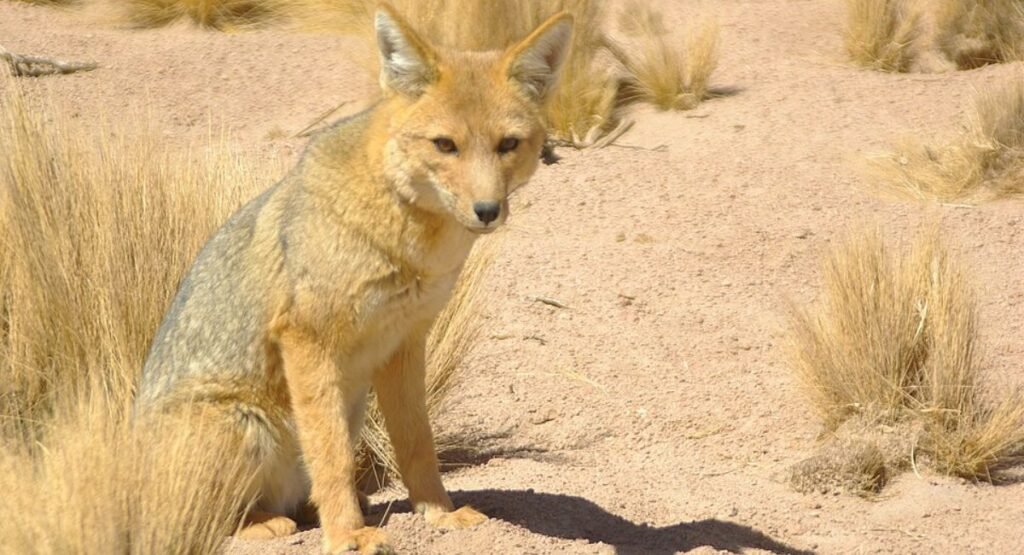
With its rich reddish-brown fur and bushy tail, the Culpeo exemplifies true fox ancestry while exhibiting unique evolutionary adaptations suited to its environment. Its behavior and ecological role underline the fascinating evolutionary journey of fox relatives, which have diversified across various habitats.
Cat
Cats showcase a hunting style that mirrors that of their distant relatives, the foxes. With their keen eyesight and acute hearing, these agile predators excel at stalking their prey. Their methodical approach often involves silent movements, which allows them to pounce with remarkable accuracy.
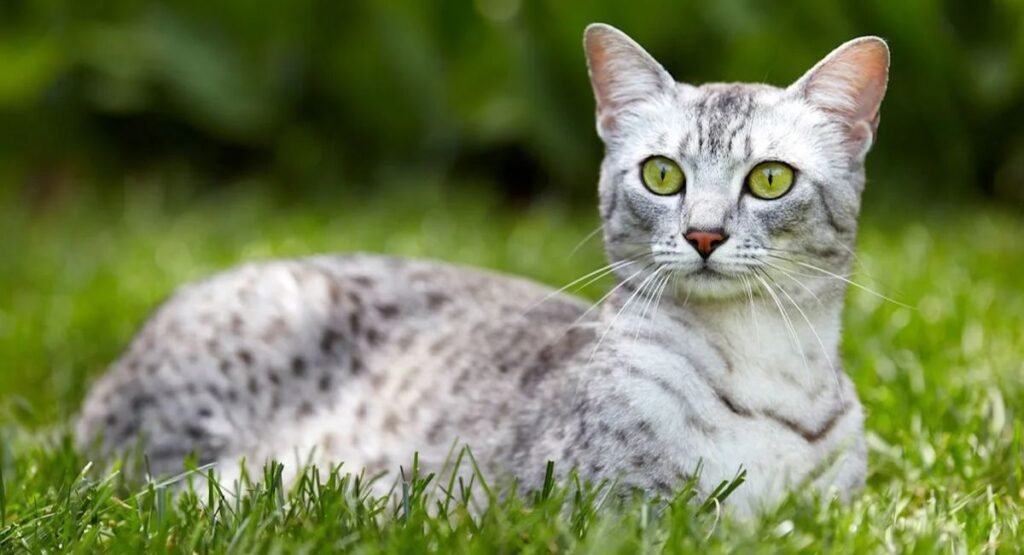
Stealth is an innate quality in cats, enabling them to navigate their environment quietly and effectively. The independence of a cat is evident in its solitary hunting tactics, often preferring to hunt alone rather than rely on a pack. This behavior not only emphasizes their self-sufficiency but also places them alongside animals similar to foxes in adaptability and survival skills.
Wolf
The intricate pack behavior of wolves showcases a unique social structure that reflects their need for cooperation and cohesion. Each member plays a distinct role, from the alpha pair leading the pack to the subordinates supporting hunting efforts and raising young. This communal lifestyle not only enhances their hunting success but also fosters strong emotional bonds, akin to those observed in their distant relatives fox family animals.
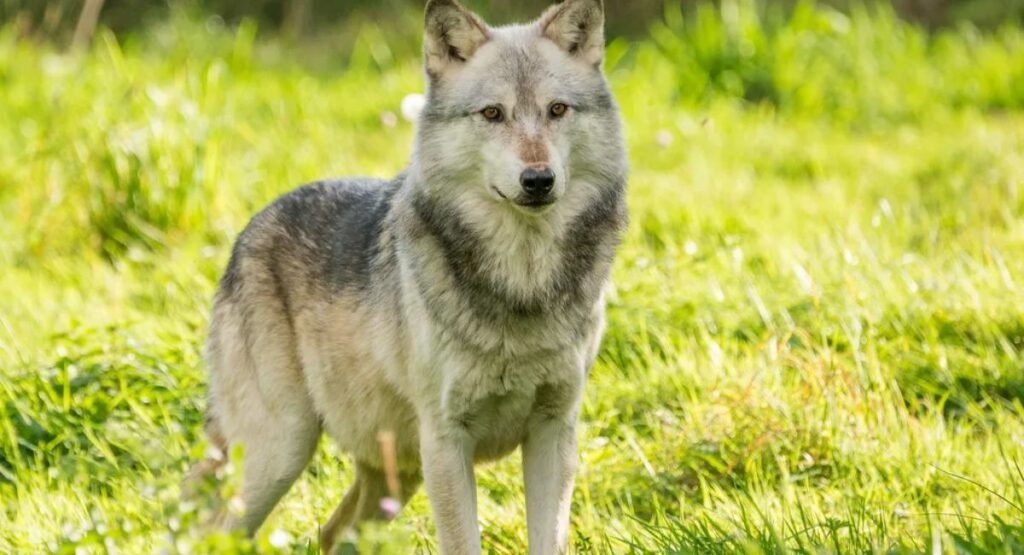
Wolves and foxes share a rich ancestral lineage, originating from a common ancestor that roamed the Earth millions of years ago. This shared heritage is evident in their behaviors and social dynamics, illustrating how adaptation has shaped them into unique yet interconnected species.
Margay
The Margay is often compared to foxes due to its sleek, agile body and spotted coat, resembling a mini leopard. Found primarily in the tropical rainforests of Central and South America, its remarkable climbing ability allows it to navigate tree canopies with grace. Adapted to a life in the trees, this elusive feline exhibits a hunting style that mirrors that of foxes utilizing stealth and cunning to stalk prey.
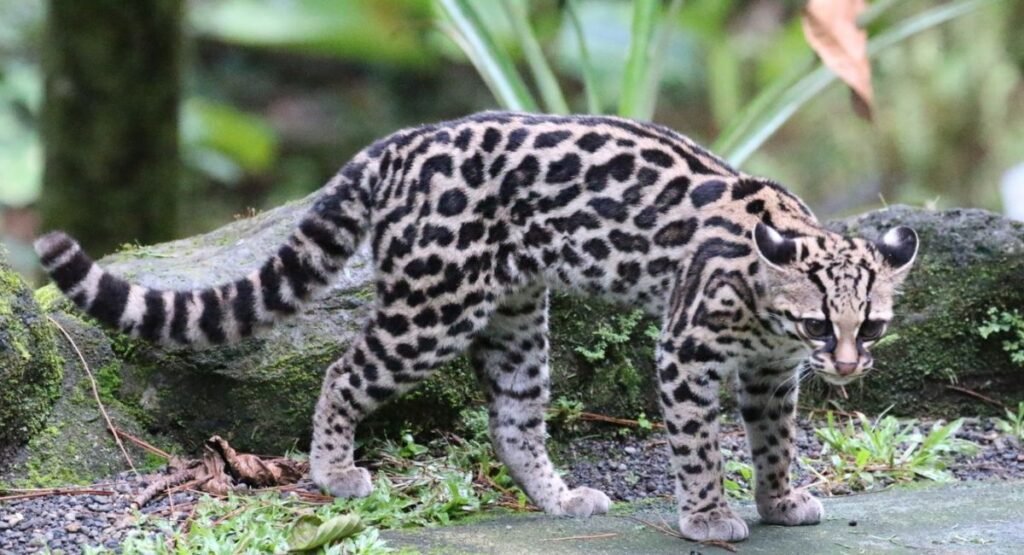
Unlike typical felines, Margays can mimic the calls of other animals, aiding in their hunting effectiveness. Their unique ankle structure allows for rotating their back feet, enabling them to descend trees headfirst, a trait that grants them an edge in both hunting and escape from predators.
Dingo
Dingoes share similarities with foxes not just in appearance, but also in their adaptive hunting tactics and social behavior. These wild canines, found in various Australian ecosystems, possess a lean, muscular frame with a bushy tail, much like that of a fox. They are opportunistic hunters, often working in packs to take down larger prey, but can also thrive on smaller game when necessary.
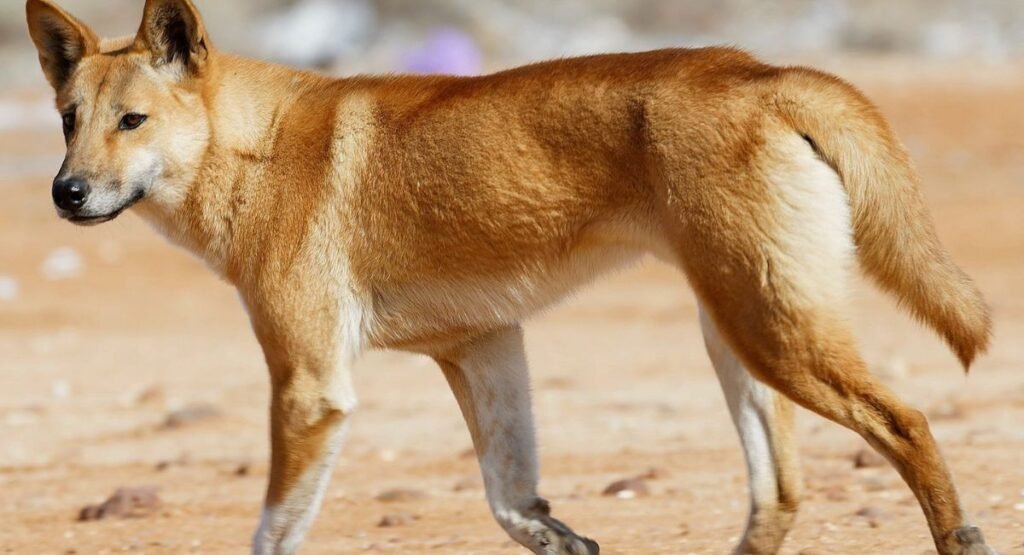
Their adaptability to diverse habitats, from deserts to forests, showcases their survival skills. Furthermore, Dingoes exhibit a unique form of communication with a haunting howl, bridging connections within their pack, reminiscent of the vocalizations made by red foxes during the mating season.
Mole Rat
Mole rats might not share the traditional visual similarities with foxes, but their social structures and burrowing abilities draw interesting parallels. These subterranean dwellers inhabit dry grasslands in Africa and form colonies akin to that of a fox den, where they work collaboratively to survive. Their small, compact bodies are well-suited for life underground, showing ingenuity in their survival tactics.
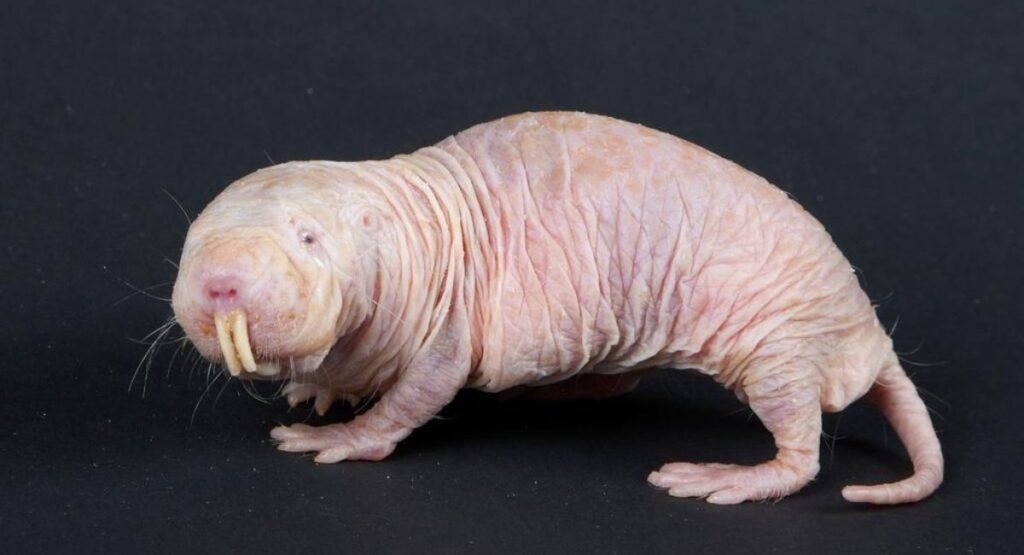
With their strong incisors, mole rats create extensive tunnel systems that serve as both homes and hunting grounds. Unlike foxes that hunt above ground, mole rats divert their efforts to foraging for roots and tubers, using their keen sense of smell to locate food sources hidden beneath the soil.
Bobcat
The bobcat, with its tufted ears and spotted fur, evokes a fox like appearance that charms wildlife enthusiasts. This adaptable predator roams a variety of habitats across North America, exhibiting traits reminiscent of both foxes and larger wildcats. They are stealthy hunters, often employing ambush tactics to catch rabbits and birds, mirroring the fox’s cunning hunting style.
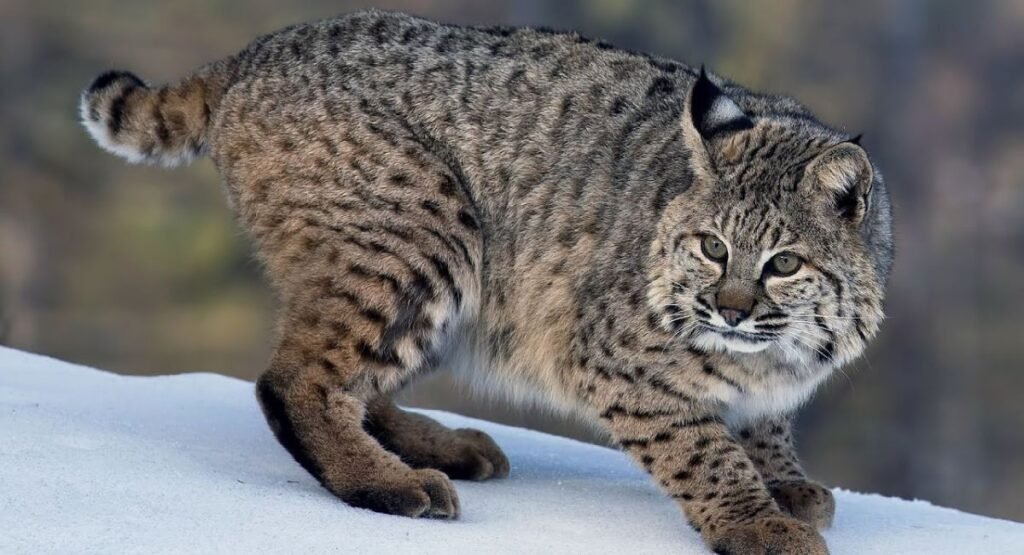
Known for their ability to thrive in both rural and suburban areas, bobcats can balance their wild instincts with urban living. Their exceptional hearing and keen eyesight help them detect prey, allowing them to pounce swiftly, much like a fox on the prowl.
Mountain Lion
With their slender frame and fox like face, mountain lions display a striking resemblance to smaller wild canines. These powerful predators inhabit a range of environments from mountainous regions to deserts across North and South America. Their solitary hunting style echoes that of foxes, relying on stealth and strength to ambush deer and smaller mammals.
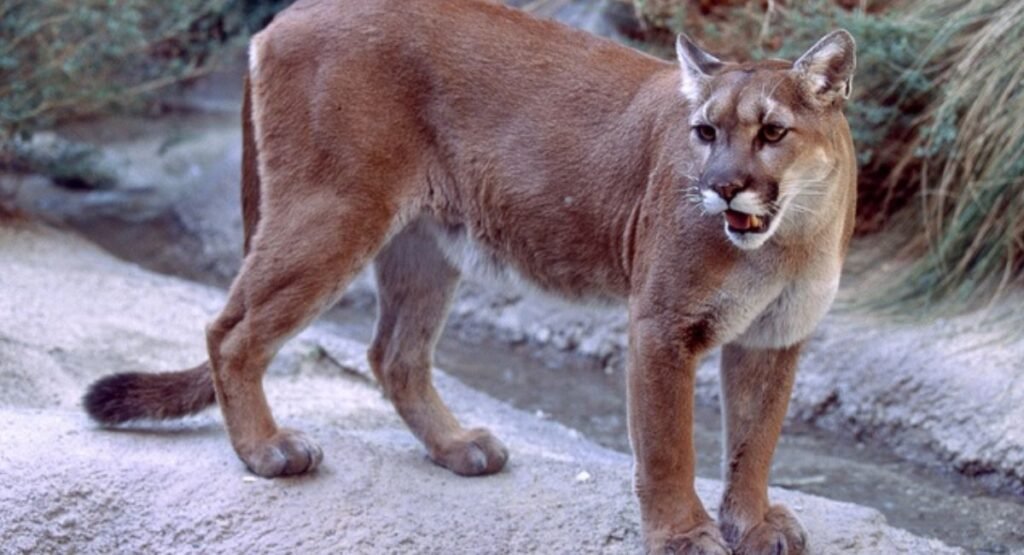
Mountain lions possess extraordinary survival skills, such as the ability to leap up to 20 feet in a single bound, showcasing their impressive agility. Additionally, they utilize a wide range of vocalizations, including growls and screams, which create territorial markings much like the vocal communications of foxes.
Raccoon Dog
Raccoon dogs, unlike typical canids, boast a facial mask reminiscent of their namesake and a body structure similar to that of a fox. Found in East Asia and parts of Europe, these unique animals have adapted well to various habitats, including forests and urban areas. Their omnivorous diet allows them to scavenge effectively, just as foxes do in diverse environments.
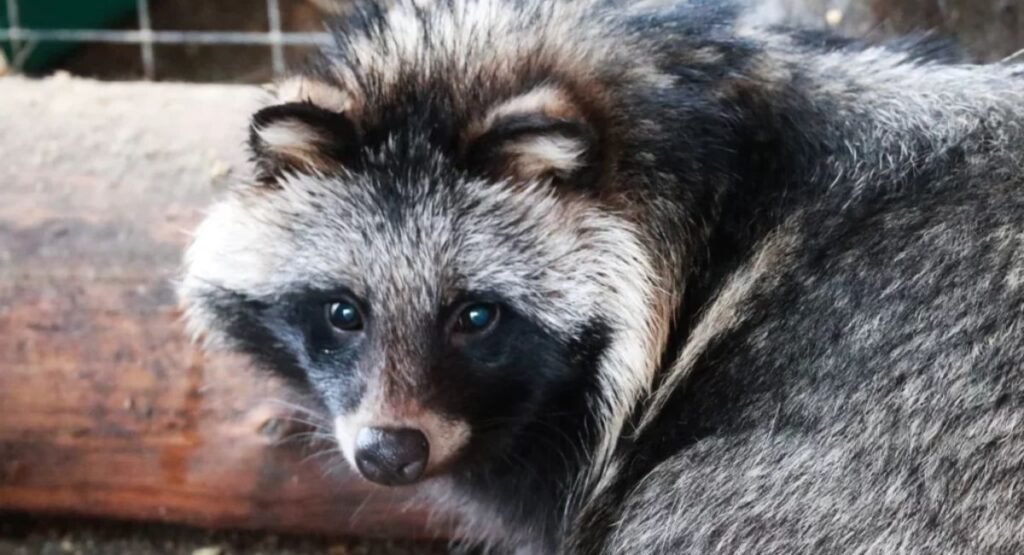
What sets raccoon dogs apart is their ability to hibernate, an unusual trait among canines. They gather food during the warmer months, storing fat for the harsh winters, ensuring survival in colder climates, much like the strategic foraging behaviors observed in foxes.
Civet
Civets, with their elongated bodies and whiskered faces, evoke a fox like charm in both appearance and behavior. Found in tropical forests and grasslands in Africa and Asia, these nocturnal mammals are excellent climbers and adaptations allow them to thrive in varied environments. Their hunting style combines stealth and agility, akin to the hunting strategies of a fox.
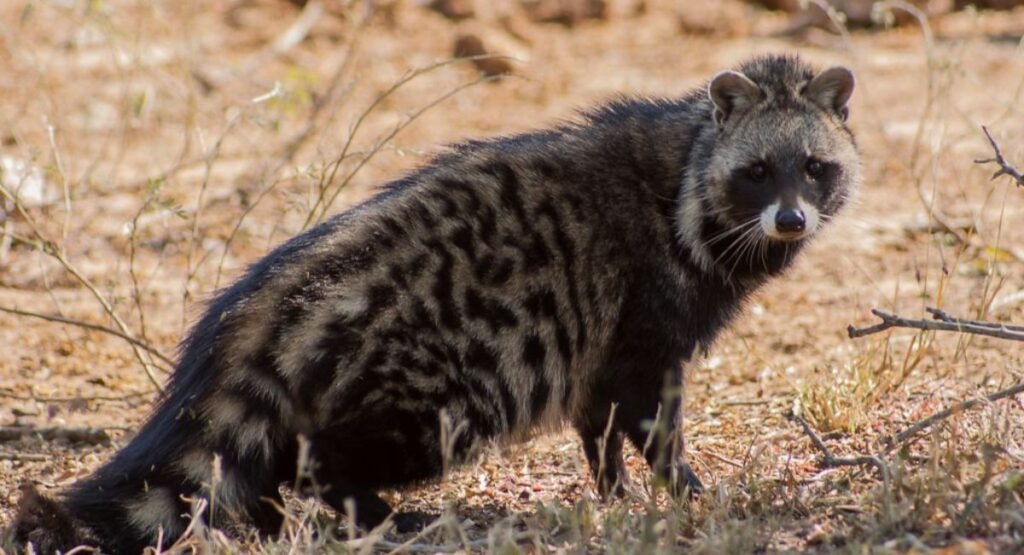
Notably, civets are also known for their unique digestive system, producing prized coffee from beans that pass through their bodies. This fascinating trait not only adds to their charm but highlights their role in both the ecosystem and human economy, further illustrating the resourcefulness that mirrors the creative survival strategies of foxes.
African Wild Dog
The African wild dog, though distinct in its own right, shares some fox like features with its large ears and slender physique. Inhabiting savannas and grasslands of Sub-Saharan Africa, these social creatures live and hunt in packs, showcasing remarkable coordination. Their hunting strategy involves relentless pursuit, which contrasts yet echoes the more stealthy approaches of foxes.
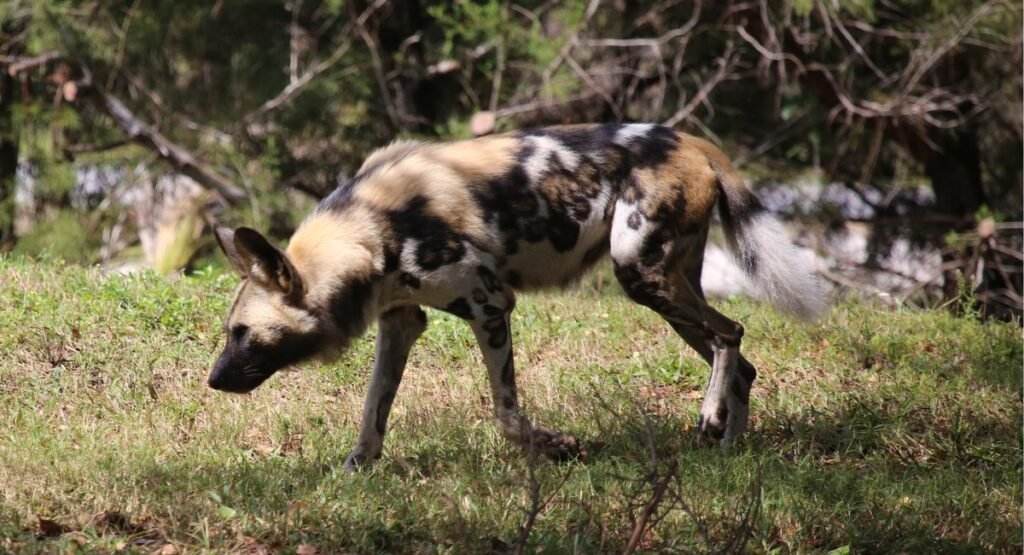
The African wild dog is renowned for its high success rate in hunting, markedly due to their teamwork and vocal communication. Their unique markings and social behaviors create strong bonds within packs, mirroring the familial structures often seen in red foxes.
Mongoose
Mongooses, resembling small foxes in build and behavior, are adaptable creatures found in diverse habitats, from grasslands to forests in Africa and Asia. Their compact bodies allow for agility and quickness, traits that prove beneficial when hunting insects and small vertebrates. Like foxes, they are known for their cunning nature and often collaborate in groups to enhance their foraging efficiency.
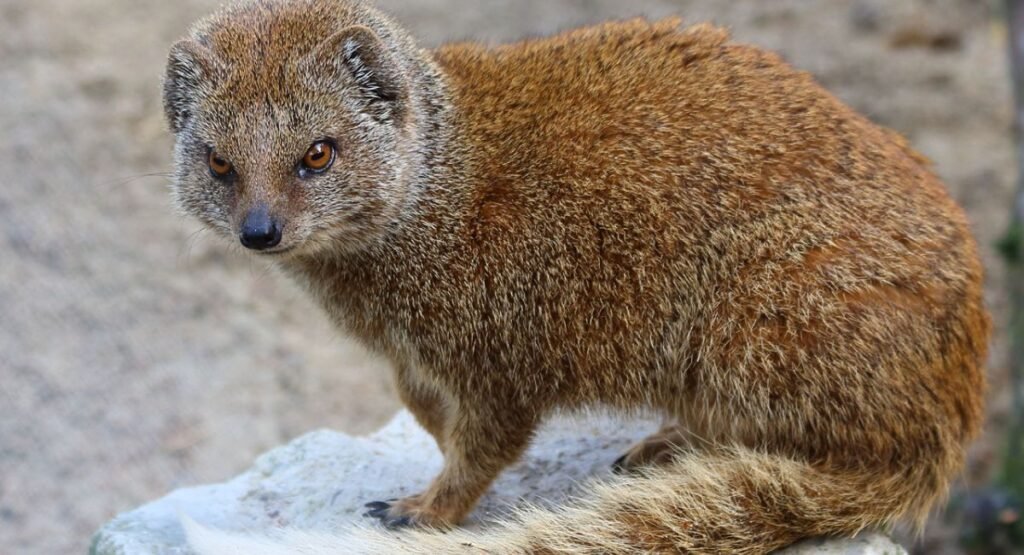
Some species of mongoose are famous for their ability to combat venomous snakes. Their specialized physiology and quick reflexes allow them to dodge strikes and deliver precise lethal attacks, showcasing a survival tactic that adds to their fox-like mystique.
Arctic Fox
The Arctic fox captivates with its fox like appearance, complete with a bushy tail and sleek body adapted for frigid climates. Endemic to the Arctic regions, these foxes possess thick fur that changes color with the seasons, providing both camouflage and warmth. Their habitat ranges from tundra to icy coastlines, highlighting their remarkable adaptability to harsh environments.
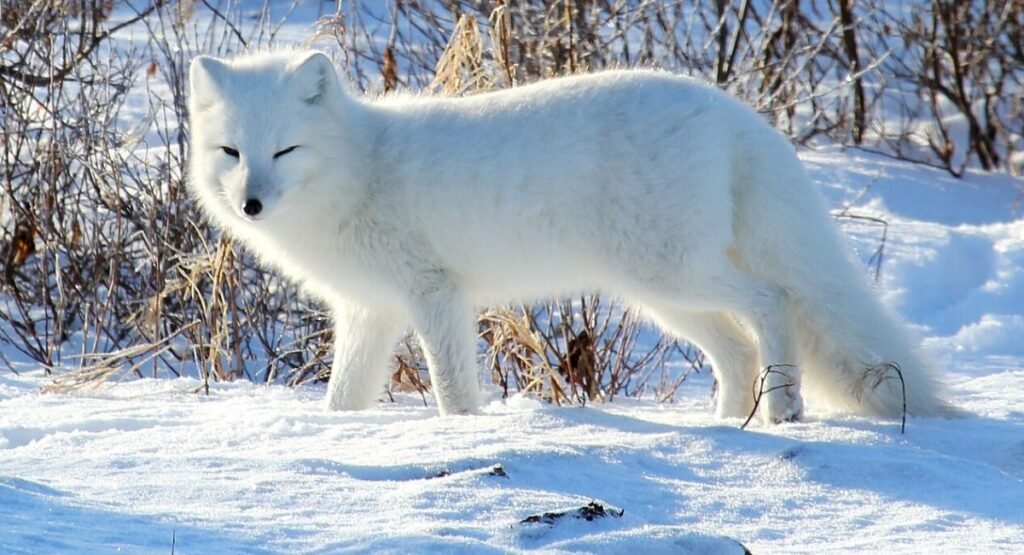
Arctic foxes display clever strategies, often following polar bears to scavenge leftovers from their kills. Their keen senses and ability to locate food hidden beneath snow illustrate unique survival traits, reinforcing their status as resilient creatures in some of the world’s most challenging climates.
Fennec Fox
The fennec fox, with its captivating large ears, is one of the most recognizable fox like animals in the world. Adapted to the harsh conditions of the Sahara Desert, these petite creatures possess a sandy coat that blends seamlessly into their arid surroundings. Their oversized ears not only serve as excellent temperature regulators, dissipating heat during daylight hours, but also enhance their acute sense of hearing, making them formidable nocturnal hunters.
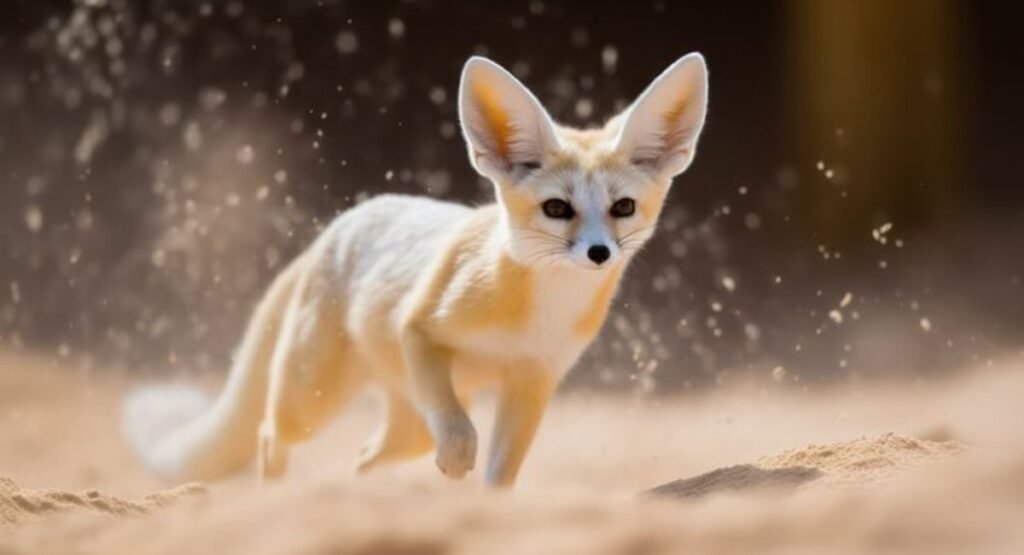
Fennec foxes are primarily insectivorous, but they also consume plants and small mammals. Their unique hunting behavior includes an incredible ability to locate prey underground using their keen hearing. These remarkable survival adaptations allow them to thrive in a habitat with extreme temperature variations and scarce food resources.
Maned Wolf
Resembling a fox yet genetically distinct, the maned wolf is a fascinating example of animals similar to foxes. With its strikingly tall legs and long snout, it is well-adapted to the grasslands of South America, where it roams in solitude. This unique appearance, combined with its red fur, helps it to blend into the tall grasses while foraging for food.
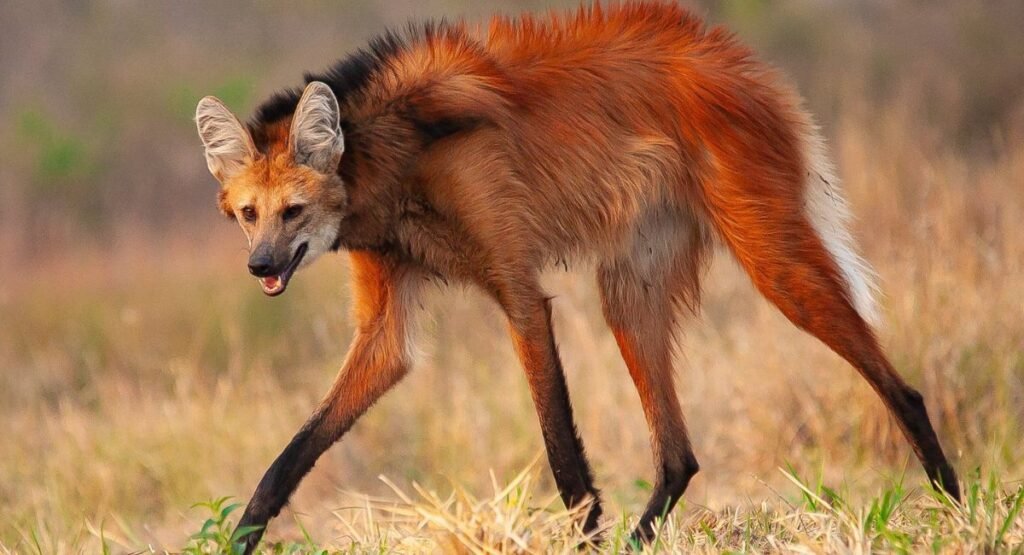
As a solitary hunter, the maned wolf predominantly hunts at dusk and dawn, preying on small mammals, birds, and fruits. Its distinctive hunting style includes an impressive ability to leap high to catch rodents hiding in the grass, showcasing both agility and strategic prowess in its grassland environment.
Bat-Eared Fox
The bat-eared fox stands out among animals that look like foxes, known for its distinctive large ears and penchant for an insect-rich diet. Found throughout Africa, these small foxes have evolved to thrive in open savannas and grasslands. Their enormous ears are not only cute; they are vital for detecting the faint sounds of insects underground, which comprise a significant portion of their diet.
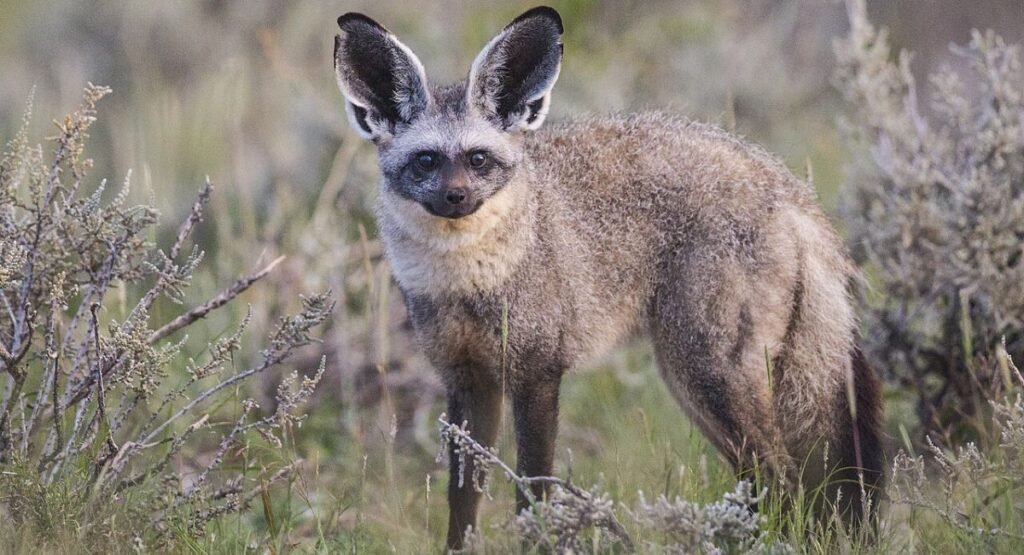
What truly sets bat-eared foxes apart is their exceptional hearing, enabling them to effectively locate and capture their prey, predominantly termites and other insects. By adopting a nocturnal lifestyle, they can avoid the scorching heat of the day, ensuring their survival in a competitive and challenging environment.
Corsac Fox
The corsac fox might not be as well-known, but it displays intriguing traits as one of the lesser known fox relatives. Found across the dry grasslands of Central Asia, this fox showcases thick fur that provides insulation against the region’s fluctuating temperatures. Its compact body and narrow face give it a distinct appearance, helping it blend into the landscape while hunting.
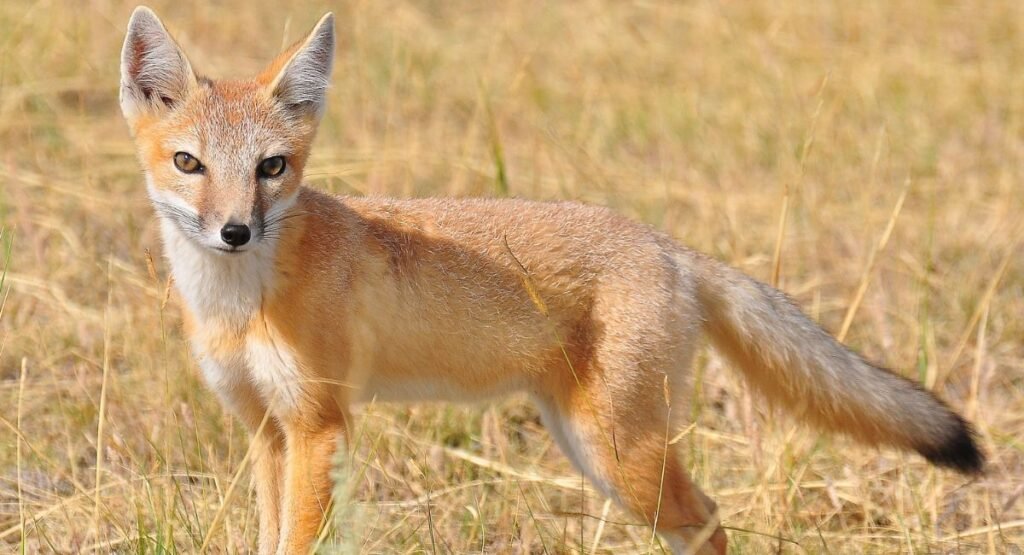
Corsac foxes are fast runners, adept at chasing down small rodents and birds. Their hunting strategy often involves a combination of speed and stealth, allowing these agile creatures to excel in their challenging habitat. Their survival skills are further enhanced by their social structure, often hunting in pairs or small family groups, which makes them more efficient in finding food.
Gray Fox
Among animals like foxes, the gray fox is particularly notable for its unique climbing ability. Native to North America, this adaptable fox has a slender body, a bushy tail, and a coat that blends seamlessly with the trees and bushes in its habitat. The gray fox prefers wooded areas, where it can take advantage of its agility to escape predators by climbing to safety.
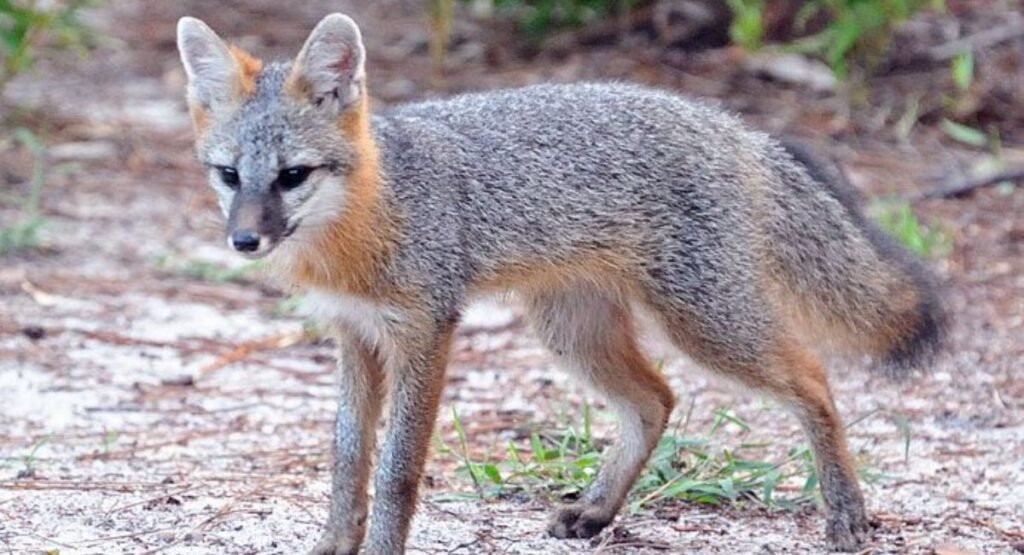
The gray fox has an omnivorous diet, consuming fruits, insects, and small mammals. This dietary flexibility allows it to thrive in diverse environments, making it a resilient survivor across various landscapes. Its ability to navigate both the ground and trees effectively sets it apart from its fox-like relatives.
Conclusion
The journey through Animals Similar To Foxes not only highlights the beauty of biodiversity but also reminds us of the connections we share with the animal kingdom. The fox-like animals we’ve discussed possess qualities that are not only intriguing but also essential for understanding their ecosystems.
From graceful fennec foxes to elusive raccoons, each creature offers a glimpse into the rich tapestry of life. This exploration of animals that look like a fox invites you to appreciate the myriad forms that nature takes, reinforcing the idea that every species plays a vital role in maintaining balance.
FAQs
Which Animal Is Similar To A Fox?
Animals like coyotes, jackals, wolves, and raccoon dogs are similar to foxes. They share pointed ears, bushy tails, sharp senses, and clever hunting skills.
What Species Are Similar To Foxes?
Foxes belong to the Canidae family, which includes dogs, wolves, coyotes, and jackals. These species share common ancestry, intelligence, and survival instincts.
What Is The Closest Animal To A Fox?
The closest animals to foxes are jackals, coyotes, wolves, and dogs. They belong to the same Canidae family and share many traits.