How Strong Are Kangaroos? The Truth About Their Power & Deadly Kicks
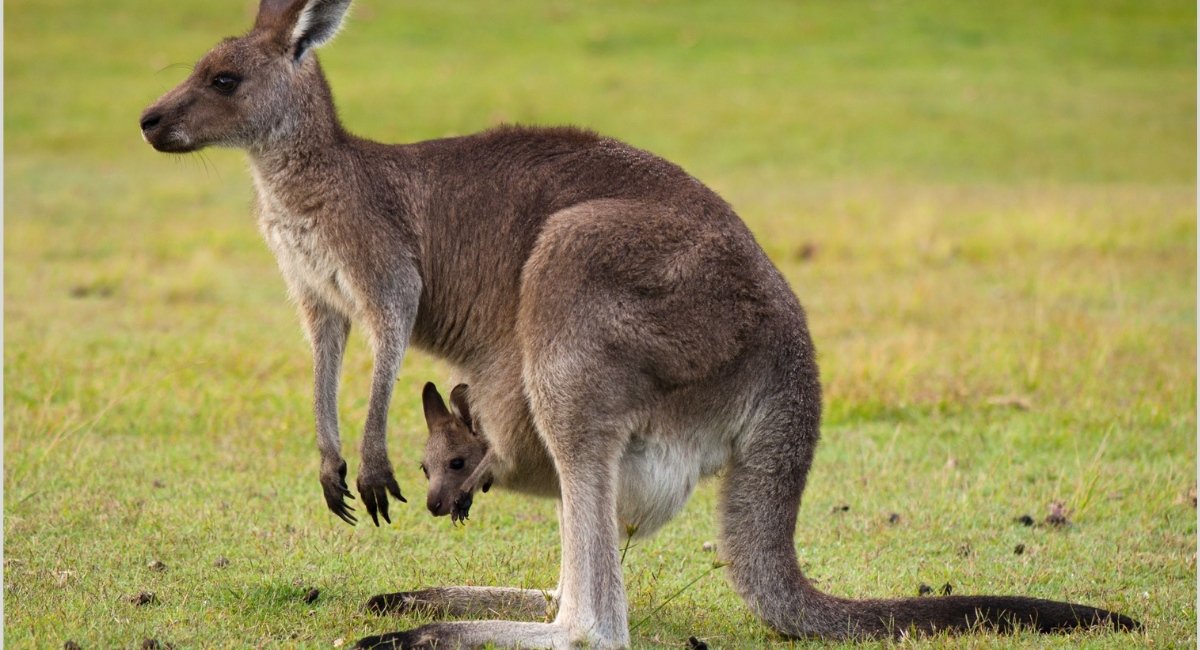
How Strong Are Kangaroos? These iconic Australian animals are more than just a symbol of the continent; they embody a unique blend of strength and grace. Equipped with muscular hind legs, kangaroos can reach speeds of over 35 miles per hour in short bursts and jump distances of up to 30 feet.
Beyond their impressive physical abilities, exploring kangaroo strength sheds light on their adaptations and survival strategies in the wild. This article will explore what makes kangaroos truly formidable in their natural habitat.
What Kangaroos Are Built To Do
A kangaroo’s design priorities are clear the moment it moves:
- Huge hind legs for hopping and kicking.
- Long, springy tendons that store and return energy.
- A thick tail that acts like a counterbalance and, in slow movement, a supportive “fifth limb.”
- A relatively lighter upper body compared with many similarly sized mammals.
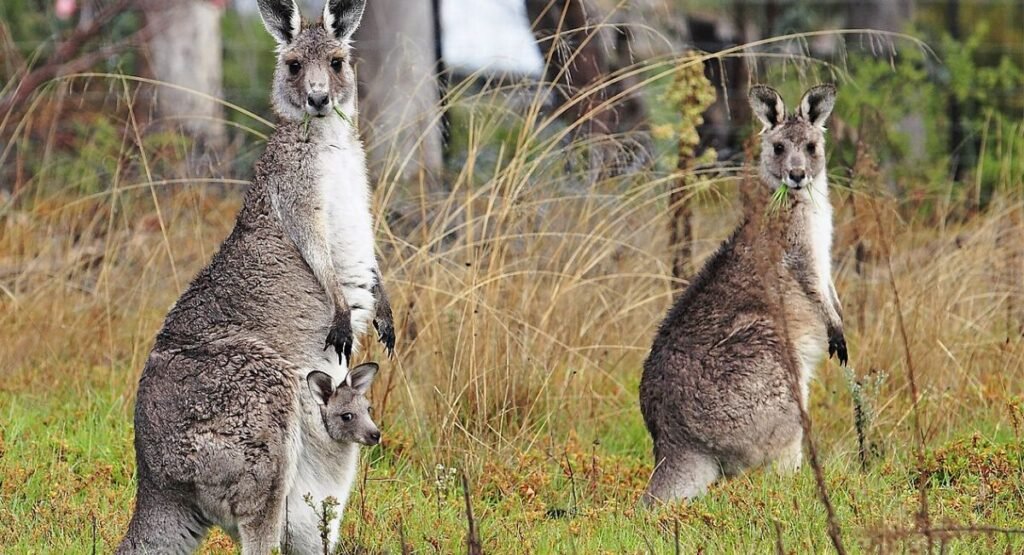
“Biomechanics research on red kangaroos shows how unusual their locomotion is. As they hop faster on level ground, their metabolic cost doesn’t rise the way it does in many other animals, which is linked to elastic energy storage in tendons. This is similar to the role cartilage and ligaments play in horses, where connective tissue absorbs and returns force during movement. That efficiency is its own kind of strength: the ability to keep moving without burning through fuel.”
kangaroos Tail Is Not Decoration: It’s Part Of The Power System
People notice the legs first, but the tail is a major reason kangaroos look so stable in a fight. When a kangaroo leans back, it can brace on the tail and free the hind legs to kick. In slow movement, kangaroos also use the tail like a supportive limb, helping with balance and propulsion.
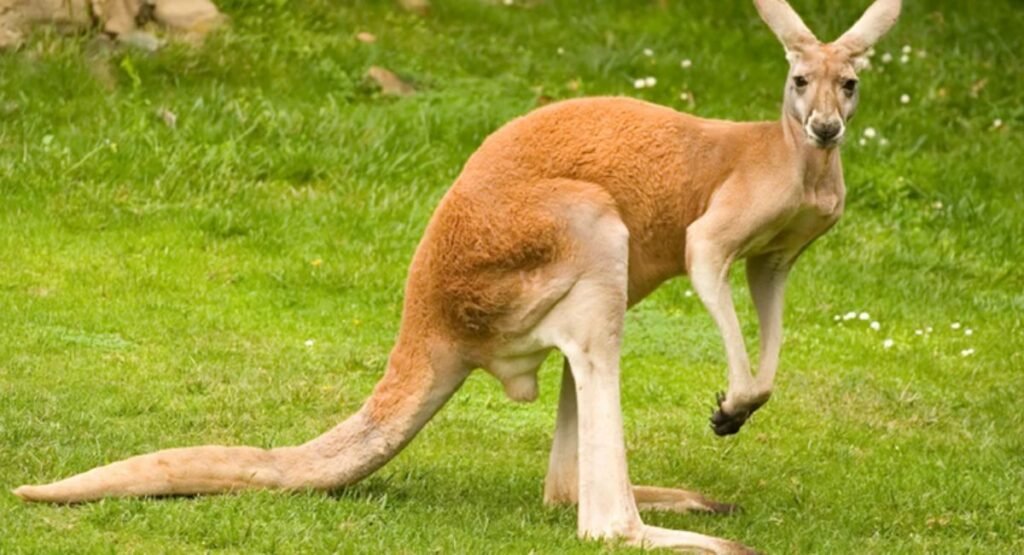
That tail support is why a kangaroo can look “upright” and controlled even while it’s shoving with the forelimbs. It’s not human boxing, it’s a very kangaroo-specific way of using the whole body as a lever.
Read also Strong Birds: What Is the Strongest Bird in the World?
Why Kangaroos “Box”
When people picture kangaroo fights, they imagine a lot of punching. What’s happening is usually a mix of:
- Pushing and grappling with the forelimbs to control distance.
- Leaning back on the tail for balance.
- Delivering kicks with the hind legs, which are the real power move.
In many species, adult males spar to compete for mates and establish rank. It looks dramatic, but it’s part ritual, part test, and part serious conflict when neither animal backs down. “Much like other loud, assertive animals, kangaroos use sound and display to communicate dominance before resorting to physical force.”
Are Kangaroos Stronger Than Humans?
This depends on what you mean by “strong.”
Upper Body Strength
Humans generally have more developed shoulder and arm strength relative to what we do with our hands every day. Kangaroos can grapple and push, but their arms are not the main event.
Lower Body Power
This is where kangaroos shine. Their hind limbs are built to generate force for hopping and, when needed, kicking. That doesn’t mean a kangaroo is “stronger” in every way, but it does mean you don’t want to test your luck close-up.
Endurance And Efficiency
Kangaroos are famous for moving efficiently across open landscapes. That’s less about one explosive effort and more about repeating a powerful movement again and again.
Force Of A Kangaroo Kick And Punch: What We Can Say Without Myths
A lot of online claims about the force of a kangaroo kick (or the force of a kangaroo punch) are guesswork, or they’re based on dramatic stories rather than measured data. What we do know from biomechanics is that kangaroo hopping involves substantial forces through the legs, managed by tendons and muscles designed for repeated loading.
A defensive kick is a different movement than a hop, and measuring it accurately in the real world is tricky. So the honest answer is: kangaroo kicks can be dangerous and can injure people, but precise “pounds of force” numbers are not consistently documented across studies.
If you want a practical takeaway, here it is: treat the hind legs as the main weapon. The arms are mainly for control and balance.
You’ll sometimes see clips where a kangaroo appears to “choke” an opponent or wrestle like a person. Most of that is grappling and balance work. The dangerous part is still the hind legs, especially if the kangaroo has room to lean back and strike.
If you’re comparing kangaroo strength to human strength, it’s more realistic to compare movements: a human deadlift versus a kangaroo kick is not a fair matchup. Kangaroos are specialists, and specialists often look superhuman when they’re doing their specialty.
How Kangaroos Use Strength In Real Life
Kangaroo strength shows up in everyday survival, not in staged fights:
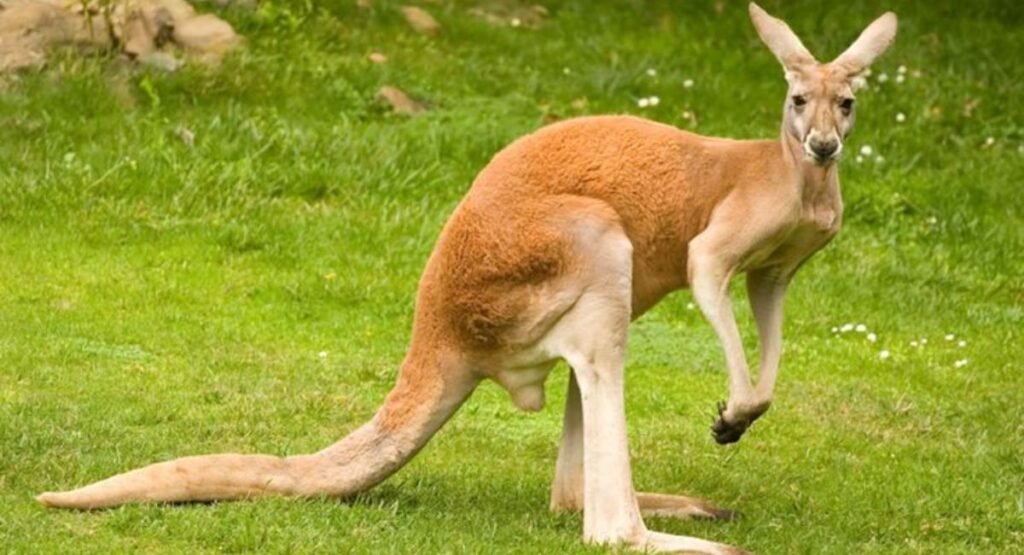
- Escaping predators by covering ground quickly and efficiently.
- Holding ground and defending themselves when threatened a trait shared with some of the most stubborn animals in the world, who will stand their ground rather than flee.
- Competing with rivals without exhausting themselves in a full fight every time.
Safety Note If You See Kangaroos
Most wild kangaroos would rather avoid people. Problems tend to happen when animals are fed, cornered, or approached too closely. If you’re in kangaroo country, give them space, don’t try to touch them, and keep dogs under control.
Facts About Kangaroos You Should Know
Kangaroos are fascinating creatures with a host of intriguing traits that set them apart in the animal kingdom. From their unique movement to their nurturing pouch, kangaroo facts reveal just how remarkable these animals truly are.
Kangaroo Facts #1: They Can’t Walk Backward
Kangaroos are unique not only in appearance but also in their locomotion. Their large tail and muscular hind legs prevent them from walking backward, making forward movement their only option. This quirk has turned them into a symbol of progress in Australian culture, embodying the idea that moving forward is the only way to go.
Kangaroo Facts #2: They Jump Extremely High
Among the animal kingdom, kangaroos are champions of leaping. Capable of bounding up to 25 feet in a single jump, these powerful creatures can not only outrun predators but also traverse vast distances efficiently. This incredible ability highlights their adaptation to the open landscapes of Australia, allowing them to escape danger with remarkable agility.
Kangaroo Fact #3: Kangaroos Babies Live in a Pouch
The life of a baby kangaroo, or joey, is unlike that of many other mammals. Born tiny and undeveloped, joeys find safety and nourishment in their mother’s pouch. This unique feature not only ensures their survival but also fosters a close bond between mother and child during the crucial early stages of life.
Kangaroo Fact #4: Their Tail Works Like a Leg
The kangaroo’s tail is more than just a balancing tool; it serves as a functional fifth limb. This versatile appendage aids in movement and stability, especially when kangaroos are standing still or walking slowly. The tail allows for better coordination as they navigate their environment, underlining the uniqueness of their anatomy.
Kangaroo Fact #5: They Are Strong Kickers
When it comes to self-defense, kangaroos pack a powerful punch or kick, to be precise. Their strong hind legs can deliver extremely forceful kicks, making them formidable if threatened. This behavior not only protects them from predators but also demonstrates their strength and resilience in the wild.
Conclusion
In examining How Strong Are Kangaroos, it’s clear that their impressive leg muscles and robust build contribute significantly to their overall strength. These remarkable creatures are capable of powerful leaps, enabling them to travel great distances with ease and agility.
Their strength not only aids in survival but also plays a role in social interactions within their groups. Understanding the strength of kangaroos enriches our appreciation for these unique animals and their adaptations to the Australian environment.
FAQs
What Are 3 Facts About Kangaroos?
3 facts about kangaroos are that they cannot walk backward, they carry babies in pouches, and they are native to Australia.
What Are Some Cool Facts About Kangaroos?
Cool facts about kangaroos include their ability to swim, pause pregnancy, and travel long distances with energy-efficient hopping.
What Are Facts About Kangaroos For Kids?
Facts about kangaroos for kids focus on simple ideas like baby joeys living in pouches, hopping instead of walking, and eating grass.
What Are The Most Interesting Facts About Kangaroos?
Interesting facts about kangaroos include their powerful kicks, unique reproduction system, and the fact they cannot walk backward.
What Are Some Fun Facts About Kangaroos?
Some fun facts about kangaroos include their ability to jump long distances, carry babies in pouches, and use their tails for balance.
What Do Kangaroos Eat?
Kangaroos are herbivores, which means they eat only plant-based foods. Their diet mainly depends on what’s available in their natural habitat.
How Many Kangaroos Are In Australia?
Australia has an estimated 35 to 50 million kangaroos, meaning they often outnumber humans (around 26–27 million people). Their population changes each year depending on rainfall and food supply, with numbers sometimes rising above 50 million during favorable conditions.