Badgers In Maine: Facts, Habitat, Diet, Sightings & Pictures
The presence of badgers in Maine, while not as common as in other regions, highlights the state’s diverse wildlife. These adaptable animals are essential to the ecological balance of their environment. Badgers share this reclusive tendency with many other shy animals in the world, preferring quiet corners of the landscape to human-populated areas.
Let’s explore the unique characteristics of the badger in Maine, its habitat preferences, and dietary habits. By the end, you will not only understand the importance of these creatures but also know where to spot them and see breathtaking images that capture their charm.
Are There Badgers In Maine?
Yes, there are badgers in Maine, but sightings are quite rare. These elusive creatures are predominantly found in the western and northern parts of the state, and their populations have faced declines due to habitat loss and human activity.

Badgers typically thrive in open grasslands and lowland areas, making their limited presence in Maine particularly intriguing. While they have been spotted occasionally, these sightings often prompt wildlife enthusiasts and researchers to monitor their status closely.
Badgers In Maine At A Glance
| Feature | Details |
| Scientific Name | Taxidea taxus (American Badger) |
| Class | Mammalia |
| Diet | Carnivorous (Rodents, rabbits, insects, reptiles, birds, and eggs) |
| Habitat | Grasslands, open woodlands, farmland, prairies, and sandy soils |
| Weight | 15–30 lbs (7–14 kg) |
| Length | 20–34 inches (51–86 cm), including the tail |
| Lifespan | 8–10 years in the wild; up to 14 years in captivity |
| Activity | Mostly nocturnal and solitary; active year-round |
| Conservation Status | Least Concern (IUCN), but uncommon and rarely reported in Maine |
What Do Badgers Eat In Maine?
Badgers in Maine have a diverse diet that includes rodents, rabbits, and insects, alongside reptiles and birds, with eggs also making a tasty addition. Rabbits make up a notable share of a badger’s prey, much like the pattern seen among other animals that eat rabbits, where speed and burrow access make cottontails an easy target.
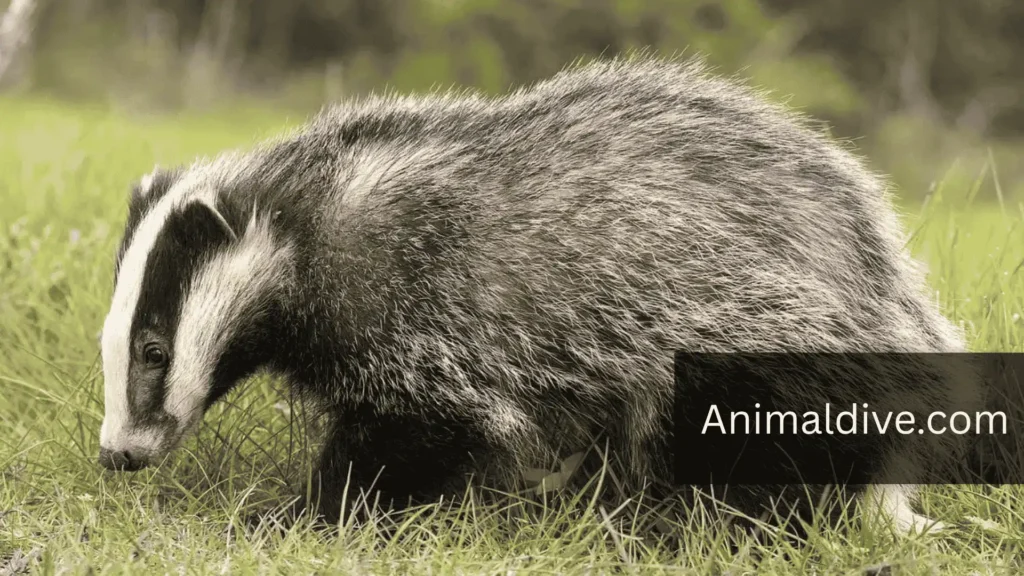
Their foraging nature allows them to adapt to seasonal changes, consuming fruits and nuts when available, showcasing their opportunistic feeding habits. This seasonal shift mirrors the diet of other animals that eat berries, which similarly rely on ripening fruit to supplement lean months.This varied menu not only keeps badgers healthy but also plays a crucial role in balancing the local ecosystem.
By preying on small mammals and insects, badgers act as natural pest controllers, helping to manage rodent populations that could otherwise overrun local crops and gardens. Their predation keeps ecosystems in check, benefiting both agricultural practices and wildlife health.
Habitat Of Badgers In Maine
In Maine, badgers thrive in diverse habitats such as grasslands, farmland, and open forests. These environments, characterized by sandy or loamy soils, facilitate their burrowing lifestyle, allowing them to create extensive tunnel systems with ease. The combination of open space and rich soil makes it an ideal setting for foraging and denning.
Grasslands and farmlands provide an abundance of prey, including small mammals and insects, which are vital for their diet. Additionally, open forests offer cover and protection, ensuring that badgers can establish their territories while remaining undetected by potential threats.
Physical Characteristics Of Maine
Maine badgers are fascinating animals with a combination of remarkable adaptations that make them well-suited for their environment.
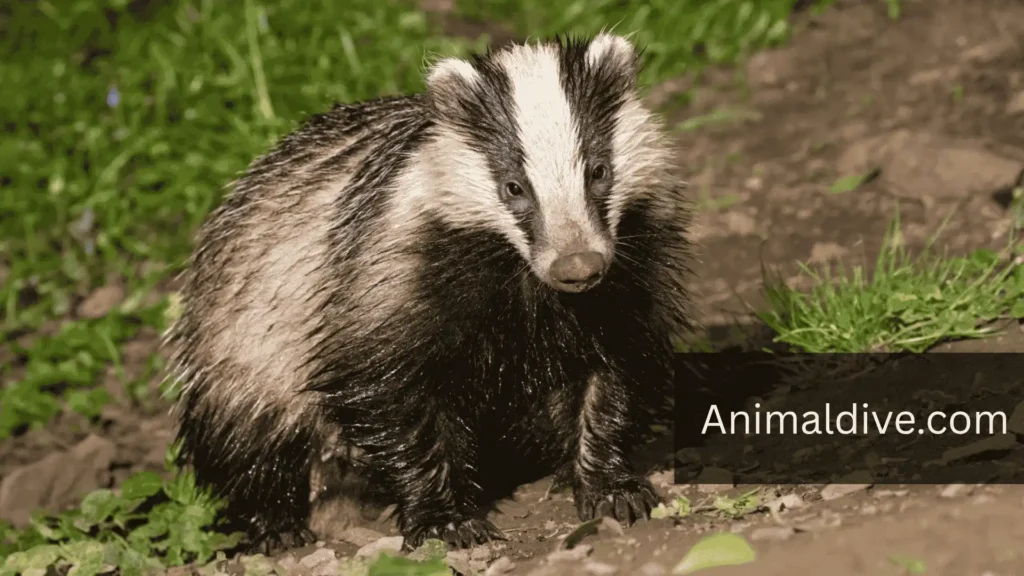
Their powerful physical traits contribute to their survival, allowing them to thrive in the rugged landscapes of the state. Understanding these physical characteristics can deepen our appreciation for these tenacious creatures and highlight their role in the ecosystem.
Body Size
Maine badgers are robust creatures, typically measuring around 24 to 34 inches in length. Their stout physique allows them to navigate burrows and rocky terrains effortlessly.
Weight
Adult Maine badgers can weigh anywhere from 15 to 30 pounds. Their muscular build is crucial for digging and foraging, making them formidable in their habitats.
Fur Color
The fur of Maine badgers is predominantly a grayish-brown, often featuring a lighter underbelly. This coloration provides excellent camouflage against the earthy tones of their environment, aiding in hunting and evasion.
Powerful Claws
Maine badgers possess exceptionally strong claws that are adapted for digging. These claws can easily break through tough soil and create extensive burrow systems, allowing them to store food and create dens.
Sharp Teeth
Equipped with sharp, strong teeth, Maine badgers are carnivorous and adept at catching prey. Their dental structure is designed for tearing flesh, reflecting their predatory nature.
Distinctive Facial Markings
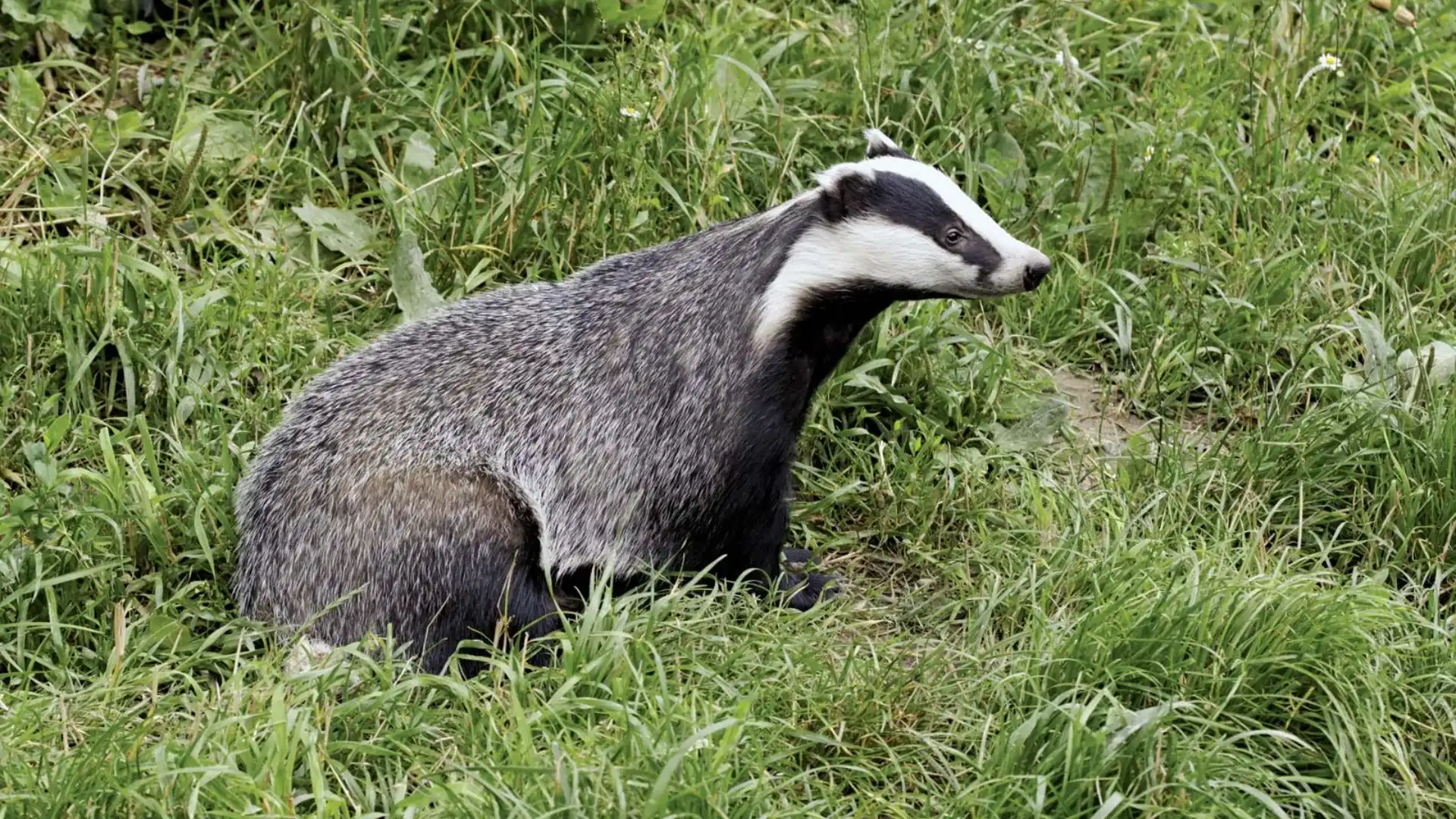
One of the most striking features of Maine badgers is their distinctive facial markings, characterized by dark stripes running from the eyes to the snout. This bold black-and-white patterning is also seen among animals like skunks, where similar markings serve as a visual warning to potential threats. These markings not only add to their uniqueness but may also play a role in social interaction or signaling to other badgers.
Behavior And Hunting Habits
Maine badgers exemplify a mostly nocturnal lifestyle, emerging under the cover of darkness to hunt for small mammals, insects, and birds. Their solitary nature means they prefer to navigate the wild alone, establishing individual routines that revolve around foraging and resting in their extensive burrows. This preference for isolation places badgers among the more notable solitary animals in the world, rarely tolerating close contact even with others of their own kind.

Renowned for their exceptional digging ability, Maine badgers create elaborate burrow systems that serve both as shelters and hunting grounds. Their territorial instincts ensure they maintain control over their chosen areas, often marking their domains with scent to ward off potential intruders. This combination of behaviors not only showcases their adaptability but also highlights the intricate balance they maintain within their ecosystems.
Where Can You Find Badgers In Maine?
Badgers in Maine are typically found in rural farmland, where they thrive in open meadows and fields that provide ample foraging opportunities. These elusive creatures favor areas with loose, well-drained soil, ideal for digging their burrows, making them more likely to be spotted in agricultural regions that blend open space with natural habitat.
Less populated areas also offer a glimpse into the world of badgers, as they often roam in search of food in this quieter environment. Though confirmed sightings are uncommon, keeping an eye on the fringes of farmland and exploring less-traveled landscapes may reward the keen observer with a rare encounter.
Predators Of Badgers In Maine
Badgers in Maine, known for their tenacity and burrowing prowess, face threats from a variety of predators in their native habitat. Understanding these predators provides insight into the ecological balance in which these resilient animals exist. Below is a table summarizing the predator threat levels to badgers in Maine.

| Feature | Details |
|---|---|
| Scientific Name | Taxidea taxus (American Badger) |
| Class | Mammalia |
| Diet | Carnivorous (Rodents, rabbits, insects, reptiles, birds, and eggs) |
| Habitat | Grasslands, open woodlands, farmland, prairies, and sandy soils |
| Weight | 15–30 lbs (7–14 kg) |
| Length | 20–34 inches (51–86 cm), including the tail |
| Lifespan | 8–10 years in the wild; up to 14 years in captivity |
| Activity | Mostly nocturnal and solitary; active year-round |
| Conservation Status | Least Concern (IUCN), but uncommon and rarely reported in Maine |
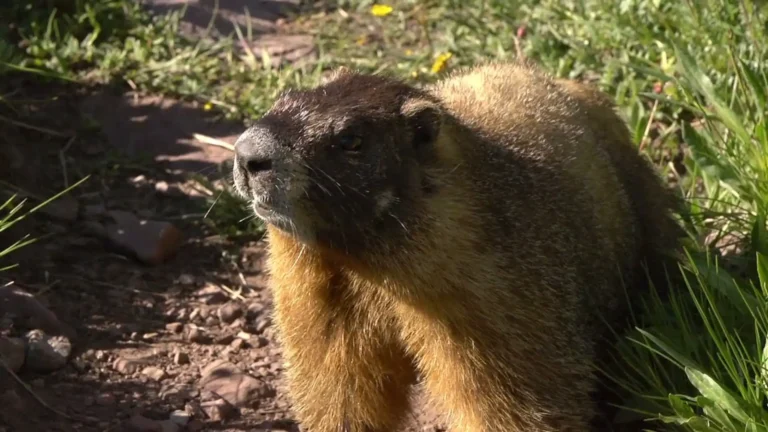
Badger Vs Groundhog
Exploring the differences between badgers and groundhogs provides fascinating insights into their unique adaptations. Badgers are renowned for their stocky build and nocturnal lifestyle, enabling them to be formidable predators. Those curious how badgers stack up against other burrowers may also want to compare them with animals like groundhogs, which share similar digging instincts but differ sharply in diet and daily habits.
| Feature | Badger | Groundhog |
| Scientific Name | Taxidea taxus | Marmota monax |
| Class | Mammalia | Mammalia |
| Diet | Carnivorous (mainly rodents, rabbits, insects, reptiles, and birds) | Herbivorous (grasses, clover, leaves, vegetables, and fruits) |
| Appearance | Stocky body, short legs, grayish fur, black-and-white facial stripes, long claws | Chunky body, brown or gray fur, short ears, bushy tail, rounded face |
| Behavior | Solitary, territorial, mostly nocturnal | Solitary but active during the day (diurnal), hibernates in winter |
| Habitat | Grasslands, open woodlands, prairies, farmland, and sandy soils | Meadows, forests, fields, farmland, gardens, and woodland edges |
| Burrowing Habits | Digs deep, extensive burrows for shelter and hunting prey | Builds large underground burrows mainly for nesting and hibernation |
| Average Size | 20–34 inches (51–86 cm) | 16–26 inches (40–66 cm) |
| Average Weight | 15–30 lbs (7–14 kg) | 5–14 lbs (2–6 kg) |
| Main Defense | Powerful claws, sharp teeth, and aggressive behavior | Fast retreat into burrows, loud warning whistles, and camouflage |
Groundhogs themselves belong to a broader group of marmots in North America, whose burrowing habits closely parallel the badger’s own tunnel systems.
Are Badgers Dangerous?
Badgers, generally elusive creatures, prefer to steer clear of human interaction and usually retreat when they sense humans nearby. Their shy nature means that encounters are rare, and they typically only become aggressive when cornered or threatened, showcasing their instinct to defend themselves rather than pose a danger.

While badgers possess strong jaws and sharp claws that can cause injury, their bite force and grip rank them among some of the strongest animals in the world relative to their compact size.The likelihood of an attack on humans is minuscule. Understanding their behavior can help dispel myths surrounding them; they are more vulnerable and cautious than menacing.
Why Badgers Are Important To Maine’s Ecosystem
Badgers’ opportunistic foraging and quick adaptation to changing food sources place them alongside other cunning animals known for outsmarting both prey and predators.Badgers play a crucial role in controlling rodent populations, which prevents overpopulation and protects crops and native plants.
Their digging behavior not only aerates the soil but also enhances nutrient distribution, fostering plant growth in their burrowing areas. This activity supports biodiversity by creating habitats for other organisms, from insects to small mammals, thereby ensuring a dynamic and balanced ecosystem. Badgers are integral to Maine’s ecosystem, promoting environmental health and resilience.
Are Badgers Protected In Maine?
In Maine, badgers are classified as a protected species, reflecting their vulnerability amidst habitat loss and environmental changes. Conservation efforts are essential as these creatures face increasing threats from agricultural expansion and urban development, which diminish their natural habitats and foraging grounds.
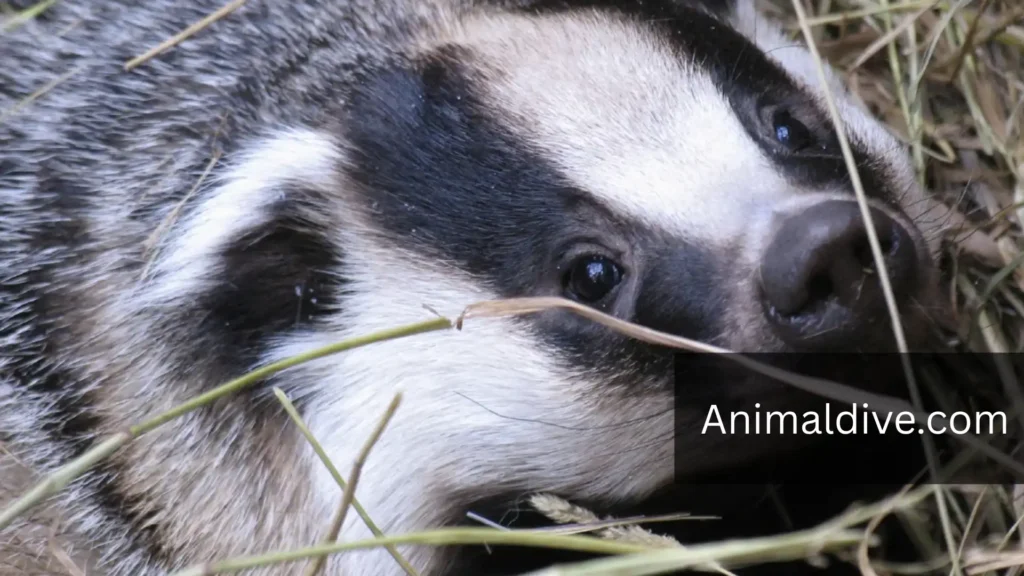
Protecting badgers is crucial not only for their survival but also for the health of local ecosystems. As predators, badgers help maintain the balance within their environments by controlling populations of small mammals and insects, thereby fostering biodiversity. Supporting badger conservation initiatives ensures that these vital roles continue, thus benefiting the larger ecological community in Maine.
Interesting Facts About Maine Badgers
The fascinating world of Maine badgers showcases their remarkable adaptability and ecological importance. Their burrowing habits not only create homes for themselves but also provide shelter for other wildlife, illustrating a unique interconnectedness in nature.
- Maine badgers are primarily nocturnal, making them elusive to spot during the day.
- These small but powerful mammals can weigh up to 25 pounds and measure as long as 30 inches.
- Badgers are known for their distinctive black and white facial markings, which serve as a natural camouflage.
- Strong burrowers, they create extensive underground tunnel systems that can reach 10 feet deep.
- While primarily carnivorous, Maine badgers have a diverse diet that includes fruits and vegetables when prey is scarce.
- They play a crucial role in maintaining soil health by aerating it through their digging activities.
- Badgers are solitary creatures, often fiercely protective of their territory, which can span several acres.
- Their keen sense of smell allows them to locate hidden prey, such as rodents and insects, beneath the soil surface.
- Maine badgers have thick fur that keeps them insulated against the state’s chilly winters.
- Despite their stocky appearance, they are surprisingly fast and can run at speeds of 15 miles per hour.
Conclusion
Badgers in Maine are fascinating creatures that contribute to the region’s unique ecosystem. Their adaptability in various habitats and diverse diet ranging from insects to small mammals shows how well they thrive in this environment.
Observing badgers in their natural habitat can be a rewarding experience, offering insight into their behavior and role in the landscape. While sightings may be rare, understanding their habits can enhance our appreciation for these remarkable animals.
FAQs
Did Wolverines Ever Live In Maine?
Yes, wolverines once lived in Maine, but they disappeared from the state more than a century ago due to habitat loss and overhunting. Today, there is no confirmed breeding population of wolverines in Maine.
What Large Predators Live In Maine?
Maine is home to several large predators, including black bears, bobcats, coyotes, Canada lynx, red foxes, and bald eagles. These animals play an important role in maintaining healthy and balanced ecosystems.
Are American Badgers Harmless?
American badgers are generally not dangerous to humans and prefer to avoid contact. However, if cornered or threatened, they can become defensive and use their sharp claws and strong jaws to protect themselves.
Are There Badgers In Maine?
No, American badgers are extremely rare in Maine and are not considered a resident species. Most badgers live in the central and western United States and parts of Canada, where open grasslands provide suitable habitat.