Top 16 Animals That Eat Rabbits: Rabbit Predators With Pictures, Facts & Hunting Habits
The natural world is filled with surprising dynamics, and among them are the animals that eat rabbits, showcasing a diverse array of hunting techniques and predatory instincts. Understanding these rabbit predators is crucial, as it reveals the delicate balance of ecosystems and the roles each species plays.
From stealthy hunters to cunning pack animals, this article explores the top 16 creatures that hunt rabbits, complete with fascinating facts and captivating pictures. You will gain insights into what hunts rabbits and their specific hunting habits, enriching your knowledge of wildlife interactions.
Why Do So Many Animals Hunt Rabbits?
Rabbits have a remarkable reproductive rate, allowing them to multiply swiftly in the wild. This rapid breeding ensures a consistent population that serves as a crucial food source for various predators, from mammals that eat rabbits to birds that eat rabbits.
Predators of rabbits, such as foxes, hawks, and snakes, depend on these small animals to fulfill their dietary needs. As natural rabbit predators, they not only find sustenance in rabbits but also play a role in regulating their populations.
List of Animals That Eat Rabbits
| No. | Animal | Scientific Name | Class | Diet |
| 1 | Fox | Vulpes vulpes | Mammalia | Omnivore |
| 2 | Coyote | Canis latrans | Mammalia | Omnivore |
| 3 | Bobcat | Lynx rufus | Mammalia | Carnivore |
| 4 | Great Horned Owl | Bubo virginianus | Aves | Carnivore |
| 5 | Golden Eagle | Aquila chrysaetos | Aves | Carnivore |
| 6 | Red-tailed Hawk | Buteo jamaicensis | Aves | Carnivore |
| 7 | Snake | Various species | Reptilia | Carnivore |
| 8 | Weasel | Mustela spp. | Mammalia | Carnivore |
| 9 | Badger | Taxidea taxus | Mammalia | Omnivore |
| 10 | Wolf | Canis lupus | Mammalia | Carnivore |
| 11 | Eurasian Lynx | Lynx lynx | Mammalia | Carnivore |
| 12 | Domestic Dog | Canis lupus familiaris | Mammalia | Omnivore |
| 13 | Ferret | Mustela putorius furo | Mammalia | Carnivore |
| 14 | Bear | Ursus spp. | Mammalia | Omnivore |
| 15 | Mountain Lion (Cougar) | Puma concolor | Mammalia | Carnivore |
| 16 | Domestic Cat (Feral Cat) | Felis catus | Mammalia | Carnivore |
Fox
Scientific Name: Vulpes vulpes
Class: Mammalia
Diet: Omnivore
The fox is known for its bushy tail and sleek red fur, often found in forests, grasslands, and urban areas. As natural rabbit predators, foxes are opportunistic hunters, benefiting from the abundance of rabbits within their habitats.
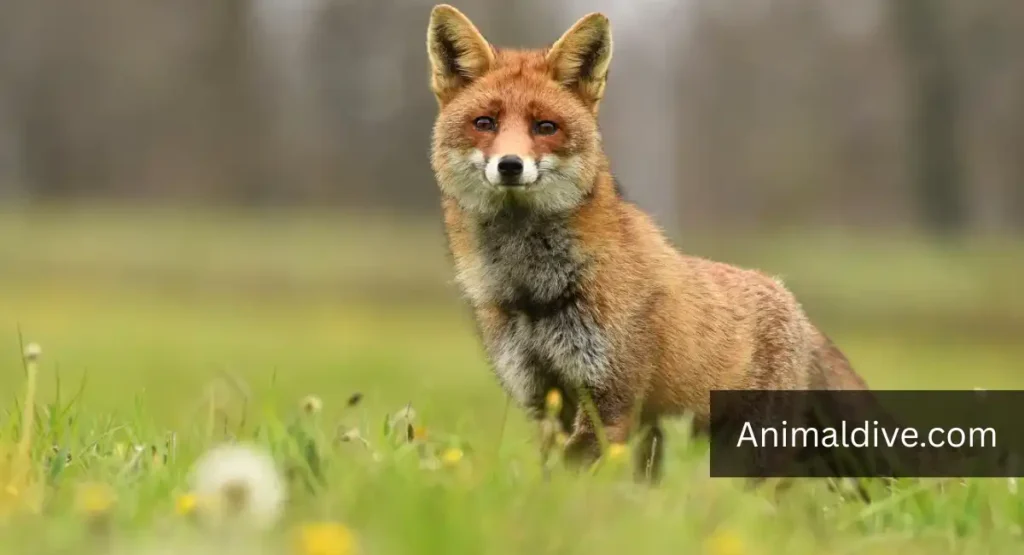
Using a combination of stealth and speed, foxes typically stalk their prey before launching a surprise attack. Interestingly, these mammals can hunt both young and adult rabbits, playing a crucial role in the rabbit food chain by helping to regulate their populations.
Foxes share many traits with other clever, adaptable hunters in the wild if you’re curious how they compare, check out our guide to animals similar to foxes for a closer look at their lookalikes and rivals.
Coyote
Scientific Name: Canis latrans
Class: Mammalia
Diet: Omnivore
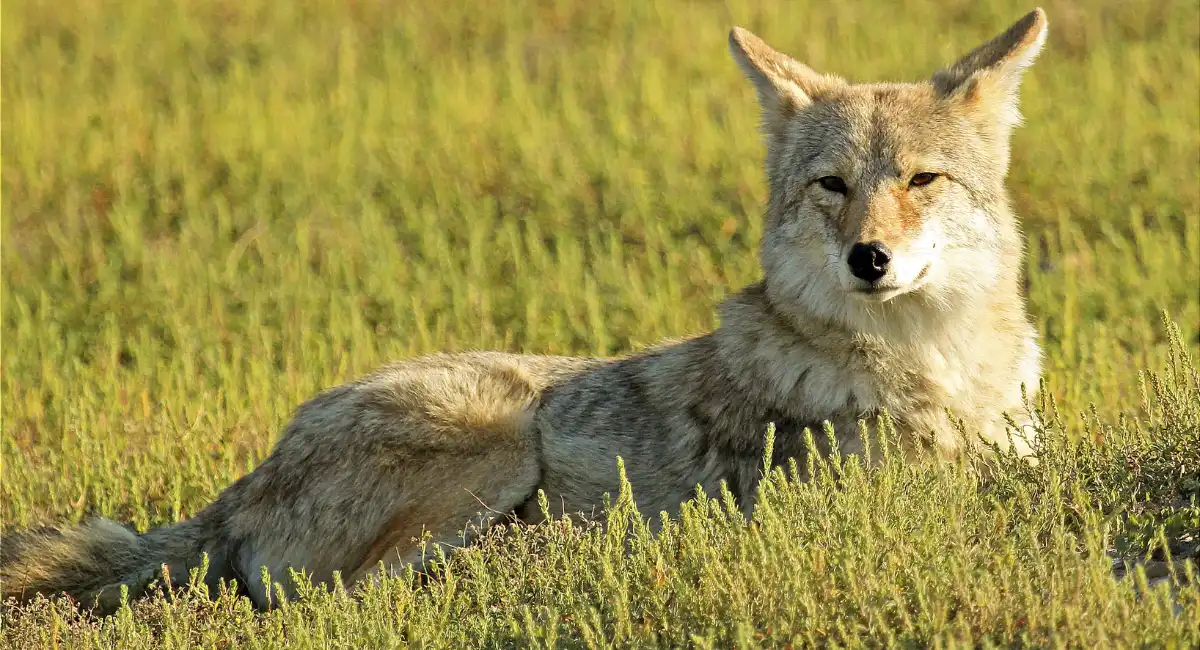
Coyotes are adaptable creatures characterized by their slender build and distinct howl, residing in a range of environments from deserts to mountains. Their hunting prowess makes them effective wild rabbit predators, often trailing them during their daily activities.
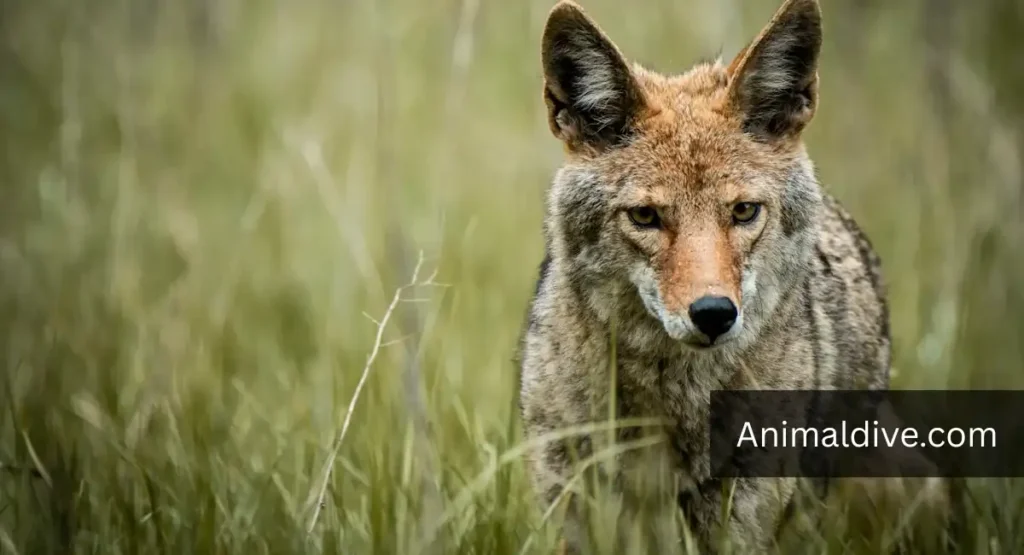
Coyotes employ a unique pack hunting strategy, which allows them to catch rabbits, particularly young ones. An intriguing fact is that their adaptability enables them to thrive in urban settings, where they find many animals that eat rabbits.
Bobcat
Scientific Name: Lynx rufus
Class: Mammalia
Diet: Carnivore
The bobcat, marked by its spotted fur and tufted ears, inhabits diverse landscapes from forests to deserts. This feline predator is particularly skilled at ambushing small mammals, especially rabbits, which make up a significant portion of its diet.
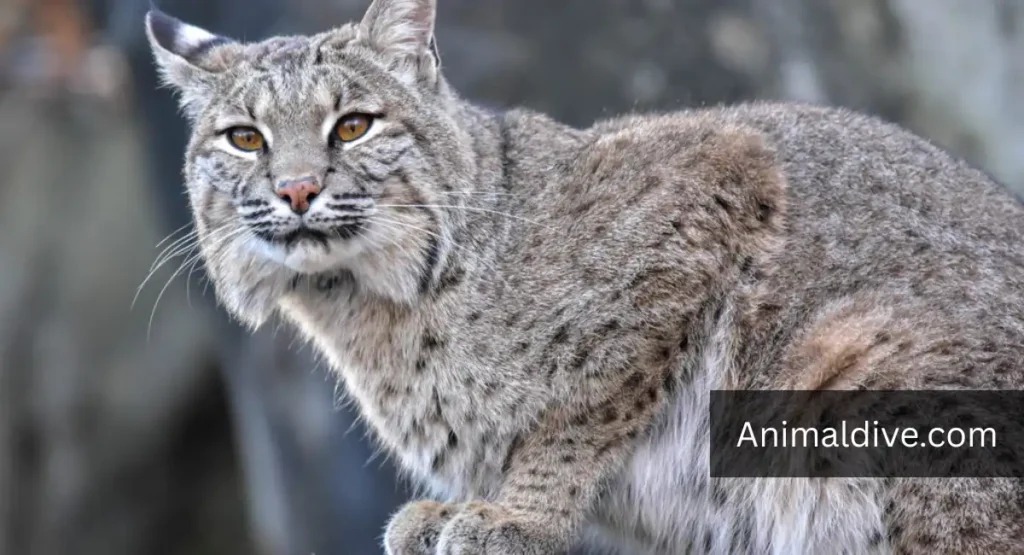
While bobcats usually hunt alone, they rely on sudden and stealthy pounces to capture their prey. This stealthy approach places the bobcat among some of the most sneaky animals in the world, where patience and surprise matter more than raw speed. Notably, they often target juvenile rabbits, making them one of the key animals that eat baby rabbits in their ecosystems.
Great Horned Owl
Scientific Name: Bubo virginianus
Class: Aves
Diet: Carnivore
With its striking tufts and formidable size, the great horned owl thrives in forests, swamps, and urban areas alike. As a nocturnal predator, it is one of the prominent birds that eat rabbits, using its exceptional night vision to hunt.
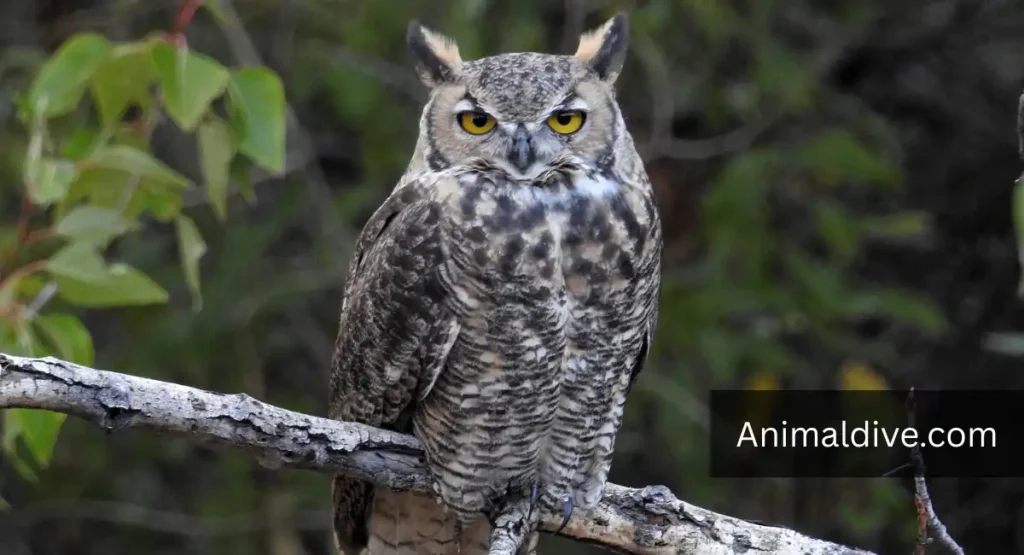
These owls swoop down silently to capture their prey, relying on their powerful talons. An interesting aspect of their hunting is their adaptability, as they can prey on both adult and juvenile rabbits, making them important for maintaining balance in their ecosystems.
Golden Eagle
Scientific Name: Aquila chrysaetos
Class: Aves
Diet: Carnivore
The golden eagle, known for its impressive wingspan and golden plumage, occupies mountainous regions and open habitats. They are skilled aerial hunters and often assist in controlling rabbit populations, which are abundant prey in their range.
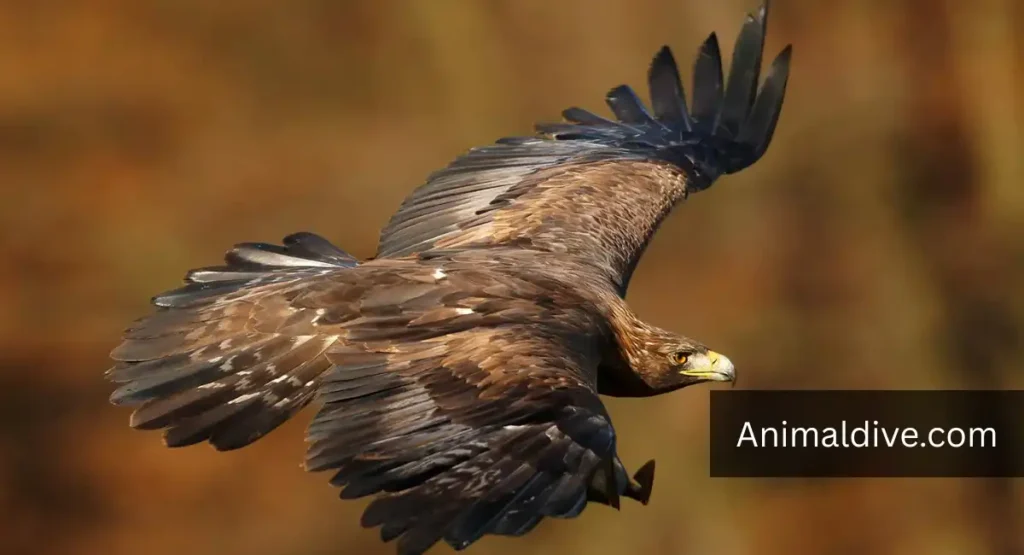
Utilizing their incredible flight speed, they can swoop down to tackle rabbits from above. These majestic birds often target young rabbits, showcasing their role among the natural rabbit predators.
Red-Tailed Hawk
Scientific Name: Buteo jamaicensis
Class: Aves
Diet: Carnivore
Easily identifiable by its reddish tail, the red-tailed hawk is found in diverse environments, from urban areas to open fields. Its keen eyesight allows it to spot rabbits from high perches, making it an efficient hunter among birds that eat rabbits.
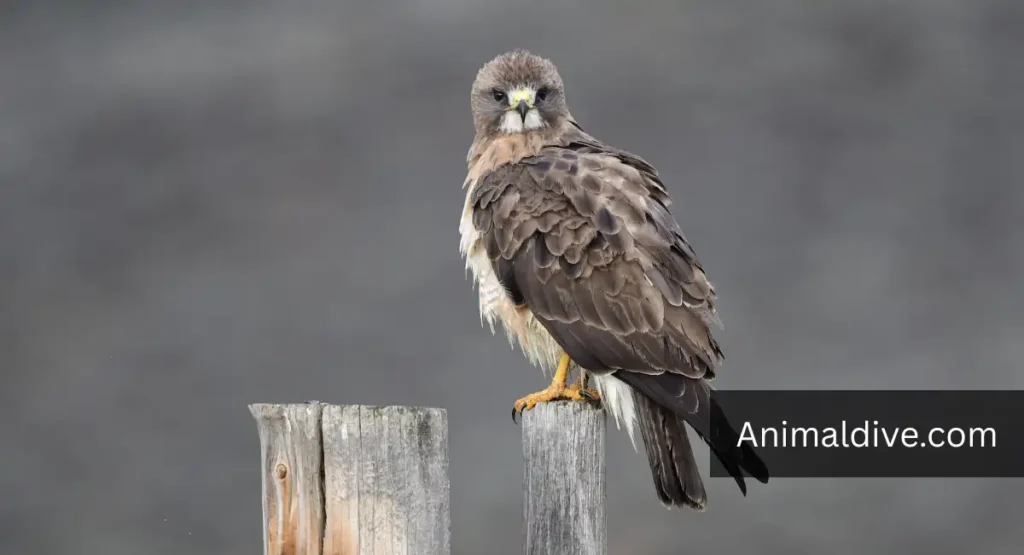
This hawk employs a method known as “perch and pounce,” focusing on a specific area where rabbits are active. An intriguing fact is their adaptability in hunting both juvenile and adult rabbits, fitting them well into the predator-prey dynamic.
Snake
Scientific Name: Various species
Class: Reptilia
Diet: Carnivore
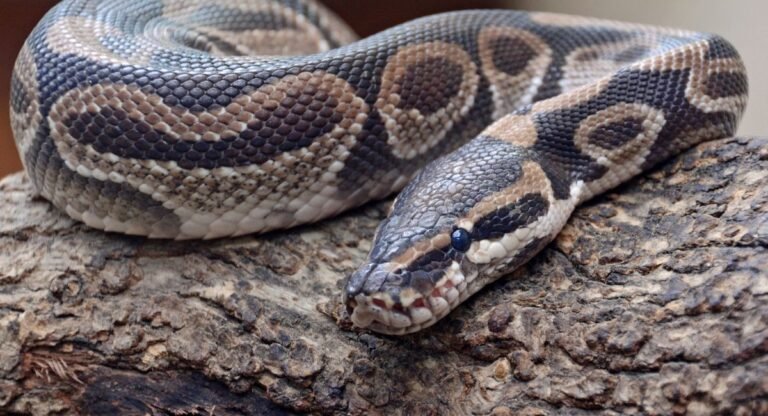
Snakes, ranging from garter snakes to rattlesnakes, are found in various habitats globally. Some species specialize in hunting small mammals, including rabbits, utilizing their keen sense of smell to find their prey.
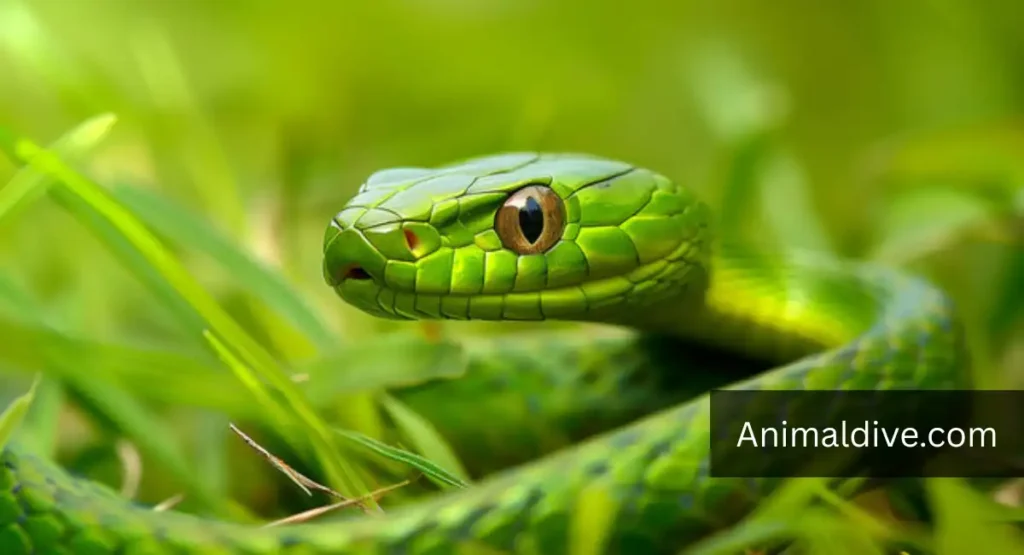
Through ambush tactics, snakes can catch unsuspecting rabbits, showcasing their role as efficient predators in many ecosystems. Interestingly, they primarily target young rabbits, adding to the list of animals that eat baby rabbits.
Weasel
Scientific Name: Mustela spp.
Class: Mammalia
Diet: Carnivore
Weasels are small, agile mammals, thriving in regions with abundant prey. Known for their slender bodies and sharp teeth, they readily hunt rabbits, taking advantage of their size and speed.
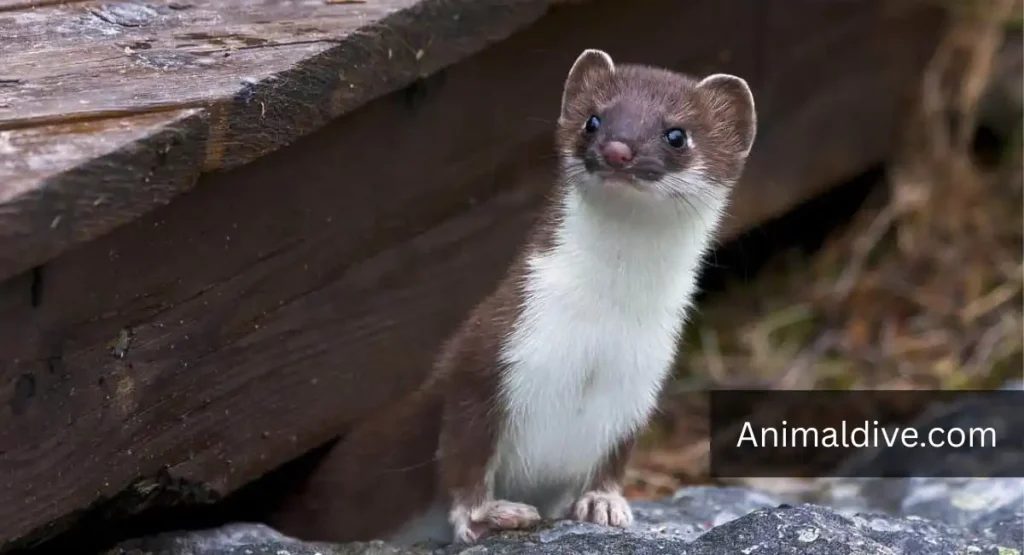
These hunters often use clever ambush tactics to catch young rabbits, playing a vital role in the ecosystem as effective mammals that eat rabbits. Their presence ensures a balance in the rabbit populations.
Badger
Scientific Name: Taxidea taxus
Class: Mammalia
Diet: Omnivore
Badgers boast a distinctive stocky build and short legs, frequently found in grasslands and urban edges. They are opportunistic feeders and will hunt rabbits, taking advantage of their burrowing abilities to catch them in their habitats.
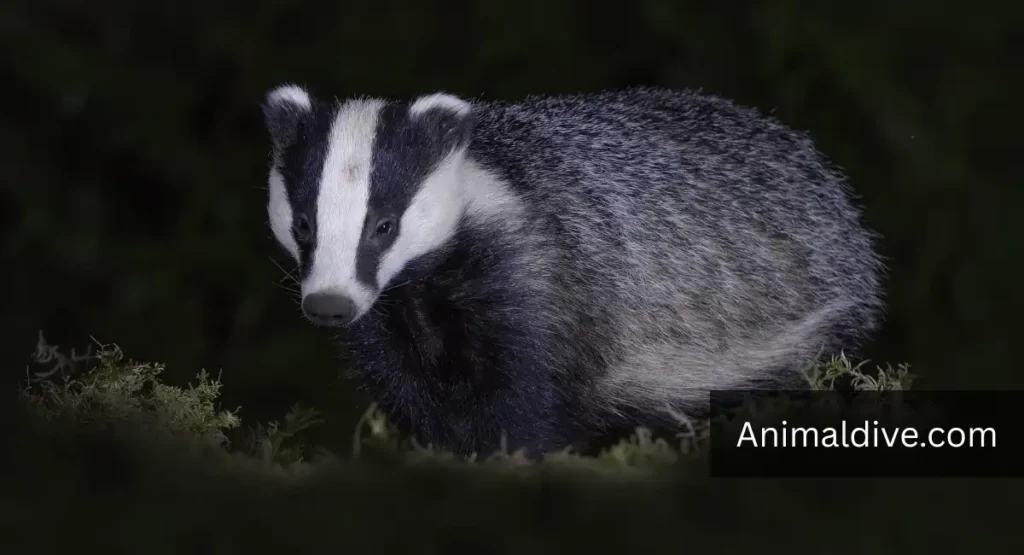
Badgers use a mix of digging and ambushing to capture their prey, and interestingly, they often hunt both young and adult rabbits. They significantly impact the rabbit food chain, balancing populations in their ecosystems.
Wolf
Scientific Name: Canis lupus
Class: Mammalia
Diet: Carnivore
Wolves, characterized by their pack mentality and strong social structures, typically roam in forests and tundras. As apex predators, they frequently hunt rabbits, which serve as an energy source in their diet.
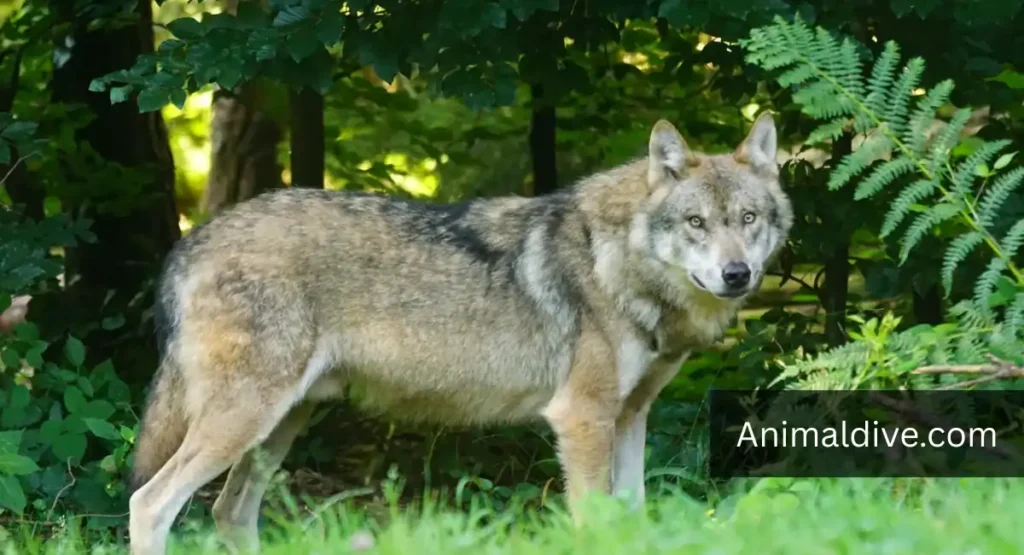
Their hunting style involves coordinated pack strategies to outsmart their prey. Wolves typically target both rabbits and other small mammals, playing a pivotal role as predators of rabbits in their habitat.
Eurasian Lynx
Scientific Name: Lynx lynx
Class: Mammalia
Diet: Carnivore
The Eurasian lynx, with its tufted ears and powerful physique, thrives in forests and mountainous areas. This elusive feline preys on small mammals, making rabbits a regular part of its diet.
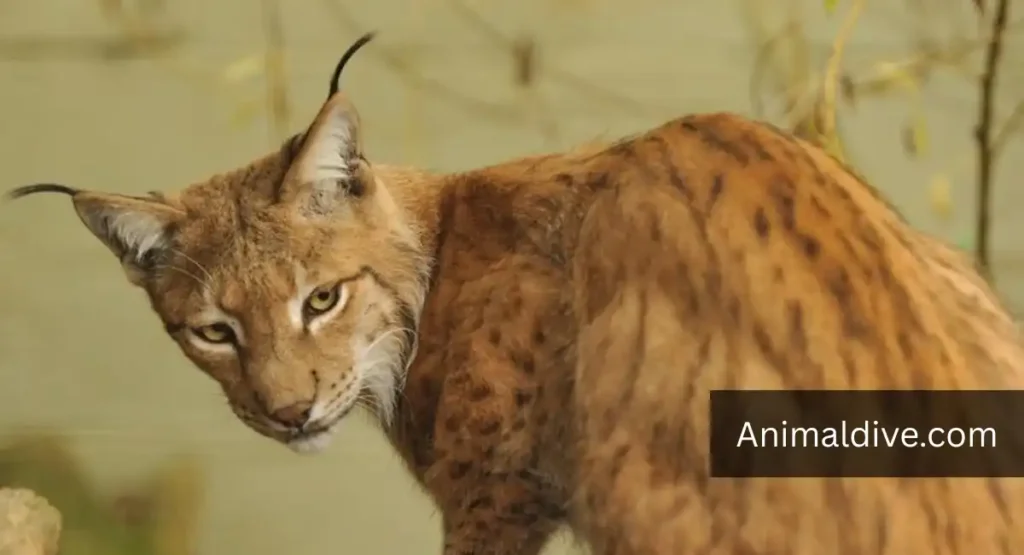
Lynx often use stealth and surprise to catch their prey, showcasing their adaptability. Typically, they target young rabbits, granting them a crucial role among animals that eat baby rabbits.
Domestic Dog
Scientific Name: Canis lupus familiaris
Class: Mammalia
Diet: Omnivore
Domestic dogs exhibit varied appearances based on their breed, showing resilience in various environments. While largely socialized as pets, some dogs may revert to instinctual hunting behaviors, trapping rabbits in gardens or open fields.
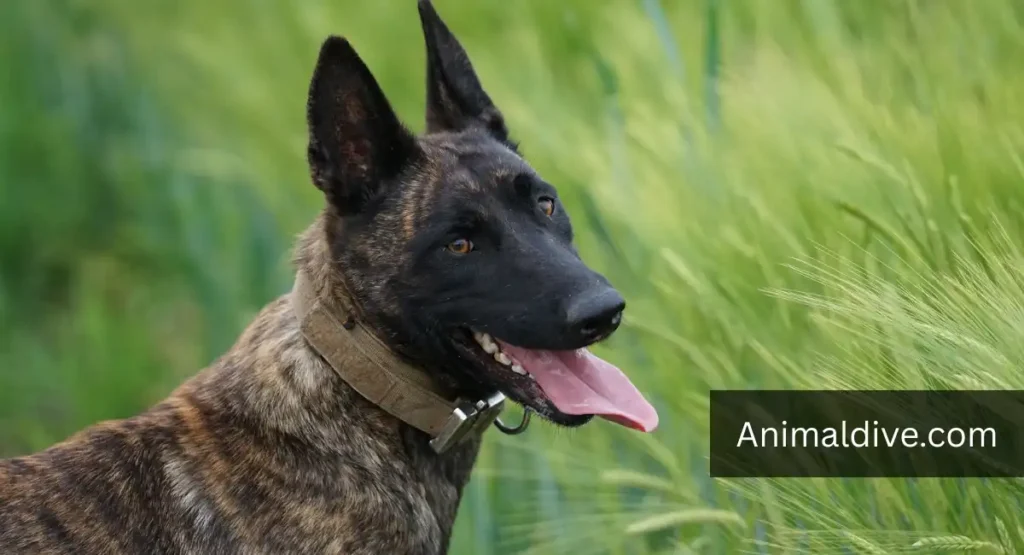
With sharp senses and speed, dogs can chase down young rabbits. Their instincts reveal interesting insights into the mammals that eat rabbits, showcasing how domestication alters predatory behaviors.
Ferret
Scientific Name: Mustela putorius furo
Class: Mammalia
Diet: Carnivore
Ferrets are small, playful mammals that often serve as pets but were historically used for hunting. These agile creatures have an innate desire to chase small mammals, including rabbits when given the opportunity.
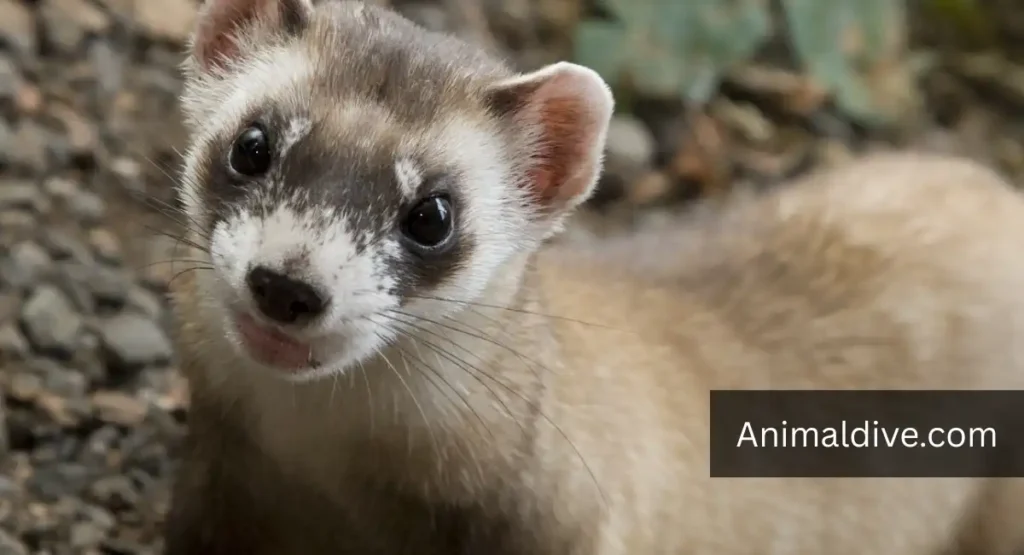
Their hunting technique involves stealthy approaches and quick lunges. Notably, ferrets primarily hunt young rabbits, marking them as effective animals that eat baby rabbits in various settings.
Bear
Scientific Name: Ursus spp.
Class: Mammalia
Diet: Omnivore
Bears, with their robust build and size, inhabit forests and mountains. Though they predominantly feed on fruits and insects, they will opportunistically hunt rabbits, particularly in spring when they are hungry.
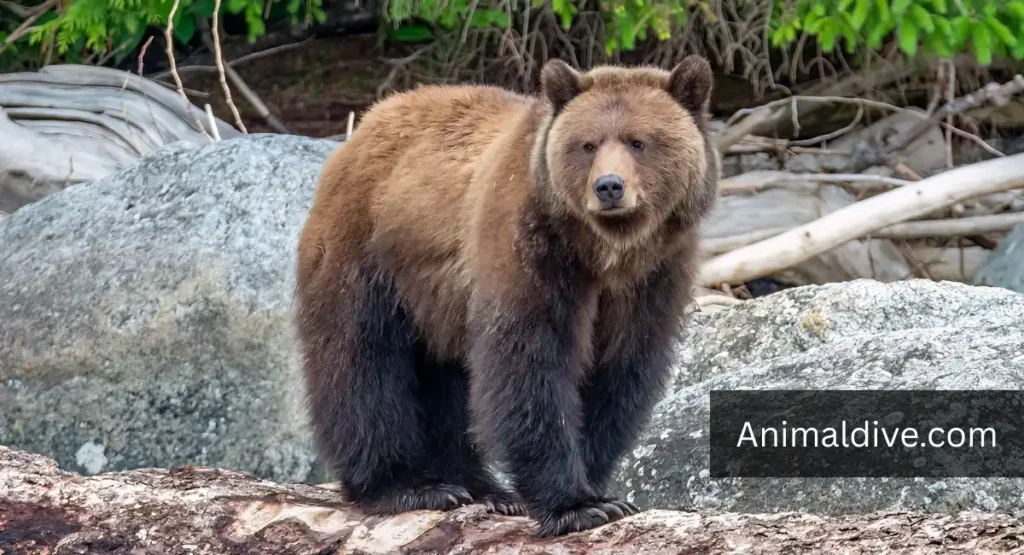
Bears usually rely on their sheer strength and foraging skills for hunting. Interestingly, they may target both adult rabbits and their young, thereby influencing the populations in the rabbit food chain.
Mountain Lion (Cougar)
Scientific Name: Puma concolor
Class: Mammalia
Diet: Carnivore
The mountain lion, known for its agility and stealth, roams across rugged terrains and forests. While primarily hunting larger prey, they will not hesitate to hunt rabbits when needed, showcasing their versatility as predators.
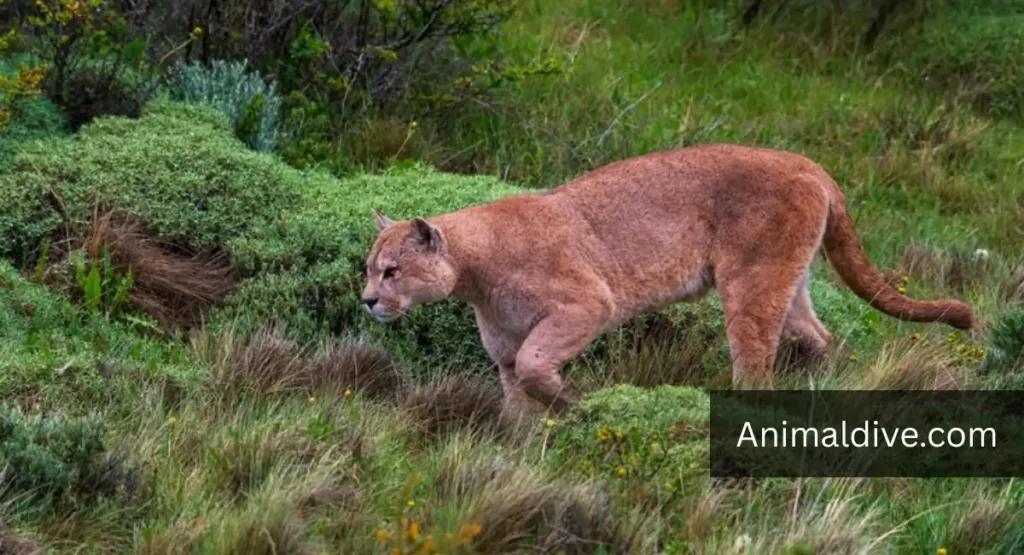
Utilizing their stalking skills, mountain lions ambush their prey effectively. They target primarily young rabbits, contributing significantly to their role in the ecosystem as predators of rabbits.
Domestic Cat (Feral Cat)
Scientific Name: Felis catus
Class: Mammalia
Diet: Carnivore
Domestic cats, particularly feral ones, exhibit agile physical traits and keen hunting instincts. Often found in urban areas and surroundings, they readily hunt rabbits which are easier targets in gardens and parks.
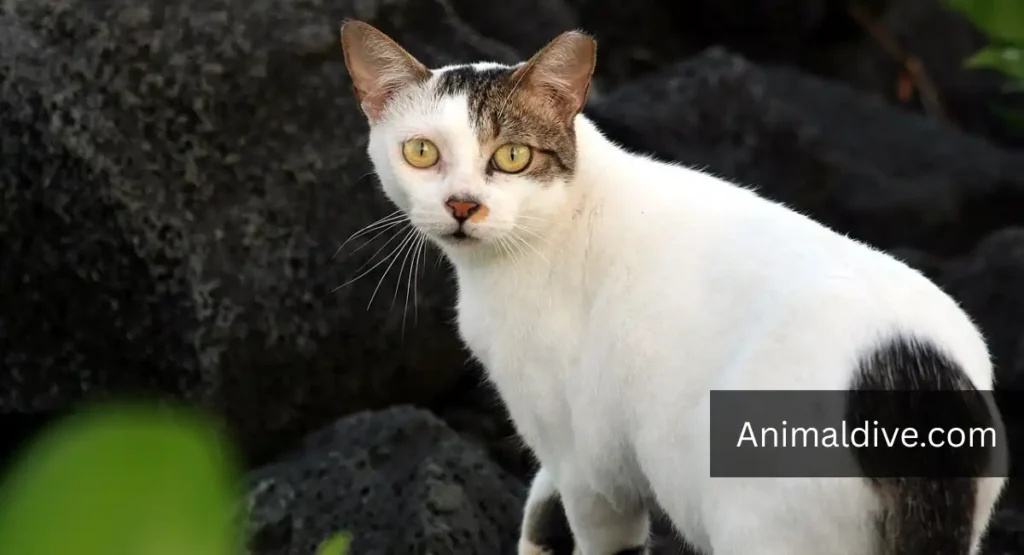
With quick reflexes and sharp eyesight, feral cats can effectively capture young rabbits. As such, they play a notable role among the animals that eat rabbits within their environments.
Rabbit Predators By Category
Rabbit predators belong to different animal groups, including mammals, birds, and reptiles. Each category uses unique hunting techniques to catch wild rabbits and plays an important role in maintaining ecological balance.
Mammals That Eat Rabbits
| Animal | Scientific Name | Class | Diet |
| Fox | Vulpes vulpes | Mammalia | Omnivore |
| Coyote | Canis latrans | Mammalia | Omnivore |
| Bobcat | Lynx rufus | Mammalia | Carnivore |
| Weasel | Mustela spp. | Mammalia | Carnivore |
| Badger | Taxidea taxus | Mammalia | Omnivore |
| Wolf | Canis lupus | Mammalia | Carnivore |
| Eurasian Lynx | Lynx lynx | Mammalia | Carnivore |
| Domestic Dog | Canis lupus familiaris | Mammalia | Omnivore |
| Ferret | Mustela putorius furo | Mammalia | Carnivore |
| Bear | Ursus spp. | Mammalia | Omnivore |
| Mountain Lion (Cougar) | Puma concolor | Mammalia | Carnivore |
| Domestic Cat (Feral Cat) | Felis catus | Mammalia | Carnivore |
Mammals That Eat Rabbits
| Animal | Scientific Name | Class | Diet |
| Great Horned Owl | Bubo virginianus | Aves | Carnivore |
| Golden Eagle | Aquila chrysaetos | Aves | Carnivore |
| Red-tailed Hawk | Buteo jamaicensis | Aves | Carnivore |
Reptiles That Eat Rabbits
| Animal | Scientific Name | Class | Diet |
| Snake | Various species | Reptilia | Carnivore |
How Rabbits Escape Predators
Rabbits rely on impressive speed and agility to evade animals that eat rabbits, such as foxes and hawks. A rabbit can reach speeds of up to 45 miles per hour, allowing them to sprint away from potential threats in mere seconds. Their innate ability to run in quick, sharp zigzags confounds predators, making it difficult for them to predict the rabbit’s next move and seize the opportunity to catch their prey.
Rabbits utilize burrows for shelter and safety, quickly disappearing underground when danger approaches. Their natural camouflage fur tones that blend seamlessly with their surroundings further aids in hiding from keen-eyed hunters.
Coupled with excellent hearing, rabbits can detect the slightest rustle of grass or the distant call of a predator, giving them a crucial head start to escape before danger gets too close. This burst of speed and agility also lands rabbits on lists of the most energetic animals in the wild, given how quickly they can mobilize when threatened.
Interesting Facts About Rabbit Predators
- Rabbits are not just prey for larger mammals; their predators include a variety of birds, reptiles, and even some insects.
- The red-tailed hawk, known for its sharp vision and powerful talons, can spot a rabbit from high above and swoop down with incredible speed.
Foxes are among the most cunning of rabbit predators, often employing a strategy of patience and stealth to ambush their unsuspecting prey.
- Domestic cats, although smaller, are natural hunters and can pose a significant threat to wild rabbit populations, especially in urban areas.
- Snakes, such as the eastern garter snake, also play a role in rabbit predation, taking advantage of their ability to blend seamlessly into their surroundings.
- Coyotes are versatile predators known for their cunning and adaptability, able to hunt rabbits alone or in packs.
- The European rabbit has developed social structures to warn each other of approaching predators, showcasing the importance of communication in survival.
- Animal behaviorists note that the fur color of certain rabbits can influence predation rates, with lighter-colored variants often being more vulnerable against varied landscapes.
Conclusion
Exploring animals that eat rabbits reveals a captivating array of rabbit predators that showcase the complexity of food chains. These hunters, such as the cunning coyote and the agile bobcat, demonstrate the adaptability and survival instincts found in the wild.
By examining what hunts rabbits, we gain insights into the delicate balance of ecosystems and the necessity of biodiversity. This knowledge empowers us to advocate for conservation efforts that safeguard these species and their habitats.
FAQs
Do Coyotes Eat Rabbits?
Yes. Coyotes regularly hunt rabbits because they are abundant and easy to catch. Rabbits are an important part of a coyote’s diet throughout much of North America.
Do Foxes Eat Rabbits?
Yes. Foxes are among the most common rabbit predators and frequently hunt both adult rabbits and baby bunnies using stealth, speed, and surprise attacks.
What Animals Eat Bunnies?
Many wild animals eat bunnies, including foxes, coyotes, bobcats, hawks, owls, snakes, and domestic or feral cats. Young rabbits are easier targets for many predators.
What Animals Eat Baby Rabbits?
Baby rabbits are especially vulnerable to foxes, weasels, snakes, hawks, owls, feral cats, coyotes, and other small carnivores that can easily catch young prey.
Who Are the Main Rabbit Predators?
The main rabbit predators include foxes, coyotes, bobcats, wolves, weasels, great horned owls, golden eagles, red-tailed hawks, snakes, and feral cats.
What Hunts Rabbits?
Many predators hunt rabbits using different techniques. Foxes stalk them, hawks and owls attack from above, while snakes and bobcats rely on stealth and ambush.
What Eats Rabbits in the Wild?
In the wild, rabbits are hunted by mammals, birds of prey, and reptiles. Foxes, coyotes, eagles, owls, hawks, lynxes, and snakes are among the most common rabbit predators.