
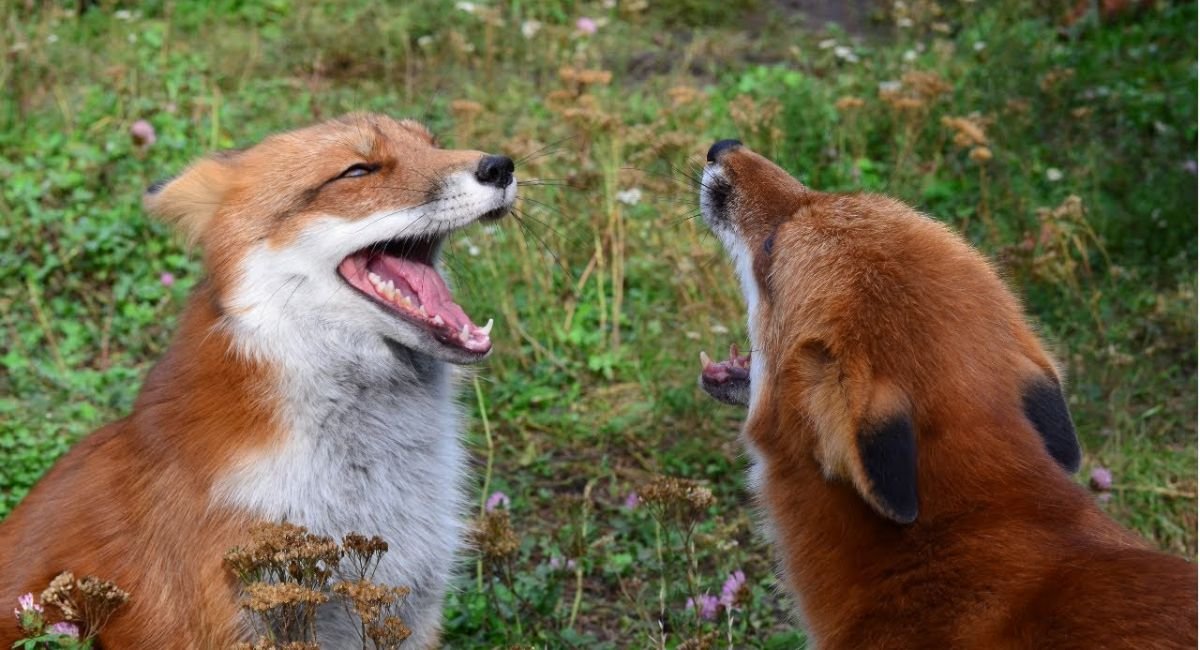
Why Do Foxes Laugh? 7 Shocking Facts Behind Their Creepy Sounds
The chilling sound of laughter drifting through the forest at night can evoke both fear and intrigue, leading many to wonder: Why Do Foxes Laugh? The truth is, these playful mammals utilize an array of vocalizations for communication, survival, and building social bonds.
This article will take you on a journey into the captivating world of foxes, revealing astonishing facts about their unique behaviors and the meanings behind their unusual vocal expressions. Prepare to see these enchanting creatures in a brand-new light, from their fox smile to their haunting calls.
Can Wild Foxes Really Laugh?
While they don’t produce laughter in the human sense, foxes have a remarkable vocal system that includes a variety of sounds, such as barks, whines, and chirps. These vocalizations serve crucial purposes, ranging from communicating with their kits to signaling danger or establishing territory.
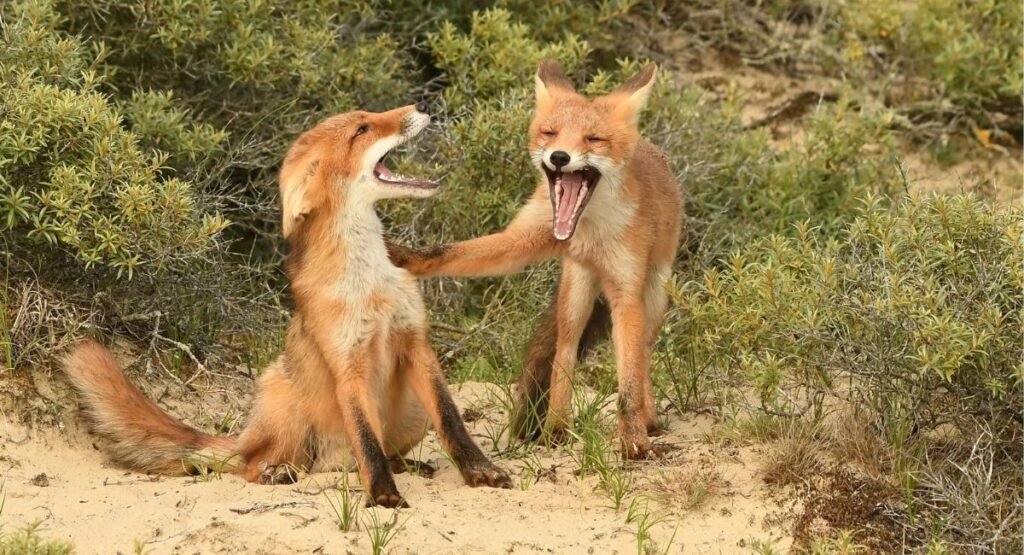
The social behaviors of foxes often mimic aspects of playfulness, which can be misconstrued as laughter. During play, they make high-pitched vocalizations that might evoke thoughts of joy and amusement, engaging listeners in their antics.
Different Fox Sounds And What They Mean
Like many other animals that communicate through whistling, foxes rely on a rich vocal repertoire to convey meaning.
| Sound | Meaning |
| Bark | Territory warning |
| Scream | Mating call |
| Laugh | Social communication |
| Yip | Family contact |
| Whine | Stress or emotion |
7 Shocking Facts Behind Fox Laughing Sounds
The world of fox vocalizations is as intriguing as it is diverse, particularly their distinctive laughing sounds. These unique calls serve various purposes beyond mere communication, revealing a complex social structure among foxes.
Fox laughter, often reminiscent of human giggles, is a form of social bonding among these clever mammals. It plays a critical role in reinforcing relationships within family groups, acting as a way to express excitement or alarm.
Foxes Don’t Actually Laugh Like Humans
Foxes don’t actually laugh like humans; their laughter-like sounds serve a different purpose altogether. These vocalizations are essential communication tools in the wild, enabling foxes to convey various messages such as alerting others to danger or coordinating with their pups.
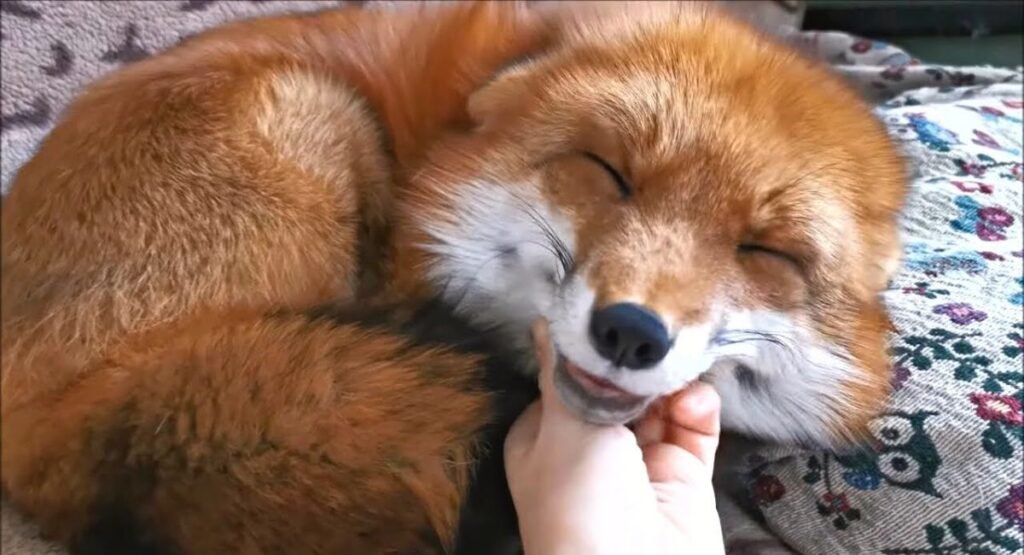
Understanding why do foxes laugh reveals the complexity of their social interactions. Instead of expressing joy or amusement, these sounds can signal excitement or distress, showcasing their adaptability in diverse environments. By interpreting these vocal cues, we gain deeper insights into the fascinating lives of these clever creatures.
Their Creepy Laugh Is Often A Territorial Warning
Much like other scent-marking animals such as skunks, foxes also use urine and feces to reinforce their territorial claim alongside their vocal warnings. This unsettling sound serves as both a warning to rival foxes and a method of establishing boundaries, ensuring that competing individuals are aware of the presence of an established occupant.
In addition to vocal warnings, foxes engage in territory marking through scent, employing urine and feces to reinforce their claim. This combination of auditory and olfactory signals creates a robust defense system, effectively deterring intruders and maintaining social order among fox populations. The interplay of sound and scent highlights the sophisticated communication methods employed by these cunning creatures.
Foxes Laugh More During Mating Season
Foxes laugh more during mating season as their vocal activity significantly increases, creating a cacophony of sounds that serve both to attract mates and establish territory. These playful yet purposeful calls include a range of vocalizations, from high-pitched screams to deep barks, signaling their excitement and readiness to breed.
During this period, males engage in intricate vocal displays that help them locate potential mates amidst the winter chill. The distinct mating calls cut through the snowy landscape, allowing foxes to communicate over long distances, enhancing their chances of finding the perfect partner in a bustling neighborhood of similar species.
Baby Foxes Make Playful Laughing Sounds
Baby foxes, or kits, engage in spirited play fighting that fills the air with delightful, laughing sounds. These playful vocalizations not only enhance their joy but also strengthen family bonds, as the kits learn to navigate their social environment through interactive play.
In this playful arena, fox kits experiment with their vocal abilities, creating a rich tapestry of sounds that reflects their developing personalities. This social learning is crucial, as it teaches them important skills such as cooperation and communication, setting the stage for their future interactions in the wild.
Some Fox Sounds Can Mimic Human Laughter
Some fox sounds can mimic human laughter, producing eerie vocalizations that may send shivers down your spine. These clever canids utilize a range of frequencies, allowing their calls to resonate in ways that can resemble the high-pitched chuckles of laughter or even the unsettling echoes of a scream, particularly during the stillness of the night.
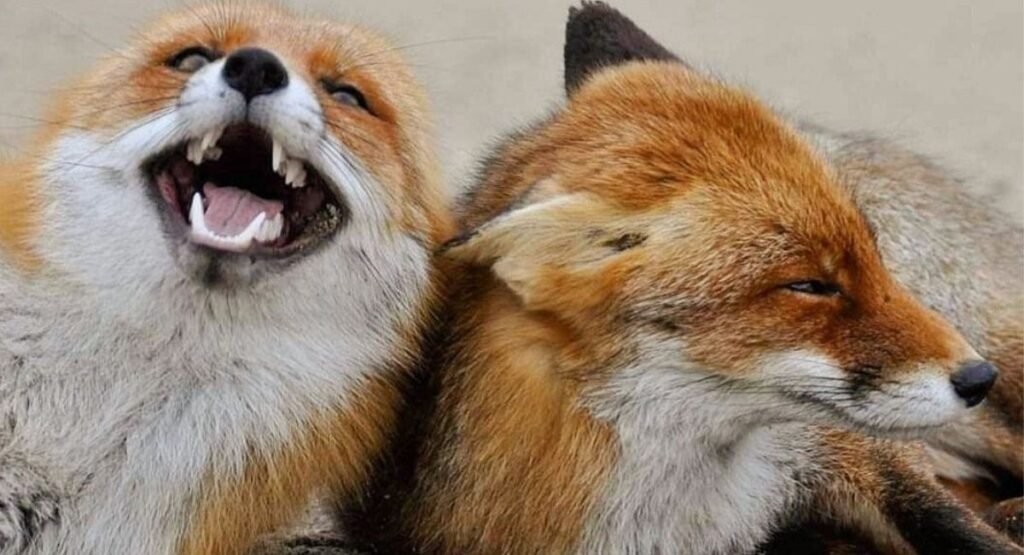
As darkness blankets the landscape, the nocturnal habits of foxes become more pronounced. Their vocalizations pierce the night air, creating an unsettling harmony that blurs the line between animal and human sounds. This mimicry serves various purposes, from establishing territory to attracting mates, adding an intriguing layer to the wild symphony of nighttime noises.
Gray Foxes Have Their Own Unique “Laugh”
Gray foxes have their own unique “laugh,” a distinct vocalization that sets them apart from red foxes. Their calls range from high-pitched yips to a series of short, wailing sounds, often echoing through the forest at twilight. This unique vocal communication plays a crucial role in their territorial claims and social interactions, allowing them to convey messages effectively amidst the dense foliage.
Red foxes boast a broader vocal range that includes barks, howls, and what many describe as a more traditional “laugh.” These differences not only highlight each species’ adaptability to their environments but also enhance their ability to communicate in the diverse habitats they occupy.
Their Natural Fox Smile Makes The Sound Even Creepier
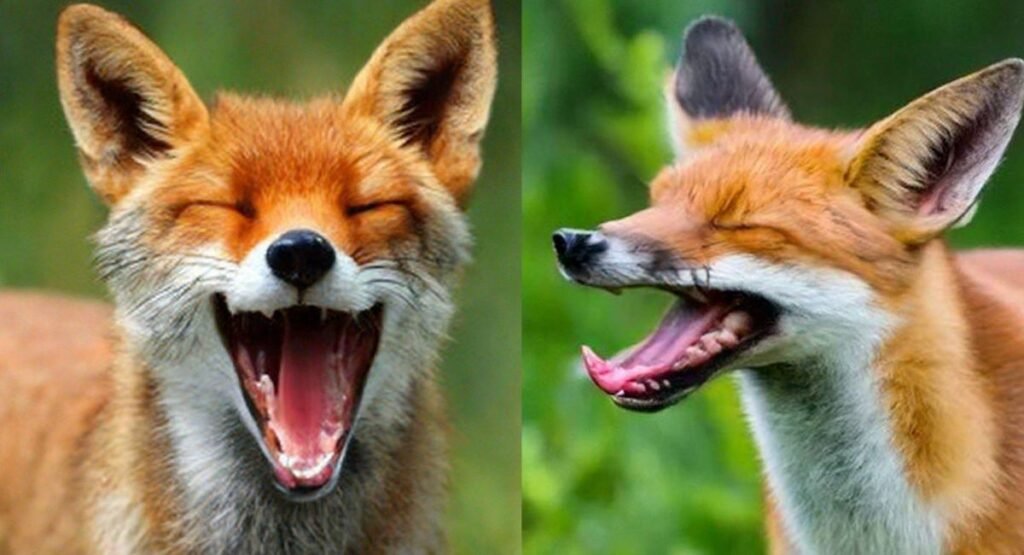
The unique facial structure of foxes plays a significant role in creating their characteristic “fox smile.” Their elongated snouts and delicate features allow for a wide array of expressions, often giving them an appearance of perpetual amusement. This natural smile enhances the eerie sounds they produce, adding an unsettling layer of charm to their vocalizations.
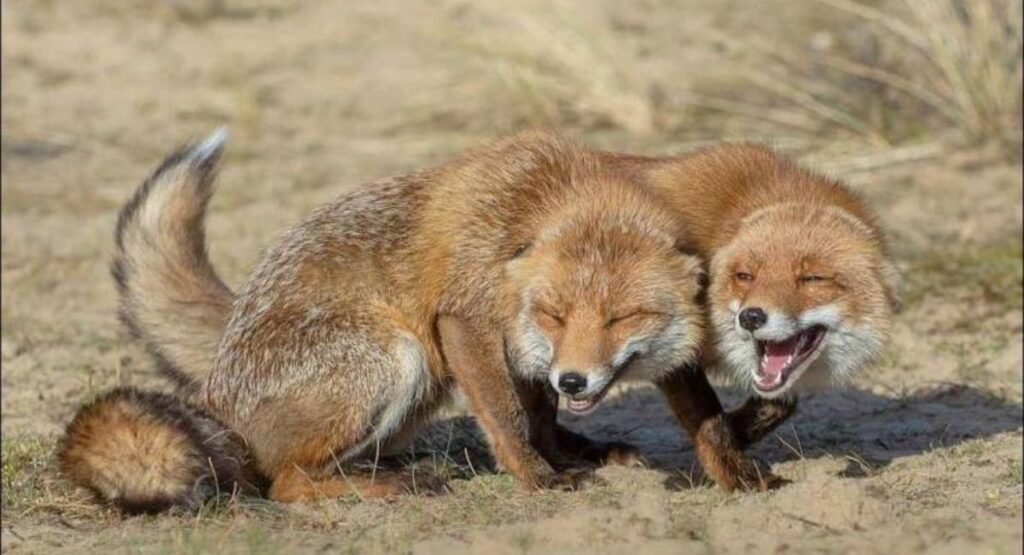
As foxes communicate through a variety of sounds, from eerie barks to haunting screams, their facial expression often juxtaposes the gravity of their calls. The fox smiling, with its playful demeanor, amplifies the creepiness of these sounds, drawing attention to the uncanny beauty of nature. This intriguing combination makes encounters with foxes both mesmerizing and unnerving.
Why Do Foxes Sound Scary At Night?
“Foxes are highly vocal animals in fact, they rank among the loudest animals in the wild, using an array of sounds to communicate during their nocturnal activities.” Their sharp barks, eerie screams, and yelps resonate through the darkness, often amplifying the sense of unease.
The very nature of darkness adds to the dread of fox sounds, as their calls echo in the stillness, creating an atmosphere ripe for imagination. Hunting activity also peaks at night, and the thrilling yet eerie sounds of a fox can easily be misconstrued as a sign of danger.
Conclusion
Understanding “Why Do Foxes Laugh?” opens the door to appreciating their rich communication methods and the science behind their uncanny nighttime calls. The distinct sounds we often associate with foxes carry significance far beyond mere eeriness; they reflect a playful and social side of these captivating animals.
Observing a fox smiling is a reminder of the emotional depth found in the animal kingdom, leading us to wonder just how social foxes truly are. The question “Do foxes laugh?” drives home the idea that their vocal expressions are integral to bonding and interactions among their kind.
FAQs
Why Do Foxes Make Scary Sounds?
Foxes often make scary screams during mating season to attract partners or communicate with nearby foxes. Male foxes also use these loud calls to mark territory and warn rivals away.
Why Do Foxes Sound Like They Are Laughing?
Foxes don’t truly laugh like humans, but their excited squeaks and panting can sound like giggling. This usually happens during play, social bonding, or moments of excitement.
What Is A Fox’s Worst Enemy?
Young foxes are hunted by eagles, coyotes, and other predators in the wild.
Adult foxes may face threats from wolves, bears, mountain lions, and humans.
Are Foxes In Pain When They Mate?
No, fox mating sounds may seem painful, but these screams are a natural part of breeding. Female foxes often vocalize during mating, but it does not mean they are injured.
Do Foxes Cry At Night?
Foxes often scream or cry at night to communicate, attract mates, or defend territory. These eerie nighttime sounds are completely normal fox behavior in the wild.