15 Lizards That Look Like Dragons (Real-Life Dragon Lizards)
Nature often surprises us with its creations, and Lizards That Look Like Dragons are among its most spellbinding examples. Featuring unique adaptations such as the Draco lizard’s gliding capabilities and the Plumed Basilisk’s remarkable speed across water, these dragon lizards captivate our imagination.
By uncovering the distinctive traits of various dragon lizards, we deepen our appreciation for these lizard dragons and the vibrant ecosystems they inhabit. Join us as we explore the incredible diversity of these dragon animals and the evolutionary marvels they represent.
Florida alone is home to a striking mix of native and invasive reptiles, and exploring the different types of lizards in Florida reveals just how many species carry dragon-like traits of their own.
What Do Lizards Eat
Lizards have a varied diet that depends on their species and habitat. Most lizards eat insects such as crickets, beetles, ants, spiders, and worms. Some species also enjoy fruits, berries, flowers, and leafy plants, making them omnivores rather than strict insect-eaters.
Larger lizards may consume small mammals, birds, eggs, and reptiles, while herbivorous species like iguanas mainly feed on leaves, flowers, and fruits. In the wild, lizards eat whatever food is available, helping them survive in deserts, forests, grasslands, and tropical environments.
Quick Comparison Table of Dragon-Like Lizards
| No. | Lizard Name | Scientific Name | Class | Native Region | Dragon-Like Feature |
| 1 | Armadillo Girdled Lizard | Ouroborus cataphractus | Reptilia | South Africa | Armored scales and spiny body |
| 2 | Bearded Dragon | Pogona vitticeps | Reptilia | Australia | Spiky beard and dragon-like posture |
| 3 | Chinese Water Dragon | Physignathus cocincinus | Reptilia | Southeast Asia | Long tail and crested head |
| 4 | Common Flying Dragon | Draco volans | Reptilia | Southeast Asia | Wing-like membranes for gliding |
| 5 | Crested Gecko | Correlophus ciliatus | Reptilia | New Caledonia | Eyelash-like crests and dragon face |
| 6 | Four-Horned Chameleon | Trioceros quadricornis | Reptilia | Cameroon, Africa | Multiple horns and dorsal crest |
| 7 | Frilled Dragon | Chlamydosaurus kingii | Reptilia | Australia & New Guinea | Expandable neck frill |
| 8 | Green Basilisk | Basiliscus plumifrons | Reptilia | Central America | Tall crest and dragon appearance |
| 9 | Green Iguana | Iguana iguana | Reptilia | Central & South America | Spiny back and large size |
| 10 | Jackson’s Chameleon | Trioceros jacksonii | Reptilia | East Africa | Three prominent horns |
| 11 | Komodo Dragon | Varanus komodoensis | Reptilia | Indonesia | Massive size and powerful build |
| 12 | Leopard Gecko | Eublepharis macularius | Reptilia | South Asia | Dragon-like scales and patterns |
| 13 | Northern Caiman Lizard | Dracaena guianensis | Reptilia | South America | Armored body and reptilian face |
| 14 | Parson’s Chameleon | Calumma parsonii | Reptilia | Madagascar | Large casque and giant size |
| 15 | Philippine Sailfin Lizard | Hydrosaurus pustulatus | Reptilia | Philippines | Sail-like crest and colorful scales |
Armadillo Girdled Lizard
Scientific Name: Ouroborus cataphractus
Class: Reptilia
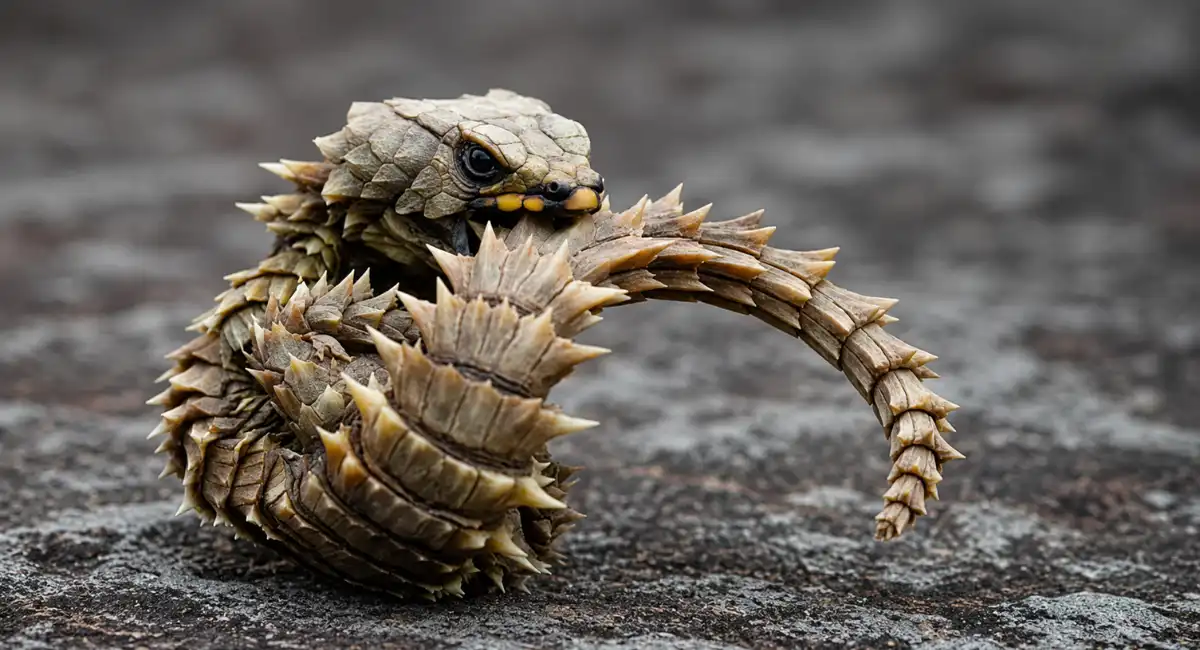
The Armadillo Girdled Lizard boasts a unique appearance with its armored, spiny skin that resembles the scales of a dragon. Typically measuring around 5–7 inches, this small lizard is primarily found in the rocky outcrops of South Africa, where it camouflages beautifully among the stones. Its curled-up defense mechanism makes it look like a tiny dragon resting among the rocks.
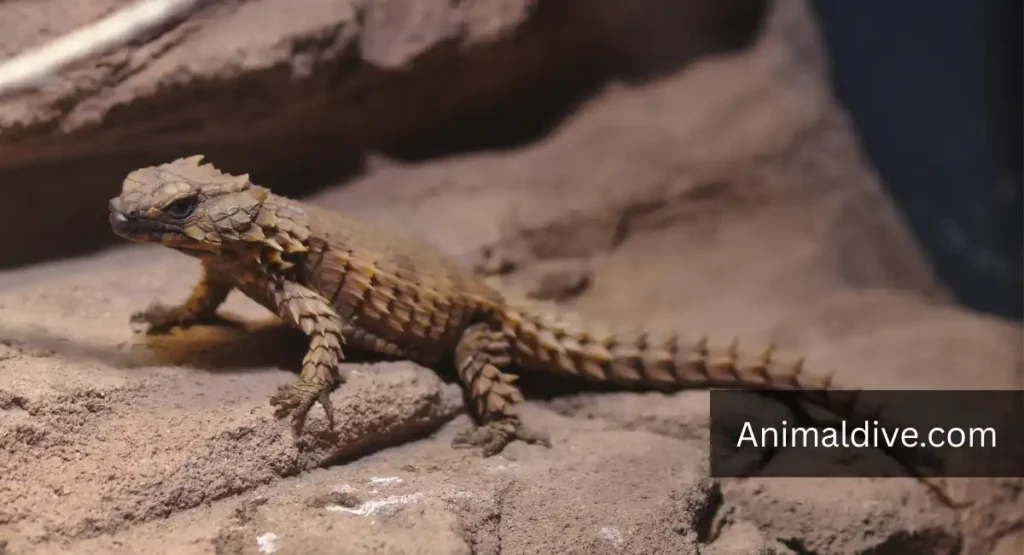
Known for its fascinating behavior, the Armadillo Girdled Lizard rolls into a ball when threatened, similar to a dragon that bristles its scales for protection. This lizard is a herbivore and primarily feeds on plant matter, an adaptation that sets it apart from many other dragon lizards. Its unique look and behavior make it a captivating pet lizard that looks like a dragon for enthusiasts and reptile lovers.
Bearded Lizards
Scientific Name: Pogona vitticeps
Class: Reptilia
The Bearded Dragon is one of the most recognizable lizards that look like dragons, known for its distinctive beard-like throat pouch. Reaching sizes from 18 to 24 inches, they are native to the arid regions of Australia and adapt well to various environments. Their spiky appearance and dragon-like demeanor make them popular in terrariums and as pets.
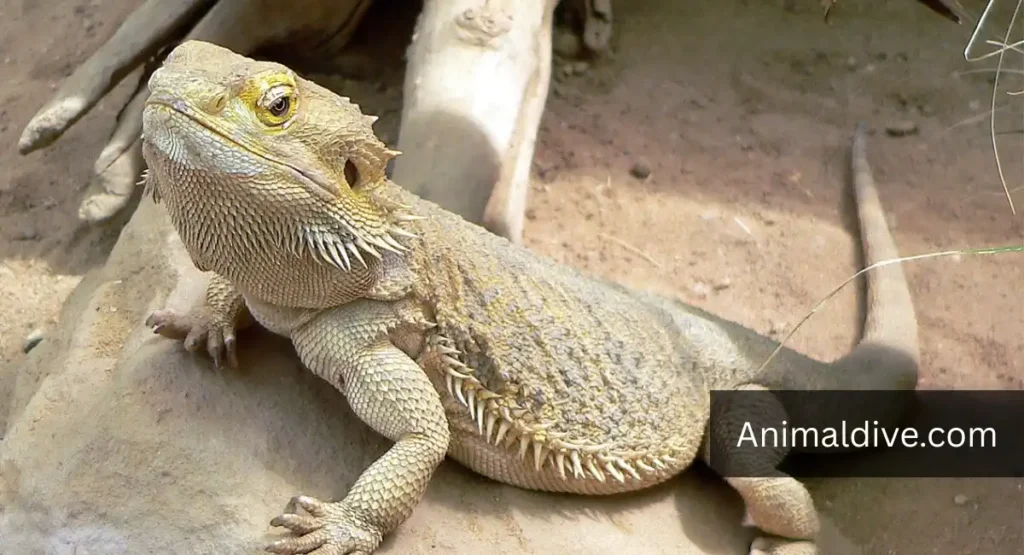
Bearded Dragons are highly interactive and exhibit various social behaviors, often basking under heat lamps like mighty dragons in their lairs. They thrive in captivity, requiring specific care and diet, which includes insects and greens. Their combination of charm and personality definitely cements them as a sought-after pet lizard that looks like a dragon.
Chinese Water Lizard
Scientific Name: Physignathus cocincinus
Class: Reptilia
The Chinese Water Dragon exhibits a striking green hue and long, slender body, reminiscent of an elegant dragon. This species can grow up to 3 feet in length and is often found in humid forests and near water bodies in Southeast Asia. Their dragon-like appearance is enhanced by their long tail and crested head, making them a spectacular sight.
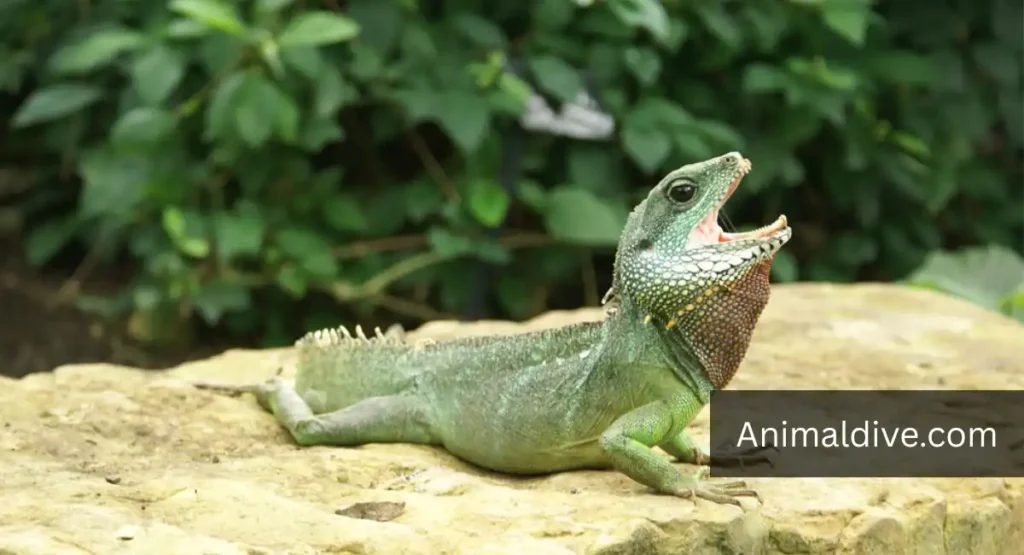
These lizards are not just visually appealing; they also possess extraordinary swimming capabilities, often seen darting through water like a dragon conquering its realm. Social and curious, they thrive in well-maintained enclosures and make fascinating pets.
Common Flying Lizard
Scientific Name: Draco volans
Class: Reptilia
The Common Flying Dragon is notable for its unique ability to glide between trees, mimicking the flight of a dragon. With its body measuring about 7–10 inches, this lizard has membrane-like wings that allow it to soar gracefully from branch to branch in Southeast Asian forests. Its flattened body and colorful throat flap enhance its dragon-like appearance, capturing the awe of observers.
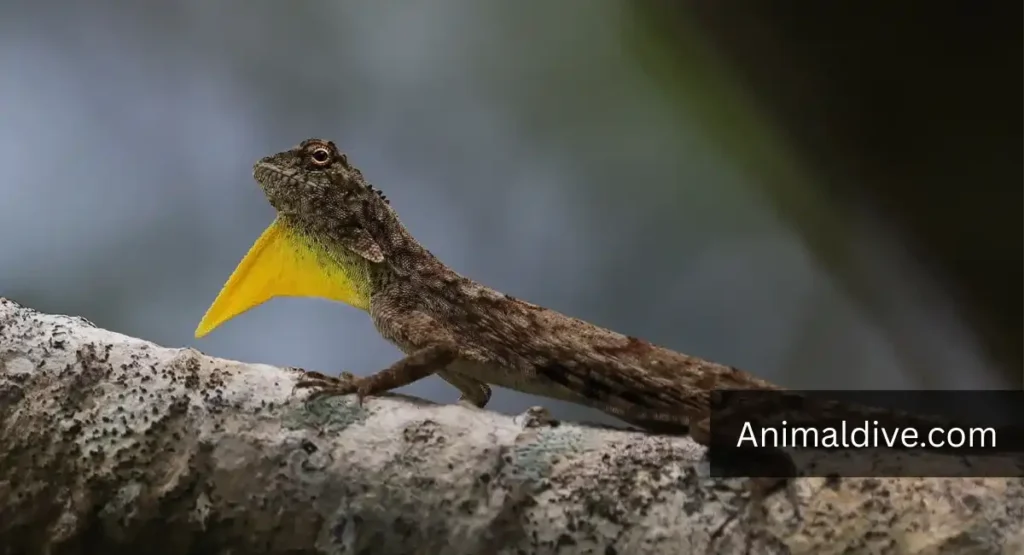
These lizards primarily feast on fruits and insects, adapting well to their arboreal lifestyle. Known for their gliding prowess, they rely on their incredible adaptations for survival in the wild, making them a remarkable example of a dragon-looking lizard.
Crested Gecko Lizard
Scientific Name: Correlophus ciliatus
Class: Reptilia
Crested Geckos are instantly recognizable with their expressive crests and vibrant colors, closely resembling tiny dragons. Typically around 8–10 inches long, they inhabit the lush rainforests of New Caledonia.
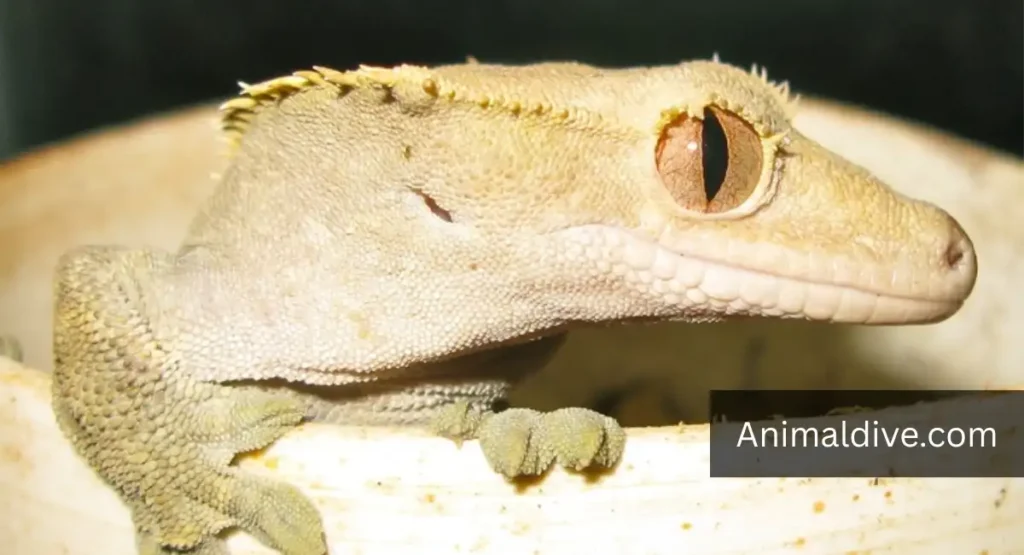
These small lizards that look like dragons are primarily nocturnal and have exceptional climbing abilities. They are easy to care for, making them a popular choice among new reptile owners. Their delightful personalities and striking appearance make the Crested Gecko a favorite pet lizard in the dragon-loving community.
Four-Horned Chameleon Lizard
Scientific Name: Trioceros quadricornis
Class: Reptilia
The Four-Horned Chameleon is a true marvel, sporting unique horns that contribute to its dragon-like allure. Measuring about 8–12 inches, these lizards can be found in the forests of Central and West Africa, where their colors and textures provide excellent camouflage. The horns give them a fierce appearance, reminiscent of a mini dragon.
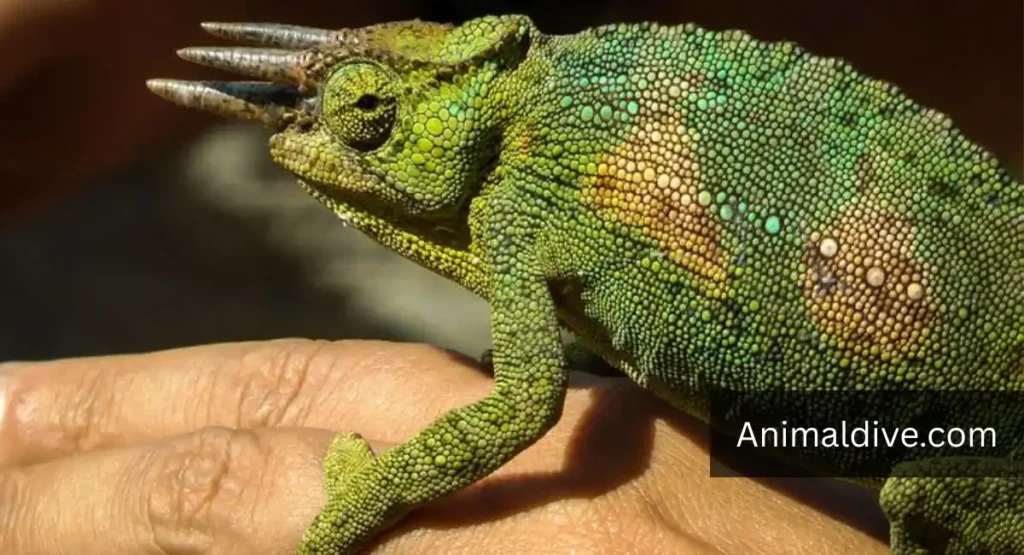
Adapted to a life in the trees, these chameleons can change colors for communication and camouflage. Their distinctive look and intriguing behaviors make them captivating lizards that resemble dragons, although they require specific environmental conditions to thrive as pets, appealing to specialized reptile keepers.
Frilled Lizard
Scientific Name: Chlamydosaurus kingi
Class: Reptilia
The Frilled Dragon is a spectacular reptile known for its remarkable frill around the neck, resembling a dragon’s mane. Ranging up to 3 feet in length, these lizards inhabit the trees of northern Australia and New Guinea. Their frilled throat can be expanded dramatically when threatened, giving them a truly dragon-like visage. When startled, Frilled Dragons are also famous for sprinting upright on their hind legs, joining a small group of animals that walk on two legs as a survival strategy.
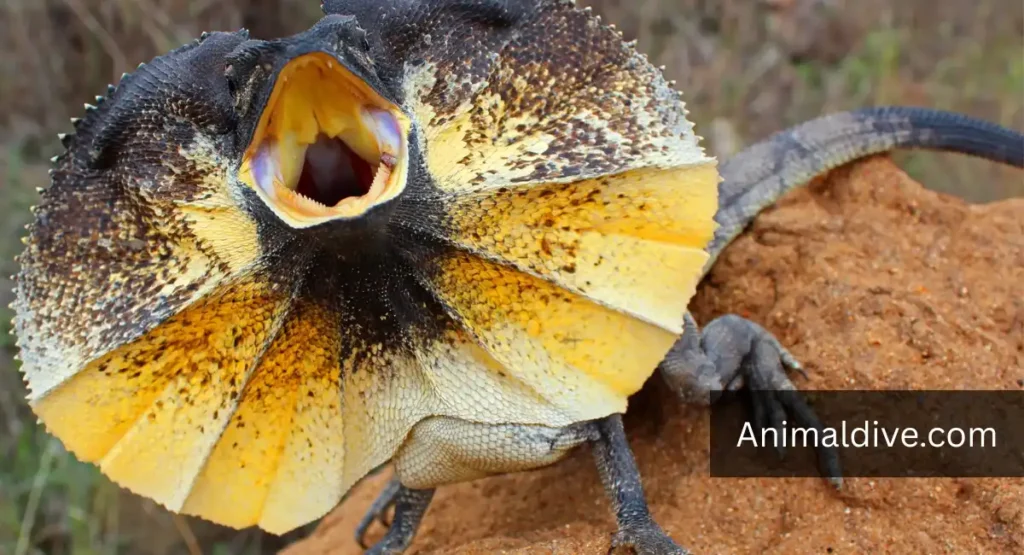
These lizards are adept climbers and spend much of their time high in the canopy, using their gliding ability to move between branches. When startled, they can drop from heights and glide to safety, showcasing adaptability reminiscent of mythical dragons’ agility.
Green Basilisk Lizard
Scientific Name: Basiliscus plumifrons
Class: Reptilia
Known as the “Jesus Christ Lizard,” the Green Basilisk can walk on water, giving it a whimsical dragon-like charm. Growing up to 2.5 feet in length, this vibrant green lizard hails from Central and South American rainforests, where its color helps it blend into the lush surroundings. Its crest adds to the dragon-like aesthetic, making it a visual spectacle.
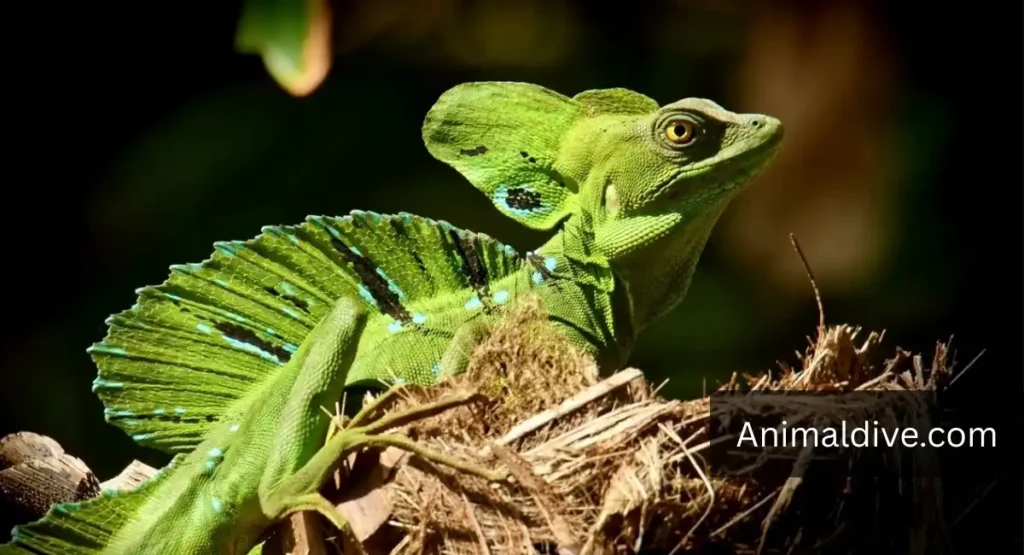
Besides its incredible locomotion, the Green Basilisk is a proficient climber, often seen basking in tree branches. They have an impressive diet, consuming insects, fruits, and flowers, and are known for their intriguing social behaviors. Though mostly wild, their mesmerizing appearance has sparked interest in the pet trade.
Green Iguana Lizard
Scientific Name: Iguana iguana
Class: Reptilia
The Green Iguana is a magnificent lizard that resembles a dragon due to its impressive coloration and imposing size. Capable of reaching lengths of over 6 feet, they are native to tropical Central and South America. With their elongated bodies and spiny dorsal crests, they evoke the mythic nature of dragons.
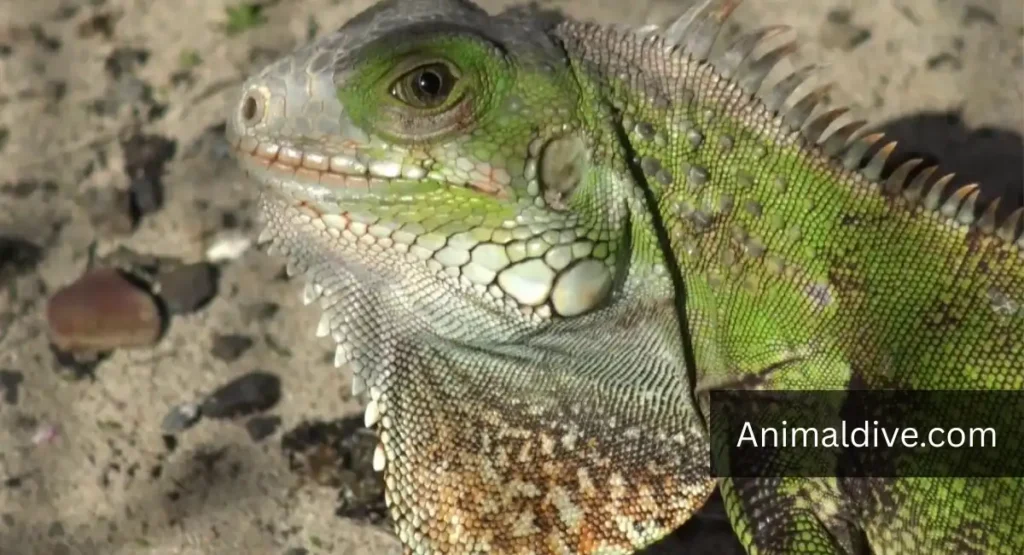
These large lizards are primarily herbivorous, enjoying a diet of leaves, fruits, and flowers. They have a reputation for their calm demeanor, but can be assertive when threatened, displaying behaviors that reflect their dragon-like characteristics. Their size and beauty make them popular, though they require dedicated care, positioning them as an exotic pet lizard that looks like a dragon.
Jackson’s Chameleon Lizard
Scientific Name: Trioceros jacksonii
Class: Reptilia
Jackson’s Chameleon is easily identifiable by its three distinctive horns, adding to its resemblance to a tiny dragon. Typically around 10–14 inches in length, this species is native to East Africa’s forests and is known for its vibrant colors. The horns and unique facial structure make these lizards striking and captivating.
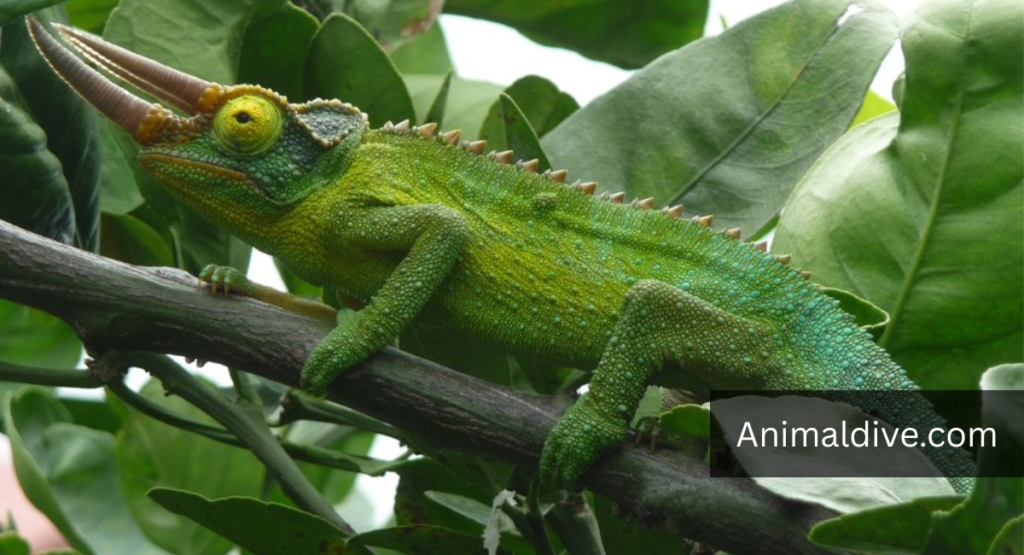
Notable for their exceptional color-changing abilities, Jackson’s Chameleons utilize this feature for communication and camouflage. Their behaviors and adaptations, such as their prehensile tails for climbing, render them fascinating dragon-looking lizards. While less common as pets, their enchanting appearance attracts dedicated reptile enthusiasts.
Komodo Lizard
Scientific Name: Varanus komodoensis
Class: Reptilia
The Komodo Dragon is the world’s largest living lizard and embodies the essence of a true dragon. Growing up to 10 feet long, this majestic creature roams the Indonesian islands, displaying a robust, muscular body and an intimidating demeanor.
Its scale-covered skin and powerful limbs give it an unmistakably fearsome appearance. Its muscular build and crushing bite place the Komodo Dragon firmly among the strongest animals in the world, reinforcing its reputation as a true apex predator.
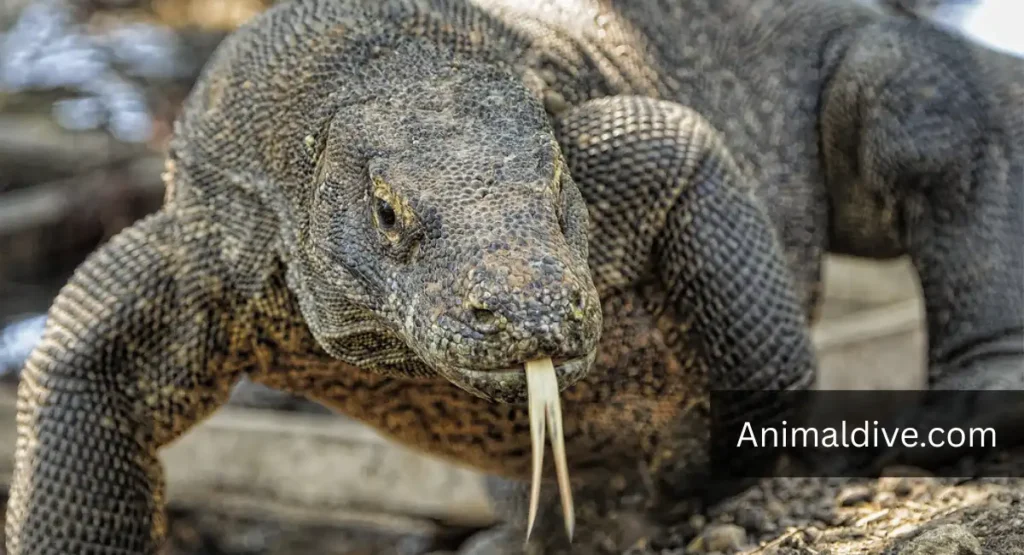
As apex predators, Komodo Dragons are both fascinating and formidable, with an impressive hunting strategy and adaptations that include venomous saliva. They symbolize the dragon animal mythos, inspiring awe in those who encounter them in the wild. While they are not typical pets, their allure draws admiration from reptile aficionados worldwide.
Leopard Gecko Lizard
Scientific Name: Eublepharis macularius
Class: Reptilia
Leopard Geckos exhibit a striking pattern and color, reminiscent of scaled dragons. Typically about 8–10 inches in length, these lizards are native to the arid regions of Afghanistan and surrounding areas. Their spotted skin and large eyes contribute to a fierce appearance that many dragon lovers find appealing.
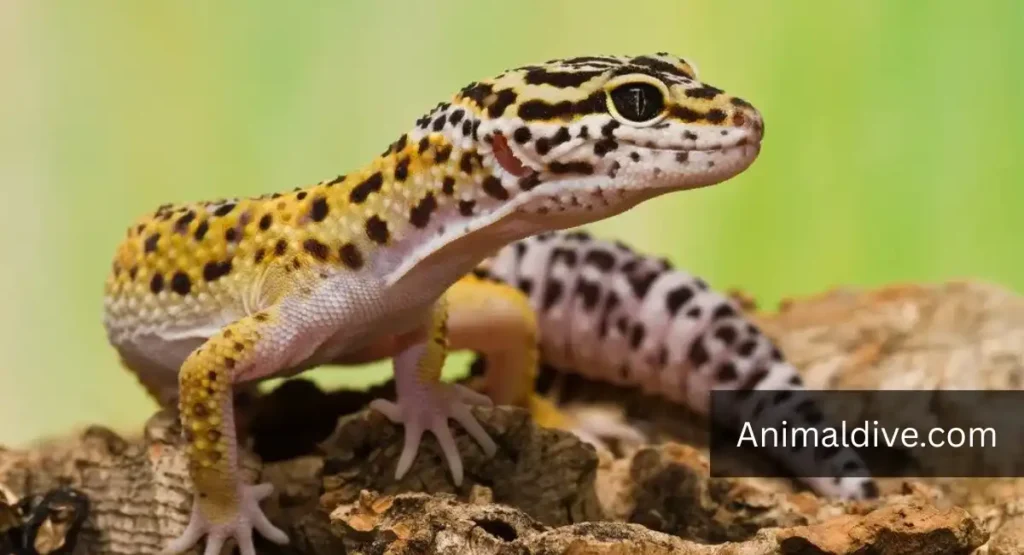
Known for their docile nature, Leopard Geckos make excellent pet lizards that look like dragons. They are nocturnal hunters, feeding primarily on insects, and possess distinct vocalizations, expressing their personalities. Their manageable care requirements and charming disposition help solidify their popularity in the reptile community.
Northern Caiman Lizard
Scientific Name: Dracaena guianensis
Class: Reptilia
The Northern Caiman Lizard is a truly unique specimen that resembles a dragon with its aquatic adaptations and armored appearance. Growing up to 3.5 feet long, this lizard can be found in the Amazon Basin, often basking along riverbanks. Its scales, coloration, and elongated snout create a striking resemblance to the mystique of dragons.
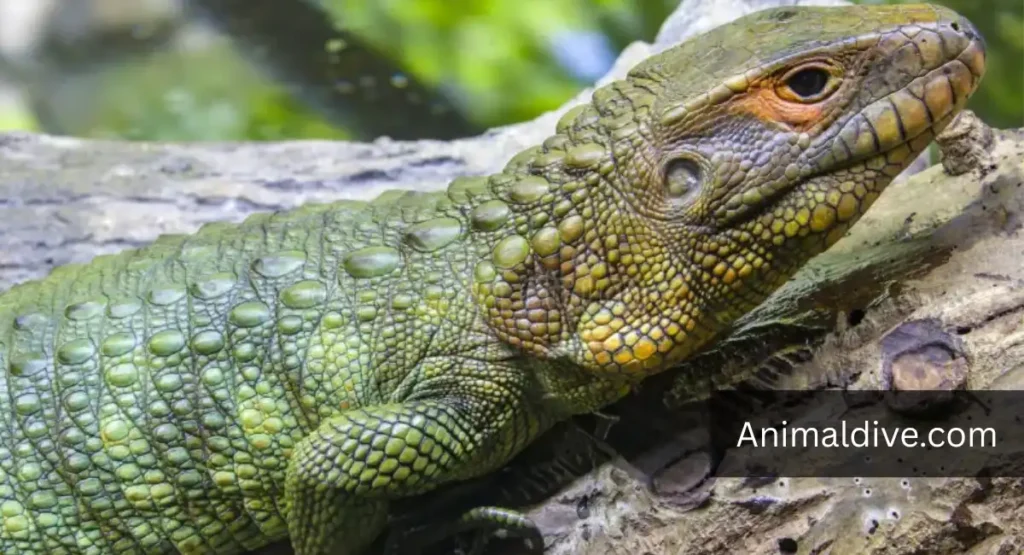
This semi-aquatic reptile primarily feeds on invertebrates and mollusks, demonstrating efficient adaptation to its habitat. Their incredible swimming skills and strong jaws mark them as formidable hunters. While not typically kept as pets, their appearance and behaviors pique interest among dragon enthusiasts.
Parson’s Chameleon Lizard
Scientific Name: Calumma parsonii
Class: Reptilia
Parson’s Chameleon stands out as one of the largest and most visually stunning chameleons, with its regal appearance resembling that of a dragon. Typically measuring around 16–24 inches, these lizards are native to Madagascar’s lush forests, where their vibrant colors and patterns offer excellent camouflage against predators.
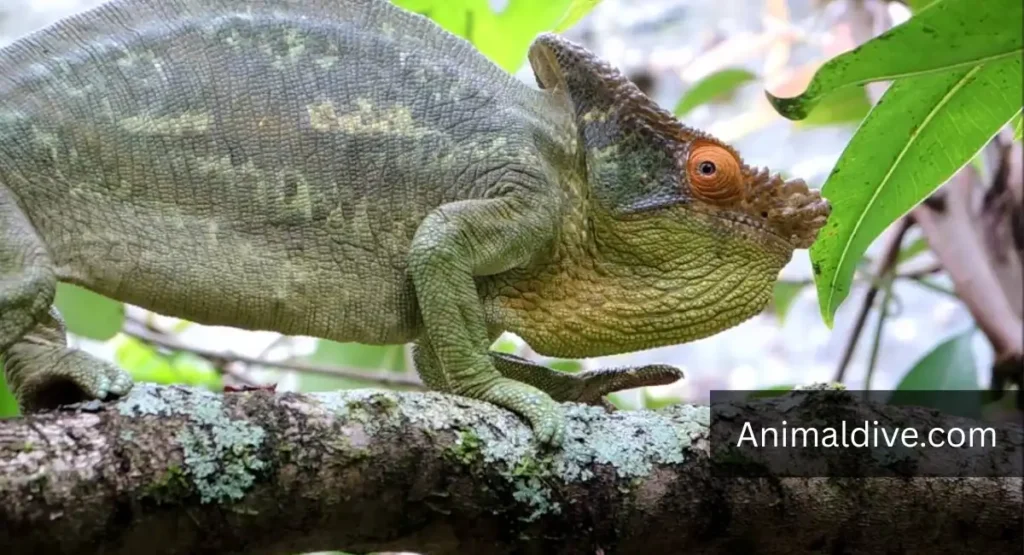
These chameleons possess remarkable color-changing abilities for communication and mood expression. Their unique structure, including a prominent casque atop their heads, enhances their dragon-like resemblance. Though they require specialized care, their captivating presence makes them a highly sought-after lizard that looks like a dragon.
Philippine Sailfin Lizard
Scientific Name: Hydrosaurus pustulatus
Class: Reptilia
The Philippine Sailfin Lizard showcases a spectacular dorsal sail, lending it a dragon-like prowess that captures the imagination. Ranging from 2–3 feet in length, this lizard inhabits the lush forests and riverbanks of the Philippines, where its vibrant coloration and unique sail help it blend into its environment.
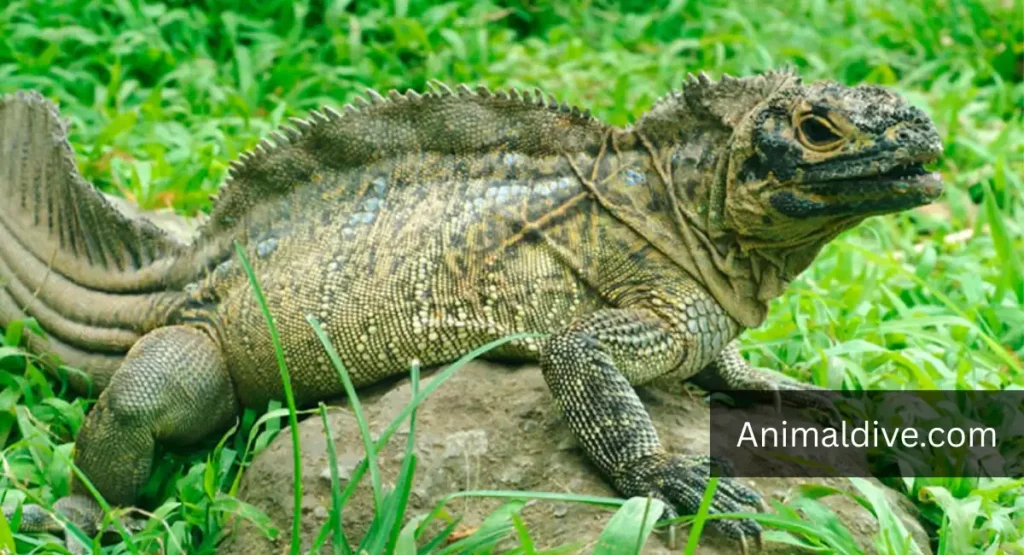
These lizards are adept swimmers, using their sail to aid in gliding through water, much like a dragon gliding through the sky. Their diet mainly consists of fruits and insects, reflecting adaptability to their surroundings. Their striking appearance and fascinating behaviors make them a notable entry among the dragon lizards.
Best Pet Lizards That Look Like Dragons
Bearded dragons are among the best pet lizards that look like dragons, renowned for their friendly demeanor and robust appearance. These lizards sport spiky clusters around their heads, resembling miniature dragons, and thrive on a varied diet, making them both captivating and relatively easy to care for.
Crested geckos also stand out as fantastic dragon-like companions, featuring elegant crests along their heads and backs. These nocturnal lizards are vibrant and hardy, capable of living in various environments, which makes them ideal for both beginners and seasoned keepers.
In the robust category, the Chinese water dragon, with its impressive size and long tail, embodies the draconic characteristics that many reptile lovers find appealing. Together with the distinctive leopard gecko, whose unique patterns and easy-going nature further enhance their allure, these species complete a remarkable roster of the best pet lizards that look like dragons.
Small Lizards That Look Like Dragons
Small lizards that look like dragons often captivate reptile enthusiasts with their unique features. The Crested Gecko, adorned with striking crest-like scales, boasts a vivid array of colors that mimic the majestic appearance of mythical dragons, creating a mesmerizing spectacle for any observer.
The Armadillo Girdled Lizard embodies dragon-like qualities with its robust, armored appearance and ability to curl into a spiky ball when threatened. Meanwhile, the Common Flying Dragon takes novelty to new heights, literally, as it glides gracefully from tree to tree, resembling a miniature dragon soaring through the canopies.
Conclusion
The enchanting variety of lizards that look like dragons provides a glimpse into a world where reality meets fantasy. The Draco Lizard, with its remarkable gliding ability and dragon-like appearance, is just one of the many species that adorn our planet.
The diversity among dragon lizards highlights nature’s incredible artistry, from their vivid colors to their unique physical adaptations. Discovering these types of dragon lizards not only fuels our imagination but also encourages a greater appreciation for biodiversity.
FAQs
What Lizards Look Most Like Dragons?
The Armadillo Girdled Lizard and Bearded Dragon are among the most dragon-like lizards due to their spiny scales, armored bodies, and fierce appearance.
What Is the Lizard That Looks Like a Dragon?
The Common Flying Dragon (Draco volans) is a small lizard that resembles a dragon because it can glide through the air using wing-like skin flaps.
Is Komodo Dragon Harmful to Humans?
Yes, Komodo dragons can be dangerous to humans due to their sharp teeth, powerful claws, and venomous bite.
Do Lizard Dragons Exist?
Yes, real-life dragon lizards such as the Komodo Dragon, Flying Dragon, and Water Dragon exist, though they are not mythical creatures.
Can Lizards Hear You Talk?
Yes, most lizards can hear sounds and vibrations, including human voices, although their hearing range is limited compared to mammals.
Do Dragon Lizards Bite?
Yes, dragon lizards can bite, but species like Bearded Dragons are usually gentle and only bite when threatened or stressed.