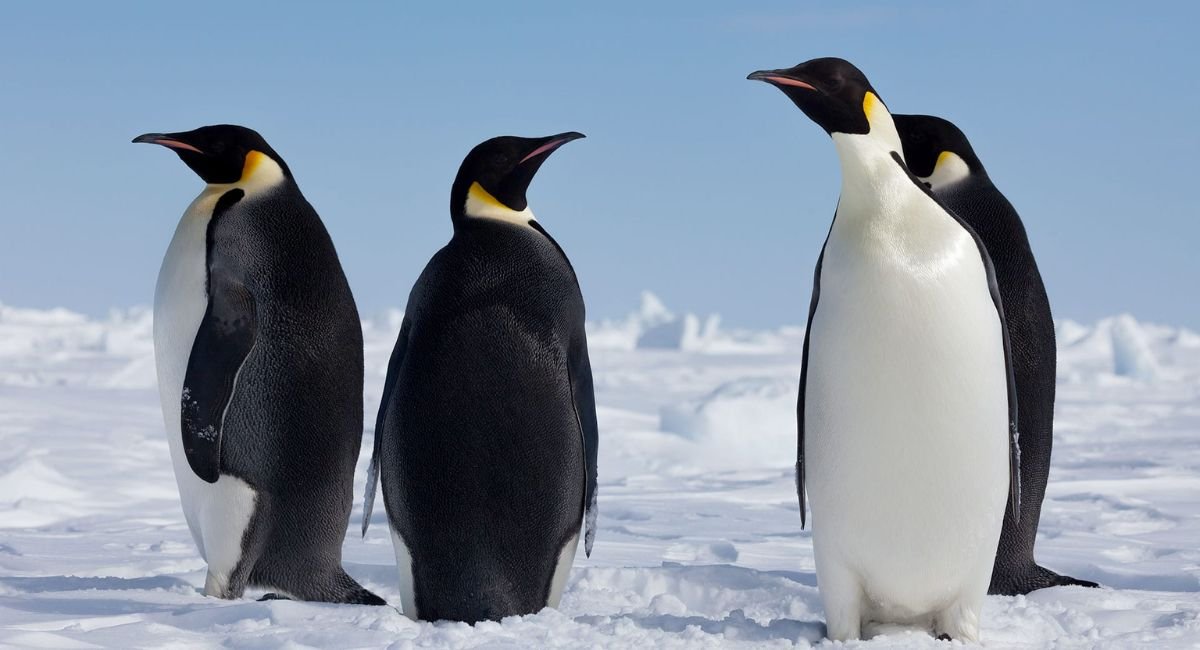
28 Types Of Penguins Ranked By Cuteness & Survival With Images
Penguins are not just adorable; they are resilient creatures that navigate the icy landscapes and coastal shores of our planet with remarkable finesse. From the regal Emperor penguin to the diminutive Little Blue, the diversity of types of penguins showcases their unique adaptations and playful personalities that thrill observers worldwide.
This article will rank 28 different types of penguins by their cuteness and survival strategies, providing you with an educational journey enhanced by stunning pictures that celebrate their playful spirit and survival prowess.
Types Of Penguins List
| No. | Penguin Name |
|---|---|
| 1 | African Penguin |
| 2 | Northern Rockhopper Penguin |
| 3 | King Penguin |
| 4 | Adélie Penguin |
| 5 | Fairy Penguin |
| 6 | Yellow-Eyed Penguin |
| 7 | Chinstrap Penguin |
| 8 | Magellanic Penguin |
| 9 | Southern Rockhopper Penguin |
| 10 | Macaroni Penguin |
| 11 | Australian Little Penguin |
| 12 | Emperor Penguin |
| 13 | Snares Penguin |
| 14 | Galápagos Penguin |
| 15 | Erect-Crested Penguin |
| 16 | Royal Penguin |
| 17 | Humboldt Penguin |
| 18 | Eastern Rockhopper Penguin |
| 19 | Fiordland Penguin |
| 20 | Allied King Penguin |
| 21 | Falkland Island Gentoo Penguin |
| 22 | Ellsworth’s Gentoo Penguin |
| 23 | Kerguelen Gentoo Penguin |
| 24 | South Georgia Gentoo Penguin |
| 25 | White-Flippered Penguin |
| 26 | Cook Strait Little Penguin |
| 27 | North Island Little Penguin |
| 28 | Chatham Island Little Penguin |
African Penguin
The African Penguin, known for its distinctive black and white markings, thrives along the southwestern coast of Africa. This charming penguin species can often be spotted nosing through the rocky shores and sandy beaches of its habitat, with its diet primarily consisting of small fish and squid.
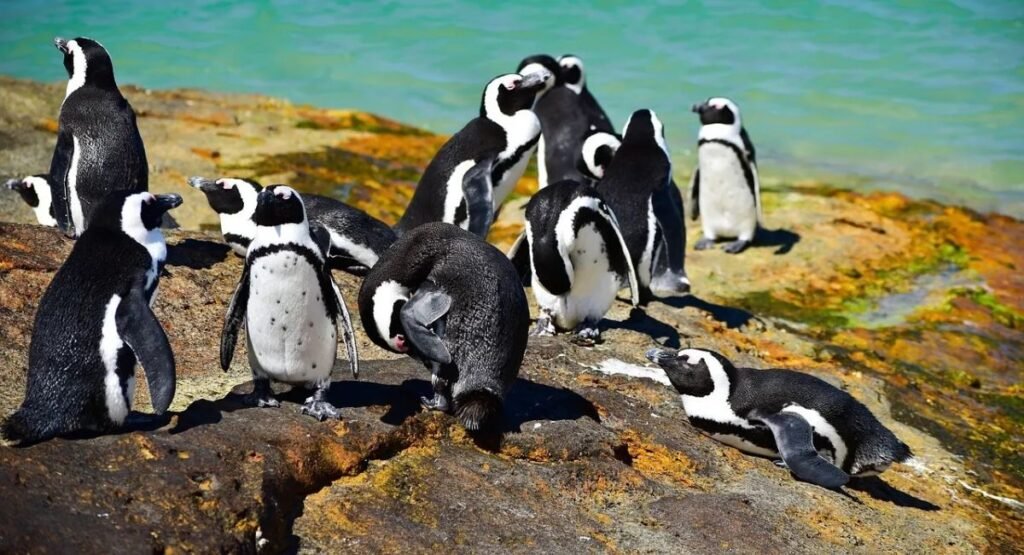
An intriguing trait of the African Penguin is its unique braying call, reminiscent of a donkey. Unlike other types of penguins, they are known for their social behavior, often nesting in large colonies.
Northern Rockhopper Penguin
With its striking yellow and black feathered crest, the Northern Rockhopper Penguin stands out among the different types of penguins. Found mainly on subantarctic islands, it feeds on a diet rich in krill and small fish, showcasing exceptional diving skills to catch its prey. Rockhoppers make their nests amid rocky cliffs, a behavior that helps protect them from predators.
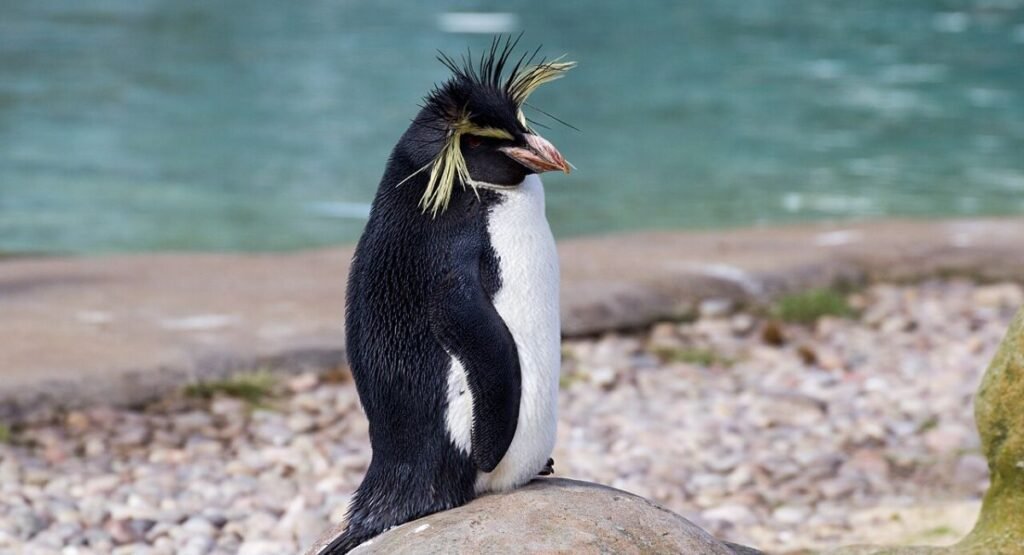
Known for their spirited personality, these penguins are extremely agile on land, often hopping over rocky terrains with ease a true testament to their name.
King Penguin
The majestic King Penguin, adorned with a vibrant orange-yellow patch on its head, is the second-largest of all penguin species. These birds inhabit subantarctic islands and are renowned for their strong swimming ability, diving to great depths in search of fish and squid. Their striking appearance makes them a popular subject in wildlife photography, often featured in lists of types of penguins.
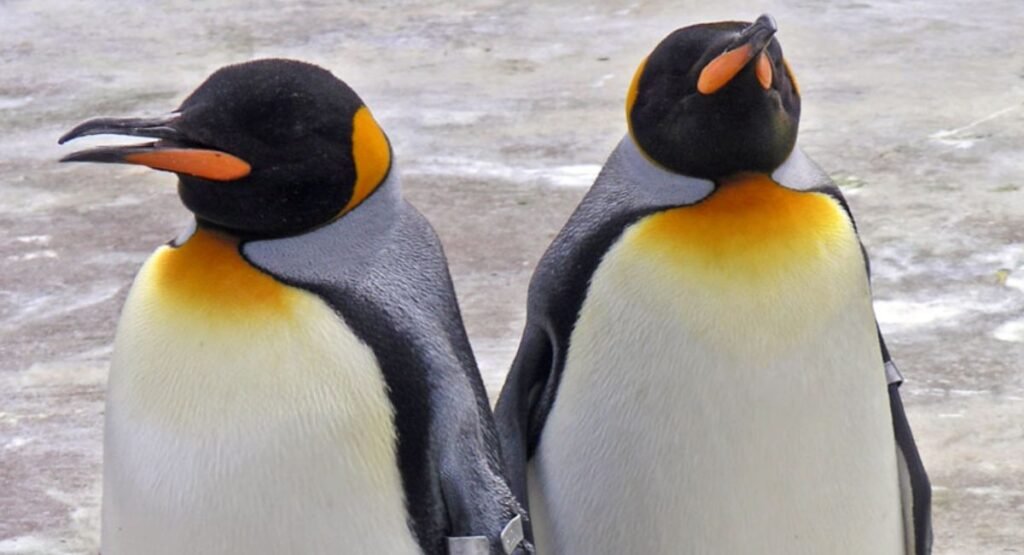
Incredibly social, King Penguins engage in fascinating courtship displays and care for their young in cooperative colonies. However, like many penguin breeds, they face significant challenges from climate change and food scarcity, emphasizing the importance of tailored conservation strategies to protect this awe-inspiring bird.
Adélie Penguin
Adélie Penguins are easily recognizable by their classic tuxedo-like appearance and playful demeanor. Commonly found along the Antarctic coast, they primarily feed on krill, using their exceptional swimming skills to chase their prey.
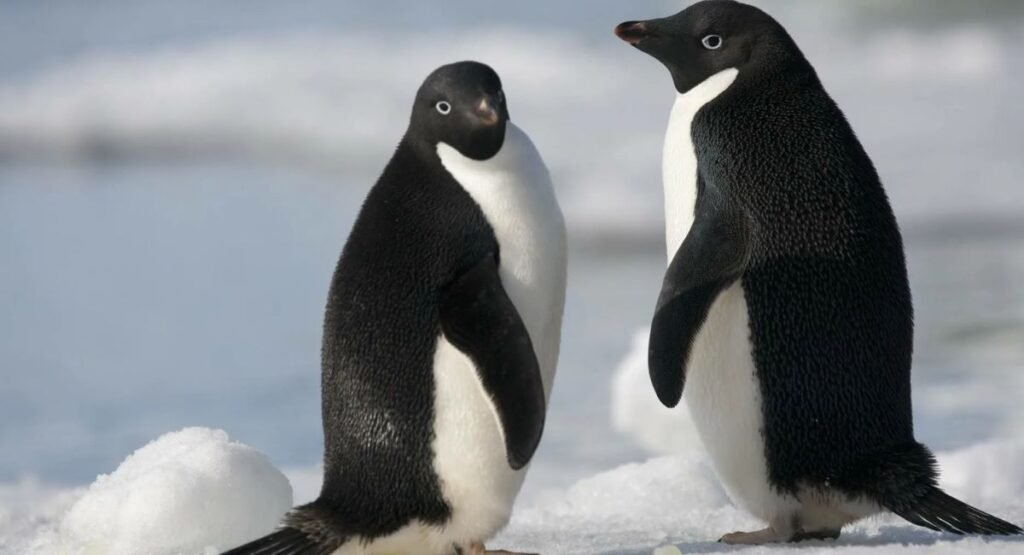
Curiously, Adélie Penguins exhibit unique nesting behaviors, often building nests using pebbles, which they guard fiercely. This charming penguin species faces challenges from shrinking sea ice and changing fish populations, making their conservation crucial for maintaining biodiversity in their habitat.
Adélie Penguins are fascinating examples of animals that walk on two legs, waddling across Antarctic ice with surprising speed and confidence. Their upright bipedal stance, while comical on land, is perfectly suited for navigating their icy terrain. This unique locomotion also helps them conserve energy during their long treks between feeding grounds and nesting colonies.
Fairy Penguin
Often dubbed the smallest species, the Fairy Penguin stands a mere 12 inches tall and boasts a striking blue hue. Residing along the coasts of Australia and New Zealand, this delightful penguin primarily dines on small fish and crustaceans. Despite their small stature, these penguins are incredibly adept swimmers, showcasing impressive agility as they navigate through the water.
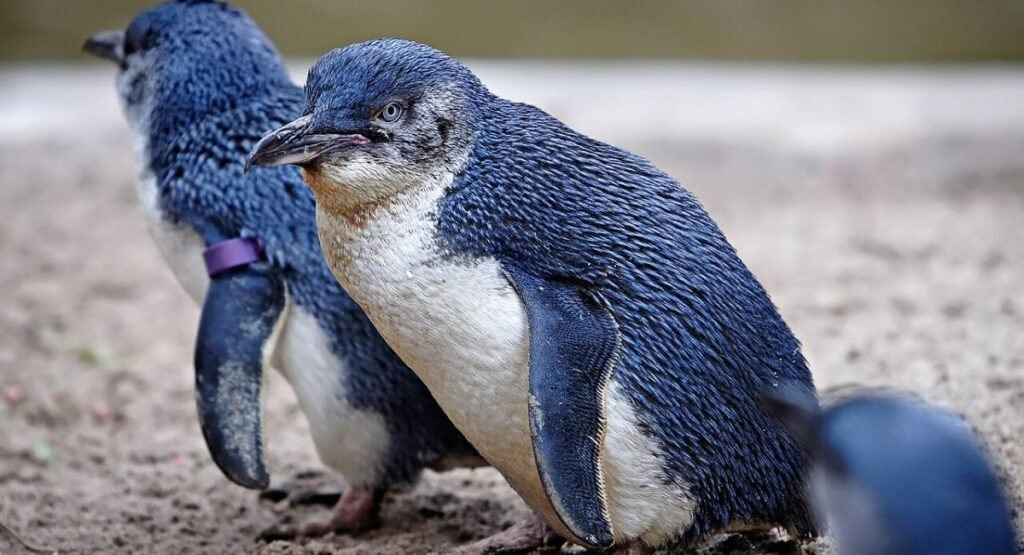
Fairy Penguins are also known for their unique evening “parade,” where they return to their nesting grounds after a day of fishing.
Despite their tiny size, Fairy Penguins are among the most endearing animals that waddle, rocking side to side as they make their nightly journey back to their burrows. This distinctive gait is caused by their short legs being positioned far back on their bodies, a design perfectly optimized for swimming.
Yellow-Eyed Penguin
The Yellow-Eyed Penguin, famous for its distinctive pale yellow eyes and yellow stripes atop its head, is one of the rarest kinds of penguins. This elusive species resides in New Zealand’s coastal forests and feeds primarily on fish and squid, relying on its remarkable swimming ability to hunt successfully.
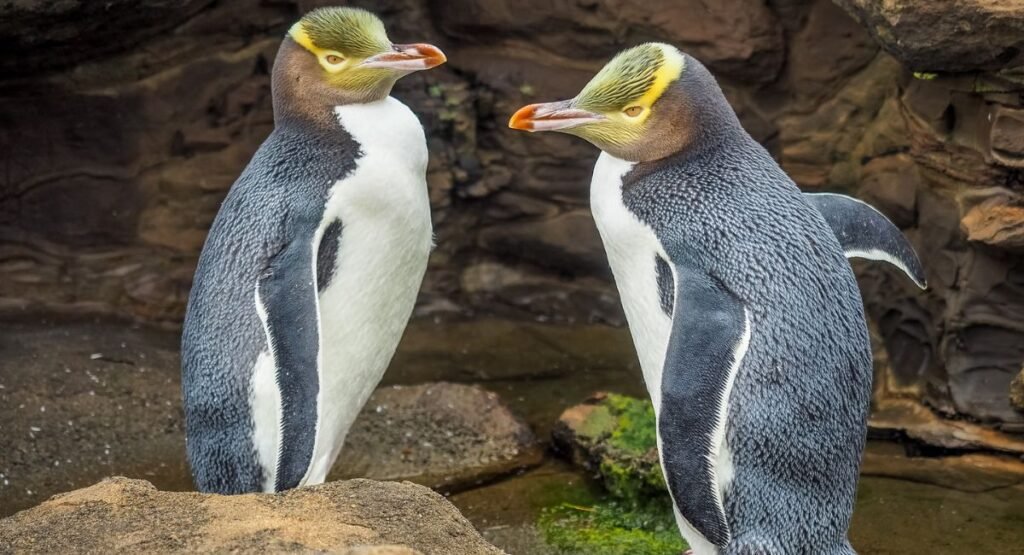
Unique among different types of penguins, Yellow-Eyed Penguins exhibit fascinating behaviors such as solitary nesting and territorialism. Unfortunately, they face challenges due to habitat loss and introduced predators, underscoring the urgent need for conservation measures to protect these stunning birds and their precious ecosystems.
Chinstrap Penguin
With a signature black line under their beaks, the Chinstrap Penguin has a unique appearance that captivates wildlife enthusiasts.
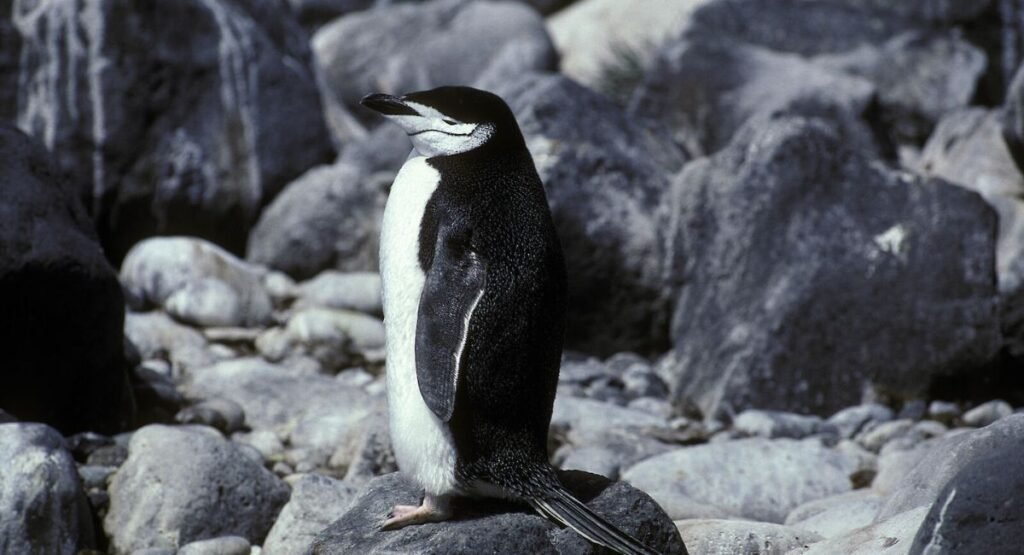
Found in the sub-Antarctic regions, this penguin species thrives on a diet of krill and small fish, showcasing remarkable diving skills that aid in their feeding.
Magellanic Penguin
The Magellanic Penguin is characterized by its distinctive two black stripes across its white chest. Found along the coasts of South America, notably in Argentina and Chile, they primarily consume fish and squid, demonstrating impressive diving skills as they hunt. Their habitat ranges from rocky shorelines to grasslands, where they prefer to nest in burrows for protection.
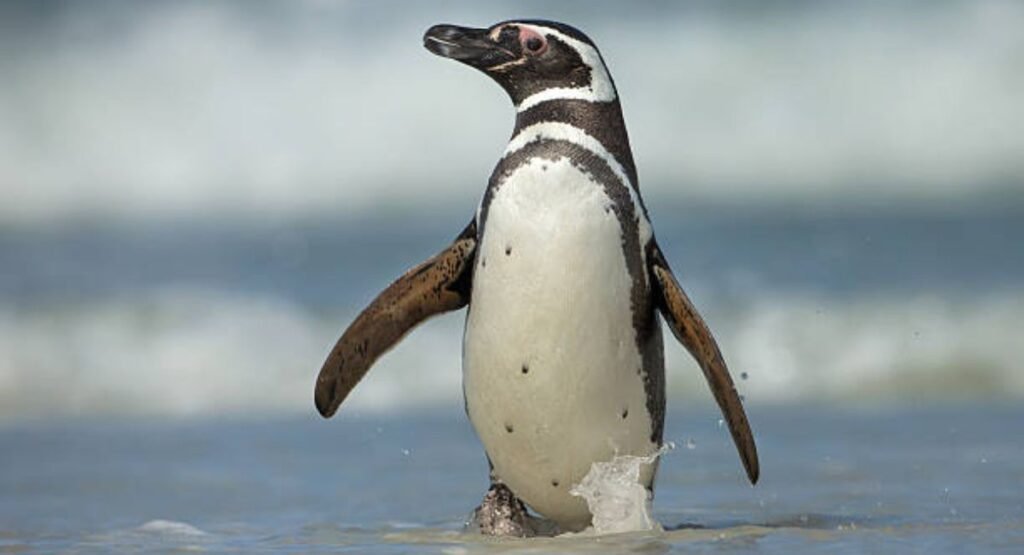
These charming penguins are known for their vocal nature and affectionate displays during courtship. Threatened by habitat destruction and oil pollution, the conservation of Magellanic Penguins is crucial in preserving their unique behaviors and ensuring that future generations can admire these enchanting birds.
Southern Rockhopper Penguin
The Southern Rockhopper Penguin, easily identifiable by their long yellow crests and spirited jumps, inhabits the subantarctic islands. This penguin breed primarily feeds on krill and other sea life, showcasing remarkable underwater agility as they dive for meals. Their habitat comprises rocky cliffs, which provide refuge from predators.
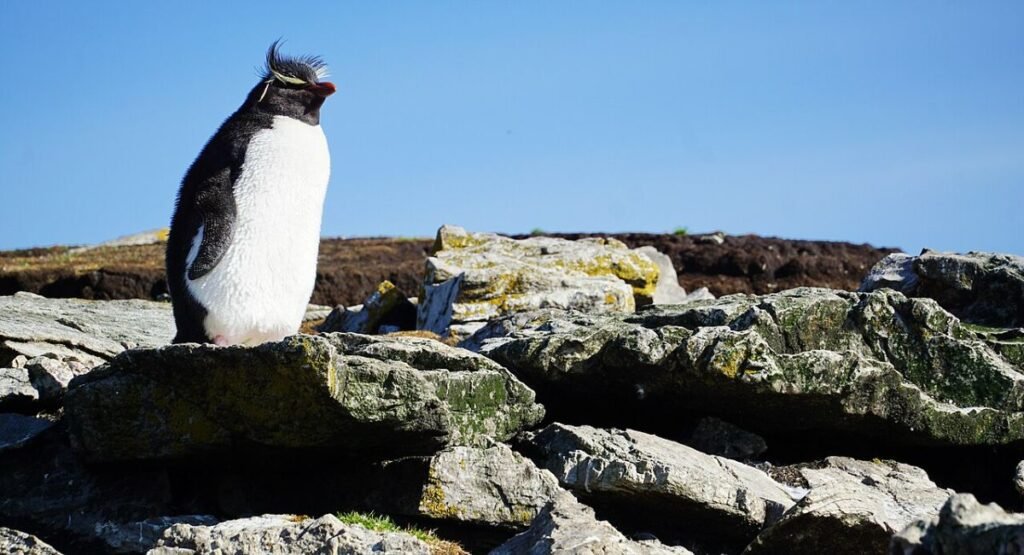
Known for their lively personalities, Southern Rockhoppers exhibit playful behaviors while foraging. However, they face significant threats from climate change and overfishing, emphasizing the urgent need to promote conservation strategies to protect these vibrant birds and their habitats.
Macaroni Penguin
Famed for their flamboyant yellow crests and vibrant appearance, Macaroni Penguins are among the most recognized kinds of penguins in the world. Inhabiting subantarctic islands, they feed predominantly on krill and small fish, using their adept swimming skills to hunt effectively in cold waters.
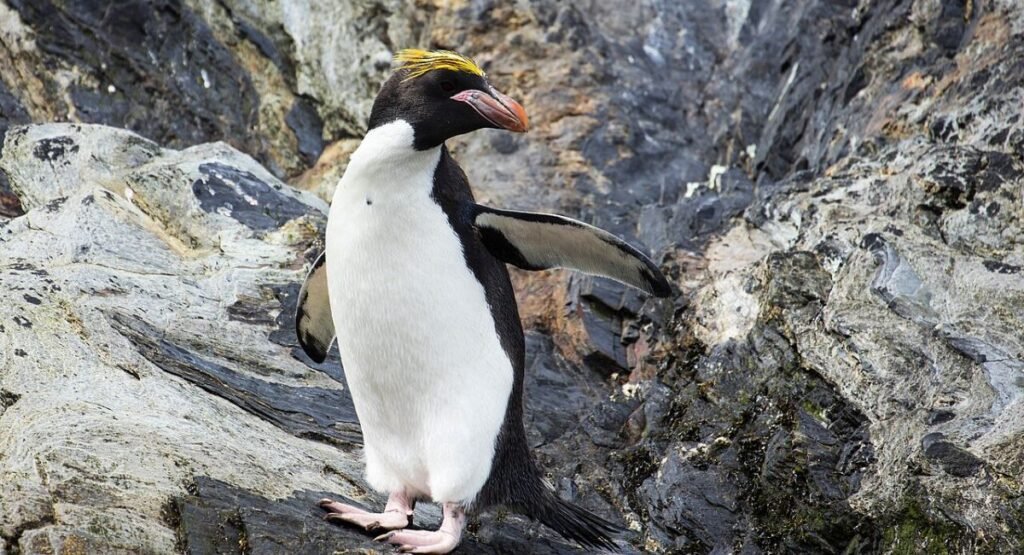
Macaroni Penguins exhibit interesting nesting habits, forming large colonies where they engage in lively courtship displays. However, they are threatened by climate change and changes in ocean ecosystems, making conservation efforts pivotal for protecting this exuberant species and ensuring their continuing existence in the wild.
Australian Little Penguin
The Australian Little Penguin, the smallest of the types of penguins, typically inhabits the coastal waters of Australia and New Zealand. Known for their unique feather colors, these adorable birds have blue and white plumage that helps them blend into the ocean when viewed from above.
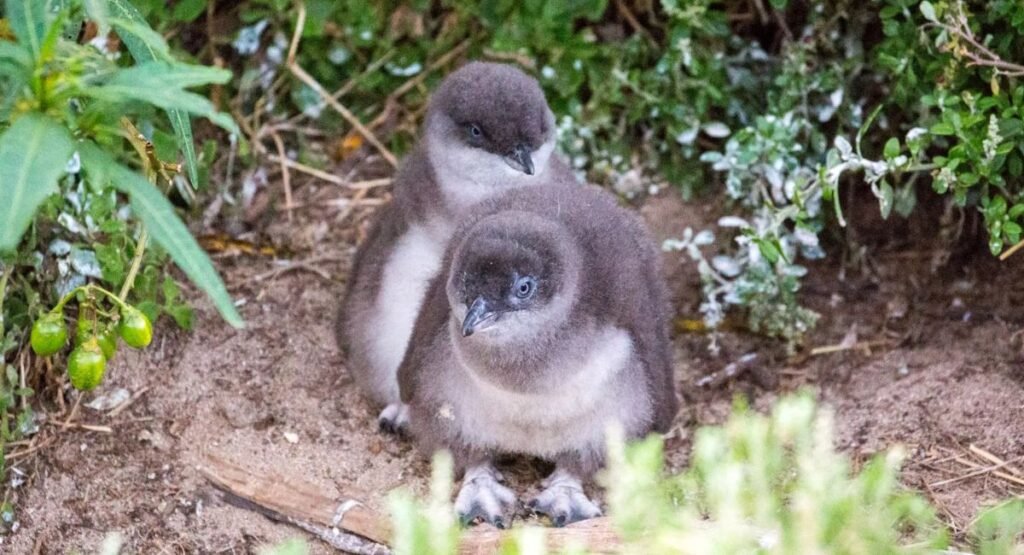
These penguins are impressive ocean hunters, adept at foraging for fish and squid in the shallow waters. Their survival adaptations include a thick layer of blubber and waterproof feathers that insulate them against cold-weather challenges, allowing them to thrive in their temperate habitat while facing environmental changes head-on.
Emperor Penguin
The Emperor Penguin, the largest of all penguin species, commands attention with its striking golden ear patches and regal stature. Residing primarily in the harsh Antarctic landscape, they are uniquely adapted to endure extreme cold, thanks to their compact size and layered feathers.
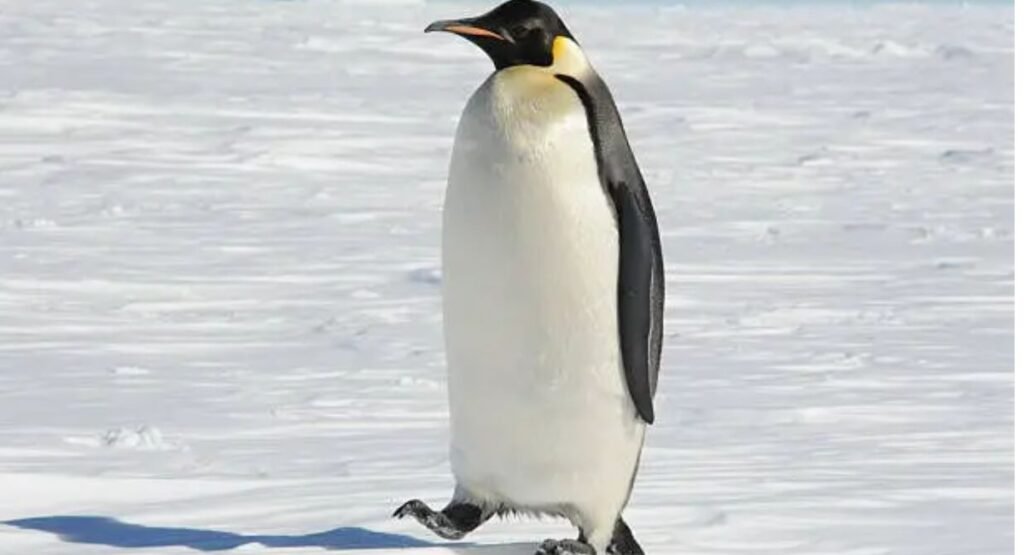
Emperor Penguins are exceptional at hunting in the depths of the frigid Southern Ocean, diving to impressive depths to catch krill and fish. Their vocal communication plays a pivotal role in identifying mates and maintaining unity within bustling colonies, showcasing a profound intelligence among the various types of penguins.
Emperor Penguins are among the most social animals that live in groups, forming massive colonies of thousands to survive Antarctica’s brutal winters. Huddling together generates shared body warmth, making collective living essential rather than optional for this species.
Snares Penguin
The Snares Penguin resides exclusively on the rugged Snares Islands off New Zealand’s coast, showcasing a distinctive look with their striking yellow crest. This penguin breed is relatively small, with a robust body that helps it navigate rocky coastal terrains while providing a seamless transition to the ocean.
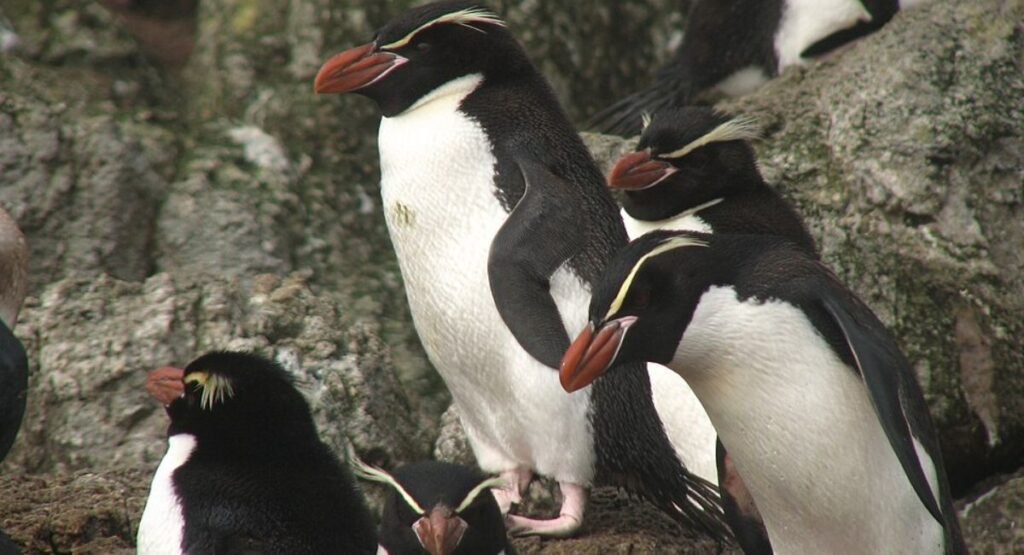
When it comes to hunting, Snares Penguins are adept divers, using their streamlined bodies to pursue small fish and squid efficiently. Their survival adaptations, including thick layers of blubber and dense feathers, keep them insulated from cold waters while allowing them to thrive in their unique habitat among the different types of penguins.
Galápagos Penguin
The Galápagos Penguin is the only penguin species that ventures north of the equator, flourishing in the warm waters surrounding the Galápagos Islands. Their unique feather colors, congested with spots and markings, provide excellent camouflage against the rocky shorelines and seas.
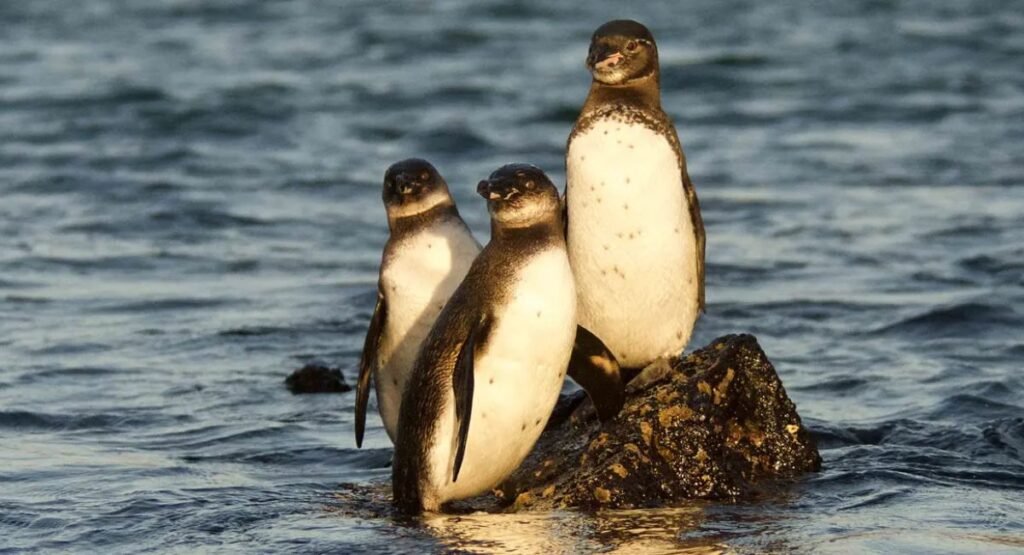
As adept ocean hunters, Galápagos Penguins exhibit fascinating survival adaptations such as the ability to regulate their body temperature in warmer climates. They feed primarily on small fish and crustaceans, showcasing impressive agility and speed while diving, a skill that is essential for their survival among the diverse kinds of penguins.
Erect-Crested Penguin
Native to New Zealand’s sub-Antarctic islands, the Erect-Crested Penguin stands out with its elegant yellow crest feathers that extend upright, making them truly captivating. These penguins prefer rugged coastal habitats, where they nest in burrows to shield themselves from the elements.
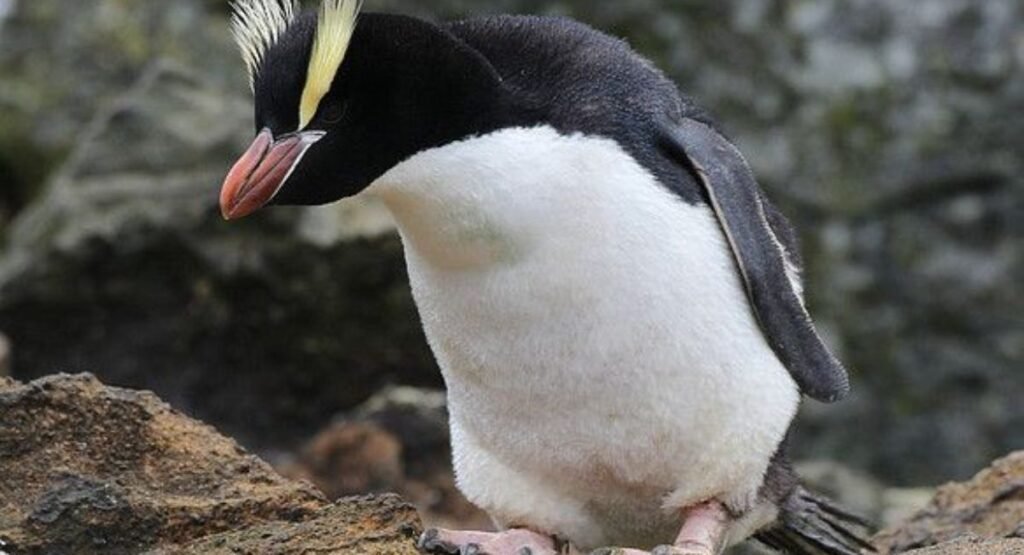
Erect-Crested Penguins are strong hunters, adeptly diving to great depths to catch fish during their feeding forays.
Royal Penguin
Royal Penguins, often confused with the Macaroni Penguin due to their similar appearances, primarily inhabit the sub-Antarctic islands, especially Macquarie Island. They feature a stunning combination of gray and white plumage, with prominent yellow crest feathers adding to their regal charm.
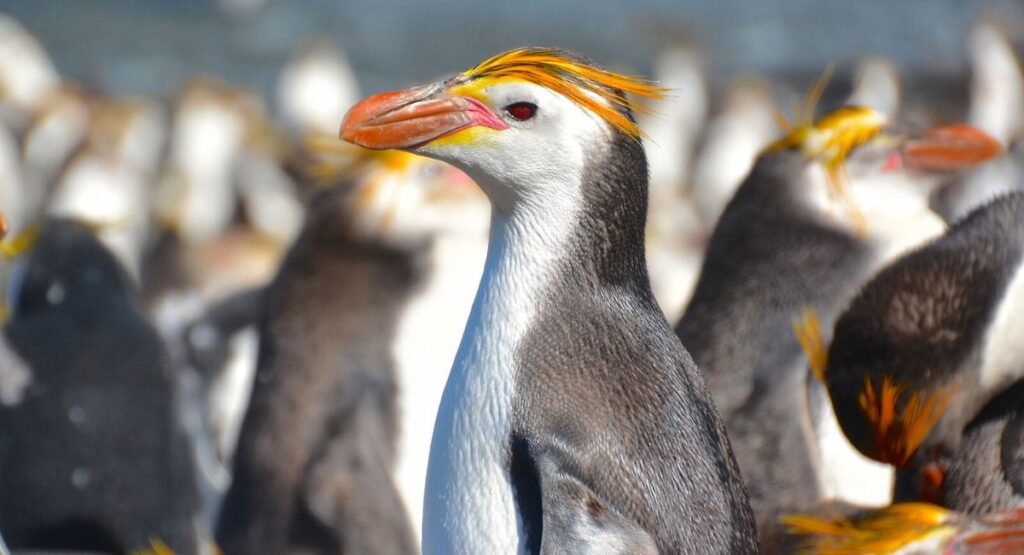
Their social behavior is vibrant, with large breeding colonies that come alive each season as they engage in delightful vocal displays.
Humboldt Penguin
The Humboldt Penguin is distinct for its striking black and white markings, inhabiting the coasts of Peru and Chile. These penguins adapt well to both rocky shores and sandy beaches, forming sizable breeding colonies.
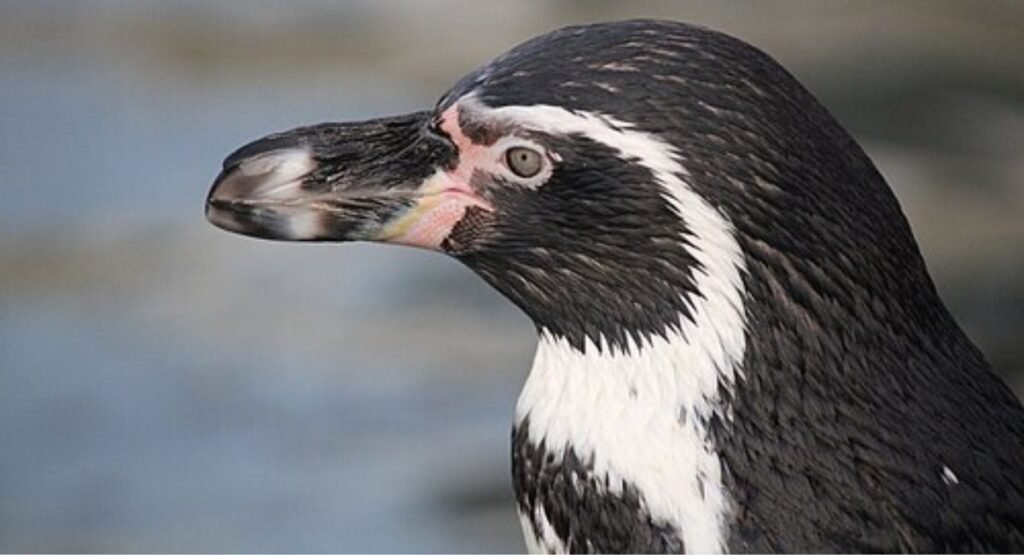
While foraging, Humboldt Penguins employ strategic hunting tactics, often diving deep into cool waters to capture fish and squid.
Eastern Rockhopper Penguin
The Eastern Rockhopper Penguin, identifiable by their iconic yellow crest and robust body, inhabits the sub-Antarctic islands, particularly around the Falklands. These penguins are known for their acrobatic movements and social behavior, often seen hopping across rocky terrain to navigate their breeding colonies, where vocal exchanges are a key part of mate selection and territory establishment.
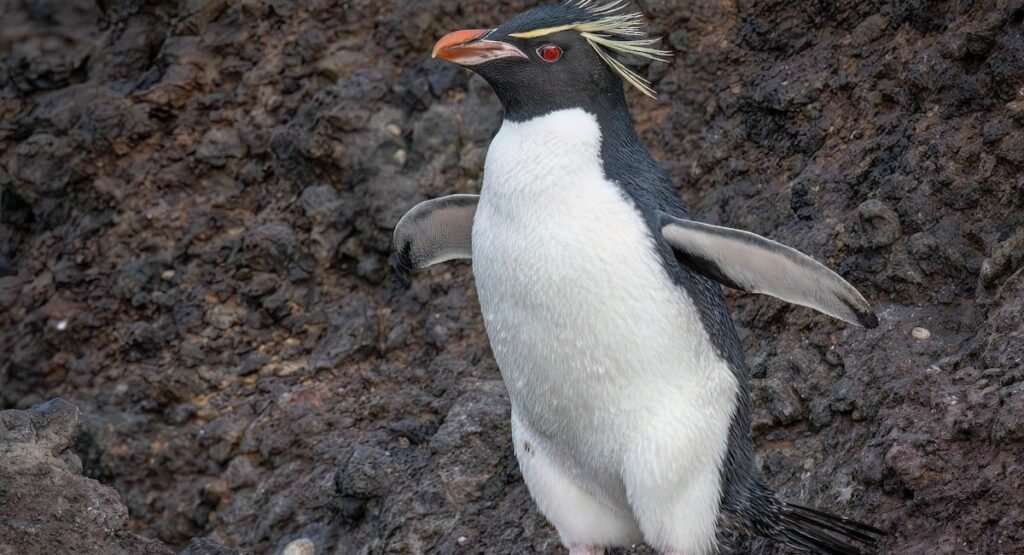
Their hunting style is energetic and skillful; Eastern Rockhopper Penguins dive into the ocean depths to catch small fish and crustaceans.
Fiordland Penguin
The Fiordland Penguin, a rare species found in New Zealand, showcases a unique crest of yellow feathers above their eyes, making them easily distinguishable.
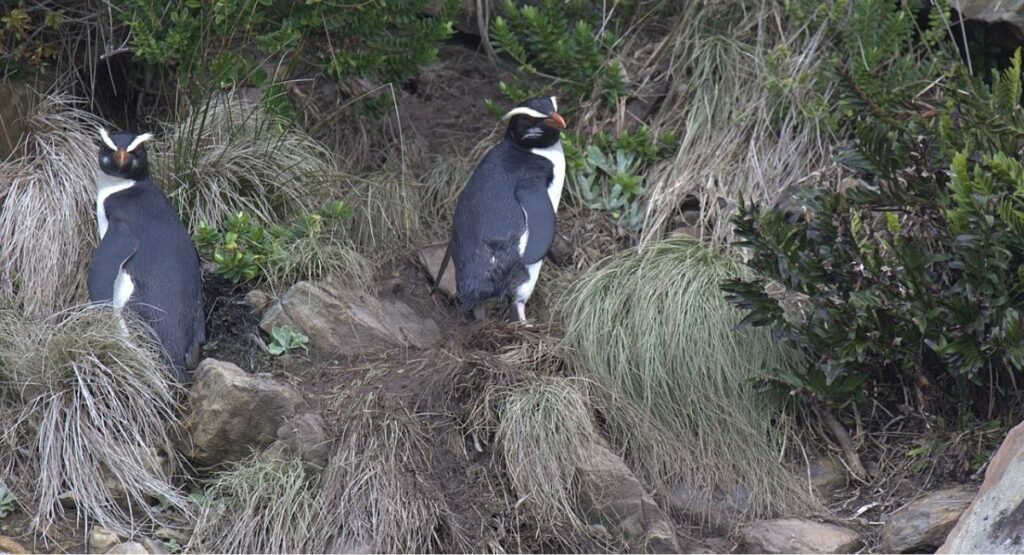
Preferring dense rainforest habitats, they rely on rocky shorelines for breeding and exhibit a strong social structure during the nesting season. These penguins are known for their distinctive vocalizations, which resonate through the dense foliage.
Allied King Penguin
As one of the largest types of penguins, the Allied King Penguin boasts striking yellow and orange markings that set it apart. This species thrives in the sub-Antarctic regions and showcases a strong sense of community through vocal communications, as they gather in large breeding colonies.
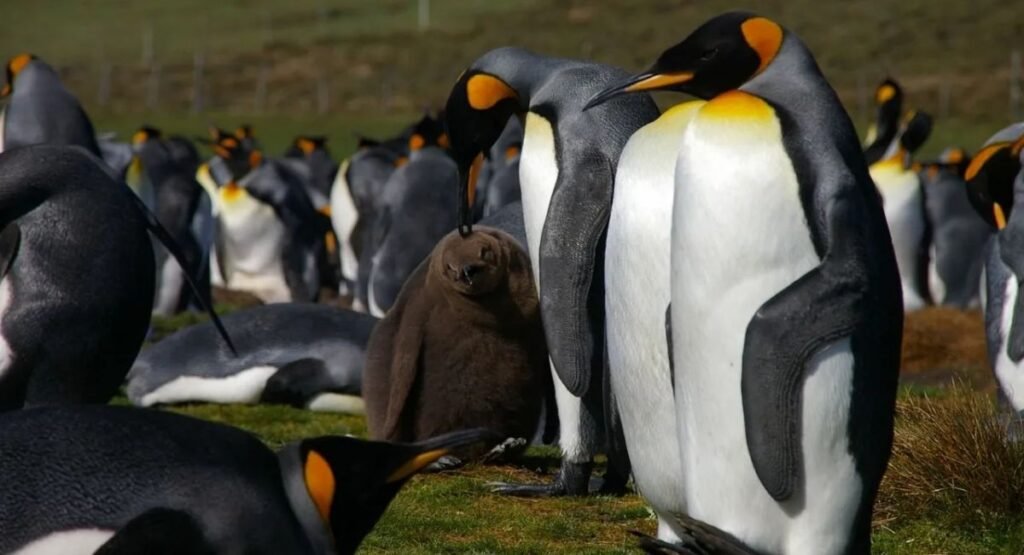
These skilled hunters dive to remarkable depths in search of fish and krill, showcasing impressive ocean hunting skills through swift movements and agility.
Falkland Island Gentoo Penguin
The Falkland Island Gentoo Penguin is a sight to behold with its striking orange bill and distinctive white stripe above the eye. This charming penguin thrives in the rugged terrain of the Falkland Islands, where it expertly navigates rocky shorelines. Known for its agility, this breed displays impressive swimming skills, reaching speeds of up to 36 km/h in pursuit of fish.
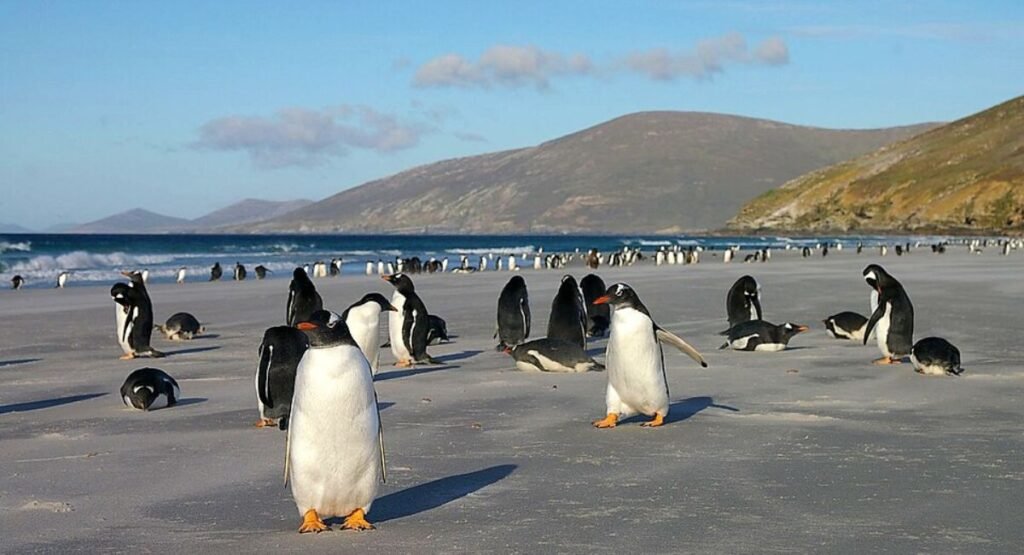
Nesting in small colonies, the Falkland Gentoo crafts its home from pebbles and often returns to the same spot each year. With strong predator avoidance strategies, they effectively fend off threats like skuas and seals.
Ellsworth’s Gentoo Penguin
The Ellsworth Gentoo Penguin sports a vibrant orange beak and is slightly smaller than its Falkland counterpart. Found in the frigid waters of Ellsworth Land in Antarctica, this penguin species showcases remarkable swimming abilities, often diving to depths of up to 200 meters in search of krill and fish.
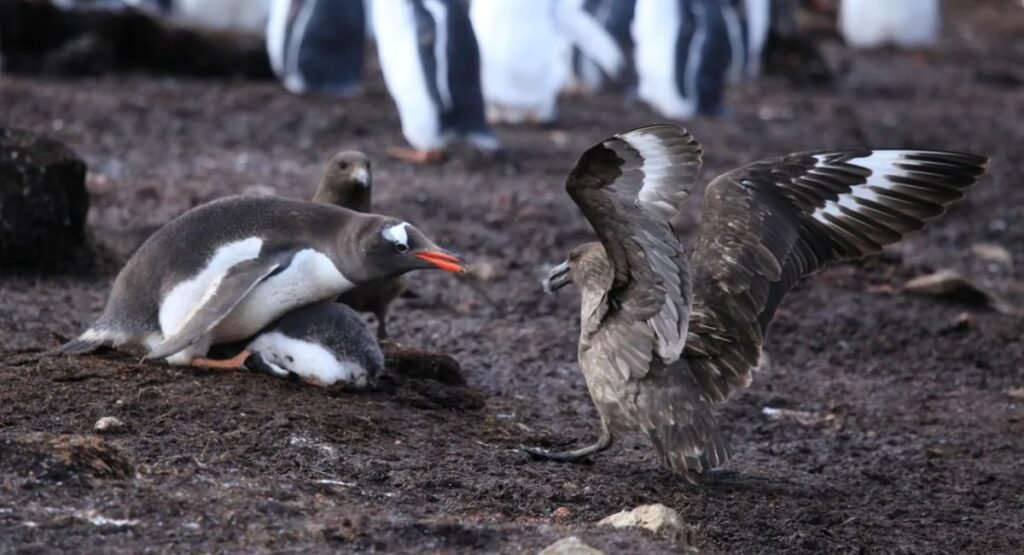
These colonies are true social hubs, where family behavior shines through in nurturing their young. Their nesting sites are scraffled from natural materials, providing optimal locations to ward off predators while enjoying the breathtaking icy surroundings.
Kerguelen Gentoo Penguin
Distinguished by its sleek, streamlined body, the Kerguelen Gentoo Penguin boasts a flashy orange beak and a lighter gray plumage. Residing on the remote Kerguelen Islands, these penguins take advantage of the surrounding nutrient-rich waters, displaying excellent swimming capabilities as they chase after squid and fish.
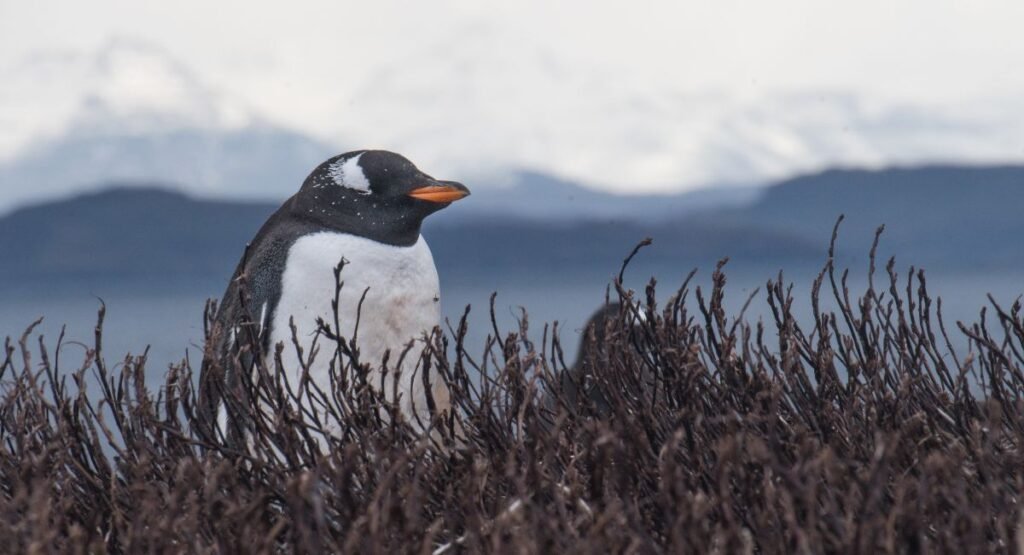
Building nests out of pebbles or grass, they form tight-knit colonies, showcasing intriguing family dynamics. Their survival strategies include honing predator avoidance skills, with an acute awareness of their surroundings to detect threats from skuas. The adaptability of these penguin breeds to the island’s harsh climate is truly remarkable.
South Georgia Gentoo Penguin
Characterized by its vibrant orange markings, the South Georgia Gentoo Penguin flourishes in the lush, sub-Antarctic environment of South Georgia. With their strong swimming abilities, they seamlessly navigate the ocean’s depths, hunting for krill and fish to sustain their energy.
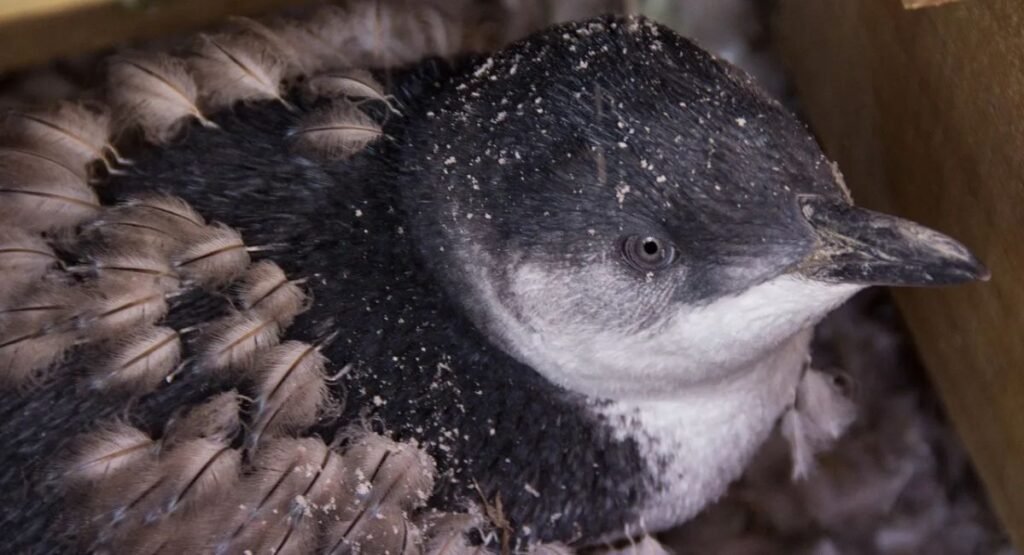
Nesting in colonies, this penguin breed is known for its social structures, where families thrive and young chicks are diligently cared for. They exhibit a keen sense of predator avoidance, employing various strategies to evade threats like leopard seals. The rich biodiversity surrounding these penguins highlights the fascinating types of penguins that flourish in diverse habitats.
White-Flippered Penguin
The delightful White-Flippered Penguin is a small, nocturnal species notable for its pale flippers and glossy blue feathers. Found only in New Zealand, these types of penguins nest in hidden burrows on coastal cliffs, leveraging the dense vegetation for camouflage against predators.
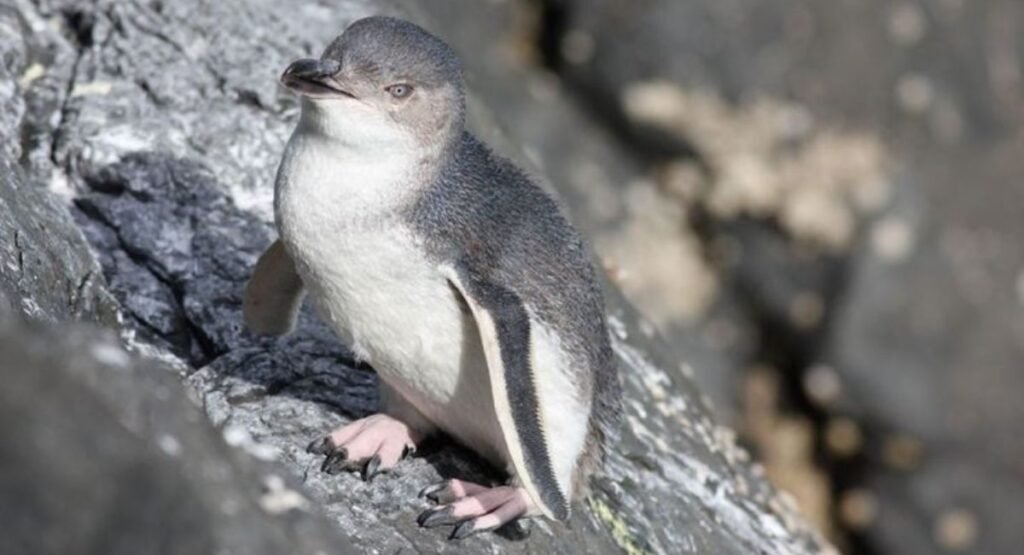
These pint-sized wonders exhibit extraordinary swimming skills, often diving to depths of around 40 meters in pursuit of fish. Their unique family behavior promotes strong bonds as they work together to raise their young, making survival in their island habitats a community affair.
Cook Strait Little Penguin
The Cook Strait Little Penguin, one of the smallest penguin species, showcases charming blue and white plumage. Found predominantly in New Zealand’s Cook Strait, these birds are skilled swimmers, often maneuvering through waves to catch a meal in their abundant coastal waters.
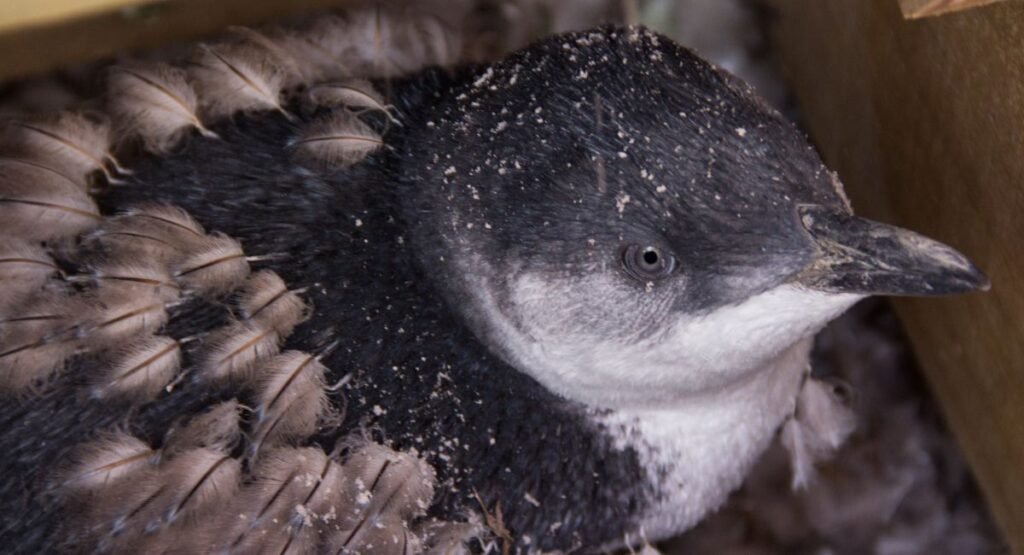
Nesting in natural crevices or burrows, these penguins engage in lively colony life, demonstrating strong family ties as parents share the responsibility of incubating eggs.
North Island Little Penguin
A relative of the Cook Strait variant, the North Island Little Penguin stands out with its vibrant blue feathers and unique personality. Inhabitants of the lush North Island of New Zealand, these penguin breeds have adapted well to their environment, exhibiting exceptional swimming prowess to chase down fish near their coastal habitats.
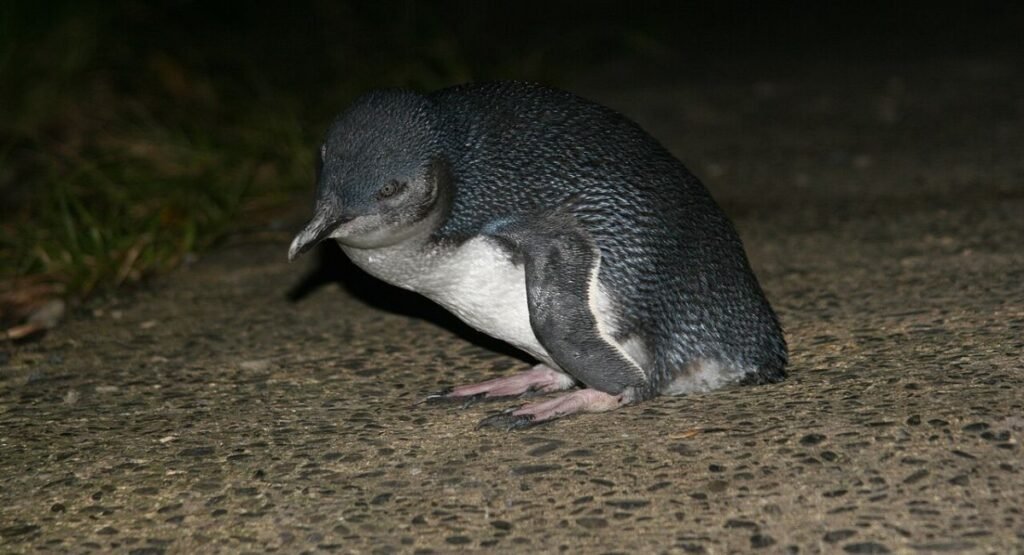
Often nesting in sheltered areas, they display fascinating colony behavior, where the social dynamics of family groups come alive. Their keen awareness of predators helps them thrive amidst threats, showcasing remarkable adaptability in a world of challenging coastal changes.
Chatham Island Little Penguin
The Chatham Island Little Penguin brings a touch of unique elegance with its distinctive markings and smaller stature. Residing on the isolated Chatham Islands, this charming species possesses superb swimming skills, allowing it to dive deep for food in the nutrient-rich waters surrounding its rocky home.
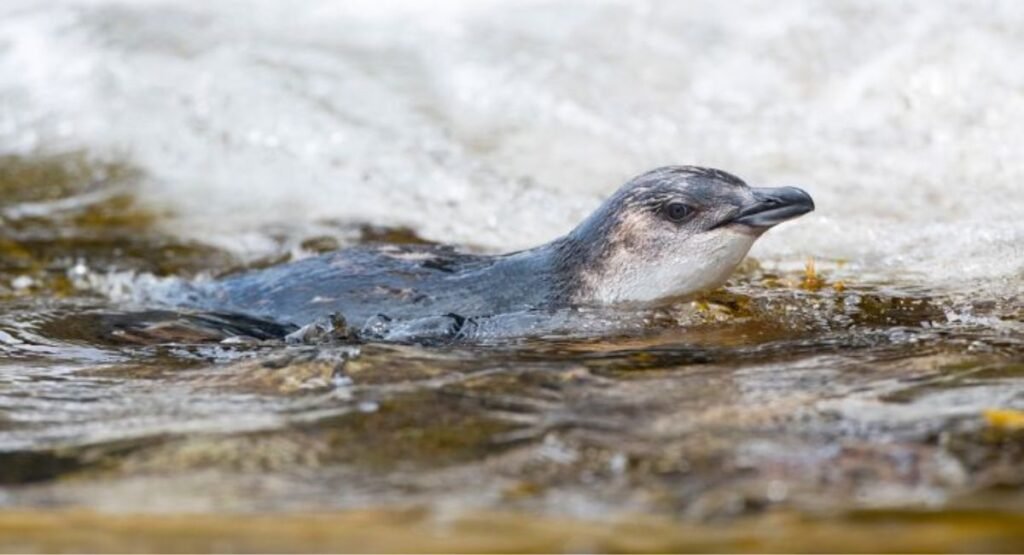
These penguins nest in burrows, forming tight colonies where strong family behavior and protection against predators are paramount.
Conclsuion
In exploring the various types of penguins, we uncover a fascinating world where each species boasts unique traits, from their striking appearances to their specific habitats and survival strategies. The diverse penguin breeds highlighted in our types of penguins list not only captivate our hearts with their endearing behaviors but also play a crucial role in maintaining the ecological balance of their environments.
Understanding the nuances of these remarkable penguin names allows us to appreciate their individual contributions and the challenges they face in a rapidly changing world. Protecting these beloved creatures is vital for the health of our oceans and the biodiversity they support.
FAQs
What Are The 18 Species Of Penguins?
There are 18 recognized penguin species, including the Emperor, King, Gentoo, Adélie, Chinstrap, and Rockhopper penguins. These penguin species live mainly in the Southern Hemisphere and each has unique survival adaptations.
Is A Penguin A Kind Of Fish?
No, penguins are birds, not fish. Although they cannot fly, their wings are specially adapted for swimming, making them excellent underwater hunters.
Which Animal Is The King Of Antarctica?
The Emperor Penguin is often called the king of Antarctica because it is the largest and tallest of all penguin species living in the icy Antarctic region.
What Is The Rarest Type Of Penguin?
The Galápagos Penguin is considered the rarest penguin species in the world. It is also one of the smallest types of penguins and lives near the equator.
Is Jackass A Type Of Penguin?
Yes, the African Penguin is also called the Jackass Penguin because its loud call sounds similar to a donkey’s bray. It is the only penguin species found in Africa.