Top 25 Animals With The Lowest IQ (Ranked With Pictures, Facts & Surprising Behaviors)
The animal world is filled with an astonishing variety of species, each displaying unique behaviors, including those that exemplify the lowest IQ among them. From playful puppies to cunning foxes, not all animals rank highly on the intelligence scale, leading us to discover the animals with the lowest IQ.
This article will explore 25 animals with the lowest IQ, offering captivating facts and visuals that reveal how intelligence varies widely in nature. By examining these creatures’ traits and behaviors,you will better understand the complexities of animal life, showcasing that being “smart” takes many forms in the wild.
What Does “Lowest IQ” Mean in Animals?
The term “lowest IQ” in animals often refers to the limited cognitive abilities observed in certain species, but it’s essential to recognize that intelligence in the animal kingdom doesn’t align with human metrics. Animals possess varied skills and adaptations suited to their environments, making it difficult to quantify their intelligence through a single, standardized test like human IQ.
For instance, species such as the garden snail or the sea sponge exhibit minimal learning capabilities compared to more complex animals. These creatures are highly evolved for their specific niches, showcasing that intelligence manifests differently across the animal kingdom.
Can Scientists Measure Animal Intelligence?
Scientists explore various dimensions of animal intelligence through cognitive ability, brain-to-body ratio, and learning behavior. The brain-to-body ratio provides a rough gauge of potential intelligence, indicating that species like dolphins and certain primates exhibit advanced cognitive capabilities compared to others, such as some livestock classified among animals with the lowest IQ.
Survival intelligence is another crucial aspect, highlighting how animals navigate their environments, find food, and evade predators. For example, crows and octopuses demonstrate remarkable adaptability, using tools and strategies that reflect their acute understanding of their surroundings.
Top 25 Animals With The Lowest IQ
| No. | Animal | Scientific Name | Class | Diet |
| 1 | Turkey | Meleagris gallopavo | Aves | Omnivore |
| 2 | Sloth | Folivora | Mammalia | Herbivore |
| 3 | Koala | Phascolarctos cinereus | Mammalia | Herbivore |
| 4 | Ostrich | Struthio camelus | Aves | Omnivore |
| 5 | Kakapo | Strigops habroptilus | Aves | Herbivore |
| 6 | Giant Panda | Ailuropoda melanoleuca | Mammalia | Herbivore |
| 7 | Chicken | Gallus gallus domesticus | Aves | Omnivore |
| 8 | Emu | Dromaius novaehollandiae | Aves | Omnivore |
| 9 | Flamingo | Phoenicopteridae | Aves | Omnivore |
| 10 | Jellyfish | Scyphozoa | Scyphozoa | Carnivore |
| 11 | Sea Sponge | Porifera | Porifera | Filter Feeder |
| 12 | Starfish | Asteroidea | Asteroidea | Carnivore |
| 13 | Sea Urchin | Echinoidea | Echinoidea | Herbivore |
| 14 | Sea Cucumber | Holothuroidea | Holothuroidea | Detritivore |
| 15 | Oyster | Ostreidae | Bivalvia | Filter Feeder |
| 16 | Bullfrog | Lithobates catesbeianus | Amphibia | Carnivore |
| 17 | Toad | Bufonidae | Amphibia | Carnivore |
| 18 | Hammerhead Shark | Sphyrna | Chondrichthyes | Carnivore |
| 19 | Koi Fish | Cyprinus rubrofuscus | Actinopterygii | Omnivore |
| 20 | Snail | Gastropoda | Gastropoda | Herbivore |
| 21 | Earthworm | Lumbricus terrestris | Clitellata | Detritivore |
| 22 | Moth | Lepidoptera | Insecta | Herbivore |
| 23 | Turkey Vulture | Cathartes aura | Aves | Scavenger (Carnivore) |
| 24 | Manatee | Trichechus | Mammalia | Herbivore |
| 25 | Termite | Isoptera (Blattodea) | Insecta | Detritivore (Wood/Cellulose) |
Turkey
Scientific Name: Meleagris gallopavo
Class: Aves
Diet: Omnivore
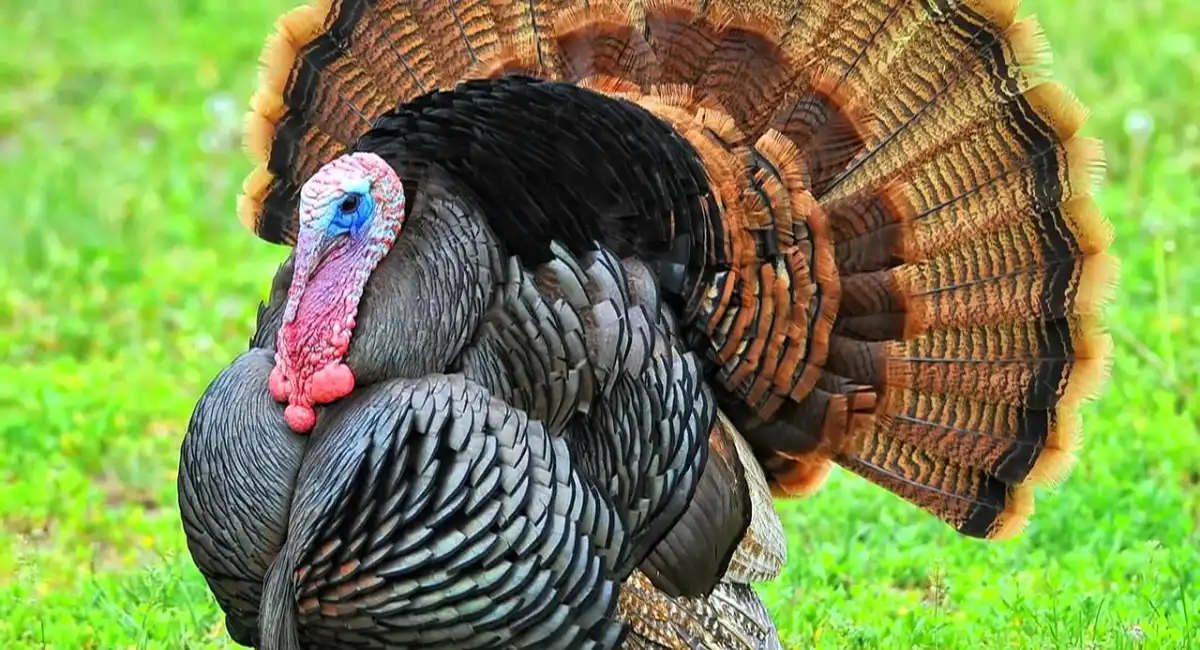
Turkeys are often regarded as the quintessential Thanksgiving bird, but their cognitive abilities tell a different story. With limited problem-solving skills and a tendency to forget simple tasks, turkeys are frequently listed among animals with the lowest IQ. Their reliance on instinctual behaviors makes them adept at survival, yet their mental agility leaves much to be desired.
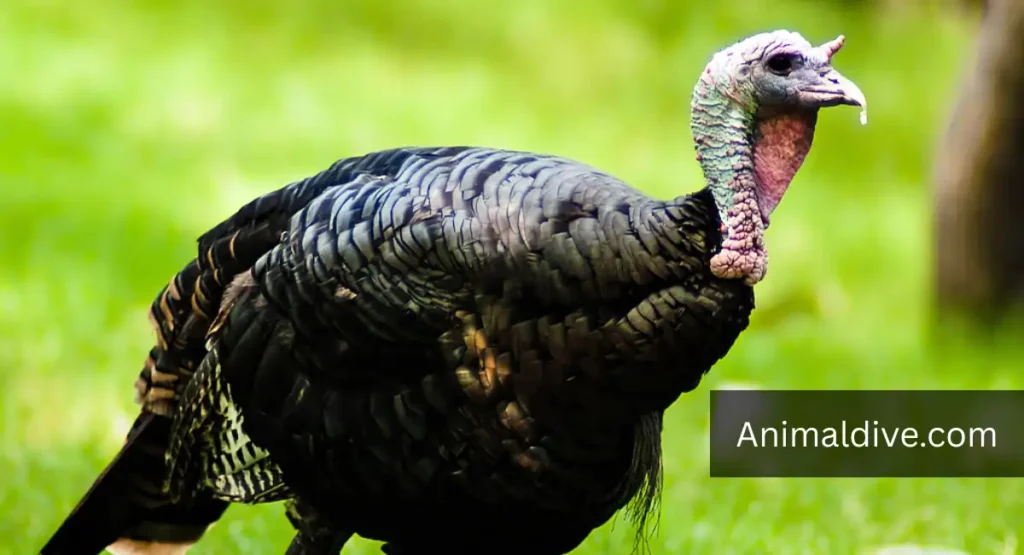
Turkeys are famous for their peculiar social structures, where they interact primarily through vocalizations and body language. While they may not excel in intelligence, their complex social hierarchies and seasonal mating rituals highlight a different form of adaptation that compensates for their cognitive limitations.
Sloth
Scientific Name: Folivora
Class: Mammalia
Diet: Herbivore
Sloths are the poster children for a slow-paced life, and their cognitive abilities mirror their leisurely lifestyle. With brains that are smaller proportionally compared to their bodies, sloths struggle with navigation and often find themselves in precarious situations, making them contenders in the lineup of animals with the lowest IQ. Their slow metabolism and extended sleep cycles further contribute to their lack of mental sharpness.
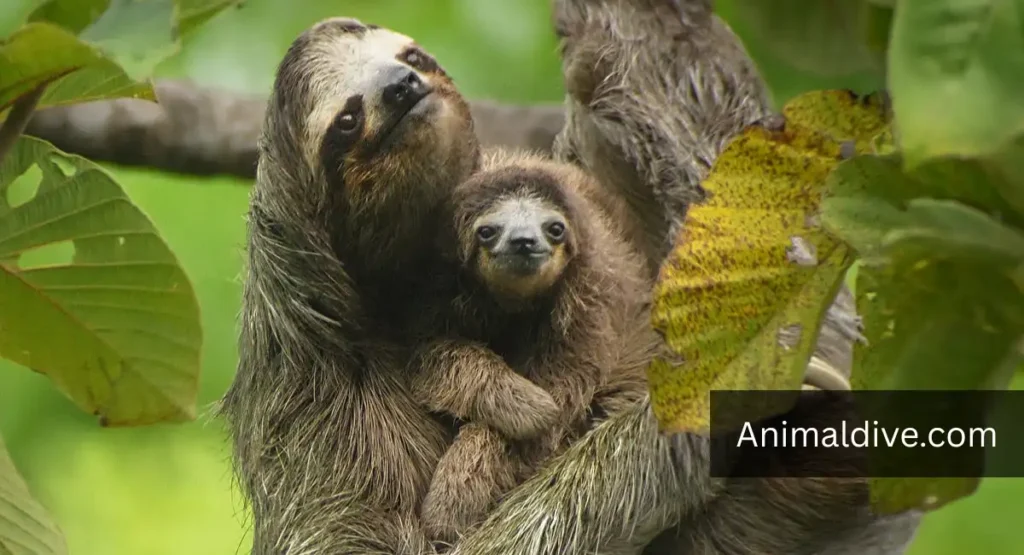
However, there’s an interesting paradox: their sluggishness allows them to blend seamlessly into their natural habitat, effectively avoiding predators. This simple form of camouflage, rather than intellect, serves as their primary survival strategy, demonstrating that evolution doesn’t always favor the brightest minds.
Sloths aren’t alone in taking life at a relaxed pace several other slow-moving animals have evolved similarly leisurely lifestyles as a survival strategy rather than a cognitive limitation.
Koala
Scientific Name: Phascolarctos cinereus
Class: Mammalia
Diet: Herbivore
Koalas have a charming, almost cuddly appearance, but their dietary choices and social behaviors reflect a low level of intelligence. Their diet primarily consists of eucalyptus leaves, which are not only scarce but also low in nutritional value. This specialized diet results in a lethargic lifestyle, and their inability to adapt their feeding habits contributes to their ranking as one of the animals with the lowest IQ.
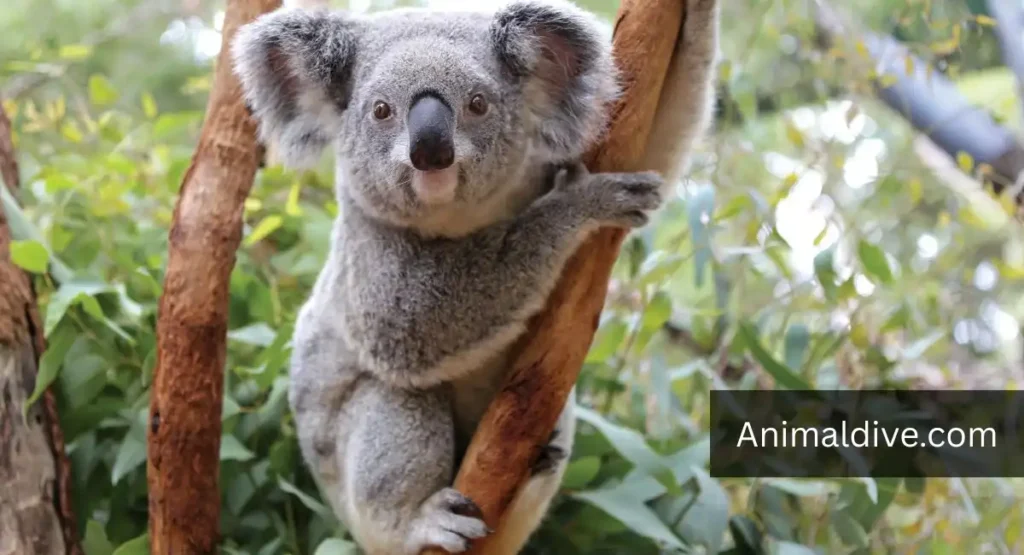
While their solitude in the trees paints a serene picture, koalas lack the complex social structures found in more intelligent species. Their life revolves around eating and sleeping, showcasing a straightforward existence that, while endearing, lacks cognitive depth. Their preference for solitude places koalas among the broader group of solitary animals that thrive without complex social bonds.
Ostrich
Scientific Name: Struthio camelus
Class: Aves
Diet: Omnivore
Despite their impressive size and speed, ostriches don’t fare well in the intelligence department. Their large eyes and keen eyesight help them detect predators, but their tiny brains imply a limited capacity for complex thought processes. Ostriches often resort to running or hiding rather than employing strategic thinking, bringing them into the realm of animals with the lowest IQ.
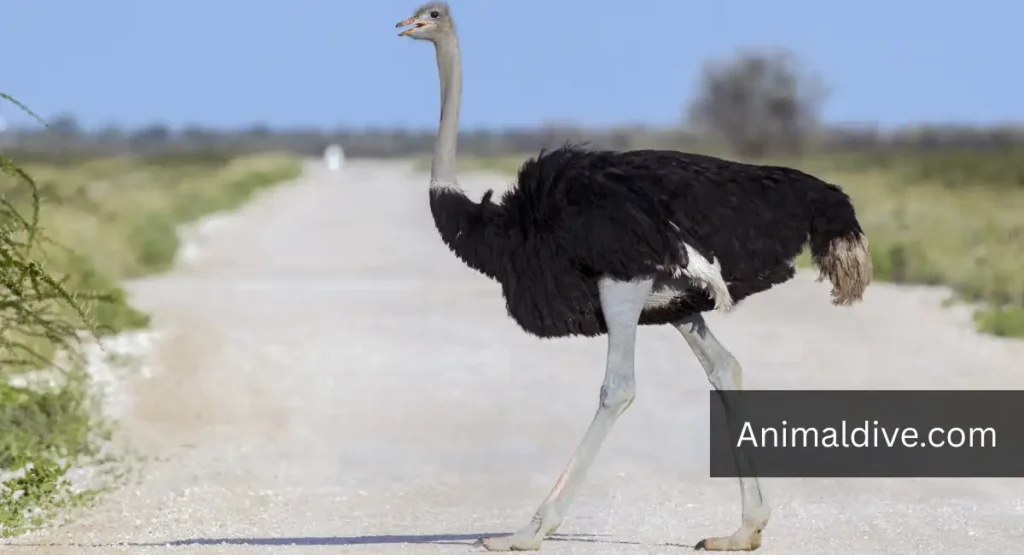
Ostriches display a peculiar trait: when threatened, they may bury their heads in the sand, a behavior that has earned them a reputation for absurdity. This instinctual response highlights their reliance on physical attributes over mental agility in navigating environmental challenges.
Kakapo
Scientific Name: Strigops habroptilus
Class: Aves
Diet: Herbivore
The kakapo, a flightless parrot endemic to New Zealand, is among the more intriguing species with a low IQ. Their nocturnal nature and unique mating rituals are captivating, yet they exhibit a strikingly slow learning capacity. With their population dwindling, conservation efforts have unveiled their simplistic problem-solving skills and limited adaptability, leading to concerns over their survival.
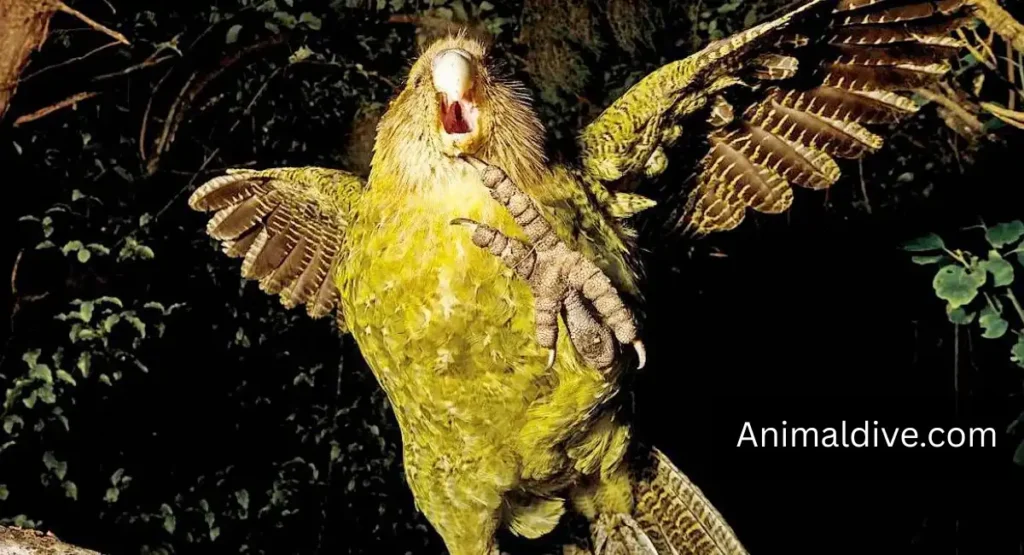
Despite these intellectual shortcomings, kakapos have developed affectionate bonds with their human caretakers. This emotional intelligence could signal a different dimension of understanding, reminding us that cognitive ability is not the sole measure of an animal’s richness.
Giant Panda
Scientific Name: Ailuropoda melanoleuca
Class: Mammalia
Diet: Herbivore
Often admired for their charming clumsiness, giant pandas exhibit behaviors that categorize them among animals with the lowest IQ. Their significant dependence on bamboo a low-calorie food source forces them to spend a large portion of their day eating rather than engaging in more mentally stimulating activities. This dietary specialization renders them less adaptable in changing environments.
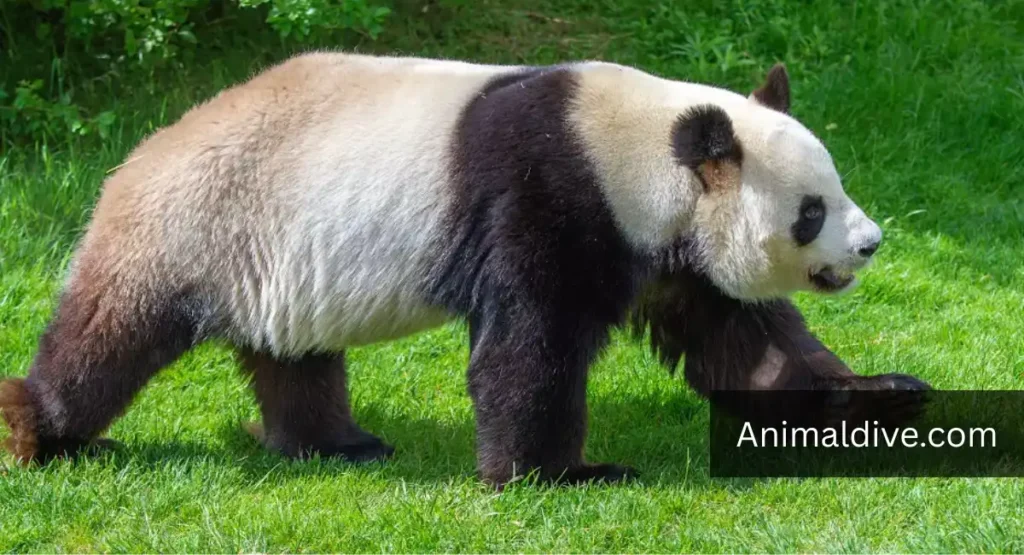
Their mating habits are notoriously inefficient, with low reproductive rates attributed to a lack of proactive parenting and courtship behaviors. This adds another layer to their simple lifestyle, showcasing a species at a crossroads between endearment and evolutionary challenge.
Chicken
Scientific Name: Gallus gallus domesticus
Class: Aves
Diet: Omnivore
Chickens are often unfairly dismissed as unintelligent creatures, yet they possess a social hierarchy and communication system. However, their problem-solving capabilities and learning agility are quite limited, placing them squarely among animals with the lowest IQ. Their behavioral responses are more instinctual than strategic, making them less adaptable to new environments.
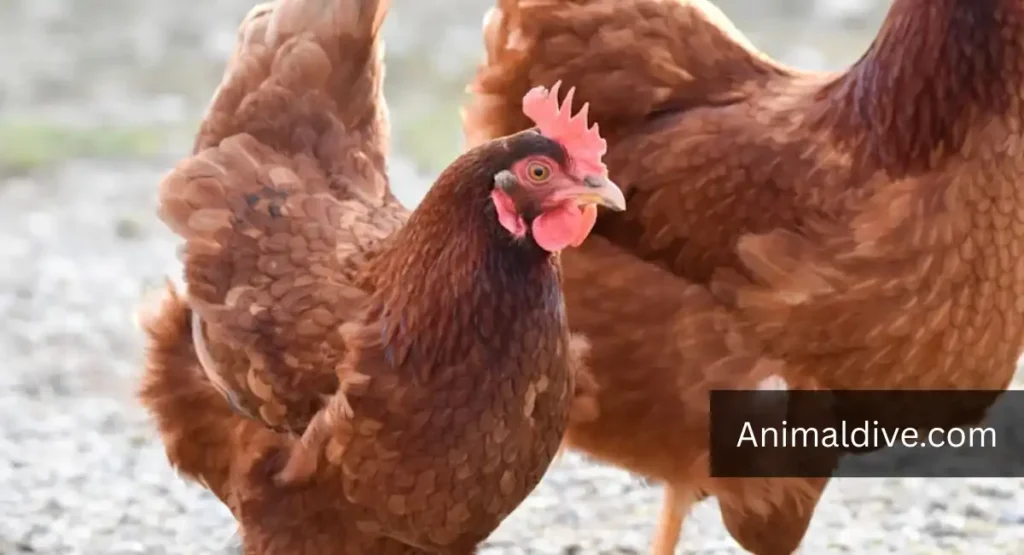
Interestingly, chickens can recognize hundreds of faces and social cues, but their inability to transfer learned experiences to new situations highlights a cognitive ceiling. This paradoxical blend of social awareness and limited intelligence reveals the complexities of avian life, making them more intriguing than one might assume.
Emu
Scientific Name: Dromaius novaehollandiae
Class: Aves
Diet: Omnivore
Emus, similar to ostriches, exhibit limitations in cognitive functioning despite their impressive size and agility. While they’re capable runners, their problem-solving skills are minimal, resulting in behaviors often deemed nonsensical by observers. This places emus among the ranks of animals with the lowest IQ, where instinct overrides intellect.
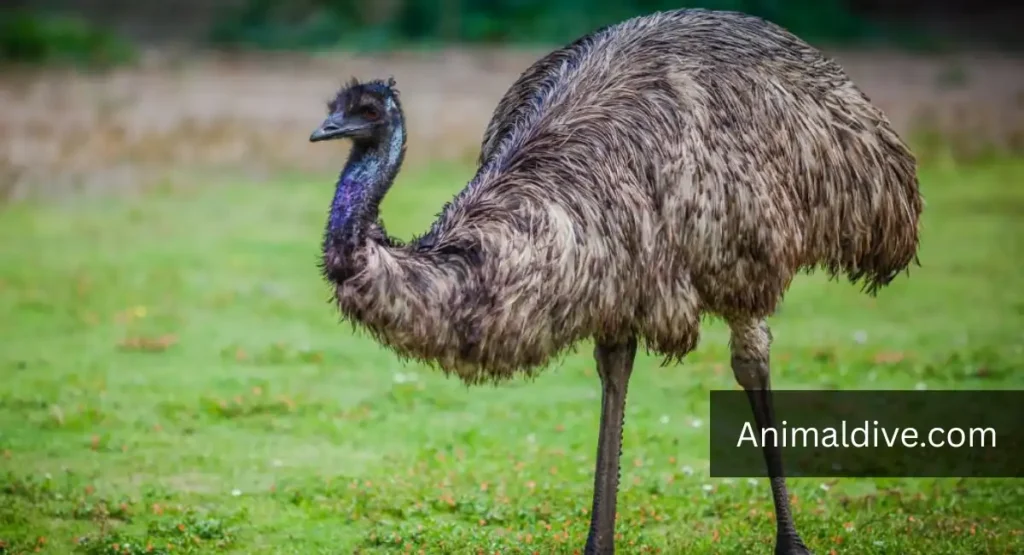
Like their ostrich counterparts, emus are also known for distinctive survival strategies, often relying on their physical capabilities rather than mental acuity. Their large frame and speed may deter some threats, but they remain vulnerable due to their simplistic approach to danger.
Flamingo
Scientific Name: Phoenicopteridae
Class: Aves
Diet: Omnivore
Flamingos are known for their striking pink coloration and elegant stance, but their cognitive abilities don’t match their aesthetic charm. Flamingos primarily engage in communal feeding and nesting, relying heavily on social behaviors rather than individual problem-solving skills. This makes them representatives of animals with the lowest IQ, as their interactions lean more on instinct than intellect.
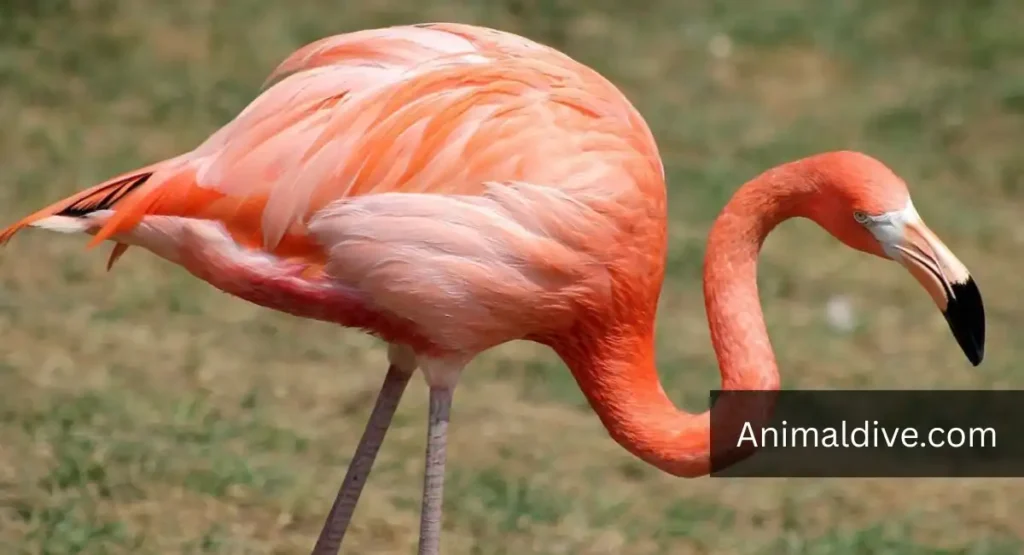
Flamingos have adapted to their environments remarkably well, showcasing a fascinating blend of simplicity and resilience. Their ability to thrive in challenging conditions underscores the importance of adaptability, even in species that may not exhibit high cognitive prowess.
Jellyfish
Scientific Name: Scyphozoa
Class: Scyphozoa
Diet: Carnivore
Jellyfish are fascinating organisms that float through the oceans, yet their simplicity of form translates into minimal intelligence. With no brain or central nervous system, jellyfish operate through a network of nerves and sensory cells, making them one of the animals with the lowest IQ. Their survival strategies rely on instinctual feeding and reproductive behaviors rather than any form of learned experience.
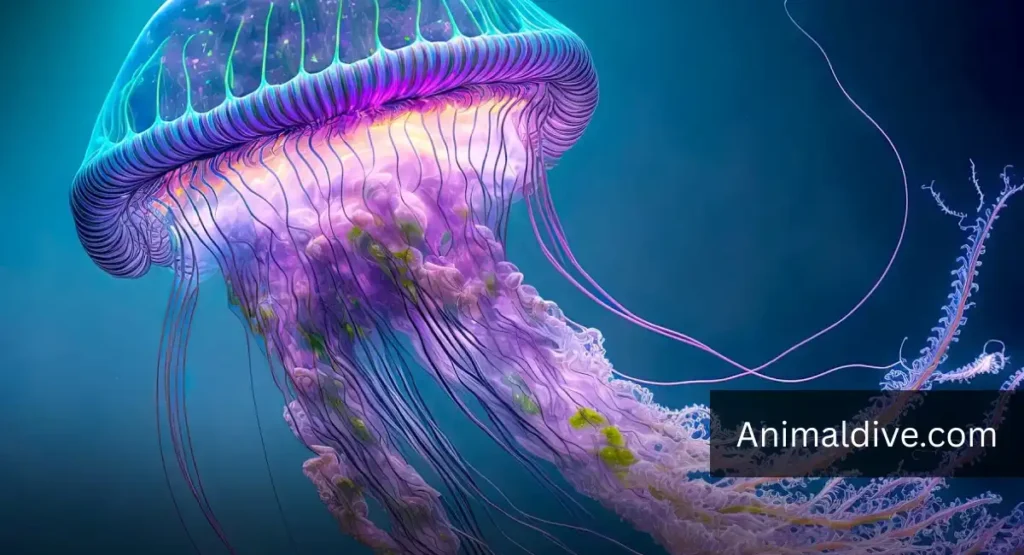
Although they may lack complex cognitive abilities, jellyfish have existed for over 500 million years and may well be the epitome of evolutionary success through simplicity. They serve as a reminder that sometimes, survival doesn’t necessitate intelligence in the traditional sense.
Sea Sponge
Scientific Name: Porifera
Class: Porifera
Diet: Filter Feeder
Sea sponges epitomize the low-end of the intelligence spectrum, as they lack any form of nervous system and brain structure. Instead, these organisms function through a collection of specialized cells that filter water and extract nutrients, marking them among the animals with the lowest IQ. Their simplistic architecture and dependency on water currents mean that they have no need for complex behaviors.
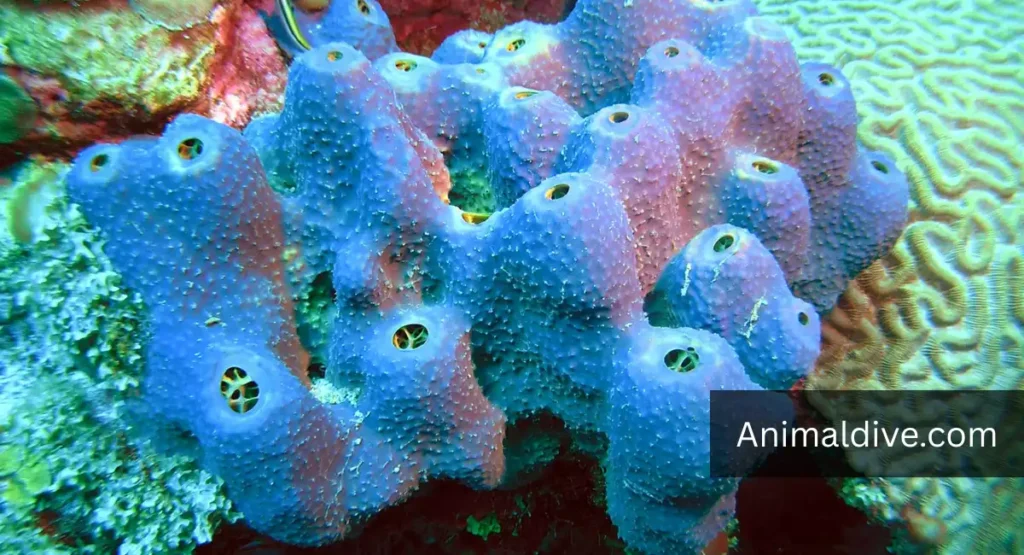
Sea sponges play a crucial role in marine ecosystems, contributing to water filtration and providing habitat for various species. This intricate relationship showcases how simplicity can coexist with ecological importance, emphasizing that intelligence isn’t the only measure of value in nature.
Starfish
Scientific Name: Asteroidea
Class: Asteroidea
Diet: Carnivore
Starfish, or sea stars, are remarkable creatures yet fall short on the intelligence scale. Lacking a brain, they navigate their environments using a decentralized nervous system and harness their arms for movement and feeding. This unique biology classifies them among the animals with the lowest IQ, as their responses are largely based on reflexes rather than learned behavior.
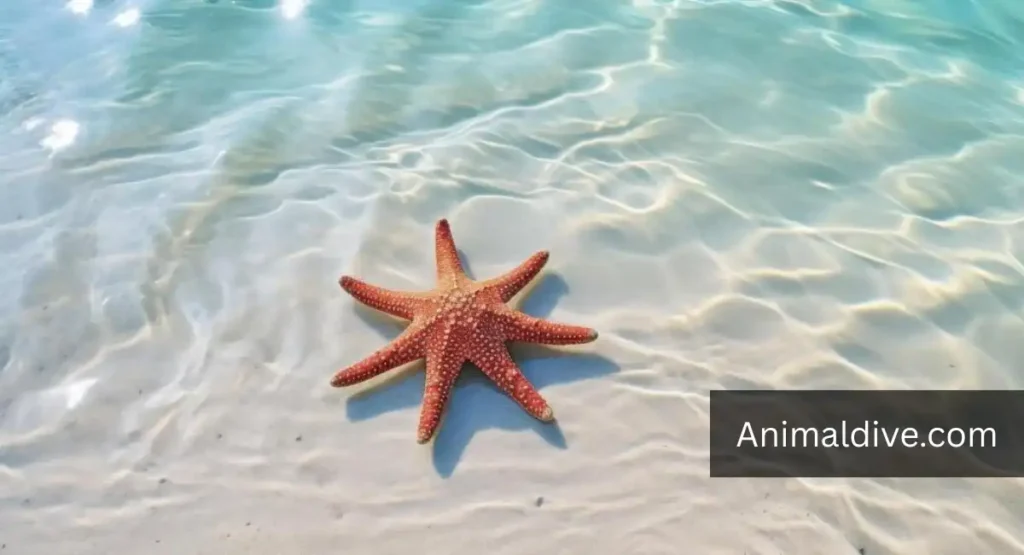
Starfish possess an impressive regenerative ability, allowing them to regrow lost limbs. This highlights a different kind of survival strategy, demonstrating that even among the least intelligent, there are extraordinary adaptations that contribute to their longevity.
Sea Urchin
Scientific Name: Echinoidea
Class: Echinoidea
Diet: Herbivore
Sea urchins, with their spiny exterior, demonstrate a survival method that prioritizes instinct over intelligence. Like many marine organisms on this list, sea urchins lack a central brain, relying on simple neural networks to guide their behaviors. This limitation contributes to their status as one of the animals with the lowest IQ in the animal kingdom.
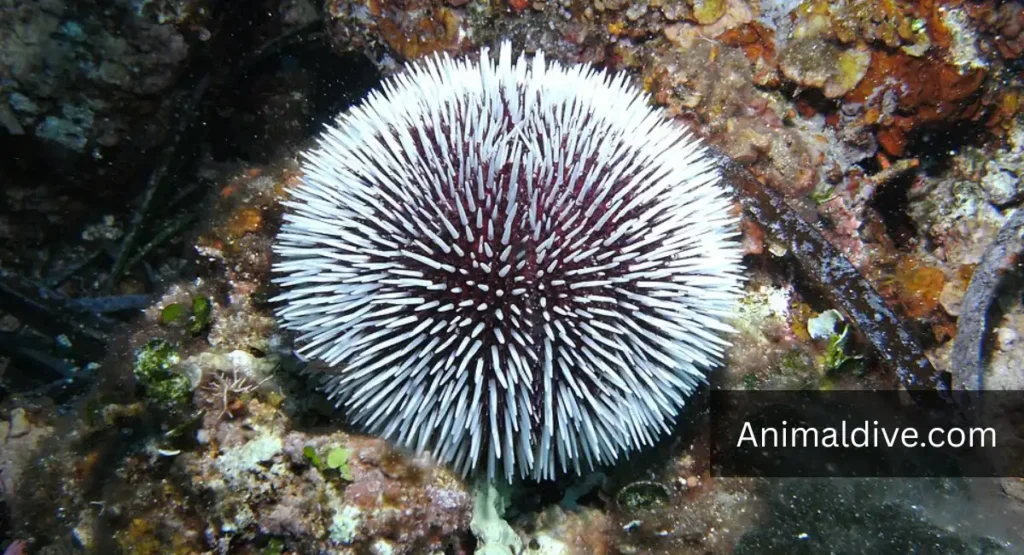
Sea urchins play a significant role in their ecosystems, grazing on algae and maintaining kelp forests. Their ecological importance serves as a testament to the idea that intelligence is not the sole driver of an organism’s value in its natural habitat.
Sea Cucumber
Scientific Name: Holothuroidea
Class: Holothuroidea
Diet: Detritivore
Sea cucumbers are often overlooked due to their low IQ, characterized by their soft bodies and sedentary lifestyle. With a basic nervous system and no brain, these creatures rely on simple movements and body contractions for survival. Their simplicity places sea cucumbers among the animals with the lowest IQ, exemplifying how life’s complexities don’t always require advanced cognition.
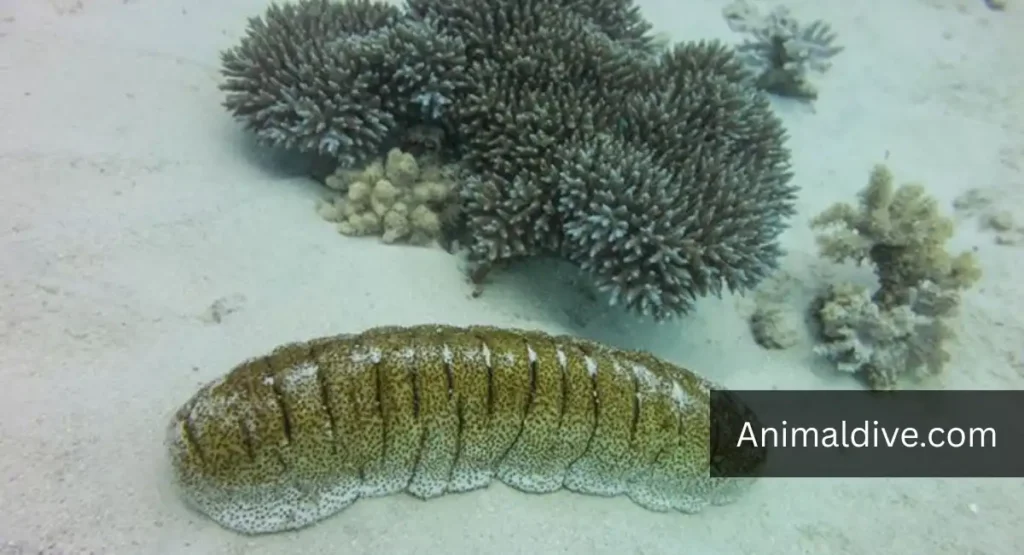
Sea cucumbers contribute significantly to nutrient cycling in ocean ecosystems. By breaking down organic matter, they create a more hospitable environment for other marine organisms, exemplifying the unforeseen advantages of evolutionary simplicity.
Oyster
Scientific Name: Ostreida
Class: Bivalvia
Diet: Filter Feeder
Oysters fall short in cognitive ability, as they have no centralized brain and exhibit minimal responses to environmental changes. Instead, they rely on basic instincts for feeding and reproduction, categorizing them among animals with the lowest IQ. Their existence hinges on filtering water to extract nutrients, making them passive players in the marine world.
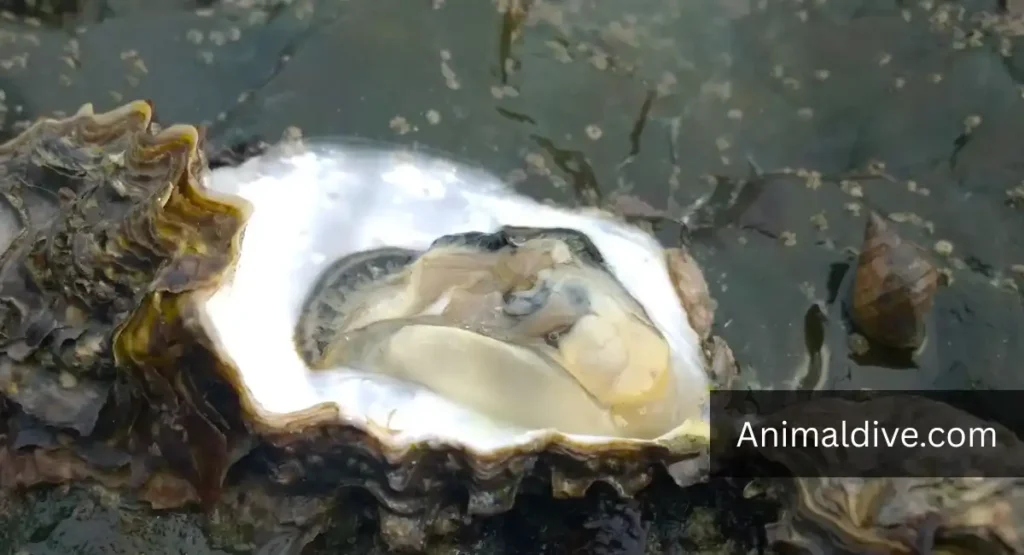
As filter feeders, oysters improve water quality and provide habitat for various species. This highlights a significant paradox: low intelligence does not equate to a lack of impact on the ecosystem.
Bullfrog
Scientific Name: Lithobates catesbeianus
Class: Amphibia
Diet: Carnivore
The bullfrog is iconic for its deep croak and formidable size in freshwater environments, yet its problem-solving skills are limited. Bullfrogs rely heavily on instinctual feeding and mating behaviors, thereby landing them on the list of animals with the lowest IQ. Their limited adaptability to environmental changes shows that physical dominance doesn’t always correlate with heightened intelligence.
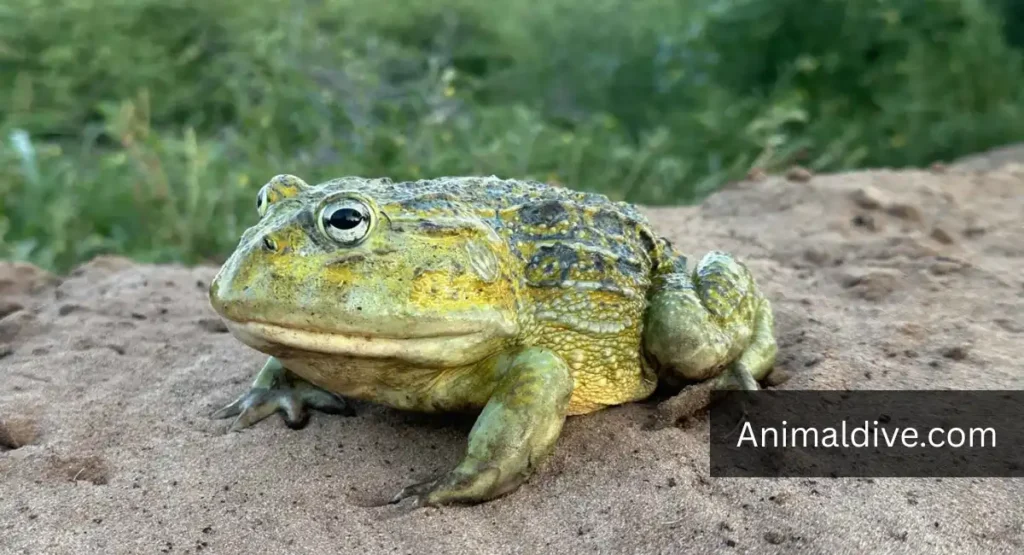
Bullfrogs are highly effective predators, utilizing their keen senses to capture prey. This illustrates a great balance in nature, where physical prowess often compensates for intellectual deficiencies.
Toad
Scientific Name: Bufonidae
Class: Amphibia
Diet: Carnivore
Much like bullfrogs, toads exhibit a simple behavioral repertoire that underscores their low intelligence. Although they possess physical adaptations for survival, such as camouflaged skin to evade predators, their reliance on instinct rather than learned behaviors places them among animals with the lowest IQ. Their success lies more in their adaptability to various environments than in complex problem-solving skills.
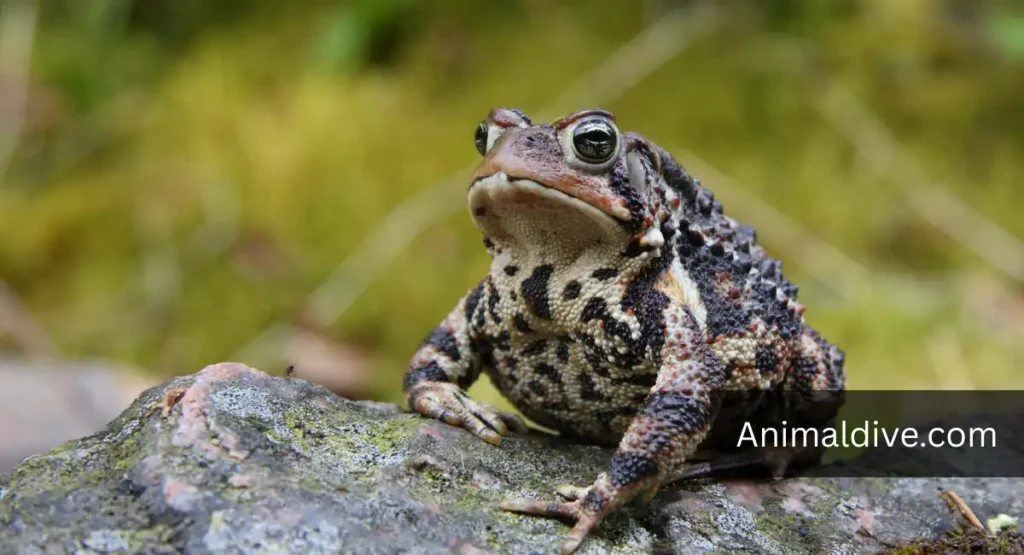
Toads can also exhibit risky behaviors when threatened, often preferring to puff up their bodies. This instinctive defense mechanism offers an intriguing glimpse into how simplicity can still lend itself to survival strategies, albeit with limited cognitive reflection.
Hammerhead Shark
Scientific Name: Sphyrna
Class: Chondrichthyes
Diet: Carnivore
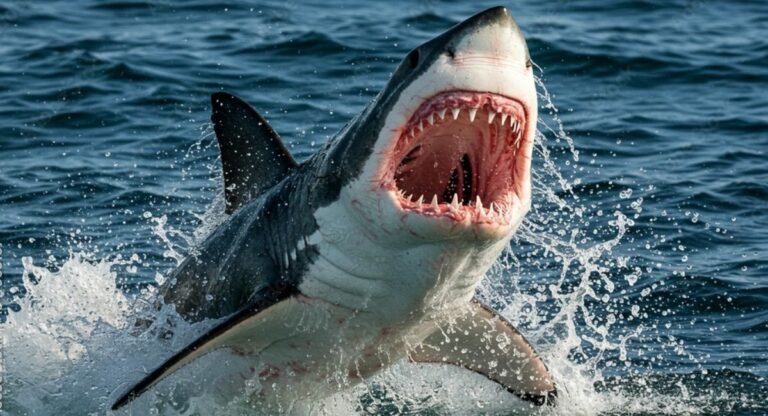
The hammerhead shark is a marvel of nature, yet its cognitive capabilities are surprisingly limited. While these sharks exhibit impressive hunting techniques, their decision-making often lacks the finesse observed in more intelligent species. Having a scattered neuron network suggests they belong to the category of animals with the lowest IQ, relying more on instinctual behavior when pursuing prey.
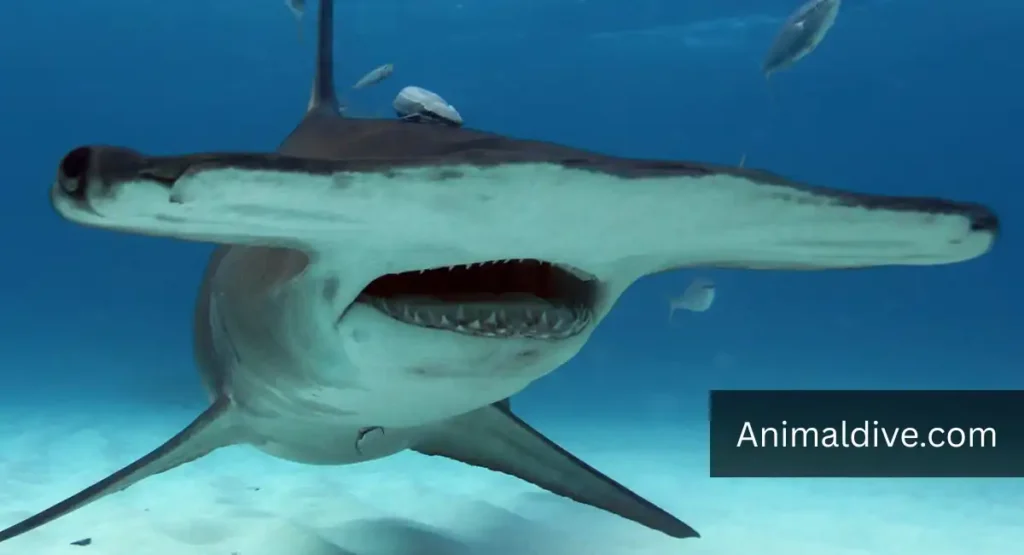
Hammerhead sharks are proficient apex predators, showcasing a fascinating dichotomy of power over mental acuity. Their unique adaptations enable them to thrive, emphasizing that raw strength can sometimes overshadow cognitive deficiencies.
Koi Fish
Scientific Name: Cyprinus rubrofuscus
Class: Actinopterygii
Diet: Omnivore
Koi fish, with their mesmerizing colors and graceful movements, may captivate onlookers, but their intelligence levels are relatively low. While they can recognize their caretakers and some environmental cues, koi exhibit little sign of complex problem-solving abilities, placing them among the animals with the lowest IQ. Their existence often revolves around feeding and social interaction rather than cognitive development.
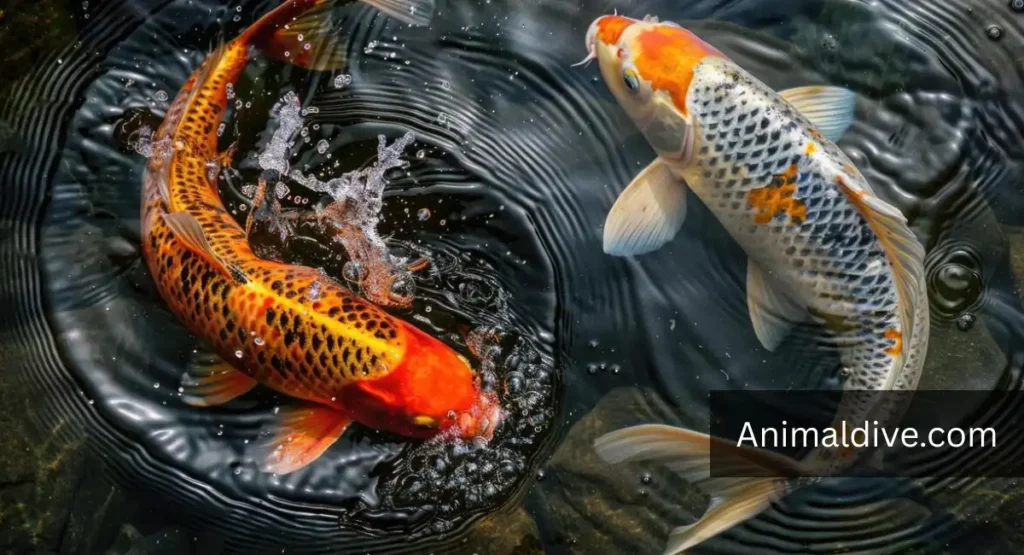
Koi fish are often bred for their beauty and calm demeanor, making them popular in ornamental ponds. This suggests that aesthetic appeal and behavior can lead to human fascination, regardless of their mental capabilities.
Snail
Scientific Name: Gastropoda
Class: Gastropoda
Diet: Herbivore
Snails may be slow-moving, but their lack of complex behavior and minimal learning capacity place them among animals with the lowest IQ. Equipped with simple nervous systems, snails depend on instinct for survival, as they often seek shelter in their shells when threatened. Their cognitive simplicity is reflected in their strategy for foraging and reproduction.
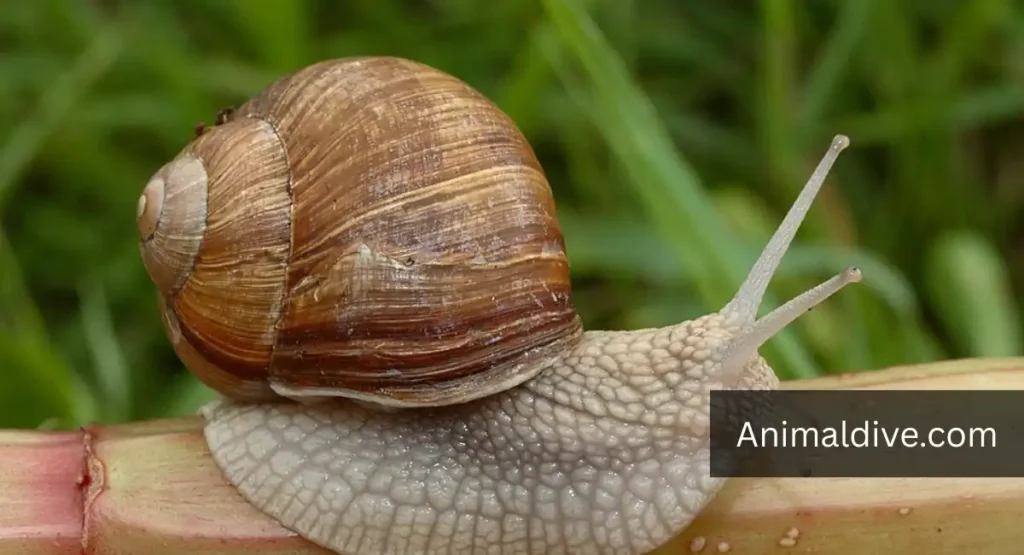
Snails do perform valuable ecological functions, such as decomposition and soil aeration. This serves as a reminder that intelligence isn’t a prerequisite for contributing positively to an ecosystem.
Earthworm
Scientific Name: Lumbricus terrestris
Class: Clitellata
Diet: Detritivore
Earthworms play a crucial role in soil health, yet their intelligence is negligible. With a decentralized nervous system and no brain, earthworms operate based on instinct, earning them a spot among animals with the lowest IQ. They contribute to nutrient cycling through their burrowing and feeding behavior but do not display learning or problem-solving capabilities.
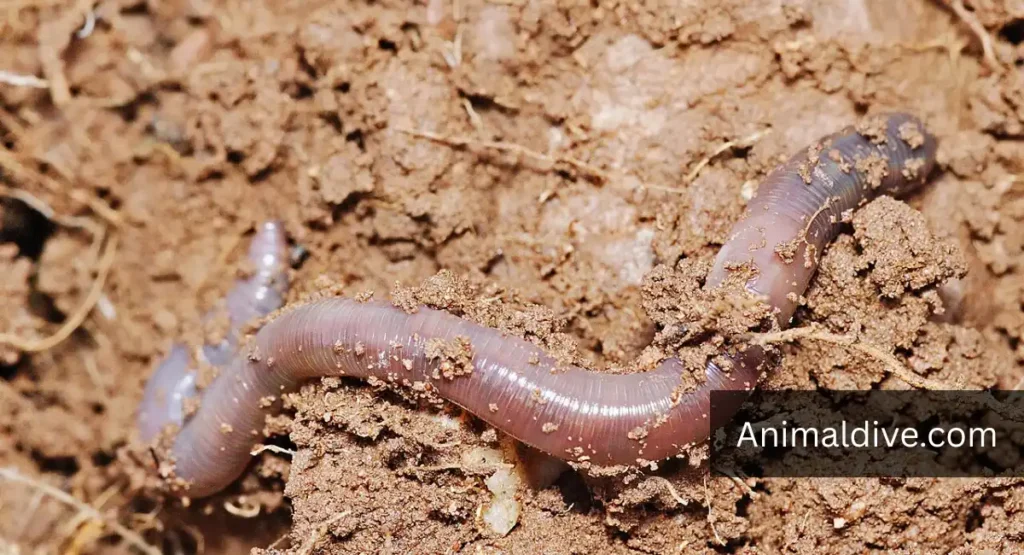
The importance of earthworms in agriculture and ecology cannot be overstated as they enhance soil structure and enrichment. This underscores a vital aspect of nature: intelligence is only part of the picture when it comes to success and sustainability.
Moth
Scientific Name: Lepidoptera
Class: Insecta
Diet: Herbivore (mostly nectar as adults)
Moths exhibit intriguing behaviors, yet they rank among the animals with the lowest IQ due to their limited cognitive capacity. With instinctive behaviors driving their life cycles, moths often rely on the availability of light sources for mating and navigation. Their simplistic approach to environmental cues reflects their low intelligence and reliance on basic biological needs.
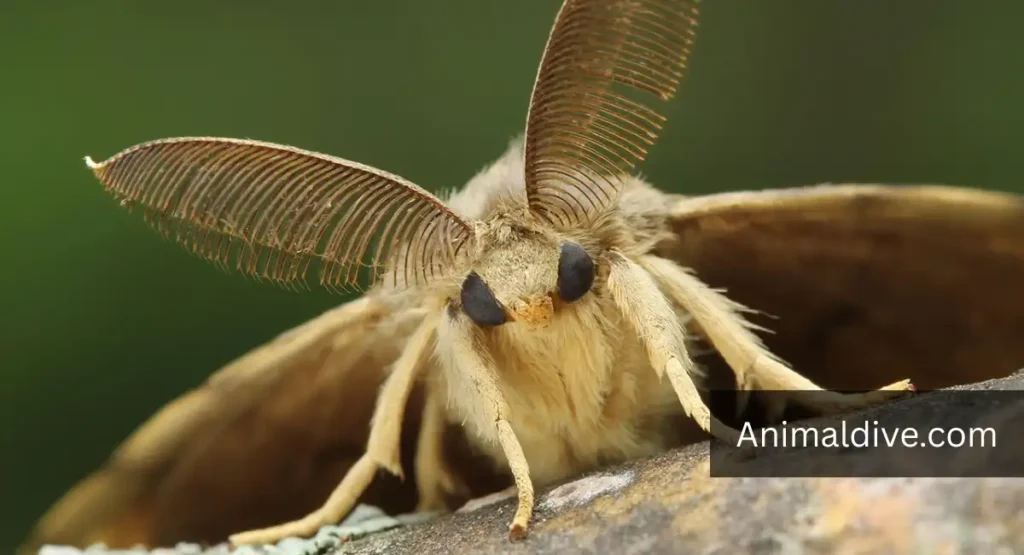
Moths have evolved various camouflage techniques to evade predators despite their cognitive shortcomings. This adaptation illustrates that survival can hinge on physical traits rather than cognitive skills.
Turkey Vulture
Scientific Name: Cathartes aura
Class: Aves
Diet: Scavenger (Carnivore)
Turkey vultures are fascinating scavengers in nature, but their intelligence is often questioned. They possess excellent senses, particularly smell, allowing them to locate carrion from great distances. This scent-driven hunting style is shared by many other scavenger birds, which rely on specialized senses rather than problem-solving to find food.
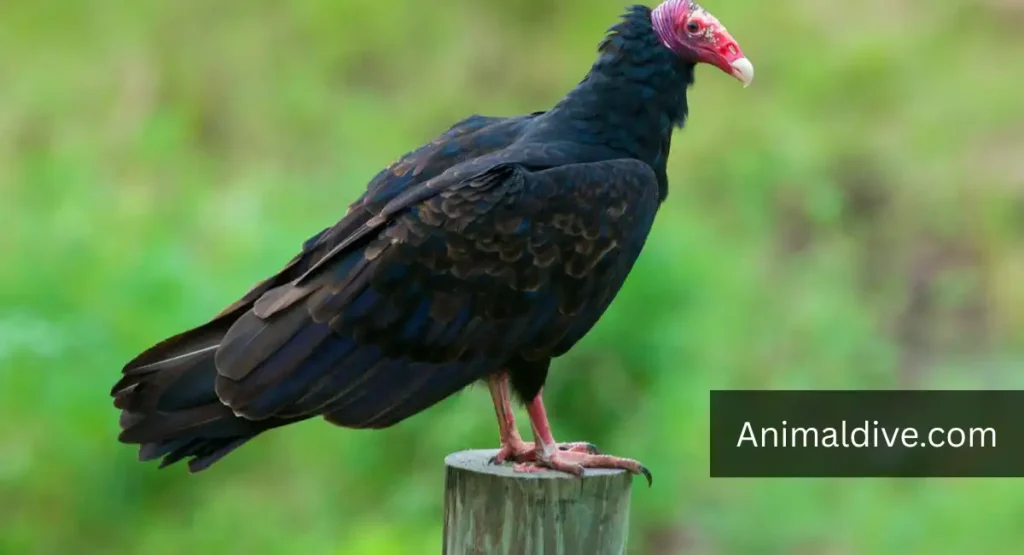
Turkey vultures perform crucial ecological functions by consuming dead animals, which helps maintain a balanced ecosystem. This reinforces once again that intelligence isn’t the only measure of value in the animal kingdom.
Manatee
Scientific Name: Trichechus
Class: Mammalia
Diet: Herbivore
Manatees, known as “sea cows,” are gentle giants that roam coastal waters but are not noted for their intelligence. Their leisurely lifestyle and dependence on seagrass for sustenance reflect a simplistic behavioral pattern, classifying them among animals with the lowest IQ. Manatees often follow instinctual routes and rely on their size for protection, rather than employing complex thought processes.
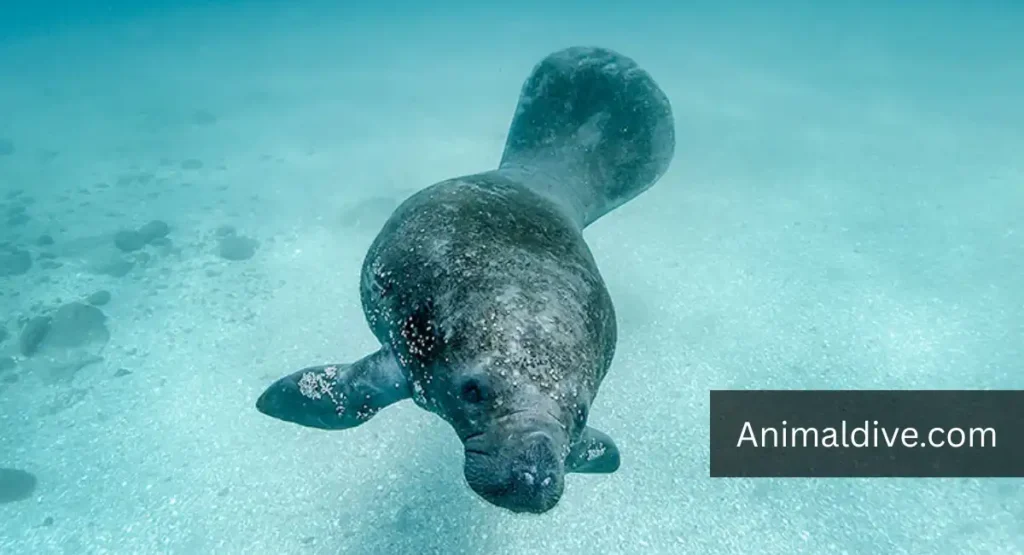
Their peaceful nature and importance to marine ecosystems highlight a different narrative. They serve as vital indicators for water quality, reminding us of the intricate interplay between ecological health and species composition, irrespective of intelligence.
Termite
Scientific Name: Isoptera (infraorder within Blattodea)
Class: Insecta
Diet: Detritivore (Wood/Cellulose)
Termites are often misunderstood creatures, showcasing remarkable social structures yet displaying minimal individual intelligence. Their behaviors are heavily dictated by pheromonal cues and instinctive responses, which positions them among the animals with the lowest IQ.
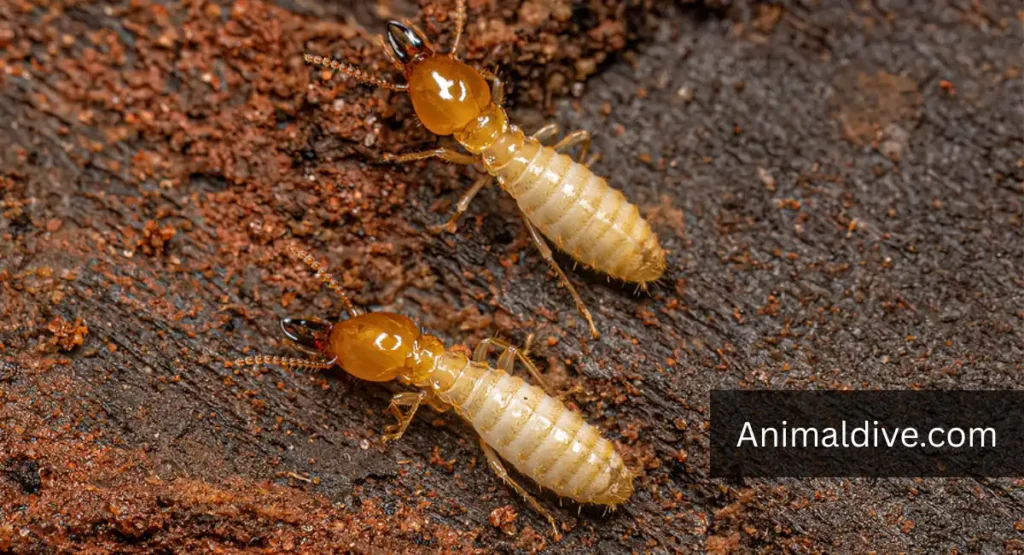
Termites play a vital role in ecosystem processes, breaking down cellulose and enriching the soil. This juxtaposition of individual simplicity and collective complexity highlights the multifaceted relationship between intelligence, survival, and ecological significance.
Animals With Low IQ by Category
Animals with low IQ come from many different groups, including mammals, birds, fish, amphibians, and invertebrates. While they may have limited problem-solving abilities, each species has unique survival adaptations that help it thrive in nature.
Mammals With Low IQ
| Animal | Scientific Name | Class | Diet |
| Sloth | Folivora | Mammalia | Herbivore |
| Koala | Phascolarctos cinereus | Mammalia | Herbivore |
| Giant Panda | Ailuropoda melanoleuca | Mammalia | Herbivore |
| Manatee | Trichechus spp. | Mammalia | Herbivore |
Birds With Low IQ
| Animal | Scientific Name | Class | Diet |
| Turkey | Meleagris gallopavo | Aves | Omnivore |
| Ostrich | Struthio camelus | Aves | Omnivore |
| Kakapo | Strigops habroptilus | Aves | Herbivore |
| Chicken | Gallus gallus domesticus | Aves | Omnivore |
| Emu | Dromaius novaehollandiae | Aves | Omnivore |
| Flamingo | Phoenicopterus spp. | Aves | Omnivore |
| Turkey Vulture | Cathartes aura | Aves | Carnivore (Scavenger) |
Fish With Low IQ
| Animal | Scientific Name | Class | Diet |
| Hammerhead Shark | Sphyrna spp. | Chondrichthyes | Carnivore |
| Koi Fish | Cyprinus rubrofuscus | Actinopterygii | Omnivore |
Amphibians With Low IQ
| Animal | Scientific Name | Class | Diet |
| Bullfrog | Lithobates catesbeianus | Amphibia | Carnivore |
| Toad | Bufonidae | Amphibia | Carnivore |
Invertebrates With Low IQ
| Animal | Scientific Name | Class | Diet |
| Jellyfish | Scyphozoa | Scyphozoa | Carnivore |
| Sea Sponge | Porifera | Porifera | Filter Feeder |
| Starfish | Asteroidea | Asteroidea | Carnivore |
| Sea Urchin | Echinoidea | Echinoidea | Herbivore |
| Sea Cucumber | Holothuroidea | Holothuroidea | Detritivore |
| Oyster | Ostreidae | Bivalvia | Filter Feeder |
| Snail | Gastropoda | Gastropoda | Herbivore |
| Earthworm | Lumbricina | Clitellata | Detritivore |
| Moth | Lepidoptera | Insecta | Herbivore |
| Termite | Isoptera | Insecta | Detritivore |
Lowest IQ Animals Vs Smartest Animals
| Lowest IQ Animal | Highly Intelligent Animal |
| Turkey | Crow |
| Koala | Chimpanzee |
| Sloth | Dolphin |
| Chicken | African Grey Parrot |
| Jellyfish | Octopus |
| Starfish | Elephant |
Can Low IQ Animals Still Survive Successfully?
Animals with the lowest IQ possess remarkable survival strategies rooted in instinct rather than cognitive reasoning. Evolution has finely tuned these instinctual behaviors, enabling creatures like the jellyfish or certain types of sponges to thrive in their environments despite their lack of traditional intelligence.
The adaptability of these low-IQ animals illustrates a vital truth: survival often hinges on efficiency and resilience rather than smarts. For instance, many species have developed specialized adaptations that allow them to exploit their surroundings without needing complex decision-making processes.
Interesting Facts About Animals With The Lowest IQ
- Jellyfish have no brain yet survive worldwide.
- Koalas sleep up to 20 hours every day.
- Sloths move slowly to conserve energy.
- Turkeys rely heavily on instinct.
- Sea sponges lack a true nervous system.
- Chickens can recognize flock members despite limited reasoning.
- Starfish regenerate lost arms.
- Sea cucumbers defend themselves by ejecting internal organs.
- Oysters spend most of their lives attached to rocks.
- Earthworms improve soil despite having simple nervous systems.
Conclusion
The examination of animals with the lowest IQ highlights the rich tapestry of life on Earth and challenges our notions of intelligence. The lowest IQ animal may not be the most equipped in terms of problem-solving, but its role in the ecosystem is irreplaceable, reminding us that every species has its strengths.
From peculiar behaviors to extraordinary survival tactics, these animals with low IQ teach us that there is more than one way to thrive in the wild. As we conclude our ranking, it’s a great reminder to celebrate the unique adaptations found in nature.
FAQs
Which Animal Has an IQ of 45?
Dolphins are commonly estimated to have an IQ of around 45, making them one of the most intelligent marine animals. They are famous for their communication, learning ability, and problem-solving skills.
What Is the Smallest Intelligent Animal?
The jumping spider is one of the smallest intelligent animals, displaying excellent planning, memory, and hunting skills despite being less than an inch long.
What Animal Is Lazy but Smart?
The sloth is often called lazy but smart because its slow movements conserve energy and help it avoid predators. Its lifestyle is an effective survival strategy rather than a sign of weakness.
Which Animal Has a High IQ?
Chimpanzees are among the smartest animals in the world, known for their advanced problem-solving, tool use, and social intelligence. They are considered humans’ closest living relatives.
What Animal Has the Lowest IQ?
Sea sponges are often considered the animals with the lowest IQ because they have no brain or central nervous system. They survive by filtering water rather than making decisions.