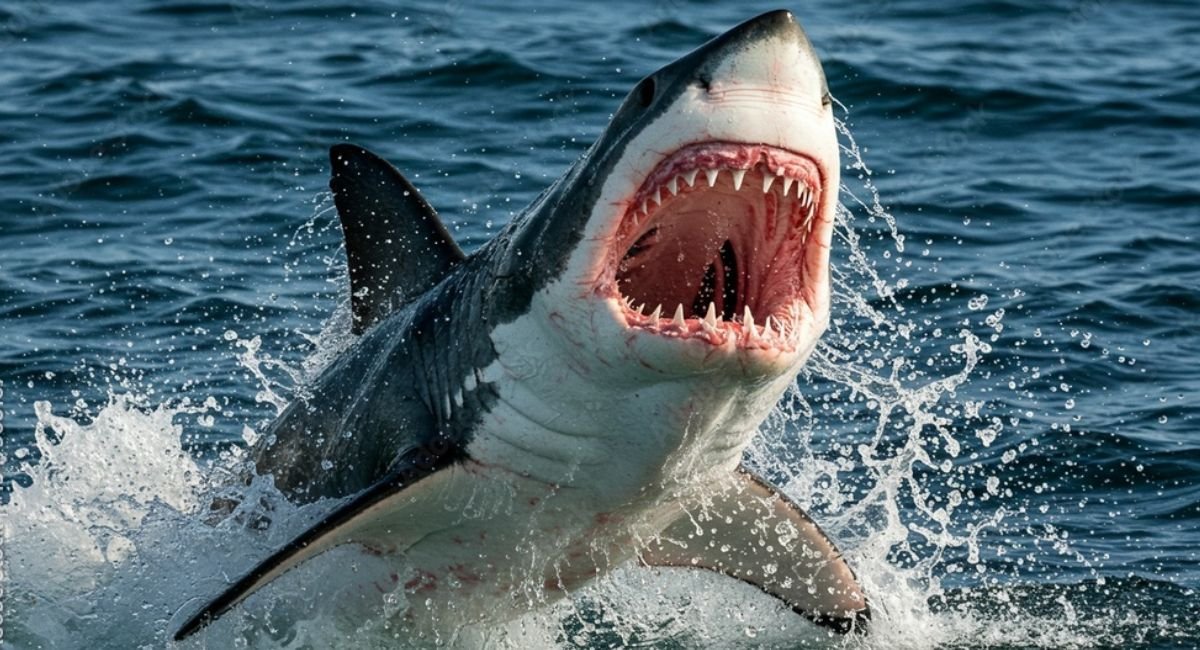
Top 10 Deadliest Animals In The World (2026 Facts & Rankings)
Over 700,000 people die each year due to encounters with the Deadliest Animals in the World, yet many of these lethal creatures are deceptively small and inconspicuous.
While sharks and lions often steal the spotlight with their ferocious reputations, it’s the tiny mosquito that inflicts the most human fatalities by spreading deadly diseases.
Let’s explore scientific rankings based on the latest research and shocking statistics, unveiling survival facts and unexpected insights that reveal the true nature of these dangerous animals.
What Is The Deadliest Animal In The World?
Statistics reveal that the deadliest animal in the world is the mosquito, responsible for approximately 725,000 human deaths each year. While many people might instinctively think of large predators like lions or sharks, these majestic creatures combined account for far fewer fatalities. The true danger lies in the disease-carrying capacity of mosquitoes, transmitting deadly illnesses such as malaria, dengue fever, and Zika virus.
Size doesn’t equal danger; in fact, the tiniest creatures can wield the most lethal impacts. Mosquitoes thrive in numerous environments and breed prolifically, making them a formidable foe. This surprising perspective on danger underscores the importance of understanding disease vectors, reminding us that the threat often comes from the most unexpected sources.
What’s The Deadliest Animal In The World According To Science?
According to scientific assessments, the deadliest animal in the world is the mosquito, responsible for millions of human fatalities annually through diseases such as malaria, dengue fever, and Zika virus. The World Health Organization estimates that malaria alone led to approximately 627,000 deaths in 2020, showcasing the immense impact of these tiny vectors in disease transmission.
While larger predators attract more sensational headlines, wildlife researchers emphasize that it’s the cumulative effect of the mosquito’s bite on public health that secures its position at the top. Fatality data highlights that animals like sharks or snakes, despite their venom toxicity or attack records, contribute far fewer deaths compared to the overwhelming influence of mosquito-borne illnesses.
Top 5 Deadliest Animal In The World
If you think of the deadliest animals on the planet, you often picture ferocious predators and monstrous beasts. The reality is that some of the most perilous species are far less conspicuous but impact human life significantly. Here are the top 5 deadliest animals in the world, each with unique traits that contribute to their notoriety.
Lion
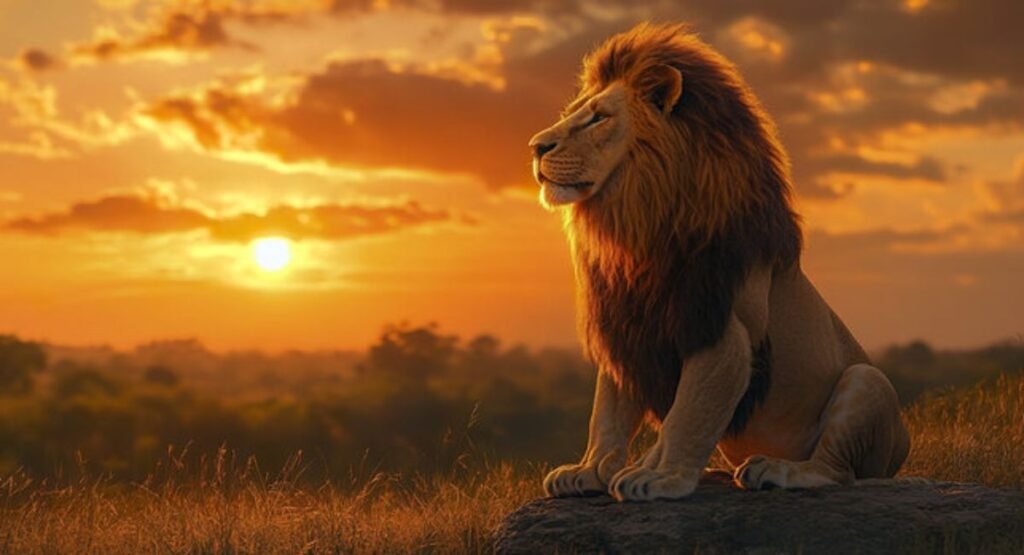
Lions are renowned for their majestic prowess and are considered pack hunters, working together to bring down prey. These territorial animals can be surprisingly aggressive when defending their turf, resulting in numerous human encounters that often end in tragedy.
Lions are renowned for their majestic prowess and are considered animals that live in groups, working together to bring down prey.
Hippopotamus
Despite their seemingly docile appearance and often mistaken for slow animals hippos are highly aggressive and responsible for more human deaths in Africa than most other large animals.
Saltwater Crocodile
Renowned for having one of the strongest bite forces in the animal kingdom, the saltwater crocodile is a formidable predator.
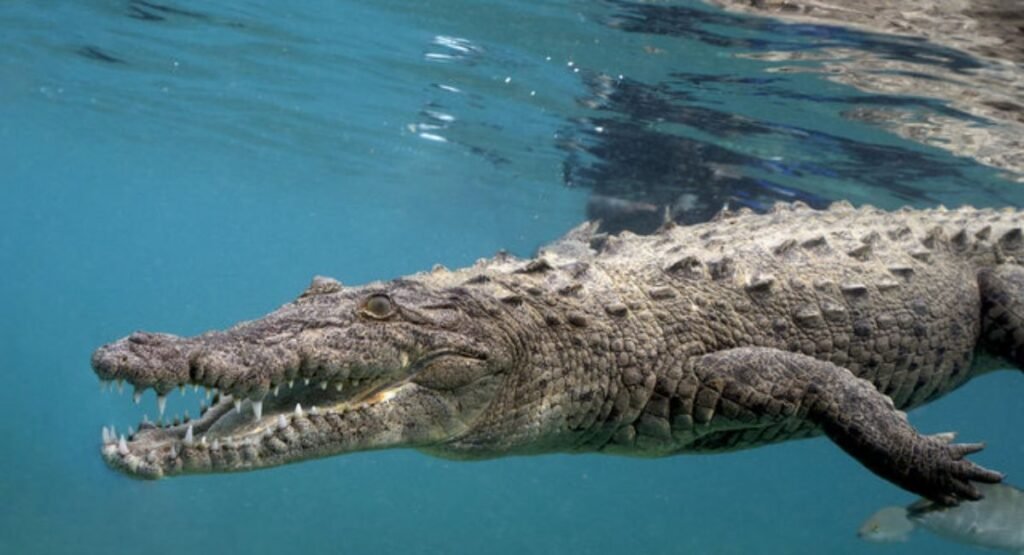
Its stealthy ambush tactics and remarkable agility in water contribute to its status as a top predator, making encounters fatal for unwary humans who venture too close.
Inland Taipan
The inland taipan, often called the “fierce snake,” boasts the most potent venom of any snake species. A single bite can deliver enough neurotoxins to kill over 100 adult humans, a fact that underscores its position as a lethal contender in our top 5 deadliest animals in the world.
However, this reclusive snake is among the most solitary animals in the world, avoiding human interaction, leading to minimal fatalities despite its formidable capabilities
Mosquito
While it may be a mere insect, the mosquito holds the grim title of the deadliest animal on Earth.
Responsible for millions of deaths each year through the transmission of diseases like malaria, dengue fever, and Zika, this tiny creature exemplifies how danger can be deceptive in size.
Full Top 10 Deadliest Animals Ranking
Understanding the full spectrum of the world’s deadliest animals reveals startling insights into nature’s most lethal creations. Each of these creatures showcases unique adaptations, venomous capabilities, or sheer brute power.
Here’s a ranked look at the top ten most dangerous animals in the world, exploring their habitats, attack styles, and the human threat they pose.
#10: Mosquito (Culicidae)
- Habitat: Found in almost every corner of the globe, especially in tropical and subtropical regions.
- Danger Type: Transmits deadly diseases.
- Human Fatalities: Responsible for over 700,000 deaths annually, primarily through malaria, dengue fever, and Zika virus.
Mosquitoes may seem inconspicuous, but they are vectors for some of the most deadly diseases known to man. Their ability to spread malaria and other viruses makes them the deadliest animal on Earth by sheer human impact, overshadowing even larger predators.
#9: Inland Taipan (Oxyuranus microlepidotus)
- Habitat: Native to the arid regions of Australia, particularly Queensland.
- Danger Type: Venomous bite.
- Human Fatalities: No recorded fatalities due to rare encounters.
Possessing the most toxic venom, the Inland Taipan can deliver a lethal bite in moments. However, this reclusive snake avoids human interaction, leading to minimal fatalities despite its formidable capabilities.
#8: Box Jellyfish (Chironex fleckeri)
- Habitat: Coastal waters of Northern Australia and parts of the Indo-Pacific.
- Danger Type: Venomous tentacles.
- Human Fatalities: Estimated 20-40 fatalities each year.
The Box Jellyfish is not just a fearsome sight; it holds the title of the most venomous marine animal. Its tentacles deliver a sting so painful that it can cause cardiac arrest, making encounters with it particularly treacherous.
#7: Saltwater Crocodile (Crocodylus porosus)
- Habitat: Rivers, estuaries, and coastal areas throughout Southeast Asia and Northern Australia.
- Danger Type: Predatory attacks.
- Human Fatalities: An estimated 1,000 annual deaths.
The largest living reptile, the Saltwater Crocodile is a master ambush predator. Its lethal bite and swift, stealthy approach make it a perilous threat in its habitat, showcasing nature’s raw ferocity.
#6: Lion (Panthera leo)
- Habitat: African savannas and some parts of India.
- Danger Type: Predatory attacks.
- Human Fatalities: Approximately 100 annual deaths.
Lions, often hailed as the “king of the jungle,” exhibit deadly prowess in their collaborative hunting strategies. While their attacks on humans are relatively rare, the results can be devastating, capturing the essence of nature’s wild side.
#5: Hippopotamus (Hippopotamus amphibius)
- Habitat: Rivers, lakes, and wetlands in sub-Saharan Africa.
- Danger Type: Territorial aggression.
- Human Fatalities: Roughly 500 deaths each year.
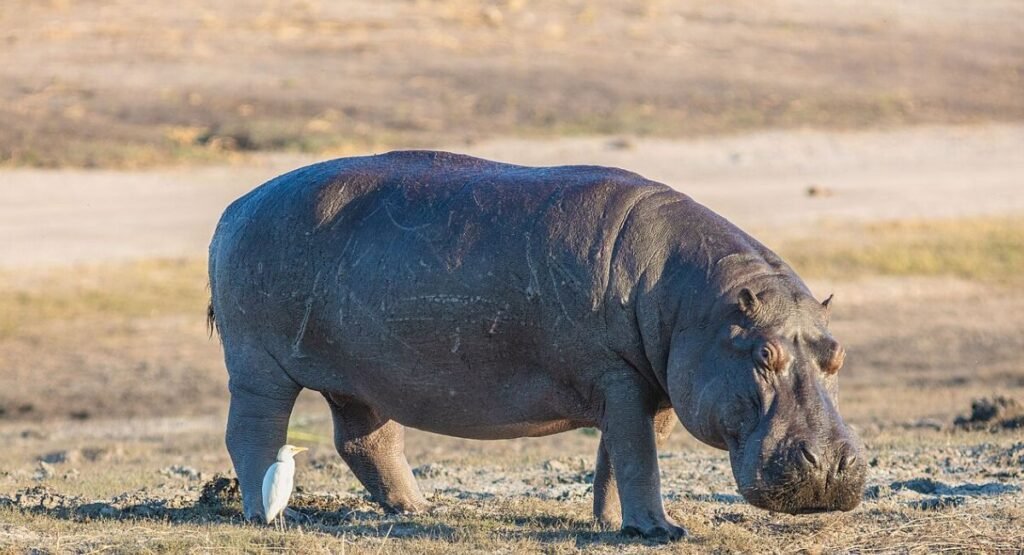
Surprisingly aggressive, hippos are known for their territorial nature. Their powerful jaws and surprisingly swift movement both in water and on land contribute to their reputation as one of the most dangerous animals in Africa.
#4: Cape Buffalo (Syncerus caffer)
- Habitat: Grasslands and savannas across Africa.
- Danger Type: Aggressive defense.
- Human Fatalities: Estimates vary, but around 200 deaths annually.
Known as the “Black Death” in Africa, Cape Buffalo are unpredictable and protective, especially when threatened. Their massive size and strength make them formidable adversaries, especially when they charge.
#3: Cone Snail (Conus)
- Habitat: Tropical and subtropical seas around the world.
- Danger Type: Venomous sting.
- Human Fatalities: Estimated 30-40 fatalities each year.
With a venom powerful enough to kill a human, Cone Snails showcase the duel between beauty and danger in the ocean. Their harpoon-like teeth can deliver venom that leads to respiratory failure, proving that appearances can be deceiving.
#2: Great White Shark (Carcharodon carcharias)
- Habitat: Coastal waters and deep seas globally.
- Danger Type: Predatory attacks.
- Human Fatalities: About 10 deaths per year.
Great White Sharks dominate oceans with their impressive size and hunting ability. Though attacks on humans are rare, their sheer power and predatory instincts earn them a spot among the deadliest animals.
#1: Elephant (Loxodonta africana)
- Habitat: Savannas, forests, and grasslands across Africa and parts of Asia.
- Danger Type: Aggressive when threatened.
- Human Fatalities: Approximately 500 deaths annually.
Majestic yet dangerous, elephants are responsible for more human deaths than any other land animal. Their size and strength make them immensely powerful, and when threatened, they can be surprisingly aggressive, showcasing the duality of their nature as both gentle giants and formidable beasts.
How To Stay Safe Around Dangerous Animals
Keeping a respectful distance allows wildlife to thrive while maintaining your safety. Educate yourself about the specific animals you might encounter, as knowledge is your best defense. Engaging with local experts not only elevates your experience but also ensures a safer adventure in nature’s untouched realms.
- Respect animal territory: Always maintain a safe distance; observe animals from afar to avoid alarming them or encroaching on their habitat.
- Never feed wildlife: Feeding can alter animal behavior and lead them to associate humans with food, increasing the risk of aggressive encounters.
- Use expert guides: Travel with knowledgeable local guides who understand animal behavior and can advise on safest practices in their natural environments.
- Wear protective gear: Equip yourself with appropriate clothing and gear, such as boots and bear spray, to enhance safety during excursions.
- Avoid risky areas: Steer clear of known habitats during peak activity times; understanding the behavior patterns of dangerous animals is crucial for your safety.
Conclusion
The revelations from our exploration of the Top 10 Deadliest Animals in the World highlight a profound truth: danger exists not just in the animals that can harm us, but in our misconceptions about their place in the world.
A deeper understanding of their behaviors and habitats encourages us to appreciate their roles rather than fear them. Respecting wildlife means recognizing their beauty, acknowledging their dangers, and advocating for their conservation.
FAQs
What Is The #1 Dangerous Animal In The World?
The Mosquito is considered the world’s most dangerous animal. Despite its tiny size, it causes over 600,000 human deaths each year by spreading deadly diseases such as malaria, dengue fever, and Zika virus.
What Animal Has The Highest Kill Count?
The Mosquito has the highest human kill count among animals worldwide. Its ability to transmit life-threatening diseases makes it deadlier than snakes, sharks, lions, and crocodiles.
What Is The #1 Scariest Animal?
Fear can be subjective, but many people consider the Japanese Spider Crab one of the scariest-looking animals because of its giant legs and unusual appearance. Others find creatures like the Goliath Bird-eating Spider or Asian Giant Hornet equally terrifying.