Top 20 Scavenger Birds In The World: Names, Facts & Pictures
Scavenger birds play a fascinating role in the ecosystem by consuming carrion dead animals that would otherwise litter the environment. These remarkable birds are equipped with extraordinary adaptations that help them locate and feed on decaying matter. The act of scavenging not only aids in cleaning up our environment but also prevents the spread of diseases from dead animals.
In many ecosystems, scavenger birds serve as nature’s cleanup crew. They efficiently recycle nutrients back into the environment by breaking down dead matter. This process supports a plethora of other organisms, ensuring a balanced ecosystem.
Understanding these magnificent birds and appreciating their importance can deepen our connection to nature. Whether you’re a birdwatcher, an environmental enthusiast, or just curious about wildlife, exploring the world of scavenger birds is truly captivating.
What Are Scavenger Birds?
Scavenger birds, often referred to as scavenging birds, are species that primarily feed on carrion animals that have died from natural causes or other factors. These birds play a crucial role in maintaining ecosystem health by breaking down dead organic material.
Scavenger birds depend largely on their ability to find and consume carrion as their main food source. They help to keep their habitats clean and free from decaying matter, thus preventing the spread of harmful bacteria and diseases.
Types Of Scavenger Birds
There are two main types of scavenger birds: obligate scavengers and opportunistic scavengers.
Obligate scavengers, like vultures, primarily rely on carrion for survival. They have specialized adaptations such as a strong beak and keen eyesight that make them unrivaled at locating and consuming dead animals.
opportunistic scavengers, like crows and some gulls, will eat whatever food is available, whether it be living prey, discarded human food, or carrion.
Each type plays its unique role in the ecosystem. While obligate scavengers are essential for consuming large carcasses, opportunistic scavengers contribute to cleaning up smaller debris. Together, they ensure that our environments are not only clean but also thriving with life.
Top 20 Scavenger Birds In The World
| No. | Bird Name | Scientific Name | Class | Family | Main Scavenging Trait |
| 1 | Turkey Vulture | Cathartes aura | Aves | Cathartidae | Exceptional sense of smell |
| 2 | Black Vulture | Coragyps atratus | Aves | Cathartidae | Social scavenging behavior |
| 3 | California Condor | Gymnogyps californianus | Aves | Cathartidae | Soars high to locate carrion |
| 4 | Andean Condor | Vultur gryphus | Aves | Cathartidae | Massive wingspan for soaring |
| 5 | King Vulture | Sarcoramphus papa | Aves | Cathartidae | Dominates carcass feeding sites |
| 6 | Egyptian Vulture | Neophron percnopterus | Aves | Accipitridae | Uses tools to access food |
| 7 | Griffon Vulture | Gyps fulvus | Aves | Accipitridae | Communal feeding habits |
| 8 | Lappet-faced Vulture | Torgos tracheliotos | Aves | Accipitridae | Tears through thick animal hides |
| 9 | White-backed Vulture | Gyps africanus | Aves | Accipitridae | Efficient carrion locator |
| 10 | Bearded Vulture | Gypaetus barbatus | Aves | Accipitridae | Bone-cracking feeding behavior |
| 11 | Marabou Stork | Leptoptilos crumenifer | Aves | Ciconiidae | Feeds on carrion and waste |
| 12 | American Crow | Corvus brachyrhynchos | Aves | Corvidae | Intelligent opportunistic scavenger |
| 13 | Common Raven | Corvus corax | Aves | Corvidae | Advanced problem-solving abilities |
| 14 | Bald Eagle | Haliaeetus leucocephalus | Aves | Accipitridae | Frequently steals or scavenges food |
| 15 | Golden Eagle | Aquila chrysaetos | Aves | Accipitridae | Hunts and scavenges efficiently |
| 16 | Crested Caracara | Caracara plancus | Aves | Falconidae | Opportunistic feeder and scavenger |
| 17 | Black Kite | Milvus migrans | Aves | Accipitridae | Agile aerial scavenger |
| 18 | Herring Gull | Larus argentatus | Aves | Laridae | Coastal scavenging specialist |
| 19 | Great Black-backed Gull | Larus marinus | Aves | Laridae | Bold scavenger of shorelines |
| 20 | Rook | Corvus frugilegus | Aves | Corvidae | Social group scavenging behavior |
Turkey Vulture
The Turkey Vulture (Cathartes aura) belongs to the Class Aves and the family Cathartidae. This scavenger bird primarily feeds on carrion, thriving in open fields and wooded areas throughout North and South America.
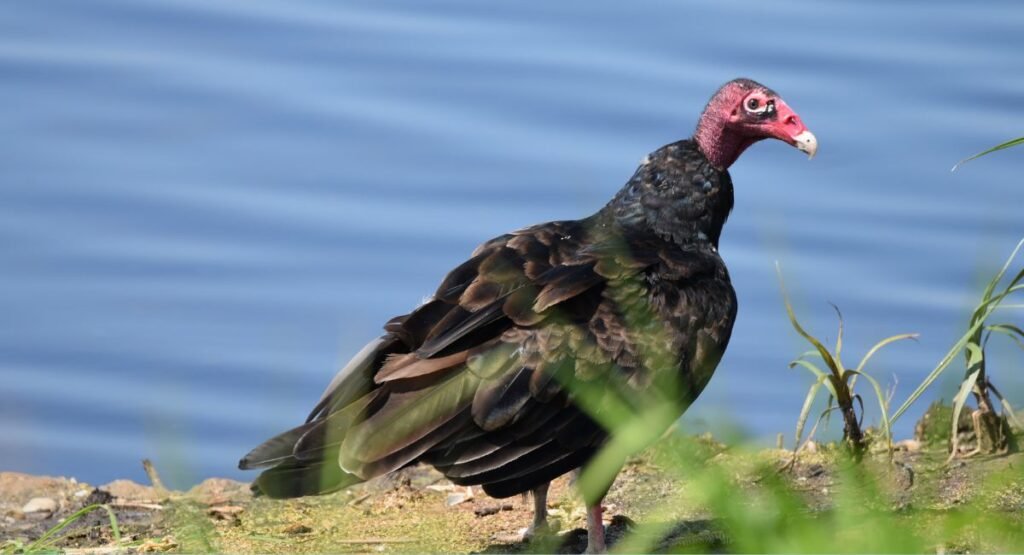
As a scavenger bird, the Turkey Vulture utilizes its exceptional sense of smell to locate decomposing animals. This ability distinguishes it from many other birds of prey, as it plays a crucial role in maintaining the ecosystem by consuming dead matter and preventing the spread of disease.
Interesting Fact: Turkey Vultures can soar at altitudes of up to 20,000 feet!
Black Vulture
The Black Vulture (Coragyps atratus), another member of the Cathartidae family, is known for its robust body and dark plumage. These scavenger birds are opportunistic feeders, primarily found in open areas of the southeastern United States and parts of South America.
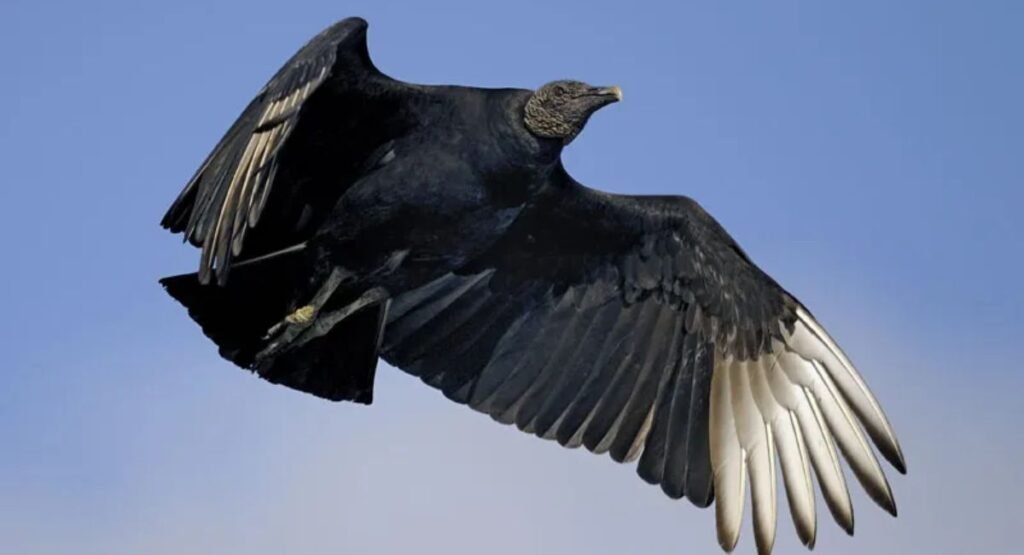
This scavenging bird relies heavily on sight to find food, often following other vultures to carrion. By doing so, they contribute significantly to the ecosystem by cleaning up waste and helping control the populations of decomposing animals.
Interesting Fact: Black Vultures are known to roost communally, sometimes gathering in groups of over a hundred.
California Condor
The California Condor (Gymnogyps californianus), part of the family Cathartidae, is the largest North American land bird. This scavenger bird primarily feeds on carrion and is usually found in mountainous regions and forests along the Pacific Coast.
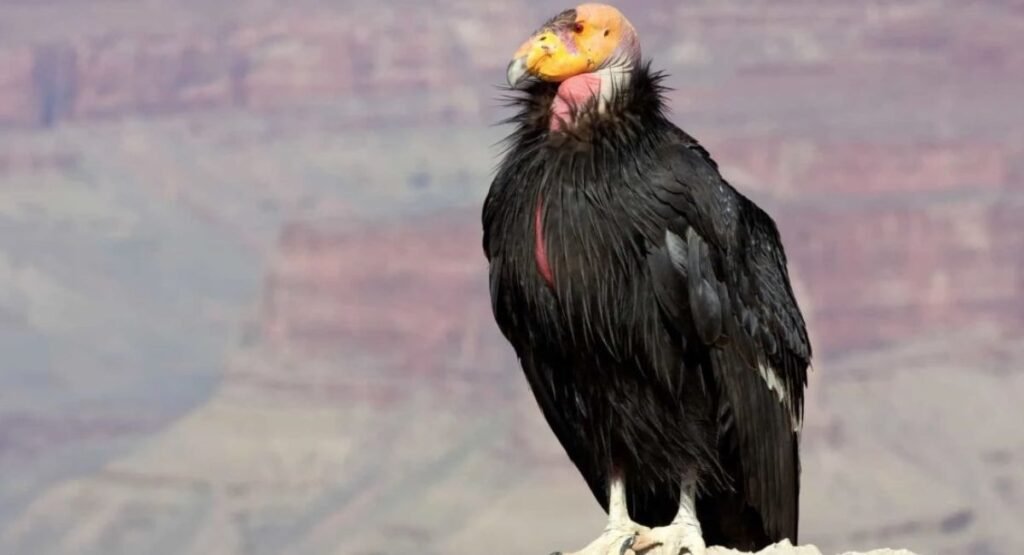
As a scavenger, the California Condor plays an essential role in its ecosystem, often feeding on large carcasses that other smaller scavengers cannot consume. With its keen eyesight, it locates food from great heights, promoting a healthier environment by reducing waste.
Interesting Fact: Once nearing extinction, conservation efforts have increased the California condor’s population from 27 individuals in 1987 to over 500 today.
Andean Condor
The Andean Condor (Vultur gryphus) is a majestic scavenger bird native to the Andes mountains, belonging to the Vulturidae family. These birds typically feast on large carrion and thrive in mountainous and open habitats across South America.
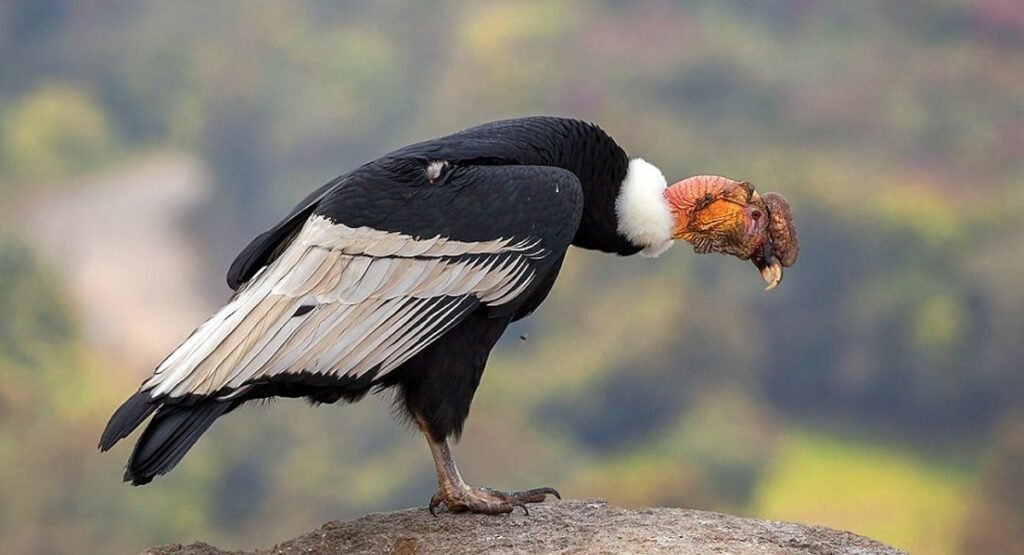
This scavenging bird is crucial in its ecosystem for its role as a clean-up crew, preventing the spread of disease by consuming dead animals. The Andean Condor’s impressive wingspan allows it to easily soar through its mountainous habitat in search of food.
Interesting Fact: The Andean Condor is considered a national symbol in countries such as Colombia and Bolivia.
King Vulture
The King Vulture (Sarcoramphus papa) is a striking scavenger bird known for its colorful appearance. Belonging to the family Cathartidae, it is primarily a carrion feeder, commonly found in tropical forests.
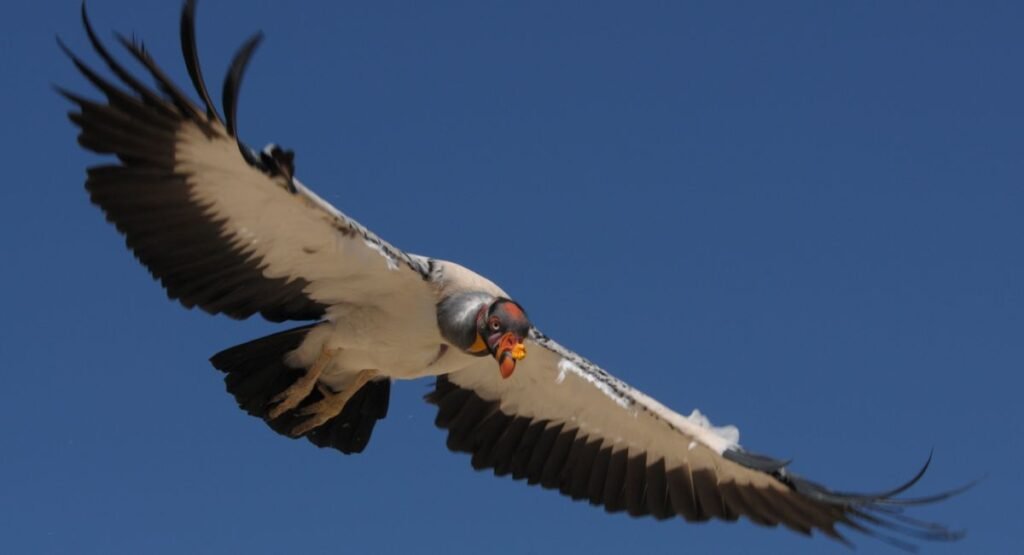
This scavenging bird contributes to the ecosystem by efficiently clearing away decaying matter, which helps in nutrient cycling. Its keen eyesight assists in spotting food, and it often competes with other scavengers, showcasing its dominance over carcasses.
Interesting Fact: King Vultures possess a unique beak that is designed to tear through tough hides!
Egyptian Vulture
The Egyptian Vulture (Neophron percnopterus), a member of the Accipitridae family, is a small scavenger bird known for its distinct yellow face and white plumage. It often inhabits open and rocky terrains where carrion is abundant.
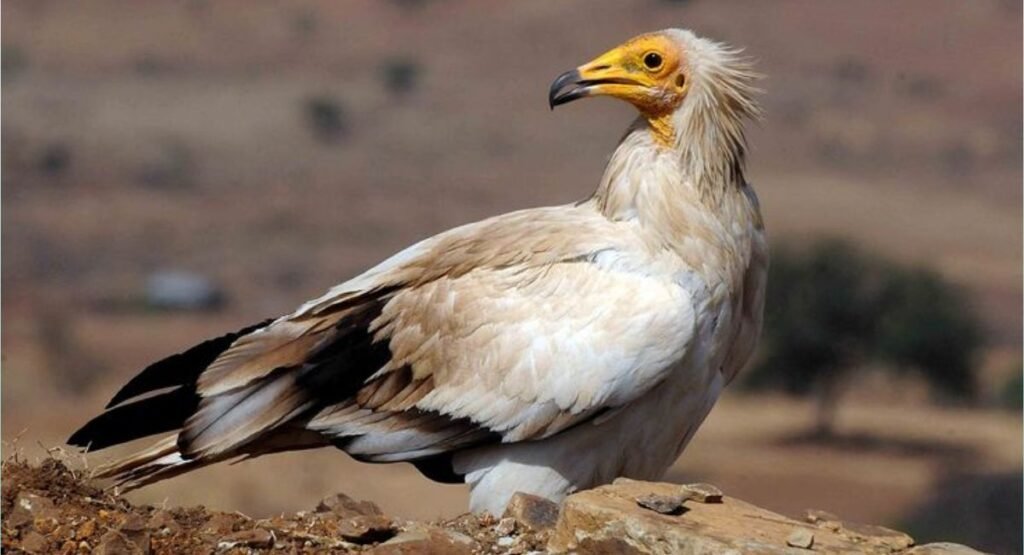
As a scavenging bird, the Egyptian Vulture plays an integral role in its habitat, eating decomposing animals and thus reducing the likelihood of disease. It also uses tools, such as stones, to break open ostrich eggs while searching for food.
Interesting Fact: Egyptian Vultures are known to fly vast distances, sometimes traveling over 600 miles in a single day!
Griffon Vulture
The Griffon Vulture (Gyps fulvus) is a large scavenger bird in the family Accipitridae, widely found across Europe, Asia, and North Africa. This bird predominantly feeds on carrion, finding its meals in open grasslands and mountainous regions.
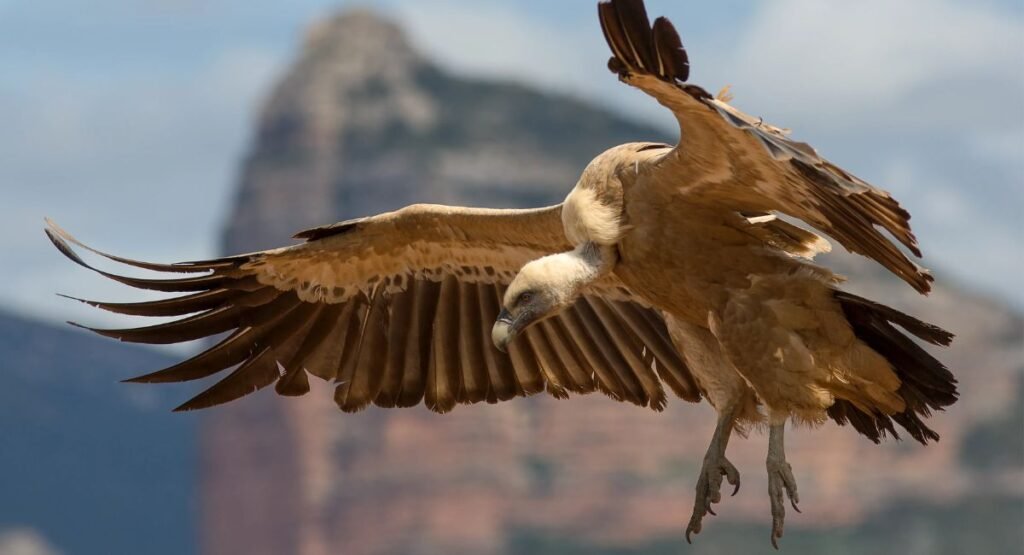
As a scavenging bird, the Griffon Vulture plays a vital role in the ecosystem by consuming large carcasses and recycling nutrients back into the environment. Its incredible soaring ability allows it to spot food from great heights effortlessly.
Interesting Fact: Griffon Vultures can live for up to 40 years in the wild!
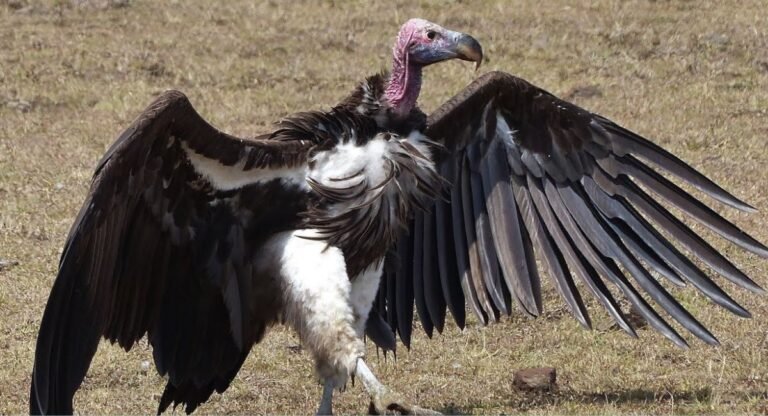
Lappet-faced Vulture
The Lappet-faced Vulture (Torgos tracheliotus) is a distinctive scavenger bird characterized by its large size and unique lappet-like skin on its face. Found mainly in Africa, it thrives in savannas and grasslands where carrion is plentiful.
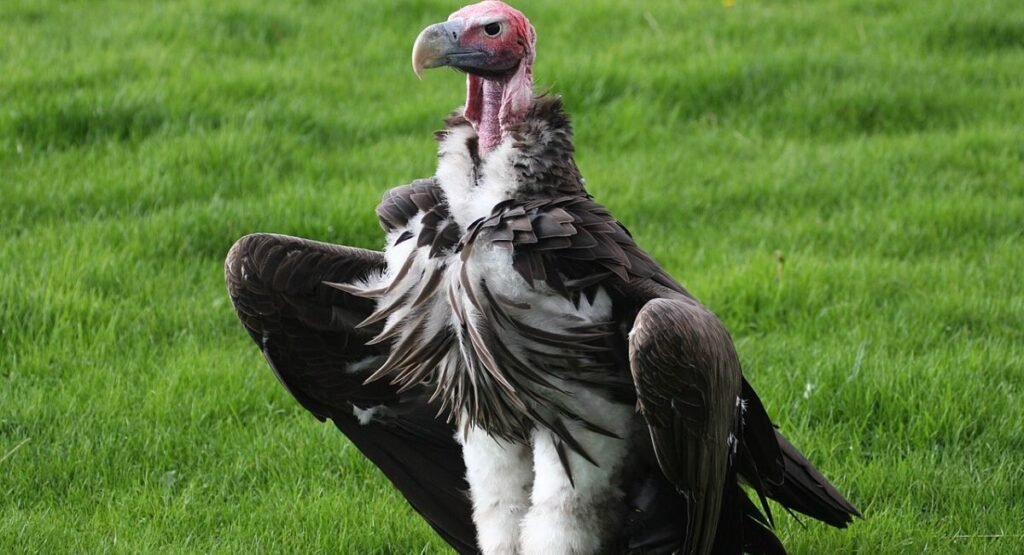
This scavenging bird is crucial in the ecosystem, as it consumes large carcasses that fewer other animals can handle. With excellent eyesight, it can locate food from great distances, often competing with other scavengers for a meal.
Interesting Fact: Lappet-faced Vultures are known to unearth buried carcasses, showcasing their innovative feeding strategies.
White-backed Vulture
The White-backed Vulture (Gyps africanus), a member of the Gyps genus, is known for its striking white back and mainly feeds on carrion. They inhabit various open environments across sub-Saharan Africa.
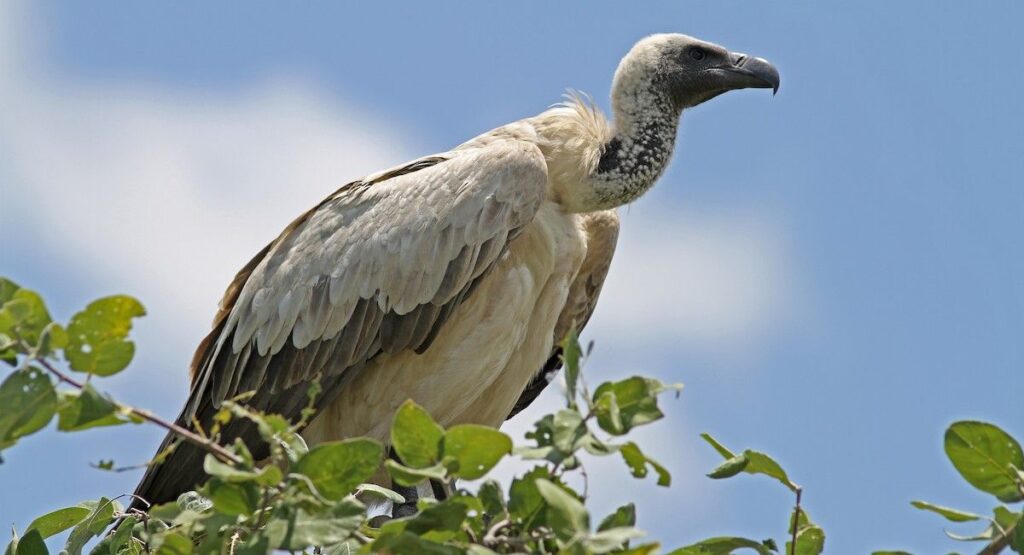
As a scavenger bird, the White-backed Vulture plays an essential role in maintaining the health of its ecosystem by disposing of dead animals that might otherwise transmit disease. Its ability to soar at high altitudes makes it effective in finding food.
Interesting Fact: The White-backed Vulture has a long lifespan, reaching up to 30 years in the wild!
Bearded Vulture
The Bearded Vulture (Gypaetus barbatus) is a unique scavenger bird that primarily feeds on bones, making it one of the few species to do so. This bird, also known as the lammergeier, is usually found in mountainous regions across Europe, Africa, and Asia.
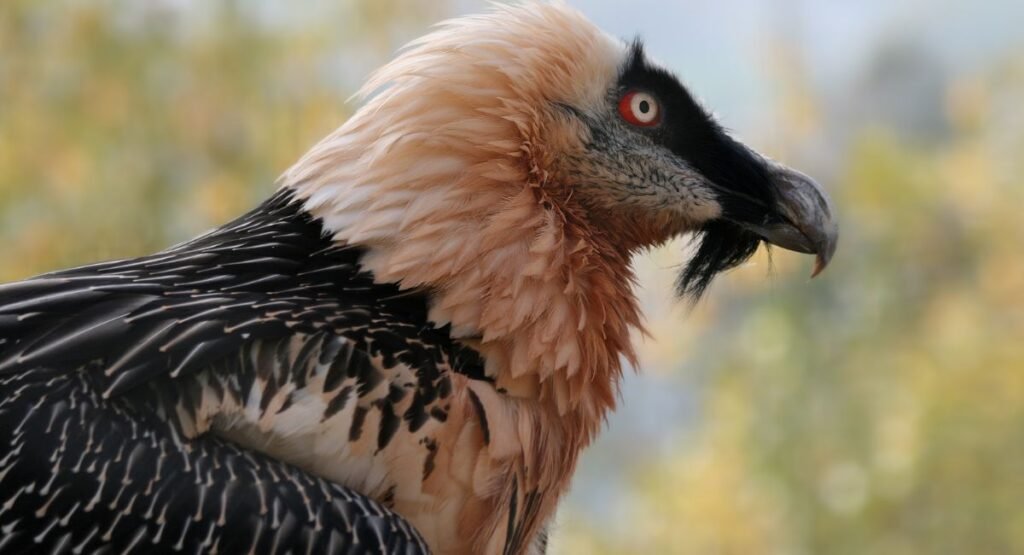
This scavenging bird is vital to its ecosystem as it helps dispose of remains that other scavengers might avoid, thus maintaining a clean environment. Its impressive wingspan allows it to soar high, where it can easily scavenge from cliff sides. Their soaring power puts them among some of the strongest birds in the animal kingdom.
Interesting Fact: Bearded Vultures are known to drop bones from great heights to break them open, helping them access the nutritious marrow inside!
Marabou Stork
The Marabou Stork (Leptoptilos crumenifer) is a large scavenger bird related to the stork family. Typically found in Africa, it thrives near wetlands, dumps, and areas with abundant carrion.
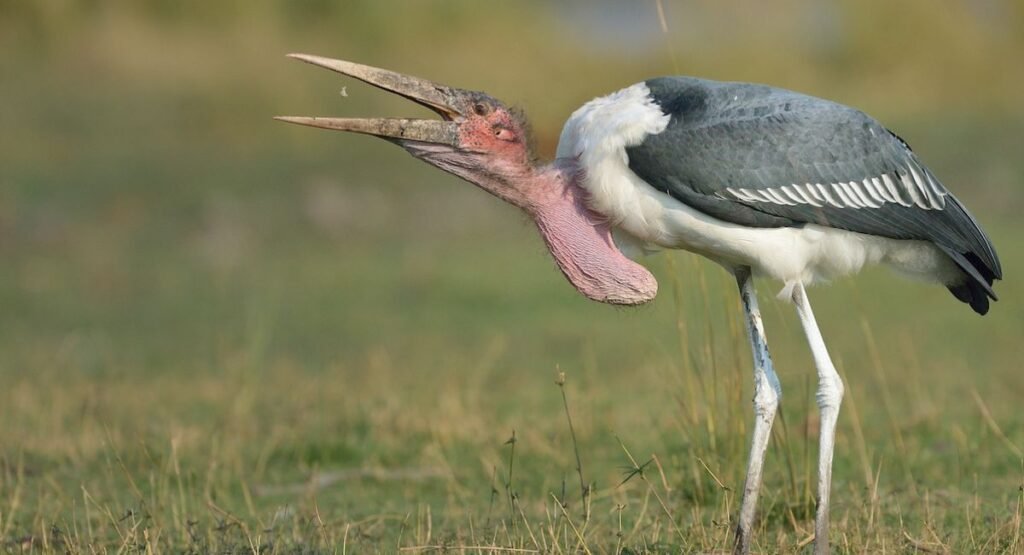
This scavenging bird plays a significant role in the ecosystem by cleaning up waste and dead animals, which helps prevent disease spread. Its keen eyesight allows it to locate food sources, often taking advantage of human refuse.
Interesting Fact: The Marabou Stork can consume large amounts of food, even feeding on the remains of animals up to five times its weight!
American Crow
The American Crow (Corvus brachyrhynchos) belongs to the family Corvidae, and is a highly adaptable scavenger bird found across North America. This omnivorous bird takes advantage of various food sources, including carrion.
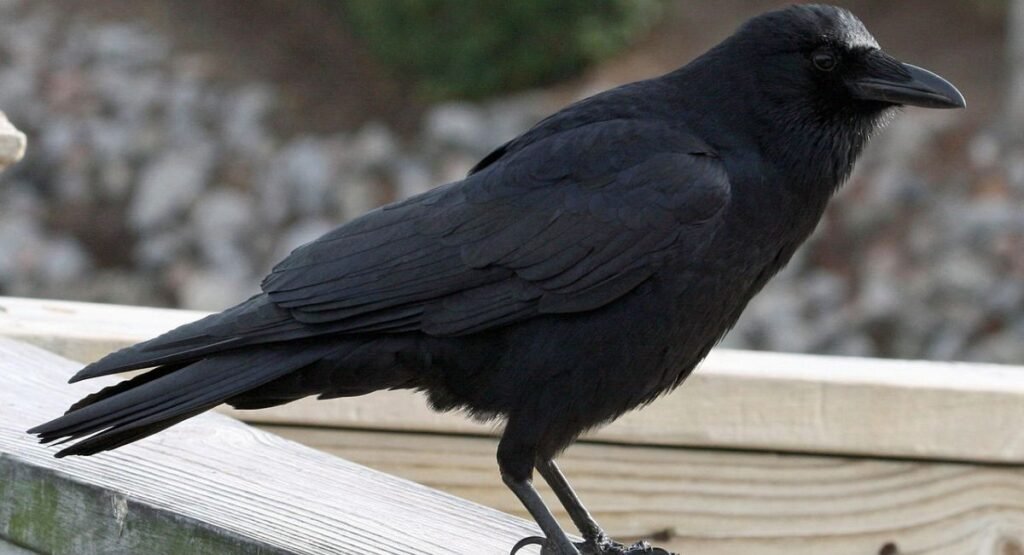
As a scavenging bird, the American Crow adds significant value to its ecosystem by cleaning up leftovers and dead animals. Its intelligence helps it locate food efficiently, often scavenging in urban environments where it thrives.
Interesting Fact: American Crows are known to form complex social structures and use tools to access food!
Common Raven
The Common Raven (Corvus corax), a member of the bird family Corvidae, is a highly intelligent scavenger bird found in a wide range of habitats worldwide. This bird has a varied diet that includes carrion, insects, and fruits.
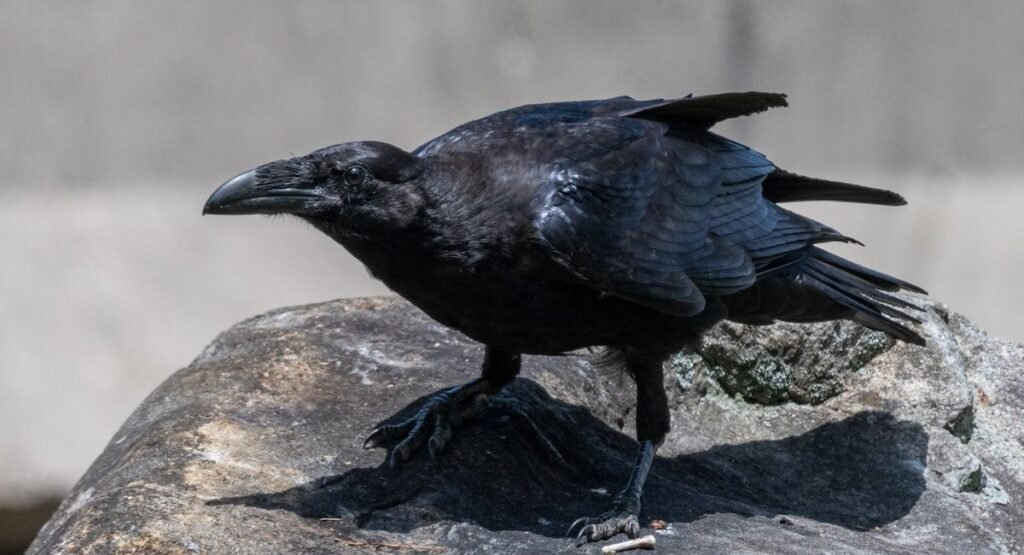
As a scavenging bird, the Common Raven plays an important role in its ecosystem by consuming carrion and waste. It has remarkable problem-solving skills that help it find food, making it one of the smartest birds of prey.
Interesting Fact: Common Ravens are known for their ability to mimic sounds, including human voices!
Bald Eagle
The Bald Eagle (Haliaeetus leucocephalus), residing in the family Accipitridae, is a prominent scavenger bird found near large bodies of open water in North America. While primarily a fish eater, it also scavenges carrion.
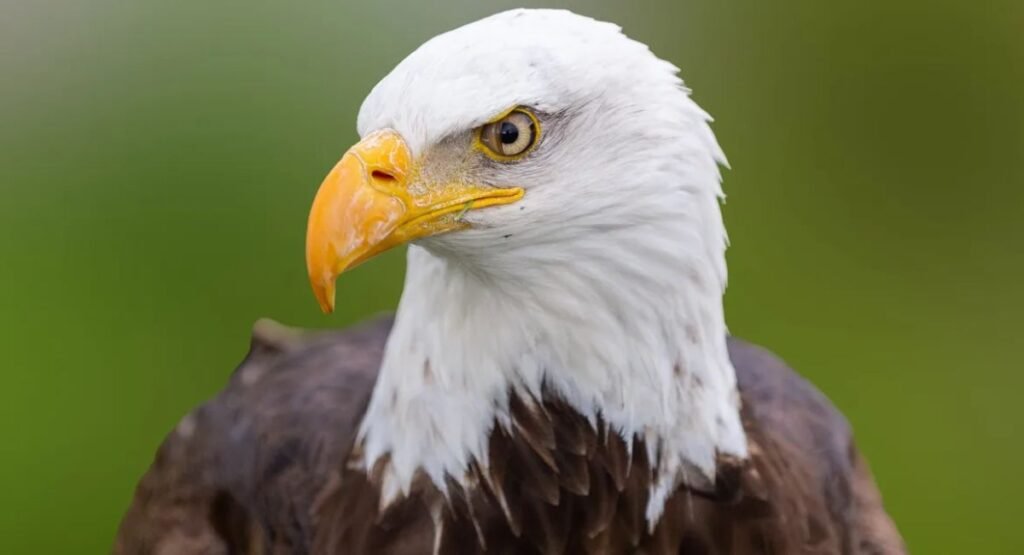
As a scavenging bird, the Bald Eagle clears up dead animal remains, thus maintaining the balance in its ecosystem. Its powerful vision enables it to spot food from great distances, emphasizing its role as both a predator and scavenger.
Interesting Fact: The Bald Eagle can live up to 20-30 years in the wild!
Golden Eagle
The Golden Eagle (Aquila chrysaetos) is a prestigious scavenger bird that belongs to the family Accipitridae. Found across the northern hemisphere, it primarily preys on mammals and does not shy away from scavenging on carrion.
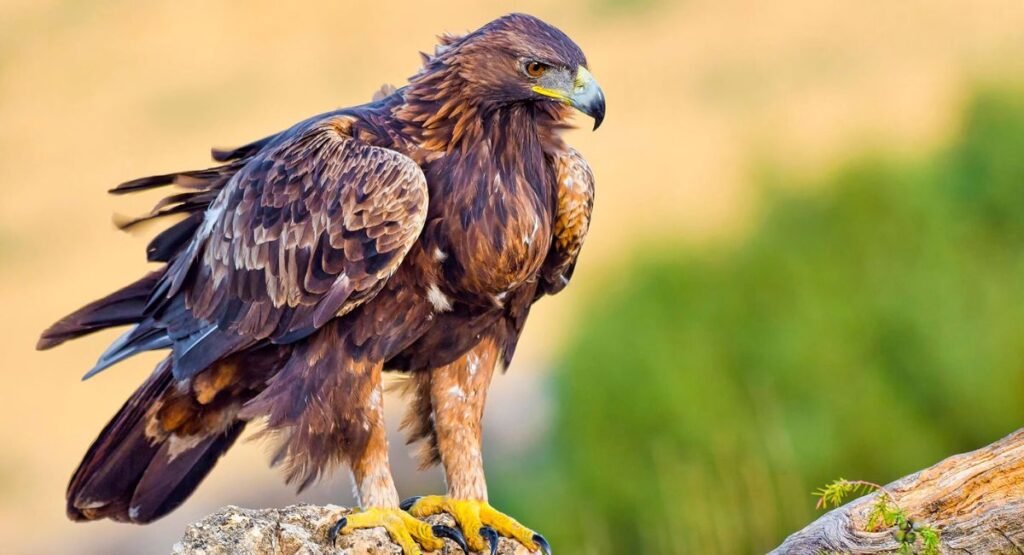
As a scavenging bird, the Golden Eagle contributes significantly to its ecosystem by helping control populations of dead animals and maintaining a balanced food chain. It uses its impressive flight speed to search for food across vast landscapes.
Interesting Fact: Golden Eagles are known to hunt in pairs, allowing them to tackle larger prey!
Crested Caracara
The Crested Caracara (Caracara cheriway) is a fascinating scavenger bird from the family Falconidae. Commonly found in open areas of North and South America, it primarily feeds on carrion, often seen atop roadkill.
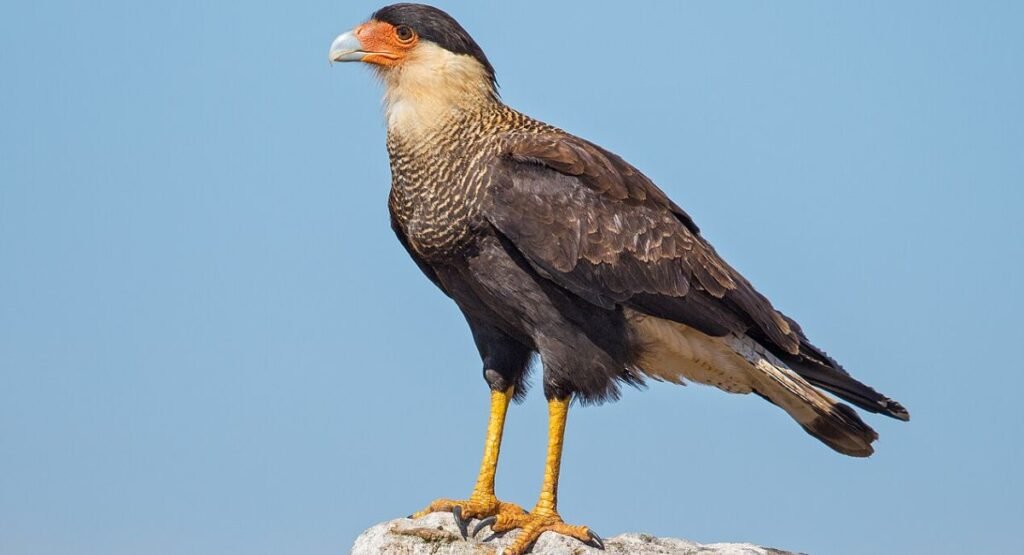
This scavenging bird plays a crucial role in the ecosystem, helping to clean up carrion and prevent potential disease spread. It is known for its distinctive appearance and characteristic behavior of walking on the ground while searching for food.
Interesting Fact: Crested Caracaras have been observed deliberately walking in front of vehicles to access roadkill!
Black Kite
The Black Kite (Milvus migrans) belongs to the family Accipitridae and is a widespread scavenger bird found in Europe, Asia, and Africa. It primarily feeds on carrion but can also hunt small animals and fish.
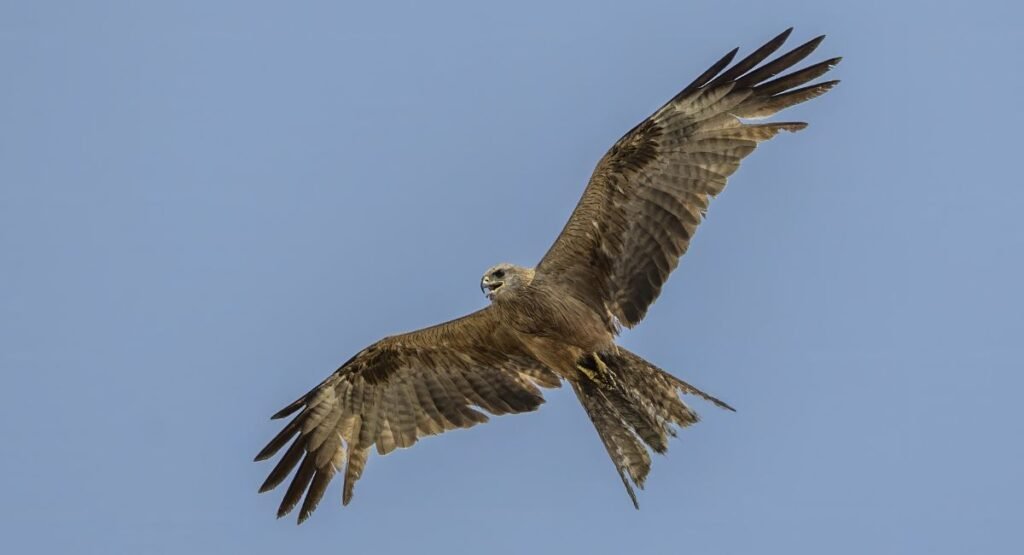
As a scavenging bird, the Black Kite helps maintain the balance of its ecosystem by consuming dead animals, thus recycling nutrients back into the environment. Its remarkable aerial skills allow it to spot food from great distances.
Interesting Fact: Black Kites are known to form large flocks, sometimes numbering in the thousands, during migration!
Herring Gull
The Herring Gull (Larus argentatus) is a versatile scavenger bird and part of the family Laridae. Commonly found near coastal habitats, they primarily feed on fish, insects, and carrion.
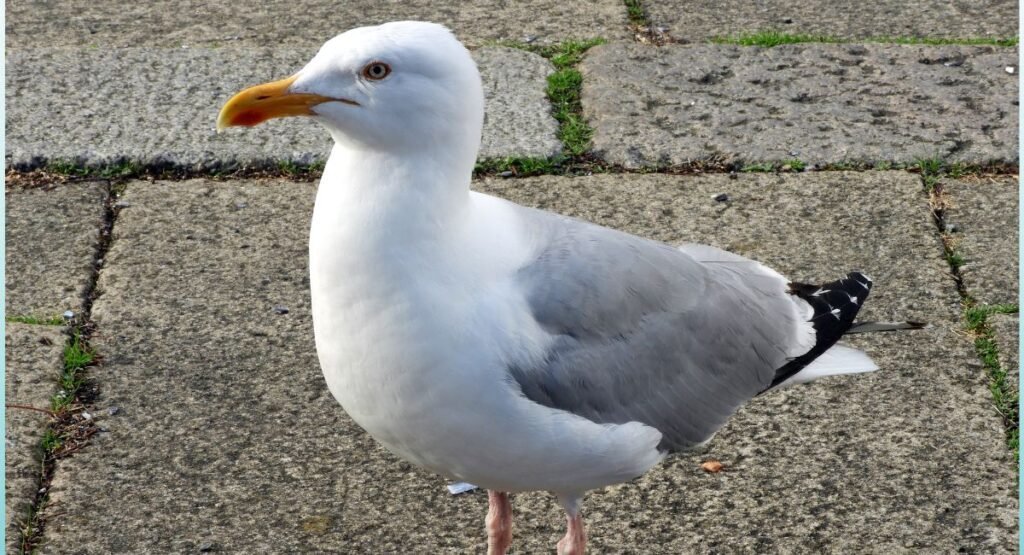
As a scavenging bird, the Herring Gull plays a vital role in the ecosystem by consuming waste and leftovers, thus keeping their habitats clean. Their adaptability to various food sources makes them a common sight in urban areas.
Interesting Fact: Herring Gulls are known to use their feet to crack open shells of shellfish!
Great Black-backed Gull
The Great Black-backed Gull (Larus marinus) holds the title of the largest gull species and is classified within the family Laridae. This powerful scavenger bird is mostly found along the North Atlantic coasts.
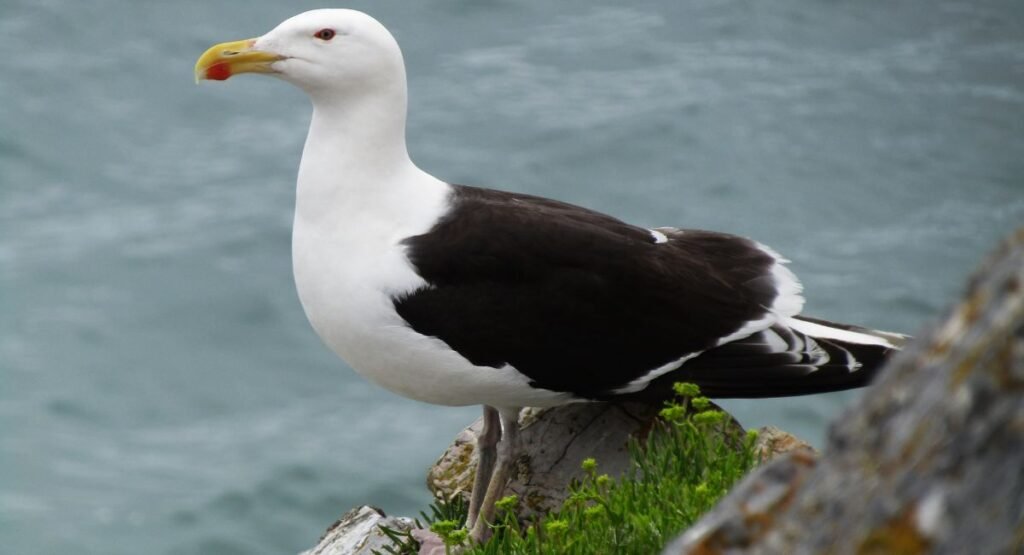
As an adept scavenging bird, the Great Black-backed Gull plays an important role in its ecosystem by consuming carrion and waste. Its strength and size enable it to dominate smaller birds when feeding, showcasing its role at the top of the scavenging hierarchy.
Interesting Fact: Great Black-backed Gulls are known to shadow fishermen to steal catches!
Rook
The Rook (Corvus frugilegus) is a social scavenger bird belonging to the Corvidae family. Predominantly found in Europe and parts of Asia, it primarily feeds on grains, insects, and carrion.
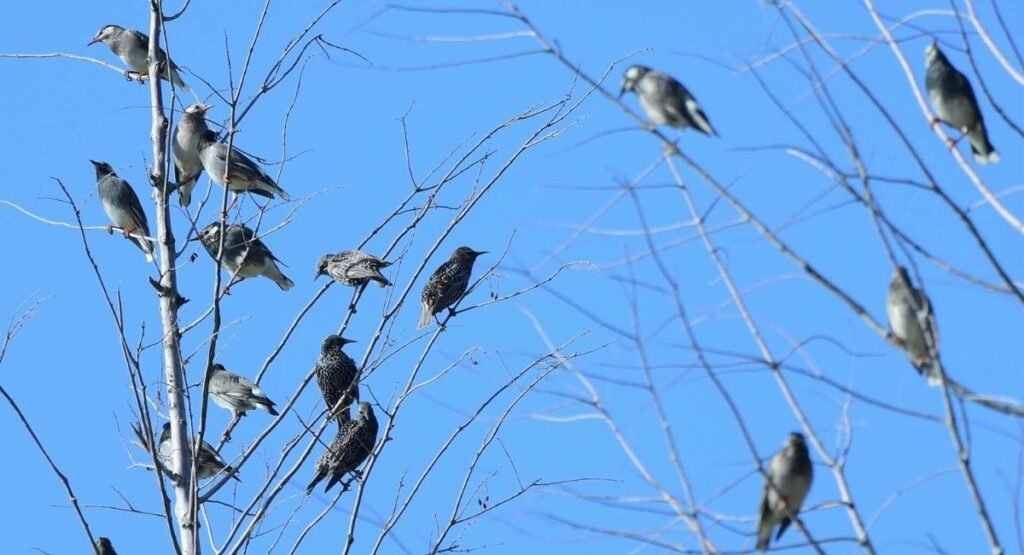
This scavenging bird is significant in its ecosystem, as it helps break down waste and promotes a balanced habitat. Known for their intelligence, Rooks are often seen foraging in groups, symbolizing their social nature.
Interesting Fact: Rooks are known to build nests in colonies, creating large, noisy communities!
Scavenger Birds Of Prey
While many scavenger birds primarily rely on carrion for food, some are also skilled hunters. Common examples include eagles, kites, and caracaras. These scavenger birds of prey exhibit incredible adaptability, switching between hunting live prey and scavenging dead animals based on availability. This flexibility is essential for their survival in varied ecosystems.
Eagles, for instance, are known for their powerful hunting abilities but will also steal food from other birds if the opportunity arises. Similarly, kites are adept at catching small animals but won’t hesitate to scavenge when carrion is readily available. This duality strengthens the scavenging bird population and maintains ecological balance.
Black Scavenger Birds
Certain species of black scavenger birds, like the Black Vulture, American Crow, Common Raven, and Black Kite, show remarkable adaptability and intelligence. These black scavenger birds thrive in diverse environments, often utilizing urban settings as scavenging grounds.
The American Crow and Common Raven, for example, are known for their problem-solving skills and social behavior. They can be found in metropolitan areas, rummaging through trash and seeking leftover food. This kind of communal behavior isn’t unique to scavengers; many animals that live in groups rely on similar social strategies to survive.
Black Vultures and Black Kites, in contrast, prefer more open spaces but demonstrate similar opportunistic behavior. Collectively, these black scavenger birds are crucial contributors to our ecosystems, offering essential services in waste removal.
Scavenger Birds In Texas
Texas is home to a diverse array of scavenger birds, making it an excellent spot for birdwatchers and nature lovers. Among the most common scavenger birds in Texas are Turkey Vultures, Black Vultures, and Crested Caracaras. Their adaptability to various habitats, from urban settings to open fields, allows them to thrive.
In rural regions, you may encounter Bald Eagles and Golden Eagles scavenging along Texas rivers and lakes. Meanwhile, American Crows and Common Ravens are ubiquitous, often seen scavenging in farmland and suburban areas. The presence of these scavenger birds reinforces the ecological balance in Texas.
Scavenger Birds In Florida
Florida’s warm climate and diverse ecosystems provide a perfect environment for a variety of scavenger birds. Notable species include the Black Vulture, Turkey Vulture, and the Marabou Stork. These birds contribute significantly to the local ecosystem by consuming carrion found in the wetlands and grasslands. If you’re curious about how these birds show up outside the South, here’s a closer look at vultures in Michigan and where they tend to gather.
In urban settings, American Crows and Common Ravens are prevalent and are often found scavenging in parks or along the roadside. Florida’s coastline also attracts scavenging species like the Herring Gull and Great Black-backed Gull, especially around piers and beaches. These scavenger birds help maintain the ecological balance in Florida, contributing to environmental health.
Fun Facts About Scavenger Birds
- Most scavenger birds have an excellent sense of smell.
- Vultures can consume up to 20% of their body weight in a single meal.
- Scavenger birds play a crucial role in preventing the spread of disease.
- The Black Vulture can often be seen mingling with Turkey Vultures.
- Many scavenger birds have unique social structures.
- Some scavengers, like the Raven, can recognize human faces.
- Scavenger birds have been documented using tools for feeding.
- The Andean Condor can fly for hours without flapping its wings.
- Vultures are essential for cleaning up ecosystems and recycling nutrients.
- Certain species of vultures are known for their communal roosting behavior.
Why Scavenger Birds Are Important
Scavenger birds fulfill multiple crucial functions in our ecosystems. Firstly, they help control disease by consuming carcasses that may harbor pathogens. By efficiently removing dead animals, these birds significantly reduce the risk of disease transmission, benefiting both wildlife and humans.
Scavenger birds play a vital role in nutrient recycling. When they consume carrion, they break down organic material and return essential nutrients to the soil. This natural process supports plant growth and, consequently, the entire food web.
Conclusion
Scavenger birds are essential players in maintaining the health of our ecosystems. By consuming carrion, they prevent the spread of disease and ensure that nutrients are recycled back into the environment.
Recognizing the importance of scavenger birds allows us to appreciate their role in nature and encourages their conservation. As stewards of the environment, it is our responsibility to protect these remarkable birds, ensuring that they can continue their vital work for generations to come.
FAQs
Are Humans Also Scavengers?
Humans are primarily omnivores, but early human ancestors likely scavenged animal carcasses before becoming skilled hunters. Today, humans are not generally classified as scavengers, although they can consume food from various sources.
What Is The Smallest Scavenger Bird?
The Egyptian Vulture (Neophron percnopterus) is considered one of the smallest true scavenger birds. Despite its smaller size, it is an efficient carrion eater and is known for its intelligence and tool-using behavior.
What Is The Largest Scavenger Bird In The World?
The Andean Condor (Vultur gryphus) is widely regarded as the largest scavenger bird in the world by wingspan and weight. This massive bird can have a wingspan of over 10 feet and primarily feeds on animal carcasses.
What Are Scavenger Birds Called?
Scavenger birds are commonly called carrion birds because they feed on dead animals, known as carrion. Vultures, condors, crows, and ravens are among the most well-known scavenging birds.
Who Are Called Scavengers?
Scavengers are animals that feed on dead and decaying plants or animals instead of hunting live prey. They play an essential role in ecosystems by cleaning up waste and recycling nutrients.