Top 10 Cunning Animals In The World (Masters Of Trickery & Intelligence)
Cunning animals are not just clever; they embody the very essence of survival through intelligence and ingenuity. Employing tactics like deception, tool use, and adaptability, the most cunning animals reveal that wit can triumph over raw strength in the wild.
This article will explore a cunning animals list, highlighting the top 10 creatures whose remarkable abilities showcase the extraordinary range of strategies they use to outmaneuver threats and seize opportunities.
What Makes An Animal Cunning?
Cunning in animals is often defined by their intelligence, which encompasses learning abilities, memory retention, and problem-solving skills. For instance, species like dolphins and crows exhibit remarkable adaptability using tools and strategizing to navigate their environments.
Among the most cunning animals, the octopus stands out for its ability to manipulate situations, often escaping enclosures through clever planning and deceptive tactics. Similarly, wolves showcase strategic behavior in hunting, coordinating with pack members to optimize success.
Top 10 Cunning Animals List
| No. | Animal | Scientific Name | Class | Diet |
| 1 | Red Fox | Vulpes vulpes | Mammalia | Omnivore |
| 2 | Chimpanzee | Pan troglodytes | Mammalia | Omnivore |
| 3 | Octopus | Octopus vulgaris | Cephalopoda | Carnivore |
| 4 | New Caledonian Crow | Corvus moneduloides | Aves | Omnivore |
| 5 | Common Raven | Corvus corax | Aves | Omnivore |
| 6 | Coyote | Canis latrans | Mammalia | Omnivore |
| 7 | Dolphin (Bottlenose Dolphin) | Tursiops truncatus | Mammalia | Carnivore |
| 8 | Orca (Killer Whale) | Orcinus orca | Mammalia | Carnivore |
| 9 | Crocodile (Nile Crocodile) | Crocodylus niloticus | Reptilia | Carnivore |
| 10 | Fork-tailed Drongo | Dicrurus adsimilis | Aves | Insectivore / Carnivore |
Red Fox
Scientific Name: Vulpes vulpes
Class: Mammalia
Diet: Omnivore
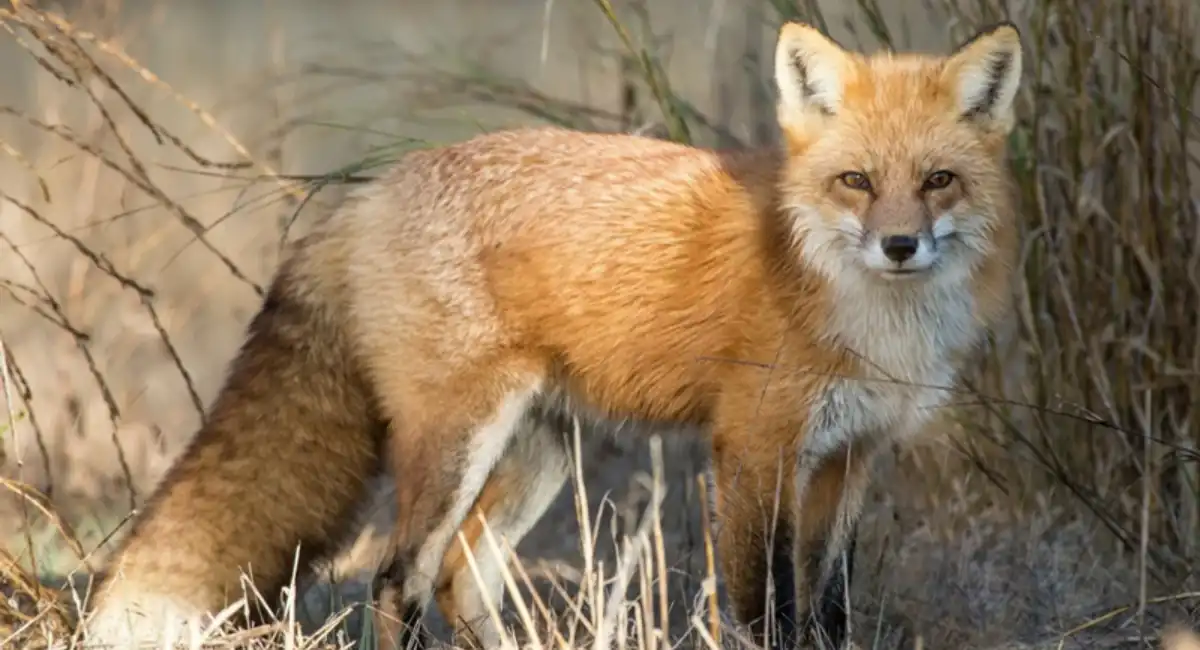
The red fox boasts a striking rusty-red coat, bushy tail, and pointed ears, making it a captivating sight in forests, grasslands, and suburban areas. This adaptable creature thrives in various habitats, showcasing its cunning ability to blend into diverse environments, which is essential for both hunting and evasion from predators.
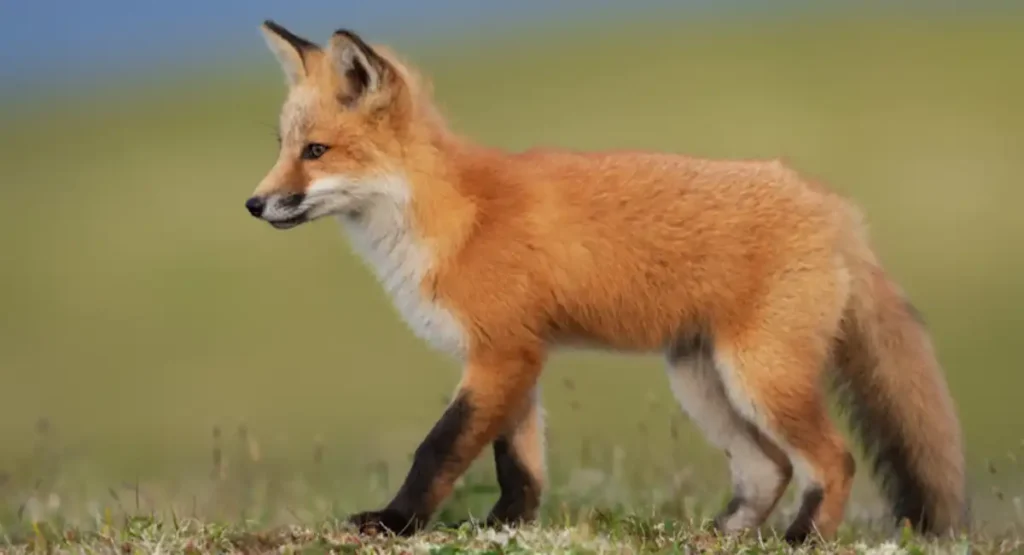
Renowned for its intelligence, the red fox uses deceptive strategies to outwit both prey and rivals. Research indicates that foxes engage in “false caching,” where they bury food in multiple locations to mislead competitors about their real stash.
Foxes aren’t the only ones with a knack for blending survival instinct with sharp thinking; several animals similar to foxes share this same mix of adaptability and cunning, making them equally fascinating to study in the wild.
Chimpanzee
Scientific Name: Pan troglodytes
Class: Mammalia
Diet: Omnivore
Chimpanzees are social primates, often found in the dense rainforests and savannas of Africa, characterized by their expressive faces and strong bodies. Their remarkable dexterity and ability to use tools underscore their reputation as one of the most cunning animals in the animal kingdom.
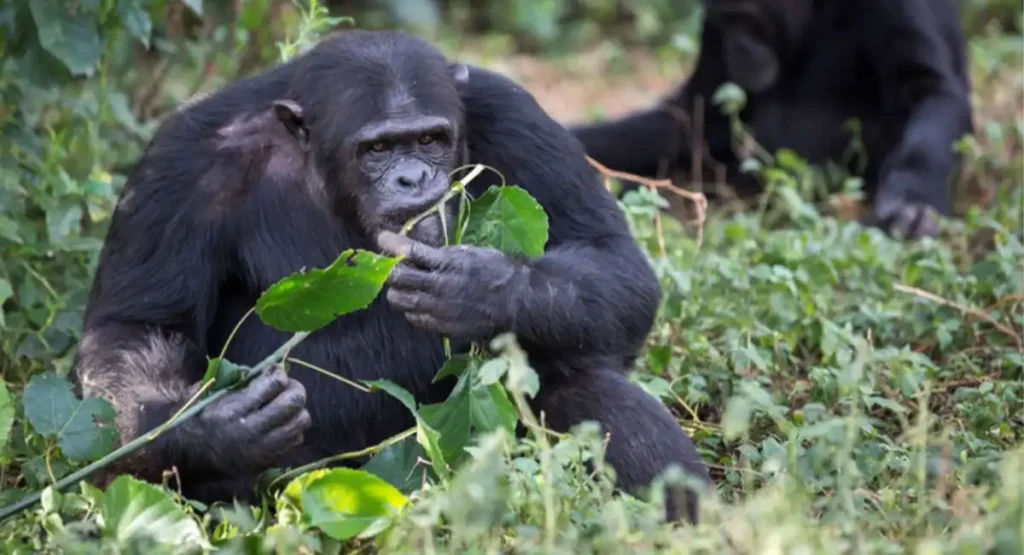
They demonstrate exceptional problem-solving skills and memory, often employing tools like sticks to extract termites a testament to their strategic thinking. A fascinating observation shows chimps can remember the faces of other individuals for years, aiding them in social manipulation and forming alliances.
Octopus
Scientific Name: Octopus vulgaris
Class: Cephalopoda
Diet: Carnivore
The octopus features a bulbous body, soft arms dotted with suckers, and exhibits a fascinating ability to change color for camouflage. Living in oceanic environments, their fluid form aids in evading predators, and their cunning nature is evident in their problem-solving skills underwater.
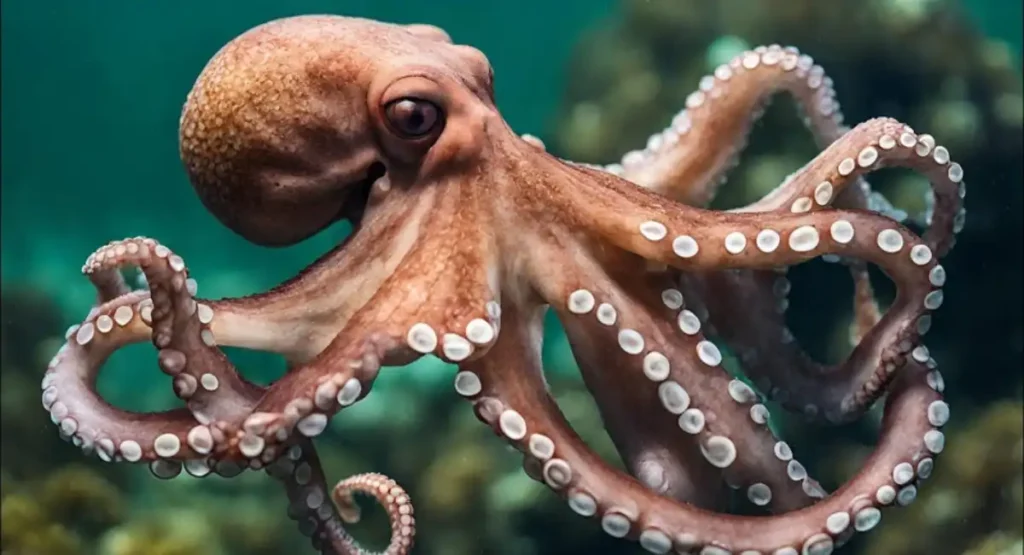
Renowned for their intelligence, octopuses display impressive behaviors such as escaping enclosures and using tools, like coconut shells for shelter. Scientific studies show their ability to learn through observation is a rare skill in the animal kingdom, showcasing strategic thinking and adaptability.
New Caledonian Crow
Scientific Name: Corvus moneduloides
Class: Aves
Diet: Omnivore
With glossy black feathers and a distinctive curved bill, the New Caledonian crow inhabits the forests of New Caledonia, showcasing its adaptability in various environments. This bird stands out not only for its striking appearance but also for its impressive cognitive abilities, marking it as a leader among cunning animals.
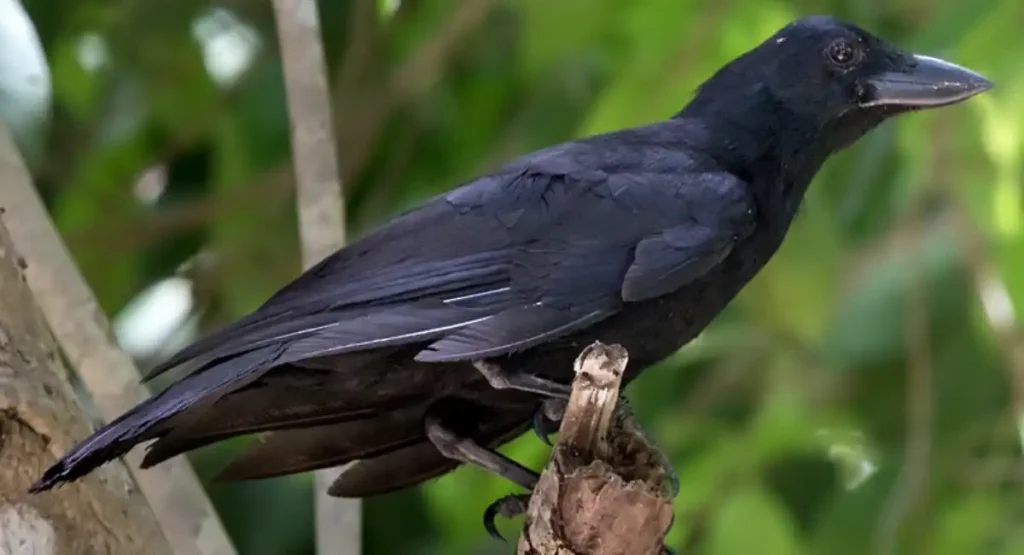
This species is known for its exceptional tool-making skills; they expertly craft tools from twigs and leaves to access hard-to-reach food sources. Research highlights their ability to plan up to six moves ahead when solving complex problems an ability previously thought to be exclusive to humans.
Common Raven
Scientific Name: Corvus corax
Class: Aves
Diet: Omnivore
The common raven features an impressive wingspan and glossy black plumage, thriving in diverse environments such as mountains, forests, and even urban settings. Their adaptability not only enhances their survival but also demonstrates their cunning nature, marked by intelligence and social complexity.
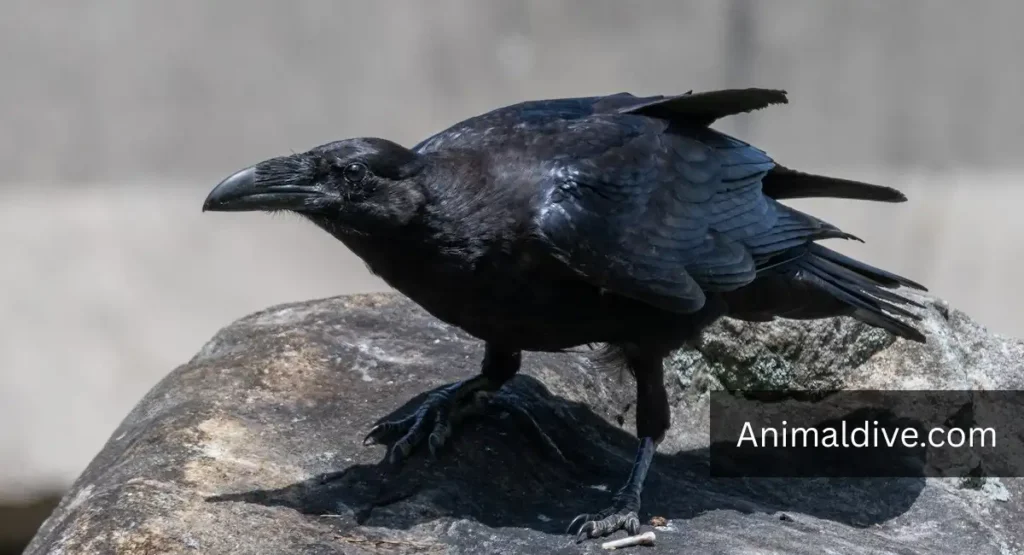
Ravens display advanced problem-solving skills, utilizing creative tactics to obtain food such as stealing from other animals or manipulating their environment. Studies reveal that they can recognize human faces and remember those who have previously threatened them, showcasing their remarkable memory and strategic thinking.
Coyote
Scientific Name: Canis latrans
Class: Mammalia
Diet: Omnivore
The coyote can be identified by its slender frame, pointed ears, and bushy tail, commonly found in North America’s diverse landscapes, from deserts to urban settings. This adaptability makes the coyote one of the most cunning animals, exploiting various ecological niches to thrive.
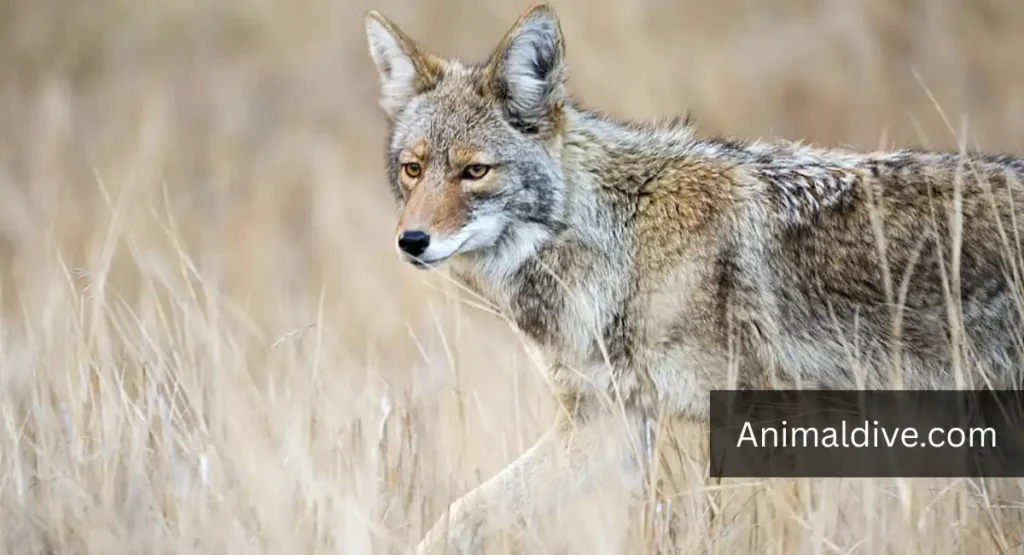
Coyotes exhibit strategic hunting behaviors, often working in pairs or packs to outsmart prey. Studies reveal their ability to exploit human activities, such as scavenging in urban areas, demonstrating their exceptional problem-solving skills and rapid adaptability. This opportunistic streak places the coyote alongside some of the more resourceful scavenger animals in the world, many of which have similarly learned to thrive by exploiting human environments rather than avoiding them.
Dolphin (Bottlenose Dolphin)
Scientific Name: Tursiops truncatus
Class: Mammalia
Diet: Carnivore
Bottlenose dolphins are among the most intelligent marine animals, making them a perfect example of cunning animals. Found in oceans and coastal waters around the world, they use advanced communication, teamwork, and problem-solving skills to hunt fish and avoid danger.
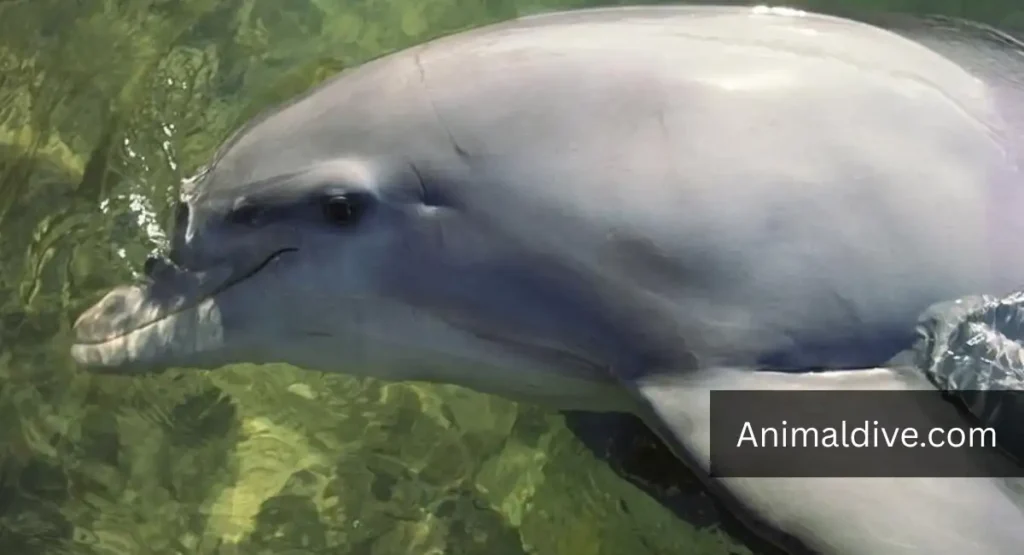
Their cunning nature is also evident in cooperative hunting strategies. Groups of dolphins work together to herd fish into tight schools before taking turns feeding, increasing their chances of success.
Orca (Killer Whale)
Scientific Name: Orcinus orca
Class: Mammalia
Diet: Carnivore
With their striking black and white coloration, orcas navigate both coastal and open ocean waters, exhibiting agility and speed. These apex predators showcase their cunning through sophisticated hunting techniques that highlight their intelligence and social dynamics.
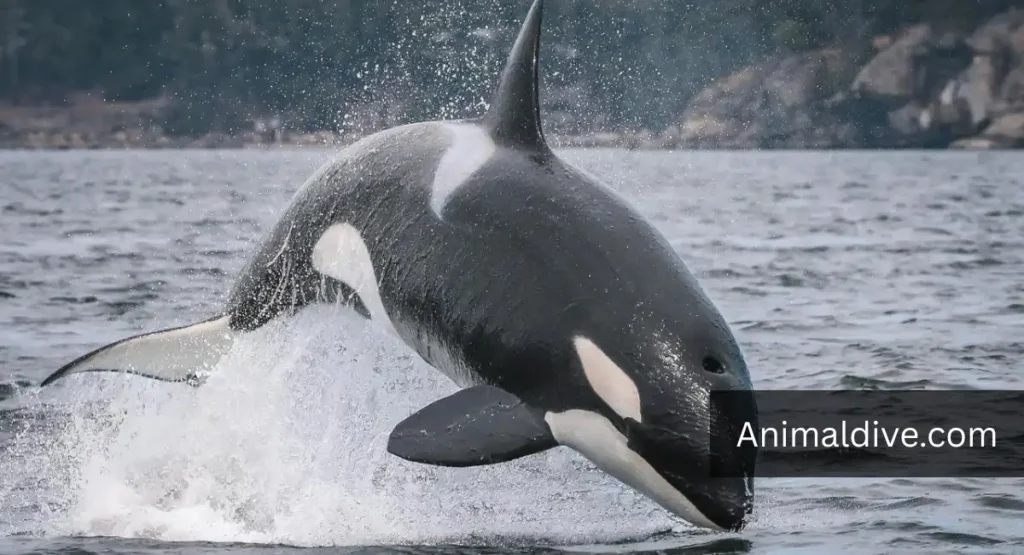
Orcas exhibit a remarkable level of coordination during hunting, often employing strategies like creating waves to wash seals off ice floes. Research indicates that orcas can pass complex cultural knowledge through generations, reflecting deep social learning and memory capabilities.
Crocodile (Nile Crocodile)
Scientific Name: Crocodylus niloticus
Class: Reptilia
Diet: Carnivore
The Nile crocodile is one of the most cunning animals in the world, known for its patience, intelligence, and strategic hunting techniques. Native to rivers, lakes, and wetlands across sub-Saharan Africa, it often waits motionless for hours until prey comes close enough to attack.
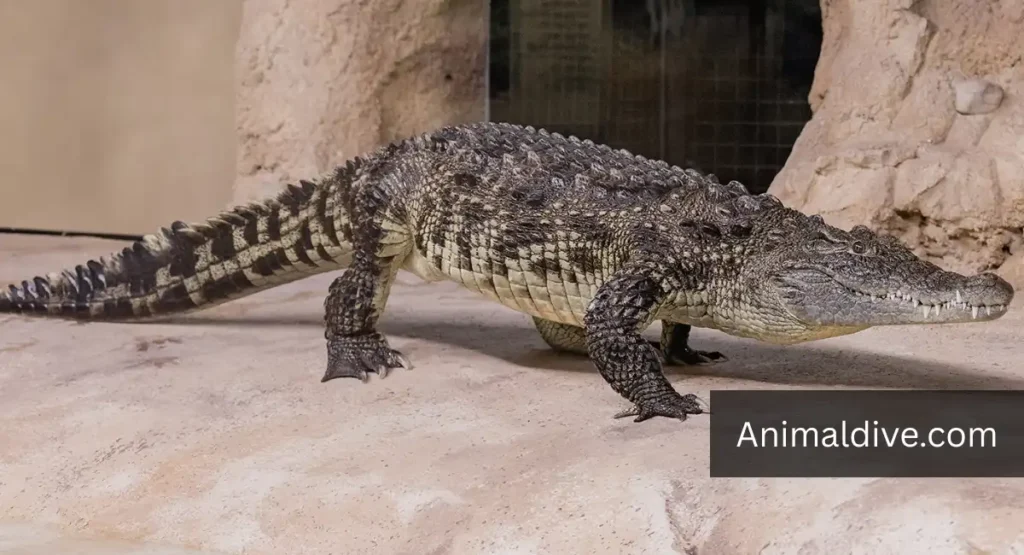
One of the crocodile’s cleverest behaviors is using environmental awareness to catch prey. During the nesting season of some birds, Nile crocodiles have been observed balancing sticks on their snouts to attract birds searching for nesting materials. This kind of stillness is a survival skill in itself, and it’s part of why the Nile crocodile also ranks among the most patient animals in the world, capable of waiting motionless for hours without giving away its position.
Fork-tailed Drongo
Scientific Name: Dicrurus adsimilis
Class: Aves
Diet: Insectivore
With sleek, black feathers and a distinctive forked tail, the fork-tailed drongo is frequently seen in open savannas and woodland edges in Africa. Its striking appearance is complemented by its cunning behavior, as this bird showcases remarkable intelligence in an often dangerous environment.
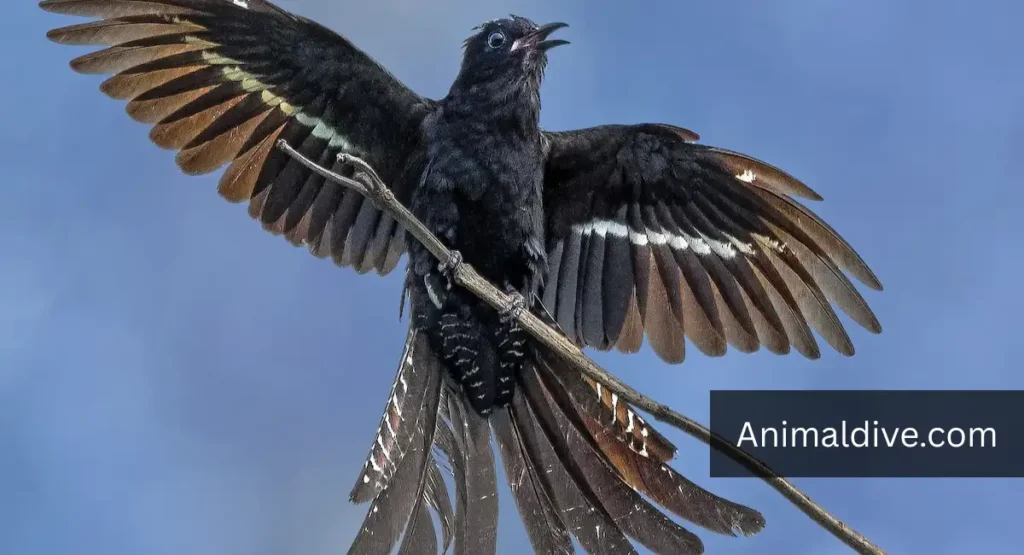
Drongos are known for their trait of mimicking the alarm calls of other species, allowing them to scare away animals at feeding times. Research has revealed that they can engage in deceptive signaling, positioning themselves to benefit from the chaos they create.
Cunning Animals Vs Sneaky Animals
Although the terms cunning and sneaky are often used interchangeably, they describe different survival strategies in the animal kingdom. Cunning animals rely on intelligence, planning, problem-solving, and deception to outsmart predators or prey. In contrast, sneaky animals depend more on stealth, camouflage, silence, and surprise attacks to avoid detection or ambush their targets.
Many animals can be both cunning and sneaky, but their primary survival method determines how they are classified. For example, a fox is considered cunning because it adapts its hunting strategies, while a leopard is known for its stealth and ambush techniques.
| Feature | Cunning Animals | Sneaky Animals |
|---|---|---|
| Main Survival Strategy | Intelligence and planning | Stealth and camouflage |
| Hunting Style | Strategy, deception, and problem-solving | Ambush and surprise attacks |
| Intelligence Level | High cognitive ability | Mostly instinct-driven |
| Common Behavior | Tool use, trickery, learning, and adaptation | Hiding, silent movement, blending into surroundings |
| Best Examples | Red Fox, Chimpanzee, Crow, Octopus | Leopard, Owl, Leaf-tailed Gecko, Cuttlefish |
| Primary Goal | Outsmart predators or prey | Remain unseen until the right moment |
Amazing Facts About Cunning Animals
- Cunning animals often exhibit complex problem-solving skills that rival those of humans in certain scenarios.
- The octopus uses its incredible intelligence to escape predators and solve puzzles, showcasing its remarkable adaptability.
- Crows can fashion tools from sticks and even remember faces, demonstrating their impressive cognitive abilities.
- Foxes employ a clever hunting technique called “mousing,” where they leap into the snow to surprise their prey.
- Dolphins have been observed using sea sponges to protect their snouts while foraging on the ocean floor, a testament to their cunning nature.
- Raccoons show a high level of dexterity and intelligence, using their nimble paws to open containers and unlock traps.
- Even in social structures, cunning animals like wolves and hyenas use strategic teamwork to enhance their hunting efficiency.
These insights reveal that cunning animals are not just survivors; they are strategists in their environments, adapting in ways that often leave us in awe. Their unique behaviors challenge our understanding of intelligence in the animal kingdom, inviting us to reconsider what it means to be ‘smart’ in the wild.
Can Animals Really Trick Each Other?
Cunning animals engage in an array of deceptive behaviors, showcasing their remarkable adaptability and intelligence. Mimicry is a fascinating example, where species like the stick insect blend seamlessly into their surroundings, effectively avoiding predators while tricking their next meal.
Disturbingly clever distraction tactics are found in the animal kingdom, particularly among birds like the killdeer, which feign injury to lure threats away from their nests. Learned behaviors develop over time as animals observe the successes and failures of others, further enhancing their cunning.
Conclusion
The study of cunning animals reveals a captivating world where intelligence and adaptability take center stage. These creatures demonstrate that planning and problem-solving skills often outweigh mere physical strength.
From the crafty fox to the resourceful octopus, their unique strategies for survival highlight the importance of wit in the animal kingdom. Understanding these behaviors not only deepens our appreciation for wildlife but also reminds us that cleverness often triumphs in the face of challenges.
FAQs
Which Animal Is Clever and Cunning?
The red fox is considered both clever and cunning because it combines intelligence with strategic behavior. It carefully observes its surroundings, changes tactics based on situations, and uses calculated hunting methods to catch prey.
What Type of Animal Is Cunning?
Cunning animals are species that use intelligence, strategy, deception, planning, and problem-solving to survive. Instead of relying only on speed or strength, they outsmart predators or prey using clever behaviors.
What Animal Is the Most Sly?
The octopus is often considered the most sly animal because of its incredible camouflage and escape abilities.
Who Is a Very Cunning Animal?
The red fox is one of the most cunning animals due to its clever hunting techniques and ability to adapt to different environments.
What Animal Is the Most Cunning?
The red fox is widely regarded as the most cunning animal in the world. It relies on intelligence, patience, and adaptability rather than strength to hunt prey and avoid predators.