Top 25 Most Docile Animals In The World (With Pictures, Facts & Friendly Nature)
The Most Docile Animals in the World showcase a remarkable side of wildlife that often goes unnoticed. These creatures, characterized by their friendly demeanor and calm temperament, remind us that not all animals need to be fearsome to be fascinating.
Let’s explore 25 of the most endearing and gentle species, accompanied by stunning pictures and essential facts. By the end, you’ll not only understand what makes these animals so lovable but also appreciate their importance in our ecosystem.
What Are Docile Animals?
Docile animals are often characterized by their gentle and calm demeanor, making them more easily approachable and manageable than their more aggressive counterparts.
Unlike tame animals, which have been trained or bred for specific interactions with humans, docile animals naturally exhibit a serene temperament and a disposition that invites companionship, showcasing traits of trust and sociability without extensive conditioning.
Various factors contribute to the natural calmness of some animals, including genetics, environment, and socialization. Species that have evolved alongside humans like dogs and cats tend to display more docile behaviors, primarily because of their long-standing relationships with people.
Why Are Some Animals Naturally Calm?
Certain animals exhibit a naturally calm demeanor due to their genetic makeup. Breeding practices, along with evolutionary adaptations, have selected for traits that favor tranquility, particularly in species that rely on peaceful coexistence within their environments.
The herbivore lifestyle significantly contributes to calmness in animals. Grazing species often experience less stress compared to their predatory counterparts, as their survival doesn’t hinge on aggressive confrontations. Furthermore, social behaviors such as forming tight-knit herds or communities enhance stability and reduce conflict, promoting a serene atmosphere.
This calm stands in sharp contrast to species built around stealth and evasion, such as the sneakiest animals in the world, whose survival depends on cunning rather than tranquility. The comparison makes clear that docility is its own evolutionary strategy, not a lesser one.
List of the Most Docile Animals In the World
| No. | Animal | Scientific Name | Class | Diet |
| 1 | Capybara | Hydrochoerus hydrochaeris | Mammalia | Herbivore |
| 2 | Manatee | Trichechus manatus | Mammalia | Herbivore |
| 3 | Quokka | Setonix brachyurus | Mammalia | Herbivore |
| 4 | Rabbit | Oryctolagus cuniculus | Mammalia | Herbivore |
| 5 | Guinea Pig | Cavia porcellus | Mammalia | Herbivore |
| 6 | Cow | Bos taurus | Mammalia | Herbivore |
| 7 | Sheep | Ovis aries | Mammalia | Herbivore |
| 8 | Llama | Lama glama | Mammalia | Herbivore |
| 9 | Alpaca | Vicugna pacos | Mammalia | Herbivore |
| 10 | Horse | Equus ferus caballus | Mammalia | Herbivore |
| 11 | Elephant | Loxodonta africana / Elephas maximus | Mammalia | Herbivore |
| 12 | Dolphin (Bottlenose Dolphin) | Tursiops truncatus | Mammalia | Carnivore |
| 13 | Giant Tortoise | Chelonoidis nigra | Reptilia | Herbivore |
| 14 | Bearded Dragon | Pogona vitticeps | Reptilia | Omnivore |
| 15 | Dog | Canis lupus familiaris | Mammalia | Omnivore |
| 16 | Cat | Felis catus | Mammalia | Carnivore |
| 17 | Deer | Cervidae | Mammalia | Herbivore |
| 18 | Goat | Capra hircus | Mammalia | Herbivore |
| 19 | Swan | Cygnus olor | Aves | Omnivore |
| 20 | Dove | Columba livia domestica | Aves | Herbivore |
| 21 | Penguin | Spheniscidae | Aves | Carnivore |
| 22 | Red Panda | Ailurus fulgens | Mammalia | Omnivore |
| 23 | Sloth | Bradypus variegatus | Mammalia | Herbivore |
| 24 | Koala | Phascolarctos cinereus | Mammalia | Herbivore |
| 25 | Donkey | Equus africanus asinus | Mammalia | Herbivore |
Capybara
Scientific Name: Hydrochoerus hydrochaeris
Class: Mammalia
Diet: Herbivore
Habitat: South American wetlands
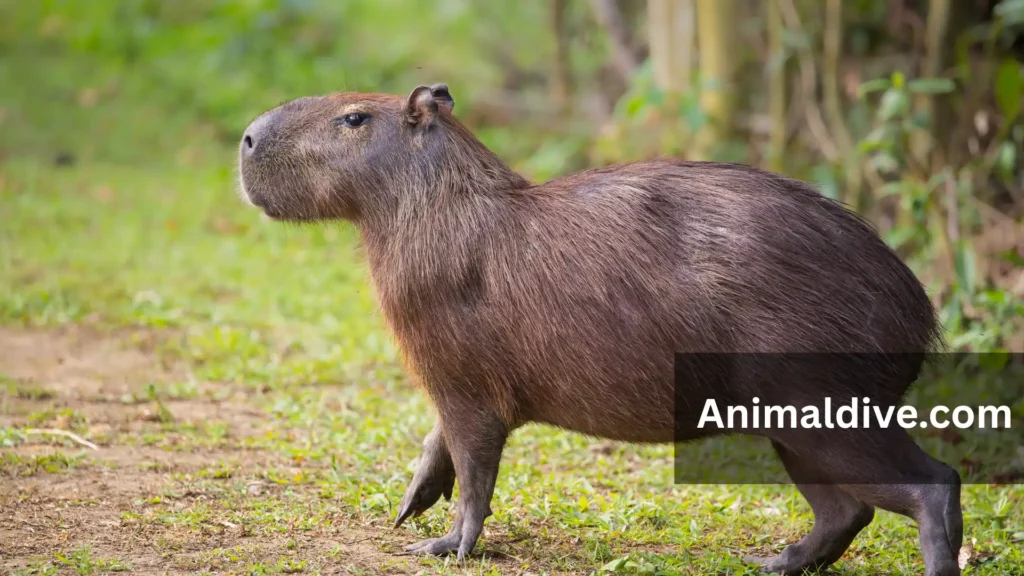
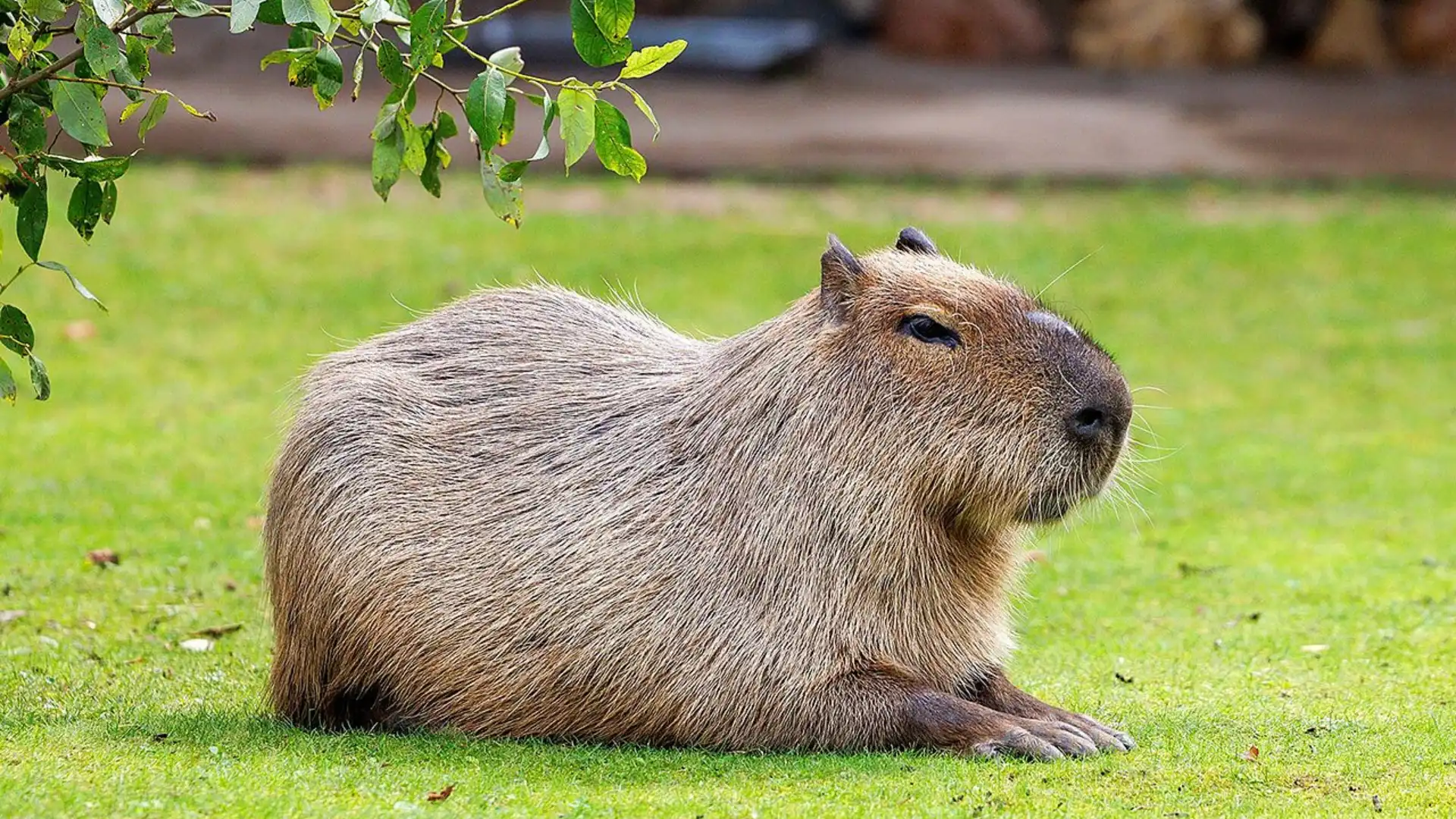
The capybara is often considered one of the most docile animals in the world, known for its friendly demeanor and social behavior. These gentle giants thrive in groups, often seen lounging together in the wild, which makes them an endearing sight for wildlife enthusiasts.
Their texture of soft fur and their calm nature makes them popular in both petting zoos and as exotic pets. Observers revel in their interactions with a variety of other species, showcasing their harmonious relationship within diverse ecosystems.
Manatee
Scientific Name: Trichechus
Class: Mammalia
Diet: Herbivore
Habitat: Coastal waters and rivers
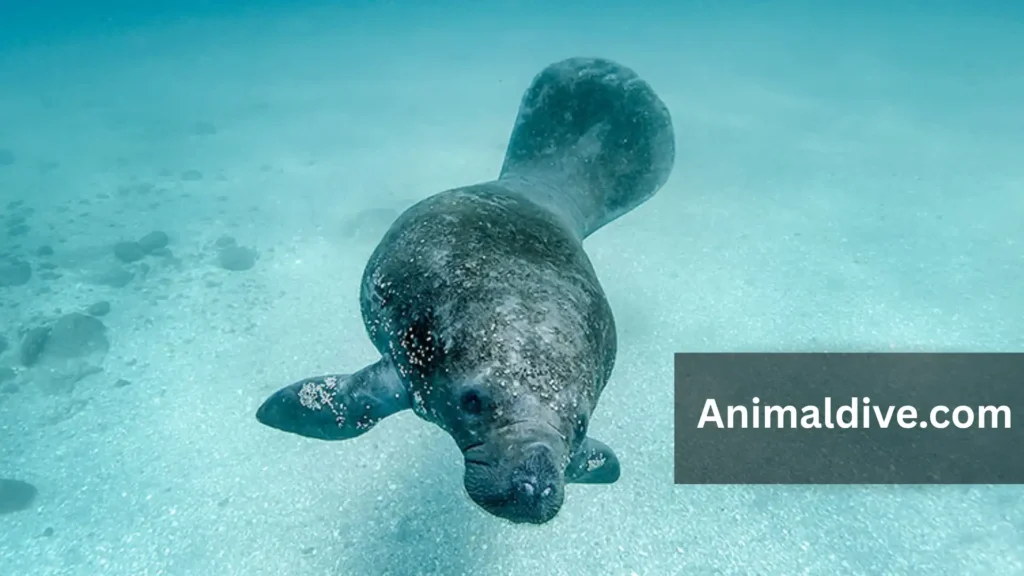
Manatees, affectionately known as sea cows, glide peacefully through warm waters, embodying tranquility. These large marine mammals are not only gentle but are also known for their curiosity, often approaching humans in a friendly manner.
Their docile nature extends to their feeding habits, spending up to eight hours a day munching on aquatic plants. Observing manatees in their natural habitat is a reminder of the serenity oceans can offer amidst our busy lives.
Quokka
Scientific Name: Setonix brachyurus
Class: Mammalia
Diet: Herbivore
Habitat: Australia
Often dubbed “the happiest animal on Earth,” quokkas are small marsupials that charm with their perpetual smiles and friendly nature. Native to Australia, these nocturnal creatures exhibit sociable behaviors, often approaching humans for a friendly interaction.
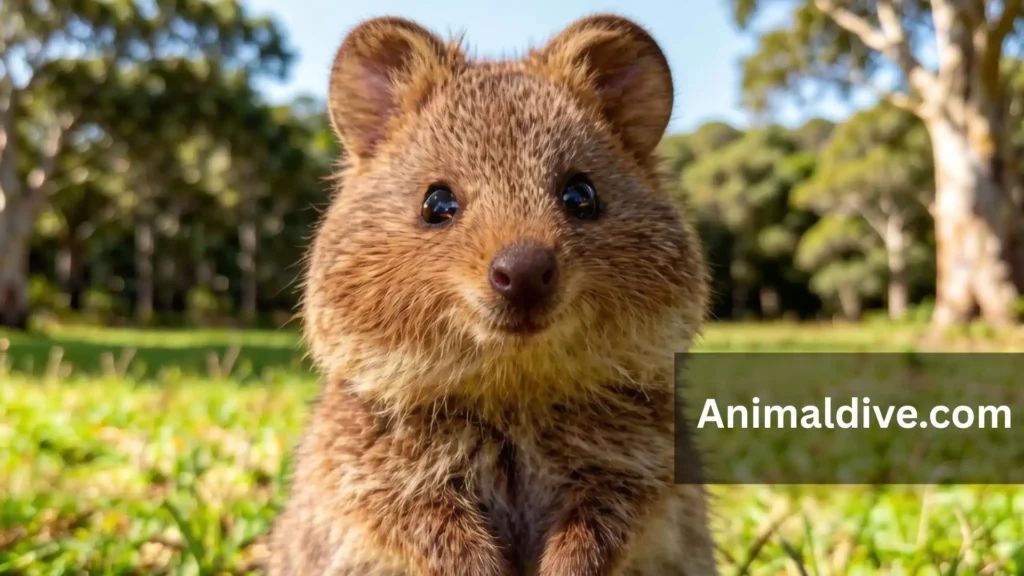
Their adorable faces and easygoing disposition have made them a sensation on social media, with countless photos capturing their lighthearted spirit. Whether in the wild or in conservation centers, their playful nature makes them unforgettable companions.
Rabbit
Scientific Name: Oryctolagus cuniculus
Class: Mammalia
Diet: Herbivore
Habitat: Diverse regions worldwide
Rabbits are known for their gentle demeanor and strong social instincts, often thriving in groups when given the opportunity. Their soft fur and endearing hop make them favorite companions for families, especially children.
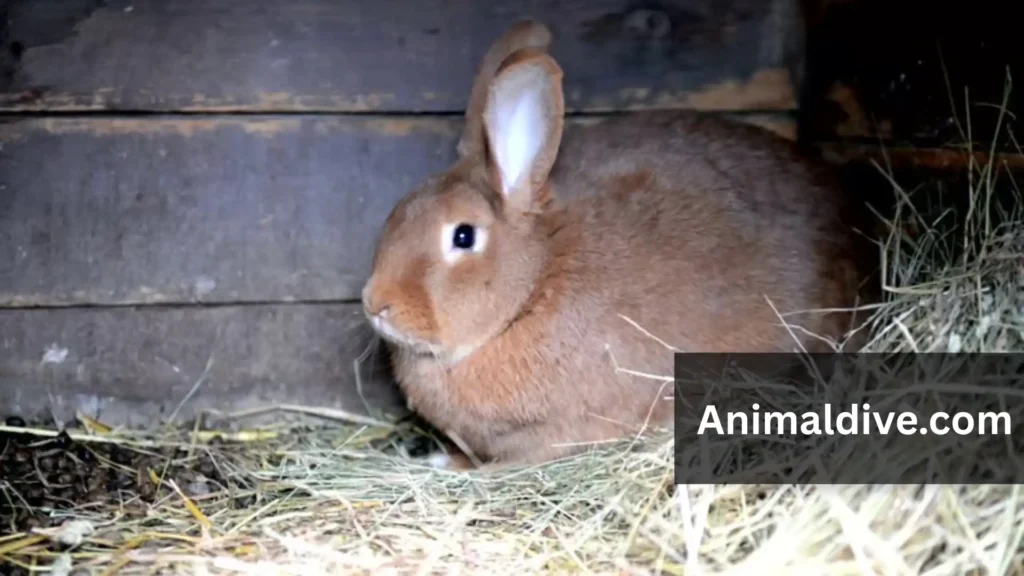
Domesticated rabbits bond closely with their owners, showcasing their docility and affectionate nature. This connection makes them one of the most beloved pet choices, demonstrating how pure and innocent interactions can enrich our lives.
Guinea Pig
Scientific Name: Cavia porcellus
Class: Mammalia
Diet: Herbivore
Habitat: Native to the Andes in South America
Guinea pigs are small rodents known for their vocalizations and affectionate personalities, making them one of the most docile animals in the world. They often communicate through chirps and whistles, indicating their eagerness for interaction.
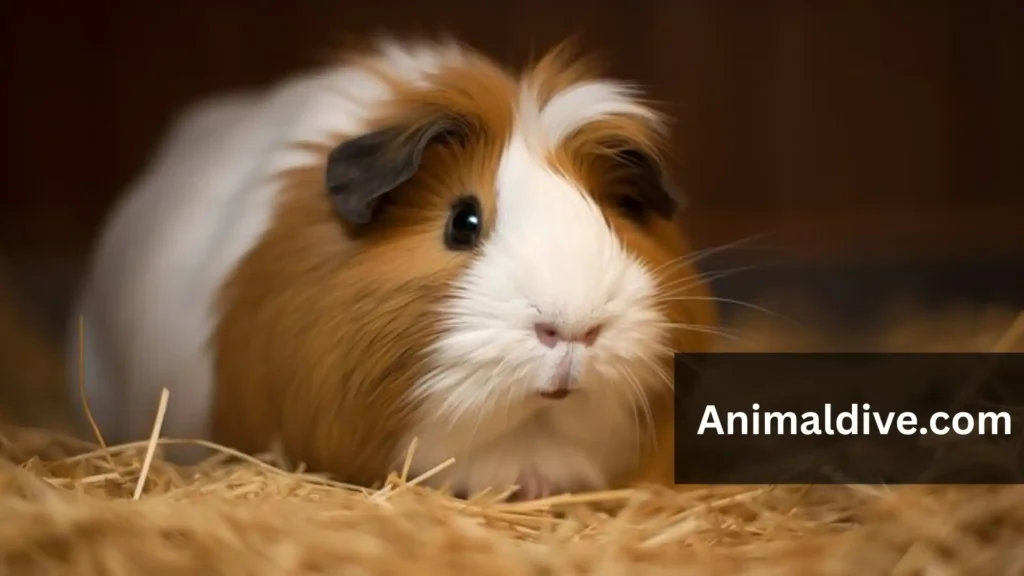
These friendly creatures quickly adapt to handling, forming strong bonds with their human companions. Their gentle disposition makes them ideal pets for families, promoting a sense of companionship that enriches daily life.
Cow
Scientific Name: Bos taurus
Class: Mammalia
Diet: Herbivore
Habitat: Domesticated all over the world
Cows are often celebrated for their docile nature and gentle disposition, particularly in pastoral settings. These animals form strong social bonds and possess impressive memories, which makes them endearing to those who work with them daily.
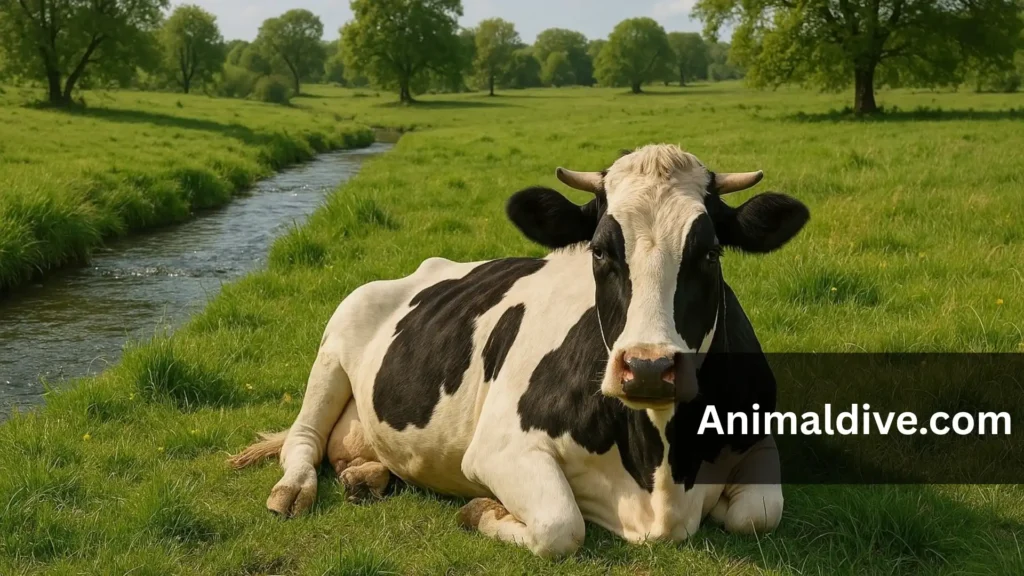
Their calm presence in herds illustrates a level of empathy and understanding among their kind. Recognizing cows for their emotional intelligence can shift perceptions, often inspiring greater respect towards their role in agriculture and ecology.
This kind of steady, unhurried temperament places cows among the most patient animals in the animal kingdom. Their tolerance for repetitive routines and close human contact is a defining trait of true docility
Sheep
Scientific Name: Ovis aries
Class: Mammalia
Diet: Herbivore
Habitat: Grasslands worldwide
Sheep are well-known for their flocking instincts, epitomizing the concept of community among the most docile animals in the world. Their calm demeanor allows them to navigate challenging environments, relying on each other for safety and comfort.
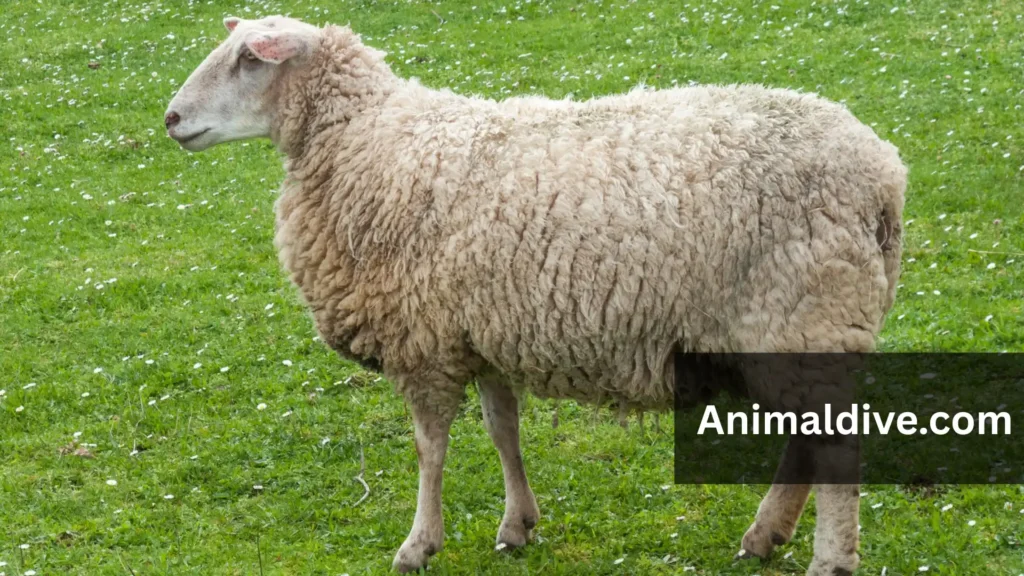
Their unique personalities, including inquisitive behaviors, make them intriguing companions. Engaging with sheep enhances appreciation for their significance in agriculture while showcasing their gentle and peaceful nature.
Llama
Scientific Name: Lama glama
Class: Mammalia
Diet: Herbivore
Habitat: Andes mountains of South America
Llamas are not only strikingly beautiful creatures but also incredibly docile and intelligent, often used as pack animals for their easygoing temperament. Their friendly nature and curiosity toward human interaction make them popular choices in agritourism and therapy programs.
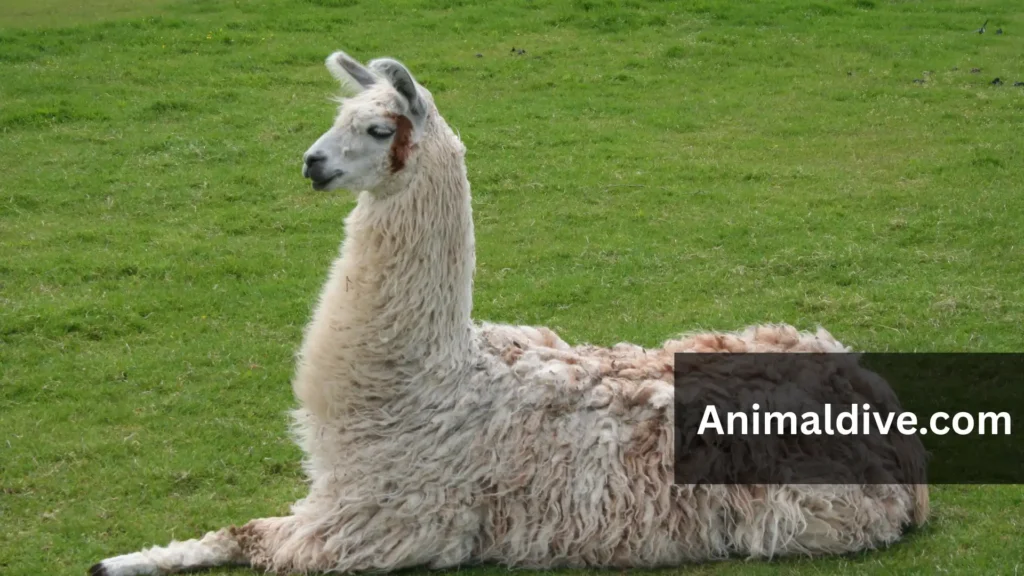
These social animals thrive in herds, displaying playful behaviors that enchant onlookers. Understanding the ease with which llamas adapt to human presence reveals a deeper bond between species that can lead to transformative experiences.
Alpaca
Scientific Name: Vicugna pacos
Class: Mammalia
Diet: Herbivore
Habitat: Andes of South America
Alpacas are celebrated for their soft fleece and gentle nature, often likened to the llamas from which they descended. Their sociable demeanor and low-key personality make them a joy to raise and an attraction at farms.
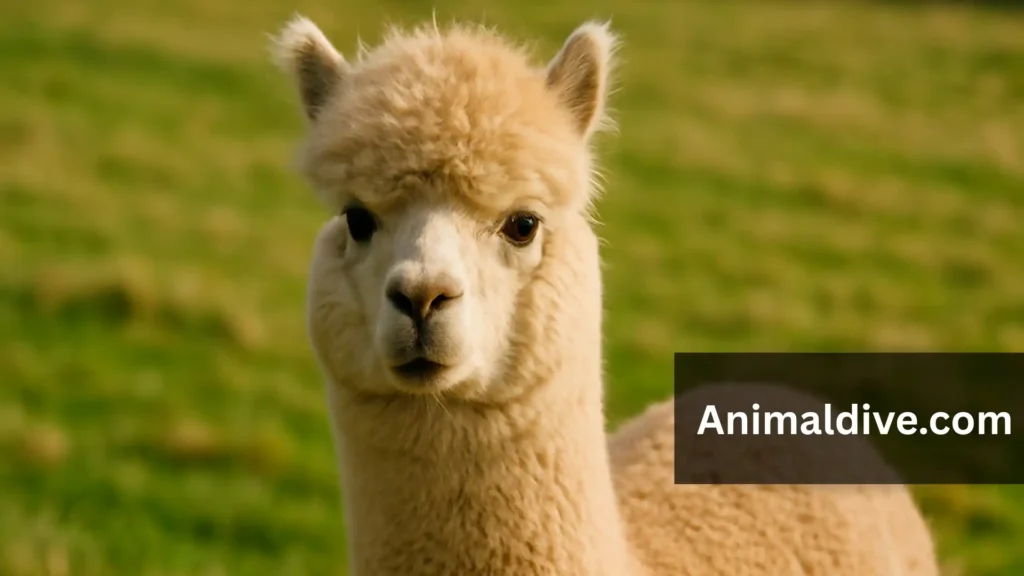
These affectionate creatures thrive on companionship, often seeking the company of humans or other animals. The serene presence of alpacas serves as a reminder of the joy found in simplicity and connection with nature.
Horse
Scientific Name: Equus ferus caballus
Class: Mammalia
Diet: Herbivore
Habitat: Worldwide, domesticated
Known for their beauty and majesty, horses are extremely gentle and intuitive animals that have been companions to humans for centuries. Their ability to sense emotions allows them to bond deeply with humans, making them perfect partners in both work and leisure.
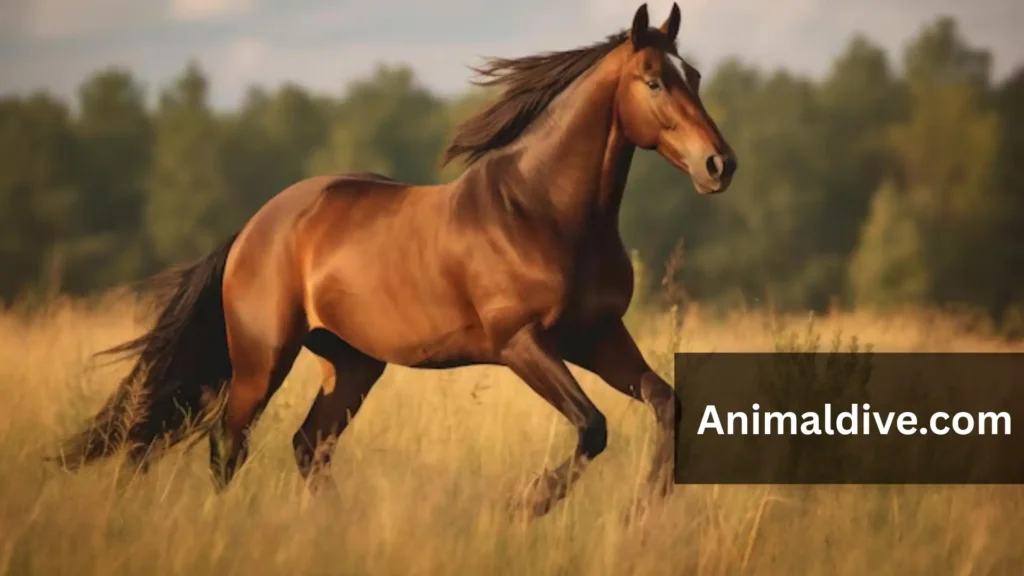
Horses exhibit a wide range of personalities, from spirited to sweet, demonstrating that their docility can vary, yet they are often highly trainable. This unique bond facilitates transformative relationships that enrich the lives of those who work closely with them.
Elephant
Scientific Name: Elephas maximus (Asian), Loxodonta africana (African)
Class: Mammalia
Diet: Herbivore
Habitat: Forests, grasslands, and savannas
Elephants are known for their emotional intelligence and matriarchal social structures, emphasizing their docile and affectionate nature. These gentle giants display strong bonds among family members, often nurturing their young with exceptional care.
Their trunks alone contain over 40,000 muscles, giving elephants the dexterity to perform tasks ranging from delicate to powerful a feature explored further in animals that have a trunk. This anatomical marvel underscores just how uniquely equipped elephants are for both survival and gentleness.
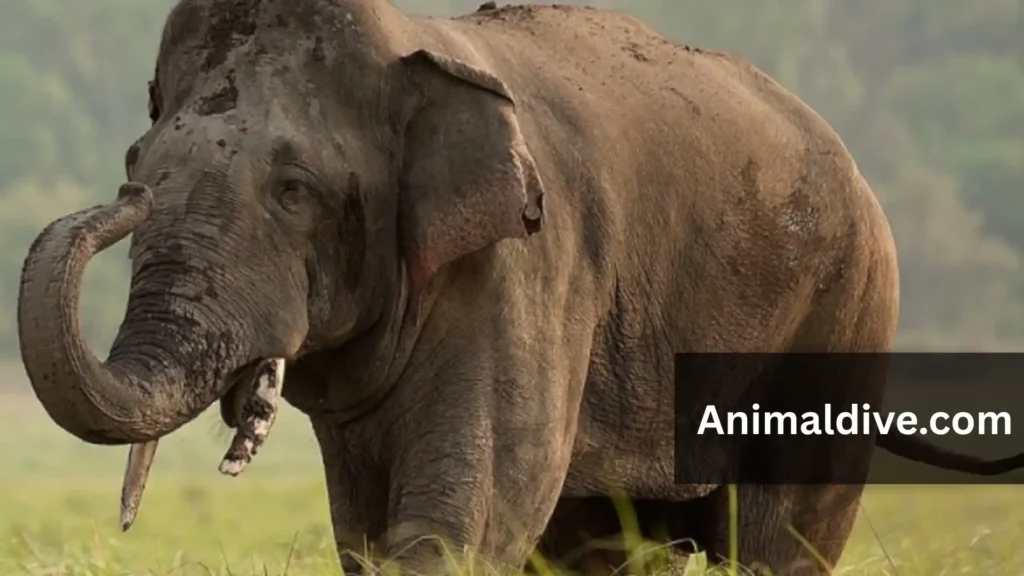
Their impressive memories and emotional capacity not only set them apart from many wildlife species but invite deep respect from humans who encounter them. Witnessing their calm interaction in the wild or captivity allows for a renewed appreciation of nature’s remarkable complexity.
Dolphin
Scientific Name: Delphinus delphis
Class: Mammalia
Diet: Carnivore
Habitat: Oceans worldwide
Dolphins are highly intelligent and social animals, often displaying friendly and playful behaviors that amaze onlookers. Their natural curiosity leads them to engage with humans, making them fascinating creatures in both the wild and captivity.

Through acrobatics and social interactions, dolphins embody joy and fun, showcasing their docile personality. Engaging with these mammals offers both thrilling experiences and valuable insights into their complex social structures, enriching our understanding of marine life.
Giant Tortoise
Scientific Name: Chelonoidis nigra
Class: Reptilia
Diet: Herbivore
Habitat: Galápagos Islands
Giant tortoises are among the most docile animals in the world, known for their slow movements and gentle demeanor. These ancient creatures are not just long-lived but also showcase remarkable resilience, adapting to their surroundings over the centuries.
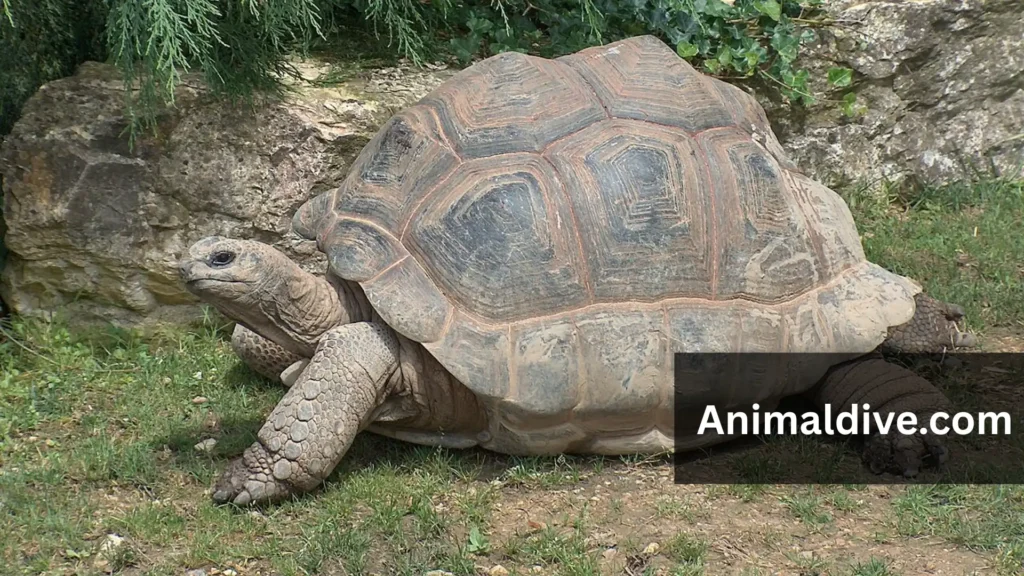
Their calm nature makes them a symbol of stability and longevity, embodying an ecosystem’s balance. Observing a giant tortoise in its natural habitat offers a meditative experience, allowing for reflection on our connection to nature and time.
Bearded Dragon
Scientific Name: Pogona vitticeps
Class: Reptilia
Diet: Omnivore
Habitat: Arid regions of Australia
Bearded dragons are friendly reptiles popular in the pet trade, known for their docile temperament and unique physical characteristics. Their calm nature allows them to interact well with humans, often basking in affection.
Despite the fearsome name, bearded dragons are far gentler than many other lizards that look like dragons, whose intimidating appearance can mask an equally calm temperament. Comparing the two highlights how looks rarely predict docility in reptiles.
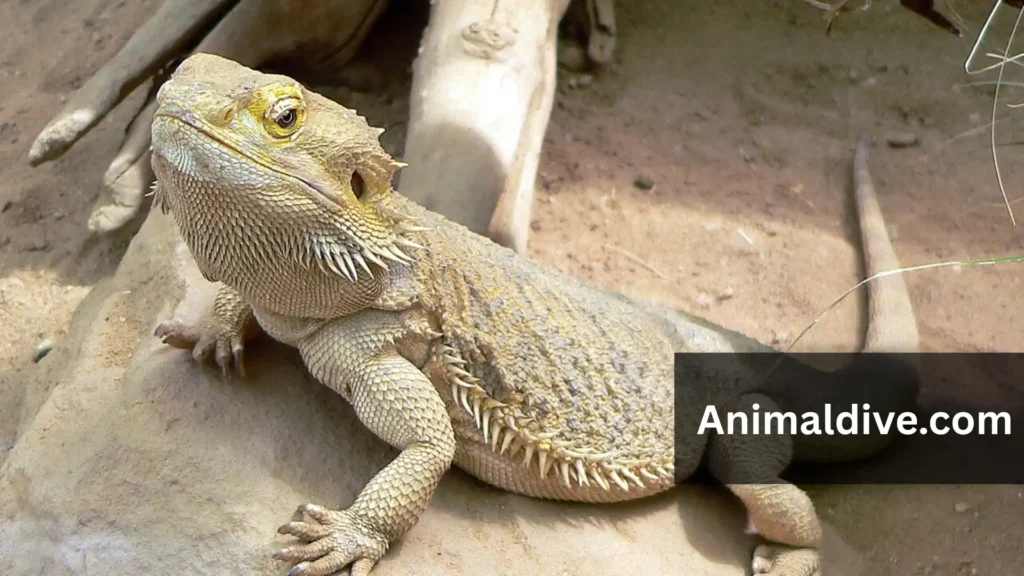
These lizards exhibit fascinating behaviors, including inflation of their throat pouch when feeling threatened, yet they are remarkably gentle companions. Recognizing the bond that can form with these exotic pets enriches appreciation for the diversity within the animal kingdom.
Dog
Scientific Name: Canis lupus familiaris
Class: Mammalia
Diet: Omnivore
Habitat: Domesticated around the world
Dogs are often known as “man’s best friend,” and for a good reason; their loyalty and gentle nature make them one of the most docile animals in the world. They have a remarkable ability to sense human emotions, often providing comfort and companionship when needed.

Regardless of breed, dogs exhibit unique personalities that enrich their relationships with humans. Their playful antics and affectionate behaviors serve to strengthen the bond between species, showing just how significant the human-animal connection can be.
Cat
Scientific Name: Felis catus
Class: Mammalia
Diet: Carnivore
Habitat: Domesticated globally
Cats are enigmatic yet docile companions known for their playful and affectionate behavior. While often seen as independent, their interactions reveal a capacity for deep bonds and trust with their owners.
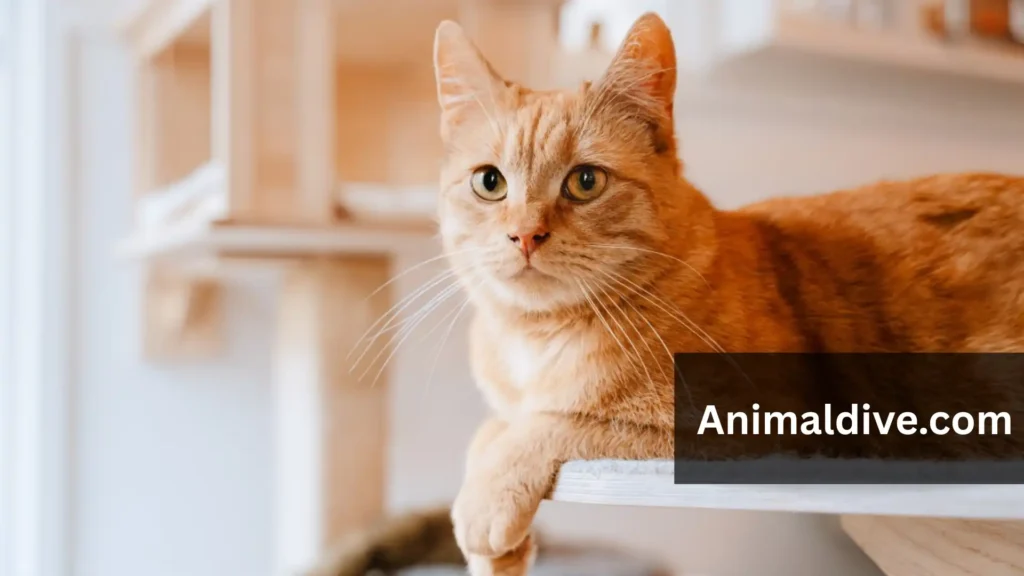
Their soothing presence can turn any home into a haven, providing calm companionship and the joy of shared moments. Understanding the nuances of cat behavior enriches relationships, highlighting their unique personalities in the feline world.
Deer
Scientific Name: Cervidae (family)
Class: Mammalia
Diet: Herbivore
Habitat: Various habitats, including forests and grasslands worldwide
Deer are graceful creatures that embody serenity and elegance, often roaming peacefully in their natural habitats. Their gentle nature allows them to coexist with various species without aggressive tendencies.
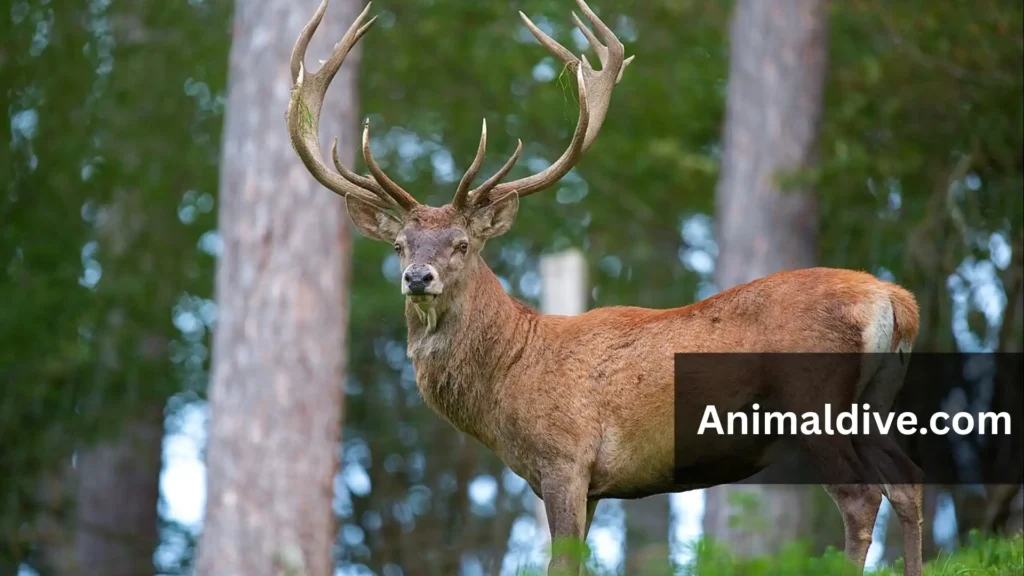
Observing deer in the wild fosters a deeper appreciation for wildlife and natural ecosystems. Their calm presence encourages mindfulness, reminding us to respect and coexist with the beauty surrounding us.
Goat
Scientific Name: Capra aegagrus hircus
Class: Mammalia
Diet: Herbivore
Habitat: Worldwide, often on farms
Goats are known for their curious and playful personalities, often exhibiting docility that makes them enjoyable companions. These social animals thrive in herds, displaying affectionate behaviors towards one another and their human caregivers.
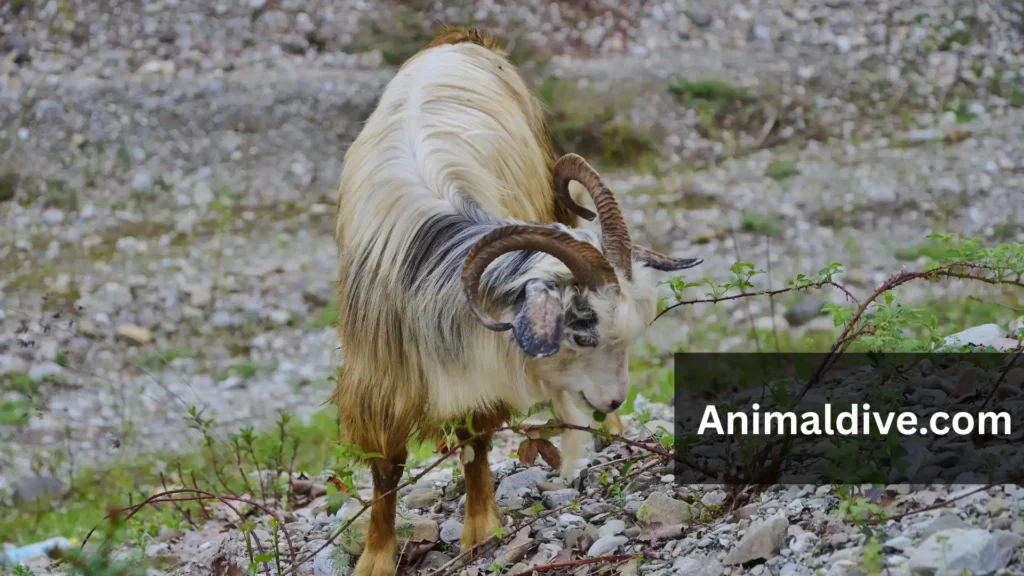
Their intelligence often surprises observers as they navigate environments with ease, showcasing their cleverness while remaining gentle. Engaging with goats opens a window to understanding how the human-animal bond can enrich daily life uniquely.
Swan
Scientific Name: Cygnus
Class: Aves
Diet: Herbivore
Habitat: Lakes and ponds worldwide
Swans have long been symbols of grace and beauty, their serene presence reflecting a gentle and docile nature. Often seen gliding effortlessly on water, these majestic birds possess a calm demeanor that enchants onlookers.
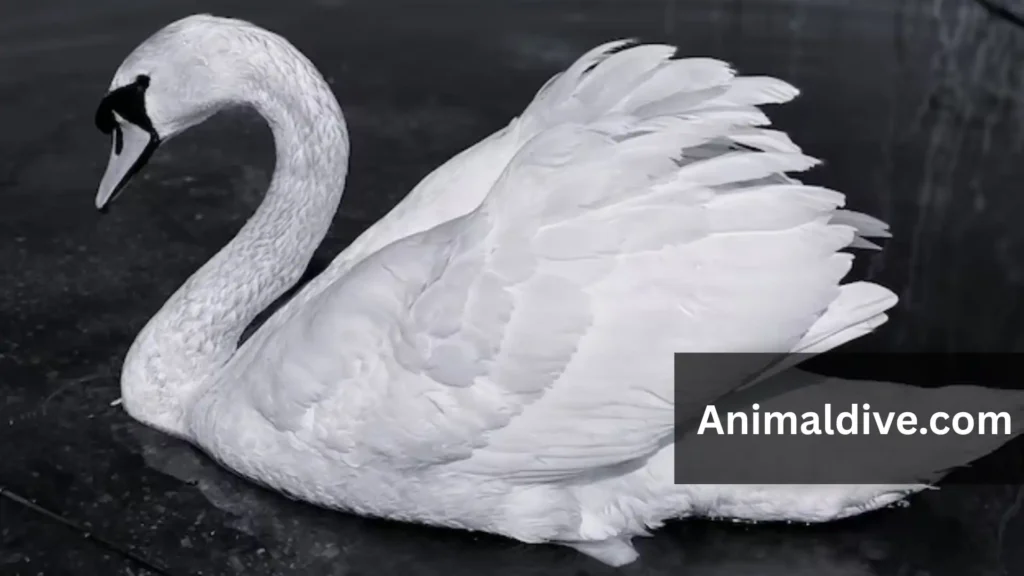
Their strong familial bonds and protective instincts create a nurturing environment for their cygnets, showcasing a blend of gentleness and strength. Observing swans can be an enriching experience, reminding us of nature’s radiant tranquility.
Dove
Scientific Name: Columbidae
Class: Aves
Diet: Herbivore
Habitat: Worldwide, often in urban areas
Doves are revered symbols of peace and love, known for their gentle appearance and soft cooing. Their docile nature allows for approachable interactions, whether in the wild or domesticated settings.
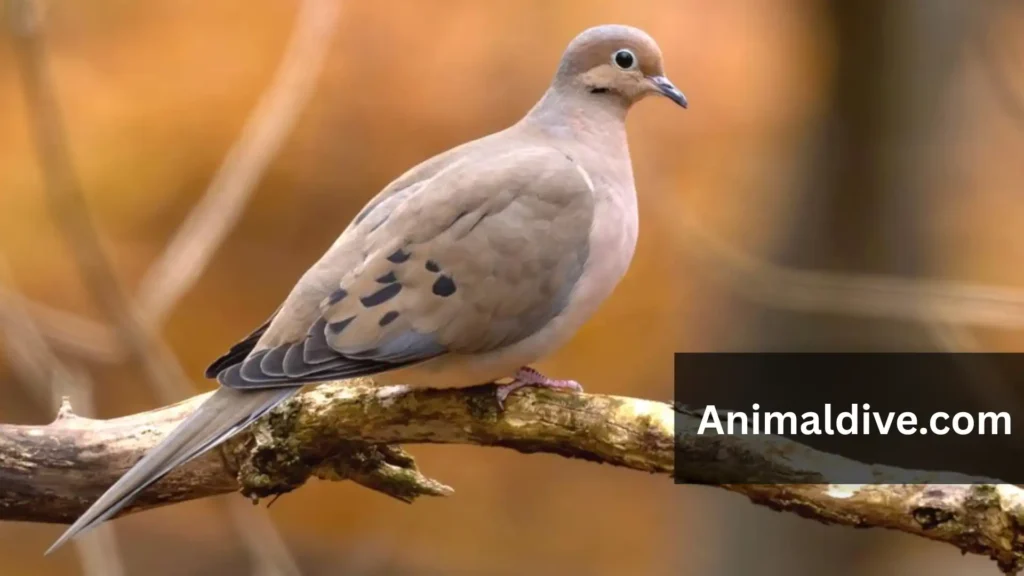
These birds often form strong, monogamous bonds, emphasizing loyalty and affection, which endears them to many. Interacting with doves can inspire a sense of tranquility, reflecting on their graceful movements and harmonious lifestyles.
Penguin
Scientific Name: Spheniscidae
Class: Aves
Diet: Carnivore
Habitat: Southern hemisphere, particularly Antarctica
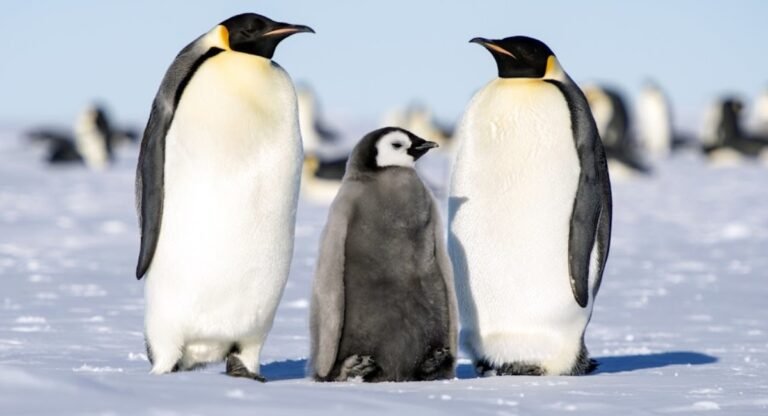
Penguins are not only adorable but also display a docile disposition, particularly in their social structures. Known for their affectionate parenting, these flightless birds offer a fascinating glimpse into cooperative behavior in the animal kingdom.
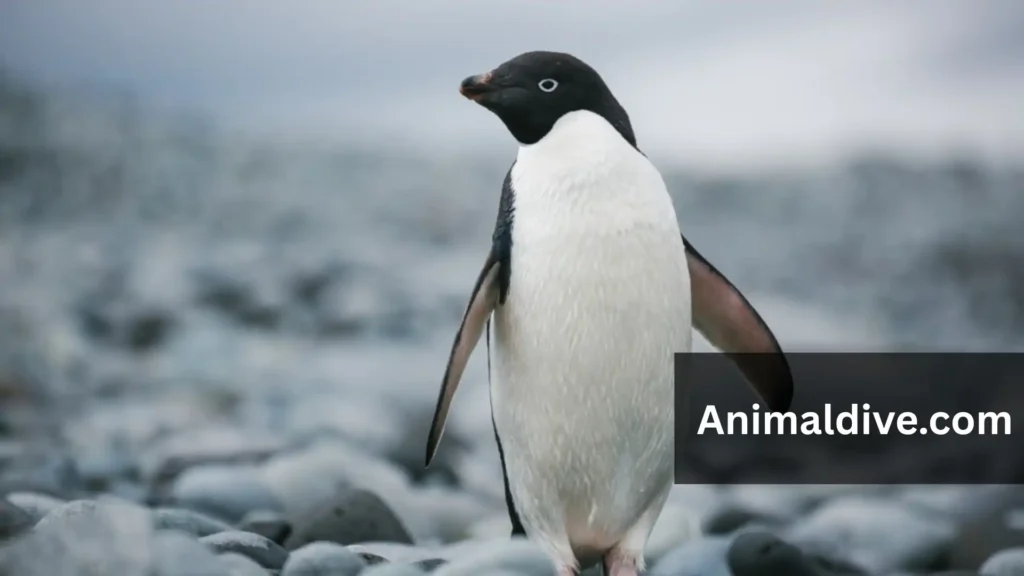
Their waddling gait and playful antics create endearing moments, making them favorites in wildlife documentaries and aquariums. Observing these charismatic birds can impart valuable lessons about teamwork and nurturing.
With over a dozen recognized species ranging from the tiny Little Blue Penguin to the towering Emperor, the diversity within this family is worth a closer look at types of penguins. Each species brings its own take on the same cooperative, docile spirit.
Red Panda
Scientific Name: Ailurus fulgens
Class: Mammalia
Diet: Herbivore
Habitat: Eastern Himalayas and southwestern China
Red pandas, with their striking appearance and playful nature, exhibit docility that endears them to many. Often found lounging in trees, their gentle demeanor and inquisitiveness make them popular in zoos and conservatories.
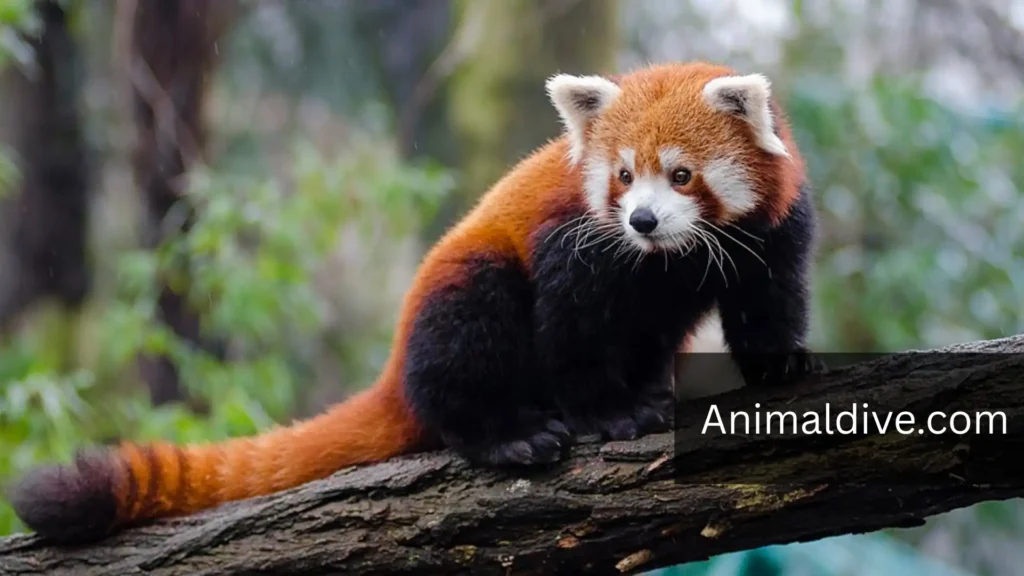
These charming creatures communicate through soft vocalizations and body language, enriching interspecies relationships. Engaging with red pandas inspires admiration for conservation efforts as we learn more about their unique habitats and challenges.
Sloth
Scientific Name: Bradypus
Class: Mammalia
Diet: Herbivore
Habitat: Tropical rainforests of Central and South America
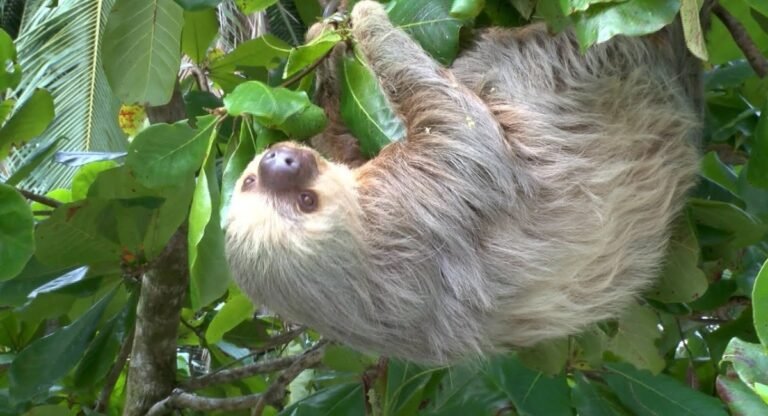
Sloths are embodying tranquility, moving slowly and deliberately through their tree-top homes. Their docile nature allows them to thrive in dense foliage, rarely displaying aggression even when approached by predators.
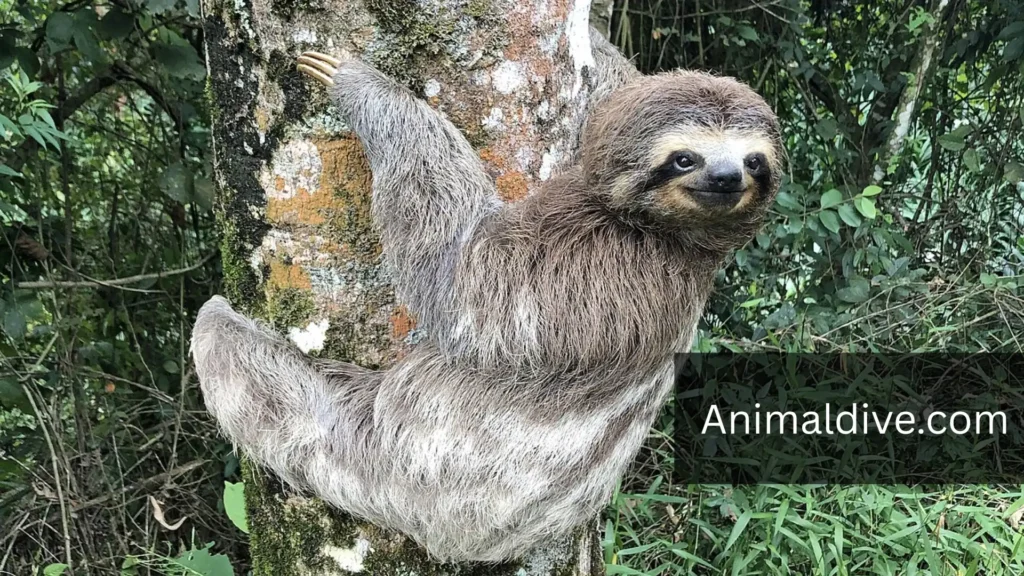
Observing these unique mammals can have a calming effect, emphasizing the beauty of living in the moment. Sloths remind us to slow down and appreciate life’s simple pleasures amidst the rush of modernity.
Koala
Scientific Name: Phascolarctos cinereus
Class: Mammalia
Diet: Herbivore
Habitat: Eucalyptus forests of Australia
Koalas are renowned for their cuddly appearance and extraordinarily calm demeanor, often resting in the boughs of eucalyptus trees. Their gentle disposition makes them iconic symbols of Australian wildlife, attracting visitors from around the world.
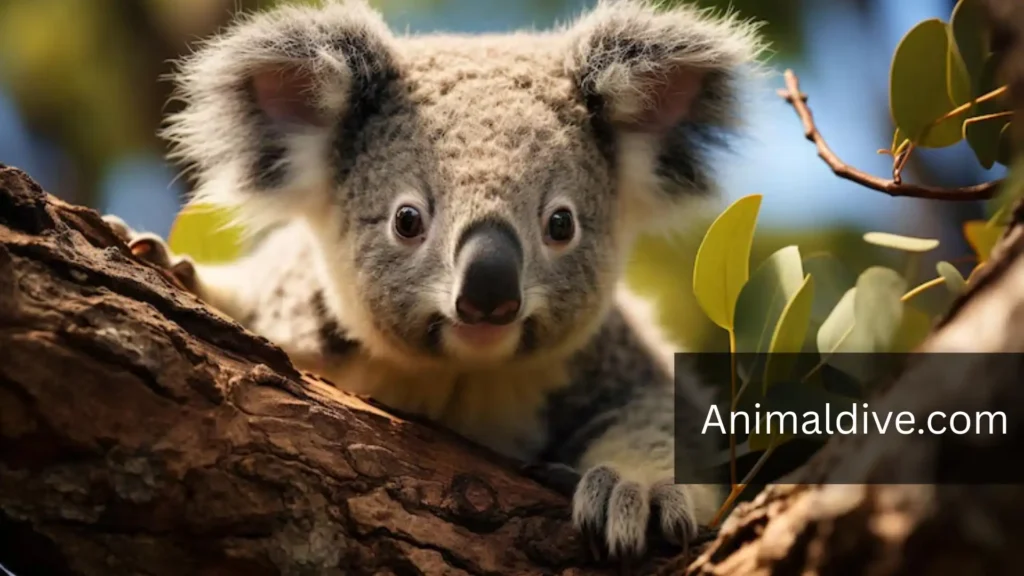
While they spend much of their time sleeping, interactions with these marsupials reveal a surprisingly complex social behavior. Observing koalas in their native habitat inspires a deeper commitment to conservation efforts aimed at protecting their endangered populations.
Donkey
Scientific Name: Equus africanus asinus
Class: Mammalia
Diet: Herbivore
Habitat: Domesticated worldwide, especially in dry regions
Donkeys are known for their distinct character and gentle demeanor, often misunderstood due to their reputation for stubbornness. In truth, they possess exceptional intelligence and form strong bonds with humans, showcasing their affectionate nature.
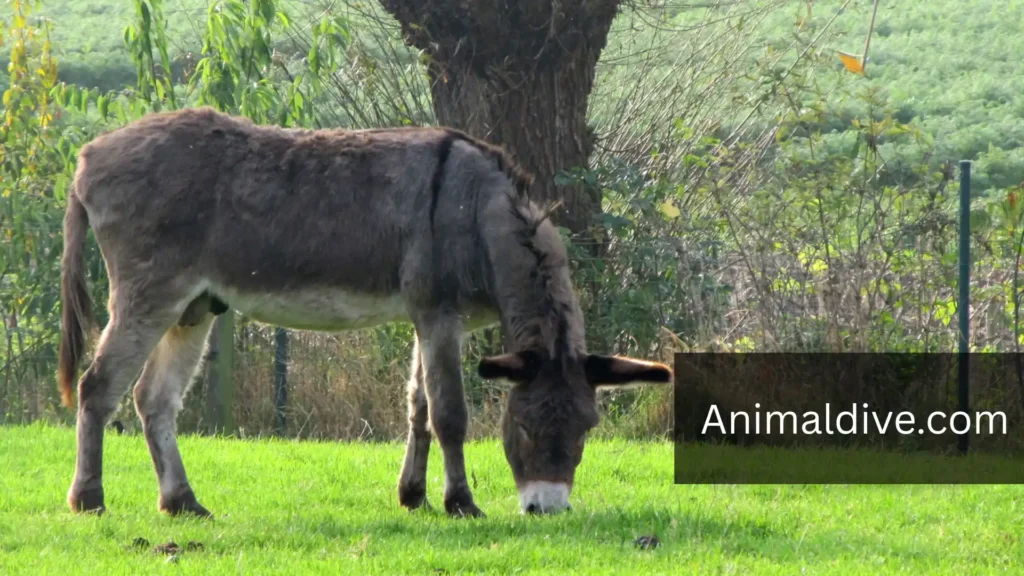
Capable of enduring harsh conditions, donkeys are not only resilient but also play vital roles in agriculture and transport. Their unwavering loyalty and willingness to cooperate make them endearing companions in both rural and urban settings.
Docile Animals By Category
Docile animals can be grouped into different categories based on their size, habitat, and relationship with humans. Below are some of the most peaceful, friendly, and chill animals that are known for their calm personalities and gentle behavior.
Large Docile Animals
Large docile animals are gentle giants that rarely show aggression unless they feel threatened. Their calm temperament makes them some of the safest large animals to observe and work with.
| Animal | Scientific Name | Class | Diet |
| Elephant | Loxodonta africana / Elephas maximus | Mammalia | Herbivore |
| Horse | Equus ferus caballus | Mammalia | Herbivore |
| Cow | Bos taurus | Mammalia | Herbivore |
| Llama | Lama glama | Mammalia | Herbivore |
| Manatee | Trichechus manatus | Mammalia | Herbivore |
| Giant Tortoise | Chelonoidis nigra | Reptilia | Herbivore |
| Cape Buffalo (domesticated relatives) | Syncerus caffer | Mammalia | Herbivore |
Friendly Wild Animals
Many friendliest wild animals naturally avoid conflict and peacefully coexist with humans when left undisturbed. These species are often considered among the wild animals most friendly to humans.
| Animal | Scientific Name | Class | Diet |
| Capybara | Hydrochoerus hydrochaeris | Mammalia | Herbivore |
| Quokka | Setonix brachyurus | Mammalia | Herbivore |
| Manatee | Trichechus manatus | Mammalia | Herbivore |
| Dolphin | Delphinidae | Mammalia | Carnivore |
| Deer | Cervidae | Mammalia | Herbivore |
| Elephant | Loxodonta africana / Elephas maximus | Mammalia | Herbivore |
| Giant Tortoise | Chelonoidis nigra | Reptilia | Herbivore |
Chill Animals
Chill animals are famous for their relaxed lifestyle, slow movements, and peaceful nature. They prefer avoiding conflict and are admired for their calm personalities.
| Animal | Scientific Name | Class | Diet |
| Sloth | Bradypus variegatus | Mammalia | Herbivore |
| Capybara | Hydrochoerus hydrochaeris | Mammalia | Herbivore |
| Koala | Phascolarctos cinereus | Mammalia | Herbivore |
| Manatee | Trichechus manatus | Mammalia | Herbivore |
| Giant Tortoise | Chelonoidis nigra | Reptilia | Herbivore |
| Quokka | Setonix brachyurus | Mammalia | Herbivore |
| Rabbit | Oryctolagus cuniculus | Mammalia | Herbivore |
Friendly Domestic Animals
Friendly domestic animals have lived alongside humans for thousands of years and are valued for their loyal, gentle, and affectionate nature.
| Animal | Scientific Name | Class | Diet |
| Dog | Canis lupus familiaris | Mammalia | Omnivore |
| Cat | Felis catus | Mammalia | Carnivore |
| Rabbit | Oryctolagus cuniculus | Mammalia | Herbivore |
| Guinea Pig | Cavia porcellus | Mammalia | Herbivore |
| Horse | Equus ferus caballus | Mammalia | Herbivore |
| Cow | Bos taurus | Mammalia | Herbivore |
| Sheep | Ovis aries | Mammalia | Herbivore |
| Goat | Capra hircus | Mammalia | Herbivore |
| Llama | Lama glama | Mammalia | Herbivore |
| Bearded Dragon | Pogona vitticeps | Reptilia | Omnivore |
Interesting Facts About Docile Animals
Docile animals often challenge our perceptions of strength and intelligence. For example, while we often associate speed with predators, the speed of docile creatures, like the ostrich, suggests that there’s more beneath their gentle exterior.
- Many docile animals are known for their strong social bonds, often living in groups for protection and companionship.
- The llama is not just a gentle giant; it can also effectively guard livestock against predators.
- Cows possess a surprising level of emotional intelligence, demonstrating empathy and forming close attachments with their calves.
- Some breeds of sheep can recognize human faces, showing a remarkable level of familiarity with their caregivers.
- Gentle giants like ostriches have an impressive running speed of up to 45 miles per hour, presenting a surprising contrast to their docile demeanor.
- Domestic pigs are highly intelligent animals, capable of learning tricks much like dogs, and often enjoy social play.
- Capybaras, the world’s largest rodents, are incredibly sociable and often seen lounging with other species, including monkeys and birds.
- Horses have unique personalities, with some breeds known for their calmness and sensitivity, making them excellent therapy animals.
Conclusion
The Top 25 Most Docile Animals illustrate the incredible diversity of gentle creatures inhabiting our planet. From the majestic manatee to the affectionate capybara, these docile animals remind us of the beauty of peaceful coexistence.
Their friendly nature not only enriches our lives but also underscores the importance of empathy and respect for all living beings. As you consider adding a new furry friend to your home or appreciating wildlife, let these gentle giants and charming critters inspire you.
FAQs
What’s the Most Docile Animal?
The capybara is widely considered the most docile animal in the world thanks to its calm temperament, friendly personality, and ability to peacefully interact with both humans and other animals.
What Are the Top 10 Friendliest Animals?
Some of the friendliest animals include the capybara, dog, dolphin, horse, elephant, manatee, quokka, rabbit, alpaca, and guinea pig, all known for their gentle and social nature.
Which Animal Is LGBTQ?
Many animals, including penguins, dolphins, lions, giraffes, and bonobos, have been observed displaying same-sex behavior. Scientists consider this a natural part of animal behavior across numerous species.
What Is the #1 Killer Animal?
The mosquito is considered the world’s deadliest animal because it spreads diseases like malaria, dengue, and Zika, causing more human deaths each year than any other animal.
What Animal Sleeps 90% of Its Life?
The koala sleeps about 18–22 hours a day, spending nearly 90% of its time resting to conserve energy from its low-nutrient eucalyptus diet.
Which Animal Is the Most Friendliest?
The capybara is often regarded as the friendliest animal due to its peaceful behavior, social nature, and ability to get along with many different species, including humans.