Top 25 Animals That Eat Monkeys (With Pictures, Facts & Hunting Habits)
Monkeys, fascinating and agile creatures, are not only known for their intelligence and social behavior but also for their position in the food chain, where they face numerous threats. The topic of Animals That Eat Monkeys showcases a variety of predators from different ecosystems that have adapted to hunt these primates.
Understanding what animals eat monkeys and the intricacies of their hunting habits sheds light on the delicate balance of nature. In this article, explore the top 25 monkey predators, complete with captivating pictures and intriguing facts that reveal the complex dynamics between these animals.
Why Do So Many Animals Eat Monkeys?
Monkeys offer a high nutritional value, rich in protein and essential fats, making them an attractive prey for various predators. Their caloric density provides a substantial energy source, crucial for animals relying on a protein-rich diet to thrive in competitive ecosystems.
Rainforests, teeming with diverse monkey species, create an ecological hotspot where these primates abound. The interaction between arboreal and ground predators ensures a dynamic predator-prey balance, preventing overpopulation and promoting biodiversity.
Many of the predators on this list also rank among the deadliest animals in the world, combining speed, strength, and stealth to dominate their ecosystems well beyond just hunting monkeys.”
Top 25 Animals That Eat Monkeys List
| No. | Animal | Scientific Name | Class | Diet |
| 1 | Leopard | Panthera pardus | Mammalia | Carnivore |
| 2 | Jaguar | Panthera onca | Mammalia | Carnivore |
| 3 | Tiger | Panthera tigris | Mammalia | Carnivore |
| 4 | Lion | Panthera leo | Mammalia | Carnivore |
| 5 | Clouded Leopard | Neofelis nebulosa | Mammalia | Carnivore |
| 6 | Ocelot | Leopardus pardalis | Mammalia | Carnivore |
| 7 | Margay | Leopardus wiedii | Mammalia | Carnivore |
| 8 | African Wild Dog | Lycaon pictus | Mammalia | Carnivore |
| 9 | Dhole (Asiatic Wild Dog) | Cuon alpinus | Mammalia | Carnivore |
| 10 | Chimpanzee | Pan troglodytes | Mammalia | Omnivore |
| 11 | Baboon | Papio spp. | Mammalia | Omnivore |
| 12 | Harpy Eagle | Harpia harpyja | Aves | Carnivore |
| 13 | Crowned Eagle | Stephanoaetus coronatus | Aves | Carnivore |
| 14 | Martial Eagle | Polemaetus bellicosus | Aves | Carnivore |
| 15 | Philippine Eagle | Pithecophaga jefferyi | Aves | Carnivore |
| 16 | Red-tailed Hawk | Buteo jamaicensis | Aves | Carnivore |
| 17 | Nile Crocodile | Crocodylus niloticus | Reptilia | Carnivore |
| 18 | American Alligator | Alligator mississippiensis | Reptilia | Carnivore |
| 19 | Green Anaconda | Eunectes murinus | Reptilia | Carnivore |
| 20 | Reticulated Python | Malayopython reticulatus | Reptilia | Carnivore |
| 21 | King Cobra | Ophiophagus hannah | Reptilia | Carnivore |
| 22 | Komodo Dragon | Varanus komodoensis | Reptilia | Carnivore |
| 23 | Gray Wolf | Canis lupus | Mammalia | Carnivore |
| 24 | Coyote | Canis latrans | Mammalia | Omnivore |
| 25 | Boa Constrictor | Boa constrictor | Reptilia | Carnivore |
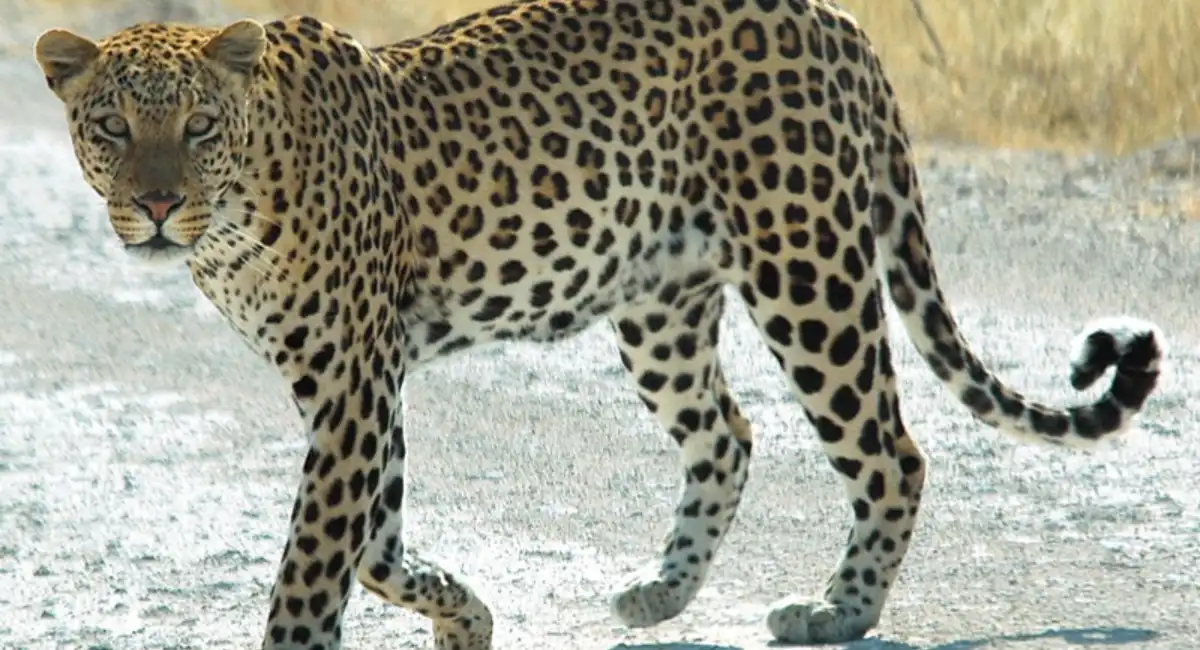
Leopard
Scientific Name: Panthera pardus
Class: Mammalia
Diet: Carnivorous
Habitat: Savannas, forests, and grasslands
Leopards are stealthy hunters that often prey on monkeys. Utilizing their incredible climbing skills, they ambush monkeys in trees, showcasing their agility and strength. Their spotted coats provide excellent camouflage, allowing them to get close to unsuspecting primates. This patience-driven hunting style places leopards among the most patient animals in the wild, willing to wait motionless for hours until the perfect ambush moment arrives.”
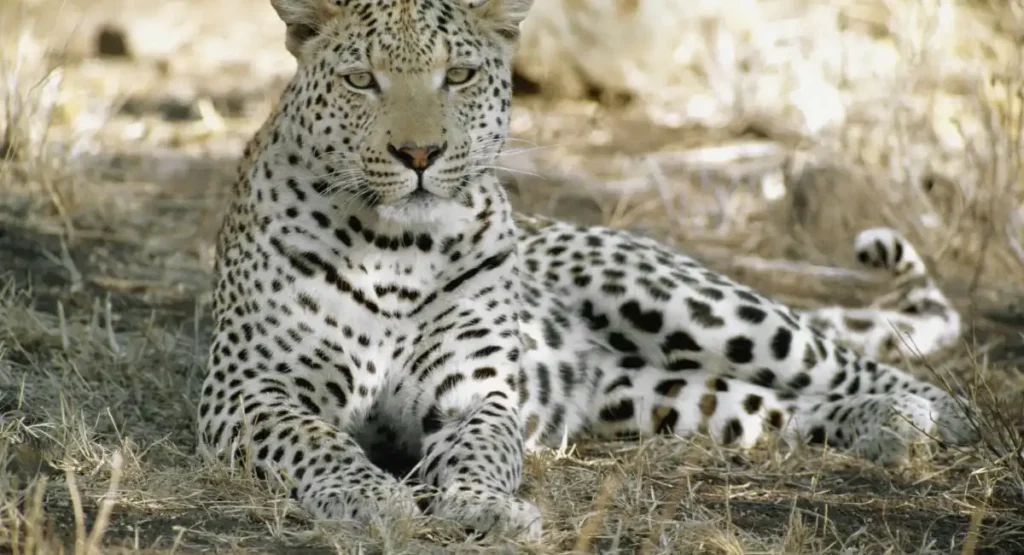
These big cats typically hunt at night, taking advantage of darkness to catch their gorilla-sized meals. Once they grab a monkey, leopards carry their prey into trees to avoid scavengers, showcasing their resourcefulness and adaptability.
Interesting Fact: Leopards can consume prey twice their weight, an impressive feat that aids their survival in competitive environments.
Jaguar
Scientific Name: Panthera onca
Class: Mammalia
Diet: Carnivorous
Habitat: Rainforests and swamps
Jaguars are among the most powerful predators in the Americas, frequently hunting monkeys in their lush forest habitats. Their strong jaws allow them to crush the skulls of monkeys, making them one of the few big cats that can tackle primates with ease.
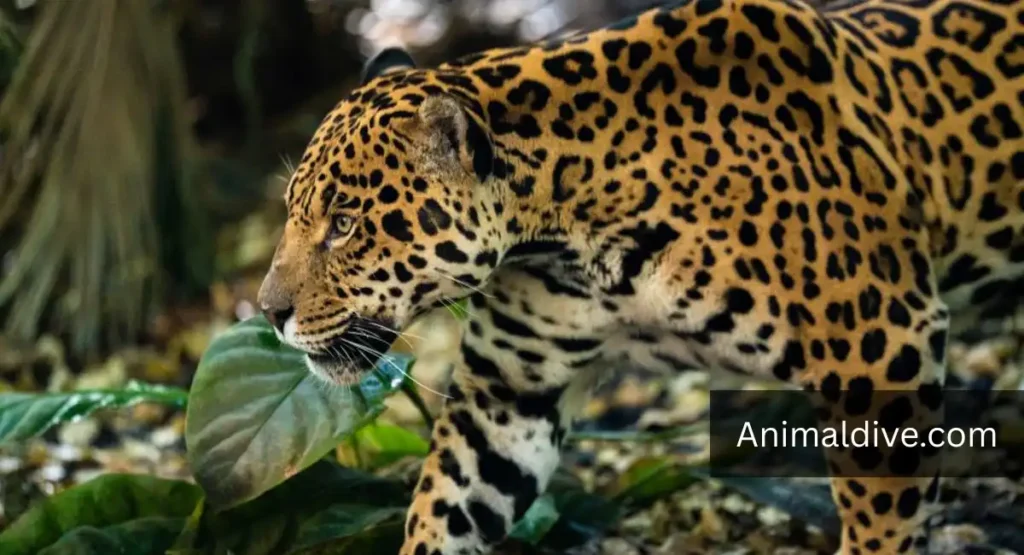
Harnessing their keen sense of hearing, jaguars can detect the faintest rustle of monkey activity in densely vegetated areas. This acute awareness, combined with their hunting prowess, ensures they are formidable hunters in the animal kingdom.
Interesting Fact: Jaguars have one of the strongest bites of any big cat, capable of piercing turtle shells and cracking bones, giving them access to a variety of prey.
Tiger
Scientific Name: Panthera tigris
Class: Mammalia
Diet: Carnivorous
Habitat: Forests and grasslands
Tigers are apex predators, often preying on monkeys if they inhabit their territory. Known for their stealth, tigers lie in wait, using their powerful bodies to launch surprise attacks on unsuspecting primates.
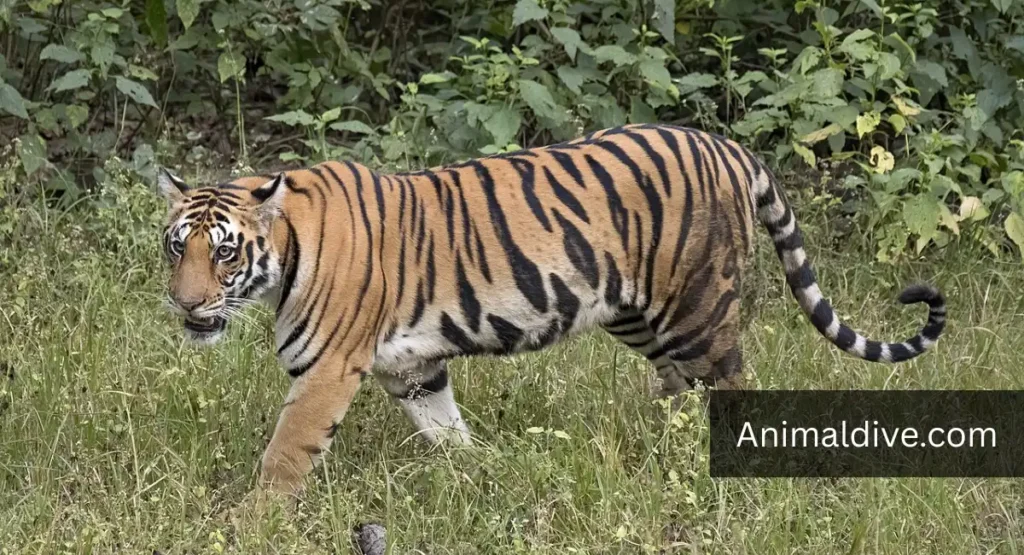
Though they primarily hunt larger ungulates, tigers won’t hesitate to take advantage of an easier meal, including monkeys, when the opportunity arises. Their solitary nature also allows them to stalk their prey without interference from rivals.
Interesting Fact: Tigers can weigh up to 600 pounds, making them one of the largest cats, which significantly enhances their hunting capabilities.
Lion
Scientific Name: Panthera leo
Class: Mammalia
Diet: Carnivorous
Habitat: Grasslands and savannas
While lions primarily hunt large herbivores, they will opportunistically eat monkeys as part of their varied diets. In prides, they collaborate to chase down smaller animals, including primates that venture too close.
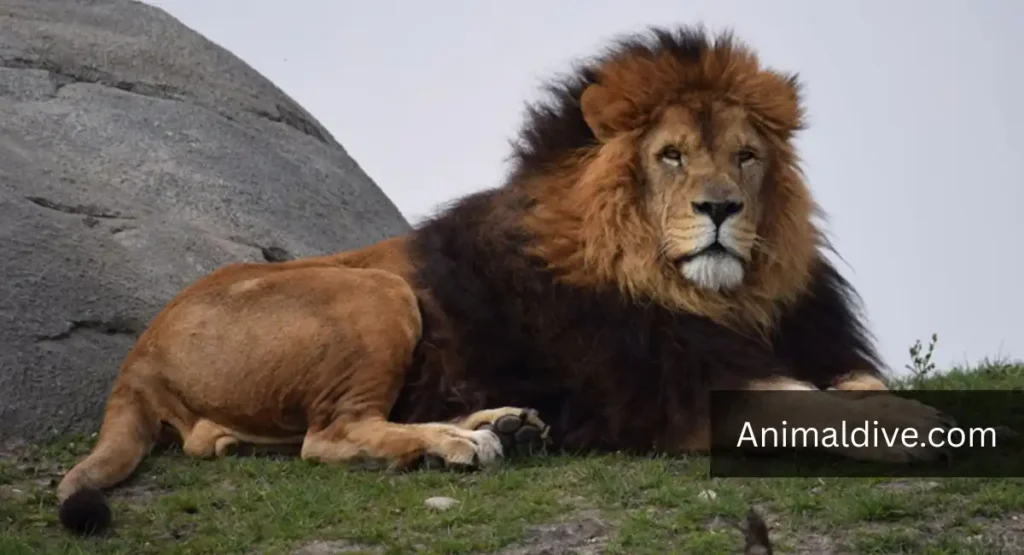
The social structure of lions allows them to coordinate and strategize their hunting patterns, making them effective hunters even against agile and intelligent prey like monkeys. Their sheer strength can easily overcome a monkey, making them menacing predators in the wild.
Interesting Fact: Lions can run at speeds of up to 50 miles per hour for short distances, allowing for powerful bursts during hunts.
Clouded Leopard
Scientific Name: Neofelis nebulosa
Class: Mammalia
Diet: Carnivorous
Habitat: Cloud forests and rainforests
Clouded leopards are skilled climbers, often hunting monkeys high in the trees. Their unique hunting style involves stalking and ambushing, taking advantage of their surroundings to surprise their primate prey.
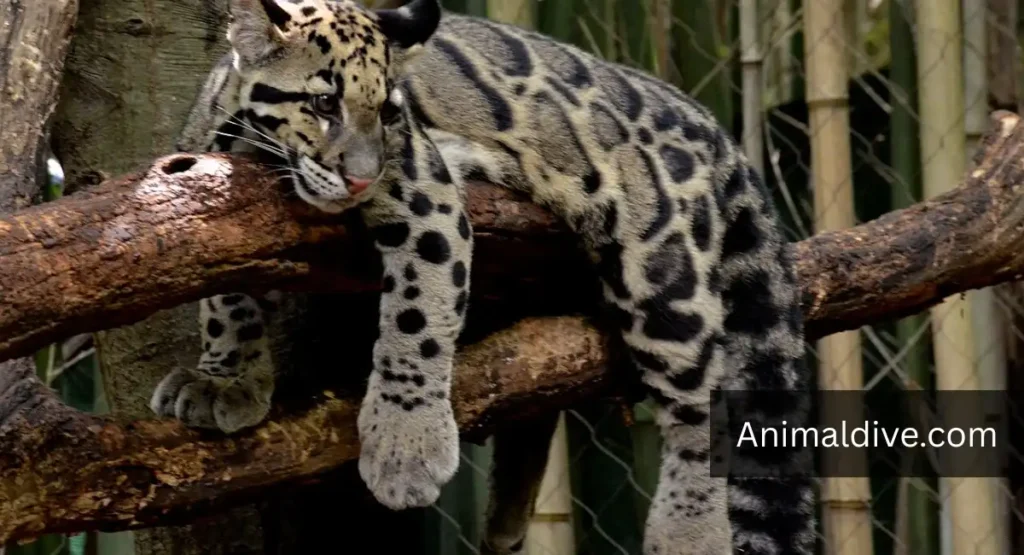
These elusive cats primarily hunt at night and can leap great distances, which enables them to reach monkeys perched on branches. Their spotted coat allows them to blend seamlessly into the forest canopy while they hunt.
Interesting Fact: Clouded leopards have the largest canine teeth relative to their body size of any modern cat species, aiding in subduing their prey.
Ocelot
Scientific Name: Leopardus pardalis
Class: Mammalia
Diet: Carnivorous
Habitat: Rainforests, grasslands, and scrublands
Ocelots are small but mighty hunters that do not shy away from tackling monkeys. Their agility and sharp claws make them adept at climbing trees, allowing them to stalk and catch primates in their natural habitat.
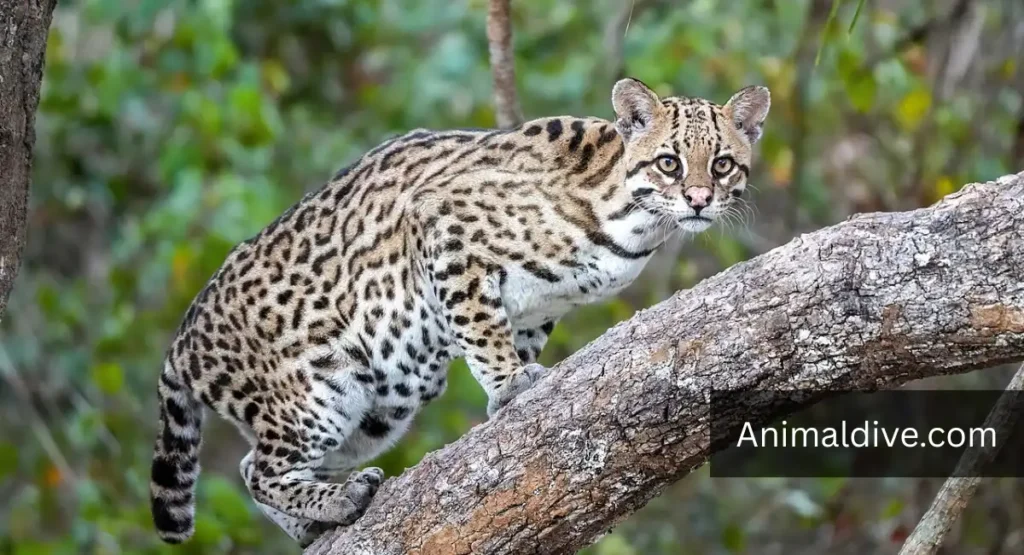
Often hunting alone, ocelots rely on stealth and patience to capture their prey. Their compact size allows them to navigate dense vegetation effortlessly, where monkeys may be less alert to their presence.
Interesting Fact: Ocelots can leap up to six feet when capturing prey, showcasing their impressive hunting skills and physical abilities.
Margay
Scientific Name: Leopardus wiedii
Class: Mammalia
Diet: Carnivorous
Habitat: Tropical rainforests
Margays are experts at climbing, and they regularly hunt monkeys who inhabit the trees. Their incredible flexibility allows them to navigate branches effortlessly, making them formidable in the treetops.
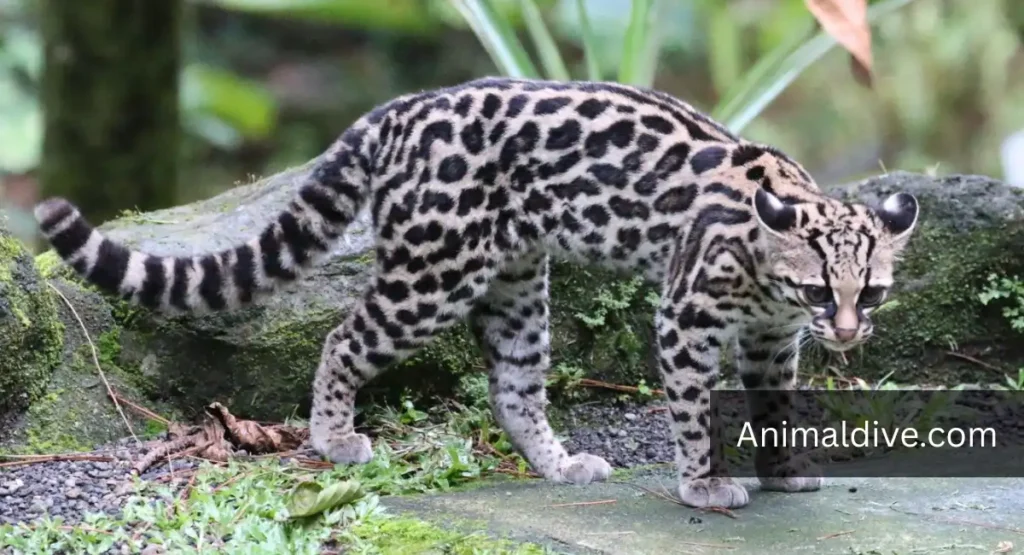
These cats use a stealthy approach, often mimicking the vocalizations of monkeys to lure them closer. Their keen senses and agile bodies enable them to pounce with precision when the moment is right.
Interesting Fact: Margays can descend trees headfirst, thanks to their unique ankle structure, allowing them to hunt effectively in their arboreal habitat.
African Wild Dog
Scientific Name: Lycaon pictus
Class: Mammalia
Diet: Carnivorous
Habitat: Savannas and grasslands
African wild dogs are pack hunters that can take down monkeys when the opportunity arises. Their teamwork and endurance allow them to chase monkeys and other small mammals efficiently across their territories.
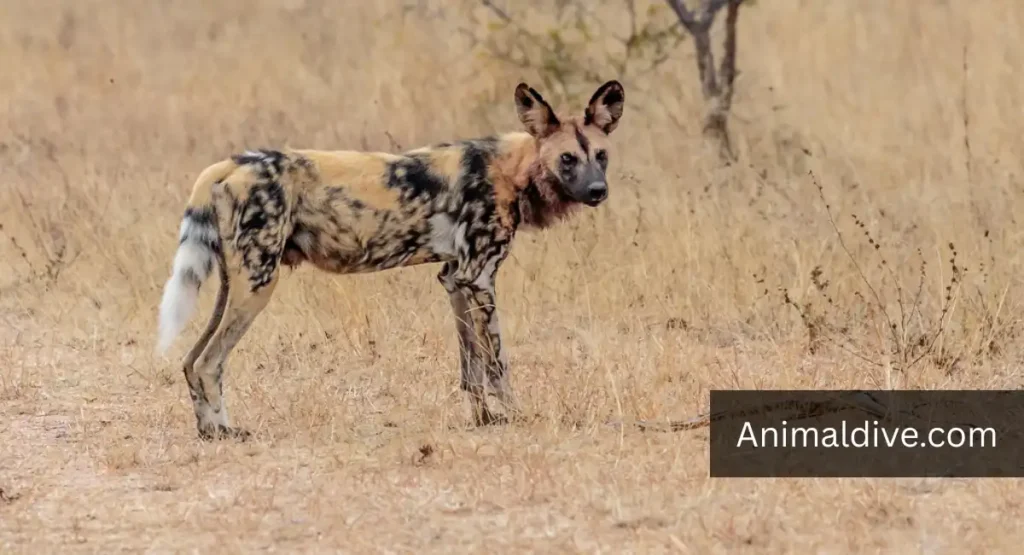
Unlike many solitary predators, these canines rely on strategic planning and cooperation to nab an agile monkey during a chase. They are highly social and communicate effectively, enhancing their hunting success.
Interesting Fact: African wild dogs are known for their highly organized hunting techniques, often running long distances to exhaust their prey during a chase.
Dhole (Asiatic Wild Dog)
Scientific Name: Cuon alpinus
Class: Mammalia
Diet: Carnivorous
Habitat: Forests and grasslands
The dhole is a highly social pack animal that will hunt monkeys when they are available. Their cooperation and pack dynamics make them formidable hunters, allowing them to chase primates through diverse terrains.
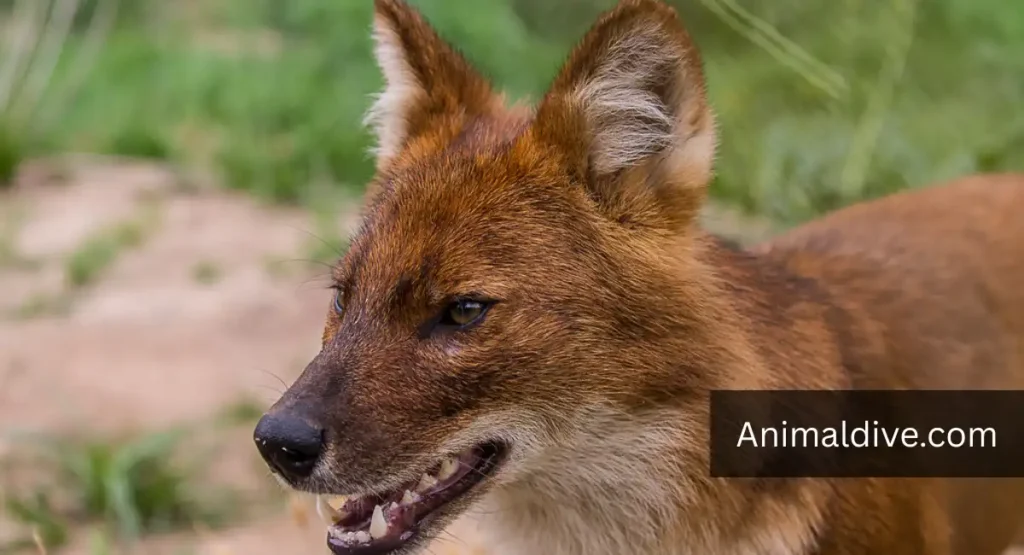
With their sharp teeth and powerful jaws, dholes can catch monkeys that straying from their groups. This opportunistic behavior contributes to their versatile diet, which includes various small mammals.
Interesting Fact: Dhole packs can consist of up to 12 members, emphasizing their reliance on teamwork to hunt successfully.
Chimpanzee
Scientific Name: Pan troglodytes
Class: Mammalia
Diet: Omnivorous
Habitat: Tropical forests and savannas
Chimpanzees are known for their intelligence, and this extends to their dietary habits, occasionally including monkeys. They hunt in groups, showcasing their social structures while stalking smaller primates.
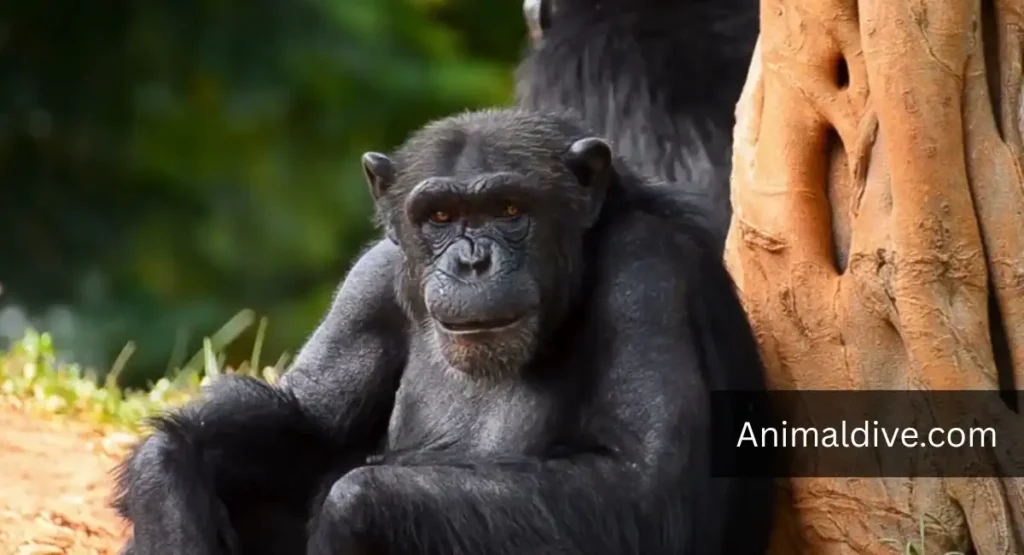
When successful, chimpanzees use tools and strategies to capture their monkey prey, displaying advanced problem-solving skills. Their ability to share knowledge about hunting techniques among peers enhances their effectiveness in capturing monkeys.
Interesting Fact: Chimpanzees can develop specific calls to alert others in their group when they spot a monkey, emphasizing their complex communication skills.
Baboon
Scientific Name: Papio spp.
Class: Mammalia
Diet: Omnivorous
Habitat: Savannas and woodlands
Baboons are opportunistic feeders and will eat monkeys when they can. Utilizing their strong social structures, they collaborate to hunt and capture smaller monkeys. Their size and strength give them an edge during these confrontations.
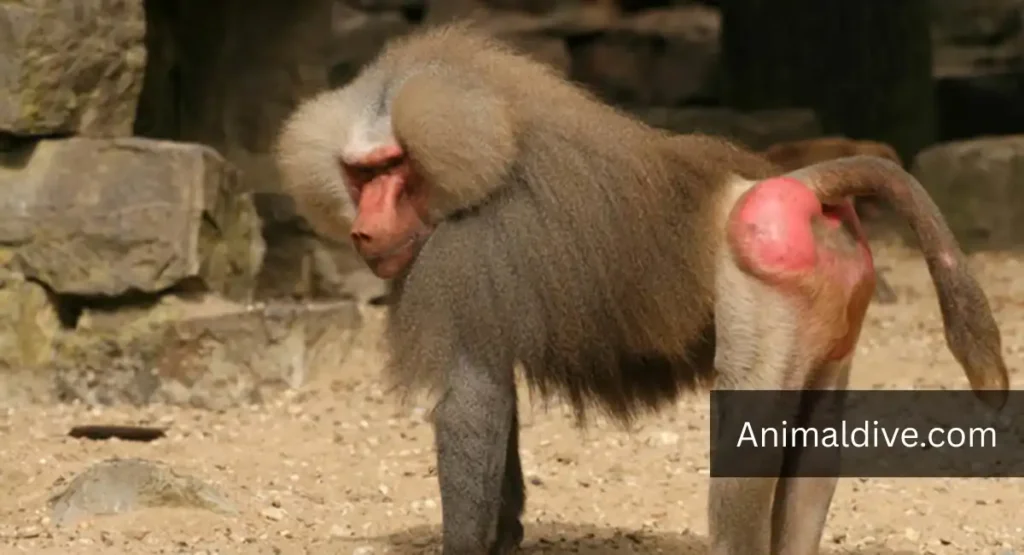
When hunting in packs, baboons can maneuver skillfully, coordinating attacks to catch monkeys unaware. This behavior highlights their adaptability and resourcefulness as they exploit various food sources.
Interesting Fact: Baboons have been observed using rocks to crack open nuts, indicating they possess remarkable cognitive abilities in tool use.
Harpy Eagle
Scientific Name: Harpia harpyja
Class: Aves
Diet: Carnivorous
Habitat: Tropical rainforests
The harpy eagle is a powerful raptor known for preying on monkeys. With talons larger than a grizzly bear’s claws, these eagles can capture monkeys from treetops in a swift, decisive move.
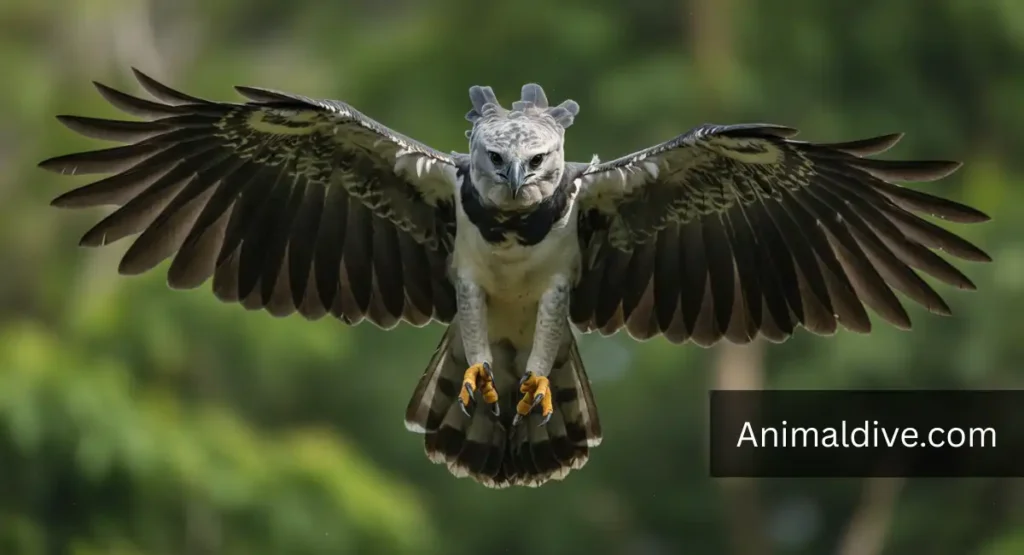
Using their keen eyesight, harpy eagles can spot monkeys hiding among the leaves, making them formidable aerial hunters. Their impressive wingspan allows them to soar above the canopy, ready to strike at the opportune moment.
Interesting Fact: The harpy eagle is capable of carrying prey that weighs more than half its body weight, showcasing its incredible strength and hunting skills.
Crowned Eagle
Scientific Name: Stephanoaetus coronatus
Class: Aves
Diet: Carnivorous
Habitat: Forests and wooded regions
Crowned eagles are renowned for their ability to hunt monkeys in the trees. They rely on high vantage points to spot potential prey and then swoop down with remarkable speed and accuracy.
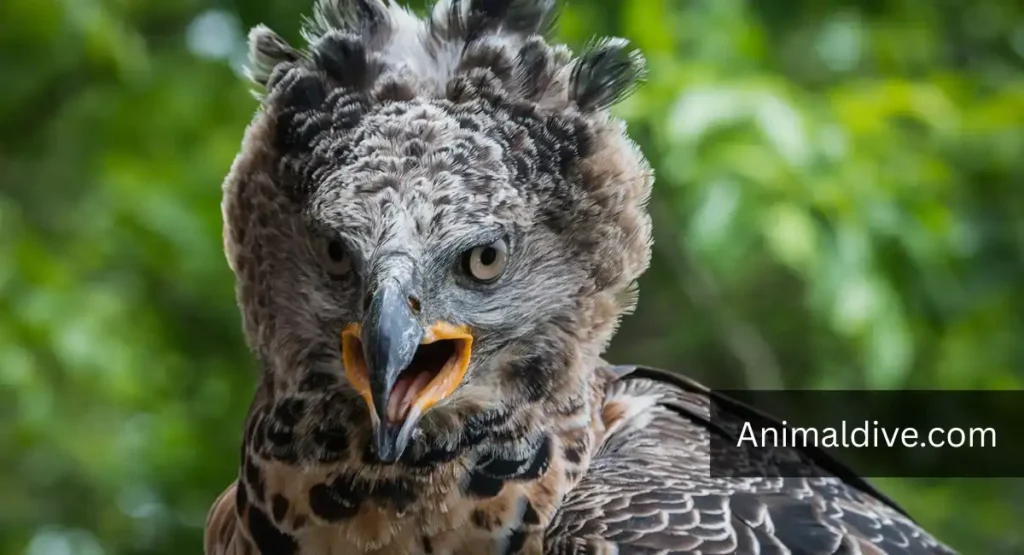
Their sharp talons play a critical role in capturing monkeys, allowing them to seize them before they can escape. This bird’s agility and power make it one of the top avian hunters of monkeys.
Interesting Fact: Crowned eagles have been recorded feeding on monkeys up to three times their weight, making them an impressive predator.
Martial Eagle
Scientific Name: Polemaetus bellicosus
Class: Aves
Diet: Carnivorous
Habitat: Savannas and open woodlands
Martial eagles are adept at hunting monkeys, using their tremendous size and strength to overpower them. Their keen eyesight allows them to detect monkeys from great heights, facilitating surprise attacks.
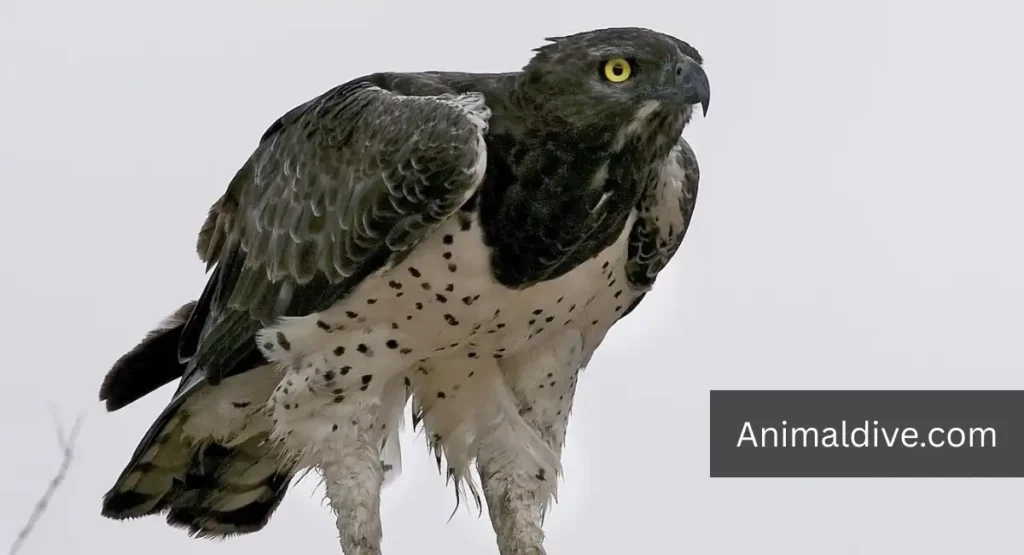
These eagles often hunt in pairs, which can increase their success rate when targeting agile primates. Their powerful beaks and talons make them formidable avian hunters in various environments.
Interesting Fact: The martial eagle is known to take down unusually large prey, showcasing its exceptional hunting capabilities.
Philippine Eagle
Scientific Name: Pithecophaga jefferyi
Class: Aves
Diet: Carnivorous
Habitat: Tropical rainforests
The Philippine eagle, one of the largest eagles in the world, frequently hunts monkeys. With its impressive wingspan, it soars above the forest canopy, spotting monkeys below with incredible precision.
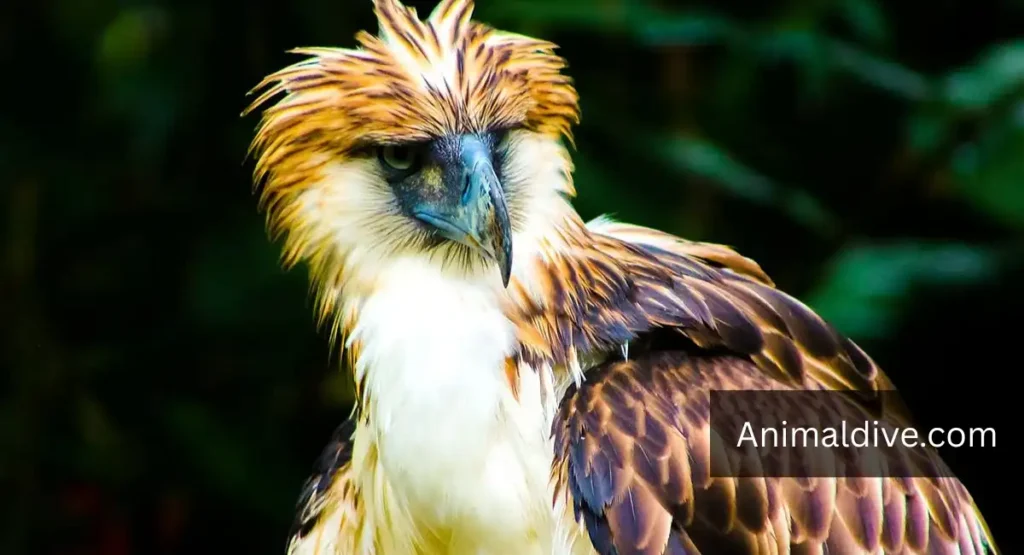
Using a combination of stealth and speed, these eagles can dive down to snatch monkeys off branches. Their strength allows them to tackle monkeys that are otherwise difficult to catch.
Interesting Fact: The Philippine eagle is critically endangered, primarily due to habitat loss and hunting, making it a conservation priority.
Red-tailed Hawk
Scientific Name: Buteo jamaicensis
Class: Aves
Diet: Carnivorous
Habitat: Open fields, forests, and urban areas
Red-tailed hawks will opportunistically prey on monkeys, especially juveniles, when they inhabit their territories. With excellent vision from high perches, these hawks can survey the land for small or vulnerable monkeys.
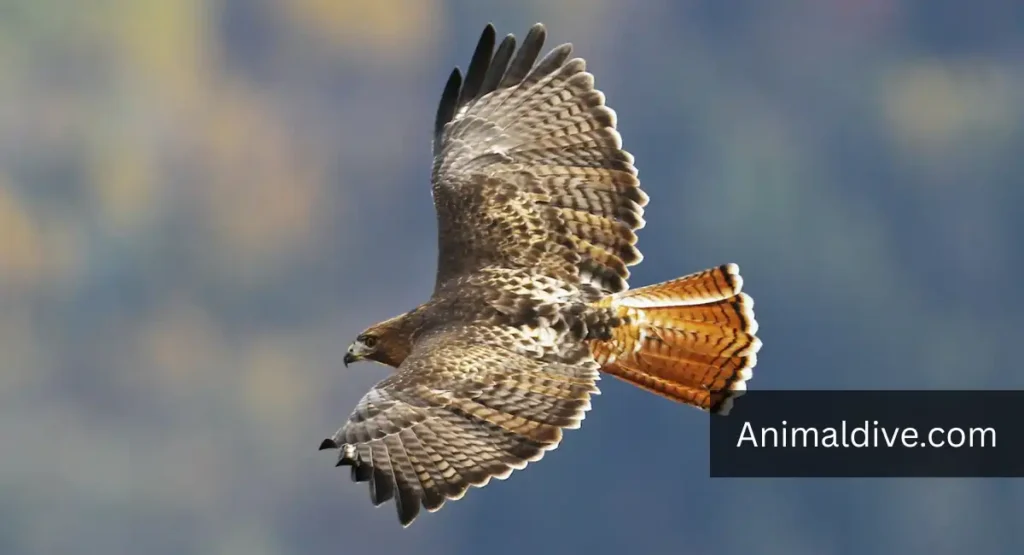
Their hunting technique includes diving from perches with remarkable speed, ensuring that they catch their prey quickly and efficiently. This adaptability showcases their ability to thrive in various environments.
Interesting Fact: Red-tailed hawks are frequently seen perched on telephone poles and trees, scanning their surroundings for any potential meal.
Nile Crocodile
Scientific Name: Crocodylus niloticus
Class: Reptilia
Diet: Carnivorous
Habitat: Freshwater habitats like rivers and lakes
Nile crocodiles are fierce ambush predators that will feast on monkeys that venture too close to the water’s edge. Lurking beneath the water’s surface, they can remain hidden until their target approaches.
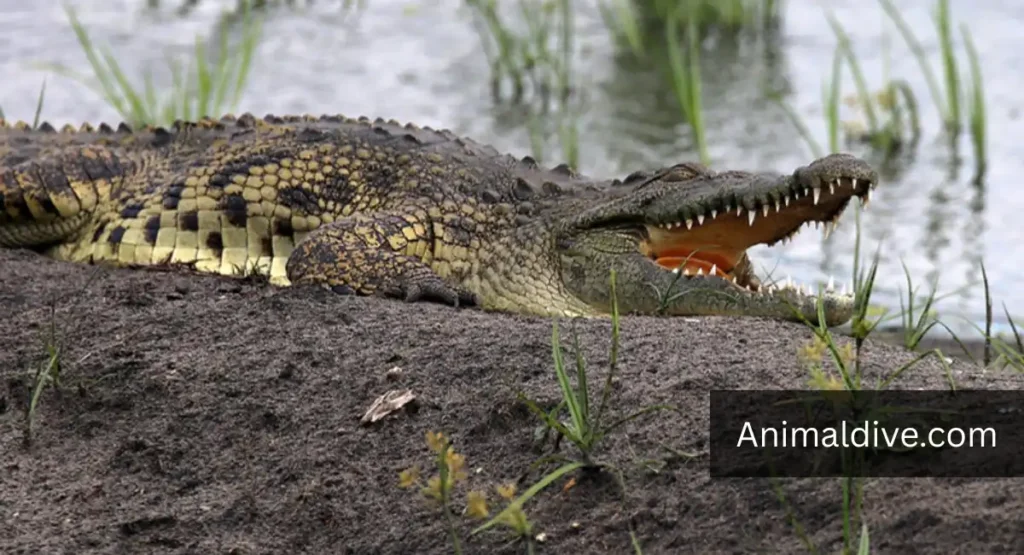
Once a monkey is within range, the crocodile strikes with lightning speed, using its powerful jaws to secure its meal. This predatory behavior emphasizes the adaptability of crocodiles as apex hunters.
Interesting Fact: Nile crocodiles can hold their breath underwater for over an hour, allowing them to wait patiently for prey to come near.
American Alligator
Scientific Name: Alligator mississippiensis
Class: Reptilia
Diet: Carnivorous
Habitat: Freshwater swamps, marshes, and rivers
American alligators are opportunistic feeders and will eat monkeys if they venture close enough to their habitat. These reptiles utilize their stealthy approach to ambush unsuspecting prey along riverbanks.
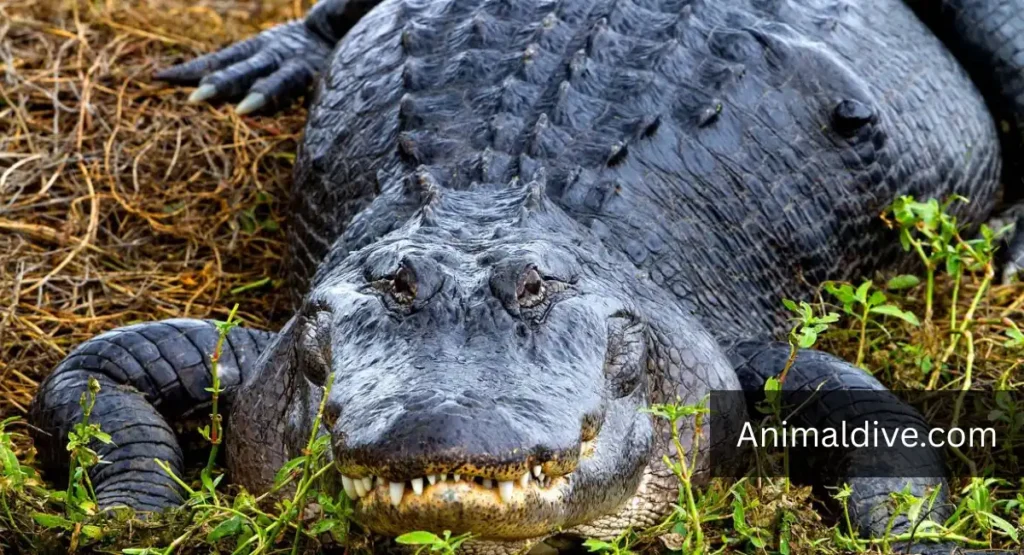
Their sharp teeth and powerful jaws make it easy for them to capture and consume a range of animals, including monkeys. The adaptability of alligators as predators highlights their importance in the ecosystem.
Interesting Fact: American alligators can live to be over 70 years old, allowing them ample time to refine their hunting techniques.
Green Anaconda
Scientific Name: Eunectes murinus
Class: Reptilia
Diet: Carnivorous
Habitat: Swamps, marshes, and rivers
Green anacondas are colossal snakes that will eat monkeys if they come too close to water sources. Utilizing constriction, these snakes overpower their prey before swallowing them whole.
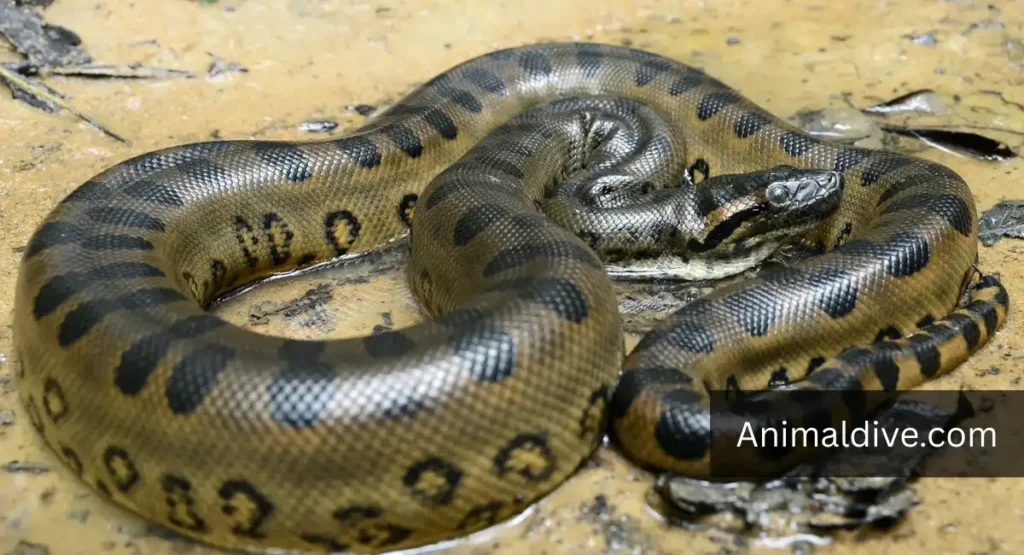
Their camouflage in murky waters helps them remain undetected by both monkeys and other animals. The sheer size and strength of an anaconda make it a potent predator in its environment.
Interesting Fact: Green anacondas are among the heaviest snakes in the world, capable of reaching lengths of over 30 feet.
Reticulated Python
Scientific Name: Malayopython reticulatus
Class: Reptilia
Diet: Carnivorous
Habitat: Forests, grasslands, and swamps
Reticulated pythons are known to take down monkeys when they have the chance. These snakes use their incredible length and strength to wrap around and constrict their prey before swallowing them.
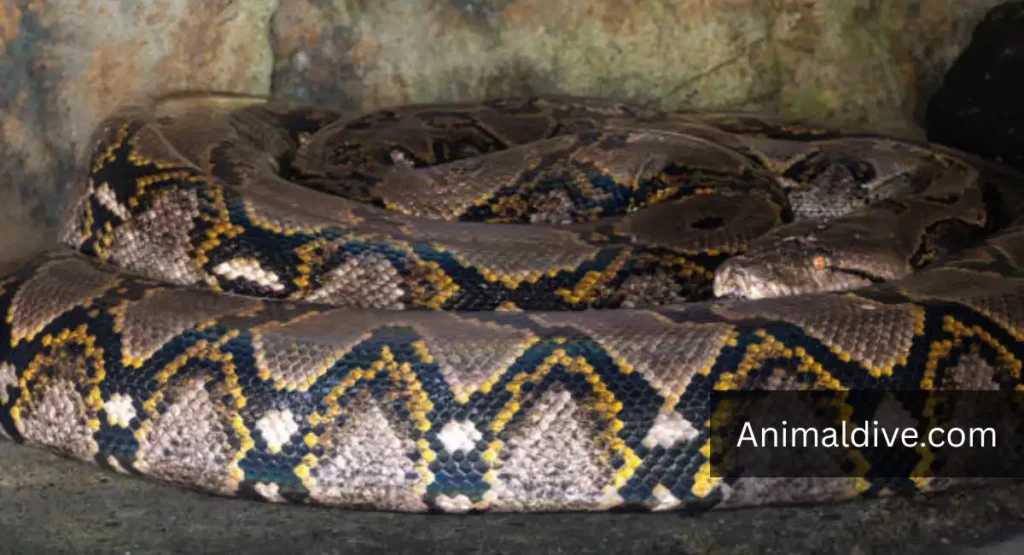
They often hunt by ambushing, lying in wait for monkeys to pass by. Their stealthy nature and impressive girth make them formidable predators of monkeys in tropical habitats.
Interesting Fact: Reticulated pythons are not only the longest snakes in the world but also one of the most versatile, being able to adapt to various environments.
King Cobra
Scientific Name: Ophiophagus hannah
Class: Reptilia
Diet: Carnivorous
Habitat: Forests and grasslands
The king cobra preys on a variety of animals, including monkeys, when they encounter them. This highly venomous snake doesn’t just overpower its prey but delivers a fatal bite using its strong neurotoxin.
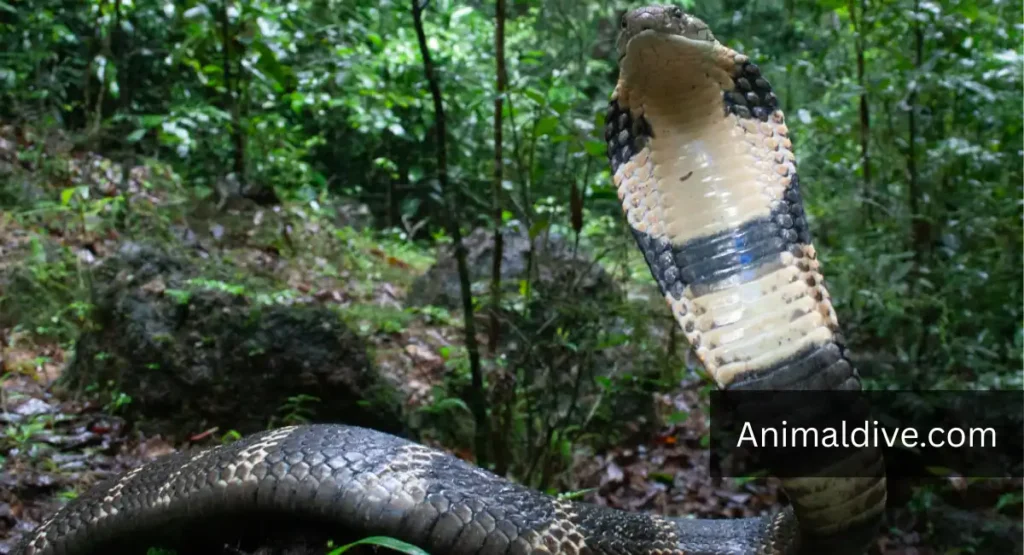
Often, king cobras hunt in trees, making them deadly predators to monkeys who might be unaware of their presence. Their ability to strike quickly helps them secure smaller primates as prey.
Interesting Fact: King cobras can consume prey that is larger than themselves, utilizing their potent venom to immobilize their targets.
Komodo Dragon
Scientific Name: Varanus komodoensis
Class: Reptilia
Diet: Carnivorous
Habitat: Tropical forests and grasslands
Komodo dragons have a diverse diet, and they will eat monkeys given the opportunity. They employ a combination of stealth and strength to ambush monkeys in their habitat, showcasing their adaptability as predators.
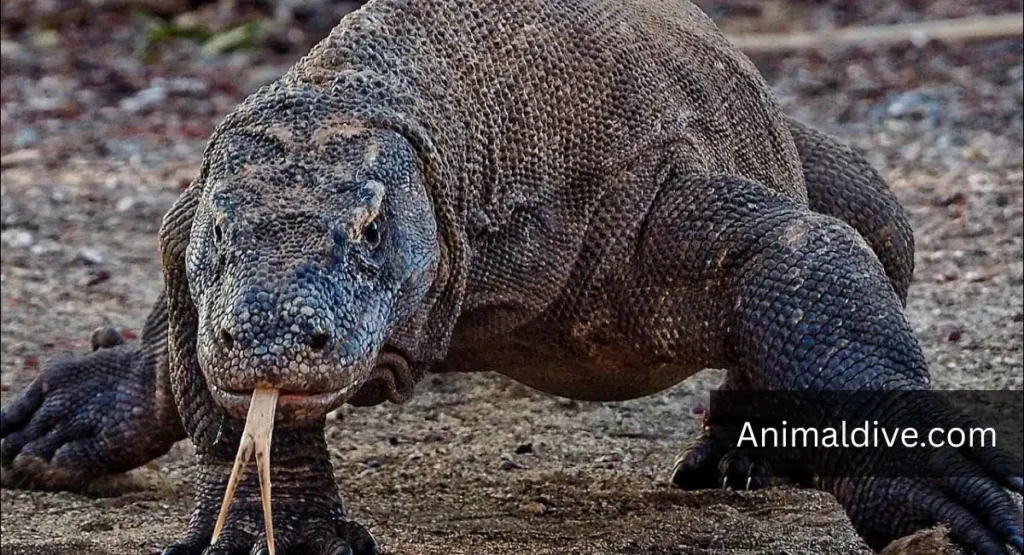
Once they lunge at their prey, their sharp claws and strong jaws make it difficult for a monkey to escape. This predatory behavior showcases the skill of the world’s largest lizards in hunting diverse animals.
Interesting Fact: Komodo dragons have a venomous bite, which can cause paralysis in their prey, making it easier for them to capture monkeys and other animals.
Gray Wolf
Scientific Name: Canis lupus
Class: Mammalia
Diet: Carnivorous
Habitat: Forests, tundras, and grasslands
Gray wolves primarily hunt larger ungulates but will opportunistically eat monkeys when available. Their pack hunting strategies allow them to track and make quick decisions to pursue smaller prey like monkeys.
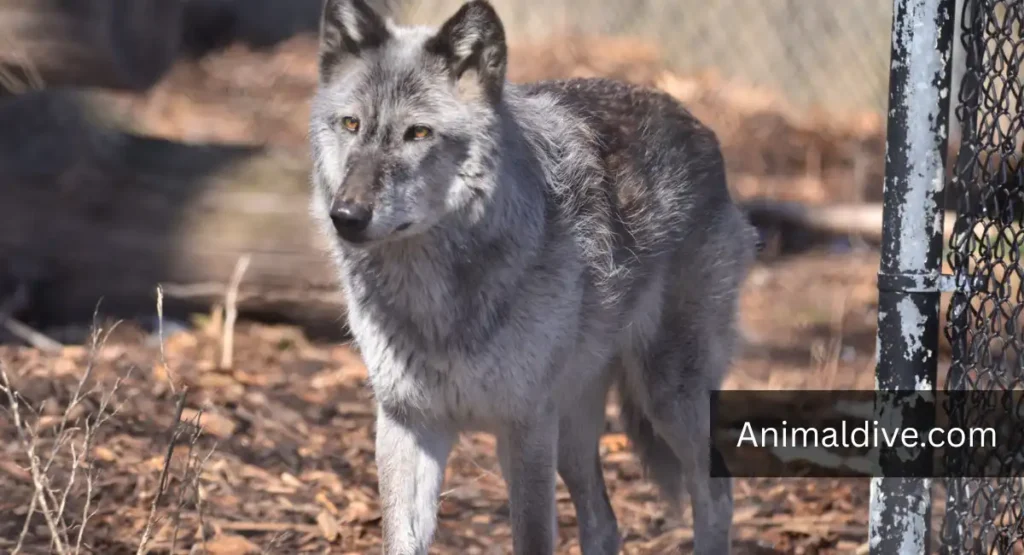
Wolves rely on their keen sense of smell and hearing to locate potential meals. This adaptability ensures they can survive in various habitats by targeting various food sources, including monkeys.
Interesting Fact: A wolf’s sense of smell is about 10,000 to 100,000 times more acute than a human’s, significantly enhancing their ability to find food.
Coyote
Scientific Name: Canis latrans
Class: Mammalia
Diet: Omnivorous
Habitat: Deserts, grasslands, and urban areas
Coyotes are highly adaptive hunters and will eat monkeys if they overlap in habitat. They often hunt alone or in pairs, using their keen intelligence and stealth to chase down faster prey.
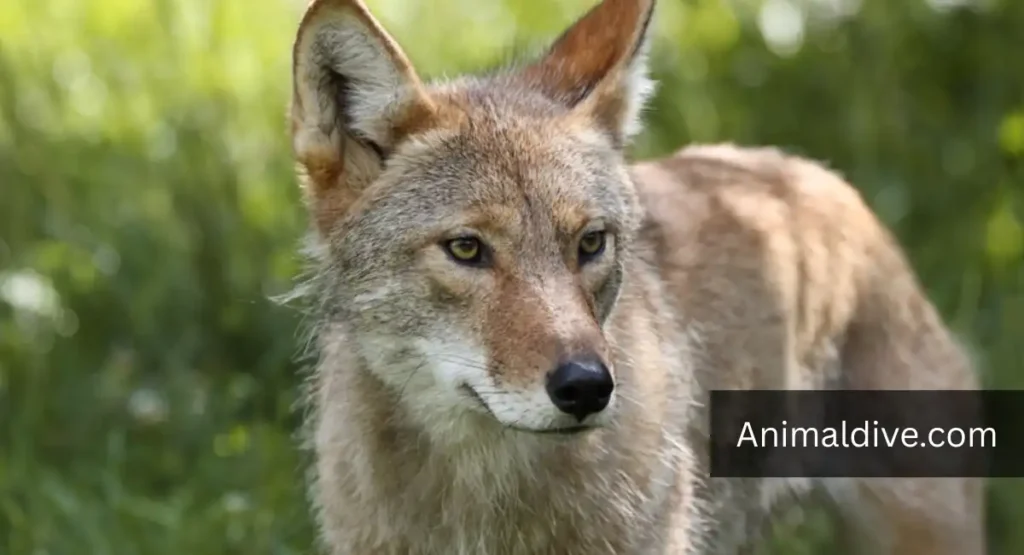
Their opportunistic nature means they will adapt their diet based on available food sources. When it comes to hunting monkeys, coyotes use strategic tactics similar to those they employ when hunting rabbits or smaller mammals.
Interesting Fact: Coyotes are incredibly clever and have learned to thrive in urban areas, often hunting smaller animals, including monkeys, in suburban settings.
Boa Constrictor
Scientific Name: Boa constrictor
Class: Reptilia
Diet: Carnivorous
Habitat: Rainforests and dry forests
Boa constrictors may prey on monkeys when they can. By relying on ambush tactics, they remain hidden until a monkey comes into range. Once close enough, they strike decisively.
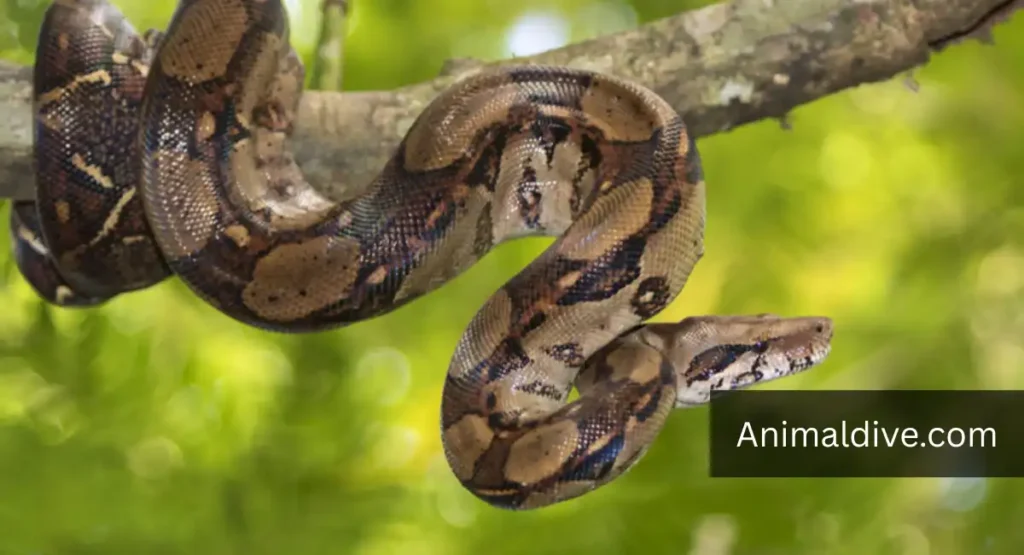
Using their muscular bodies, they wrap around their prey to form a tight squeeze. This method ensures that the monkey cannot escape, emphasizing the boa’s effectiveness as a predator.
Interesting Fact: Boa constrictors can detect temperature changes in their environment, helping them locate warm-blooded prey like monkeys.
Monkey Predators By Category
Monkeys face threats from a wide range of predators, including powerful mammals, birds of prey, and large reptiles. Each predator uses unique hunting techniques to catch monkeys in forests, rainforests, and other natural habitats.
Mammals That Eat Monkeys
| Animal | Scientific Name | Class | Diet |
| Leopard | Panthera pardus | Mammalia | Carnivore |
| Jaguar | Panthera onca | Mammalia | Carnivore |
| Tiger | Panthera tigris | Mammalia | Carnivore |
| Lion | Panthera leo | Mammalia | Carnivore |
| Clouded Leopard | Neofelis nebulosa | Mammalia | Carnivore |
| Ocelot | Leopardus pardalis | Mammalia | Carnivore |
| Margay | Leopardus wiedii | Mammalia | Carnivore |
| African Wild Dog | Lycaon pictus | Mammalia | Carnivore |
| Dhole (Asiatic Wild Dog) | Cuon alpinus | Mammalia | Carnivore |
| Chimpanzee | Pan troglodytes | Mammalia | Omnivore |
| Baboon | Papio spp. | Mammalia | Omnivore |
| Gray Wolf | Canis lupus | Mammalia | Carnivore |
| Coyote | Canis latrans | Mammalia | Omnivore |
Birds That Eat Monkeys
| Animal | Scientific Name | Class | Diet |
| Harpy Eagle | Harpia harpyja | Aves | Carnivore |
| Crowned Eagle | Stephanoaetus coronatus | Aves | Carnivore |
| Martial Eagle | Polemaetus bellicosus | Aves | Carnivore |
| Philippine Eagle | Pithecophaga jefferyi | Aves | Carnivore |
| Red-tailed Hawk | Buteo jamaicensis | Aves | Carnivore |
Reptiles That Eat Monkeys
| Animal | Scientific Name | Class | Diet |
| Nile Crocodile | Crocodylus niloticus | Reptilia | Carnivore |
| American Alligator | Alligator mississippiensis | Reptilia | Carnivore |
| Green Anaconda | Eunectes murinus | Reptilia | Carnivore |
| Reticulated Python | Malayopython reticulatus | Reptilia | Carnivore |
| King Cobra | Ophiophagus hannah | Reptilia | Carnivore |
| Komodo Dragon | Varanus komodoensis | Reptilia | Carnivore |
| Boa Constrictor | Boa constrictor | Reptilia | Carnivore |
What Eats Monkeys In the Rainforest?
Jaguars and leopards, both apex predators, stealthily stalk the undergrowth, using their powerful jaws to capture unsuspecting primates. The harpy eagle and crowned eagle soar high above, utilizing their keen eyesight to spot monkeys among the treetops, swooping down with astonishing speed and accuracy.
The green anaconda and reticulated python are formidable ambush hunters, using their size and strength to constrict larger prey, including monkeys. Ocelots and clouded leopards blend seamlessly into their surroundings, employing stealth and cunning to hunt smaller monkey species.
Even chimpanzees, though known for their intelligence and social structures, can be opportunistic hunters, showcasing the complexity of the rainforest food chain and the myriad interactions that define life in these vibrant habitats.
How Do Monkeys Escape Predators?
Monkeys have evolved a remarkable set of strategies to evade predators, often living in troops for safety in numbers. This social structure allows for swift communication through alarm calls, alerting fellow troop members to impending danger. This troop behavior is a common survival strategy across the animal kingdom many animals that live in groups rely on shared vigilance and coordinated alarm systems to fend off predators, much like monkey troops do in the wild.”
Their fur often blends seamlessly with their forest surroundings, offering natural camouflage that hides them from keen-eyed predators. Beyond physical adaptations, monkeys showcase their intelligence in devising clever escape tactics, using both cooperative and individual strategies.
Interesting Facts About Animals That Eat Monkeys
- Certain species of large snakes, such as anacondas and pythons, are known to prey on monkeys when they venture too close to water sources.
- The jaguar, a powerful big cat, often includes monkeys in its diet, showcasing its skill in climbing and ambushing.
- Capuchin monkeys, while typically agile and smart, sometimes fall victim to eagle attacks, as these birds can swiftly snatch them from the trees.
- Some tropical carnivores, like the ocelot, exhibit opportunistic feeding behavior, easily adapting to hunt monkeys in their environment.
- Wild boars have also been observed attacking juvenile monkeys, capitalizing on their size and strength to dominate smaller primates.
- The introduced species of macaques in certain regions have faced predation from local crocodiles, revealing the complexities of food webs.
- In the animal kingdom, social structures influence predation; for instance, howler monkeys often serve as alarm sentinels for their troops, yet they can still fall prey to lurking predators.
- Hunting strategies vary markedly across species, from the ambush tactics of leopards to the coordinated hunts among packs of wild dogs targeting vulnerable monkeys.
- Primates like the mantled guereza are sometimes hunted by larger carnivorous animals that thrive in the same canopy ecosystems.
Conclusion
The intricate web of life showcases the numerous animals that eat monkeys and their critical role in maintaining ecological balance. Monkeys serve as both prey and competitors, influencing the behavioral adaptations of their predators in the wild.
From tiny marmosets to larger macaques, small monkey breeds vary widely in size, which often determines which predators can realistically target them. Smaller species tend to fall prey to birds and mid-sized cats, while larger monkeys are more likely to face big cats and large reptiles.
FAQs
What Animals Are Monkeys Afraid Of?
Monkeys are naturally afraid of predators such as leopards, tigers, eagles, crocodiles, and large snakes that can hunt them.
What Is Monkey Meat Called?
Monkey meat is commonly called bushmeat, a term used for meat obtained from wild animals.
What Animal Is the Enemy of the Monkey?
The monkey’s main natural enemies are leopards, jaguars, eagles, crocodiles, and large snakes that hunt them for food.
Which Predators Eat Monkeys?
Monkey predators include big cats, birds of prey, large snakes, crocodiles, and even some primates like chimpanzees.
Which Animal Eats a Monkey?
Leopards, jaguars, eagles, crocodiles, pythons, and anacondas are among the most common animals that eat monkeys in the wild.