Top 34 Shy Animals In The World (With Pictures, Facts & Habitats)
The realm of nature is filled with Shy Animals In The World that often go unnoticed, hiding away in their natural habitats. These shy animals are captivating not just for their elusive behavior but also for their unique adaptations and gentle demeanor.
Let’s explore a curated list of 34 animals that are quiet and shy, revealing fascinating facts and the regions they call home. Whether you’re a wildlife enthusiast or simply curious, you’ll discover that some of these shy yet friendly creatures have much to teach us about the importance of tranquility in the animal kingdom.
What Are Shy Animals?
Shy animals, often categorized as shy quiet animals, exhibit a natural tendency to avoid interaction and remain hidden from potential threats. These creatures instinctively choose solitude or concealment as a means of self-preservation, relying on their natural camouflage or secretive behavior to navigate their environments.
Several factors contribute to an animal’s shyness, including evolutionary traits and habitat conditions. By minimizing exposure to predators, they increase their chances of survival, demonstrating an instinctual wisdom that shapes their behavior. This quietude also allows them to conserve energy and remain alert, ready to flee at the first sign of danger.
Why Are Some Animals So Shy?
Shy yet friendly animals often exhibit behaviors rooted in survival instincts. For many species, being cautious allows them to avoid predators, effectively enhancing their chances of survival. This cautious demeanor becomes a natural response when threats abound, enabling these animals to thrive in environments fraught with danger.
Human disturbance and habitat loss also contribute significantly to animals’ shyness. As their natural homes diminish, animals become increasingly wary of human interaction, adapting their behavior to evade potential threats.
List Of The Top 34 Shy Animals In The World
| No. | Animal | Scientific Name | Class | Diet |
| 1 | Deer | Cervidae | Mammalia | Herbivore |
| 2 | Slow Loris | Nycticebus | Mammalia | Omnivore |
| 3 | Cheetah | Acinonyx jubatus | Mammalia | Carnivore |
| 4 | Sloth | Folivora | Mammalia | Herbivore |
| 5 | Fossa | Cryptoprocta ferox | Mammalia | Carnivore |
| 6 | Platypus | Ornithorhynchus anatinus | Mammalia | Carnivore |
| 7 | Saola | Pseudoryx nghetinhensis | Mammalia | Herbivore |
| 8 | Snow Leopard | Panthera uncia | Mammalia | Carnivore |
| 9 | Koala | Phascolarctos cinereus | Mammalia | Herbivore |
| 10 | Red Squirrel | Sciurus vulgaris | Mammalia | Omnivore |
| 11 | Kiwi | Apteryx | Aves | Omnivore |
| 12 | Quokka | Setonix brachyurus | Mammalia | Herbivore |
| 13 | Okapi | Okapia johnstoni | Mammalia | Herbivore |
| 14 | Tarsier | Tarsiidae | Mammalia | Carnivore |
| 15 | Dik-Dik | Madoqua | Mammalia | Herbivore |
| 16 | Hedgehog | Erinaceinae | Mammalia | Omnivore |
| 17 | Kakapo | Strigops habroptilus | Aves | Herbivore |
| 18 | Red Panda | Ailurus fulgens | Mammalia | Omnivore |
| 19 | Giant Anteater | Myrmecophaga tridactyla | Mammalia | Insectivore |
| 20 | Pangolin | Pholidota | Mammalia | Insectivore |
| 21 | Aye-Aye | Daubentonia madagascariensis | Mammalia | Omnivore |
| 22 | Maned Wolf | Chrysocyon brachyurus | Mammalia | Omnivore |
| 23 | Binturong | Arctictis binturong | Mammalia | Omnivore |
| 24 | Meerkat | Suricata suricatta | Mammalia | Omnivore |
| 25 | Fennec Fox | Vulpes zerda | Mammalia | Omnivore |
| 26 | Aardvark | Orycteropus afer | Mammalia | Insectivore |
| 27 | Giant Panda | Ailuropoda melanoleuca | Mammalia | Herbivore |
| 28 | Axolotl | Ambystoma mexicanum | Amphibia | Carnivore |
| 29 | Kangaroo | Macropus | Mammalia | Herbivore |
| 30 | Spoon-Billed Sandpiper | Calidris pygmaea | Aves | Carnivore |
| 31 | Pudu | Pudu puda | Mammalia | Herbivore |
| 32 | Margay | Leopardus wiedii | Mammalia | Carnivore |
| 33 | Mouse Deer (Chevrotain) | Tragulus | Mammalia | Herbivore |
| 34 | Harbor Seal | Phoca vitulina | Mammalia | Carnivore |
Deer
Scientific Name: Cervidae
Class: Mammalia
Diet: Herbivore
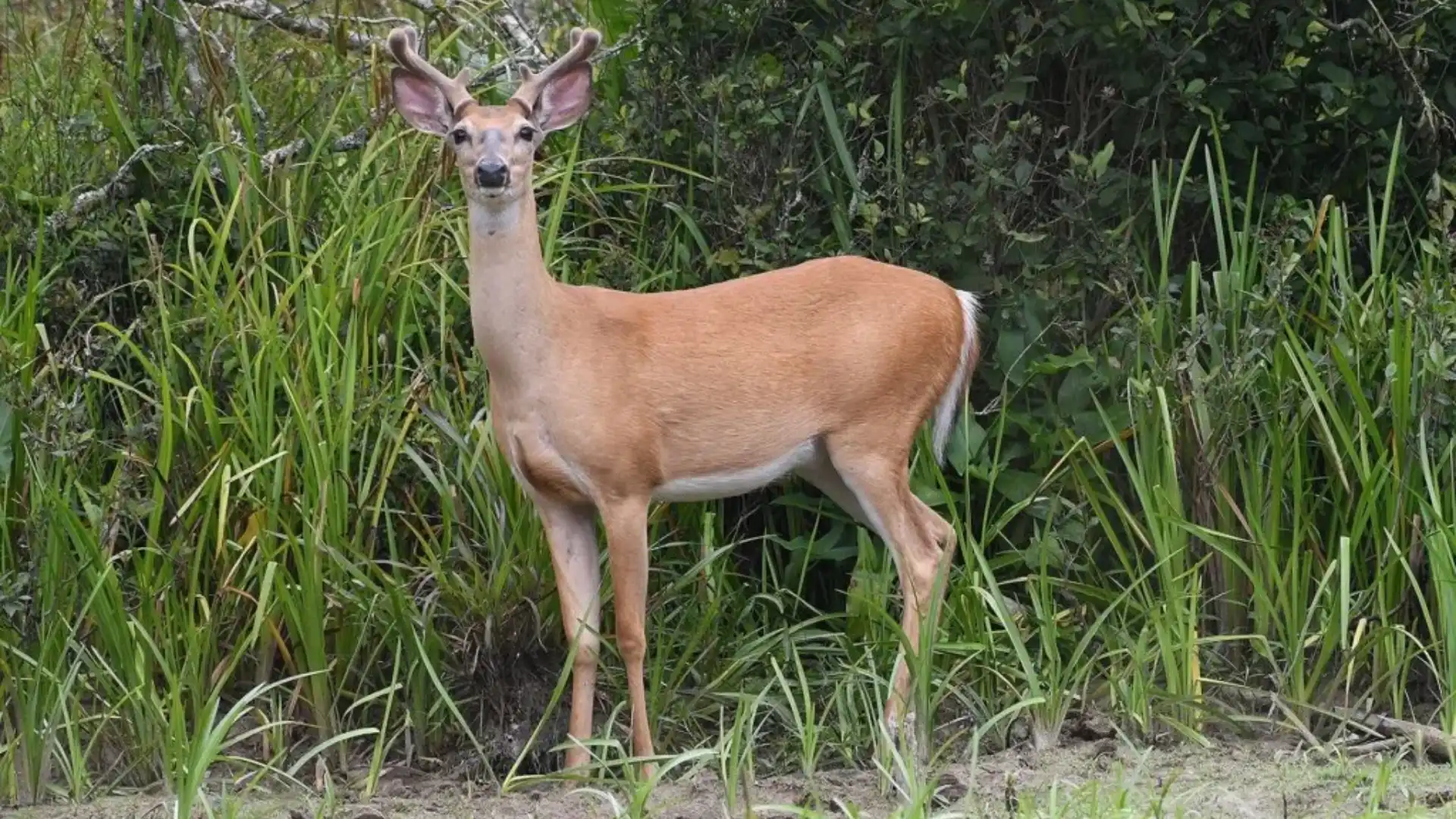
Deer are among the most graceful shy animals in the world, often spotted in forests and grasslands, blending seamlessly into their environments. Their highly developed senses allow them to detect even the slightest disturbance, aiding their ability to evade predators.
These creatures often remain elusive, disappearing at the slightest hint of danger. Their social structures can be fascinating, as some species live in matriarchal groups, relying heavily on the bonds they form with one another for protection.
Slow Loris
Scientific Name: Nycticebus
Class: Mammalia
Diet: Omnivore
The slow loris captivates with its endearing and timid demeanor, making it one of the shy animals in the world. These nocturnal primates thrive in small groups, utilizing their stealth to forage quietly among the trees, often avoiding predators.
The slow loris possesses a unique method of defense, secreting toxins that can deter threats, adding to its elusive nature. Their large, expressive eyes only enhance their appeal, drawing in those fortunate enough to catch a glimpse of these timid critters.
Cheetah
Scientific Name: Acinonyx jubatus
Class: Mammalia
Diet: Carnivore
Although known for their breathtaking speed, cheetahs are surprisingly shy animals, often exhibiting a reserved demeanor, especially in the presence of larger predators. Their solitary nature means they often prefer to hunt alone or in small groups, relying on stealth rather than sheer force. This preference for solitude is shared by several other species featured among solitary animals in the world, each adapting different strategies to thrive without relying on a group.
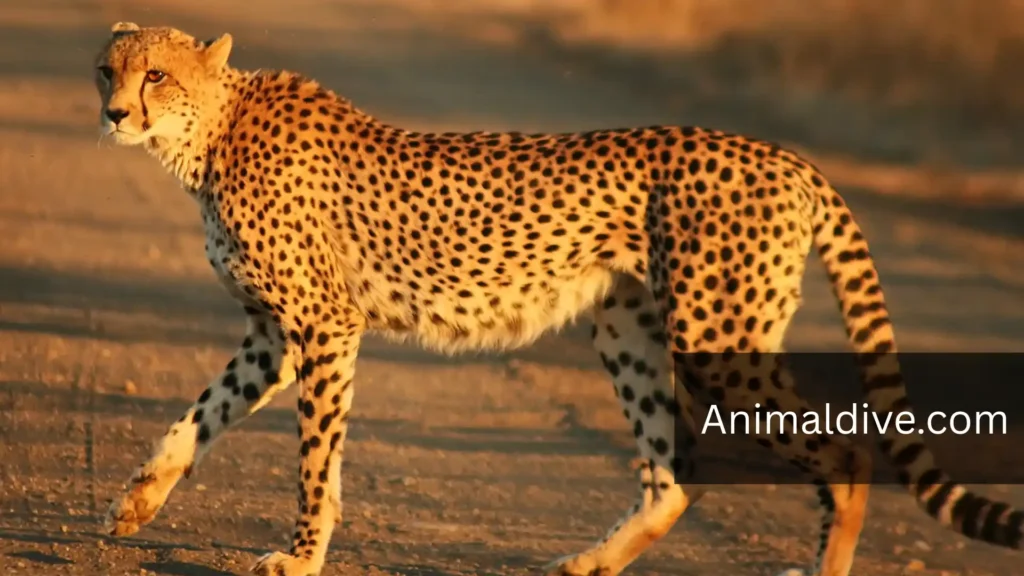
Cheetahs communicate through a variety of sounds, often using subtle chirps and purrs to convey their emotions to mates or offspring. This reserved communication style adds a layer of complexity to their social interactions, making them fascinating subjects for wildlife enthusiasts.
Sloth
Scientific Name: Bradypodidae
Class: Mammalia
Diet: Herbivore
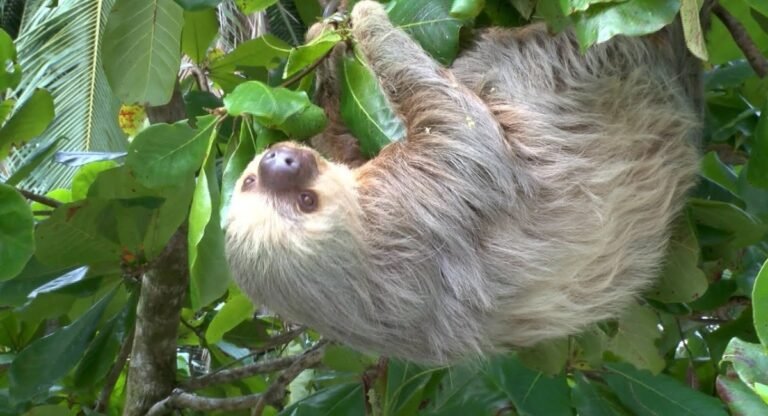
Sloths embody the essence of tranquility, presenting as one of the shiest animals in the world. Their slow-paced lifestyle in the treetops allows them to remain largely hidden from predators, relying on their impeccable camouflage to stay safe.
Despite their laid-back demeanor, sloths possess unique adaptations that enable them to thrive in their rainforest habitats. Their slow metabolic rates paired with specialized diets make them masters of conserving energy, showcasing nature’s ingenuity.
Fossa
Scientific Name: Cryptoprocta ferox
Class: Mammalia
Diet: Carnivore
The fossa, a unique predator endemic to Madagascar, is both mysterious and shy, avoiding human contact whenever possible. With its slender body and cat-like features, this elusive creature prefers to stalk its prey silently through the forest canopy.
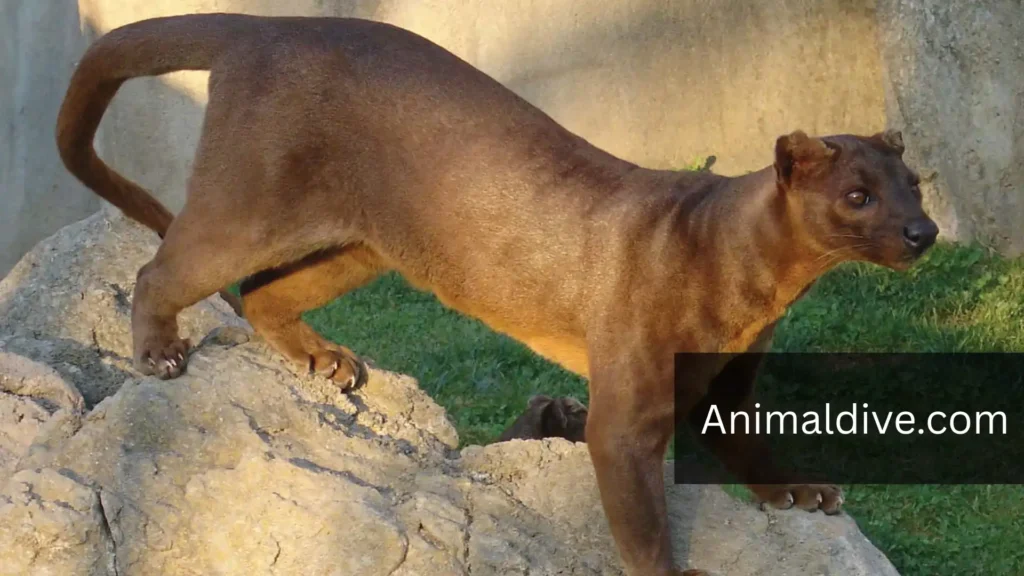
Its stealthy nature is complemented by its remarkable climbing abilities, allowing it to thrive in the treetops. Fossa behavior remains largely unstudied due to their reclusive lifestyle, intriguing researchers and wildlife lovers alike.
Platypus
Scientific Name: Ornithorhynchus anatinus
Class: Mammalia
Diet: Carnivore
The platypus is a fascinating creature that showcases the diversity of shy animals in the world. This semi-aquatic mammal is often hidden in quiet waters, using its incredible sense of touch to find food without relying on sight.
With a unique combination of features, such as a duck-bill and webbed feet, the platypus is adept at remaining discreet. Their elusive nature, coupled with the challenges of studying them in the wild, makes them a captivating subject for nature enthusiasts.
Saola
Scientific Name: Pseudoryx nghetinhensis
Class: Mammalia
Diet: Herbivore
Often called the “Asian unicorn,” the saola is one of the rarest and shyest animals on the planet. Residing in the Annamite Range of Vietnam and Laos, it prefers dense forests, making encounters with humans exceedingly rare.
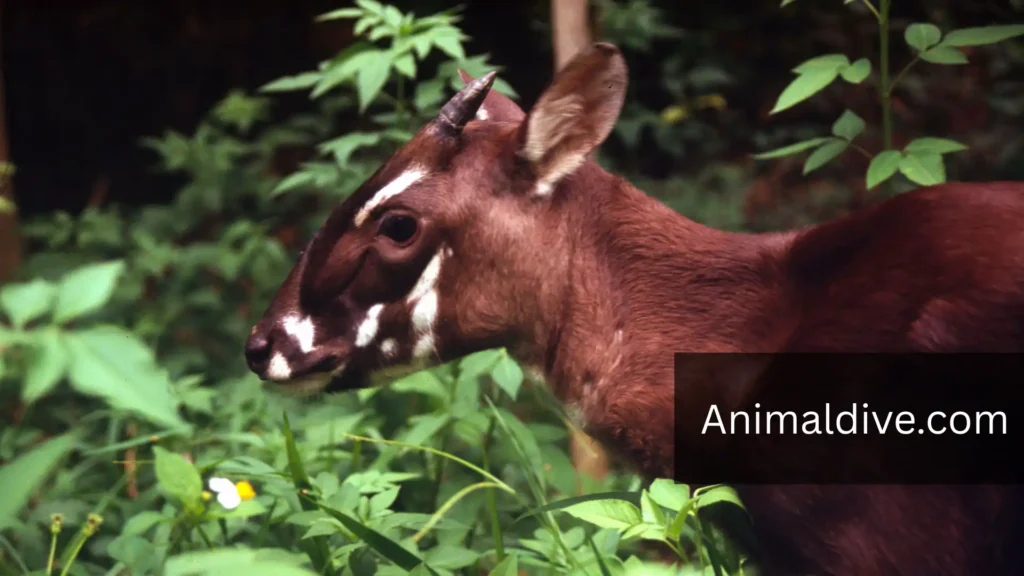
Saolas are known for their large, straight horns and strikingly unique features, yet their elusive nature has made it difficult for scientists to study them in detail. Their conservation status remains critical, underscoring the importance of protecting their natural habitat.
Snow Leopard
Scientific Name: Panthera uncia
Class: Mammalia
Diet: Carnivore
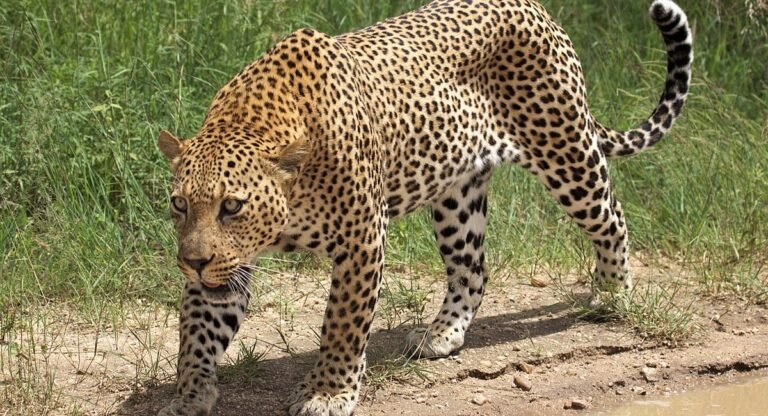
Snow leopards embody the essence of the shy animals in the world, often found in high mountain ranges, where they stealthily navigate rocky terrains. Their camouflaged coats help them blend into the snowy landscape, allowing them to hunt with precision while avoiding detection.
As solitary creatures, snow leopards are highly territorial and prefer to remain undisturbed in their vast habitats. Their elusive nature makes tracking them a rare adventure for wildlife photographers and biologists alike.
Koala
Scientific Name: Phascolarctos cinereus
Class: Mammalia
Diet: Herbivore
Koalas are charming marsupials, often seen dozing in eucalyptus trees, embodying the shy animals in the world. Their dependence on eucalyptus leaves limits their movement, leading to a reclusive lifestyle that prioritizes safety over exploration.
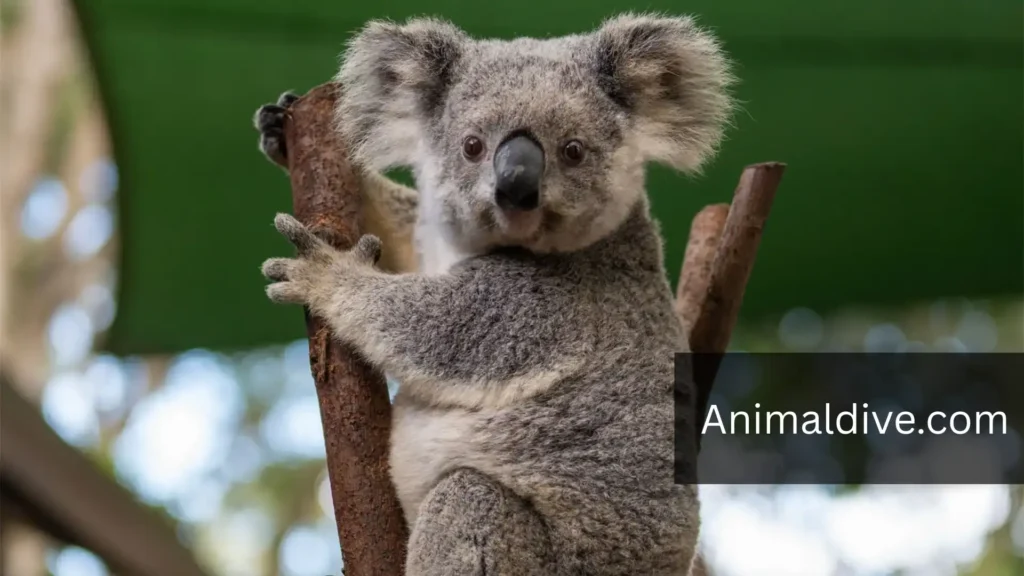
Despite their adorable appearance, koalas face numerous threats in the wild, prompting conservation efforts to preserve their shrinking habitats. Their soothing, quiet demeanor adds to their allure, making them icons of Australian wildlife.
Red Squirrel
Scientific Name: Sciurus vulgaris
Class: Mammalia
Diet: Herbivore
The red squirrel, often found in coniferous and mixed forests, is a shy and agile creature that can be difficult to spot due to its nimble movements. Known for its bushy tail and vibrant fur, it thrives on a diet of seeds, nuts, and berries, showcasing remarkable foraging skills.
Red squirrels are known to be territorial, often exhibiting cautious behaviors when encountering other squirrels or potential threats. Their cautious nature, combined with their striking appearance, makes them a beloved symbol of the forests they inhabit.
Kiwi
Scientific Name: Apteryx
Class: Aves
Diet: Omnivore
Kiwis, native to New Zealand, are fascinating shy animals, known for their distinctively long beaks and nocturnal behavior. Their inability to fly and reliance on ground-level foraging make them particularly vulnerable, leading them to adopt a stealthy lifestyle.
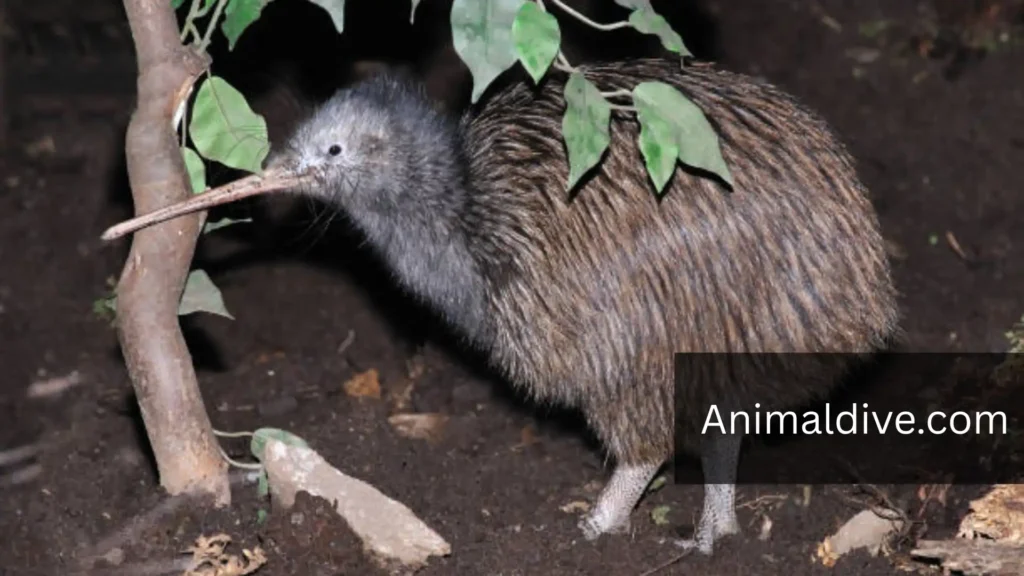
Despite their small size, kiwis are emblematic of New Zealand biodiversity, embodying a unique role in their ecosystem. Their flightless nature adds a layer of intrigue to conservation discussions, highlighting ongoing efforts to protect these irreplaceable birds.
Quokka
Scientific Name: Setonix brachyotus
Class: Mammalia
Diet: Herbivore
The quokka, often dubbed “the world’s happiest animal,” is a small marsupial native to Australia, exhibiting a shy but friendly demeanor. Known for their adorable, smiling faces, they tend to avoid human interaction, opting for the safety of dense vegetation.
This social animal is often found in small groups, feeding on various native plants, which makes encounters with them delightful yet brief. Their gentle, unbothered attitude toward visitors is part of why quokkas are often listed among the most docile animals in the world, rarely showing aggression even when approached.
Okapi
Scientific Name: Okapia johnstoni
Class: Mammalia
Diet: Herbivore
The okapi, a mesmerizing relative of the giraffe, is considered one of the shy animals in the world, inhabiting the dense rainforests of the Congo. With a unique blend of zebra-like stripes and a long neck, they are experts at blending in with their lush surroundings.
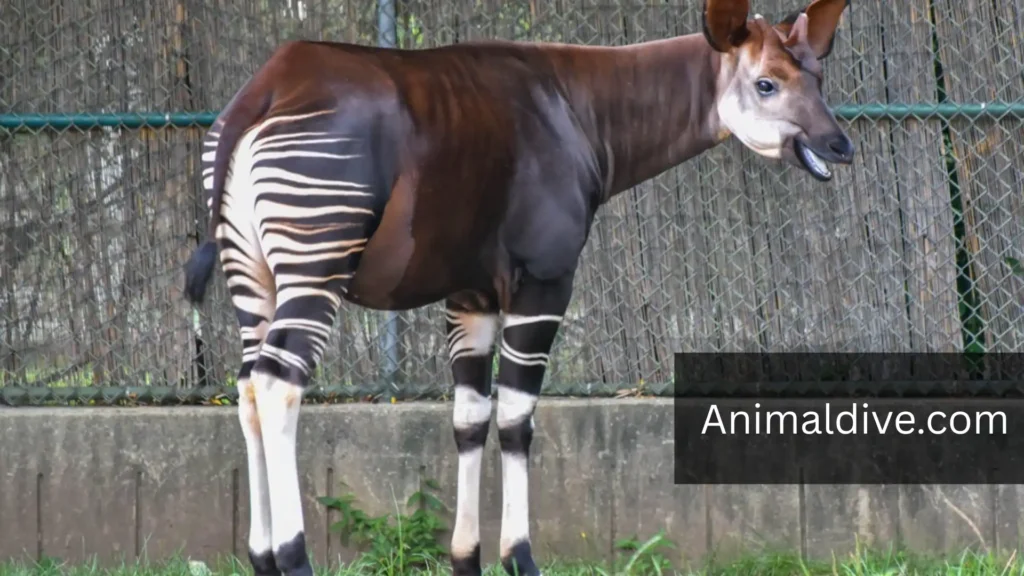
These elusive creatures primarily browse on leaves, fruits, and flowers, maintaining a solitary lifestyle that makes them particularly difficult to study in the wild. Their shyness and striking appearance contribute to their status as one of nature’s hidden treasures.
Tarsier
Scientific Name: Carlito syrichta
Class: Mammalia
Diet: Carnivore
Tarsiers, the tiny primates found in the forests of Southeast Asia, are known for their large, expressive eyes and shy disposition. These nocturnal creatures prefer to remain hidden among the trees, using their excellent night vision to navigate their environment.
Despite their small size, tarsiers are agile hunters, preying on insects and small animals. Their secretive nature adds an element of intrigue, prompting ongoing research into their unique behaviors and environment.
Dik-Dik
Scientific Name: Madoqua
Class: Mammalia
Diet: Herbivore
Dik-diks are charmingly tiny antelopes found in the savannas of East Africa, recognized for their shy nature and delicate features. Their small stature allows them to blend seamlessly into their surroundings, making them masters of evasion. That compact build extends to their delicate features, placing dik-diks among the animals with small ears that rely on subtlety rather than size to stay safe.
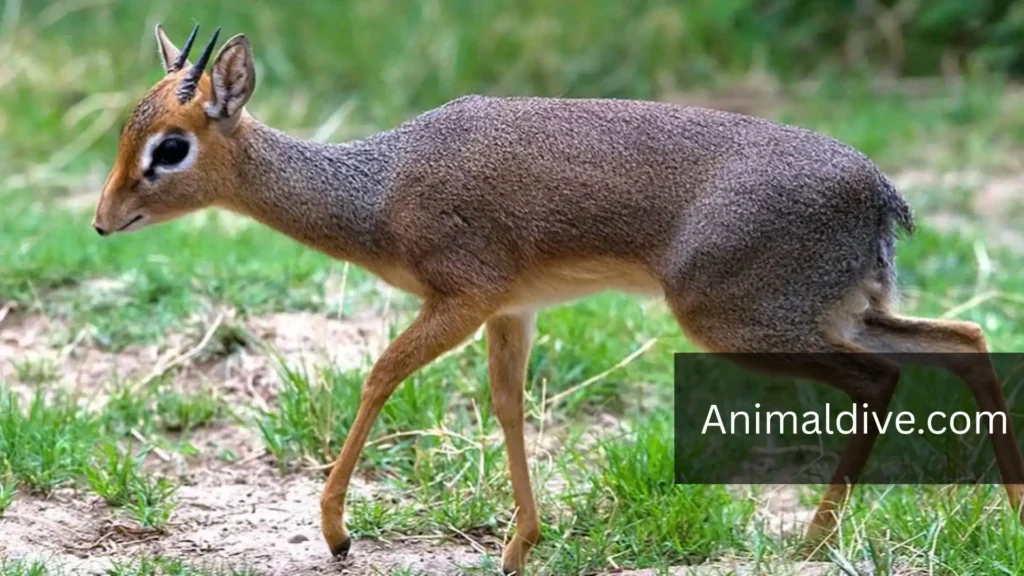
These social animals prefer to live in pairs, using sharp instincts to communicate and alert each other to potential dangers. Their quick movements and gentle demeanor make them captivating subjects in the wild, embodying the essence of skittishness.
Hedgehog
Scientific Name: Erinaceus
Class: Mammalia
Diet: Omnivore
Hedgehogs are nocturnal mammals known for their distinctive spines and shy personality, often curling into a ball when threatened. Their primary defense mechanism highlights their gentle nature, as they prefer to retreat rather than confront danger.
Found across various habitats, these small creatures are excellent foragers, hunting insects and small invertebrates at night. Their shy demeanor, coupled with an adorable appearance, has made them beloved pets and symbols of wildlife conservation efforts.
Kakapo
Scientific Name: Strigops habroptilus
Class: Aves
Diet: Herbivore
The kakapo, a flightless parrot native to New Zealand, exemplifies the uniqueness of shy animals in the world. Once on the brink of extinction, these nocturnal birds now embrace a slow and deliberate lifestyle, feeding primarily on fruits and flowers.
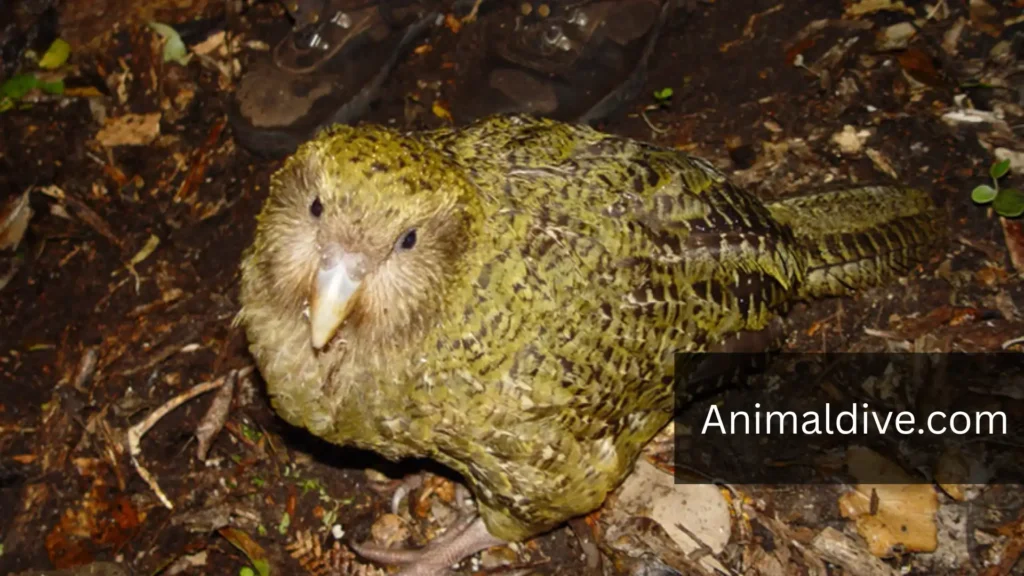
Kakapos are critically endangered, and their shy nature makes conservation efforts challenging yet vital. They display fascinating social behaviors, often engaging in elaborate mating dances during the breeding season, showcasing their unique charm.
Red Panda
Scientific Name: Ailurus fulgens
Class: Mammalia
Diet: Herbivore
The red panda is an enchanting creature, embodying the essence of shy animals in the world. With their distinctive reddish-brown fur and bushy tails, these solitary animals thrive in the dense bamboo forests of the Himalayas and China.
Though sometimes referred to as “fire foxes,” red pandas’ elusive behavior and limited range make them particularly vulnerable. Their diet primarily consists of bamboo, but they occasionally indulge in fruits and small animals, highlighting their adaptability.
Giant Anteater
Scientific Name: Myrmecophaga tridactyla
Class: Mammalia
Diet: Invertebrate
The giant anteater, with its elongated snout and shaggy coat, is a remarkable yet shy creature native to Central and South America. Primarily feeding on ants and termites, this specialized diet requires a careful approach to foraging, often leading to solitary habits.
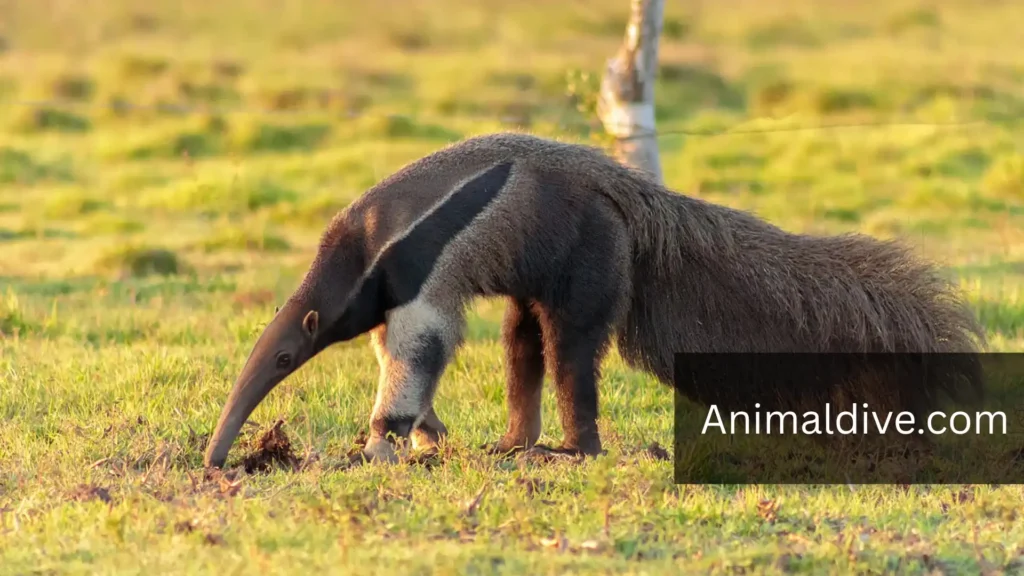
While they boast impressive claws and a formidable tongue, these animals prefer to avoid confrontation whenever possible. Their reclusiveness, along with their unique physical adaptations, captivates wildlife enthusiasts around the globe.
Pangolin
Scientific Name: Manis
Class: Mammalia
Diet: Invertebrate
Pangolins are fascinating yet enigmatic creatures, often recognized as the most trafficked mammals in the world due to their unique protective scales. Their shy nature leads them to curl into a ball when threatened, making them difficult to spot in the wild.
These nocturnal mammals primarily feed on ants and termites, showcasing remarkable adaptations for their diet. Their elusive behavior highlights the urgent need for conservation efforts, emphasizing their vulnerable status and the importance of preserving their habitats.
Aye-Aye
Scientific Name: Daubentonia madagascariensis
Class: Mammalia
Diet: Omnivore
The aye-aye, a mysterious primate native to Madagascar, is often misunderstood due to its unconventional appearance and shy behavior. With its long fingers designed for tapping on trees, it expertly locates hidden insects, contributing to its unique foraging strategies.
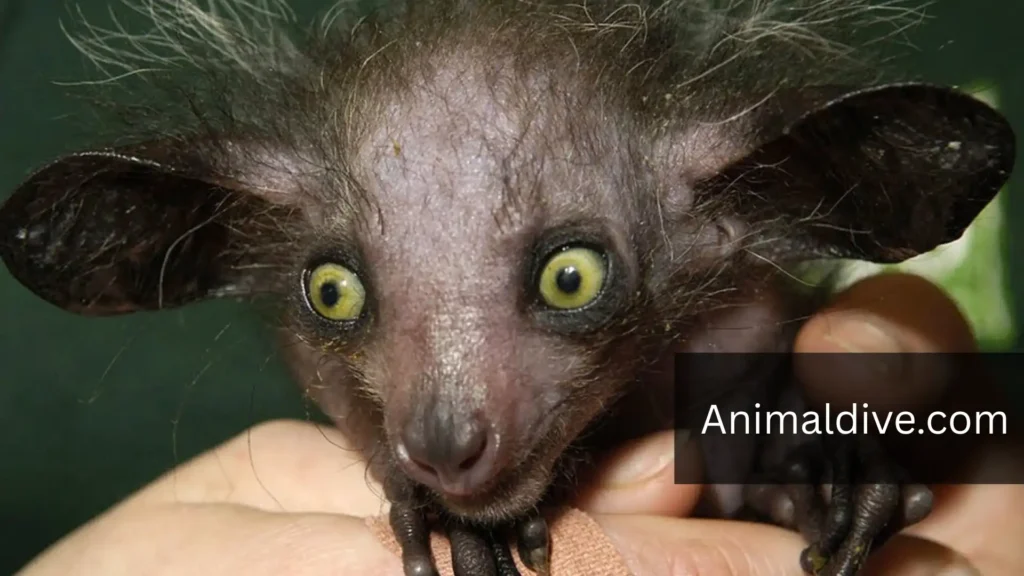
Despite its nocturnal habits, the aye-aye’s reticent nature makes sightings rare, adding to its allure among biologists and wildlife enthusiasts. This captivating creature highlights the rich biodiversity of Madagascar’s unique fauna and the challenges of its conservation.
Maned Wolf
Scientific Name: Chrysocyon brachyurus
Class: Mammalia
Diet: Omnivore
The maned wolf, often seen as a striking blend of fox and wolf, is known for its long legs and shy demeanor, making it a unique feature of South American grasslands. Unlike typical wolves, they prefer to hunt alone, showcasing their solitary yet fascinating behaviors. With their long legs and reddish coat, maned wolves are often compared to other animals similar to foxes, despite not being true wolves or foxes themselves.
Feeding on a diverse diet that includes small mammals, fruits, and insects, maned wolves play a key role in their ecosystem. Their elusive nature and distinctive appearance have led to ongoing interest in their conservation, raising awareness about the habitats they depend on.
Binturong
Scientific Name: Arctictis binturong
Class: Mammalia
Diet: Omnivore
The binturong, often referred to as the “bearcat,” is a shy, tree-dwelling mammal native to Southeast Asia. With a unique blend of cat-like features and a bear-like appearance, they are known for their distinctive prehensile tails and powerful sense of smell.
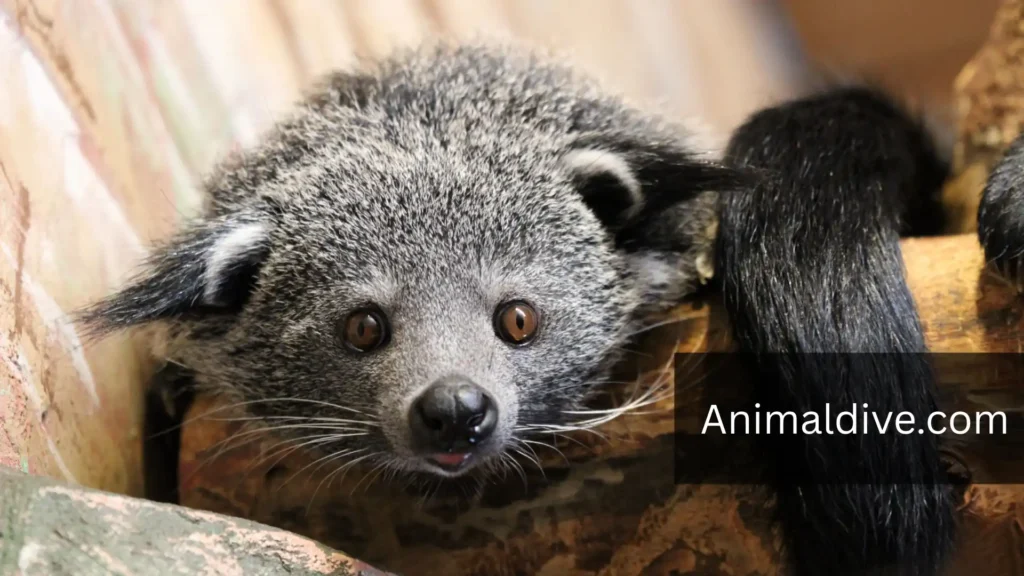
Although binturongs are nocturnal and elusive, they play a vital role in their forest ecosystems, often dispersing seeds and fostering biodiversity. Much of that seed dispersal comes from their fondness for fruit, placing binturongs among the many animals that eat berries found throughout Southeast Asia’s forests.
Meerkat
Scientific Name: Suricata suricatta
Class: Mammalia
Diet: Omnivore
Meerkats are fascinating social animals, but they can often exhibit shy behaviors, especially when encountering humans. Living in tightly-knit groups, they are known for their intriguing social structures and vigilant behavior aimed at protecting their young. This cooperative lifestyle places meerkats among the many animals that live in groups, where shared vigilance and division of labor boost survival odds for everyone involved.
While they may appear brave when standing upright to survey their surroundings, meerkats are acutely aware of potential dangers, quickly retreating into underground burrows. Their endearing social dynamics and cautious disposition make them captivating subjects for wildlife documentaries.
Fennec Fox
Scientific Name: Vulpes zerda
Class: Mammalia
Diet: Omnivore
The fennec fox is a small, nocturnal canine adorned with large ears, offering a shy and charming presence in the Sahara Desert. Adapted to their harsh environment, they exhibit a timid nature, preferring to stay hidden and stay cool during the day.
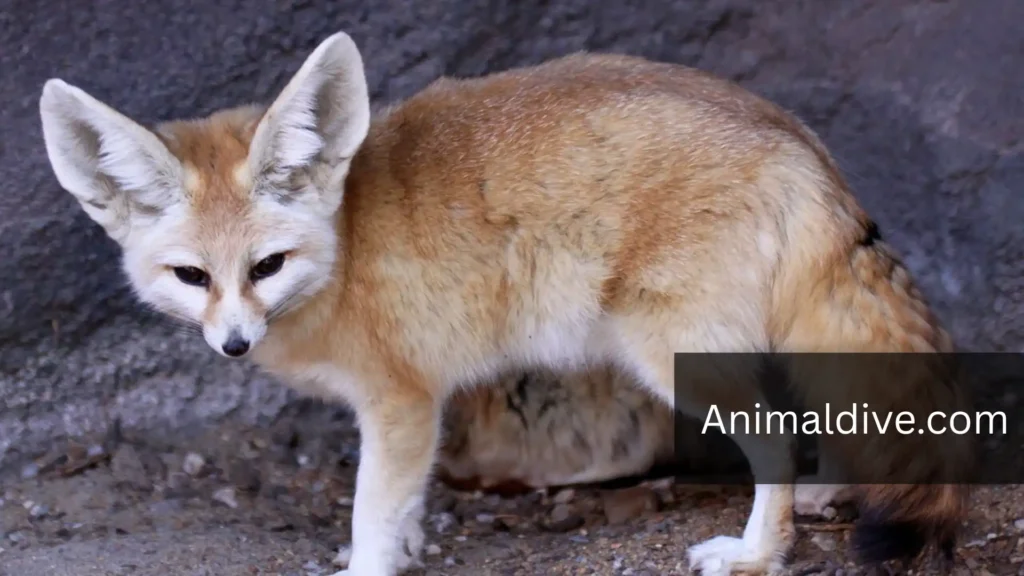
Despite their small size, fennec foxes are highly social and thrive in family groups, communicating through a variety of vocalizations. Their playful, high-pitched calls have even led some to wonder why foxes laugh, a curious behavior shared across several fox species in the wild.
Aardvark
Scientific Name: Orycteropus afer
Class: Mammalia
Diet: Invertebrate
The aardvark is an extraordinary mammal native to Africa, embodying the shyness prevalent in some of the world’s more elusive animals. Primarily nocturnal, these creatures use their keen sense of smell to locate ants and termites while minimizing their exposure to predators.
Famed for their long snouts and sharp claws, aardvarks dig intricate burrows that provide both shelter and security. Their reclusive nature highlights their unique adaptations to the environment, making them a little-known yet intriguing aspect of African wildlife.
Giant Panda
Scientific Name: Ailuropoda melanoleuca
Class: Mammalia
Diet: Herbivore
The giant panda is a beloved symbol of wildlife conservation, yet their shy temperament makes them elusive in the wild. These iconic creatures primarily inhabit bamboo forests, where they spend most of their waking hours foraging for this nutritious resource.
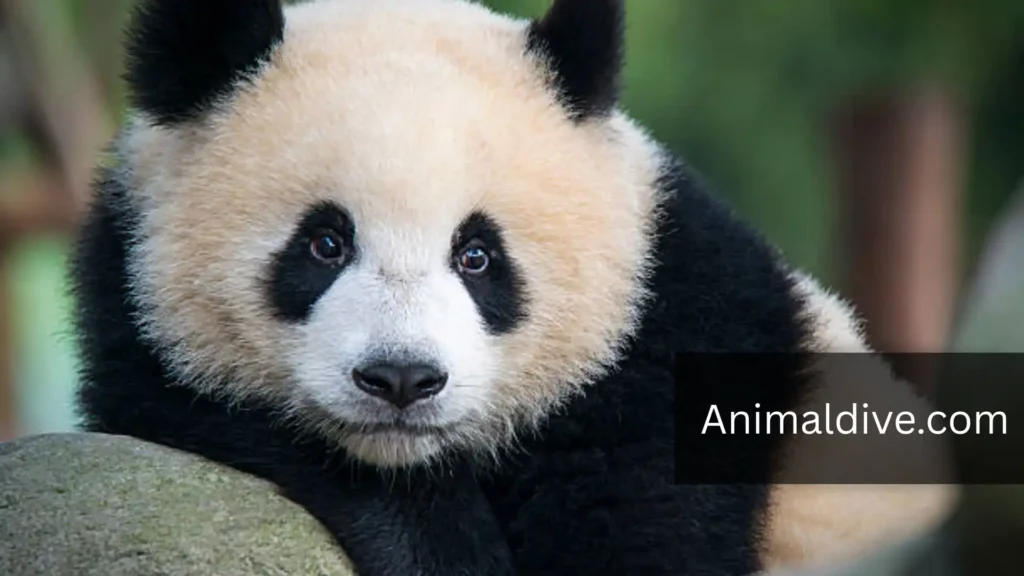
Despite their gentle appearance, giant pandas exhibit cautious behavior around unfamiliar environments, preferring solitude or small family groups. Their unique lifestyle and conservation status serve as powerful reminders of the importance of protecting their natural habitat.
Axolotl
Scientific Name: Ambystoma mexicanum
Class: Amphibia
Diet: Carnivore
The axolotl, known for its regenerative abilities, presents a shy demeanor that contributes to its endangered status. Found in the waters of Mexico, these unique amphibians prefer to remain hidden among the aquatic plants, making them relatively difficult to spot.
Their charming external gills and rare capabilities for regeneration have drawn significant scientific interest. The axolotl serves as a symbol of both ecological wonder and the urgent need for conservation in its native habitat.
Kangaroo
Scientific Name: Macropus
Class: Mammalia
Diet: Herbivore
While kangaroos are often viewed as iconic Australian wildlife, they can also exhibit shyness when approached by humans. These magnificent creatures are known for their powerful legs, which allow them to cover vast distances while seeking food and water. That same leg strength raises a common question about how strong kangaroos really are, since their kicks and jumps are powerful enough to fend off most predators.
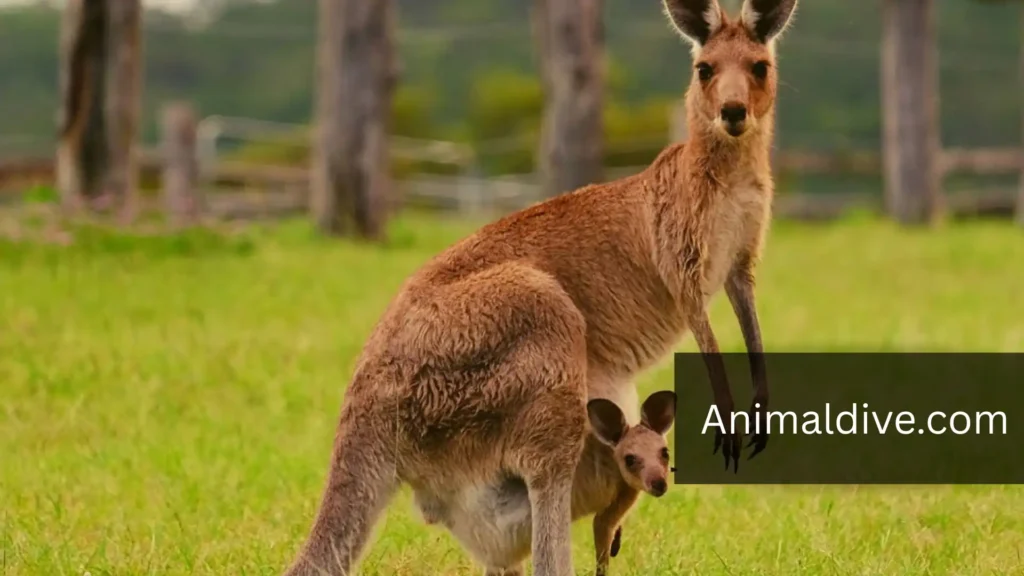
Living in groups called mobs, kangaroos display both social and wary behaviors, often relying on each other for protection. Their cautious habits emphasize the importance of maintaining a safe distance while observing them in their natural habitat.
Spoon-Billed Sandpiper
Scientific Name: Calidris pygmaea
Class: Aves
Diet: Invertebrate
The spoon-billed sandpiper is among the world’s most endangered shorebirds, exemplifying the characteristics of shy animals in the world. With its unique bill, adapted for foraging in soft mud, this elusive bird often avoids human interaction while nesting along remote coastlines.
Their small populations make each sighting a remarkable event for bird watchers and conservationists alike. Conservation efforts focused on preserving their habitats are crucial for ensuring the survival of this delicate species.
Pudu
Scientific Name: Pudu puda
Class: Mammalia
Diet: Herbivore
Pudus, the smallest deer species in the world, are shy animals often found in the temperate rainforests of South America. Their diminutive size and bushy coats allow them to maneuver deftly through dense vegetation while foraging for leaves and fruits.
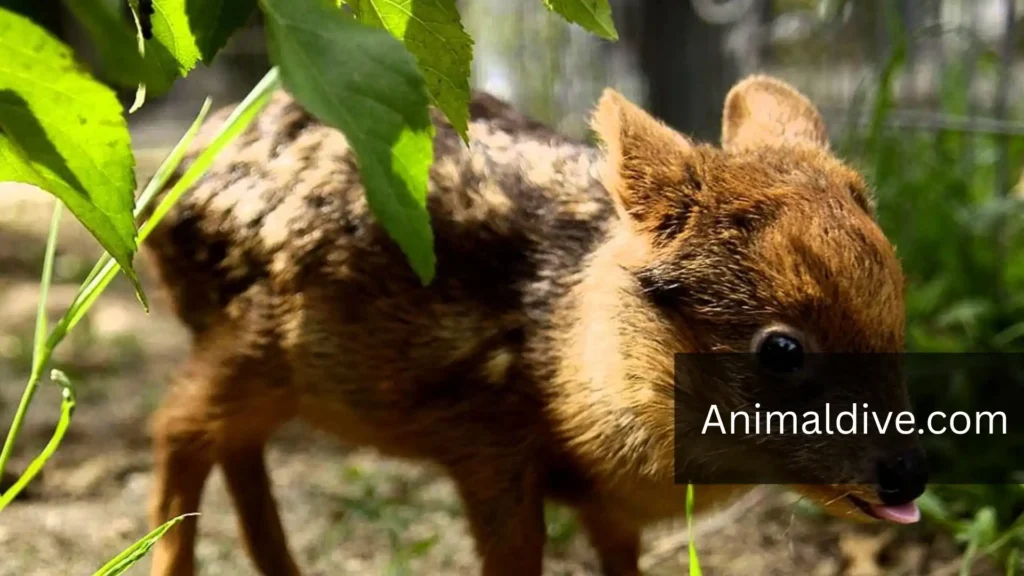
Due to their reclusive habits, sightings of pudus in the wild can be very rare, making them a delightful surprise for wildlife enthusiasts. Their sensitivity to environmental changes has raised concern for their conservation, emphasizing the importance of protecting their natural habitats.
Margay
Scientific Name: Leopardus wiedii
Class: Mammalia
Diet: Carnivore
The margay, a small wild cat native to Central and South America, is known for its shy and elusive behavior, making it one of the lesser-known felines. Its remarkable ability to climb trees allows it to hunt birds and small mammals while largely avoiding the ground’s dangers.
Margays generally prefer solitary lives, relying on stealth and camouflage to evade both predators and human observers. Their secretive nature and graceful movements make them fascinating subjects for wildlife photographers and conservationists alike.
Mouse Deer (Chevrotain)
Scientific Name: Tragulidae
Class: Mammalia
Diet: Herbivore
Mouse deer, also known as chevrotains, are among the smallest ungulates in the world, showcasing a shy and timid nature that makes them challenging to spot in the wild. Their secretive behavior often leads them to remain hidden in dense foliage, searching for fruits and leaves during foraging.
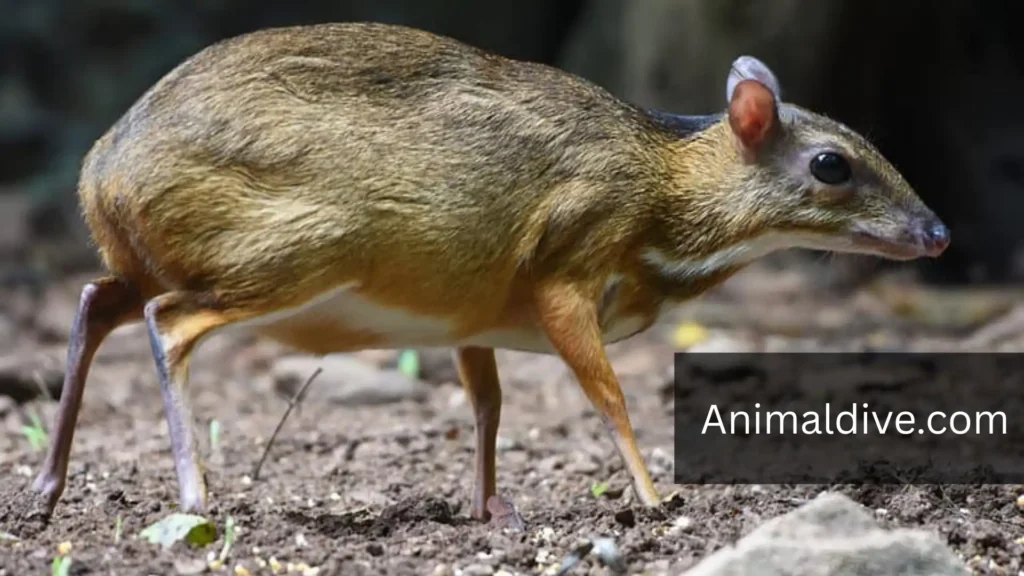
Because of their small size and subtle camouflage, mouse deer rely on quick movements to evade predators. Their elusive presence in the forests underscores the diversity of wildlife adaptations across different species.
Harbor Seal
Scientific Name: Phoca vitulina
Class: Mammalia
Diet: Carnivore
Harbor seals often embody shyness, typically preferring to stay at a safe distance from human activity along coastal shores. These marine mammals tend to haul out on the rocks or beaches to rest and bask, but they are quick to slip back into the water when approached.
With their sleek bodies and large eyes, harbor seals are well-adapted to life in the ocean, primarily feeding on fish and invertebrates. Their streamlined limbs place them among the many animals with flippers, a shared adaptation that makes swift, efficient swimming possible across open water.
Shy Animals By Habitat
Shy animals often remain unnoticed in their habitats, blending seamlessly with their surroundings while exhibiting unique behaviors. Let’s explore a variety of shy creatures from different ecosystems around the globe.
Forest Shy Animals
| Animal | Description |
| Deer | Extremely alert and quickly flees into forests when sensing danger. |
| Red Squirrel | Timid tree-dweller that hides in nests or dense branches. |
| Sloth | Quiet and slow-moving, spending most of its life hidden in trees. |
| Okapi | Secretive rainforest animal rarely seen due to its solitary lifestyle. |
| Binturong | Nocturnal forest mammal that avoids humans and stays high in trees. |
Mountain Shy Animals
| Animal | Description |
| Snow Leopard | Master of camouflage that quietly stalks rocky mountain slopes. |
| Saola | Extremely rare mountain forest animal that avoids human contact. |
| Dik-Dik | Small antelope that freezes or hides in vegetation when threatened. |
| Pudu | Tiny deer that slips silently through dense mountain forests. |
| Great Gray Owl | Secretive owl that quietly hunts in remote mountain woodlands. |
Desert Shy Animals
| Animal | Description |
| Fennec Fox | Nocturnal desert fox that spends daylight hours hidden underground. |
| Kangaroo | Avoids activity during extreme heat and stays cautious around people. |
| Aardvark | Solitary nighttime forager that shelters in deep burrows. |
| Pangolin | Rolls into a protective ball and hides when threatened. |
| Axolotl | Secretive amphibian that remains hidden among underwater plants. |
Wetland & River Shy Animals
| Animal | Description |
| Platypus | Rarely seen because it is mostly active at dawn and dusk. |
| Giant Anteater | Solitary animal that quietly searches for insects in wetlands and grasslands. |
| Meerkat | Alert and cautious, quickly retreats into burrows when danger appears. |
| Harbor Seal | Shy marine mammal that avoids boats and human activity. |
| Common Frog | Stays hidden among aquatic plants until it feels safe to emerge. |
Ocean Shy Animals
| Animal | Description |
| Harbor Seal | Prefers isolated coastlines and slips into the water when disturbed. |
| Platypus | Shy freshwater swimmer that avoids open areas and human presence. |
| Axolotl | Secretive aquatic amphibian that hides beneath rocks and vegetation. |
| Seahorse | Camouflages among seagrass and coral to stay unnoticed. |
| Common Octopus | Expert at hiding and changing color to avoid predators. |
Threats Facing Shy Animals
These intertwined threats create a precarious existence for shy animals, which often rely on camouflage and solitude for survival. Understanding these challenges provides insight into the urgent need for conservation efforts aimed at protecting both their habitats and the delicate balance of biodiversity.
- Deforestation: The relentless clearing of forests strips shy animals of their homes, putting immense pressure on their survival.
- Climate Change: Shifts in temperature and weather patterns disrupt ecosystems, forcing timid species to adapt quickly or face extinction.
- Illegal Hunting: Poaching poses a direct threat, targeting not just iconic species but also the less visible, vulnerable shy animals that play essential roles in their habitats.
- Habitat Fragmentation: As landscapes are divided by roads and urban development, shy animals struggle to navigate their increasingly isolated environments, leading to decreased gene flow and population decline.
- Human Expansion: Urban sprawl encroaches on wilderness, leaving shy animals with little refuge, pushing them further into precarious situations.
Conclusion
The exploration of the Top 34 Shy Animals In The World reveals a fascinating array of creatures that exhibit remarkable traits tied to their timid nature. From the elusive snow leopards to the gentle manatees, these shy animals showcase the importance of creating safe habitats.
Many of these animals are not just shy but also friendly, indicating that their quiet demeanor often masks a more social side. Understanding and appreciating the behaviors of these shy quiet animals helps us to foster a greater respect for wildlife and encourages biodiversity conservation efforts.
FAQs
What Are Shy Animals Class 4?
For Class 4 students, shy animals are animals that hide from danger, avoid humans, and stay quiet to protect themselves. Examples include deer, rabbits, koalas, sloths, and red pandas. These animals use their shy behavior as a natural survival strategy.
What Animal Is Shy But Kind?
The quokka is a shy but friendly animal that avoids danger rather than confrontation. Deer and koalas are also gentle, quiet animals that prefer peaceful environments and rarely show aggression.
What Are The Shy 5 Animals?
Five of the shyest animals are the Saola, Snow Leopard, Kakapo, Okapi, and Slow Loris. These species are known for their secretive behavior, quiet nature, and preference for avoiding humans.
Which Animal Is Most Shy?
The saola is often considered one of the shyest animals in the world because it avoids human contact and is rarely seen in the wild. Other extremely shy animals include the snow leopard, kakapo, and okapi.