Top 22 Animals With Flippers (Pictures, Facts & Amazing Adaptations)
Animals with flippers are some of the most fascinating and adapted creatures on the planet. From the sleek movements of flippered mammals like seals and sea lions to the graceful swimming of dolphins, these flippered aquatic animals showcase remarkable evolutionary traits.
Let’s explore the top 22 animals with flippers, providing stunning pictures and intriguing facts about each species. Whether you’re a wildlife enthusiast or simply curious about marine life, you’ll gain insights into their unique adaptations and lifestyles.
What Are Animal Flippers?
Animal flippers are specialized appendages that provide propulsion, balance, and steering for various marine creatures. Unlike fins, which are primarily flat and function in water resistance, flippers are often broader and more muscular, allowing animals like seals and penguins to navigate through both water and land environments efficiently.
The versatile design of flippers enables these animals to achieve remarkable agility in the water while still offering some mobility on land. For instance, sea lions use their flippers not only for swift swimming but also for maneuvering on rocky shores.
Why Do Animals Have Flippers?
Flippers evolved as specialized appendages that enhance swimming efficiency among marine animals. By transforming limbs into flippers, species like seals and penguins can navigate swiftly through water, drastically reducing drag. This streamlined adaptation allows for rapid movement, essential for escaping predators or chasing prey.
The broad surface area of flippers facilitates powerful strokes with minimal effort, enabling marine creatures to cover vast distances without exhausting themselves. This energy efficiency is vital for survival, as it allows animals to allocate resources towards foraging, mating, and evading threats in their oceanic habitats.
Top 22 Animals With Flippers List
| No. | Animal | Scientific Name | Class | Diet |
| 1 | Blue Whale | Balaenoptera musculus | Mammalia | Carnivore |
| 2 | Humpback Whale | Megaptera novaeangliae | Mammalia | Carnivore |
| 3 | Orca (Killer Whale) | Orcinus orca | Mammalia | Carnivore |
| 4 | Beluga Whale | Delphinapterus leucas | Mammalia | Carnivore |
| 5 | Narwhal | Monodon monoceros | Mammalia | Carnivore |
| 6 | Bottlenose Dolphin | Tursiops truncatus | Mammalia | Carnivore |
| 7 | Harbor Porpoise | Phocoena phocoena | Mammalia | Carnivore |
| 8 | Harbor Seal | Phoca vitulina | Mammalia | Carnivore |
| 9 | Gray Seal | Halichoerus grypus | Mammalia | Carnivore |
| 10 | Leopard Seal | Hydrurga leptonyx | Mammalia | Carnivore |
| 11 | Elephant Seal | Mirounga angustirostris | Mammalia | Carnivore |
| 12 | California Sea Lion | Zalophus californianus | Mammalia | Carnivore |
| 13 | Walrus | Odobenus rosmarus | Mammalia | Carnivore |
| 14 | Dugong | Dugong dugon | Mammalia | Herbivore |
| 15 | West Indian Manatee | Trichechus manatus | Mammalia | Herbivore |
| 16 | Green Sea Turtle | Chelonia mydas | Reptilia | Herbivore |
| 17 | Leatherback Sea Turtle | Dermochelys coriacea | Reptilia | Carnivore |
| 18 | Loggerhead Sea Turtle | Caretta caretta | Reptilia | Carnivore |
| 19 | Emperor Penguin | Aptenodytes forsteri | Aves | Carnivore |
| 20 | King Penguin | Aptenodytes patagonicus | Aves | Carnivore |
| 21 | Marine Otter | Lontra felina | Mammalia | Carnivore |
| 22 | Platypus | Ornithorhynchus anatinus | Mammalia | Carnivore |
Blue Whale
Scientific Name: Balaenoptera musculus
Class: Mammalia
Diet: Krill
Habitat: Oceans worldwide
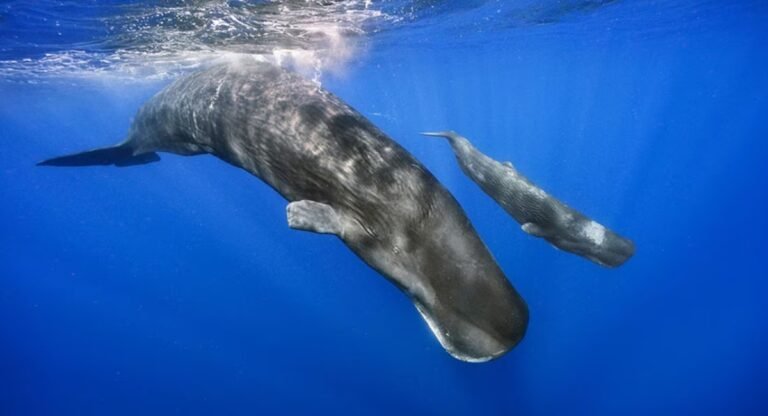
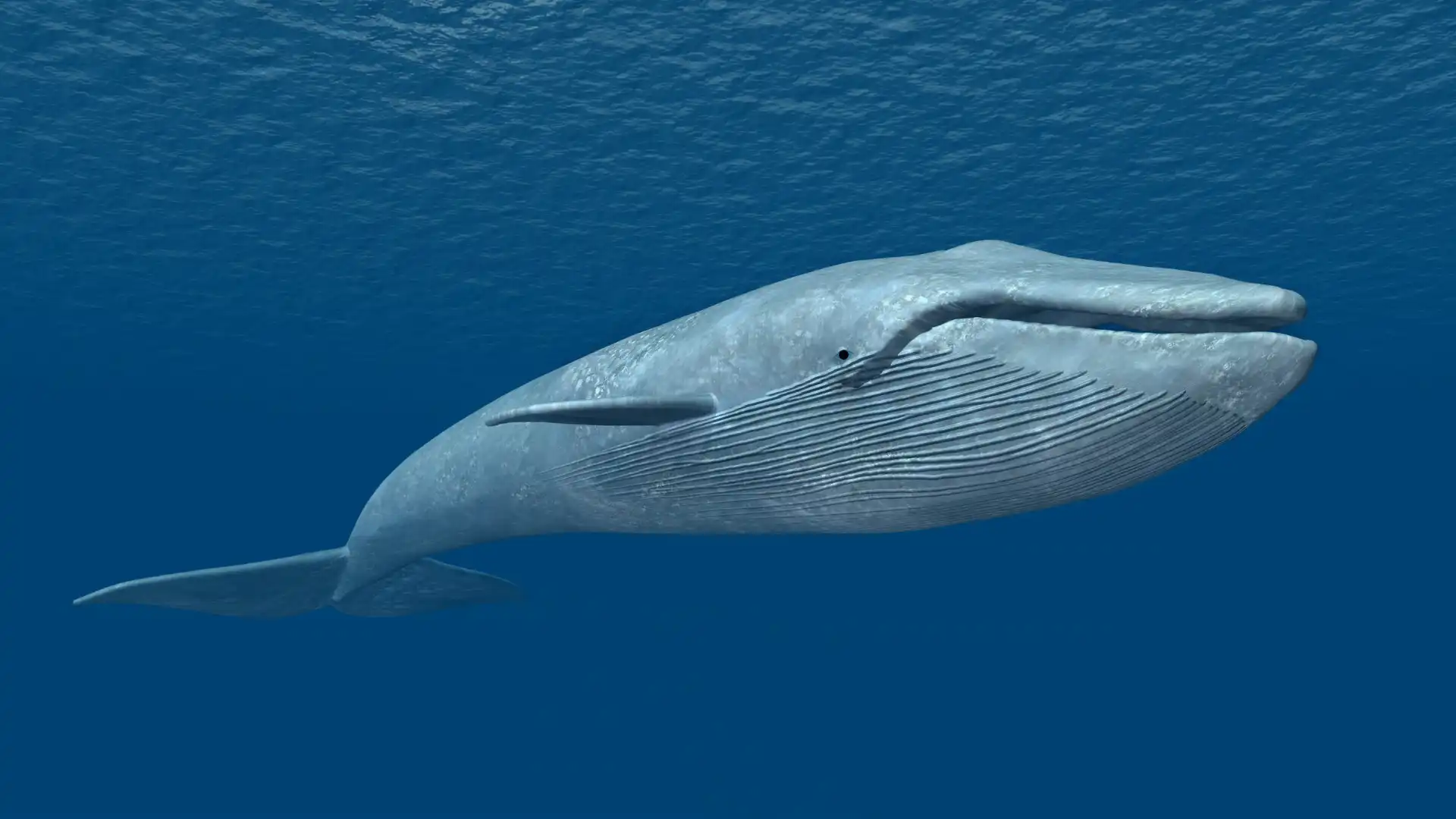
The blue whale, the largest animal on Earth, boasts a streamlined shape that enables it to glide gracefully through ocean waters. With a heart weighing as much as a small car, its massive size is matched only by its extraordinary vocalizations, which can be heard over vast distances underwater. In fact, the blue whale ranks among the strongest animals in the world, with a heart alone weighing as much as a small car.
Remarkably, despite their colossal size, blue whales primarily feed on tiny shrimp-like creatures called krill. Their specialized feeding technique, known as lunge feeding, allows them to engulf immense quantities of water and prey in a single gulp, showcasing a fascinating adaptation to their aquatic environment.
Humpback Whale
Scientific Name: Megaptera novaeangliae
Class: Mammalia
Diet: Small fish and krill
Habitat: Coastal and open ocean waters
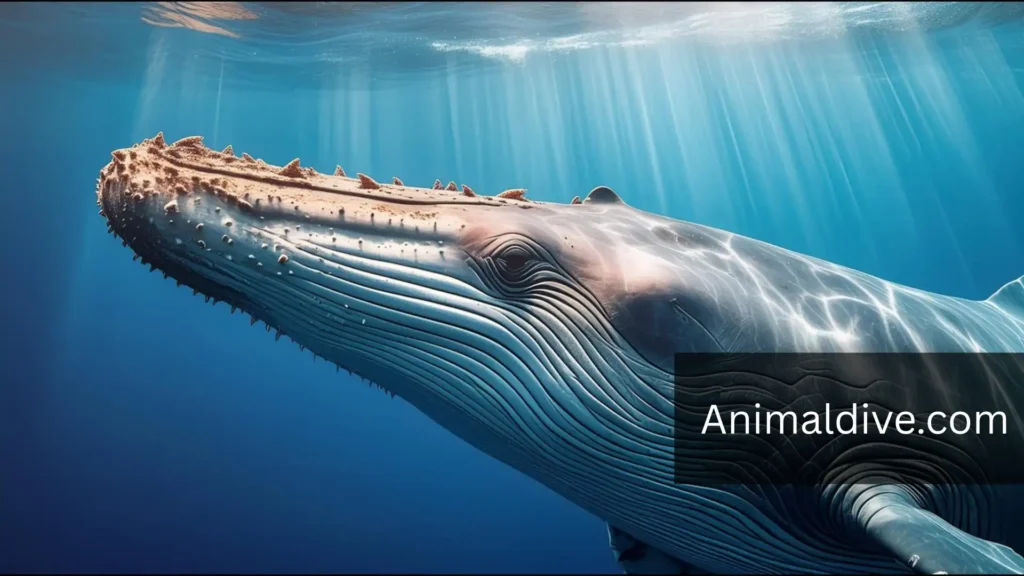
Known for their acrobatic breaches and complex songs, humpback whales capture the imagination of marine enthusiasts. Their flippers, featuring long pectoral fins, enhance their agility, allowing for impressive maneuvers, especially during mating displays or feeding frenzies.
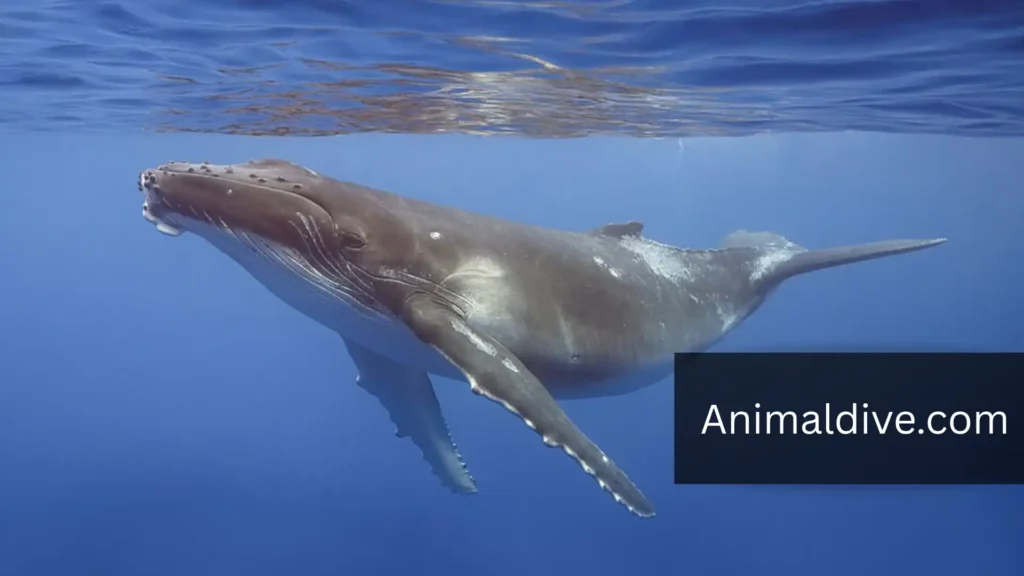
These whales are particularly renowned for their migratory journeys, traveling thousands of miles between their feeding grounds in polar regions and breeding areas in warmer waters. This remarkable journey highlights their adaptability and reliance on diverse ecosystems throughout their lifespan.
Orca (Killer Whale)
Scientific Name: Orcinus orca
Class: Mammalia
Diet: Carnivorous (fish, seals, sea birds)
Habitat: Oceans worldwide
The orca, or killer whale, stands out as the apex predator of marine environments, utilizing sophisticated hunting techniques and social structures. Their hunting prowess and lack of natural predators place them among the deadliest animals in the world, especially within marine ecosystems.
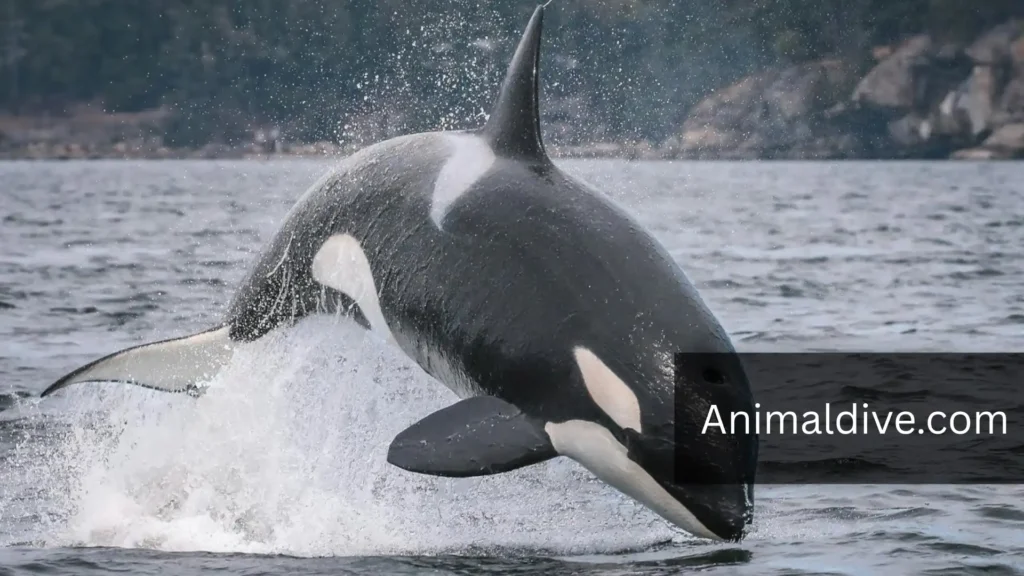
Orcas are known for their diverse diet, employing a range of strategies from cooperative hunting to solitary skills depending on their pod. This adaptability makes them a fascinating study in evolution and social dynamics, underscoring their role within marine ecosystems.
Beluga Whale
Scientific Name: Delphinapterus leucas
Class: Mammalia
Diet: Fish, crustaceans, and worms
Habitat: Arctic and sub-Arctic regions
Beluga whales, often known as “canaries of the sea” due to their repertoire of vocal sounds, thrive in frigid polar waters. Their white skin gives them an advantage in icy habitats, providing camouflage from predators while enabling communication in their noisy underwater world.
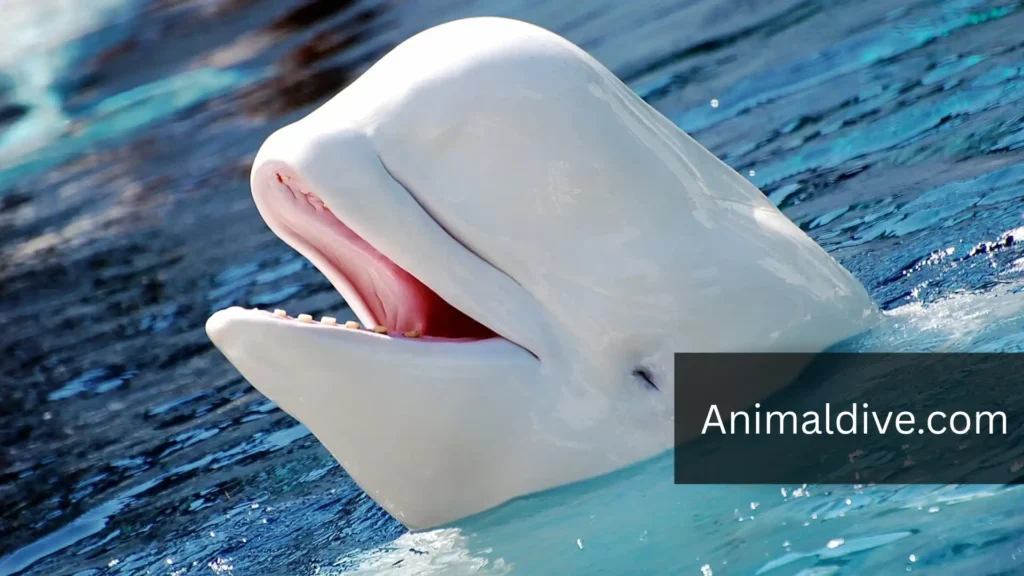
These sociable creatures often appear in groups, showcasing intricate social behaviors and even cooperative hunting tactics. Belugas are among the many animals that live in groups, relying on their pods for protection and cooperative feeding. Their adaptability to extreme climates highlights the resilience of species and their evolutionary journey through changing environments.
Narwhal
Scientific Name: Monodon monoceros
Class: Mammalia
Diet: Fish, squid, and shrimp
Habitat: Arctic waters
The narwhal, often referred to as the “unicorn of the sea,” features a long, spiraled tusk that can reach lengths of up to 10 feet. This unique feature is actually an elongated tooth, and scientists believe it may serve a role in mating rituals and social hierarchy among these elusive creatures.
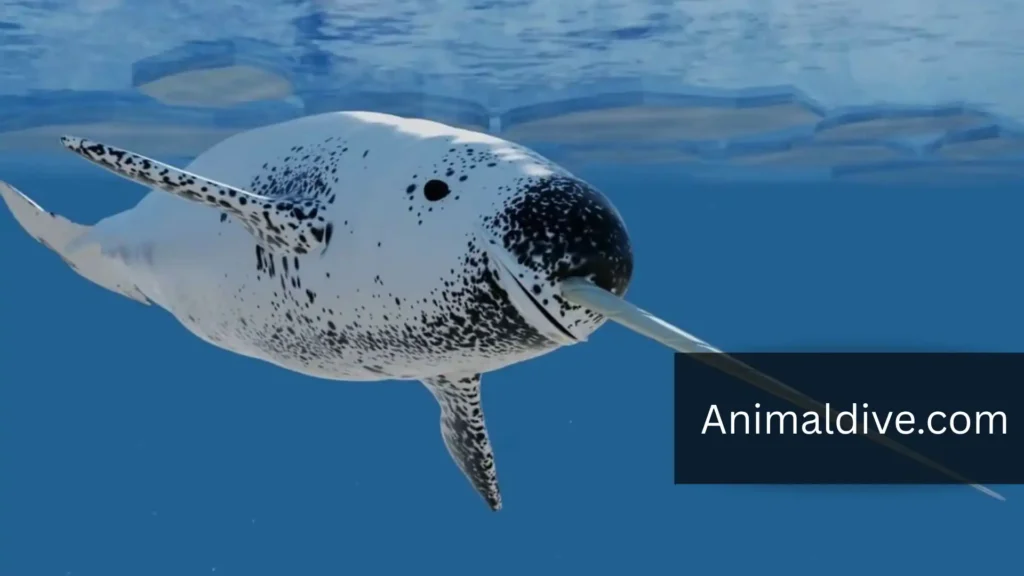
In the harsh Arctic environment, narwhals rely on their echolocation abilities to locate prey beneath the ice. Their deep diving skills allow them to navigate challenging underwater landscapes, showcasing the remarkable adaptations that have evolved over centuries.
Bottlenose Dolphin
Scientific Name: Tursiops truncatus
Class: Mammalia
Diet: Fish and squid
Habitat: Coastal and deep ocean waters
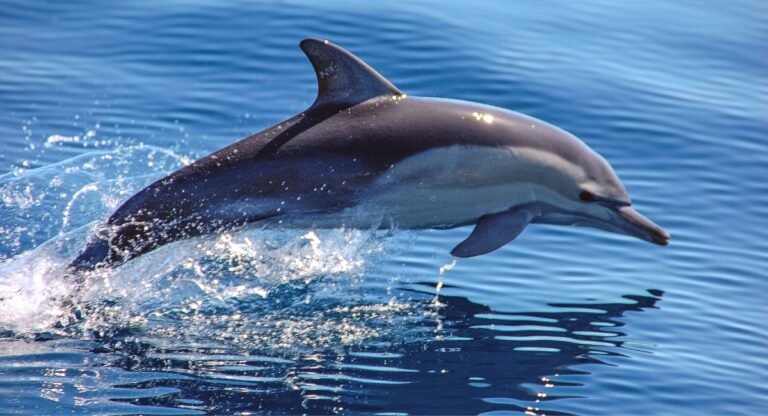
Bottlenose dolphins are celebrated for their intelligence and playful behavior, often seen surfing on waves or interacting with boats. Their agility in water is enhanced by their streamlined bodies and powerful flippers, making them adept hunters and social animals.
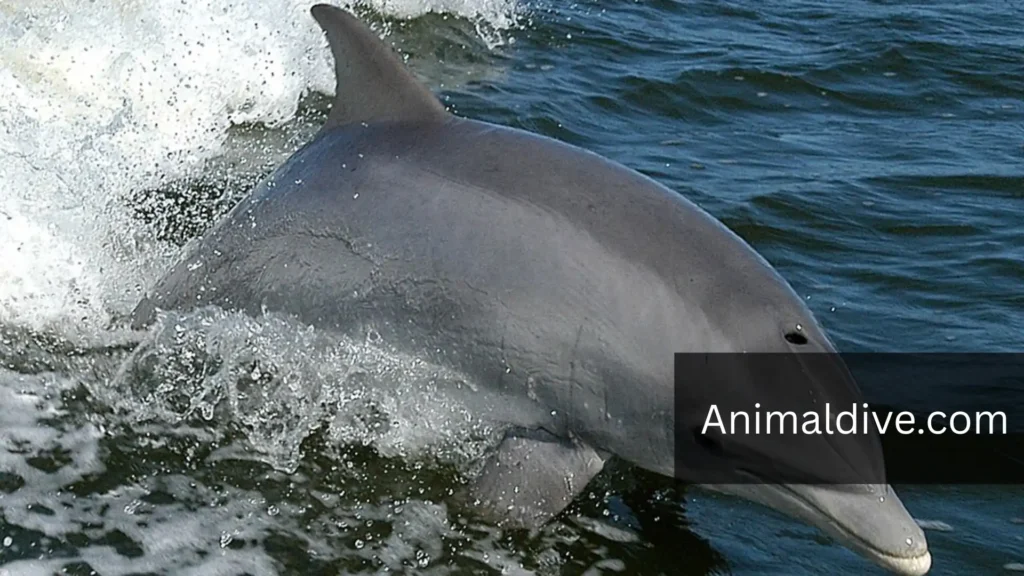
These dolphins are known for their sophisticated communication skills, using clicks and whistles to convey information to their pods. Their strong social bonds and cooperative behaviors reveal much about the complexities of marine life and the significance of social structures in animal behavior.
Harbor Porpoise
Scientific Name: Phocoena phocoena
Class: Mammalia
Diet: Fish and squid
Habitat: Coastal waters and estuaries
Harbor porpoises are small, elusive cetaceans that can often be found in shallow coastal waters. Their gentle demeanor and shy nature make them less visible than larger marine mammals, yet they play a vital role in coastal ecosystems.
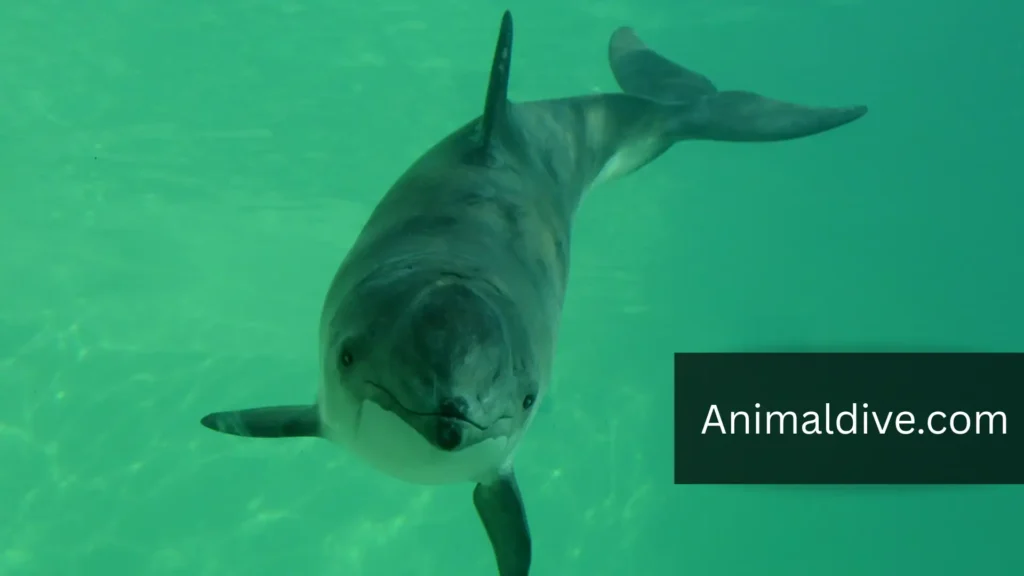
With a diet primarily consisting of fish and squid, harbor porpoises have developed an acute echolocation ability to hunt effectively. This adaptation not only aids their survival but also highlights their evolutionary success within a complex aquatic environment.
Harbor Seal
Scientific Name: Phoca vitulina
Class: Mammalia
Diet: Fish, crustaceans, and mollusks
Habitat: Coastal waters, bays, and estuaries
Harbor seals are often seen lounging on rocky shores, their spotted coats providing camouflage against predators. These adaptable mammals are highly agile swimmers, using their flippers to navigate effortlessly through their aquatic habitat.
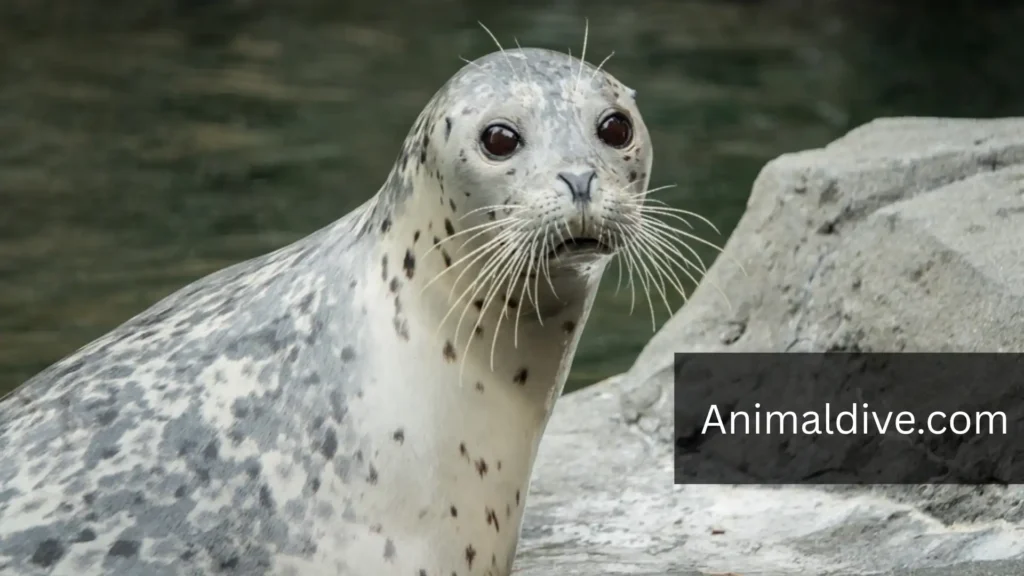
Recognized for their playful nature, harbor seals engage in social behaviors that include vocalizations and playful interactions, contributing to their social dynamics. Their presence in coastal communities underscores the importance of maintaining healthy marine ecosystems for both wildlife and humans.
Gray Seal
Scientific Name: Halichoerus grypus
Class: Mammalia
Diet: Fish, squid, and crustaceans
Habitat: Coastal waters and beaches
Gray seals are distinguished by their large size and distinctive blotchy fur, making them a captivating sight along the coastlines of the Northern Hemisphere. These seals are robust divers, able to plunge to impressive depths in search of food.
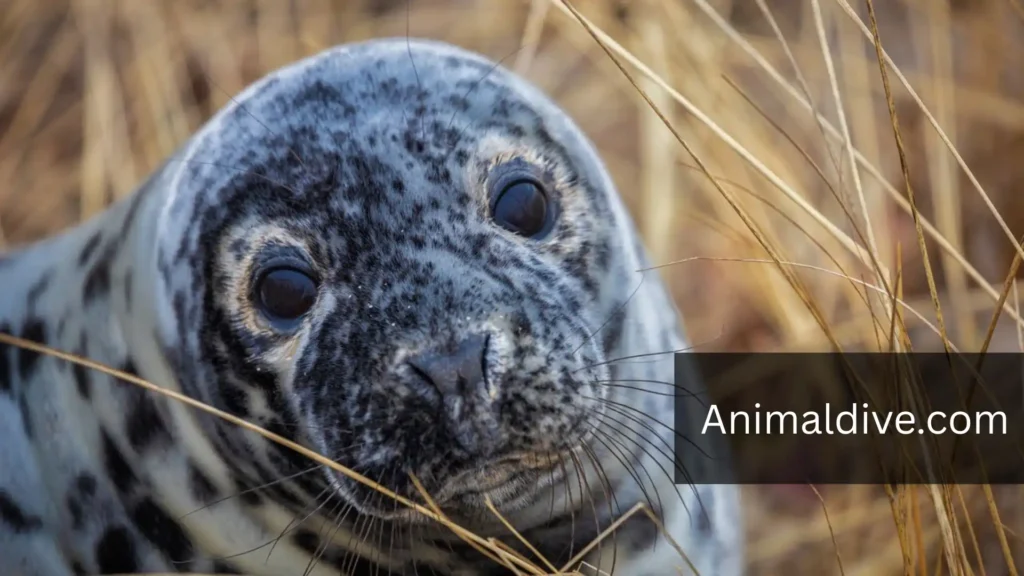
Their breeding behaviors, which involve communal rookeries, highlight fascinating aspects of their social structure. The strong maternal bonds formed during nursing periods illustrate the vital role parentage plays in their lifecycle.
Leopard Seal
Scientific Name: Hydrurga leptonyx
Class: Mammalia
Diet: Fish, krill, and penguins
Habitat: Antarctic and sub-Antarctic regions
Leopard seals are formidable predators, known for their powerful jaws and distinctive spotted coats. Their impressive adaptability to icy environments enables them to thrive in the harsh conditions of the Antarctic, where they primarily hunt for penguins and other seals.
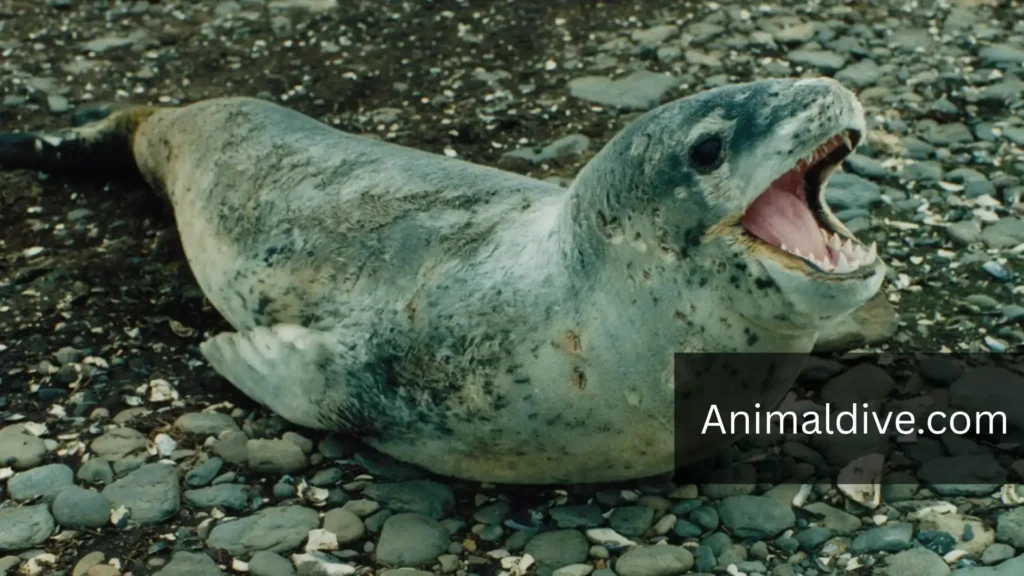
These seals are both solitary and social, often seen basking on ice floes. Leopard seals are frequently included among solitary animals in the world, preferring independent hunting over group behavior. Their unique vocalizations and hunting strategies reflect their intelligence and prowess within their ecological niche, making them a subject of intrigue for researchers and wildlife enthusiasts alike.
Elephant Seal
Scientific Name: Mirounga angustirostris
Class: Mammalia
Diet: Fish and squid
Habitat: Coastal areas of the North Pacific Ocean
Elephant seals are known for their massive size and distinctive trunk-like noses, particularly among males. Their remarkable ability to dive to extraordinary depths makes them proficient hunters in their marine environment, where they primarily feed on squid.
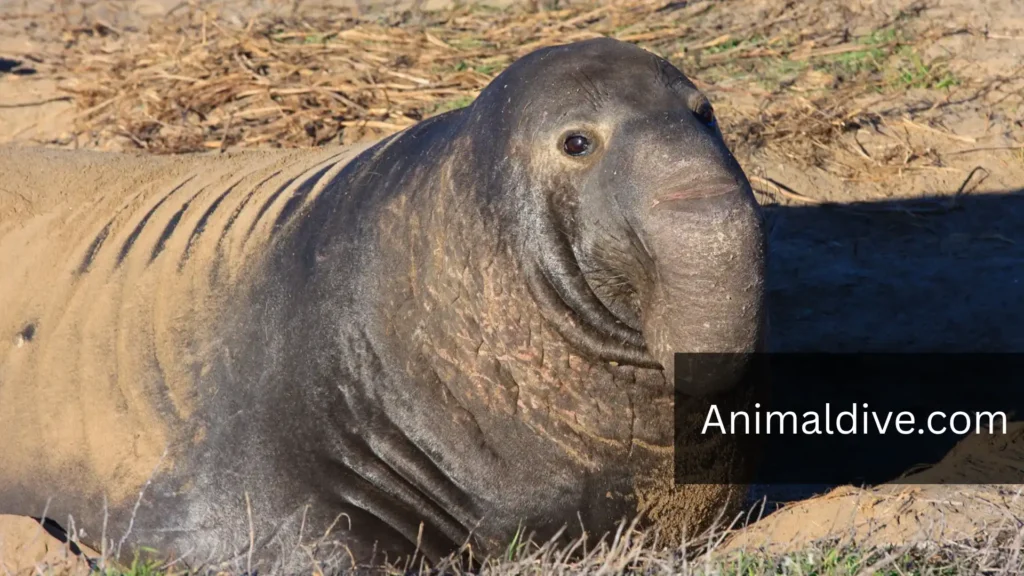
These seals exhibit fascinating social dynamics during breeding seasons, with intense vocal displays and physical contests among males. Their return to the same beaches year after year underlines the significance of natal sites in their life cycle and social structure.
California Sea Lion
Scientific Name: Zalophus californianus
Class: Mammalia
Diet: Fish, squid, and crustaceans
Habitat: Coastal waters of the West Coast of North America
California sea lions are playful animals often spotted lounging on piers or performing acrobatics in coastal waters. Their social nature and vocalizations contribute to their reputation as one of the most familiar marine mammals along the Pacific Coast.
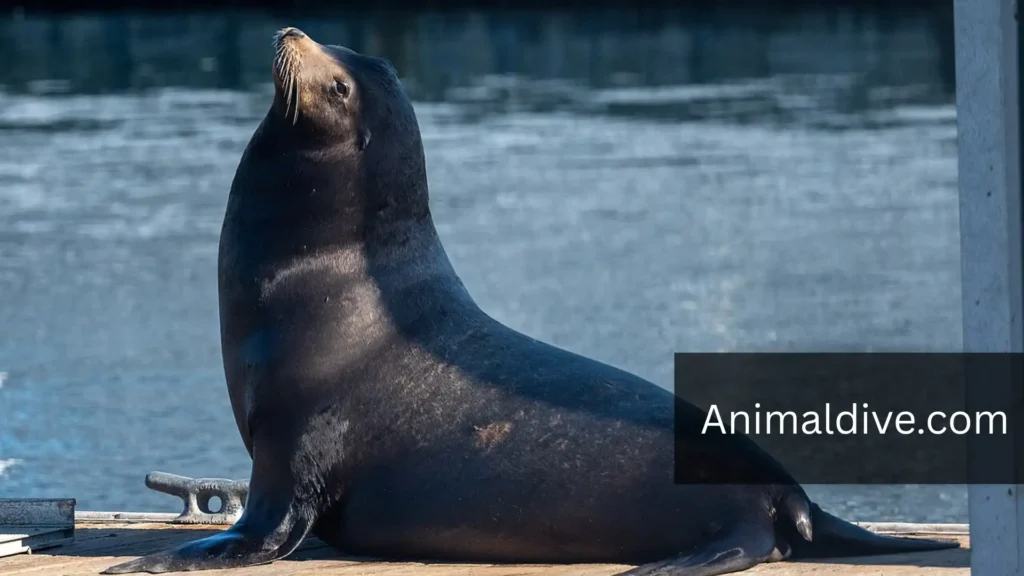
In the wild, they exhibit remarkable hunting skills, forming groups to corral fish and leveraging their agility and speed. Their adaptability to urban environments further showcases their resilience, blending seamlessly with human activities while maintaining their natural behaviors.
Walrus
Scientific Name: Odobenus rosmarus
Class: Mammalia
Diet: Clams, mollusks, and marine invertebrates
Habitat: Arctic and sub-Arctic regions
Walruses are iconic Arctic mammals, recognized by their long tusks and whiskered faces. They often gather in large groups on ice floes or shorelines, displaying complex social behaviors tied to their breeding and feeding strategies.
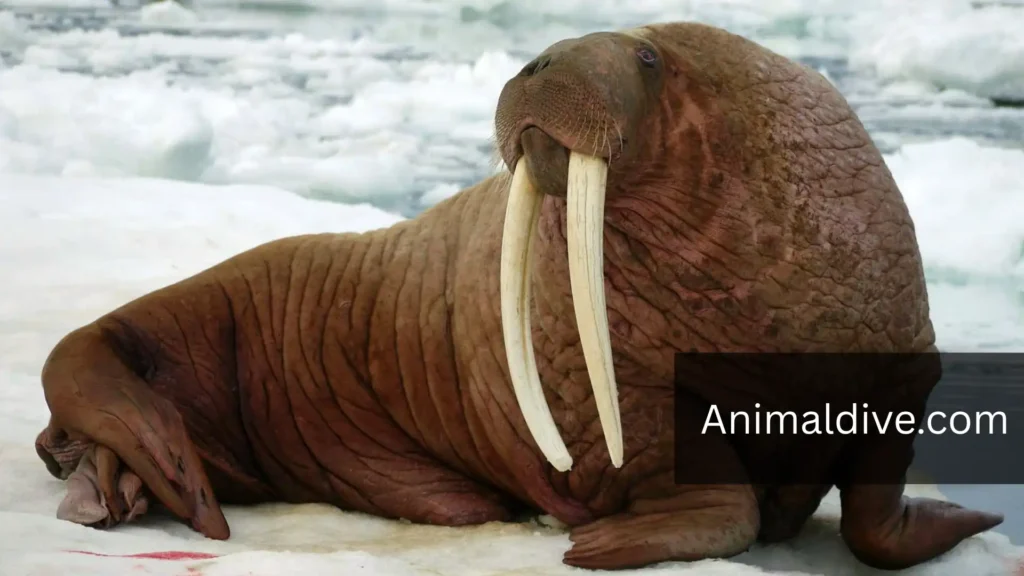
These gentle giants rely heavily on their tusks for various activities, including breaking through ice and asserting dominance in social hierarchies. Their adaptability to fluctuating Arctic conditions serves as a testament to the resilience of marine mammals in extreme environments.
Dugong
Scientific Name: Dugong dugon
Class: Mammalia
Diet: Seagrasses
Habitat: Warm coastal waters of the Indian and western Pacific Oceans
Dugongs, marine cousins of the manatee, are unique herbivores that primarily graze on seagrasses. Their flippers facilitate graceful swimming, allowing them to navigate through shallow waters while searching for their preferred food source.
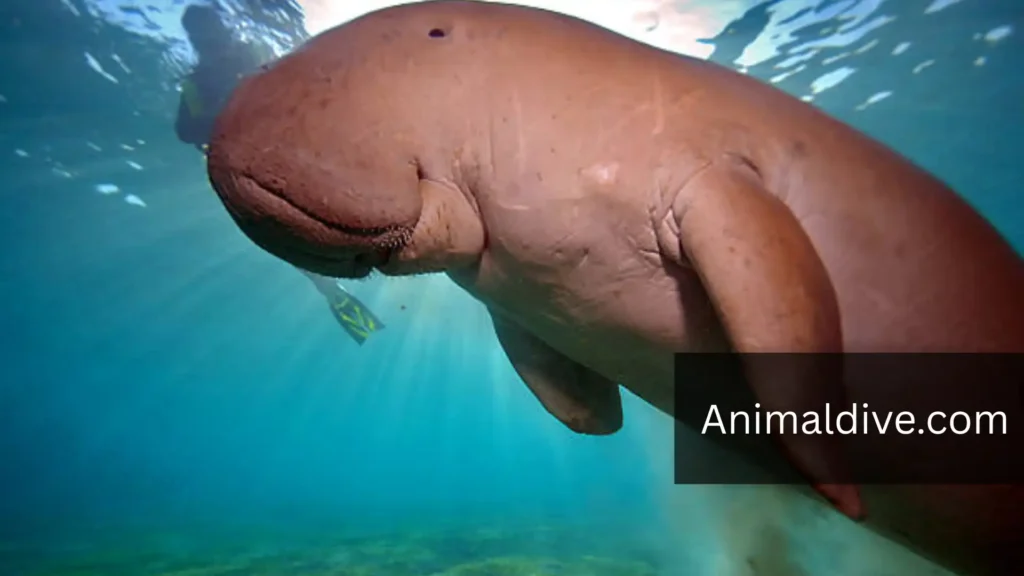
These gentle sea creatures play a crucial role in marine ecosystems by maintaining healthy seagrass beds. Their conservation status highlights the urgent need to address threats like habitat loss and hunting, ensuring the survival of this remarkable species.
West Indian Manatee
Scientific Name: Trichechus manatus
Class: Mammalia
Diet: Aquatic plants
Habitat: Coastal areas and rivers of North America and the Caribbean
West Indian manatees, often referred to as “sea cows,” are gentle herbivores that graze on aquatic vegetation. Their large size and paddle-like flippers make them graceful swimmers, allowing them to navigate warm coastal waters and rivers with ease.
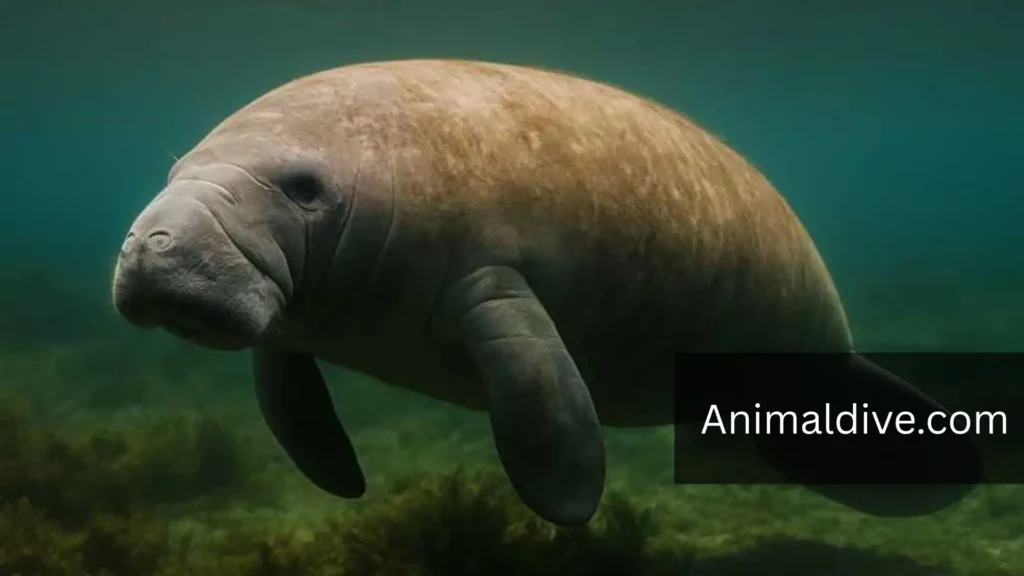
As a keystone species, manatees help shape the ecosystems they inhabit by promoting the growth of seagrass beds. Conservation initiatives are essential for protecting their habitats and ensuring they continue to thrive in an ever-changing environment.
Green Sea Turtle
Scientific Name: Chelonia mydas
Class: Reptilia
Diet: Seagrasses and algae
Habitat: Tropical and subtropical oceans
The green sea turtle is renowned for its unique diet of seagrasses, which contributes to the green hue of its body. Their flippers are perfectly adapted for both swimming and surface basking, making them fascinating to observe in their natural habitat. Unlike land reptiles see our piece on whether turtles can climb sea turtles rely entirely on their flippers rather than limbs built for terrain.
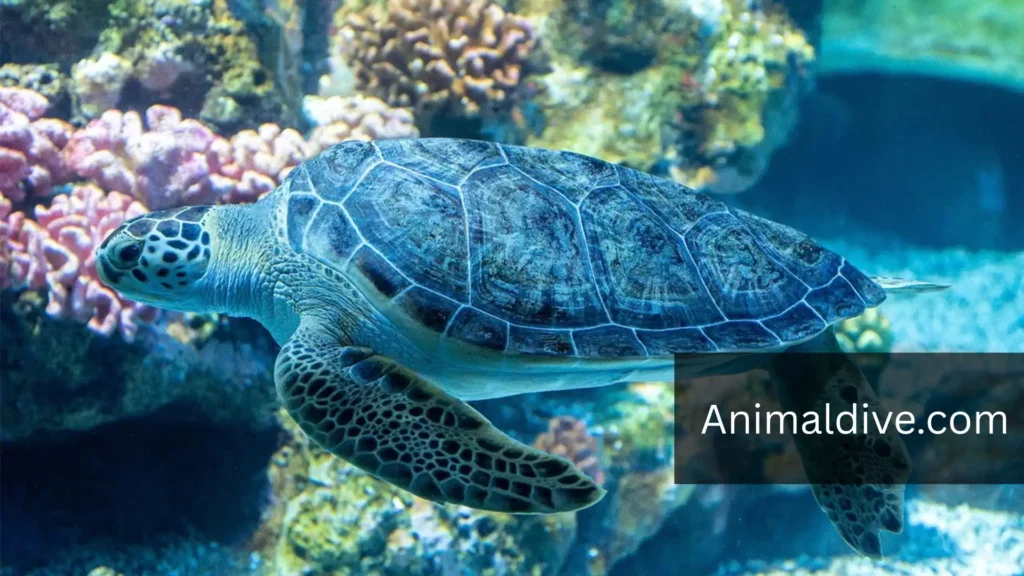
These turtles undertake remarkable migration journeys to return to their nesting beaches, showcasing incredible navigational abilities. Conservation efforts are crucial for preserving their nesting sites and protecting them from threats such as plastic pollution and habitat loss.
Leatherback Sea Turtle
Scientific Name: Dermochelys coriacea
Class: Reptilia
Diet: Jellyfish
Habitat: Open ocean and coastal areas
Leatherback sea turtles are distinguished by their soft, leathery shells and impressive size, making them the largest of all sea turtles. Their unique adaptation to consume jellyfish promotes biodiversity in marine environments, showcasing their role in maintaining ecological balance. Some of the prey they target rank among the biggest jellyfish in the world, making the leatherback one of the few predators equipped to handle them.
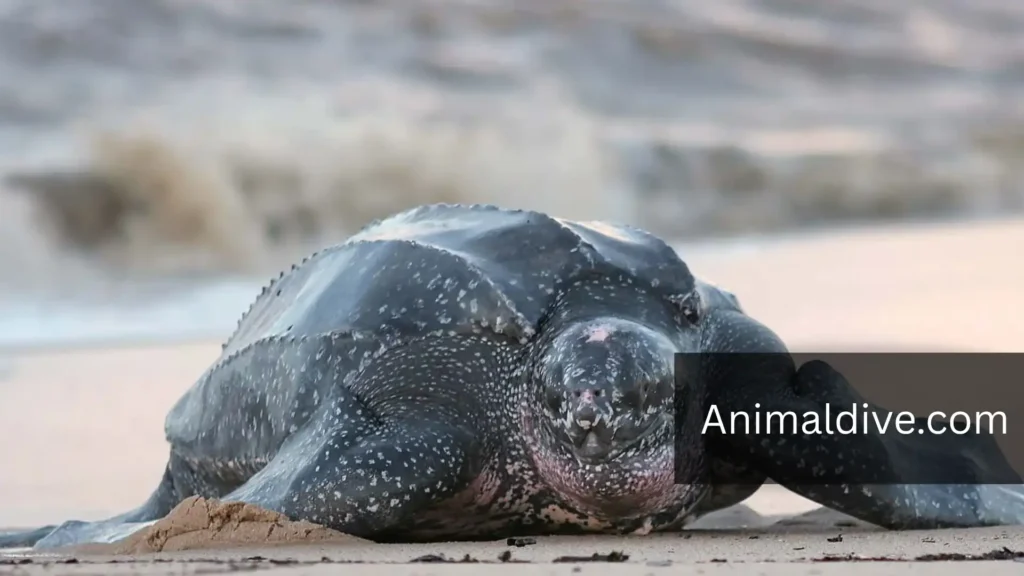
These turtles are remarkable long-distance travelers, migrating thousands of miles between feeding and nesting grounds. Their ability to regulate body temperature in colder waters showcases an extraordinary adaptation to their wide-ranging habitats.
Loggerhead Sea Turtle
Scientific Name: Caretta caretta
Class: Reptilia
Diet: Crustaceans, jellyfish, and seaweed
Habitat: Temperate and tropical oceans
Loggerhead sea turtles are characterized by their large heads and powerful jaws, designed for crushing hard-shelled prey. Their flippers enable them to traverse vast ocean distances, highlighting their resilience and adaptability to various habitats.
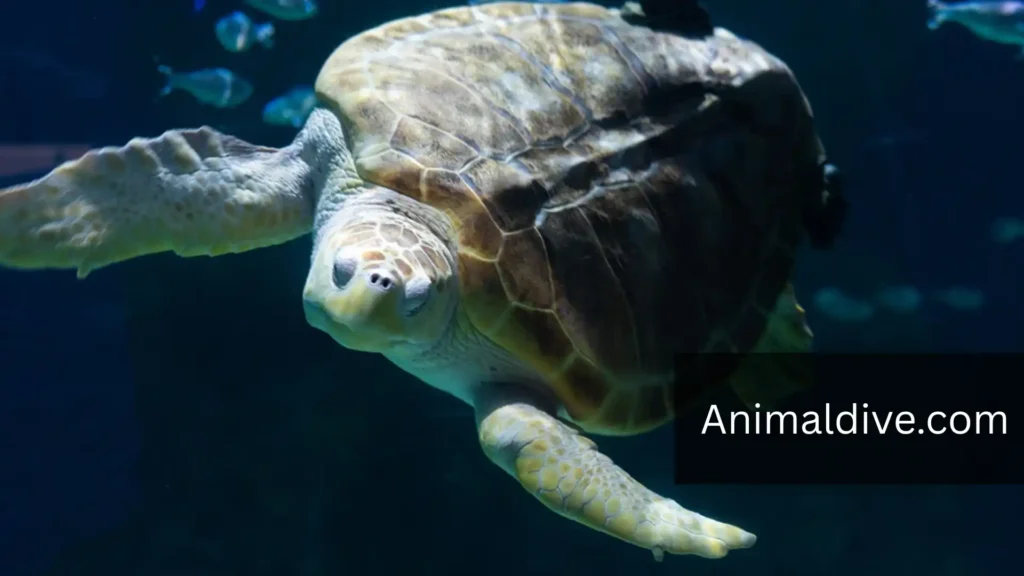
Their nesting behavior, often occurring on the same beaches year after year, underlines the significance of protecting these vital areas from human interference. Conservation programs continue to advance awareness and protective measures, ensuring these ancient mariners can thrive.
Emperor Penguin
Scientific Name: Aptenodytes forsteri
Class: Aves
Diet: Fish, krill, and squid
Habitat: Antarctic region
The emperor penguin is the largest of all penguin species and is well-known for its remarkable resilience to the harsh Antarctic climate. It’s one of many fascinating types of penguins found across the Southern Hemisphere, each adapted to different climates and habitats. Their unique breeding behaviors involve male-female partnerships, where males incubate eggs while females hunt for food.
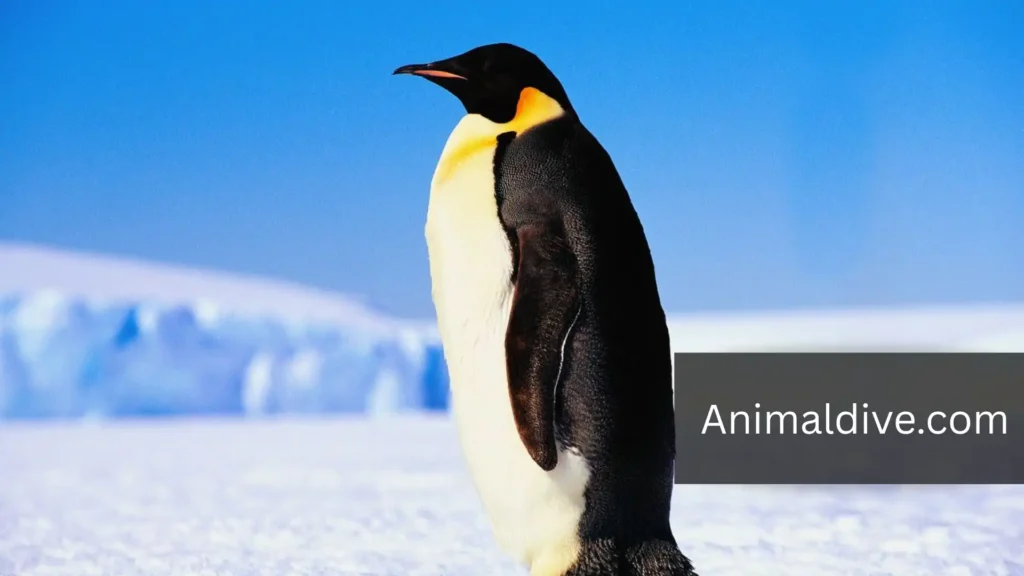
These flightless birds showcase captivating adaptations, such as huddling together for warmth during frigid temperatures. Their social structure and breeding cycles provide valuable insights into the complexities of life in one of the world’s most extreme environments.
King Penguin
Scientific Name: Aptenodytes patagonicus
Class: Aves
Diet: Fish, squid, and krill
Habitat: Sub-Antarctic islands and coastal areas
King penguins display striking plumage and fascinating social behaviors, forming large colonies for breeding. Their vibrant orange and yellow markings on the head and neck serve a crucial role in mate attraction, illustrating the interplay of beauty and survival.
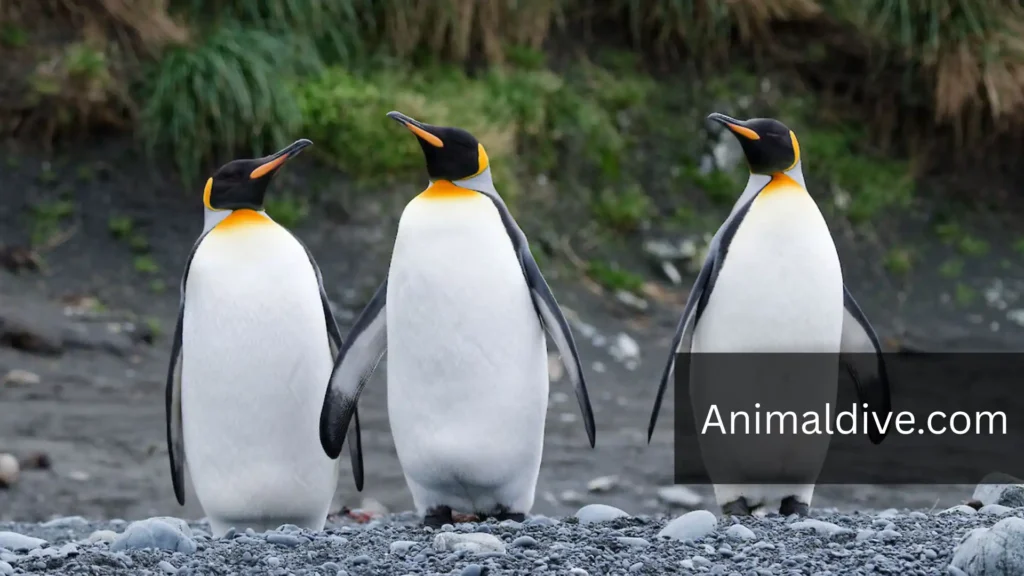
With a unique two-year breeding cycle, king penguins exhibit patience and commitment, with males often fasting during incubation. Their adaptability to changing environments highlights the resilience of species even in the face of climatic challenges.
Marine Otter
Scientific Name: Lontra felina
Class: Mammalia
Diet: Fish, crabs, mollusks, and marine invertebrates
Habitat: Coastal waters of South America
Marine otters are agile hunters, known for their playful demeanor and strong social bonds. These creatures use their flippers effectively to maneuver in their aquatic environments as they pursue prey, highlighting their adaptability to marine life.
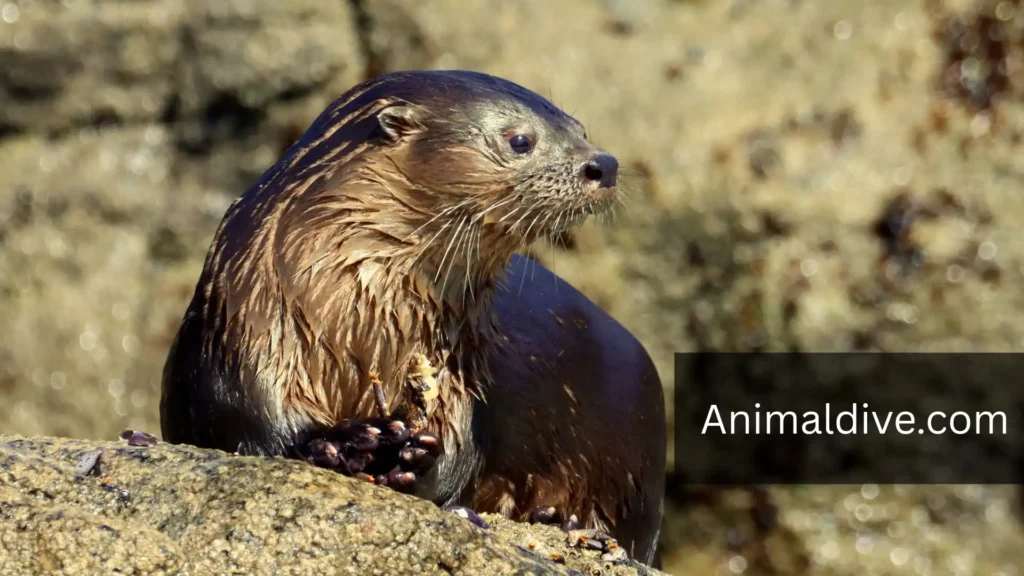
Their presence is critical for maintaining a balanced ecosystem in coastal areas, as they control populations of small marine organisms. Conservation efforts are essential for ensuring the survival of this charismatic species, often threatened by habitat loss and pollution.
Platypus
Scientific Name: Ornithorhynchus anatinus
Class: Mammalia
Diet: Insects, larvae, and crustaceans
Habitat: Freshwater rivers and lakes in Australia
The platypus is a unique mammal known for its combination of features: a duck-bill, webbed feet, and the ability to lay eggs. As an aquatic creature, its flippers are adapted for swimming, making it an excellent diver while hunting for food in rivers and freshwater lakes.
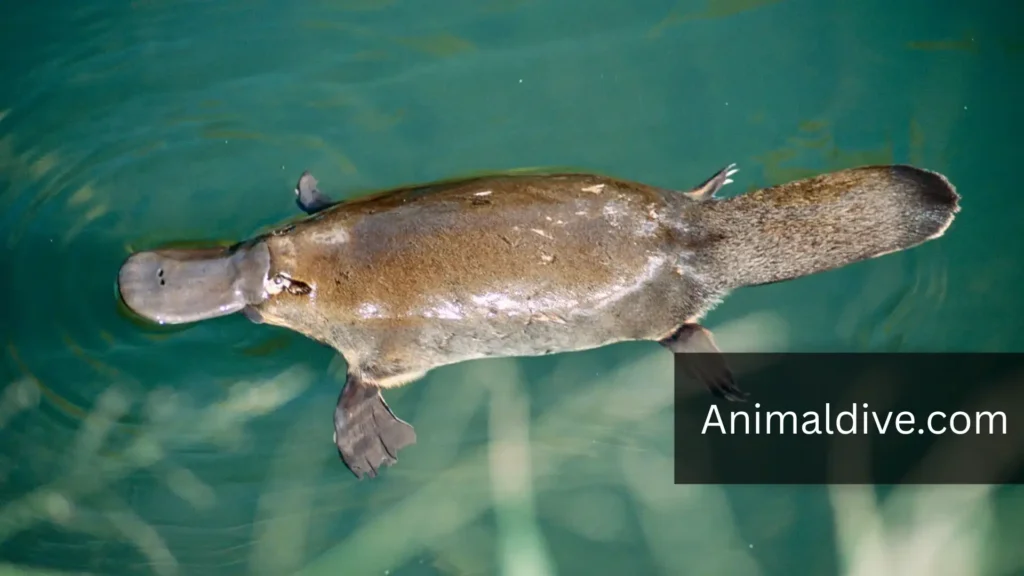
This fascinating animal offers insights into evolution, demonstrating characteristics found in both mammals and reptiles. Its status as a sensitive indicator species further emphasizes the importance of preserving freshwater ecosystems for future generations.
Flippered Mammals
Flippered mammals are specially adapted for life in the water. Their flippers help them swim efficiently, dive deep, and move easily through oceans and coastal habitats.
| Mammal | Scientific Name | Class | Diet |
| Blue Whale | Balaenoptera musculus | Mammalia | Carnivore |
| Bottlenose Dolphin | Tursiops truncatus | Mammalia | Carnivore |
| Harbor Seal | Phoca vitulina | Mammalia | Carnivore |
| Walrus | Odobenus rosmarus | Mammalia | Carnivore |
| West Indian Manatee | Trichechus manatus | Mammalia | Herbivore |
Flippered Aquatic Animals
Flippered aquatic animals include mammals, reptiles, and birds that use flippers for swimming, steering, and diving. These adaptations help them survive in oceans, rivers, and other aquatic environments.
| Animal | Scientific Name | Class | Habitat |
| Emperor Penguin | Aptenodytes forsteri | Aves | Antarctica |
| Green Sea Turtle | Chelonia mydas | Reptilia | Tropical Oceans |
| Blue Whale | Balaenoptera musculus | Mammalia | Open Ocean |
| Harbor Seal | Phoca vitulina | Mammalia | Coastal Waters |
| Bottlenose Dolphin | Tursiops truncatus | Mammalia | Oceans & Coastal Waters |
Fun Facts About Animals With Flippers
Flippered animals display an astonishing array of adaptations that allow them to thrive in aquatic environments. Their unique physiology enables them not only to swim efficiently but also to interact socially within their species, showcasing complex behaviors often overlooked.
- Animals with flippers, such as seals and penguins, are excellent swimmers, able to maneuver with grace and speed in aquatic environments.
- Unlike the rigid bones of land mammals, flippers are designed for flexibility and efficiency, often made up of modified limbs.
- Penguins are the only birds that cannot fly but excel in water, using their flippers for powerful propulsion.
- Sea lions have external ear flaps, unlike their seal cousins, which lack this feature, showcasing the diverse adaptations of animals with flippers.
- Some species, like the manatee, are known for their gentle nature, grazing on seagrasses and sharing their habitat with various marine life.
- Flippers give animals such as the dolphin remarkable agility, allowing them to leap out of the water in acrobatic displays.
- In addition to swimming, flippers provide stability and steering control, which is essential for navigating underwater currents and evading predators.
- Animals with flippers have been observed exhibiting social behaviors, like cooperative hunting among pods of dolphins or seals.
Conclusion
The world of Animals With Flippers showcases an impressive array of flippered mammals and flippered aquatic animals, each uniquely adapted to their environments. From the agility of seals to the grace of dolphins, these flippered aquatic animals demonstrate remarkable adaptations for survival in water.
The diversity found in this category highlights not just their physical prowess but also their critical roles in marine ecosystems. As we continue to study and appreciate these fascinating creatures, it becomes increasingly important to advocate for their conservation and the health of their habitats.
FAQs
What Birds Have Flippers?
Penguins are the only birds with true flipper-like wings. Instead of flying, they use their powerful flippers to propel themselves through the water with incredible speed and agility.
What Do You Call Animals With Flippers?
Animals with flippers are commonly called flippered animals or flippered mammals if they belong to the mammal class. They are specially adapted for life in aquatic environments.
What Type of Animal Is a Flipper?
A flipper is not an animal it is a modified limb found on aquatic animals. Flippers are adapted for swimming and are common in marine mammals, sea turtles, and penguins.
What Animal Has Flippers?
Many marine animals have flippers, including whales, dolphins, seals, sea lions, walruses, sea turtles, penguins, and manatees. These specialized limbs help them swim, steer, and dive efficiently.