Cranes in Michigan: Where to See Them and How to Identify Each Species
Cranes in Michigan are a captivating symbol of the state’s rich biodiversity, with their graceful movements and distinctive calls capturing the attention of bird watchers and nature enthusiasts alike. Understanding these magnificent birds is essential for conservation efforts and promotes a healthier environment.
In this article, you’ll discover the best locations to observe cranes and learn how to differentiate between Michigan’s three unique species. Armed with this knowledge, you’ll feel empowered to appreciate and protect these beautiful avian residents.
Types Of Cranes In Michigan
Michigan is home to a small number of crane species, each with unique size, color, and behavior. Knowing the main types helps birdwatchers correctly identify cranes seen in wetlands, fields, and migration stopovers.
Sandhill Crane In Michigan
Adult sandhills are tall, gray birds with a rusty wash on the body (especially in birds that have stained their feathers with iron-rich mud). They have a red patch on the forehead and a straight, dagger-like bill. In flight, they stretch the neck out straight, and you’ll often hear them before you see them: a loud, trumpeting call that carries far over open water and fields.
Sandhill cranes use wetlands for nesting and roosting, and they’ll forage in nearby fields for waste grain, seeds, insects, and small animals. In many areas, early morning and late evening are the best times to spot them as they move between roost sites and feeding areas.
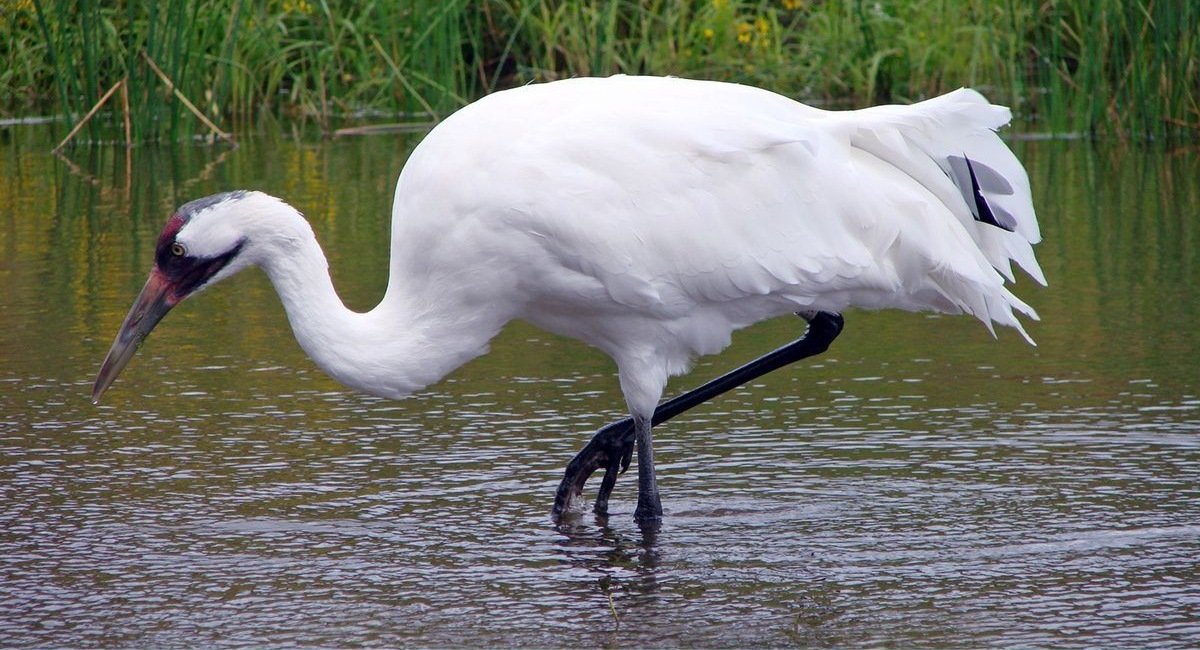
Whooping Cranes In Michigan
It’s taller than a sandhill crane and mostly white with black wing tips that are visible in flight. Because whooping cranes were once pushed to the edge of extinction, modern sightings are taken seriously.
If you think you’ve seen a whooping crane in Michigan, the best approach is to watch from a distance, take photos if you can do so without approaching, and report the sighting to local birding groups or wildlife authorities.
Don't Miss Top 10 Strongest Animals in the World (By Power, Bite Force & Strength)
Brown Crane Michigan Vs White Crane Michigan: What People Are Usually Seeing
Most “brown crane Michigan” sightings are sandhill cranes. Their gray bodies can look brown at a distance, especially in warm light or when their feathers are stained. Most “white crane Michigan” sightings are not whooping cranes at all they’re usually great egrets or sometimes snowy egrets, which are white, long-legged wading birds. The easy difference is body shape: egrets look slim and delicate, while cranes look heavier through the chest and have a more robust, straight bill.
Crane Bird Michigan Or Heron? The Fast Way To Tell
Great blue herons are the birds most commonly confused with cranes. They share long legs and a long neck, and they hunt in similar habitats. But there are a few quick tells that are reliable even for beginners.
- Neck in flight: Cranes fly with the neck stretched straight. Herons usually fly with the neck pulled back in an “S” shape.
- Call: Cranes are loud and trumpeting; herons are typically quieter, with harsher squawks.
- Group behavior: Sandhill cranes are often seen in pairs or small flocks. Great blue herons are frequently solitary while feeding.
- Posture on the ground: Cranes stand upright and “tall.” Herons often look hunched, with the neck tucked and ready to strike.
Where To See Cranes In Michigan
Cranes use a mix of wetlands and open feeding areas. If you’re looking for cranes in Michigan on purpose, focus on marshes, shallow lakes, wet meadows, and agricultural landscapes nearby. In many regions, the best crane spots are not deep wilderness they’re the broad, quiet edges between farms and wetlands where cranes can feed with a wide view for safety.
Some well-known crane-watching areas in the state include large wildlife refuges, state game areas, and sanctuaries that protect wetlands and host migration stopovers. Even if you don’t go to a famous location, you can often find Michigan cranes simply by scouting rural backroads at sunrise and listening for calls near low-lying marshes.
Read also Animals Like Skunks: Skunk Look-Alikes and How to Tell Them Apart
When Do You See Sandhill Cranes In Michigan?
Sandhill cranes are most noticeable during spring and fall migration, when groups gather, call frequently, and use predictable roost sites. In many parts of Michigan, cranes are also present during the breeding season, nesting in wetlands and raising colts (chicks) that follow the adults closely. In winter, many cranes move south, but timing can vary with weather and local conditions.
How To Watch Cranes Without Pushing Them Out
Cranes have long legs and long memories. If they get spooked repeatedly, they may abandon a good feeding area or roost site. Give them more distance than you think they need, especially during nesting season. If the birds lift their heads, stop feeding, or start walking away, you’re too close. Use binoculars, stay on roads or trails, and resist the urge to “just get a little closer” for a photo.
Conclusion
Cranes in Michigan are a remarkable part of the state’s diverse wildlife, offering both residents and visitors the unique opportunity to observe these elegant birds in their natural habitat. By understanding the different species of cranes found in the area, enthusiasts can enhance their birdwatching experiences.
Whether it’s in wetlands, marshes, or open fields, being aware of their distinct features aids in proper identification. Respecting their environments ensures that these magnificent creatures continue to thrive for generations to come.
FAQs
Did I See A Crane Or A Heron?
Cranes fly with their necks stretched straight out, while herons curve their necks into an “S” shape. This difference makes it easier to identify them in flight.
What Kind Of Cranes Live In Michigan?
In Michigan, the most common species is the sandhill crane, while the rare whooping crane is seen occasionally. Sandhill cranes breed in large numbers and gather in big groups during migration.
Is There A Crane Season In Michigan?
Yes, Michigan plans to establish a hunting season for sandhill cranes. The official season is expected to be set by wildlife authorities starting in 2026.