Animals That Live in Rivers: A Guide to River Wildlife
Animals That Live in Rivers play an essential role in maintaining the ecological balance within aquatic ecosystems. With over 40,000 species residing in rivers worldwide, each contributes uniquely to the food web and environmental health.
This article will explore the lives of these remarkable creatures, providing insights into their behaviors, habitats, and interactions. By exploring the diversity of river wildlife, readers will gain a deeper understanding of why protecting these environments is vital for the health of our planet.
What Counts As An Animal That Lives In Rivers?
When people say “animal that lives in rivers,” they usually mean one of three things:
- Fully aquatic residents: they spend most of their lives in the water (many fish, turtles, river dolphins).
- Semi-aquatic specialists: they feed and travel in water but also use land (otters, beavers, crocodilians).
- River-edge dependents: they live nearby and rely on the river for food or nesting (herons, kingfishers, dippers).
All three groups matter because rivers work as whole ecosystems. If the insects disappear, fish suffer. If fish suffer, birds and otters follow. If the banks erode, everyone loses habitat.
Adaptations That Help Animals In Rivers And Streams
Swimming And Steering
River animals often have webbed feet, strong tails, or streamlined bodies. In fast water, steering can be as important as speed.
Waterproofing And Insulation
Semi-aquatic mammals rely on dense fur and oils to keep heat in and water out. That’s one reason otters look like they’re always grooming: their coat is life support.
Senses Built For Murky Water
Many river animals hunt in water where visibility is limited. Whiskers, touch-sensitive bills, and vibration detection become more useful than sharp eyesight.
Read also How Strong Are Kangaroos? A Realistic Look at Kangaroo Strength
Mammals that live in rivers
North American River Otter
River otters are classic river specialists. They hunt fish and other aquatic prey, travel long stretches of waterway, and use riverbanks for resting and dens. They prefer clean water and healthy shorelines.
Beaver
Beavers are famous because they don’t just live in rivers, they redesign them. By building dams and canals, they create ponds and wetlands that can change water flow, sediment, and habitat for many other species. Scientists describe beavers as ecosystem engineers for exactly this reason.
Capybara
In parts of South America, capybaras are the big, social grass-eaters you’ll spot near slow rivers and wetlands. They’re strong swimmers, and water is a key escape route from predators.
River Dolphins
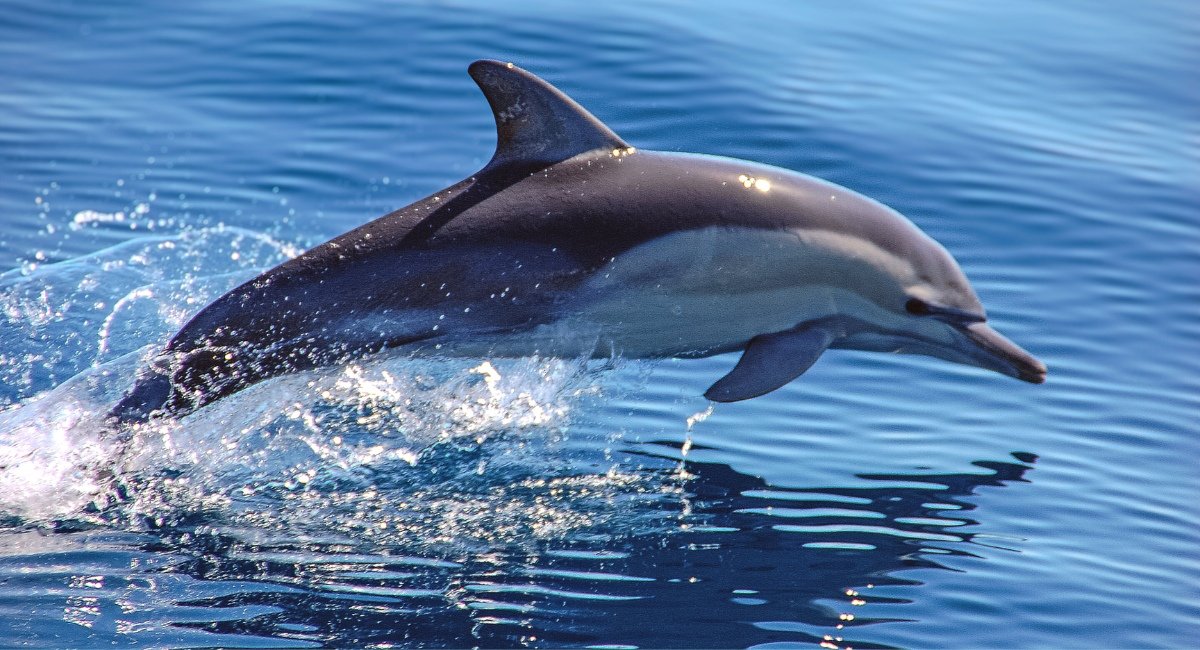
River dolphins are among the most specialized river mammals. They navigate complex channels, flooded forests, and shifting currents. Their bodies and echolocation are tuned for environments where visibility is low and obstacles are everywhere.
Reptiles And Amphibians In A River
Crocodiles And Alligators
In warmer regions, crocodilians are major river predators. Some species live mostly in rivers and swamps, while others move between fresh and salt water. They use stealth, patience, and explosive bursts rather than long chases.
River Turtles And Freshwater Turtles
Turtles are common animals in rivers and streams. Some bask on logs and banks, while others stay submerged for long periods and feed on plants, insects, or carrion. Their shell shape often hints at lifestyle: flatter shells tend to suit stronger currents better.
Frogs, Toads, And Salamanders
Many amphibians rely on rivers for breeding. Even species that live mostly on land may depend on streams and river edges for laying eggs and developing young.
Birds You’ll See Along Rivers And Streams
Kingfishers
Kingfishers are built for precision. They perch, watch, and dive, using speed and sharp aim rather than brute strength.
Herons And Egrets
Long legs and slow movement let these birds hunt in shallow water. They’re patient predators, often standing still until prey comes close.
Dippers
Dippers are small birds that actually forage underwater in cold, fast streams. They’re a great reminder that “animals that live in rivers” includes some unexpected specialists.
Animals That Live in Rivers and Streams: Amazing Freshwater Creatures
Animals that live in rivers and streams, known as freshwater animals, play a crucial role in our ecosystems. These vibrant habitats provide water, food, and shelter for a wide variety of species. Here are some remarkable examples of these creatures and their adaptations:
- Mammals: Otters and beavers are skilled swimmers equipped with webbed feet and waterproof fur. They rely on the water for both nourishment and protection.
- Birds: Herons and kingfishers are excellent fishers, using their sharp beaks to catch prey from the water’s surface. Their long legs and graceful bodies help them navigate through shallow streams.
- Reptiles: Turtles and alligators are common in freshwater environments. Their armored shells protect them, while their strong limbs allow for effective movement in water.
- Fish: Species like salmon and trout have fins designed for agility in currents. They often migrate upstream for spawning, showcasing their extraordinary life cycles.
- Amphibians: Frogs and salamanders thrive in the moist surroundings of rivers and streams. Their permeable skin allows for respiration through the water, making them perfectly adapted to this habitat.
Freshwater habitats are vital for maintaining biodiversity. They serve as breeding grounds for many species and act as natural filters, keeping waters clean and healthy. By supporting a rich variety of life, rivers and streams contribute significantly to the overall health of our planet.
Invertebrates And Other Unsung River Animals
Freshwater mussels
Freshwater mussels don’t look dramatic, but they do important work. They filter water, improve clarity, and support healthier aquatic habitats, which is why they’re sometimes called the “liver of the river.”
Crayfish and aquatic insects
Crayfish, dragonfly larvae, mayfly nymphs, and many other invertebrates are basic building blocks of river food webs. If you want to understand river wildlife, start by looking under rocks.
How To Watch River Animals Without Stressing Them
Rivers make wildlife watching easy because animals come to the water. A few habits keep it respectful:
- Stay on the bank when possible and avoid trampling vegetation at the edge.
- Use binoculars instead of trying to get close for photos.
- Keep dogs leashed, especially near nesting birds or basking turtles.
- If an animal changes its behavior because of you, you’re too close.
Conclusion
The remarkable Animals That Live in Rivers are a testament to the diversity and beauty of our planet’s ecosystems. These creatures, adapted to their unique aquatic environments, showcase the importance of rivers as vital habitats.
By learning more about these animals, we can foster a deeper connection to our natural world and recognize our role in preserving it. Let’s take action to safeguard river habitats and ensure the survival of these fascinating species for generations to come.