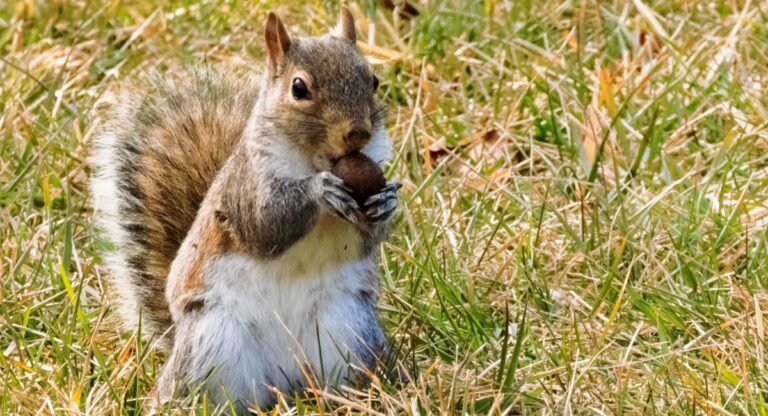
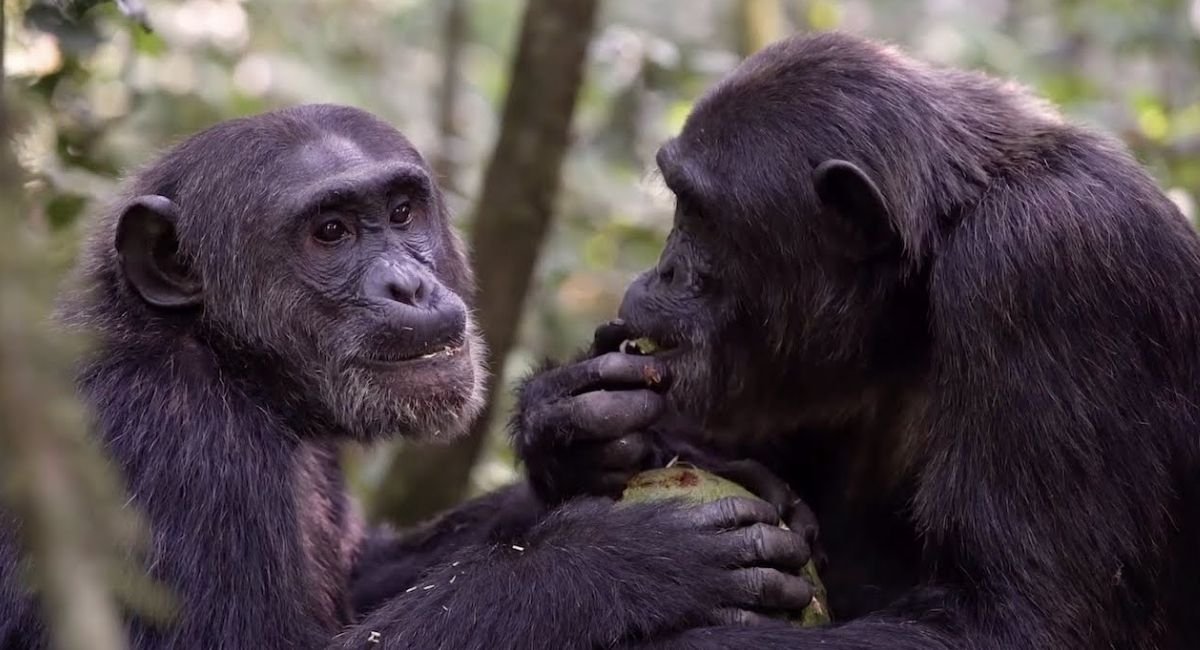
Top 15 Animals Without Tails (With Images & Unique Facts)
Animals without tails might seem rare, but they showcase the incredible adaptability of nature. These fascinating creatures have evolved to thrive in various environments, compensating for their lack of one of the most recognizable animal features.
Exploring our animals without tails list reveals not only their unique adaptations but also intriguing facts about their biology and behavior. Let’s explore this topic, which allows us to appreciate the diversity of life on Earth and understand how evolution shapes survival strategies.
Taillessness isn’t the only anatomical curiosity nature has produced some species have gone even further, as seen in this list of animals without legs.
What Are Animals Without Tails?
Animals without tails can be fascinating examples of evolution and adaptation. Some species, like certain breeds of cats and dogs, naturally lack tails due to genetic variations. In other cases, animals may have reduced or hidden tails that serve little to no visible function, showcasing the diverse ways nature can shape anatomy.
The absence of a tail typically points to adaptations for specific environments or lifestyles. For instance, some fish and amphibians may not have prominent tails as they navigate different aquatic habitats.
Animals Without Tails List (Top 15 Species)
| No. | Animal | Scientific Name | Class | Diet |
|---|---|---|---|---|
| 1 | Apes | Hominoidea | Mammalia | Omnivore |
| 2 | Manx Cat | Felis catus | Mammalia | Carnivore |
| 3 | Koala | Phascolarctos cinereus | Mammalia | Herbivore |
| 4 | Frogs and Toads | Anura | Amphibia | Carnivore |
| 5 | Barbary Macaque | Macaca sylvanus | Mammalia | Omnivore |
| 6 | Capybara | Hydrochoerus hydrochaeris | Mammalia | Herbivore |
| 7 | Guinea Pig | Cavia porcellus | Mammalia | Herbivore |
| 8 | Kiwi Bird | Apteryx | Aves | Omnivore |
| 9 | Octopus | Octopus vulgaris | Cephalopoda | Carnivore |
| 10 | Spiders | Araneae | Arachnida | Carnivore |
| 11 | Wombat | Vombatus ursinus | Mammalia | Herbivore |
| 12 | Pika | Ochotona princeps | Mammalia | Herbivore |
| 13 | Tailless Whip Scorpion | Amblypygi | Arachnida | Carnivore |
| 14 | Sea Urchin | Echinoidea | Echinoidea | Herbivore / Omnivore |
| 15 | Sea Star (Starfish) | Asteroidea | Asteroidea | Carnivore / Omnivore |
Apes (4-Legged Animals Without Tails)
Apes, among the fascinating group of 4-legged animals without tails, showcase a unique evolutionary adaptation. The absence of tails in apes is linked to their need for enhanced mobility and balance, allowing them to navigate dense forests effectively.
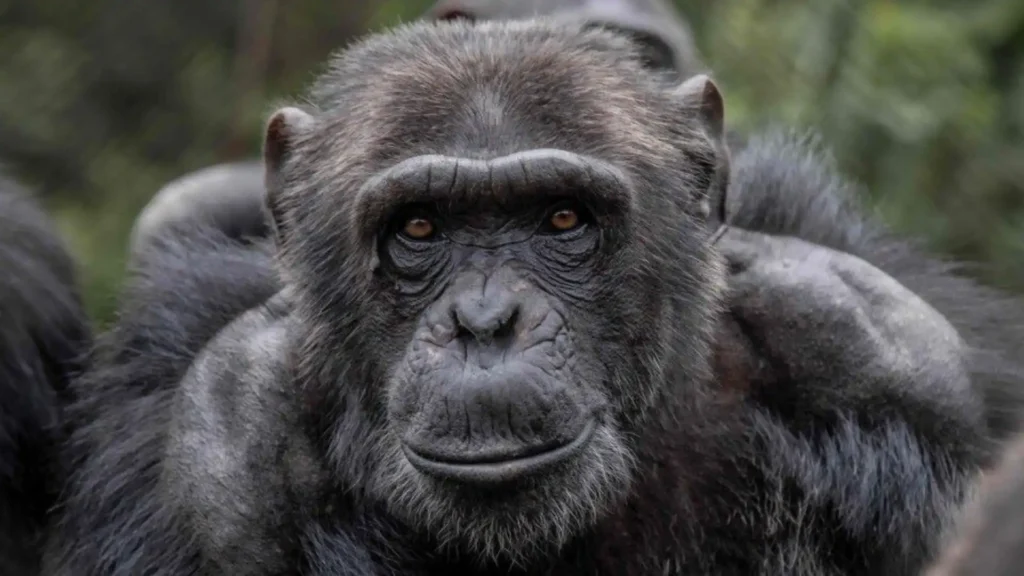
Their strong arms, which evolved for climbing and swinging through trees, enable them to engage in dynamic movements, giving them an advantage in their arboreal habitats. This same physical power places several great apes among the strongest animals in the world.
Apes possess advanced communication skills that are vital for their social interactions. Without tails, they rely on vocalizations, facial expressions, and body language to connect with members of their groups.
Manx Cat
The Manx Cat’s most distinctive feature is its taillessness, a result of a genetic mutation that affects the development of the spine. This unique trait gives the breed an intriguing silhouette while also contributing to their agility and athleticism.
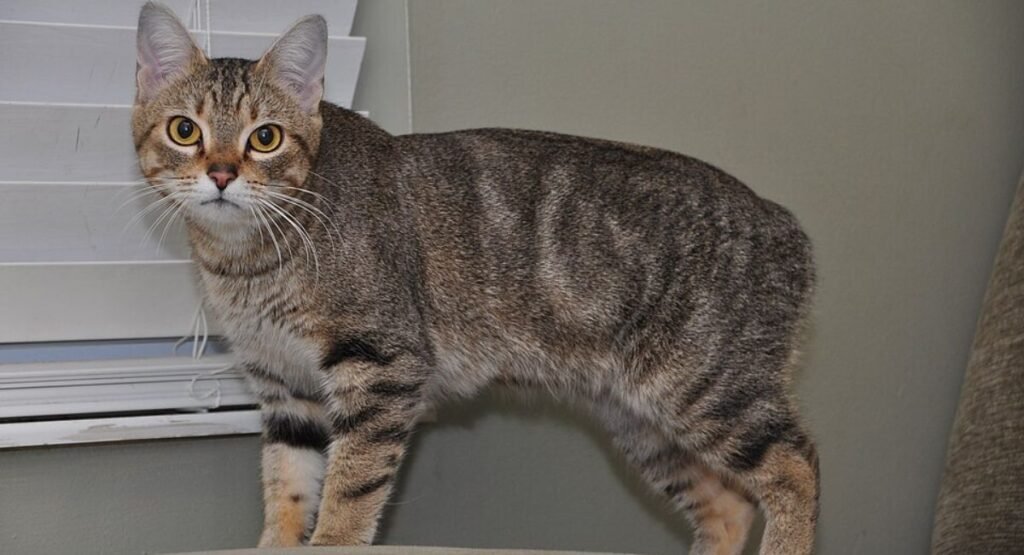
Beyond their unique physique, Manx Cats are known for their friendly and playful demeanor, making them popular companions. Their sociable nature frequently draws them into family activities, where they display a keen intelligence and curiosity.
Koala
The koala adaptations to tree life showcase nature’s ingenuity. With a small or almost hidden tail, the koala relies on its strong limbs for agility and maneuverability in the eucalyptus canopy. These powerful limbs allow it to navigate the trees effortlessly, securing its place high above the ground where it can find food and evade predators.
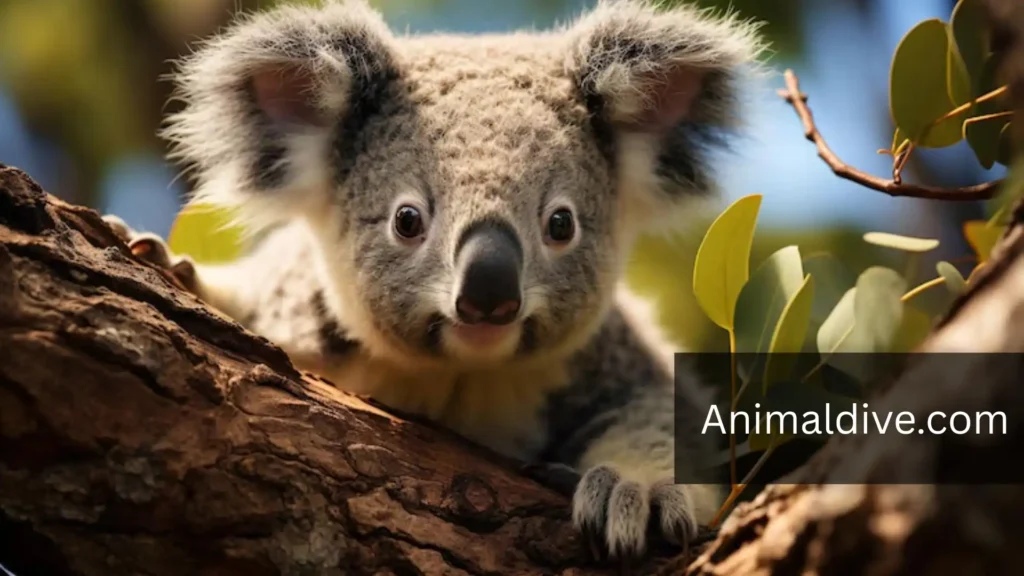
The koala’s specialized paws, equipped with strong claws, enhance its grip on tree bark, making it a master climber. This adaptation not only aids in foraging for eucalyptus leaves but also promotes a lifestyle that minimizes ground-based threats.
Frogs And Toads
The life cycle of frogs and toads begins in the water, where fertilized eggs hatch into tiny tadpoles. These aquatic creatures possess a tail that propels them, allowing for quick movements through their freshwater habitat. As they grow, their bodies undergo remarkable transformations; gills dissolve, and lungs develop, paving the way for their transition from water to land.
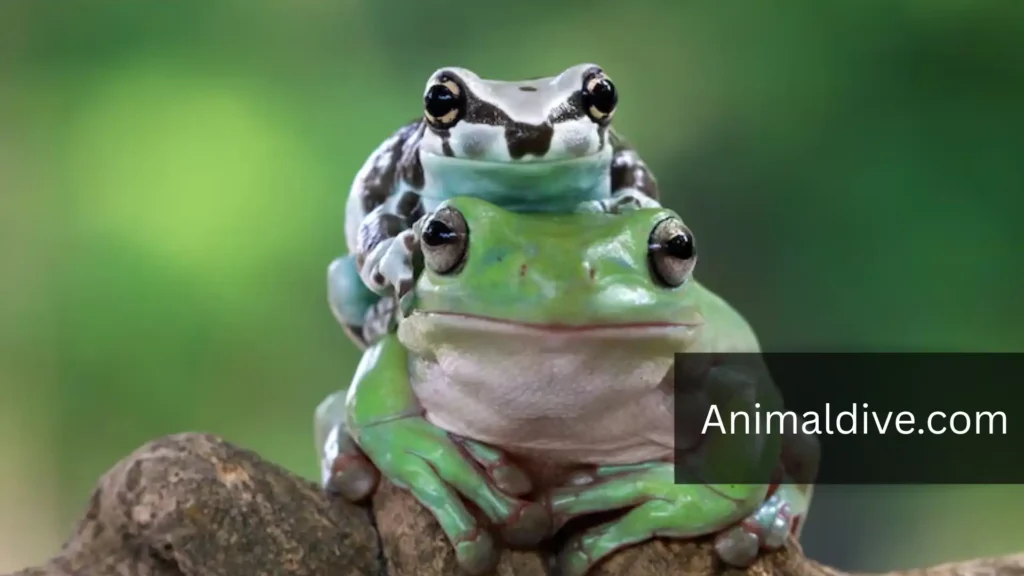
As they progress into adulthood, frogs and toads will shed their tails entirely, making way for strong, agile hind legs that empower them to leap great distances. This ability not only aids in evading predators but also enhances their skills in navigating diverse environments.
Barbary Macaque
The Barbary Macaque is a fascinating creature, notable for being the only tailless monkey in the world. It’s a rare exception among primates, most of which are covered in this roundup of small monkey breeds. This unique adaptation sets it apart from other primates, allowing for a distinct range of movement in its habitat across the rocky mountains of North Africa and Gibraltar.
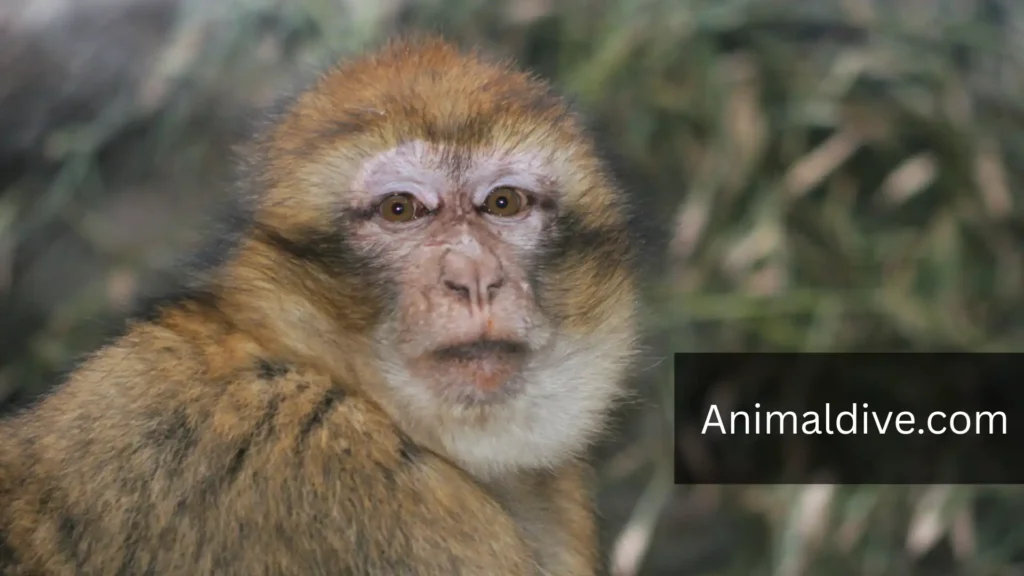
Strong social behavior characterizes the Barbary Macaque, making it a remarkable species to study. These monkeys thrive in matriarchal groups, where complex relationships and strong bonds are formed through grooming and playful interactions.
Their close-knit communities showcase an intricate social structure, complete with various vocalizations and body language that facilitate communication, reinforcing their strong sense of family and belonging in the wild.
Capybara
Capybaras are fascinating creatures, known for their semi-aquatic lifestyle that perfectly marries their need for both land and water. With their webbed feet, these gentle giants can efficiently navigate through rivers, ponds, and swamps, emerging as agile swimmers.
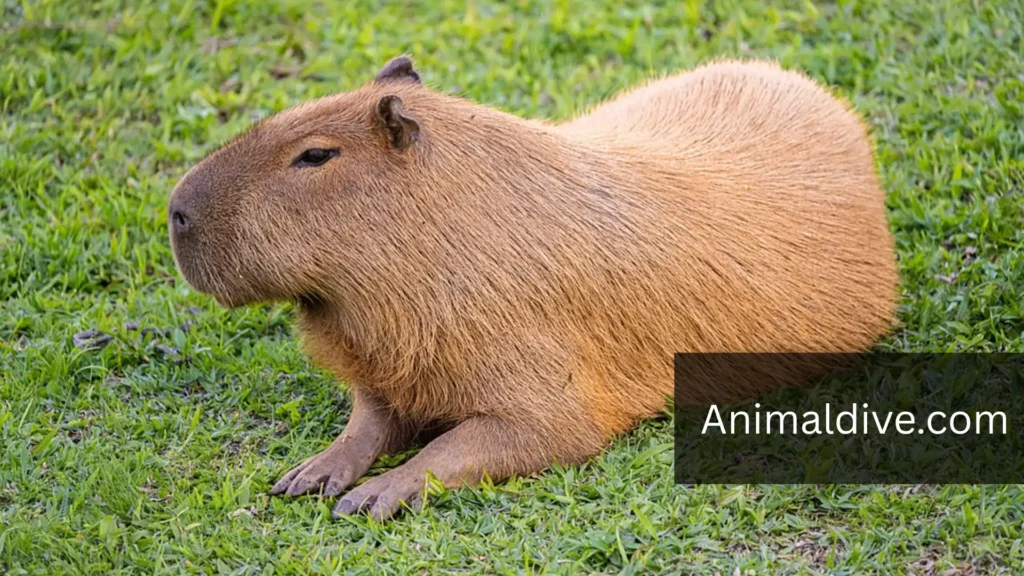
These social animals thrive in groups, often seen lounging together on riverbanks or swimming side by side. The absence of a visible tail further emphasizes their streamlined bodies, making them adept at spending long hours submerged.
Guinea Pig
The Guinea Pig compact body structure is a marvel of evolution, designed for agility and social interaction. Lacking an external tail, these small mammals are characterized by their stout, rounded bodies and short limbs, which make them well-suited for life in burrows.
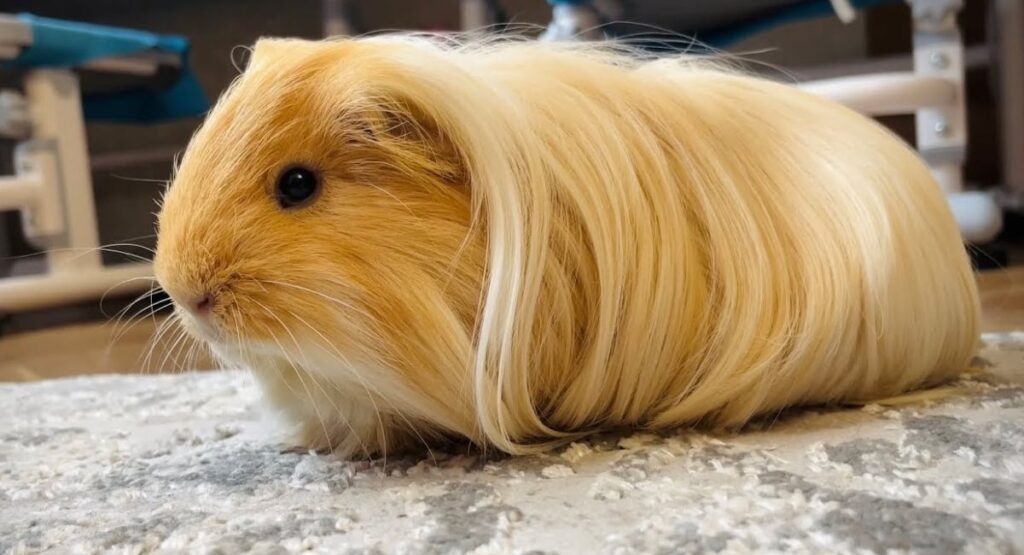
Their body length typically ranges from 8 to 10 inches, yet they manage to carry an impressive weight up to 2.5 pounds, offering a surprising heft in such a small frame.
Known for their sociable nature, Guinea Pigs thrive in groups and are highly communicative creatures. This tendency to stick together places them among many other animals that live in groups. They express a range of sounds, from cheerful chirps to softer purrs, showcasing their emotional states and fostering bonds with their companions.
Kiwi Bird
The Kiwi Bird is a remarkable example of how flightless birds have adapted to their environments. Lacking a visible tail, Kiwis have evolved a streamlined body shape that aids in their ground-dwelling lifestyle. This unique adaptation allows them to navigate the dense underbrush of New Zealand forests with agility, relying on their powerful legs for movement rather than on flight. Kiwis aren’t alone in favoring legs over wings; several other species are covered in this guide to animals that walk on two legs.
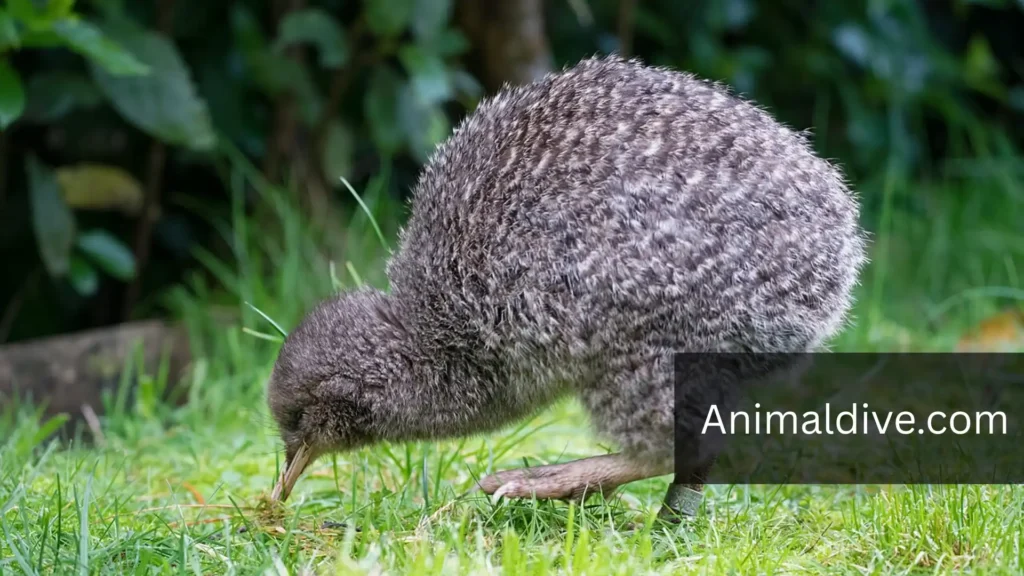
Equipped with an extraordinary sense of smell, Kiwis have developed a different prowess for foraging. They use their sensitive nostrils, located at the end of their long beaks, to locate insects, worms, and other small invertebrates hidden beneath the soil.
Octopus
The octopus stands out in the animal kingdom with its mesmerizing body structure, characterized by eight versatile arms that serve multiple purposes. These appendages are lined with sensory suckers, allowing the octopus to explore its environment, capture prey, and even communicate with fellow cephalopods.
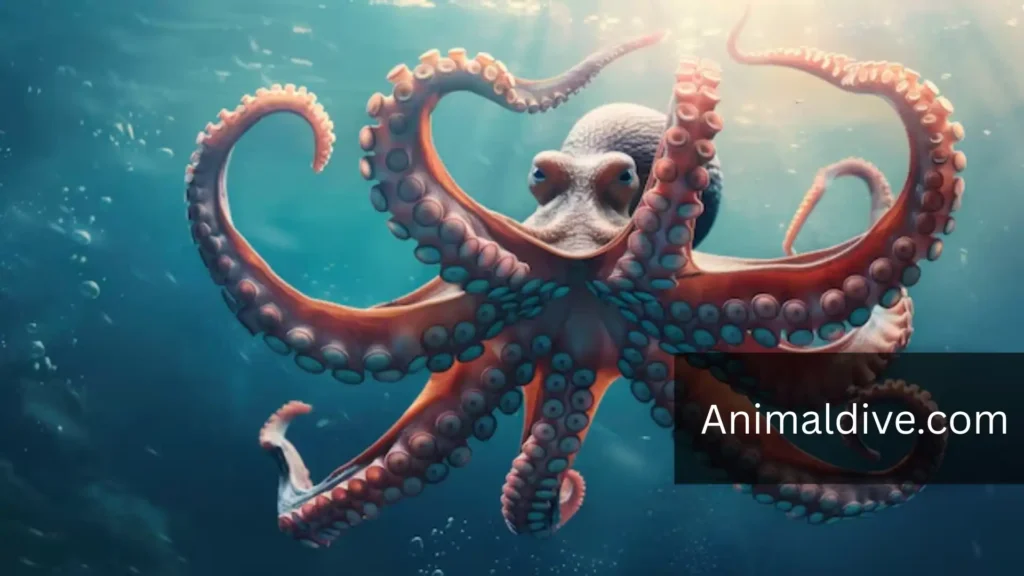
Beyond their intriguing physical traits, octopuses are celebrated for their intelligence, often exhibiting problem-solving skills that rival those of some mammals. They can navigate complex mazes and use tools, showcasing cognitive abilities that challenge traditional notions of animal intelligence. Their problem-solving skills also earn them a spot among the cunning animals of the natural world.
Read more What Do Squirrels Eat? Complete Food Guide (Safe & Unsafe Foods)
Spiders
Spiders are fascinating creatures, distinct from many other arachnids due to their lack of a tail. Instead of a tail, these eight-legged marvels have evolved specialized body structures that serve their unique needs in the environment.
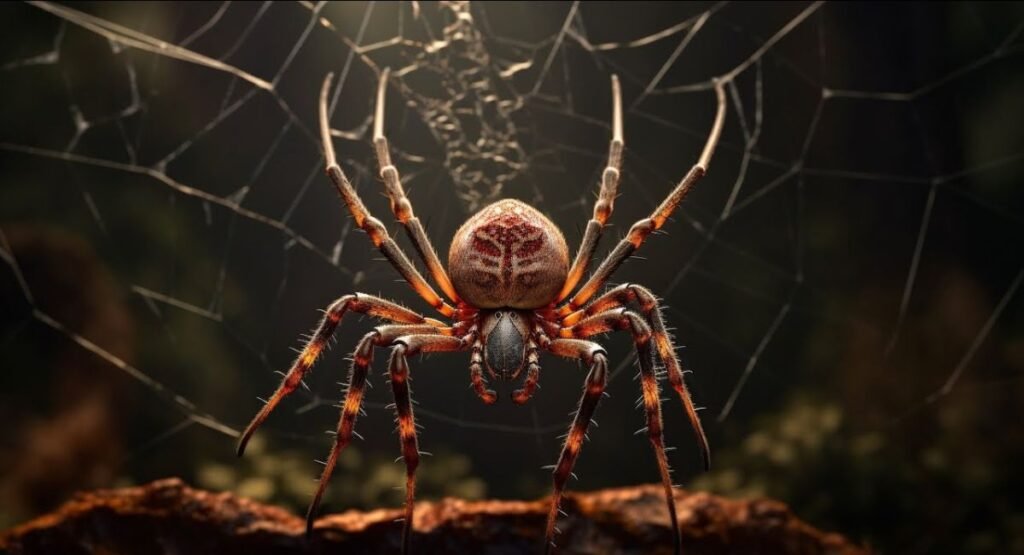
Silk, which spiders produce from specialized glands, serves multiple purposes beyond web-building. It acts as a lifeline while hunting, a protective cocoon for eggs, and a means to create intricate structures that can impressively capture prey.
Wombats
Wombats are fascinating marsupials native to Australia, known for their burrowing behavior and sturdy build. These nocturnal creatures have a unique approach to survival, using their strong limbs to dig extensive tunnel systems that protect them from predators and harsh weather.
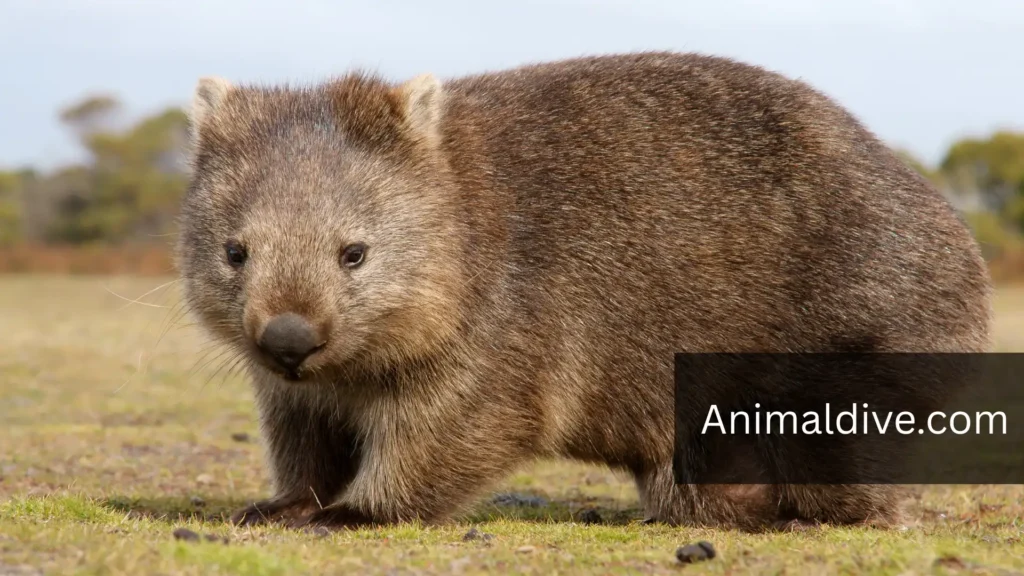
Another intriguing aspect of wombats is their distinctive cubed feces, which helps mark territory without rolling away. This unusual trait highlights their unusual adaptations in the wild, making them one of the most interesting animals without tails. Their fierce, territorial digging habits also land them on lists of most stubborn animals.
Pikas
Pikas, small relatives of rabbits, thrive in rocky mountain habitats and are known for their adorable appearance and energetic nature. These cute mammals have a unique vocalization that helps maintain social structures within their colonies, showcasing their complex social behavior.
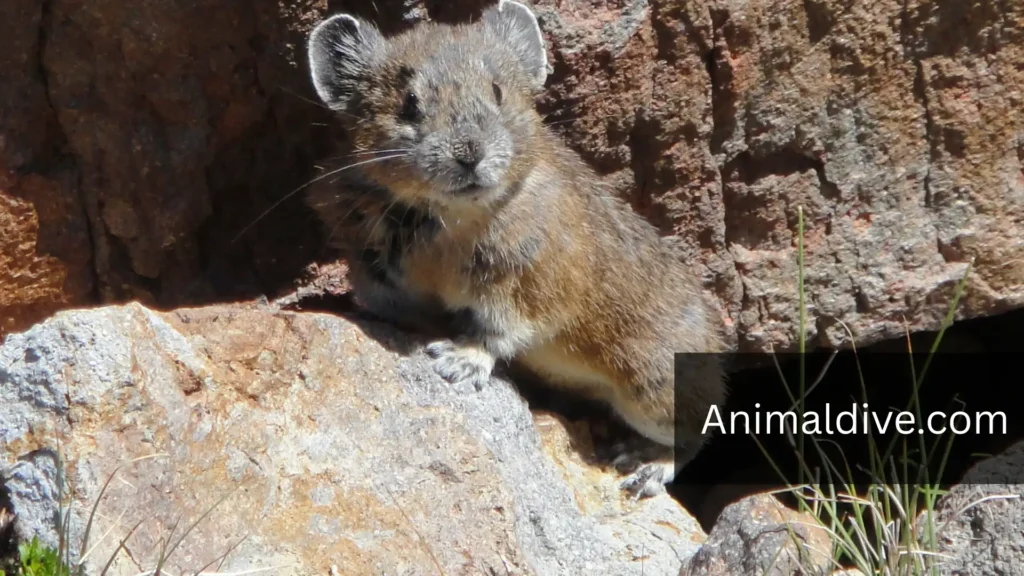
Their adaptation to cold environments is remarkable; pikas don’t hibernate but collect and store vegetation during warmer months. This behavior not only aids in their survival but also underscores their role in the ecosystem as natural foragers.
Tailless Whip Scorpion
The tailless whip scorpion, or Amblypygi, is a captivating arachnid often found in tropical and subtropical environments. Unlike many arachnids, these creatures rely more on their sensitive legs to navigate their surroundings than on visual cues, making them adept hunters in dim light.
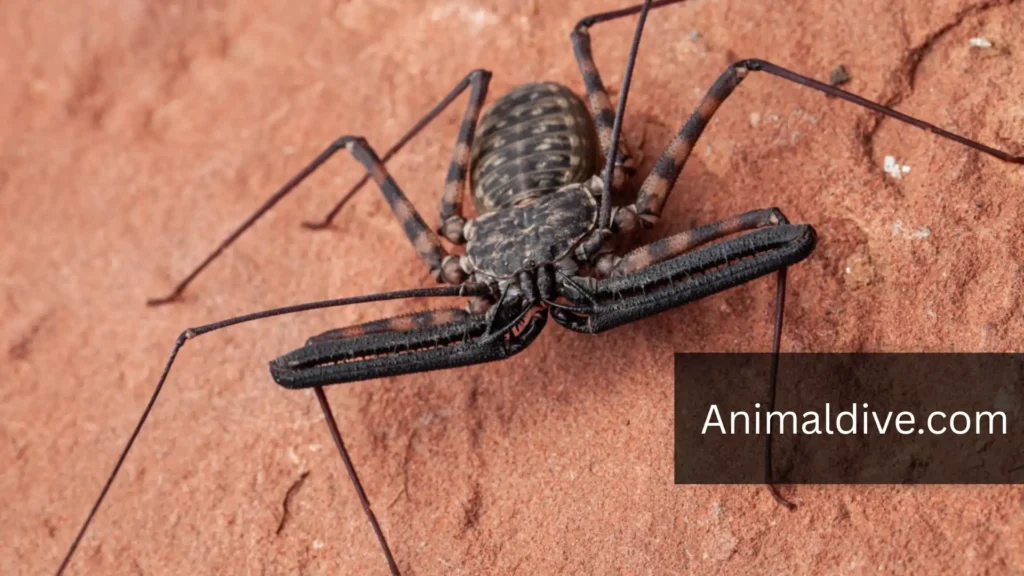
Their intriguing appearance, characterized by a flattened body and long, whip-like legs, allows them to blend seamlessly into their environment. This ability to adapt and survive without a tail is a fascinating example of nature’s diversity.
Sea Stars
Sea stars, often mistaken for starfish, are echinoderms renowned for their star-shaped bodies and regenerative abilities. These marine creatures can regrow lost arms, providing them with a unique survival advantage in their underwater habitats.
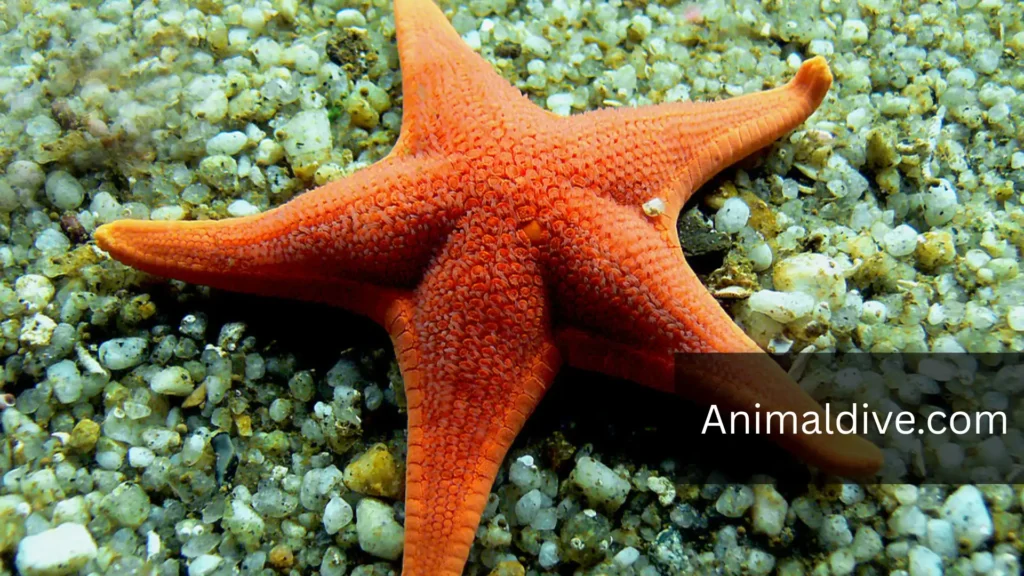
Interestingly, sea stars lack a centralized brain, relying instead on a complex nervous system distributed throughout their body. This adaptation allows them to thrive in various marine environments, making them exceptional animals without tails.
Sea Urchins
Sea urchins, spiny relatives of sea stars, play essential roles in maintaining the health of marine ecosystems. Their unique ability to graze on algae helps prevent overgrowth, promoting coral reef health and biodiversity.
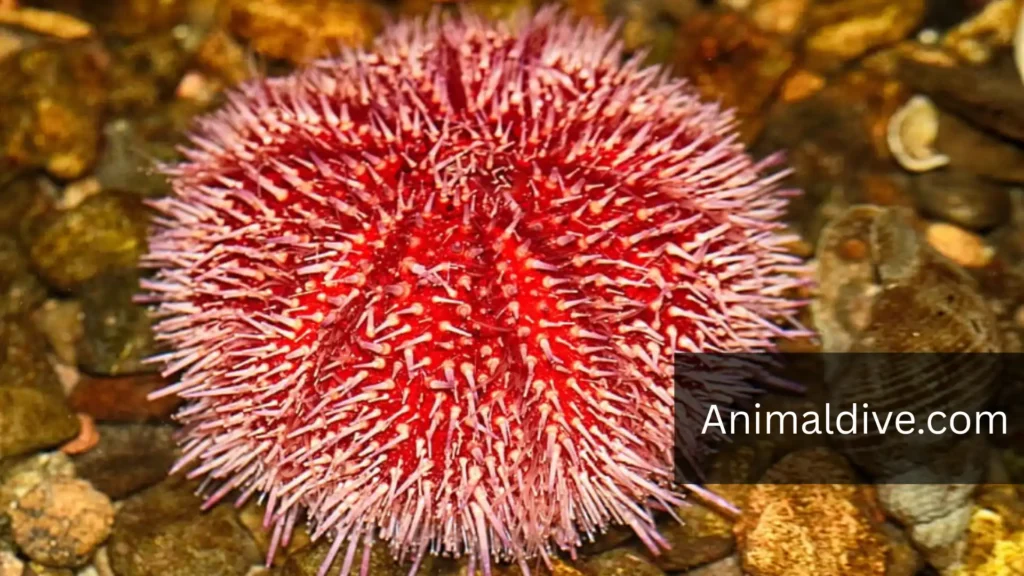
These fascinating invertebrates utilize a water vascular system to move and feed, showcasing an environment-congruent adaptation. Their absence of tails underscores the incredible variations in form and function across animals, emphasizing the intricate balance of marine life.
Animals Without Tails Top 7 (Quick Picks)
- Manx Cat: This breed is famous for its lack of a tail, resulting from a natural mutation. Manx cats are known for their playful nature and strong hunting instincts.
- Dachshund: Though they have short tails, some varieties are born with little to no tail due to genetic variations. Their unique body shape and lively personality make them beloved companions.
- Tailless Whipping Frog: Found in the tropics, this fascinating amphibian lacks a tail from birth. Their vibrant colors and ability to thrive in unique environments make them stand out.
- Scottish Fold: Known for its distinct ear shape, the Scottish Fold can also be born without a tail. These cats are both intelligent and affectionate, making them a favorite among cat lovers.
- Achilles Tang: A stunning fish recognized for its vivid colors, the Achilles Tang has a short body and minimal tail. It’s an amazing example of adaptation in marine ecosystems.
- Some species of the African clawed frog: This species has adaptations for life in water that include a tail-less appearance as they mature. They are noteworthy for their regenerative abilities, even without tails.
- Certain reptiles like the Skink: Many skink species have evolved to be tail-less as a survival tactic. Their ability to camouflage and regenerate lost limbs is a captivating aspect of their biology.
Conclusion
The animals without tails featured in our comprehensive animals without tails list illustrate the incredible adaptability inherent in the animal kingdom. Each species has evolved to navigate its environment without the aid of a tail, showcasing the innovative strategies life can employ for survival.
This exploration invites us to ponder the intricate connections between adaptation and evolution, igniting our curiosity about the natural world. As we continue to learn about these fascinating creatures, we deepen our appreciation for the beauty of biodiversity.
FAQs
Do Gorillas Have Tails?
Gorillas do not have tails, as they belong to the ape family, which naturally lacks tails unlike most monkeys.
Do Sloths Have Tails?
Sloths have very short, stubby tails that are barely visible and play a minor role in their movement and behavior.
Does A Giraffe Have A Tail?
Giraffes do have long tails, which they use like flyswatters to keep insects away from their bodies.