20 Animals That Eat Frogs You’ll Never Expect
Frogs may look harmless, but many deadly predators depend on them for survival. Animals that eat frogs play a crucial role in maintaining the delicate balance of ecosystems, particularly in wetlands where these amphibians thrive.
Understanding what eats frogs helps illuminate the intricate web of predator-prey relationships that defines our natural world. From reptiles to birds and even some mammals, these frog predators are vital in the food chain, impacting not just their immediate environment but the greater ecosystem balance.
Why Frogs Are Important In The Food Chain
Frogs play a critical role in maintaining ecological balance by transferring energy within ecosystems. As voracious insectivores, they help control pest populations, ensuring that no single species dominates the environment.
As prey for larger animals, such as birds, snakes, and mammals, frogs serve as a crucial food source in the food chain. Understanding what eats a frog highlights their importance in the ecosystem, as their presence supports various predators, contributing to amphibian population balance.
Frogs, though agile leapers, are relatively vulnerable creatures. Much like other slow animals that struggle to outrun predators, frogs rely more on camouflage and toxic skin than speed to survive.
List Of Animals That Eat Frogs
Frogs occupy a pivotal role in many ecosystems, serving as both prey and predators. A diverse array of animals, including reptiles, birds, mammals, fish, and even other amphibians, has evolved to hunt frogs, showcasing the complexity of food webs.
From stealthy snakes to giant alligators, many predators rely on frogs as an important food source. Birds like herons and kingfishers are particularly adept at snatching frogs from muddy banks, while otters and raccoons display remarkable dexterity in capturing these slippery creatures.
Snakes
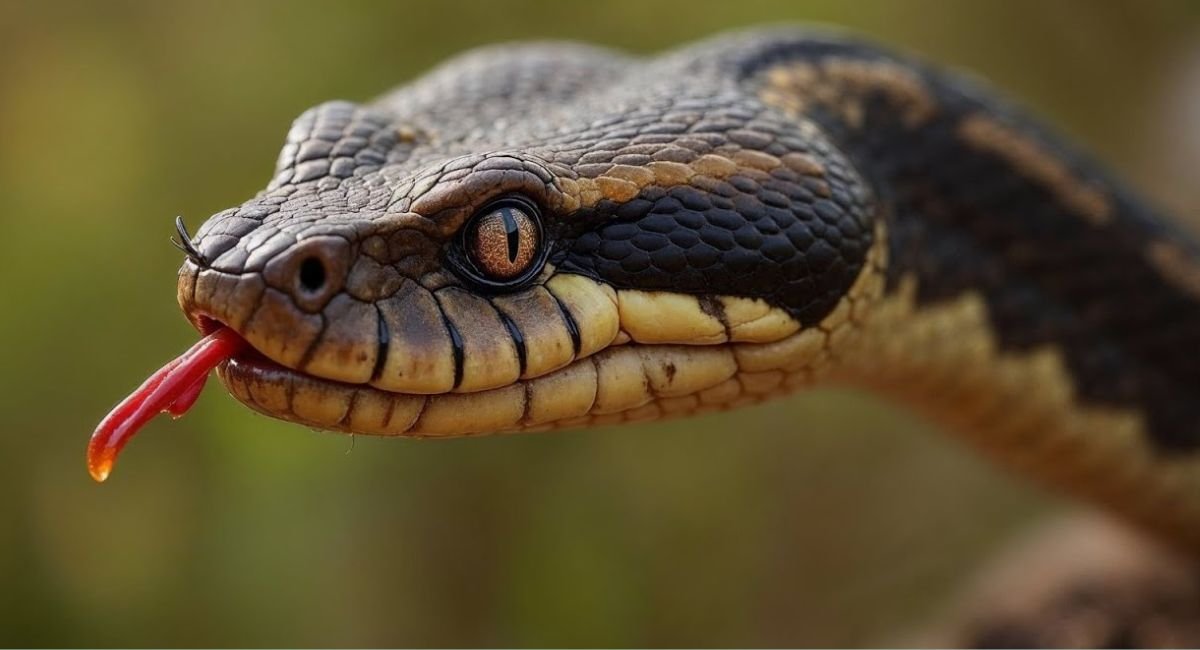
Snakes that eat frogs, such as water snakes and garter snakes, have developed impressive hunting techniques tailored to their wetland habitats. Many of these snakes employ ambush tactics, blending seamlessly into their surroundings with their natural camouflage.
In these rich wetlands, frogs thrive in abundance, making them an accessible food source for many snake species. The murky waters and dense vegetation create ideal environments where snakes can hunt without being easily detected.
Raccoons
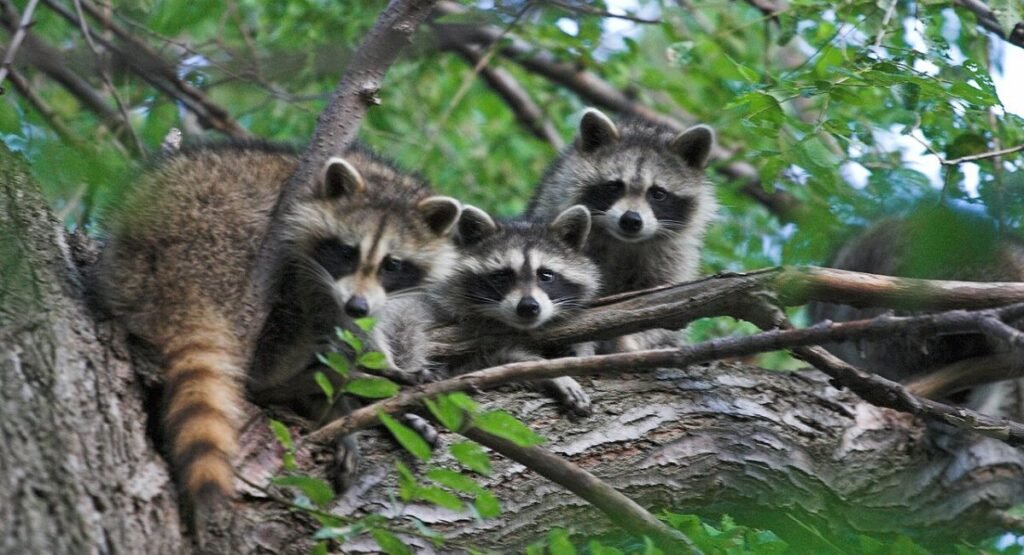
Raccoons are known to forage in groups during certain seasons. Like many animals that live in groups, their social behavior enhances their ability to locate food sources, including frogs, in wetland habitats.
Their omnivorous diet allows them to capitalize on a variety of food sources, with frogs being a particular delicacy. This adept foraging strategy not only highlights their resourcefulness but also plays a crucial role in maintaining balanced ecosystems by controlling frog populations in their habitats.
Cranes
Cranes, among the most elegant wading birds, have mastered the art of hunting frogs in marshes. With their long legs providing balance and reach, they silently traverse the wetland terrain, making them efficient predators in this habitat.
Equipped with sharp eyesight, cranes can detect even the slightest movement in the water. Employing stealth hunting techniques, they slowly stalk their prey, showcasing precision hunting that leaves frogs little chance of escape from these skilled birds that eat frogs.
Skunks
Skunks exhibit opportunistic feeding behavior, making them adept at snacking on a variety of prey, including frogs. Their omnivorous diet allows them to adapt to seasonal changes in food availability, ensuring they make the most of their nighttime hunting excursions.
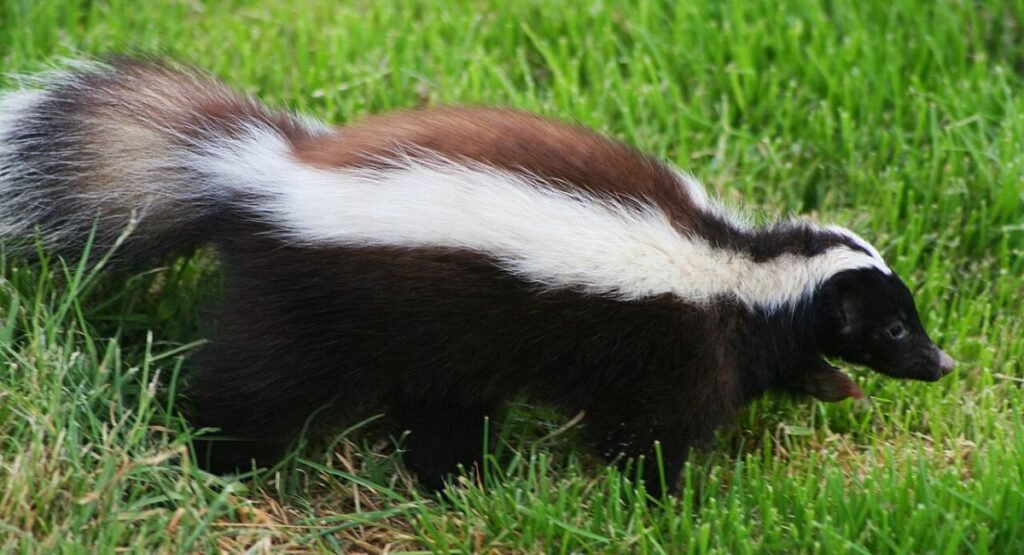
Eating frogs is just one way skunks help maintain ecosystem balance by controlling amphibian populations. This dynamic diet underscores the skunk’s role as both scavenger and predator, illustrating their importance in fostering biodiversity within their habitats.
Alligators
Alligators that eat frogs play a critical role in maintaining the balance of freshwater ecosystems. As apex predators, their powerful jaws and stealthy ambush tactics enable them to dominate their habitat, effortlessly taking down frogs and other small prey.
Utilizing their innate camouflage and patience, alligators lie in wait among the reeds and murky waters. This ambush predator strategy not only enhances their hunting success but also reflects their adaptability and prowess in the aquatic food chain.
As apex predators, their powerful jaws and stealthy ambush tactics enable them to dominate their habitat. Alligators are also frequently listed among the deadliest animals in the world, capable of taking down frogs and far larger prey alike.
Herons
Herons that eat frogs wield patience as their greatest asset, often standing silently along the edges of rivers and wetlands. With their long legs submerged and bodies perfectly still, these wading birds remain keenly observant, waiting for the opportune moment to strike.
Equipped with sharp, pointed beaks, herons unleash fast strikes to capture their slippery prey. Their unique hunting behavior, characterized by both stealth and precision, allows them to thrive in the diverse wetland ecosystems where frogs abound.
Owls
Owls are masterful hunters, employing their exceptional night vision and silent flight to stalk prey in the shadows of woodland habitats. As they glide effortlessly through the dark, these formidable owl frog predators use their keen senses to pinpoint the croaks of frogs, ensuring a successful strike.
Once within range, their sharp talons are unleashed in a swift, decisive motion, securing dinner with lethal precision. The woods come alive with the rustle of leaves and the sound of wings, but the owl remains a phantom, largely undetected as it navigates its nocturnal domain.
Otters
Otters are remarkable aquatic mammals known for their exceptional swimming skills and playful behavior. As wetland predators, they deftly navigate rivers and lakes, showcasing agility that allows them to hunt animals that eat frogs in ponds, turning their amphibious prey into a delightful meal.
These intelligent creatures engage in dynamic foraging techniques, often using stones to crack open the shells of crustaceans or crush frog bodies. Their social antics not only reflect their playful nature but also play a vital ecological role, helping to maintain balanced ecosystems by controlling frog populations and contributing to the health of aquatic habitats.
Monitor Lizards
Monitor lizards are apex predators that thrive in tropical habitats, showcasing their remarkable hunting prowess, especially when targeting frogs, one of their preferred meals. Equipped with sharp senses and acute sight, these carnivorous reptiles can detect vibrations and movements in their surroundings, enabling them to stalk their prey with precision.
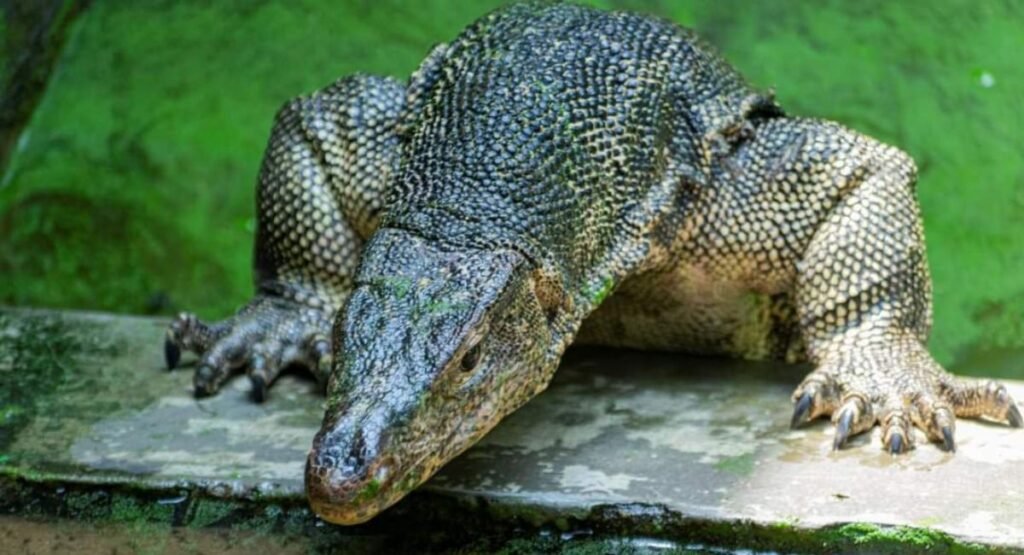
Their explosive speed is complemented by strong claws that aid in both capturing and gripping slippery frogs. As they pounce, the combination of agility and strength transforms these reptiles into formidable hunters, reinforcing their role as essential players in the ecosystem.
Pike
Pike as formidable freshwater predators, utilize their impeccable camouflage to blend seamlessly with the surrounding vegetation. This stealth allows them to ambush frogs and other prey that venture too close to the protective cover of reeds and lilypads.
When the opportune moment arises, pike launch rapid underwater attacks, showcasing their sharp teeth designed for gripping slippery prey. Their cunning hunting technique not only highlights their predatory prowess but also underscores their vital role in maintaining the ecological balance within freshwater habitats.
Opossums
Opossums are unique marsupials known for their adaptability, allowing them to thrive in various environments. As opportunistic amphibian predators, these night hunters often scavenge in wetland areas, feasting on frogs that others might overlook.
Their scavenging behavior makes them vital to the ecosystem, helping control amphibian populations. With their keen sense of smell and diverse diet, opossums effectively link terrestrial and aquatic food chains, showcasing their role as adaptable feeders in the wild.
Turtles
Turtles that eat frogs, particularly snapping turtles, exhibit fascinating hunting behaviors in their freshwater habitats. Utilizing powerful bites, these reptiles are adept ambush predators, patiently waiting for the right moment to strike as frogs unsuspectingly approach the water’s edge.
In ponds and wetlands, snapping turtles employ a stealthy approach, remaining motionless among submerged vegetation. With remarkable speed and precision, they lunge forward, using their strong jaws to capture their prey, demonstrating the intricate balance of the ecosystem where both predator and prey thrive.
Largemouth Bass
Largemouth bass, renowned for their impressive size and cunning hunting techniques, thrive in freshwater lakes and ponds where aquatic life flourishes. As ambush hunters, these bass that eat frogs lie in wait among dense vegetation, exploiting their swift reflexes and camouflage to strike at unsuspecting prey.
This critical predation plays a pivotal role in maintaining ecosystem balance. By controlling frog populations, largemouth bass contribute to the health of the aquatic food chain, ensuring that each species, from microscopic organisms to larger game fish, coexists harmoniously.
Foxes
In the quiet depths of forests and wetlands, foxes that eat frogs showcase their prowess as opportunistic hunters. With remarkably sharp hearing, these clever creatures detect the subtle sounds of croaking amphibians, allowing them to pinpoint their next meal amid the dense undergrowth.
Seasonal changes influence the fox’s feeding habits, making wetlands particularly rich hunting grounds during warmer months when frogs are plentiful. Their adaptability allows them to thrive on a varied diet, consuming not just amphibians but also rodents, fruits, and insects, ensuring they remain versatile and resilient in changing environments.
Hawks
Hawks that eat frogs are masterful hunters, adept at spotting their prey from great heights due to their sharp vision. These birds of prey can detect even the slightest movements in wetland habitats, where frogs often lay hidden among reeds and lily pads.
Once a target is identified, hawks launch into breathtaking swooping attacks, using their speed and agility to close in quickly. This predator efficiency allows them to snatch unsuspecting frogs mid-leap, showcasing the remarkable adaptation of these raptors to their environments.
Other Frogs
Large frogs are among the most surprising frogs that eat frogs in the wild. Many species practice cannibalism, especially when food is scarce or competition becomes intense in crowded ponds and wetlands. Bigger frogs will often prey on smaller frogs, young froglets, and even their own species to survive.
Tadpole predation is also common in amphibian habitats. Some adult frogs actively hunt tadpoles because they are easy to catch and rich in nutrients. In certain species, stronger tadpoles may even attack weaker ones, showing how fierce amphibian survival can become in nature.
Eels
In the murky depths of freshwater habitats, eels emerge as formidable aquatic predators of frogs, employing a blend of stealth and strategy to make their next meal. These elongated creatures are masters of ambush, often lying motionless among aquatic vegetation, waiting for unsuspecting frogs to venture too close.
Nocturnal hunting adds another layer of intrigue to their predatory tactics. As darkness envelops the water, eels become more active, taking advantage of the nighttime activities of frogs. With their natural camouflage, they blend seamlessly into the shadows, capitalizing on any movement or sound that might signal dinner.
Crows
Crows are fascinating creatures, demonstrating remarkable intelligence and adaptability in their feeding habits. In wetlands, crows are known to consume a variety of prey, including frogs and tadpoles. This opportunistic feeding behavior showcases their ability to exploit different food sources based on seasonal availability.
The intelligence of crows plays a crucial role in this feeding strategy. They observe their environment carefully, learning from each experience and adapting their techniques to access hard-to-reach or well-hidden frogs and tadpoles. For instance, crows have been seen using tools, such as sticks, to extract creatures from murky waters or dense vegetation.
Coyotes
Coyotes are remarkable predators that eat frogs, showcasing their adaptability in diverse ecosystems, from marshes to forests. In these environments, they exploit a wide range of food sources, demonstrating their opportunistic feeding behavior.
The diet of coyotes extends beyond frogs, encompassing small mammals, fruits, and even carrion, allowing them to thrive in varying landscapes. By consuming frogs, they help regulate amphibian populations, contributing to overall ecological health while showcasing their versatile survival strategies.
Salamanders
In aquatic ecosystems, larger salamanders play a pivotal role as predators, particularly targeting frog eggs, tadpoles, and small frogs. These amphibians that eat frogs utilize their keen senses and agile movements to navigate through the often crowded waters.
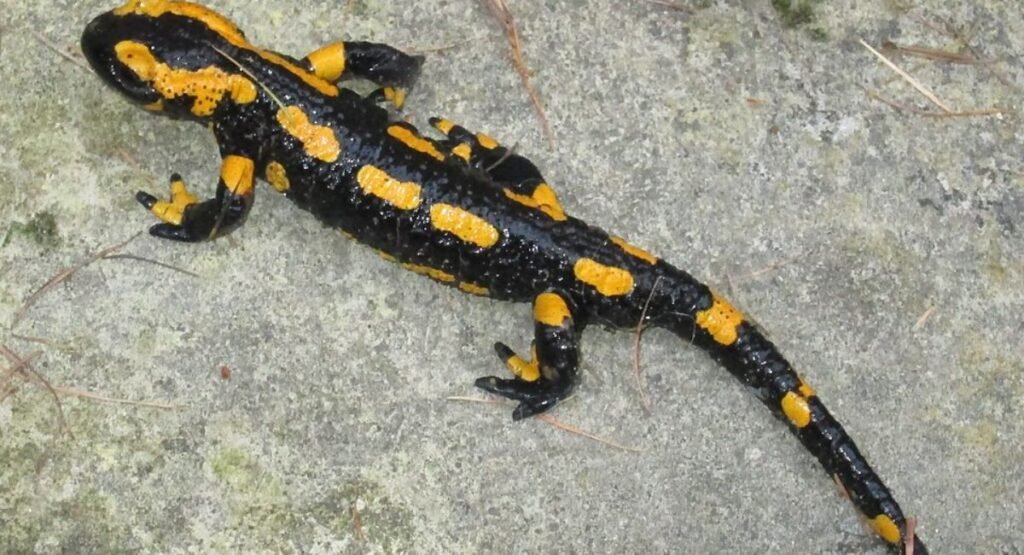
With their soft, gelatinous bodies, frog eggs present an easy and nutritious meal for hungry salamanders. As opportunistic feeders, salamanders capitalize on the vulnerabilities of early-stage amphibians, demonstrating a fascinating aspect of natural selection where size and adaptability contribute to survival.
How Frogs Defend Themselves From Predators
- Camouflage: Many frogs, like the common tree frog, blend seamlessly into their surroundings, making it difficult for frog predators to spot them.
- Toxic Skin: Some species, such as poison dart frogs, possess vibrant skin that deters predators through toxic compounds, signaling danger.
- Escape Behavior: Frogs are masters of quick escape, utilizing powerful hind legs to leap away from threats, often reaching impressive distances in a single bound.
- Hiding: Frogs often seek shelter in vegetation or burrows, reducing their risk of detection by eagle-eyed predators.
- Warning Colors: Bright coloration in certain frog species serves as a warning sign, communicating their toxicity and unpalatability to potential predators.
- Defensive Behaviors: When threatened, frogs may adopt defensive postures or release noxious secretions to deter attackers, showcasing their adaptability in survival.
Conclusion
The fascinating lineup of animals that eat frogs reminds us of the dynamic relationships that exist within our ecosystems. These predators, ranging from amphibians to mammals, exemplify nature’s complex balance and the vital role that each species plays in maintaining ecological health.
Protecting these interconnected systems is essential not only for the frogs but for the overall health of our planet. Together, we can champion efforts that sustain wildlife and preserve the delicate balance of our ecosystems.
FAQs
What Animal Eats A Frog?
Many animals eat frogs in the wild, including snakes, birds, fish, mammals, reptiles, and even other frogs. Common frog predators include herons, hawks, raccoons, foxes, turtles, otters, alligators, and largemouth bass.
What Is A Frog’s Biggest Enemy?
Birds are considered some of the biggest frog predators in nature. Herons, hawks, storks, owls, crows, and ducks frequently hunt frogs near ponds and wetlands.
What Do You Call An Animal That Eats Frogs?
Animals that eat frogs are called ranivores or ranivorous animals. The term comes from the Latin words rani meaning “frog” and vorous meaning “eating.” Ranivores include many predators such as snakes, birds, turtles, fish, and mammals that rely on frogs as part of their diet.
What’s “Eat The Frog”?
“Eat The Frog” is a popular productivity method, not an animal behavior term. It means doing your hardest or most important task first before anything else.