Top 25 Animals With Small Ears You Won’t Believe Exist (Rare Photos + Amazing Facts)
Small ears in the animal kingdom serve as a captivating example of evolution’s ingenuity, offering insights into how these creatures navigate their environments. Animals with small ears have developed this trait as a crucial adaptation, facilitating heat conservation in hot climates and optimizing their aquatic maneuvers in water.
These adaptations don’t just help with swimming; they also play a vital role in burrowing survival. Let’s explore 25 fascinating species that showcase the incredible benefits of their small ears, highlighting their resilience in both desert and Arctic habitats.
25 Incredible Animals With Small Ears Found Across the World
| No. | Animal Name |
| 1 | Mole |
| 2 | Naked Mole-Rat |
| 3 | Platypus |
| 4 | Seal |
| 5 | Sea Otter |
| 6 | Walrus |
| 7 | Manatee |
| 8 | Beaver |
| 9 | Muskrat |
| 10 | Kangaroo Rat |
| 11 | Elephant Shrew |
| 12 | Hedgehog |
| 13 | Pika |
| 14 | Lemming |
| 15 | Wombat |
| 16 | Aardvark |
| 17 | Armadillo |
| 18 | Tapir |
| 19 | Rhinoceros |
| 20 | Capybara |
| 21 | Tuatara |
| 22 | Shrew |
| 23 | Sea Lion |
| 24 | Hippopotamus |
| 25 | Bear |
Mole
The mole, scientifically known as Talpa, is an exceptional example of an animal with small ears adapted for a subterranean lifestyle. These tiny hidden ears are perfectly designed to prevent dirt from entering the ear canals while burrowing deep underground.
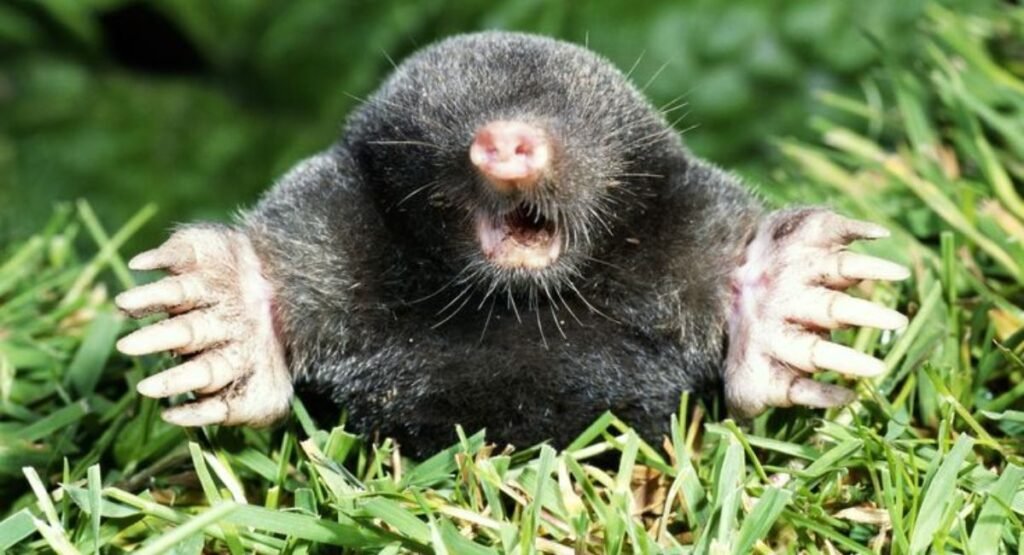
With their strong digging claws, moles can swiftly navigate through soil, creating extensive tunnel systems that serve as both a habitat and a hunting ground.
Primarily found in moist, rich soils in North America and Europe, moles practice a carnivorous diet that mainly consists of insects and earthworms. Their life underground is a remarkable survival adaptation, allowing them to evade predators while efficiently hunting for food.
Naked Mole-Rat
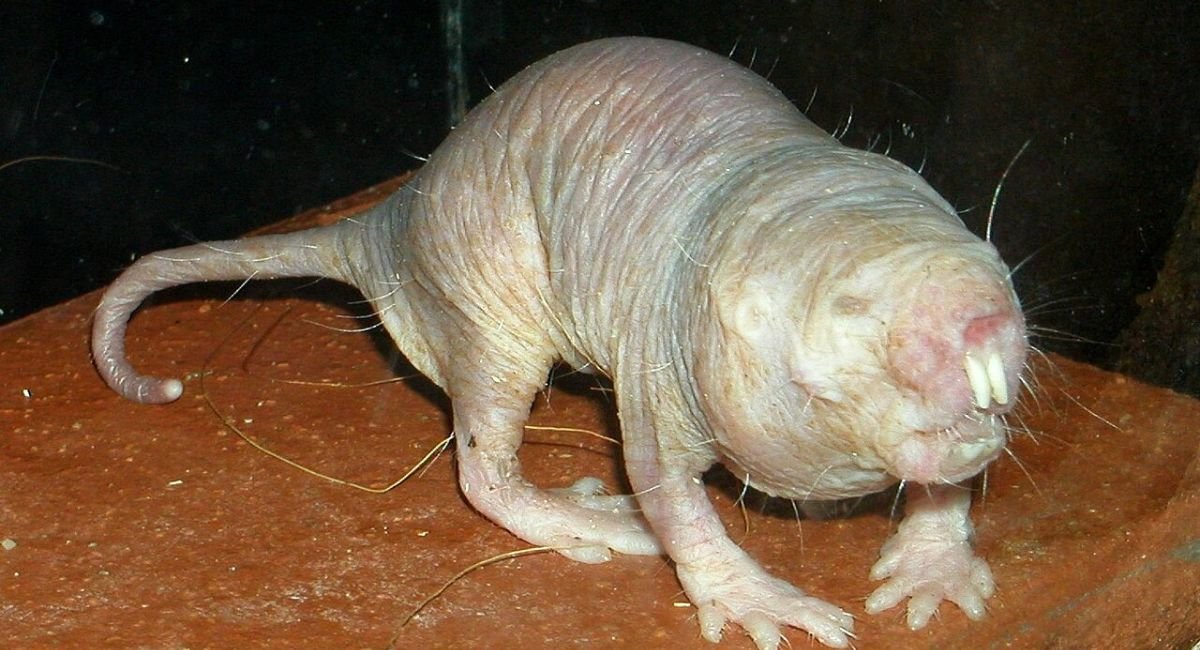
The Naked Mole-Rat, scientifically known as Heterocephalus glaber, thrives in the underground colonies of East Africa, where it displays remarkable adaptations to a life spent in darkness. With nearly invisible ears, these remarkable creatures minimize sound exposure, enhancing their ability to navigate their intricate tunnel systems.
These animals with small ears have a unique diet primarily consisting of underground plant parts, such as tubers and roots. A fascinating fun fact about the Naked Mole-Rat is its incredible resistance to cancer and pain, making it a subject of extensive scientific research.
Platypus
The platypus, one of the most fascinating animals with small ears, is distinguished by its lack of external ears, which makes it an anomaly among mammals. Instead of having visible ear structures, it possesses tiny openings that are adeptly designed for its aquatic lifestyle.
Adapted to life in water, the platypus showcases its remarkable hunting abilities through electroreception, enabling it to locate prey even in murky environments. This unique adaptation involves sensory receptors in its bill that detect electric fields generated by the movements of nearby organisms.
Seal
Seals are remarkable aquatic animals, expertly adapted to thrive in marine environments. Their streamlined bodies enable them to glide effortlessly through the water, conserving energy as they chase fish and evade predators. With their small ear openings, seals minimize drag while swimming and can easily navigate their underwater world.
The physiological design of seals allows them to maintain body heat in frigid waters. The tiny ear openings not only aid in streamlined swimming but also serve as a protective feature, reducing the risk of water intrusion.
Sea Otter
The Sea Otter is a remarkable creature, uniquely adapted for survival in the ocean’s chilly waters. With its thick fur comprising up to a million hair strands per square inch, the Sea Otter minimizes heat loss, ensuring it stays warm even in frigid temperatures. This dense fur, the thickest of any marine animal, serves as a critical insulating layer, allowing these playful mammals to thrive in diverse habitats across the coastlines of the North Pacific.
Underwater, Sea Otters exhibit astonishing agility, showcasing their ability to dive up to 300 feet in search of food. Their small ears, often described as one of the distinguishing traits among animals with small ears, aid in maintaining streamlined movement while swimming.
Walrus
The walrus, a fascinating marine mammal, is an excellent example of an animal with small ears, sporting tiny ear openings that are virtually inconspicuous. This anatomical feature, combined with its impressive blubber insulation, equips the walrus to thrive in the frigid Arctic waters.
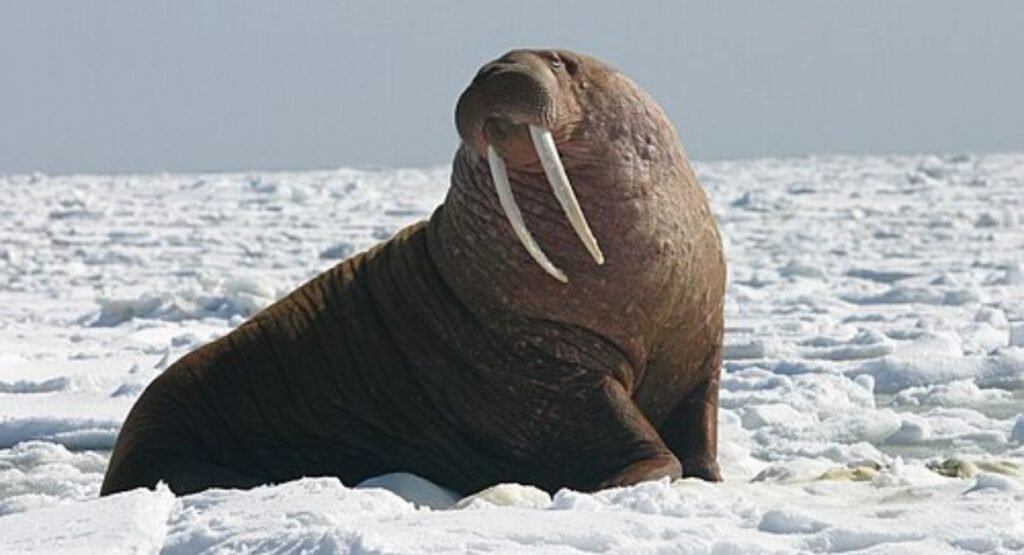
In their icy habitat, the walrus demonstrates remarkable survival skills. Their small ear openings minimize heat loss, a crucial adaptation in an environment where temperatures often plunge well below freezing.
The walrus relies on its robust blubber layer to navigate these extreme conditions, allowing it to forage effectively on the ocean floor while basking on ice floes, a testament to its incredible resilience and evolutionary ingenuity.
Manatee
The manatee, a gentle herbivore often found in freshwater and coastal habitats, is a striking example of nature’s adaptability. With small ear openings that blend seamlessly into their rounded heads, these peaceful creatures rely more on their keen sense of touch and hearing than on their limited auditory capacity.
Known for their swimming efficiency, manatees glide gracefully through warm waters, often grazing on aquatic plants with remarkable ease. Their streamlined bodies allow them to travel vast distances in search of food, while their gentle demeanor often earns them the affectionate title of “sea cows.”
Beaver
The beaver, a remarkable animal with small rounded ears, showcases unique adaptations that enhance its survival in aquatic environments. Renowned for their dam-building skills, beavers transform ecosystems by creating ponds that support diverse wildlife.
Their diminutive ears, often overlooked, play a crucial role in keeping them streamlined while swimming, allowing them to navigate with ease in murky waters.
These intriguing creatures also possess a waterproof adaptation that enables them to remain submerged for extended periods while working on their dams or foraging for food. By maintaining stable water levels, beavers promote a thriving habitat not only for themselves but for countless other species.
Muskrat
The muskrat is a fascinating example of adaptability among animals with small ears. This semi-aquatic rodent thrives in wetland environments, employing its keen sense of hearing for survival. Its compact ears minimize water resistance, allowing it to navigate underwater with ease while remaining alert to potential threats.
Underwater, the muskrat boasts a unique advantage: its ears can close tightly to prevent water entry. This adaptation not only protects their hearing but also enables prolonged foraging below the surface. Their ability to create extensive burrow systems in wetland habitats showcases their resourcefulness in finding shelter and food.
Kangaroo Rat
The Kangaroo Rat, a remarkable example among animals with small ears, thrives in the arid environments of North American deserts. Its tiny ears help minimize water loss while enhancing its acute sense of hearing, crucial for detecting predators in the vast, sandy terrain.
The Kangaroo Rat rarely drinks water, deriving all the moisture it needs from its food, such as seeds and vegetation. Its ability to protect itself from the harsh desert sand through burrowing not only ensures safety from the elements but also creates a microclimate that preserves moisture and supports its survival in an unforgiving environment.
Elephant Shrew
The Elephant Shrew, found primarily in Africa’s diverse habitats, showcases a fascinating adaptation among animals with small ears. These compact ears are not just a characteristic feature; they play a crucial role in minimizing sound disturbance while the shrew navigates its environment at remarkable speeds.
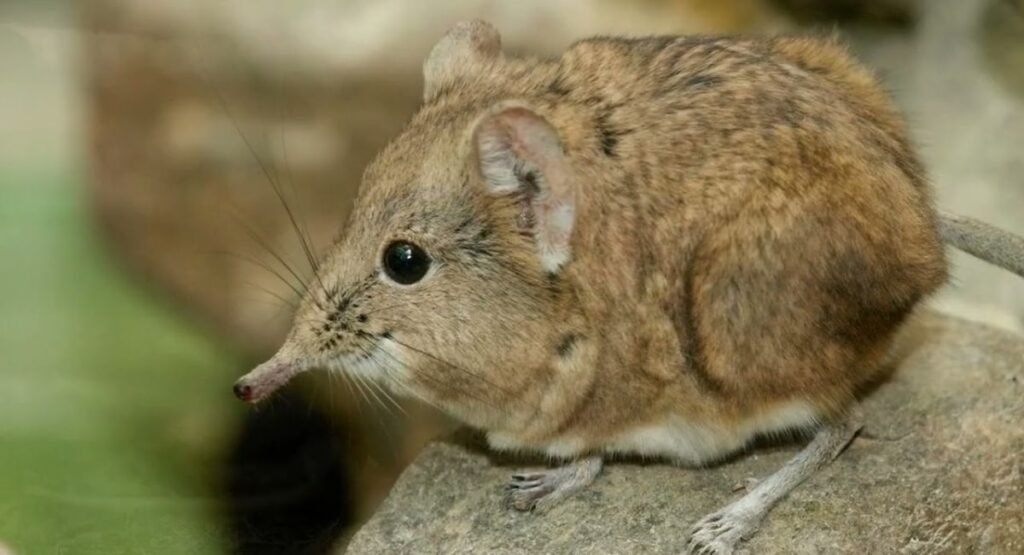
In the rich tapestry of African ecosystems, the Elephant Shrew’s small ears contribute to its stealthy lifestyle. These small mammals can swiftly dart away from threats, utilizing their unique auditory adaptations to remain vigilant and avoid detection.
Observing an Elephant Shrew in action offers a glimpse into the intricate balance of agility and awareness in the wild, showcasing how even the smallest features can have significant implications for survival.
Hedgehog
The hedgehog, a remarkable creature among animals with small ears, often goes unnoticed in the wild, thanks to its tiny, hidden auditory receptors. These small ears amplify its keen sense of hearing, aiding in nighttime hunting where the hedgehog thrives, relying on its acute ability to detect rustling prey in the dark.
Beyond their endearing appearance, hedgehogs have evolved fascinating adaptations for survival. Their defensive spines serve as an effective barrier against predators, while their unique ability to conserve heat allows them to balance activity and rest, particularly during the colder months.
Pika
The pika, a fascinating member of the mountainous ecosystem, thrives in rocky habitats where few other animals can endure. These small mammals with distinctively rounded bodies and notably small ears boast remarkable adaptations to their cold alpine environments.
During warmer months, they diligently gather and store dried grasses and herbs, creating a winter cache that sustains them when food is scarce. This behavior not only showcases their resourcefulness but also highlights their crucial role in the delicate balance of their mountain ecosystem, as they help maintain plant diversity.
Lemming
The lemming, an intriguing resident of the Arctic, showcases a fascinating adaptation among animals with small ears. Its fur-covered ears not only make it endearing but also serve a crucial function: they provide frost protection against harsh Arctic winds. This unique feature helps the lemming thrive in one of the most extreme environments on Earth.
These diminutive ears contribute to heat retention, a vital necessity in frigid temperatures. By minimizing heat loss, lemmings efficiently regulate their body temperature while navigating a snowy landscape. This clever adaptation exemplifies how nature fine-tunes even the smallest details to ensure survival in harsh climates.
Wombat
Wombats, native to Australia, are intriguing creatures that thrive in diverse environments, from eucalyptus forests to rugged woodlands. Their burrowing adaptation allows them to dig extensive tunnel systems, providing shelter and protection from predators, as well as the extreme Australian climate.
With their compact ears, wombats are a remarkable example of animals with small ears that have evolved for a specific purpose. These ears are designed to conserve heat, while their keen sense of hearing helps them remain alert to potential dangers in their habitat.
Aardvark
The aardvark, often overshadowed by more popular wildlife, showcases remarkable adaptations among animals with small ears. Its diminutive ears serve a crucial function, allowing it to minimize sound while foraging for ants and termites in the ground.
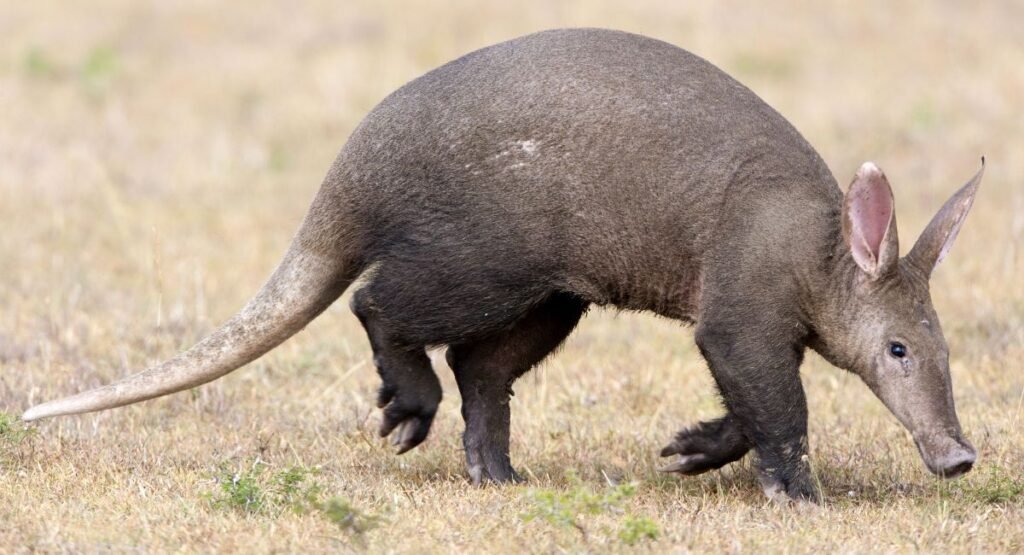
As a nocturnal creature, the aardvark ventures out under the cover of darkness, honing its foraging skills while avoiding the heat of the day. This lifestyle not only helps it stay cool but also reduces competition with day-active predators.
Armadillo
The armadillo, one of the intriguing animals with small ears, boasts a unique armor made of bony plates that provide exceptional protection against predators. This evolutionary adaptation allows them to thrive in various habitats, from grasslands to forests, effectively shielding their vulnerable bodies as they forage for insects and plants.
Renowned for their burrowing behavior, armadillos dig elaborate tunnels that serve as homes and foraging grounds. Their compact ears are perfectly suited for their underground lifestyle, minimizing exposure while still allowing them to detect vibrations in their environment.
Tapir
The tapir, a unique creature among animals with small ears, thrives in lush forest habitats across Central and South America and parts of Southeast Asia. Its rounded ears are often overlooked, but they play a crucial role in its communication, aiding in hearing subtle sounds in dense underbrush.
Not just adept at navigating their forest homes, tapirs are also surprisingly strong swimmers. Their streamlined bodies and sturdy legs allow them to glide effortlessly through water, making them not only terrestrial adventurers but also proficient aquatic inhabitants.
Rhinoceros
The rhinoceros, often overlooked in discussions about animals with small ears, thrives in grassland habitats where its unique physical adaptations shine. These impressive creatures utilize their small ear structure to minimize heat loss, allowing them to remain cool while roaming vast plains under the sun’s relentless rays.
Rhinoceroses possess extraordinary senses, particularly their sense of smell, which compensates for their relatively modest hearing ability. This keen olfactory capability helps them detect threats and navigate their environment, demonstrating that adaptability is key for survival in a dynamic ecosystem.
Capybara
The capybara, a fascinating member of the animal kingdom, stands out among animals with small ears due to its unique adaptations for a semi-aquatic lifestyle. These creatures thrive in wetlands and rivers, using their small, rounded ears to minimize water resistance while submerged, allowing them to evade predators efficiently.
Socially, capybaras are exceptional, often found in groups that foster strong communal bonds. Their powerful senses of smell and hearing play a vital role in their daily interactions, allowing them to detect dangers from afar.
Their powerful senses of smell and hearing play a vital role in their daily interactions, allowing them to detect dangers from afar. If you’re curious about other animals that share their semi-aquatic world, check out our guide on animals that live in groups.
Tuatara
The Tuatara (Sphenodon punctatus) is an ancient reptile native to New Zealand, often regarded as a living fossil. With ear openings that are remarkably small, these creatures have adapted to a burrow-dwelling lifestyle, protecting their sensitive inner ears from dirt and insects.
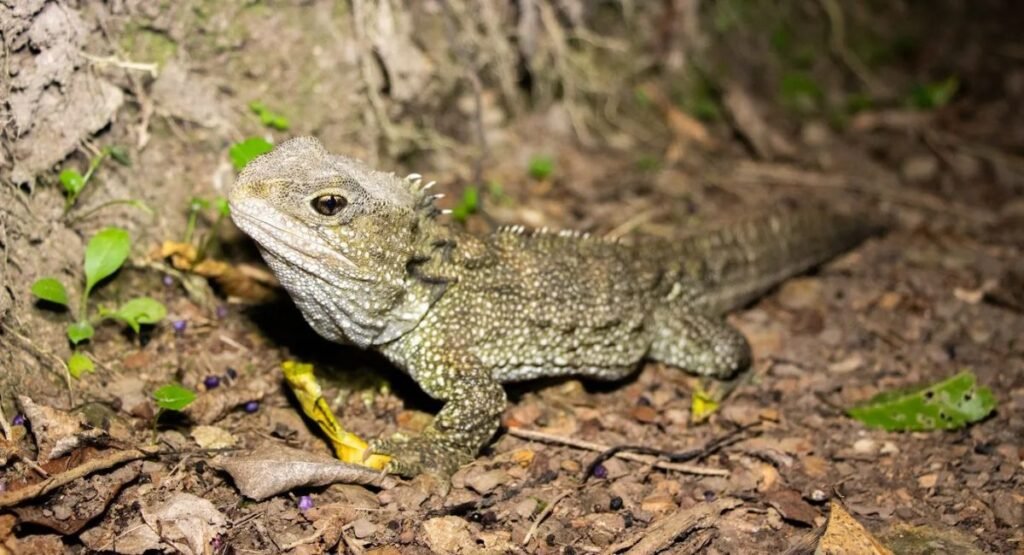
Tuatara thrive in coastal forest habitats, primarily feasting on insects, small birds, and their eggs. Their unique adaptations, such as a prolonged lifespan of up to 100 years, allow them to survive in a dynamic environment.
A fascinating fact about this intriguing animal is that, unlike most reptiles, Tuatara can regulate their body temperature with remarkable precision, making them well-suited to their ecological niche.
Shrew
The shrew, scientifically known as Soricidae, is a tiny mammal known for its compact ears, which are perfectly adapted to its underground and forest-floor lifestyle. With a fast metabolism, these small creatures are constantly on the move, hunting insects and other invertebrates with their exceptionally sharp senses.
Shrews thrive in diverse environments ranging from woodlands to grasslands, showcasing their adaptability. They primarily feast on insects, worms, and small invertebrates, which provide the nutrients necessary for their high-energy demands.
A fascinating survival adaptation is their ability to produce a toxin in their saliva, allowing them to subdue prey quickly, despite their small size, some species of shrew can consume more than their body weight in food each day, demonstrating their voracious appetite in the animal kingdom.
Sea Lion
The sea lion, scientifically known as Zalophus californianus, is a fascinating marine mammal characterized by its small external ear flaps. These adaptations, along with its streamlined body, significantly reduce water resistance, allowing it to glide effortlessly through its coastal habitat.
These social creatures live in large colonies, exhibiting playful behavior that enhances group cohesion. Feeding primarily on fish and squid, sea lions are skilled hunters, showcasing impressive diving abilities that allow them to pursue prey at great depths. Interestingly, their small ears not only aid in hydrodynamics but also enable keen hearing, essential for communication among their colonies.
Hippopotamus
The hippopotamus, scientifically known as Hippopotamus amphibius, is a fascinating semi-aquatic mammal primarily found in rivers and wetlands across sub-Saharan Africa. With its small rounded ears perched atop its massive head, this unique adaptation allows them to hear even while mostly submerged.
As herbivores, they primarily graze on grasses at night, displaying a remarkable survival adaptation by spending much of the day in water to regulate their body temperature.
Fun fact: despite their bulky size, hippos can run surprisingly fast on land, reaching speeds of up to 19 mph, making them one of the most formidable entries among the deadliest animals in the world.
Bear
The bear, scientifically known as Ursidae, is a thick-furred mammal that thrives in diverse habitats, including forests and mountains. Unlike many animals in the wild, bears possess rounded, small ears that help reduce heat loss, allowing them to adapt to colder climates.
Their remarkable sense of smell and acute hearing make them formidable foragers and hunters, ensuring they can detect food and potential threats from great distances.
Their diet is omnivorous, consisting of berries, fish, and small mammals — a lifestyle that makes them surprisingly solitary animals in the world, preferring to forage and hunt alone.
Conclusion
The diversity of small ears animal highlights the stunning intricacies of evolution and the remarkable ways in which these creatures adapt to their habitats. Whether we’re examining the animals with small ears or the rare instances of animals with one ear, it’s clear that each adaptation carries its own survival advantages, optimizing their ability to thrive in various ecosystems.
What animal has the smallest ears serves as a fascinating inquiry into the brilliant adaptability within our planet’s biodiversity. From the smallest ears to the unique traits found in species with small ear adaptations, the wildlife around us continually amazes us with its resilience and ingenuity.
FAQs
Which Animal Has Small Ears?
Many animals have naturally small ears as an adaptation for survival. Examples include the Mole, Seal, Platypus, Walrus, and Wombat. Small ears can help reduce heat loss, prevent dirt from entering while digging, or improve movement in water.
Which Cat Has Small Ears?
One of the most famous cats with small ears is the Scottish Fold. This breed is known for its small, folded ears that bend forward, giving it a unique round-faced appearance.
What Are Small Ears Called?
In medical terms, unusually small ears are called Microtia. It is a congenital condition in which the outer ear does not fully develop before birth.
Which Dogs Chase Cats?
Some dog breeds have a strong prey drive and may naturally chase cats, including:
Siberian Husky
Greyhound
Jack Russell Terrier
These breeds were historically developed for hunting, tracking, or chasing prey. Proper training and early socialization can make a big difference.