Animals That Have 3 Toes: Real Examples and Track Clues
The world of Animals that have 3 toes is a remarkable showcase of adaptation and diversity in the animal kingdom. Each species, with its distinctive features and behaviors, contributes significantly to its ecosystem.
By diving into the examples and track clues of these animals, readers will gain a greater understanding of their roles in the wild and what makes them truly unique. This article aims to unveil the secrets of these three-toed wonders, shedding light on their importance in maintaining ecological balance.
First, A Quick Toe Lesson
“Three toes” can mean two different things:
- An animal with three functional digits on the foot (a true 3 toed animal).
- A track that shows three toes, even if the animal has a small rear toe that doesn’t leave a clear print (very common in birds).
Mud, snow, sand, and speed can all change what shows up in a footprint. So it helps to know both the anatomy and the track pattern.
Mammals That Are Genuinely Three-Toed Animals
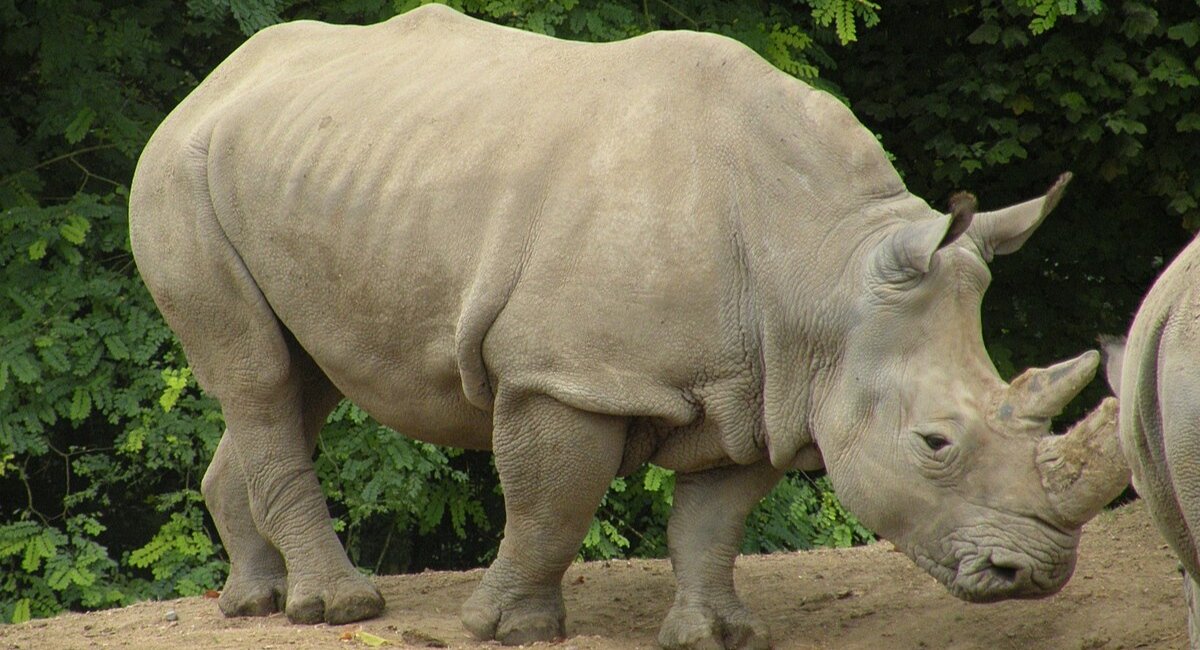
Rhinoceroses
All living rhinoceroses are odd-toed ungulates, and they have three rigid toes on each foot. That three-toe structure helps support huge body weight across a tough, padded sole.
Tapirs (Three Toes On The Back Feet)
Tapirs are another odd-toed ungulate, closely related to horses and rhinos. They have four toes on the front feet and three toes on the hind feet. So if you’re asking “what animal has 3 toes,” a tapir is a great answer, with a small footnote: it’s three on the back, four on the front.
Animals With “Three-Toed” In The Name
Sometimes “3 toed animal” searches are really about animals whose common name includes three-toed, even if the anatomy is a bit more nuanced.
Three-Toed Sloth
Three-toed sloths are named for the number of digits on their forelimbs. They have three claws on the front limbs (and also three on the hind limbs), which is why they’re called three-toed. The name is mainly used to distinguish them from two-toed sloths, which have two digits on the forelimbs.
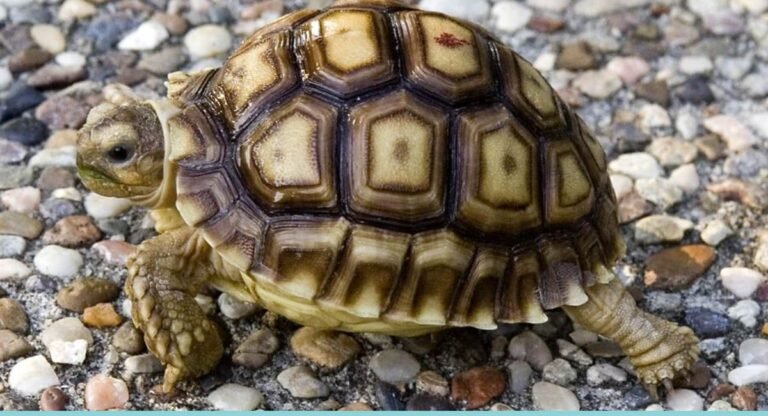
Three-Toed Box Turtle
Some turtles are nicknamed “three-toed” because of the number of toes on the hind feet. If you’re identifying an animal by a footprint near water, though, turtles can be tricky because their tracks vary with mud depth and stride.
Birds Whose Feet Often Look Three-Toed In Tracks
Most birds have four toes in total (three forward, one back), but the rear toe (hallux) can be small or set higher, and sometimes it doesn’t register clearly in soft ground. That’s why “animal tracks with 3 toes” usually means bird tracks.
Emu
Emus are a clean, true example because they actually have three toes. Their footprint can look like a wide, three-pronged mark, and their toes end in strong claws.
Cassowary
Cassowaries also have three-toed feet, including an inner toe with a long, dagger-like claw. Their tracks can be large and heavy, often showing deep toe impressions due to their weight.
Read also Animals That Live in Rivers: A Guide to River Wildlife
Many Waterfowl And Wading Birds
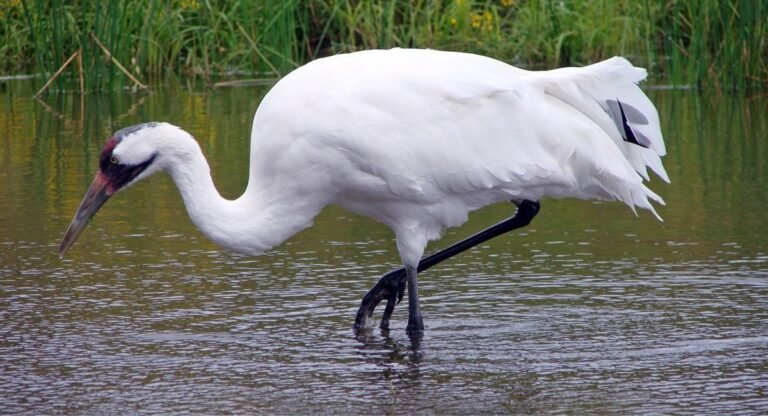
Ducks, geese, herons, and many other birds can leave prints that show three main toes forward. Webbing can make the track look even more “three-toed,” because the rear toe may not show at all.
How To Tell A Three-Toed Bird Track From Something Else
- Bird tracks often show three toes pointing forward in a fan shape, sometimes with a thin rear toe (sometimes missing).
- Reptile tracks often show a dragged tail mark or a different toe spacing, depending on species.
- Theropod dinosaur tracks are also three-toed (tridactyl), but they tend to be much larger and have a consistent stride pattern in trackways.
- Check for webbing: if you see connected toe pads, it’s likely a water bird like a duck.
- Look for claw marks: many birds leave sharp points at the toe tips, while some reptiles show different claw angles.
- Measure stride and trackway: bird tracks often form a left-right pattern; a single “mystery print” is harder to identify than a line of them.
- Note the habitat: forest floor, sandy beach, riverbank mud, or backyard lawn can narrow the options fast.
The best extra clue is the rest of the story: where you found it. A muddy riverbank points to birds, raccoons, and turtles. A deep forest trail might point to ground birds. A zoo path might point to… well, tapirs.
Why Some Animals Evolved Three Toes
In mammals like rhinos and tapirs, toe number is tied to an evolutionary branch (odd-toed ungulates) and weight-bearing mechanics. In birds like emus, fewer toes can reduce weight at the end of the leg while still providing stability and traction for running.
Conclusion
Animals that have 3 toes offer a fascinating glimpse into the diversity of wildlife and the unique adaptations that enable survival in various environments. From the mighty three-toed sloth to the intriguing American crocodile, these creatures showcase remarkable evolutionary pathways.
By understanding the characteristics and behaviors of these animals, we can gain insights into their ecological roles and the significance of their habitats.