13 Amazing Animals That Live in Bogs: Fascinating Wildlife of Wetland Ecosystems
Animals that live in bogs are crucial to maintaining the unique ecosystems that thrive in these wet environments. Their specialized adaptations allow them to not only survive but also enrich the biodiversity of their surroundings.
Understanding these intriguing species deepens our appreciation for the delicate balance of life in bog habitats and underscores the need for their conservation.
Animals That Live in Bogs: Discover Unique Wetland Wildlife
Bogs are fascinating wetland ecosystems filled with waterlogged soil, low nutrients, and specially adapted wildlife. Despite harsh conditions, many animals thrive here by developing unique survival strategies.
From semi-aquatic mammals to amphibians and birds, these species play an important role in maintaining ecological balance. Below, explore 13 amazing animals that live in bogs and how they adapt to this environment.
Muskrats
Muskrats, scientifically known as Ondatra zibethicus, are fascinating semi-aquatic mammals that play a crucial role in maintaining the delicate balance of bog ecosystems. These industrious creatures construct intricate lodges from vegetation and mud, creating safe havens for themselves while simultaneously providing important habitats for other wildlife.
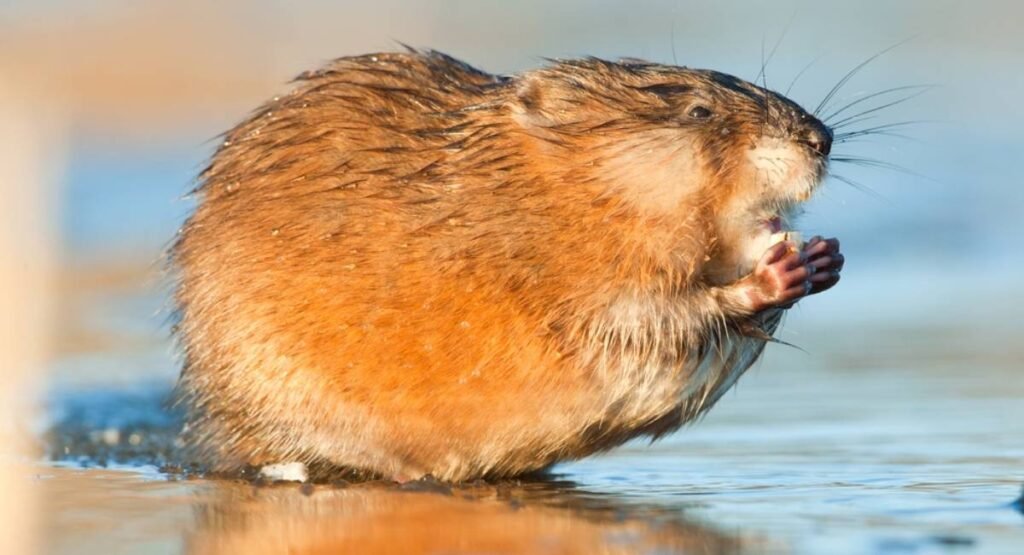
By feeding on aquatic plants and disturbing the sediment, muskrats facilitate nutrient cycling and help prevent overgrowth in their environments. This natural behavior promotes biodiversity, allowing other species to thrive and ensures the health of wetlands.
Frogs
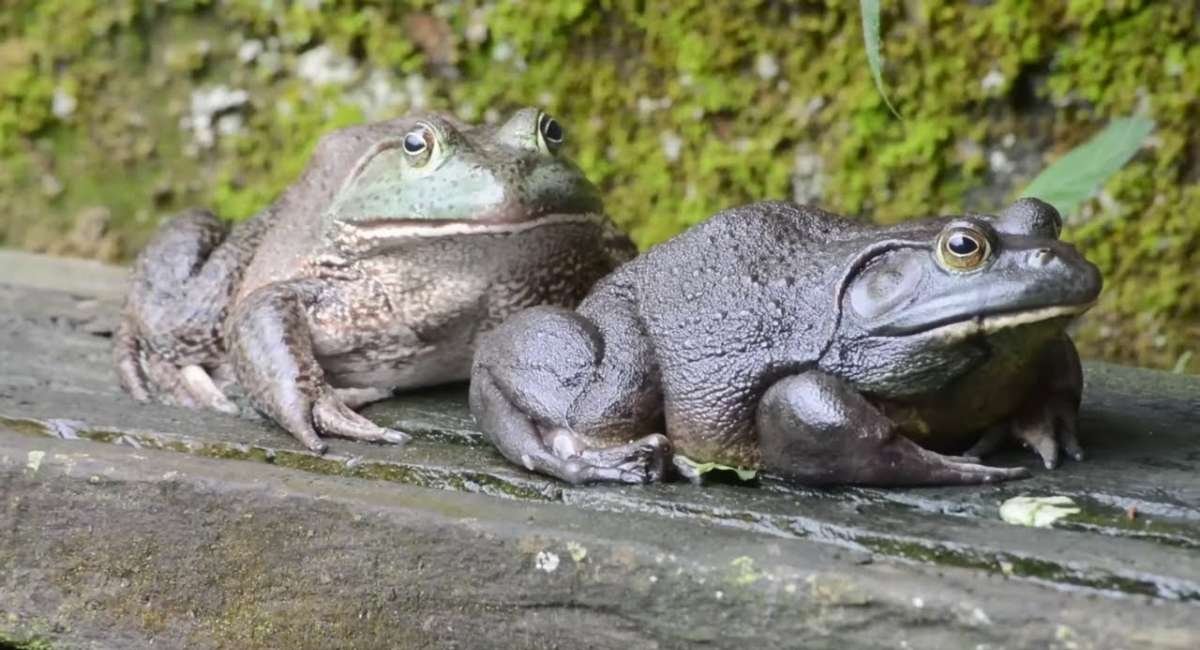
Frogs, particularly the common frog (Rana temporaria), are remarkable amphibians that flourish in moist bog environments, where their delicate ecosystems thrive. These captivating creatures play a vital role in their habitats, as they depend on wet conditions for breeding and survival, making them especially vulnerable to environmental changes.
As environmental indicators, frogs offer crucial insights into the health of their ecosystems. Their permeable skin absorbs toxins, making them sensitive to pollution and habitat degradation. When frog populations decline, it often signals deeper ecological issues, urging us to take action to protect the fragile wetlands they inhabit.
Bog Lemmings
Bog lemmings (Synaptomys spp) are small rodents that thrive in the wetlands, showcasing remarkable adaptations to their soggy habitats. These elusive creatures, often found in marshy areas and peat bogs, play a vital role in maintaining the health of these ecosystems by aerating the soil and influencing plant growth through their foraging behaviors.
Their diet primarily consists of dense vegetation, which they glean from the wetland floor, thus contributing to nutrient cycling. As bog lemmings burrow and tunnel through the soil, they create channels that allow water to drain more effectively, supporting plant diversity and fostering the intricate balance of their wetland environments.
Red-winged Blackbird
Red-winged Blackbirds (Agelaius phoeniceus) thrive in wetland habitats, particularly in dense reed beds and marshy areas. These environments provide the ideal nesting sites and abundant food sources for this striking bird, known for its vibrant red and yellow shoulder patches.
In wetland ecosystems, Red-winged Blackbirds play a crucial role as both pollinators and pest controllers. By feeding on insects, they help maintain the balance of arthropod populations and thus contribute to the overall health of their habitat.
Their nesting behavior encourages the growth of reed communities, which in turn supports other species, highlighting the interdependence of wildlife within these delicate ecosystems.
Smooth Newts
Smooth Newts (Lissotriton vulgaris) exemplify the fascinating duality of amphibian life, gracefully transitioning between aquatic and terrestrial habitats. In water, their elegant, streamlined bodies allow them to glide effortlessly, while on land, they navigate with a distinctive waddle, adapting superbly to various environments.
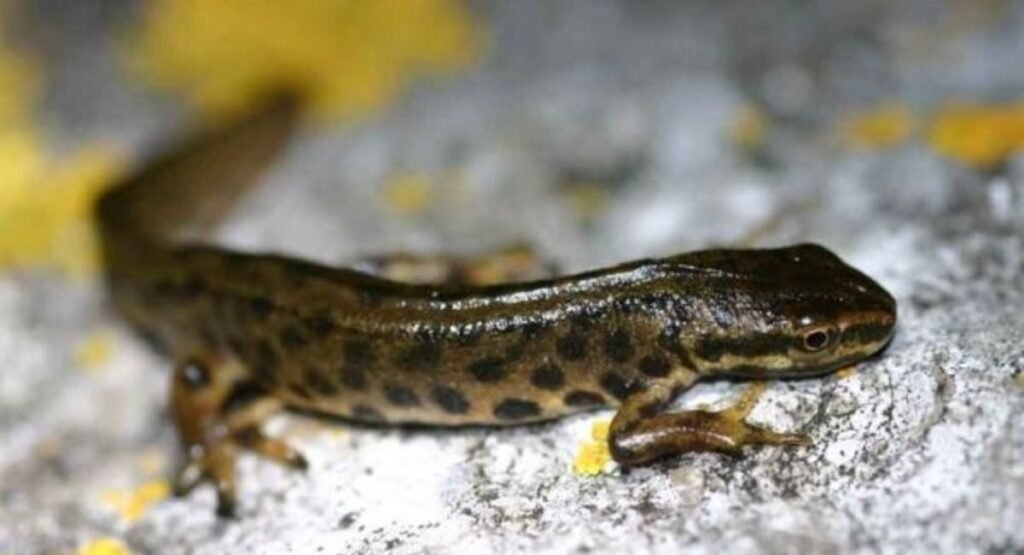
Breeding typically occurs in shallow bog waters, where females lay eggs on submerged vegetation, creating a safe haven for their offspring. The males engage in intricate courtship displays, showcasing their vibrant colors and frilled crests to attract mates.
Through their life cycle, Smooth Newts remind us of the interconnectedness of land and water ecosystems, underscoring the importance of preserving these unique environments.
Beavers
Beavers, scientifically known as Castor canadensis, are remarkable ecosystem engineers that profoundly influence their habitats by building dams, particularly in bog areas. These structures create ponds that not only provide a safe haven for various aquatic species but also enhance the biodiversity of surrounding flora and fauna.
The dam-building activities of beavers also play a critical role in flood mitigation and groundwater recharge. By regulating water levels, they prevent soil erosion and help maintain moisture in the ecosystem, benefiting plant life and food webs.
Snowshoe Hare
The Snowshoe Hare (Lepus americanus) exemplifies nature’s ingenuity with its seasonal camouflage, seamlessly shifting from brown in summer to pure white in winter. This transformation not only enhances its survival against predators but also allows it to blend perfectly into its bog and snowy environments, showcasing a remarkable adaptation to the changing seasons.
The Snowshoe Hare elongated hind feet act like natural snowshoes, enabling it to traverse deep snow with ease. These adaptations are essential for foraging in winter, ensuring it can navigate its chilly habitat while escaping canny predators, such as lynxes and hawks.
Read also Explore 13 of the Quietest Animals in the World
Sandhill Crane
The Sandhill Crane (Antigone canadensis) is a majestic bird that thrives in wetlands, showcasing a unique adaptability that allows it to flourish in diverse environments. Standing tall with its gray plumage and elongated legs, this crane is not just an awe-inspiring sight but also a keystone species crucial to its habitat.
Beyond its beauty, the Sandhill Crane plays a significant role in seed dispersal, which is vital for maintaining the health of wetland ecosystems. As these birds forage for food, they often consume seeds that they later excrete across vast distances, inadvertently aiding in plant propagation and supporting biodiversity in their surroundings.
Salamanders
Salamanders, particularly those belonging to the genus Ambystoma, thrive in moisture-rich environments where their permeable skin plays a crucial role in hydration and respiration. These amphibians are often found in the damp, cool settings of bog ecosystems, which provide the humid conditions essential for their survival.
In bog ecosystems, salamanders contribute significantly to the food web, preying on insects and small invertebrates while serving as a food source for larger predators. Their presence helps regulate insect populations and contributes to nutrient cycling, as their waste enriches the substrate.
Moose
Moose (Alces alces) are fascinating creatures that thrive in wetland ecosystems, where they indulge in a diet rich in aquatic plants. These impressive mammals wade into shallow waters, using their long legs to navigate through bogs and marshes, foraging on tender shoots, and water lilies that offer vital nutrients.
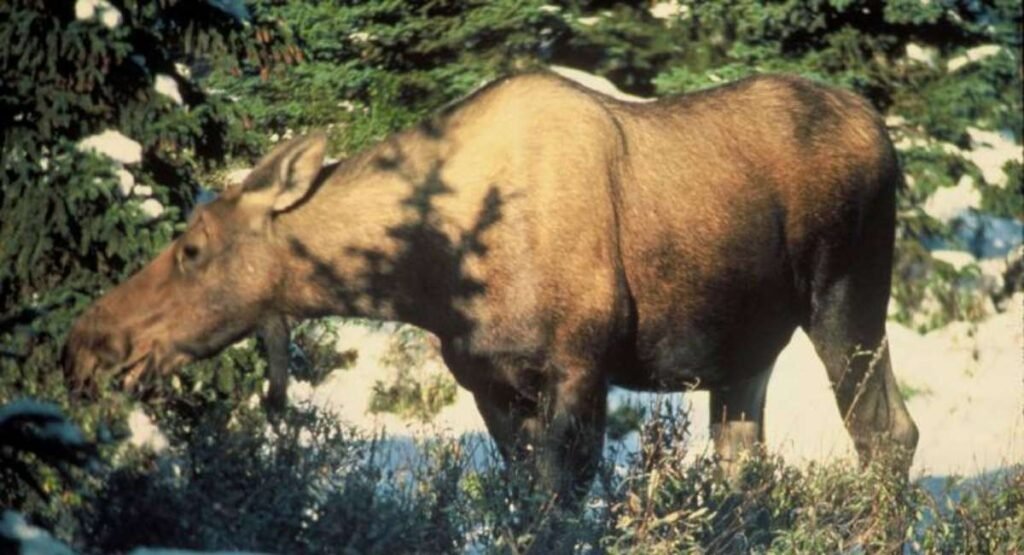
Bogs serve as more than just a buffet for moose; they provide essential cover and breeding grounds for various wildlife species. The dense vegetation in these areas helps moose evade predators and promotes a diverse ecosystem by fostering growth that supports insects, birds, and other animals.
Bog Turtles
Bog turtles (Glyptemys muhlenbergii) are remarkable creatures, renowned for their diminutive size, often measuring just 4 to 5 inches in length. This small stature makes them one of North America’s tiniest turtle species, perfectly adapted to the lush, moist environments of bog habitats where they thrive and find shelter.
These turtles rely heavily on the specialized ecosystems of wetlands, which provide the food and security they need to survive. As sensitive indicators of environmental health, their presence signals the vitality of bog ecosystems, underscoring the critical importance of conservation efforts to protect these unique habitats from degradation and development.
Dragonfly
The dragonfly, belonging to the scientific suborder Anisoptera, experiences a fascinating life cycle that transitions from aquatic nymph to mesmerizing aerial predator. Predominantly found in bogs, these insects first hatch from eggs laid in water, where they undergo several molts as nymphs, developing keen hunting skills.
As they metamorphose into adults, dragonflies transition into formidable insect predators, showcasing unmatched aerial agility and precision. Their role in bog ecosystems is vital, as they help control pest populations while serving as bioindicators of environmental health.
With their vibrant colors and extraordinary flight capabilities, dragonflies not only captivate observers but also maintain ecological balance, making them essential components of their habitats.
Short-Eared Owls
Short-eared Owls (Asio flammeus) possess a remarkable hunting strategy that perfectly aligns with their open bog habitat. With their keen night vision and excellent hearing, they scan expansive landscapes for small mammals, primarily voles, which constitute a significant portion of their diet.
They are often seen hunting at dusk or dawn, engaging in a behavior known as “quartering,” where they methodically patrol the area. This unique approach not only showcases their agility but also enhances their chances of a successful catch, demonstrating their adaptability to these distinctive ecosystems.
Conclusion
Animals that live in bogs play a vital role in maintaining the intricate balance of these delicate ecosystems. Each species not only contributes to the overall biodiversity but also supports various life forms that rely on wetland habitats
As threats from climate change and human activities loom large, the need to protect bog habitats becomes increasingly urgent. Conserving these ecosystems is essential for preserving the unique and invaluable species that inhabit them.
FAQs
What Type Of Animals Live In A Bog?
Bogs are home to frogs, turtles, insects, and insect-eating birds that adapt to low-nutrient conditions. Due to low oxygen in water, fish are rare, while unique plants and wildlife thrive together
Do Bogs Have Insects?
Insects are abundant in bogs and play a key role in the ecosystem.
They feed on plants, fungi, and pollen, supporting biodiversity in these wetlands.
Can Bogs Have Fish?
Yes, some rare fish like mudfish can survive in bogs by adapting to low oxygen levels. They can even live in damp peat for weeks, staying moist under vegetation.