Humble Animals: Quiet Behaviors That Keep the Peace
Humble Animals reveal a fascinating world where silent interactions and understated behaviors play vital roles in preserving peace. From the way they communicate to their instinctual avoidance of conflict, these creatures exemplify the power of peaceful coexistence.
This article will explore their unique behaviors, highlighting how we can learn from their gentle approach to life, and apply these lessons to enhance our own relationships and communities.
What People Mean By Humble Animals
Humble isn’t a scientific label in biology. Animals don’t carry a “humility gene” the way we talk about it in humans.
But the behaviors people call humble are real and well studied. They include:
- Appeasement and calming signals that reduce tension
- Submission or deference when another individual is clearly in charge of a situation
- Reconciliation after a conflict (the social version of making up)
- Cooperative habits like grooming, babysitting, or sharing information
All of these behaviors can look like modesty from the outside, because the animal chooses peace over pushing.
How Animals Keep The Peace
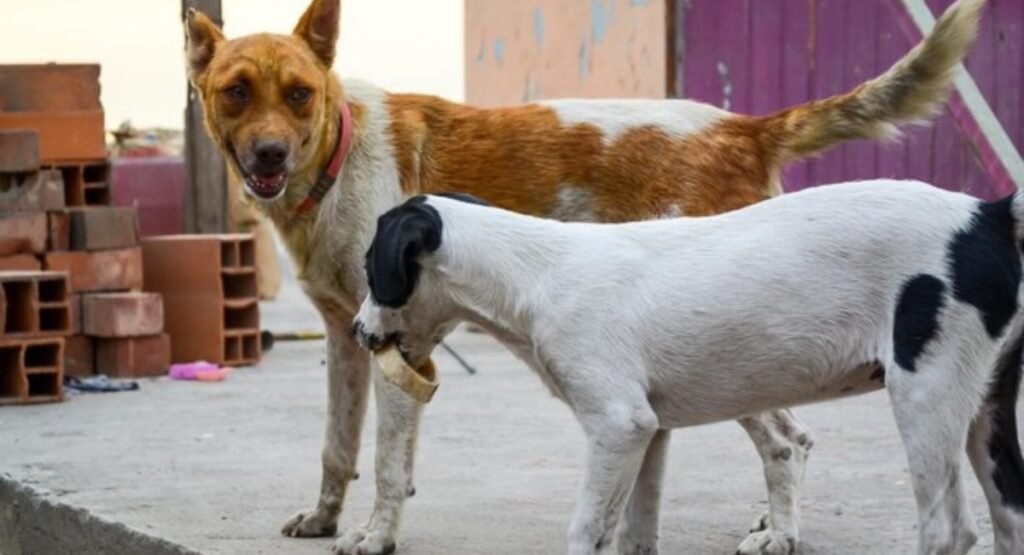
A lot of social animals have ways to say, “I’m not a threat.” In dogs, researchers have studied behaviors that may function as appeasement signals and help reduce aggression in the receiver.
In the wild, similar patterns show up across species. Looking away, lowering the body, backing off, soft vocalizations, or letting another animal pass first can all reduce the chance of a fight.
This matters because aggression is costly. Animals can get injured, lose access to food, or get pushed out of a group. If a small gesture prevents a bite, it’s worth it.
Grooming, Favors, And Quiet Cooperation
One of the easiest places to see “humble” behavior is in grooming and social favors.
In several primate species, grooming is not only about hygiene. It can be a social tool. Researchers have described patterns where individuals trade grooming for other benefits, like tolerance around food or support during tense moments.
That kind of exchange can look like kindness, but it’s also practical. It keeps relationships smooth, and it lowers the temperature inside a group.
Related: The Most Energetic Animals and Why Some Feel Hyper
Reconciliation After Conflict
Conflict happens in animal groups. What’s interesting is what happens after.
In some species, individuals seek contact after an argument. They groom, sit close, touch, or exchange small signals that say, “We’re good.” That kind of reconciliation protects long term relationships and keeps the group stable.
This is one reason humble behavior matters. It’s not only about avoiding conflict. It’s also about repairing it when it happens.
Examples Of Humble Behavior
Instead of naming a single list of humble animals, it’s more accurate to say: many animals show humble moments.
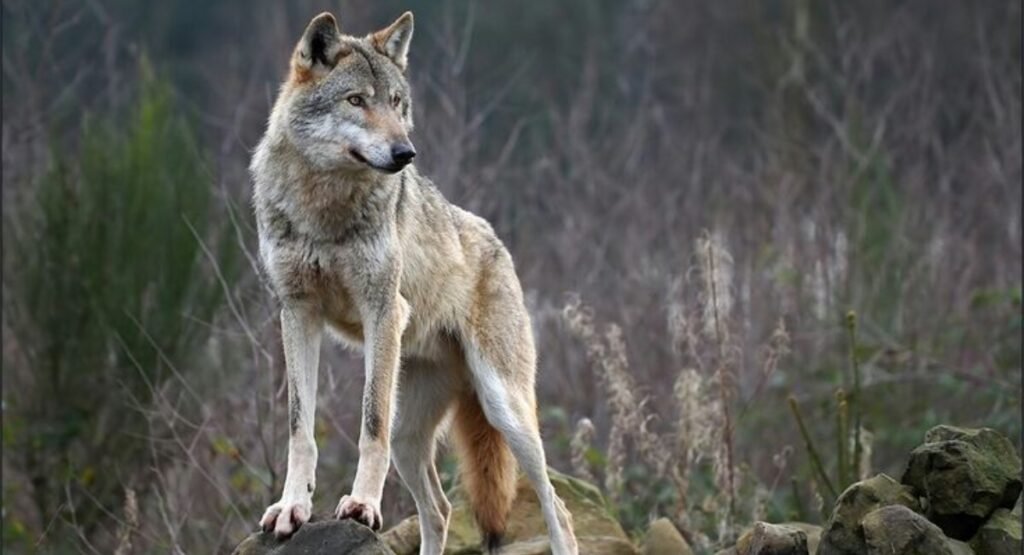
Here are a few examples of what that can look like:
- A dog turning its head and licking its lips when another dog charges in too fast
- A wolf or primate giving way to a higher ranking individual to avoid escalation
- A herd animal staying close to the group and following the flow rather than challenging it
- A parent animal tolerating clumsy youngsters climbing all over them without snapping
Humble Does Not Mean Weak
Humble does not mean timid. A confident animal can still choose humble behavior when it wants to keep things calm.
Think of it like social skill. In many groups, the individuals that last longest are not the loudest. They’re the ones that read the room.
A good social animal often:
- De-escalates when a situation is getting hot
- Uses distance instead of teeth
- Signals clearly instead of surprising others
- Lets status be obvious without constant testing
You can see this in dogs that politely curve their body during greetings, or in primates that use grooming and gentle contact to smooth over awkward moments.
In human terms, it’s not weakness. It’s emotional control.
Is There A Humblest Animal?
If you define humble as “puts the group first,” then social insects like worker ants and bees are the classic example. Their whole life is built around colony success.
If you define humble as “avoids conflict and keeps relationships stable,” then many social mammals and birds could qualify depending on the individual.
The honest answer: the humblest animal is the one that prevents the most drama in its own world.
Humble Behavior In Pets
If you live with a dog, you’ve probably seen humble behavior without realizing it. A dog that looks away, lowers its head, or pauses before approaching may be communicating safety.
It’s important to read context. A calm signal can mean “I’m being polite,” but it can also mean “I’m nervous.” If your dog’s body is stiff, tail tucked, or it’s trying to escape, that’s fear, not humility.
Learning these signals can help you prevent conflicts at the dog park and make introductions smoother at home.
Helping Humble Behavior Show Up At Home
If you have multiple pets, you can support calmer, more “humble” interactions by managing the environment.
Simple things help a lot:
- Provide more than one resting spot, water bowl, and exit route in a room
- Feed animals separately if food creates tension
- Interrupt staring and blocking early, before it becomes a fight
- Reward calm behavior around high value resources (toys, people, doorways)
Conclusion
Humble animals showcase the significance of tranquility in their daily interactions, emphasizing peace and cooperation over confrontation. Observing their gentle behaviors demonstrates a profound understanding of the interconnectedness of life, encouraging us to reflect on our own actions.
These animals remind us that sometimes, the quietest voices carry the most important messages. By learning from their approach, we can cultivate a more harmonious atmosphere in our communities. Let us take inspiration from these remarkable creatures and strive to foster peaceful relations in our own lives.